Bar Julien gives Bruges a polished cocktail address in a city better known abroad for beer cellars, chocolate shops, and canal-side dining rooms. With little public data on awards, pricing, or programme specifics, its value is editorial rather than statistical: a central Bruges bar to read through the city’s shift toward slower, design-conscious drinking.
Pearl is the En Primeur Club membership app — saves, bookings, and concierge access live there. Same editors, same standards.
- Address
- Prinsenhof 8, 8000 Brugge, Belgium
- Phone
- +32 50 44 78 88
- Website
- dukesrestaurant.be
- Directions
- Get directions
 Saves & bookings on Pearl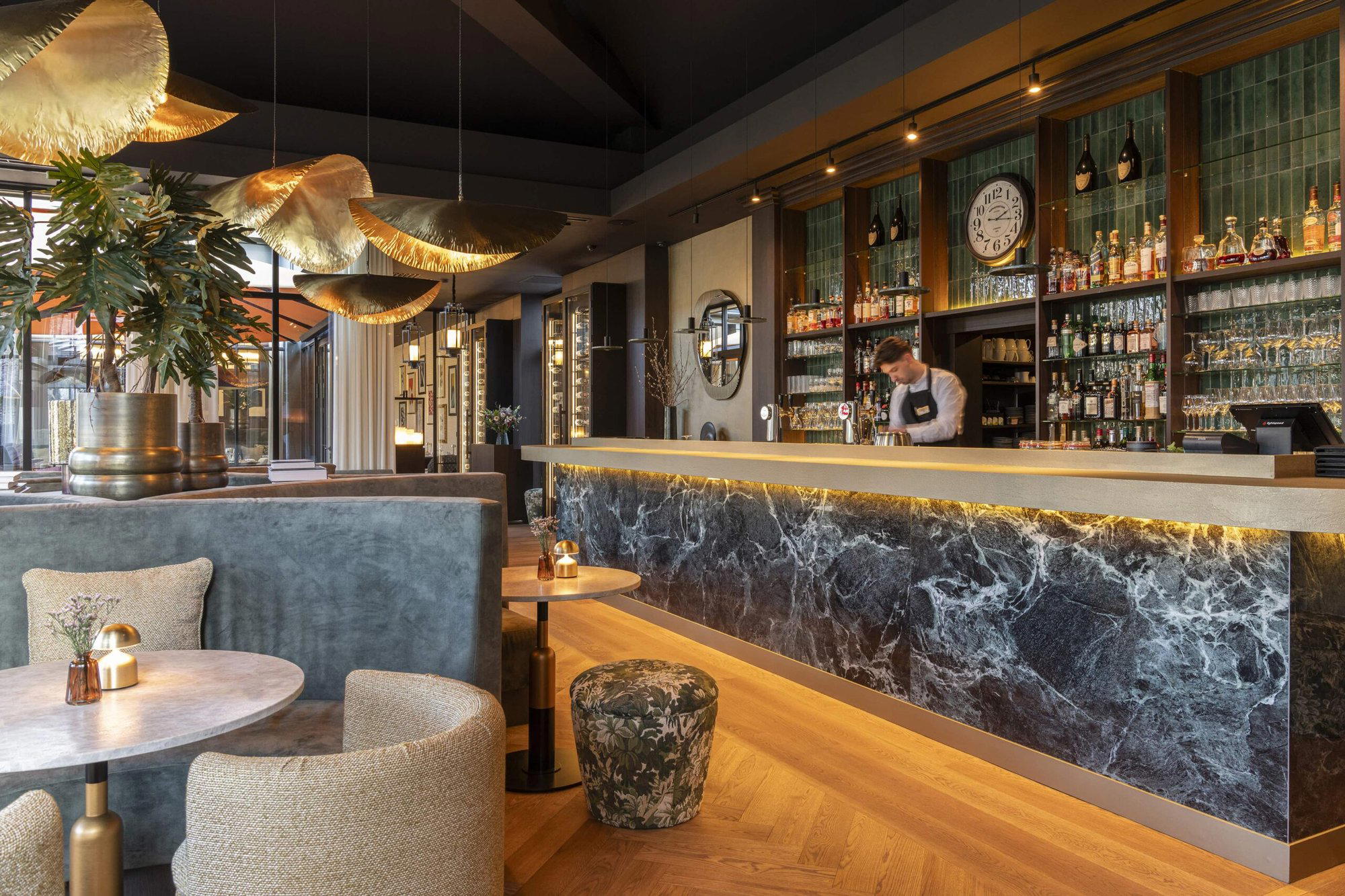
Bruges after dark, beyond the beer postcard
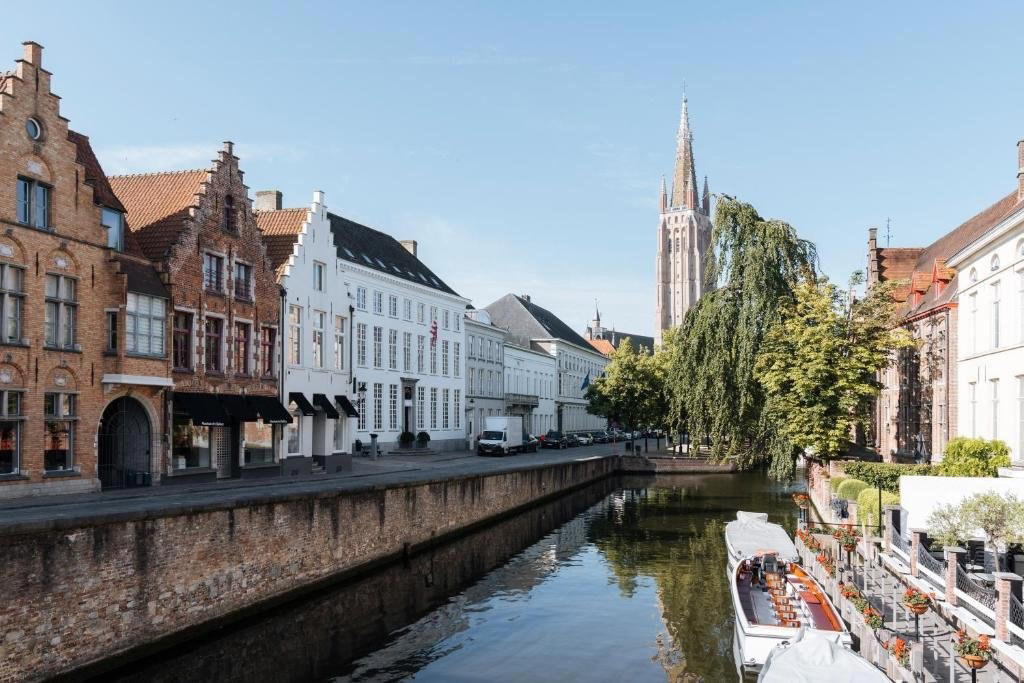
Approaching Prinsenhof 8 places Bar Julien inside a quieter version of Bruges than the one sold through carriage routes and Markt-facing terraces. The address sits in the historic core, where stone lanes, hotel courtyards, and softly lit facades make evening drinking feel more intimate than theatrical. In a city whose global reputation is tied first to medieval architecture and then to beer, a cocktail bar has to work against an inherited script. The point is not to outshine Belgian brewing culture. The more interesting move is to offer another rhythm: mixed drinks, slower pacing, and a room where the night is measured less by rounds and more by the shape of a conversation.
That matters because Bruges is not Brussels or Antwerp. Its drinking culture is shaped by visitors who arrive with fixed expectations: Trappist labels, lambic vocabulary, brown cafes, and old brewing houses. Those traditions deserve their weight, but they can make the city feel narrower than it is. Bar Julien belongs to the small but meaningful countercurrent of Bruges addresses that treat the evening as something more composed. It is a bar to understand through atmosphere and category, not through a long list of public accolades, because the available record does not supply awards, prices, bartender biography, hours, or a published drinks canon. That absence is useful in its own way. It pushes the assessment back to what can be said responsibly: location, city context, and the role a cocktail-led room plays in a heritage destination.
The cocktail programme as a Bruges correction
Belgium’s serious drinking identity is usually discussed through fermentation rather than shaking, stirring, clarification, or dilution control. Bruges intensifies that pattern because beer is not just a beverage category here; it is part of the city’s visitor economy. A cocktail programme in this setting has a different job from one in London, Paris, or New York. It does not need to announce a new movement. It needs to create a credible alternative to the default itinerary without pretending the default lacks merit.
Bar Julien sits in that gap. The venue database does not identify a cuisine type, signature drinks, price range, or bartender, so any claim about specific serves would be invention. What can be assessed is the editorial position: a cocktail bar in central Bruges has to deliver polish without becoming a hotel-lobby cliché, and it has to give drinkers a reason to pause when the city is already full of easier beer choices. That is a tougher assignment than it sounds. Beer halls can rely on inherited ritual: glassware, abbey labels, wooden rooms, strong local memory. Cocktail bars have to build trust through technique, restraint, pacing, and a sense that the room has been designed for the drink in hand rather than for a passing photo.
The wider European bar scene has moved away from hidden-door theatrics toward clearer, more transparent programmes: better ice, lower-sugar builds, house preparations, and menus that explain enough without turning a drink into a lecture. Bruges is not a city where that language dominates the public conversation, which makes a bar like this more interesting than a simple nightcap address. It suggests a visitor profile that wants the old city without spending every evening inside the same beer narrative. For travellers comparing the category, Bar Boutique offers another Bruges reference point, while Huisbrouwerij De Halve Maan anchors the brewing side of the city with far more explicit local heritage.
Why the room matters when data is thin
Some venues can be explained through numbers: stars, rankings, capacity, ticket price, cellar depth, years in operation. That does not make the venue less useful for an editorial guide; it changes the method. In a data-light case, the trustworthy approach is to read the bar through geography and category rather than invented detail. The confirmed address, Prinsenhof 8, places it within the central Bruges experience, close to the city’s hotel-and-dining circuit rather than on a fringe drinking strip.
This location matters because Bruges compresses its visitor life into a walkable core. A bar in that zone serves several audiences at once: hotel guests looking for a composed final stop, diners extending the evening after restaurants, and travellers who want a drink that does not require a deep beer education. The category expectation is therefore mixed. It must be accessible enough for an international guest, but not so generic that it becomes interchangeable with any other polished bar in a European heritage city.
The better comparison is not with a destination cocktail temple in a capital city. It is with the bar formats attached to smaller luxury towns, where design, pacing, and comfort carry as much weight as technical ambition. Bruges has restaurants with stronger public recognition than many of its bars, and that imbalance shapes how nights unfold. A dinner at a serious address, for instance, may send travellers searching for a quieter post-meal drink rather than another round of heavy beer. For that restaurant-led side of the city, Restaurant Sans Cravate gives a useful bridge between dining and drinking, and Our full Bruges restaurants guide helps place those choices in a broader itinerary.
Bruges drinking culture: beer gravity, cocktail margin
The critical context for Bar Julien is Bruges’ beer gravity. Belgium’s brewing reputation is not decorative background; it shapes what visitors expect to drink before they have looked at a single menu. Strong ales, witbier, saisons, lambic traditions, and monastic associations sit close to the surface of the national drinking conversation. Bruges adds a physical setting that seems made for that narrative: brick, timber, canals, and cellars that reward slow afternoons.
A cocktail bar in this city therefore operates at the margin, and the margin can be productive. It attracts drinkers who have already done the expected thing, or who never wanted the expected thing in the first place. It also suits the city’s evening tempo. Bruges is not built around late, high-volume nightlife in the way larger cities are. Its appeal after dark is atmospheric and contained. That makes a carefully paced bar more convincing than a loud, maximalist room. The city gives the drink a frame: cobbles outside, lower voices inside, and a sense that the evening should narrow rather than expand.
For readers building a Belgian drinking map, the contrast with Brussels is instructive. À La Mort Subite in Pl De Brouckere represents a more historic cafe grammar, while Le Wine Bar des Marolles in Brussels points toward wine-bar informality in a different urban register. Robijn Wine&Food in Genk adds another Belgian comparison, where food-and-wine positioning shapes the evening more directly. Against those references, Bar Julien reads as a Bruges answer to a narrow question: where does a cocktail fit in a city that has already given visitors a full beer vocabulary?
What to expect from the experience
The honest answer begins with restraint. That means the experience should not be oversold through imagined martinis, named signatures, rare spirits, or bartender stories. The reliable expectation is category-based: a central Bruges cocktail bar with an atmosphere suited to a slower evening and a role that differs from the city’s breweries and cafes.
That restraint is also the editorial recommendation. Bar Julien makes sense when the night calls for a controlled finish rather than another itinerary item. It is better read as a change of register after a restaurant, hotel bar alternative, or canal-side walk than as a statistics-led pilgrimage.
Travellers staying centrally should also consider how the surrounding hospitality map shapes the evening. Bruges hotel life often feeds directly into nearby bars because the historic core rewards walking and discourages complicated late-night transfers. Our full Bruges hotels guide is useful for that planning layer, while Our full Bruges bars guide places Bar Julien beside beer-led, wine-led, and cocktail-led alternatives. For a wider city plan, Our full Bruges experiences guide and Our full Bruges wineries guide fill in the daytime and wine-focused sides of the trip.
The right comparison is not a capital-city bar
Comparing Bar Julien to major cocktail addresses in global capitals would flatten what makes Bruges different. A Miami bar such as Café La Trova in Miami operates in a city where live music, late hours, and high-volume cocktail culture form part of the baseline. Bruges works under another logic. The city is smaller, the historic centre is more spatially controlled, and the visitor often seeks intimacy rather than spectacle. A Bruges cocktail bar succeeds by fitting that scale.
This is why the programme matters even when public details are limited. In a city of heavy visual inheritance, a drink can become either a prop or a pause. The stronger choice is the pause. A good Bruges bar does not need to mimic the energy of an urban drinks district. It should understand the value of quiet timing: a pre-dinner drink before the restaurant room fills, a final glass after a tasting menu, or a low-commitment stop when the afternoon’s beer has already done its work. Bar Julien’s central address supports those uses, and its cocktail identity gives it a clear function inside the city’s broader drinking ecosystem.
The absence of listed awards also keeps the hierarchy honest. This is not a page built on trophy language. It is a page about fit. Bruges has enough inherited drama without a bar needing to manufacture more. The relevant question is whether the room answers a real need in the city: a refined, cocktail-oriented stop in a place where many visitors default to beer by habit.
Planning notes for Bar Julien
Bar Julien is listed at Prinsenhof 8, 8000 Brugge, Belgium. Those gaps matter for planning, especially in Bruges, where evenings can compress around restaurant sittings, hotel check-ins, and visitor traffic in the historic centre. The practical approach is to treat it as a central evening option and verify current access through live local sources before arranging a tight schedule around it.
Cocktail bars in historic European centres often vary in cost according to spirit selection, format, and hotel proximity, but applying that general pattern to a specific bill would be guesswork. The same caution applies to availability. Without a published booking method or capacity, there is no responsible way to claim that entry is easy or difficult. The safer plan is to avoid making it the only late-night option, particularly during weekends, holidays, and high-traffic travel periods when Bruges’ central addresses can fill quickly.
The location is the strongest confirmed logistical asset. Prinsenhof places the bar within the core city experience rather than in an outer neighbourhood that requires a separate transfer. That makes it especially useful after dinner nearby or as part of a compact evening route. For travellers comparing categories, pair it mentally with Bruges’ beer institutions rather than against them. The city is more interesting when the night allows both: brewing heritage for one chapter, cocktails for another.
Continue exploring
More in Bruges
Bars in Bruges
Browse all →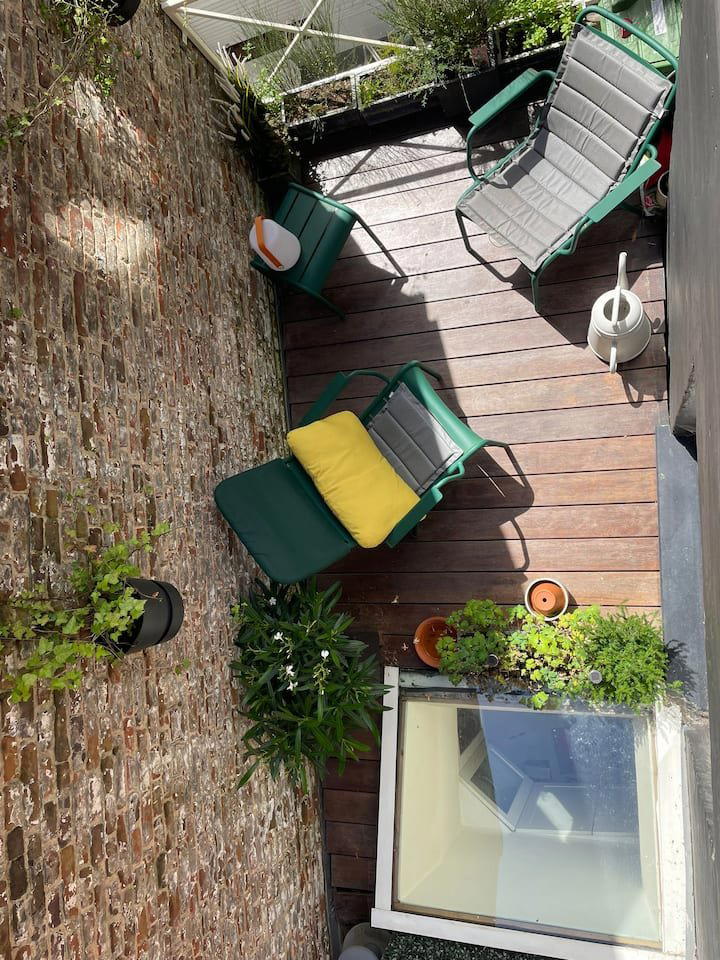
Restaurants in Bruges
Browse all →
Hotels in Bruges
Browse all →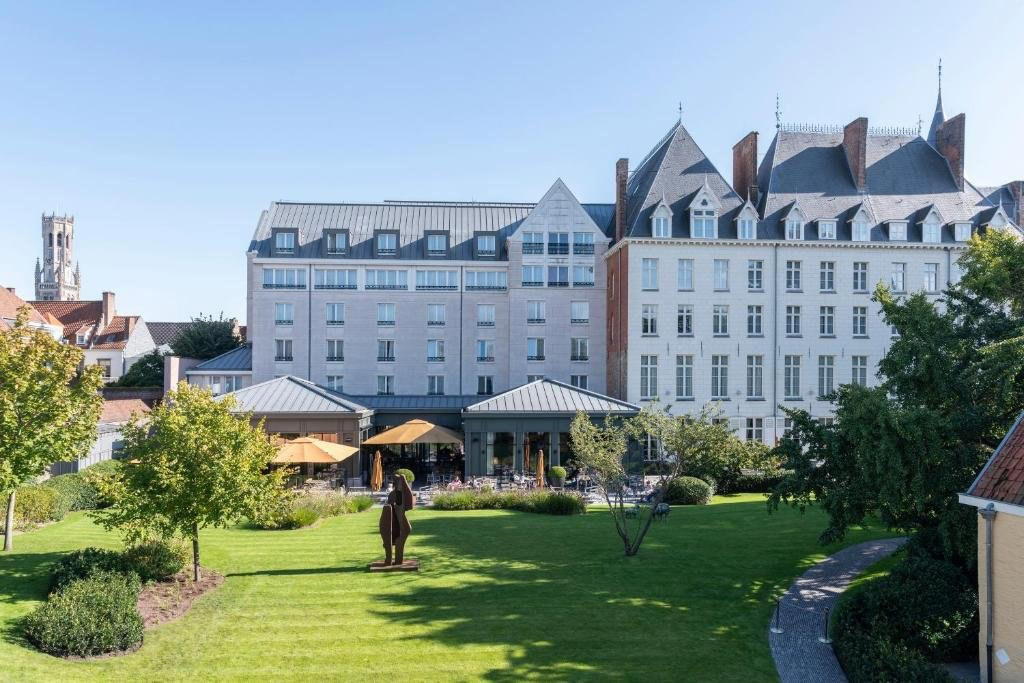
Wineries in Bruges
Browse all →
At a Glance
- Cozy
- Elegant
- Romantic
- Sophisticated
- Date Night
- After Work
- Casual Hangout
- Special Occasion
- Group Outing
- Garden
- Terrace
- Courtyard
- Historic Building
- Hotel Bar
- Seated Bar
- Lounge Seating
- Outdoor Terrace
- Craft Cocktails
- Classic Cocktails
- Conventional Wine
- Garden
Current opening hours
- Monday
- 6:30–9 PM
- Tuesday
- 6:30–9 PM
- Wednesday
- 6:30–9 PM
- Thursday
- 6:30–9 PM
- Friday
- 6:30–9 PM
- Saturday
- 6:30–9 PM
- Sunday
- 6:30–9 PM
Hours can change for holidays and private events. Last verified .
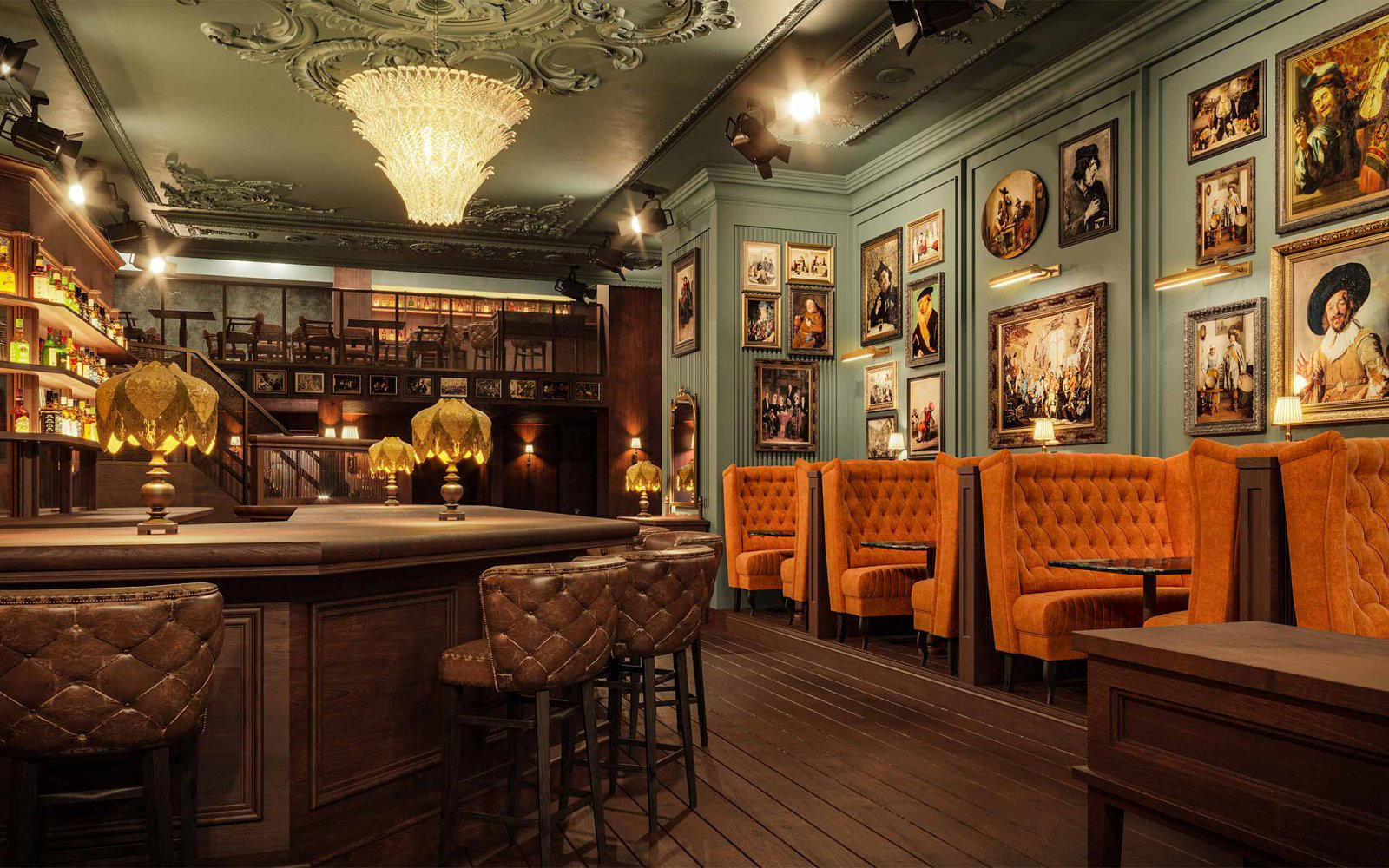
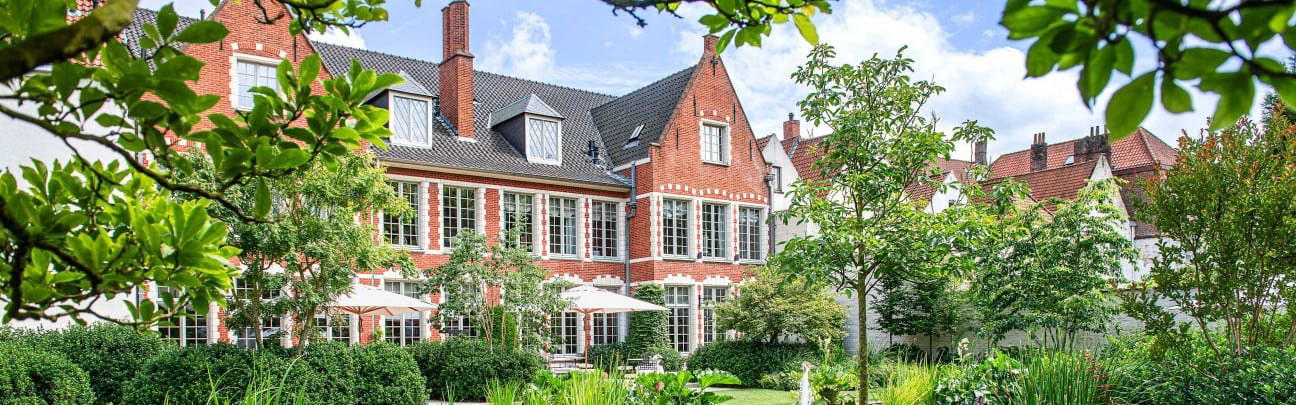
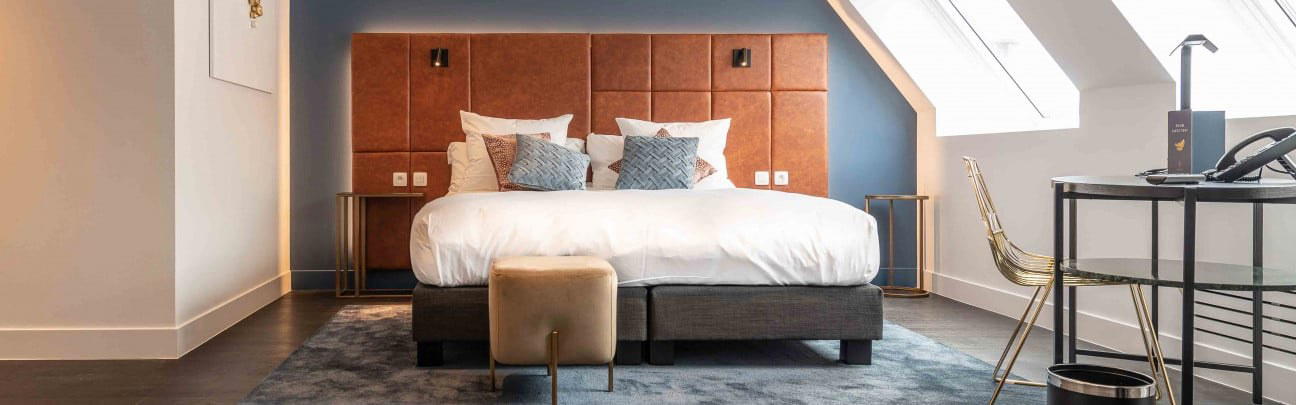
A stylish yet cozy hotel bar with refined finishes, soft lighting and an intimate lounge feel, opening onto a spacious, tranquil garden terrace that creates an oasis of calm and understated elegance in the historic city centre.
Know Before You Go
- Getting there
- Prinsenhof 8, 8000 Brugge, Belgium