Our verdict
Barbacoa sits on Dorp-Oost in Lochristi, a Flemish municipality east of Ghent where a small cluster of serious restaurants has quietly taken root. The name signals fire and smoke before a dish arrives, placing the kitchen in a tradition where sourcing and combustion matter more than elaboration. For the East Flemish dining circuit, it occupies a distinct position among neighbours working in classic French and modern European registers.

Pearl is the En Primeur Club membership app — saves, bookings, and concierge access live there. Same editors, same standards.
- Address
- Dorp-Oost 30, 9080 Lochristi, Belgium
- Phone
- +3292735381
- Hours
- Mon–Tue 12–1 PM, 7–8 PMWed ClosedThu 7–8 PMFri 12–1 PM, 7–8 PMSat 7–8 PMSun Closed
- Website
- barbacoa.be
- Directions
- Get directions
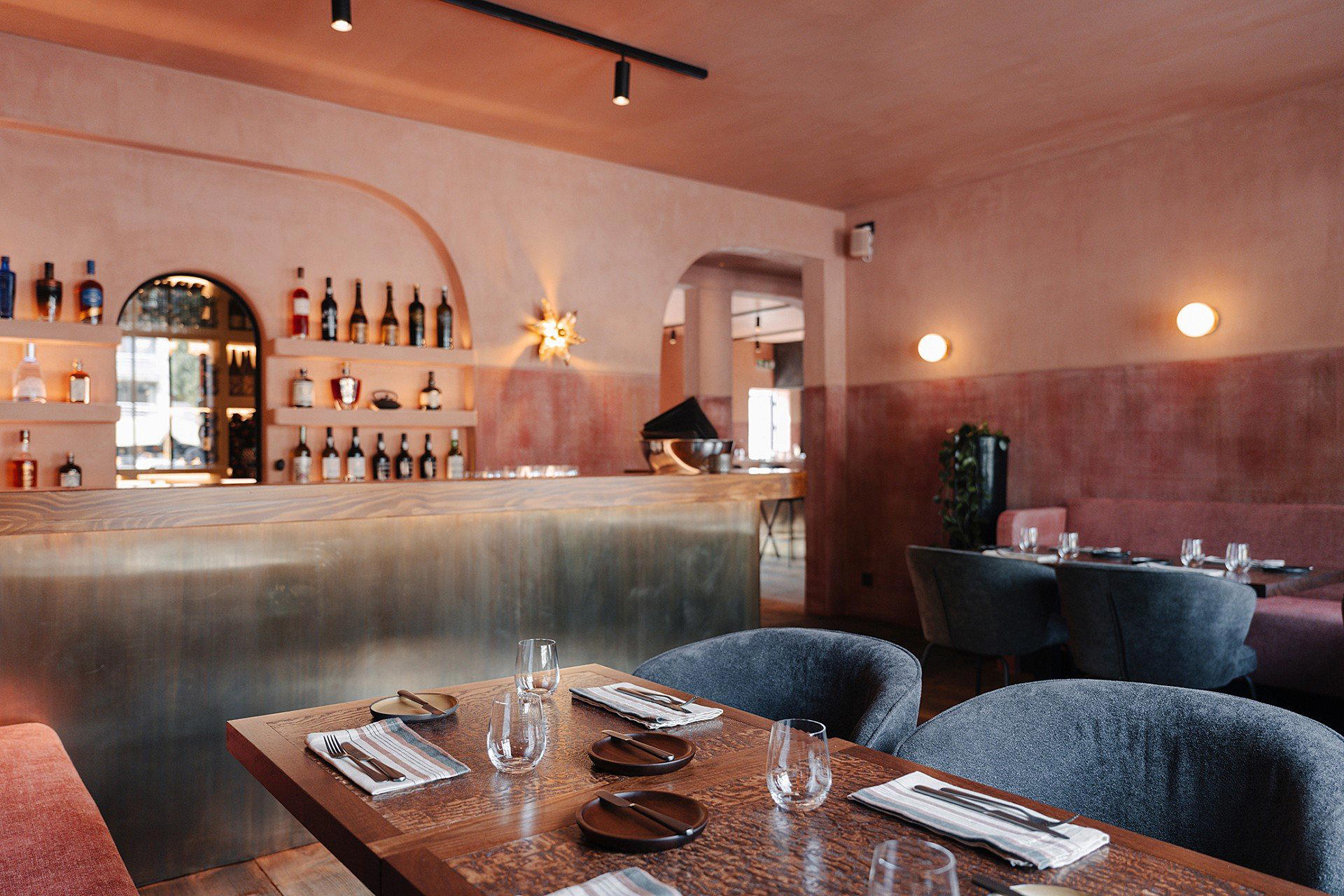
Fire, Smoke, and the Lochristi Table
Dorp-Oost is not a dining street in any conventional sense. The main road through Lochristi's village core carries the quiet rhythm of a Flemish municipality still defined more by its horticultural past than any restaurant reputation, which makes the concentration of serious kitchens here more arresting when you encounter it. Barbacoa sits at number 30 on that street, and the name announces the kitchen's orientation before you read a menu: this is cooking organised around live fire, a tradition with deep roots in South American asado culture, Iberian open-hearth technique, and the wood-fired revival that has been reshaping serious European cooking since the early 2010s.
Where peers such as D'Oude Pastorie and OX'E work within recognisably French-coded frameworks at the €€€ tier, Barbacoa's name positions it in a different register, one where the method of cooking and the quality of the raw material share the spotlight. That distinction matters in a market where ingredient sourcing has become the primary differentiator between restaurants operating at similar price points.
What the Name Tells You About the Kitchen
The word barbacoa predates the abbreviated term most people now associate with grilled meat. Its etymology traces back to indigenous Caribbean and Mesoamerican cooking structures, then moved through Spanish colonial contact into a broader tradition of slow-cooked, smoke-inflected meat preparation. In its contemporary European restaurant form, the term signals a kitchen philosophy centred on proximity to heat source, respect for whole animals or large cuts, and a sourcing logic that runs backward from the fire to the farm.
This is not incidental naming. Across Belgium and the broader Flemish dining scene, the fire-focused kitchen has matured from novelty into a coherent category. Properties like Vrijmoed in Gent and destination-level kitchens such as Hof van Cleve in Kruishoutem have demonstrated that Belgian diners respond to cooking that foregrounds process and provenance in equal measure. Barbacoa in Lochristi sits within that broader Flemish appetite for ingredient-led, technique-honest cooking, operating at the village scale rather than the destination-dining scale.
Sourcing as the Editorial Through-Line
In fire-forward kitchens, the sourcing question is unavoidable, because smoke and direct heat amplify rather than conceal the quality of what enters the flame. A poorly raised pork shoulder or an inadequately hung beef cut will not improve over coals; it will simply become a dry, poorly raised pork shoulder with grill marks. The discipline this imposes on procurement is structurally different from kitchens that rely on sauce work or long preparations to build complexity from modest ingredients.
The Lochristi area, sitting within East Flanders, has access to a supply chain that includes West Flemish beef producers, North Sea and Zeeland coastal suppliers, and the dense network of small-scale vegetable growers that have historically made the region agriculturally significant. That geography is an asset for any kitchen with the sourcing discipline to use it.
For comparison, consider how Belgian kitchens at the upper tier have approached sourcing in recent years. Willem Hiele in Oudenburg built a recognisable identity around coastal and regional sourcing long before farm-to-table became a default claim. Boury in Roeselare has made produce provenance central to its Michelin-recognised format. These are the benchmarks against which serious sourcing claims get measured in Flanders, and they set a high bar.
Lochristi in the East Flemish Dining Circuit
Lochristi is not Ghent. It does not have the critical mass of restaurants, the tourist infrastructure, or the urban dining culture of a city like Antwerp, where Zilte operates from the MAS museum with a full Michelin complement. What Lochristi has, increasingly, is a cluster of kitchens serious enough to draw diners out of the city. That dynamic, a destination pull built on restaurant quality rather than urban convenience, is one of the more interesting shifts in Belgian dining over the past decade.
Barbacoa sits alongside Renard, Restaurant Melt, and Verjus in a village that now offers more dining variety than many Belgian towns three times its size. That concentration is the story, more than any single address. Readers planning an East Flemish dining itinerary should treat the Lochristi cluster as a coherent destination, bookending it with the wider Ghent scene or, further afield, the Wallonian kitchens like d'Eugénie à Emilie in Baudour for a fuller picture of how Belgian cooking is currently distributed across its regions.
For broader Belgian context, the EP Club guide to Bozar Restaurant in Brussels and properties like La Durée in Izegem and Ralf Berendsen in Neerharen illustrate how Belgian fine and semi-fine dining has spread well beyond its urban centres. Barbacoa reads as part of this same dispersal. The full Lochristi restaurants guide covers the village cluster in detail for readers planning the trip.
International fire-kitchen benchmarks worth knowing for context: Lazy Bear in San Francisco built one of the more discussed open-fire formats in North American fine dining, and the fish-forward precision of Le Bernardin in New York City represents the opposite end of the sourcing-focus spectrum, where the ingredient's quality is everything and the cooking technique exists to protect it. Both orientations share a sourcing logic, and both are useful reference points for understanding what fire-forward kitchens like Barbacoa are implicitly in conversation with. Venues like Cuchara in Lommel provide additional regional context for how the Spanish and Latin culinary tradition translates into Belgian dining rooms.
Planning a Visit
Barbacoa is located at Dorp-Oost 30, 9080 Lochristi, reachable from Ghent in roughly 15 minutes by car and accessible via regional bus connections from the Ghent Sint-Pieters rail hub. Given the village context and the calibre of the surrounding Lochristi cluster, advance planning for any weekend visit is sensible, particularly if combining Barbacoa with other addresses on the same street.
Frequently asked questions
Is Barbacoa good for families?
The Lochristi setting on Dorp-Oost, a quiet village road rather than a busy urban strip, suggests a relaxed pace that typically works for families. Fire-forward kitchens tend to produce straightforwardly satisfying food, which travels well across age groups. Confirming specific family facilities is worth doing directly with the restaurant before visiting.
What's the vibe at Barbacoa?
Barbacoa sits on Dorp-Oost in the Flemish village core of Lochristi, which sets the tone before you arrive: this is not an urban dining room chasing a crowd. The name references a tradition of slow, fire-based cooking that predates modern grill culture, and kitchens built around that tradition tend to run with deliberate, unhurried energy. Expect atmosphere shaped by smoke and wood rather than spectacle.
How far is Barbacoa from Ghent and how do you get there?
Barbacoa is located at Dorp-Oost 30, 9080 Lochristi, approximately 15 minutes by car from Ghent city centre. Regional bus connections from Ghent also serve Lochristi, making the village reachable without a car, though driving gives the most direct access. For a fire-forward kitchen in a quiet Flemish village setting, the short journey from Ghent is part of the destination-restaurant logic.
What's the must-try dish at Barbacoa?
What the name Barbacoa signals is a kitchen oriented around fire and smoke as primary techniques, meaning proteins cooked over direct heat are likely central to what the kitchen does best. Checking the current menu before visiting Dorp-Oost 30 will give you the clearest picture.
Where is Barbacoa located?
Barbacoa is located at Dorp-Oost 30, 9080 Lochristi, Belgium, Lochristi.
Do I need a reservation for Barbacoa?
For a destination restaurant in a village setting rather than a high-turnover urban location, demand can be concentrated and walk-in availability limited, particularly on weekends. Reserving in advance is the practical approach.
| Venue | Cuisine | Price | Awards |
|---|---|---|---|
| BarbacoaThis venue — the venue you are viewing | Woodfire Grill | $50–100 | Not listed |
| D'Oude Pastorie | Modern Belgian Fine Dining | $100–150 | Michelin Plate |
| OX'E | Classic French Fine Dining | $50–100 | Michelin Plate |
| Restaurant Melt | Modern French-Belgian Fine Dining | Not listed | Michelin Plate |
| Renard | Belgian-French Classic | Not listed | Not listed |
| Verjus | Modern Franco-Belgian Bistro | Not listed | Not listed |
Continue exploring
More in Lochristi
Restaurants in Lochristi
Browse all →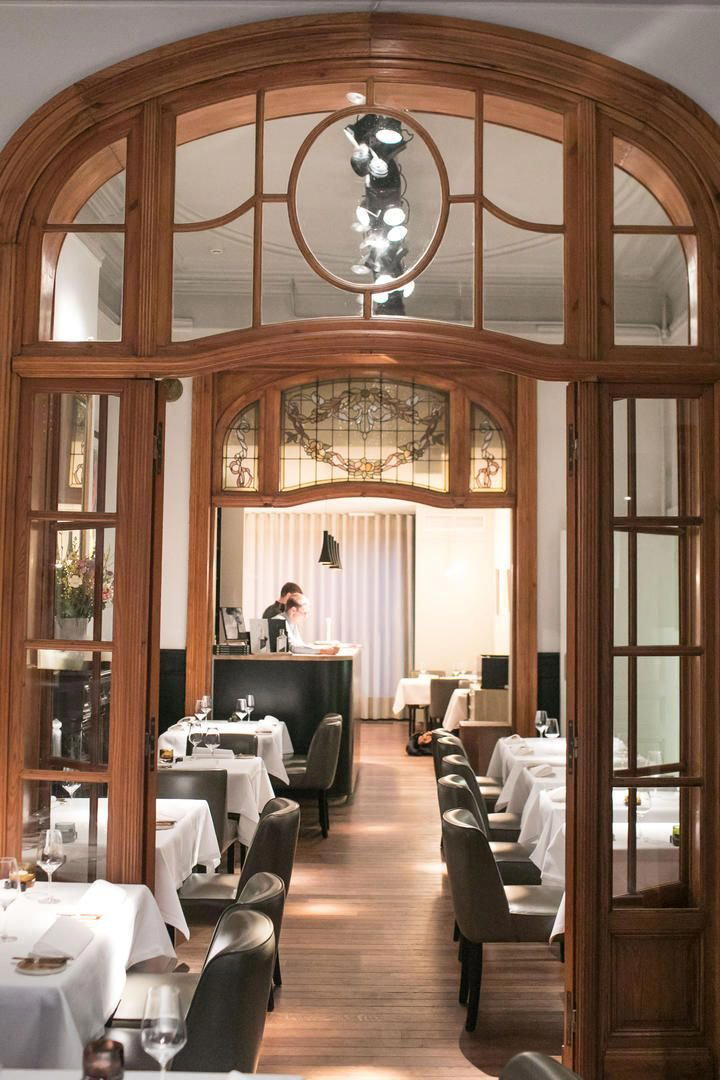
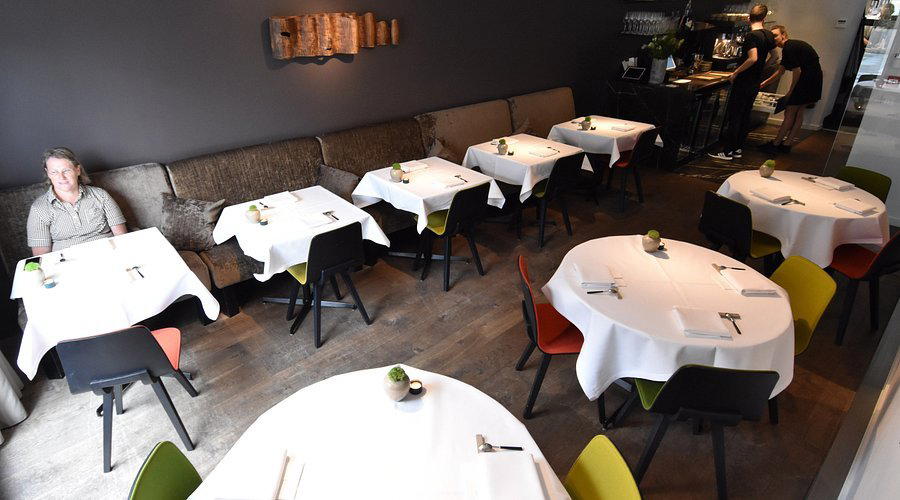
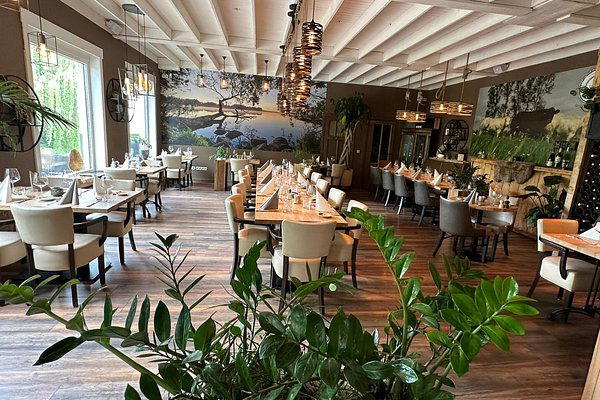
Bars in Lochristi
Browse all →

Details
- Cozy
- Intimate
- Date Night
- Business Dinner
- Open Kitchen
- Terrace
- Garden
- A La Carte
- Vegetarian Friendly
Current opening hours
- Monday
- 12–1 PM, 7–8 PM
- Tuesday
- 12–1 PM, 7–8 PM
- Wednesday
- Closed
- Thursday
- 7–8 PM
- Friday
- 12–1 PM, 7–8 PM
- Saturday
- 7–8 PM
- Sunday
- Closed
Hours can change for holidays and private events. Last verified .
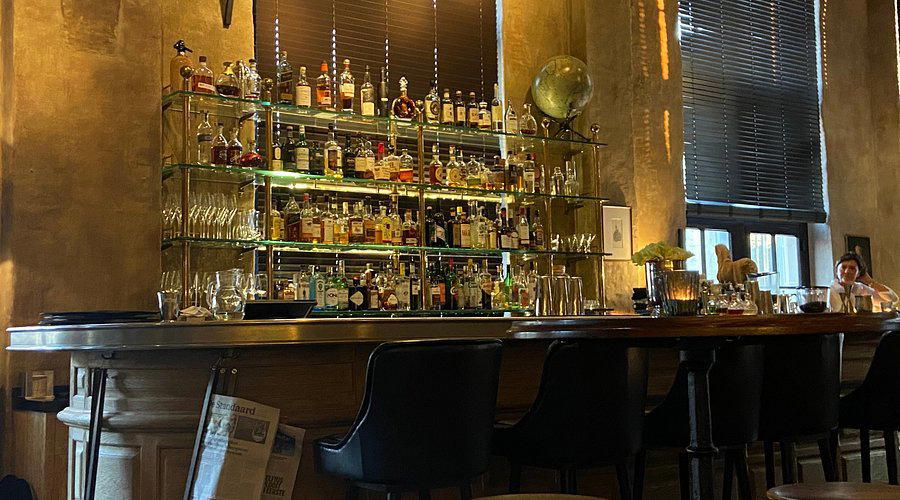
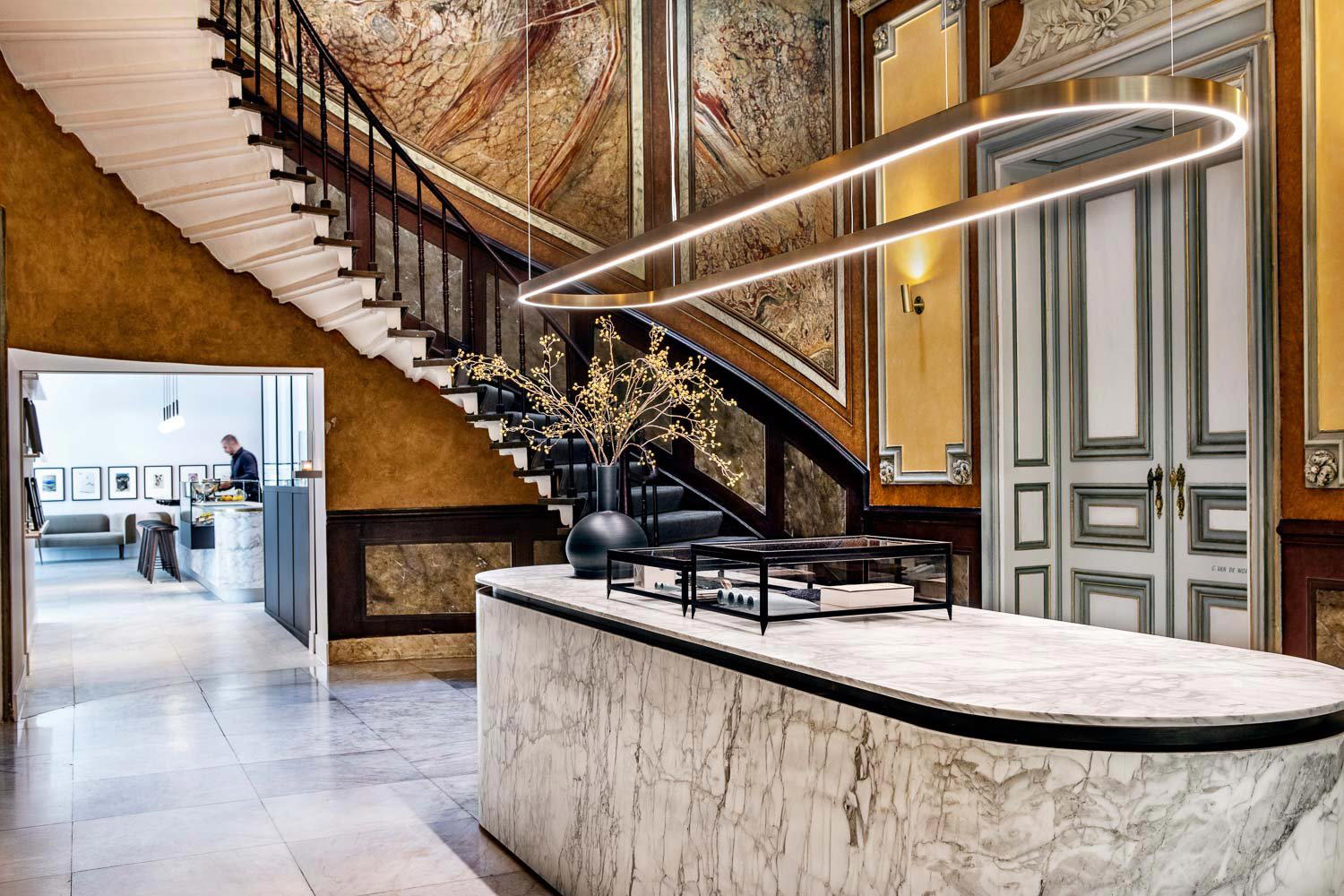
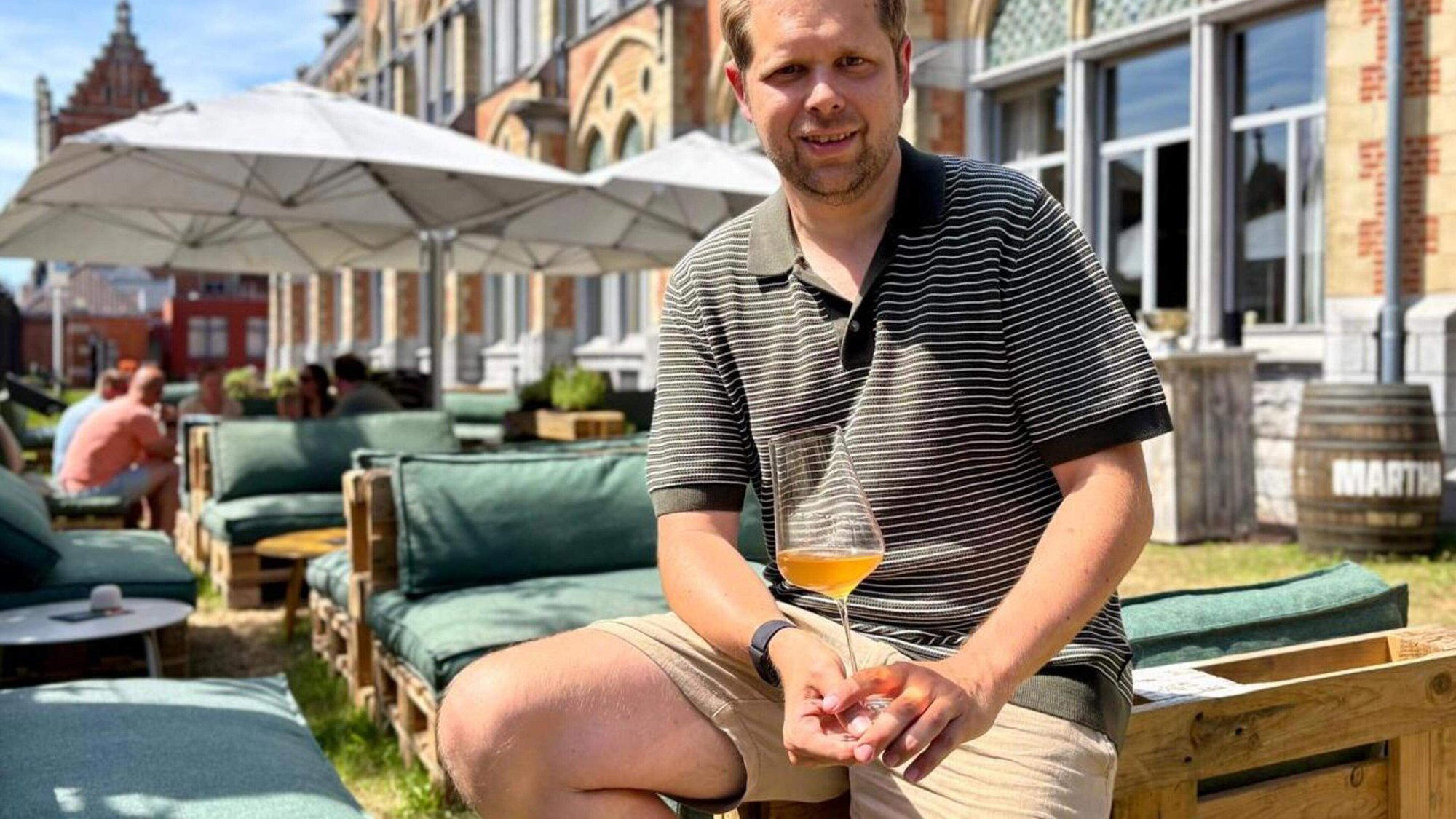
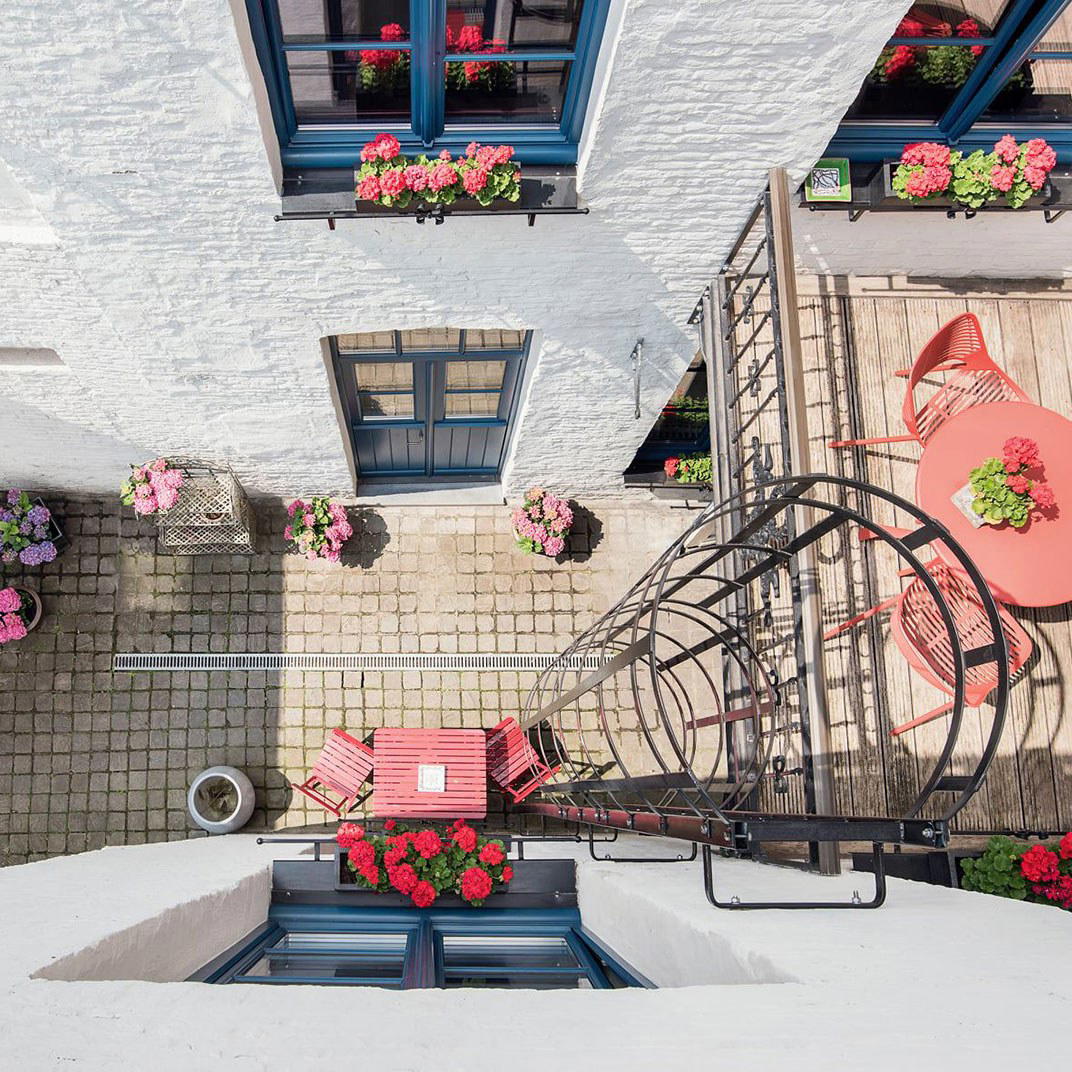
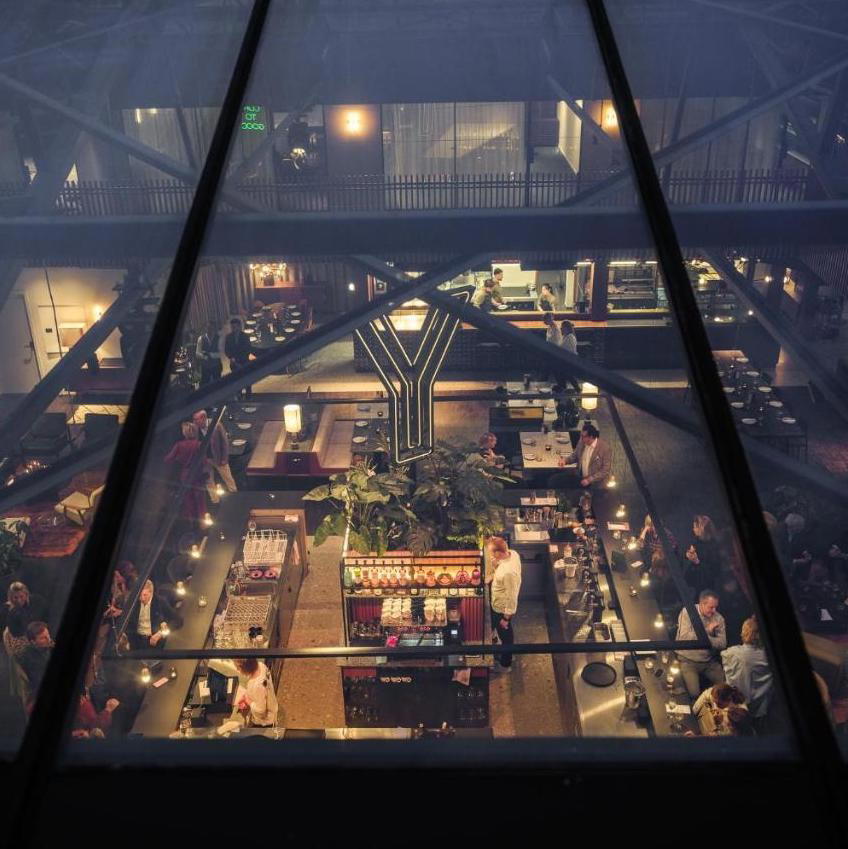
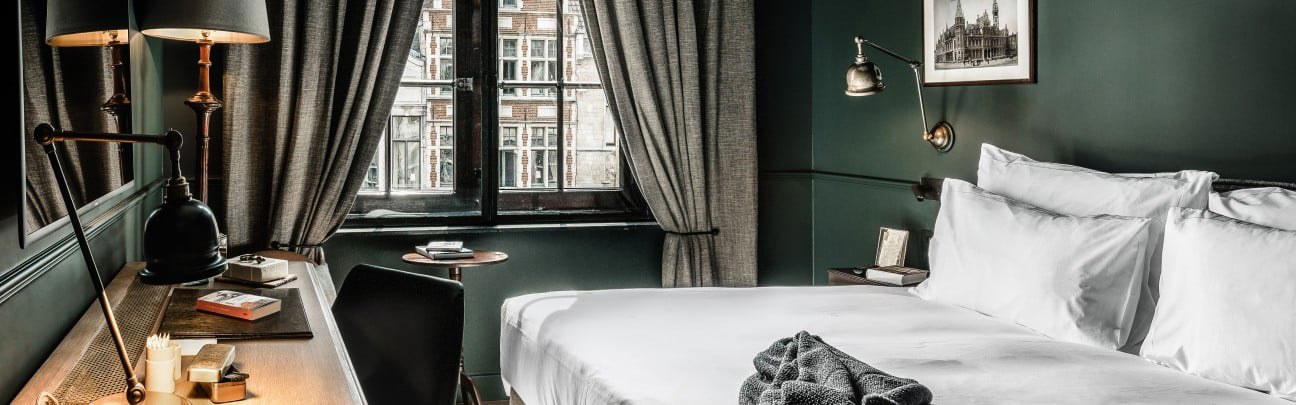
Cozy and stylish interior with beautiful table settings, nice atmosphere, and a small garden terrace.