De Costa a Costa
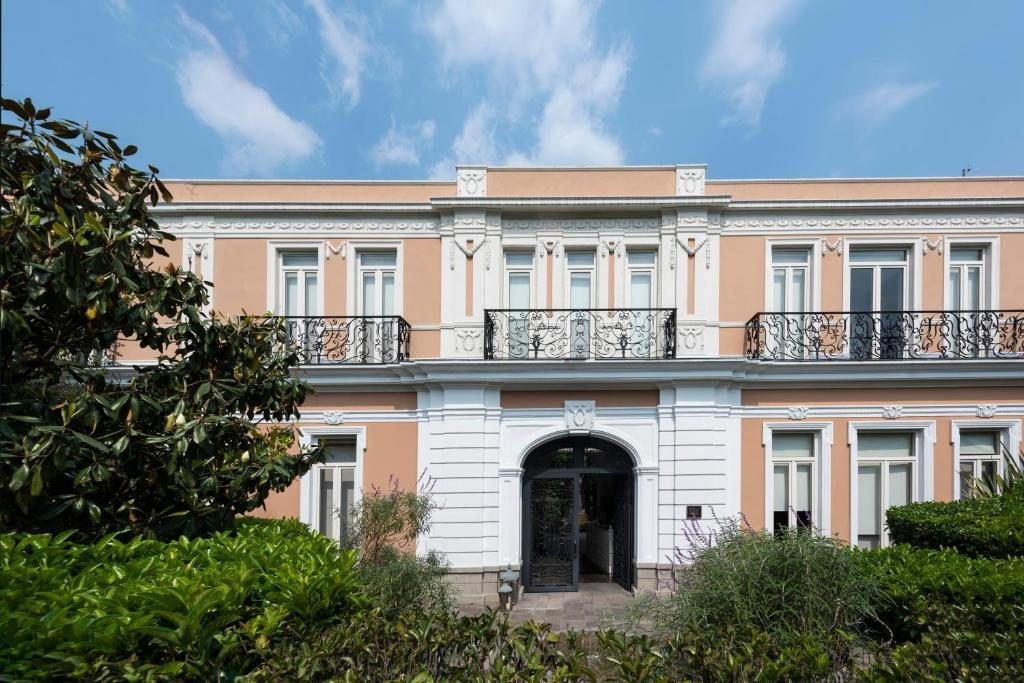
De Costa a Costa sits in Tlalpan, one of Mexico City's oldest and most architecturally preserved boroughs, operating at a remove from the Condesa-Roma dining corridor that absorbs most international attention. The address on Fray Pedro de Gante places it inside a neighbourhood where civic life predates the capital's modern expansion, lending the surrounding streets a different register than the city's better-known dining districts.
Pearl is the En Primeur Club membership app — saves, bookings, and concierge access live there. Same editors, same standards.
- Address
- Fray Pedro de Gante 88, Belisario Domínguez, Tlalpan, 14080 Ciudad de México, CDMX, Mexico
- Phone
- +525513150638
- Website
- decostaacosta.mx
- Directions
- Get directions
 Saves & bookings on Pearl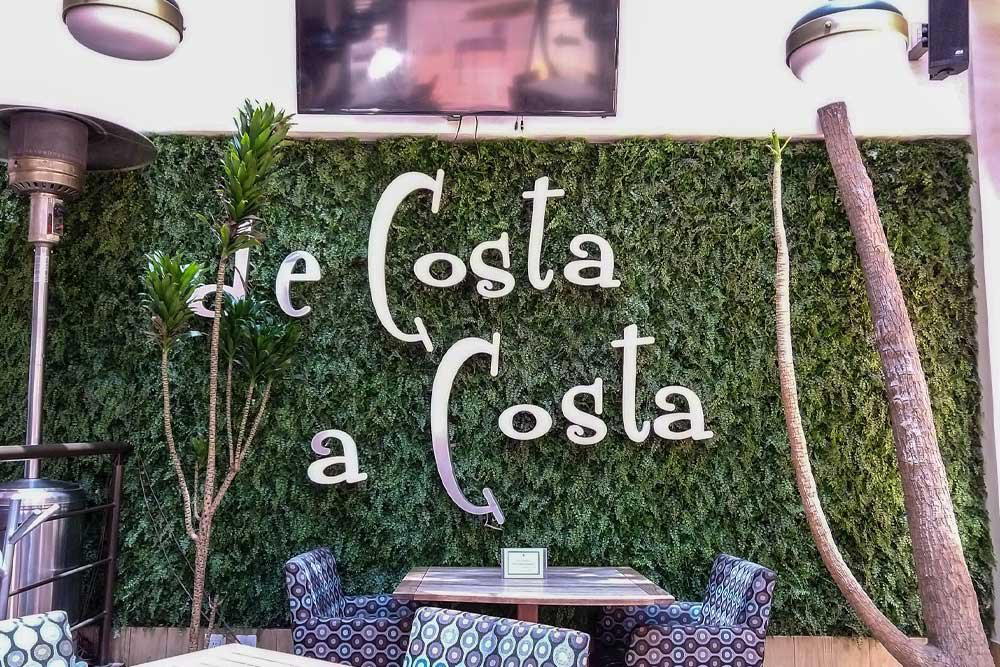
Tlalpan and the Geography of Mexico City Dining
Mexico City's restaurant conversation tends to collapse around a handful of postcodes. The Condesa-Roma axis draws the press, the reservation queues, and the international critics. Polanco absorbs the flagship operations. But the city's dining geography is far wider than that, and Tlalpan, in the southern reaches of the capital, represents one of its more consistently overlooked pockets. This is one of the oldest settlements in the metropolitan area, a former independent municipality with a colonial-era centro that was gradually absorbed into the city without losing its distinct civic identity. Dining here operates at a different pace and with a different relationship to neighbourhood than venues further north, and that distinction shapes what De Costa a Costa is doing on Fray Pedro de Gante 88.
The address itself signals something. Belisario Domínguez is a residential and historically rooted area of Tlalpan, not a strip built for restaurant tourism. Venues here tend to serve a local population that has other options and returns by choice, which is a meaningful filter for quality. Compare this to the dynamic at, say, Pujol or Quintonil in the north, where international dining tourism is baked into the business model. Tlalpan venues are under different commercial pressure, and that often produces a different kind of cooking.
What the Name Communicates
"De Costa a Costa" translates literally as coast to coast, which in the Mexican context carries a specific culinary implication. Mexico's two coastlines, Pacific and Gulf, represent dramatically different seafood traditions, different chile profiles, different preparation techniques, and different indigenous culinary inheritances. A venue operating under this framing is positioning itself against the landlocked, plateau-centric cooking that dominates much of central Mexican cuisine. It is a statement of range and geographic reach in a country where regional specificity matters more than most international audiences appreciate.
This kind of coast-referencing positioning appears across the Mexican dining spectrum, from casual cevicherías to more formal operations, but the name alone does not determine the level. What places De Costa a Costa in an interesting position is the combination of its Tlalpan location, which historically favours a certain earnestness over showmanship, and a name that signals broader ambition. Mexico's coastal cooking traditions, from the Veracruz seafood canon to Oaxacan coastal preparations to the Baja Pacific style being explored by venues like Animalón in Valle de Guadalupe and Olivea Farm to Table in Ensenada, represent particularly technically demanding and regionally specific work happening in Mexican kitchens.
Positioning Within the Mexico City Tier Structure
Mexico City's restaurant market has stratified noticeably over the past decade. At the upper end, venues with Michelin recognition or consistent Latin America's 50 Best placement, including Pujol, Quintonil, and Em, now operate at price points and booking windows that align them with upper-tier venues in any major world city. Below that, a mid-tier has emerged that is technically serious without the international profile or the associated pricing. Venues like Rosetta occupy a particular position in this tier, as does the neighbourhood-anchored category that De Costa a Costa appears to represent.
The Tlalpan address and the neighbourhood context point toward a venue operating in the mid-tier, serving an audience that values quality without the performance of formal fine dining. This is a large and growing segment of Mexico City's dining culture, supported by a local population with increasingly sophisticated palates and less tolerance for restaurants that prioritise aesthetic over substance.
For broader context on how this fits into Mexico's national dining picture, venues from KOLI Cocina de Origen in Monterrey to Levadura de Olla in Oaxaca to HA' in Playa del Carmen are demonstrating that serious culinary work is no longer concentrated in the capital. The restaurant's name, in fact, gestures toward this same geographic distribution of expertise.
Tlalpan as Context for the Experience
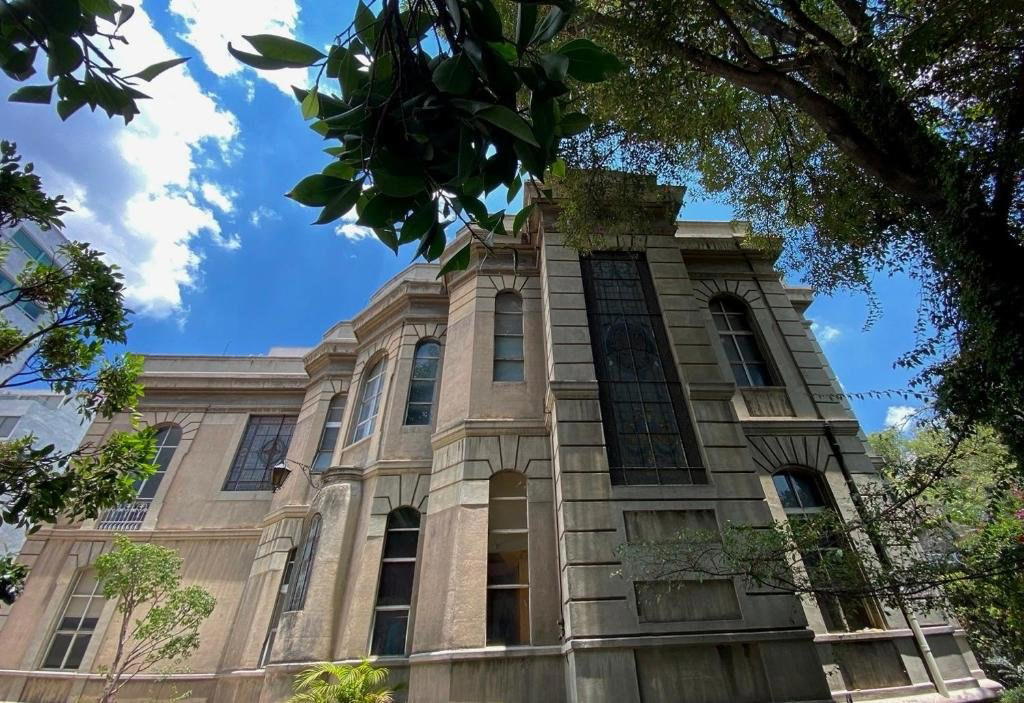
Arriving at Fray Pedro de Gante 88 means travelling through a part of Mexico City that most dining tourists never reach. Tlalpan's centro has cobbled streets, baroque ecclesiastical architecture, and a plaza-anchored street life that predates the Reform-era and Porfiriato urban planning that shaped the rest of the city. The borough retains a semi-autonomous character, and that extends to its food culture. Markets here serve the neighbourhood rather than the visitor, and the dining options have historically been shaped by what locals want rather than what guidebooks demand.
This geographic remove has a practical effect on the experience. Dining in Tlalpan involves a deliberate journey from most hotel districts, which tends to self-select the clientele. Venues here are not destinations for a quick dinner between Condesa bar stops; they are destinations in their own right, which means the room is typically filled with people who have decided to be there rather than stumbled in. That distinction in audience composition produces a different atmosphere than you find in the northern restaurant corridors.
For those building an itinerary that extends beyond the standard circuit, pairing a Tlalpan meal with exploration of the area's cultural sites, including the Museo de Historia de Tlalpan and the Ex-Convento de San Agustín, makes geographic sense. The borough rewards a half-day or full-day commitment rather than a quick dining detour.
Planning Logistics: De Costa a Costa vs. Comparable Formats
| Venue | Location | Price Range | Booking Lead Time | Format |
|---|---|---|---|---|
| The restaurant | Tlalpan, CDMX | Not confirmed | Not confirmed | Not confirmed |
| Pujol | Polanco, CDMX | $$$$ | Several weeks | Tasting menu |
| Quintonil | Polanco, CDMX | $$$$ | Several weeks | Tasting menu / à la carte |
| Rosetta | Roma Norte, CDMX | $$ | Days to a week | À la carte |
| Sud 777 | Pedregal, CDMX | $$$ | Days to a week | Tasting menu / à la carte |
Mexico's Wider Coastal Cooking Tradition
The coast-to-coast framework the restaurant invokes is genuinely complex territory. Veracruz cooking, with its layered Spanish, Afro-Caribbean, and indigenous ingredients, is one of the oldest documented regional cuisines in the Americas. Oaxacan coastal cooking incorporates moles and chapulines alongside fresh seafood in a way that has no direct parallel elsewhere. Baja California's Pacific-facing kitchens are producing particularly technically accomplished work in the country, as venues like Lunario in El Porvenir and Alcalde in Guadalajara demonstrate in adjacent regional registers. Executing across these traditions, or even selecting and presenting them intelligently, requires genuine knowledge rather than a broad menu. It is a framing that raises the stakes for what a kitchen has to deliver.
For international reference points on how coastal-focused menus are structured at different levels of ambition, Le Bernardin in New York City and Lazy Bear in San Francisco offer a sense of how the format can be executed with rigour, though the Mexican coastal tradition draws on an entirely different set of ingredients, techniques, and cultural contexts. Closer to home, Le Chique in Puerto Morelos and Arca in Tulum demonstrate how premium operations on Mexico's coasts are framing their own regional cooking for a sophisticated audience. Pangea in San Pedro Garza Garcia offers yet another data point on how Mexican regional cooking is being interpreted across different cities and registers.
Cost Snapshot
Comparable venues nearby, for context on price, style, and recognition.
| Venue | Cuisine | Price | Notes |
|---|---|---|---|
| De Costa a CostaThis venue — the venue you are viewing | San Pedro, Mexican Seafood | $$ | Not listed |
| The Spicy Crab | Not listed | $$ | Ampl Napoles, Cajun-Mexican Seafood Fusion |
| La Bipo | Del Carmen, Contemporary Mexican Cantina | $$ | Not listed |
| Gardela | Roma Norte, Italo-Argentine Steakhouse | $$ | Not listed |
| Covadonga | Juarez, Traditional Spanish Cantina | $$ | Not listed |
| Treze | Not listed | $$$ | Del Bosque, Seafood with Raw Bar and Grilled Meats |
Continue exploring
More in Mexico City
Restaurants in Mexico City
Browse all →
Bars in Mexico City
Browse all →

At a Glance
- Casual
- Cozy
- Family
- Casual Hangout
- Brunch
- Standalone
- Local Sourcing
Current opening hours
- Monday
- 9 AM–8 PM
- Tuesday
- 9 AM–8 PM
- Wednesday
- 9 AM–8 PM
- Thursday
- 9 AM–8 PM
- Friday
- 9 AM–8 PM
- Saturday
- 9 AM–8 PM
- Sunday
- 9 AM–8 PM
Hours can change for holidays and private events. Last verified .
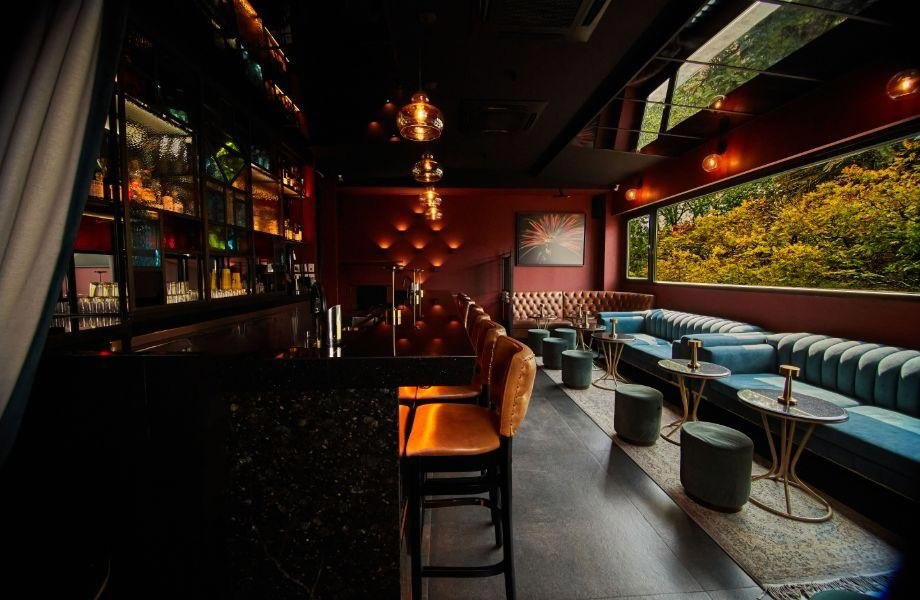
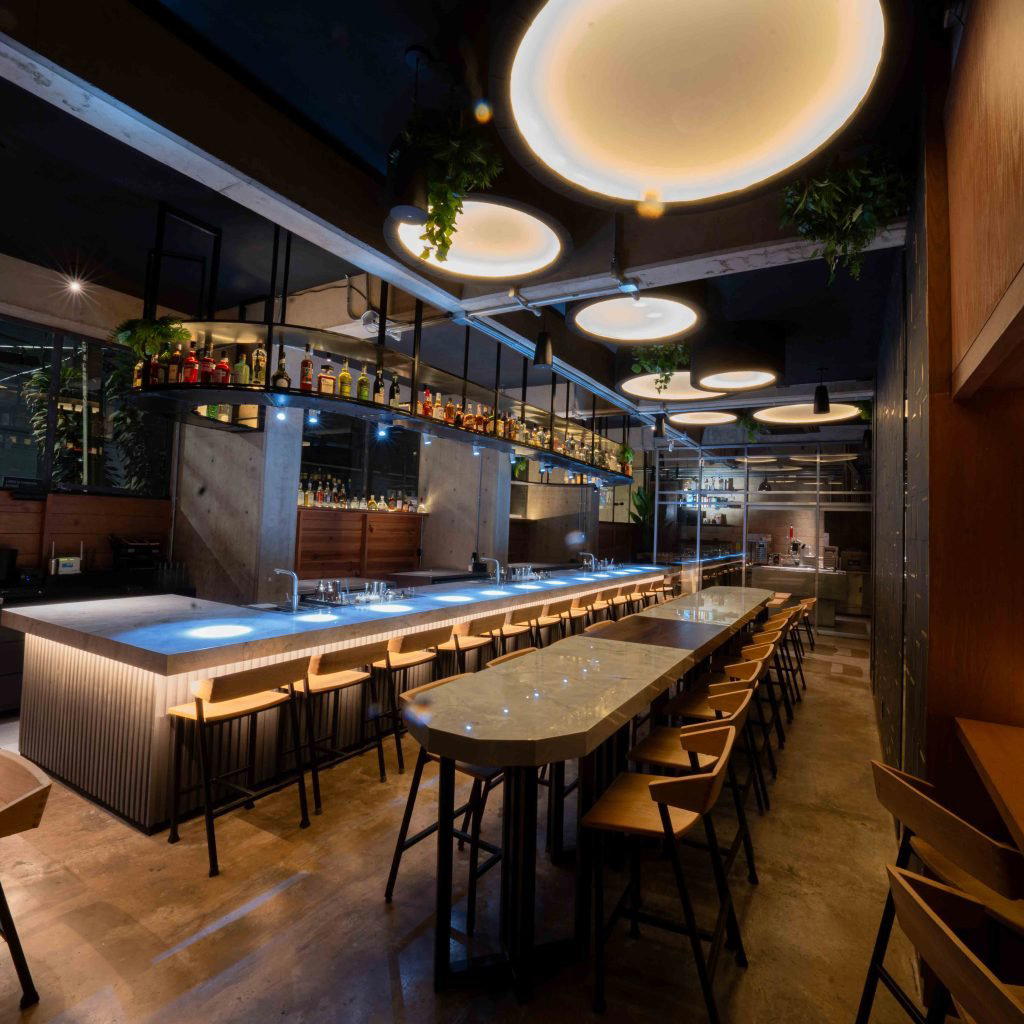
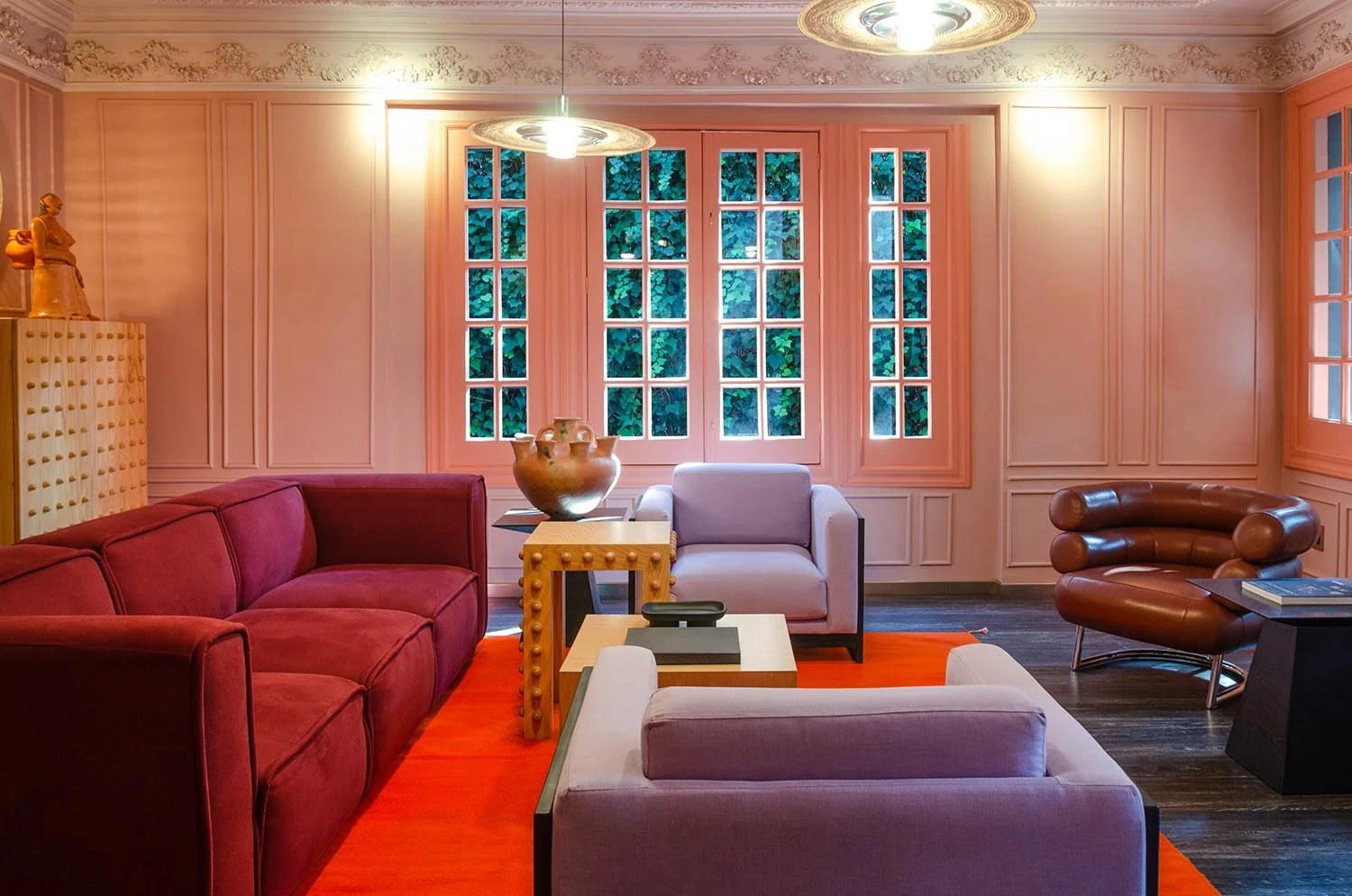
Relaxed and welcoming with a casual beach vibe, ideal for families and everyday dining.