Treze
Our verdict
Treze occupies a quietly considered address in Lomas de Chapultepec, one of Mexico City's most established residential enclaves. The restaurant draws a loyal neighbourhood clientele that returns not for spectacle but for consistency — the kind of place that fills without fanfare and earns its place through repetition rather than reputation management. For visitors willing to move beyond the city's most publicised dining circuit, it offers a different register entirely.

Pearl is the En Primeur Club membership app — saves, bookings, and concierge access live there. Same editors, same standards.
- Address
- Volcán 150, Lomas - Virreyes, Lomas de Chapultepec, Miguel Hidalgo, 11000 Ciudad de México, CDMX, Mexico
- Phone
- +525551626131
- Hours
- Mon–Sat 1–10 PMSun 1–6 PM
- Website
- opentable.com
- Directions
- Get directions
- Booking
- Book on OpenTable
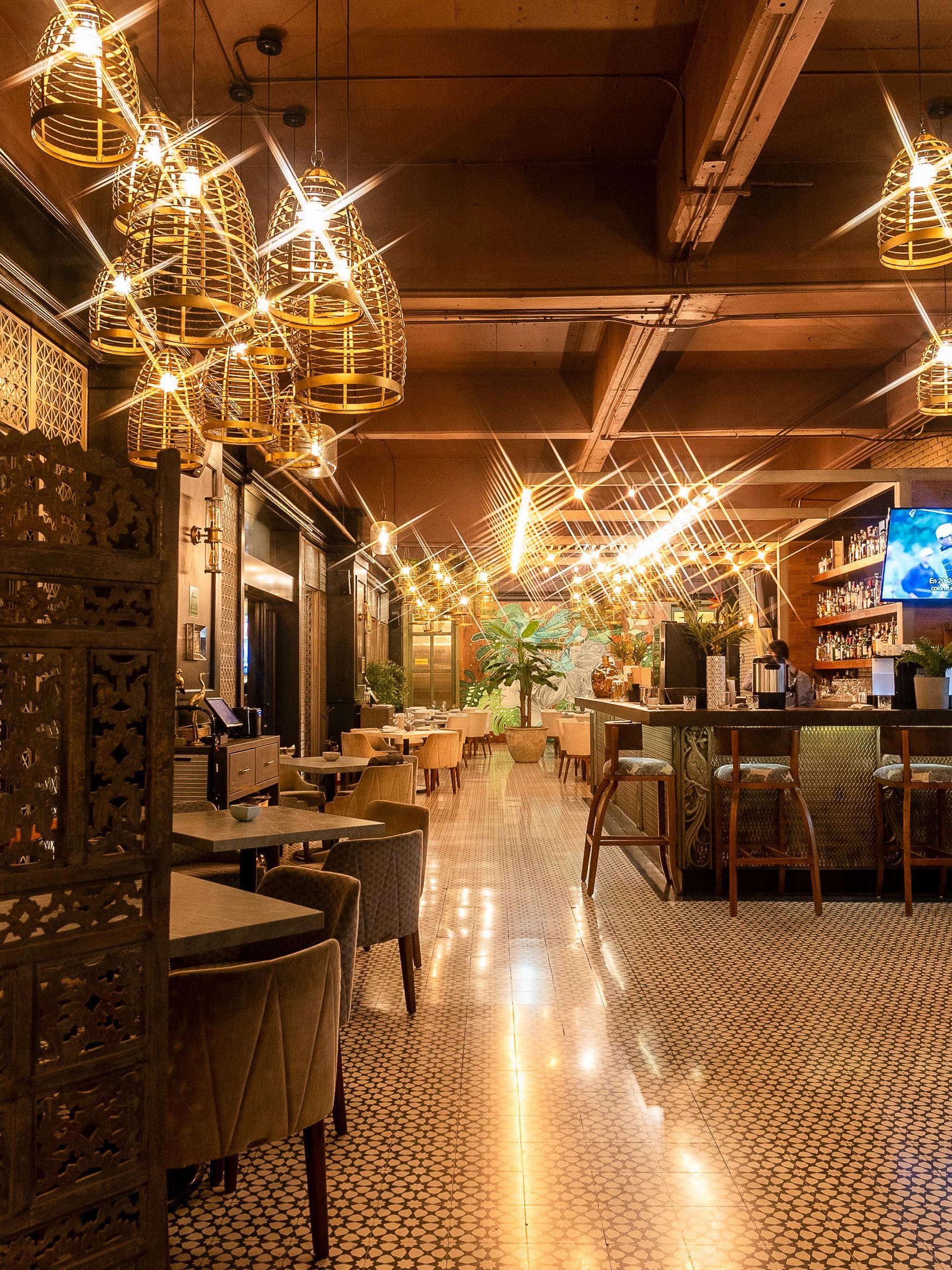
Lomas de Chapultepec and the Quiet End of Mexico City Dining
Mexico City's dining conversation tends to orbit a familiar cluster: the tasting-menu destinations of Polanco and the creative cantinas of Roma and Condesa. Lomas de Chapultepec operates at a remove from that circuit. The neighbourhood is residential in the old sense — established money, tree-lined streets, a preference for discretion over display. The restaurants that survive here do so because locals return, not because visitors arrive clutching a shortlist. Treze, at Volcán 150 in the Lomas-Virreyes section, belongs to that ecology.
This is a different gravitational pull from what drives bookings at Pujol or Quintonil. Those addresses operate partly on the logic of pilgrimage — diners fly in, reserve months ahead, and treat the meal as a destination in itself. Treze functions on a different timeline. Its audience is largely within walking distance, or close to it, and the measure of success is whether the same faces come back the following week.
What Keeps the Regulars Returning
In any city with a serious dining culture, the restaurants that sustain a loyal local clientele tend to share certain qualities: a consistent kitchen, a room that feels genuinely comfortable rather than designed-for-photography, and a menu with enough familiarity to anchor repeat visits without calcifying into routine. These are harder qualities to maintain than novelty, and they tend to be less legible from the outside, which is precisely why venues like Treze rarely dominate the international press cycle while quietly filling their dining room night after night.
The regulars' perspective on a restaurant like this is instructive. They are not there to be impressed in the way a first-time visitor might be. They are there because the experience reliably delivers what they want, which is a more demanding standard than a single exceptional meal. What they return for is the accumulation of reliable pleasures: a dish they know will be correct, a room temperature in conversation, and a kitchen that does not overreach. In a city where Em and Sud 777 push the boundaries of what Mexican cooking can mean in a contemporary context, a restaurant built on consistency occupies a distinct and valuable position.
Lomas de Chapultepec itself reinforces this logic. The neighbourhood does not attract the kind of table-tourist traffic that flows through Polanco's Presidente Masaryk corridor. A restaurant here earns its clientele through proximity and trust rather than exposure. That dynamic shapes what the kitchen prioritises, and it is a dynamic that restaurants in more visited parts of the city cannot easily replicate.
Mexico City's Residential Dining Tier
Understanding Treze means understanding how Mexico City's restaurant geography actually works. The city's most internationally visible addresses, those appearing on Latin America's 50 Best lists and in the major food publications, are heavily concentrated in a handful of neighbourhoods. But the city is enormous, and its residential enclaves sustain a parallel dining culture that operates by different rules. Rosetta in Roma Norte is something of a bridge case: internationally recognised but rooted enough in its neighbourhood to retain a loyal local base. Treze sits further along that spectrum, toward the local end.
Across Mexico, this kind of neighbourhood anchor exists in different forms. Alcalde in Guadalajara has earned international recognition while remaining deeply embedded in its local context. Pangea in San Pedro Garza García operates similarly, a restaurant with serious credentials that nonetheless functions as a genuine neighbourhood institution. Treze occupies that register within Mexico City's own residential geography.
For visitors, this context matters for practical reasons. A restaurant calibrated for regulars will often require less advance planning than its Polanco counterparts, but it will also reward a different kind of engagement, arriving without a specific agenda, paying attention to what the kitchen does consistently rather than what it does for spectacle, and treating the meal as the locals do: as something repeatable, not singular.
Placing Treze in the Broader Mexican Dining Picture
Mexico City's position in global dining has shifted considerably over the past decade. The city now anchors conversations about Latin American cuisine that once centred on Lima or Buenos Aires. That shift has produced both genuine creative energy and the familiar pressures of over-tourism: tasting menus priced against international benchmarks, booking windows measured in months, and rooms increasingly filled with visitors rather than residents. Destinations like HA' in Playa del Carmen, Le Chique in Puerto Morelos, and Animalón in Valle de Guadalupe demonstrate how Mexico's fine dining ambition now extends well beyond the capital.
Within the city itself, the most internationally cited addresses operate in a rarefied tier. But Mexico City's dining culture is not reducible to its trophy restaurants. The residential neighbourhoods sustain a broader ecology that is arguably more representative of how the city actually eats. Levadura de Olla in Oaxaca and KOLI Cocina de Origen in Monterrey illustrate how this neighbourhood-rooted model plays out in other Mexican cities: serious kitchens that earn their standing through local trust rather than international recognition cycles. Treze belongs to this broader Mexican tradition of the neighbourhood restaurant as institution.
For visitors with a wider frame of reference, those who approach Mexican dining the way they might approach a Parisian arrondissement bistro or a Tokyo neighbourhood kappo, Treze offers an entry point into how Mexico City's residents actually experience their restaurant culture. That, combined with an address in one of the city's most architecturally coherent enclaves, gives it a character that the higher-profile destinations cannot offer. Our full Mexico City restaurants guide covers both the destination-tier addresses and the neighbourhood institutions worth knowing.
Planning Your Visit
Treze is located at Volcán 150, Lomas-Virreyes, Lomas de Chapultepec, in the Miguel Hidalgo borough, postcode 11000. The neighbourhood is accessible by car and taxi from central Polanco and the Bosque de Chapultepec area. Given the residential character of the address and its local clientele, booking in advance is advisable even if the urgency differs from the city's tasting-menu destinations, confirming a table directly with the restaurant is the standard approach. Current hours, pricing, and reservation details are leading verified at the time of planning, as this information is subject to change.
Address: Volcán 150, Lomas-Virreyes, Lomas de Chapultepec, Miguel Hidalgo, 11000 Ciudad de México, CDMX, Mexico.
Frequently asked questions
Where exactly is Treze?
Treze is located at Volcán 150, Lomas - Virreyes, Lomas de Chapultepec, Miguel Hidalgo, 11000 Ciudad de México, CDMX, Mexico, Mexico City.
How does Treze's location in Lomas de Chapultepec compare to Mexico City's more prominent dining districts?
Volcán 150 puts Treze in the Miguel Hidalgo borough, roughly between Polanco and Santa Fe — a residential stretch that sees far less dining-press traffic than Roma Norte or the Presidente Masaryk corridor. That geography tends to self-select for kitchens that rely on neighbourhood repeat business rather than destination-dining tourism, which shapes both the menu and the room's atmosphere in ways that a single Polanco visit rarely replicates.
What's the must-try dish at Treze?
What the venue's position in Lomas de Chapultepec does suggest is a kitchen oriented toward the repeat local diner rather than the one-time tasting-menu tourist. Ask the room what regulars order — in residential-quarter restaurants, that answer travels fast.
Is Treze reservation-only?
Given the address at Volcán 150 in Lomas de Chapultepec — a neighbourhood that draws a steady residential clientele rather than tourist walk-ins — contacting the venue directly before visiting is advisable.
What's Treze best at?
Treze occupies a tier of Mexico City dining that prioritises neighbourhood loyalty over international visibility. Its address in Lomas de Chapultepec places it outside the Polanco–Roma axis that dominates most CDMX dining coverage, which typically means a kitchen calibrated for consistency with a local audience rather than seasonal tasting-menu spectacle.
Is Treze worth it?
Treze's value proposition sits in what it represents within Mexico City's restaurant geography: a dining address in Lomas de Chapultepec that serves a residential, repeat clientele rather than chasing award-season attention. For a visitor wanting to eat outside the well-documented Polanco circuit, that context alone makes it a credible reason to cross town.
Cuisine and Credentials
Comparable venues nearby, for context on price, style, and recognition.
| Venue | Cuisine | Price | Awards | Notes |
|---|---|---|---|---|
| TrezeThis venue — the venue you are viewing | Seafood with Raw Bar and Grilled Meats | Not listed | Not listed | Not listed |
| Fisher's | Mexican Avant-Garde Seafood | $30–50 | Not listed | Ampl Napoles |
| Ramma | Seafood and Grill | Not listed | Not listed | San Ángel Inn |
| Agua & Sal | Latin American Cevicheria | $20–30 | Not listed | Polanco Chapultepec |
| De Costa a Costa | Mexican Seafood | Not listed | Not listed | San Pedro |
| Mi Compa Chava | Sinaloa-Style Seafood Cevicheria | $30–50 | Opinionated About Dining Casual in North America | Villa Coyoacan |
Continue exploring
More in Mexico City
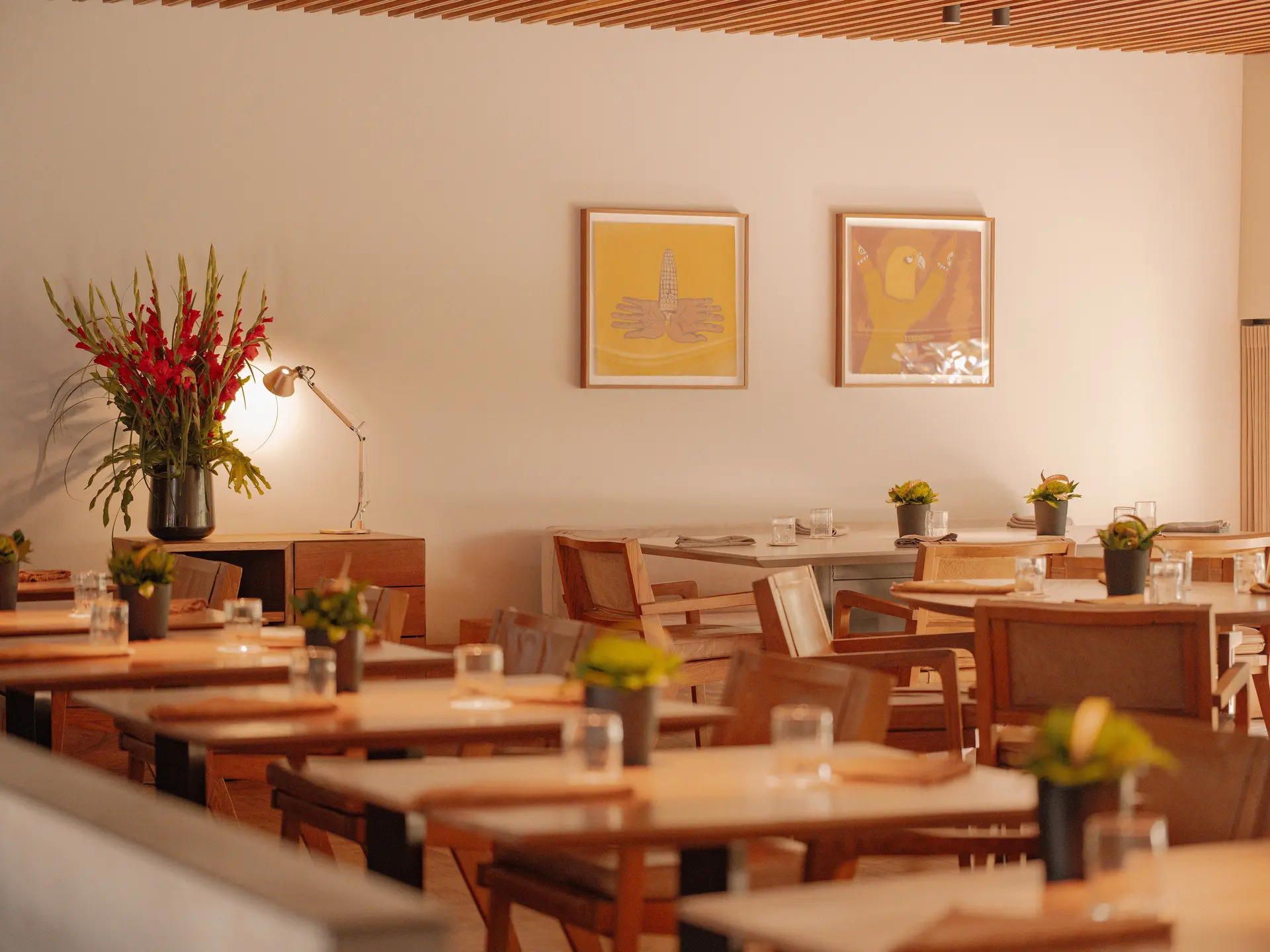
Restaurants in Mexico City
Browse all →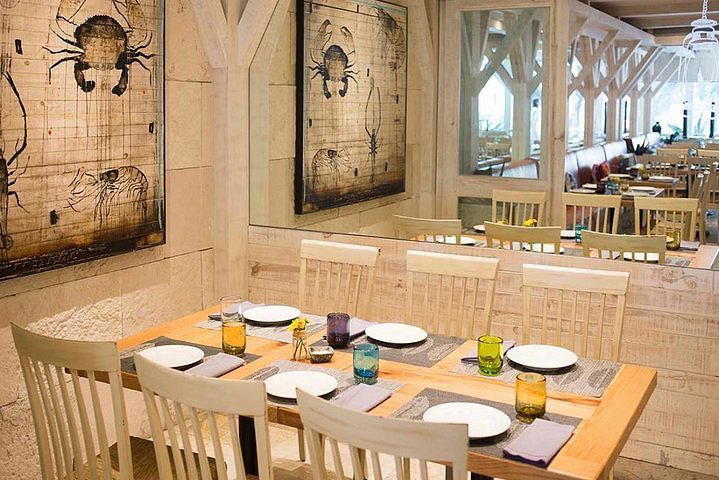
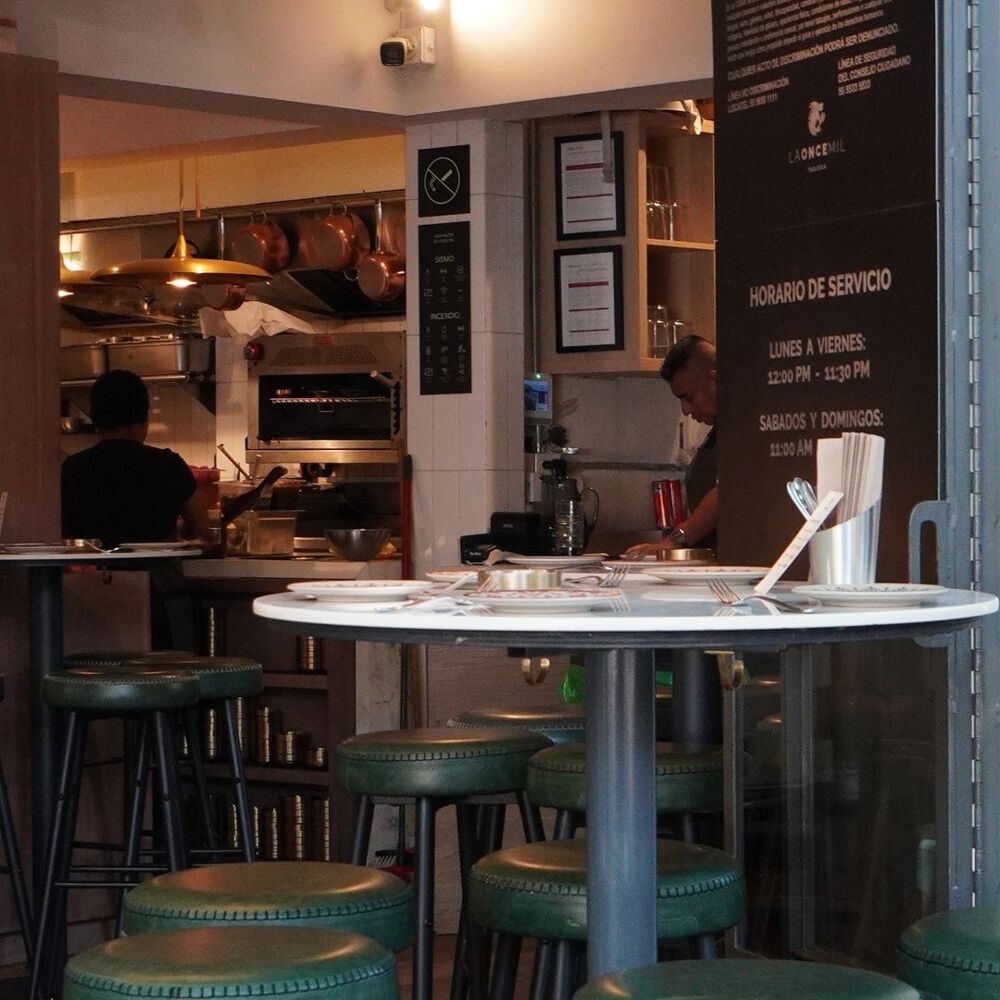
Bars in Mexico City
Browse all →
Details
- Elegant
- Sophisticated
- Group Dining
- Private Event
- Terrace
- Private Dining
- A La Carte
Current opening hours
- Monday
- 1–10 PM
- Tuesday
- 1–10 PM
- Wednesday
- 1–10 PM
- Thursday
- 1–10 PM
- Friday
- 1–10 PM
- Saturday
- 1–10 PM
- Sunday
- 1–6 PM
Hours can change for holidays and private events. Last verified .