The Spicy Crab
Our verdict
The Spicy Crab serves Cajun-Mexican seafood fusion at Dakota 305 in Nápoles, with Spicy Bag and Camarón Cajun on the menu; best suited to dinner.

Pearl is the En Primeur Club membership app — saves, bookings, and concierge access live there. Same editors, same standards.
- Address
- Dakota 305, Nápoles, Benito Juárez, 03810 Ciudad de México, CDMX, Mexico
- Phone
- +525596773616
- Hours
- Mon–Thu 1–8 PMFri–Sat 12–9:30 PMSun 12–8:30 PM
- Website
- opentable.com
- Directions
- Get directions
- Booking
- Book on OpenTable
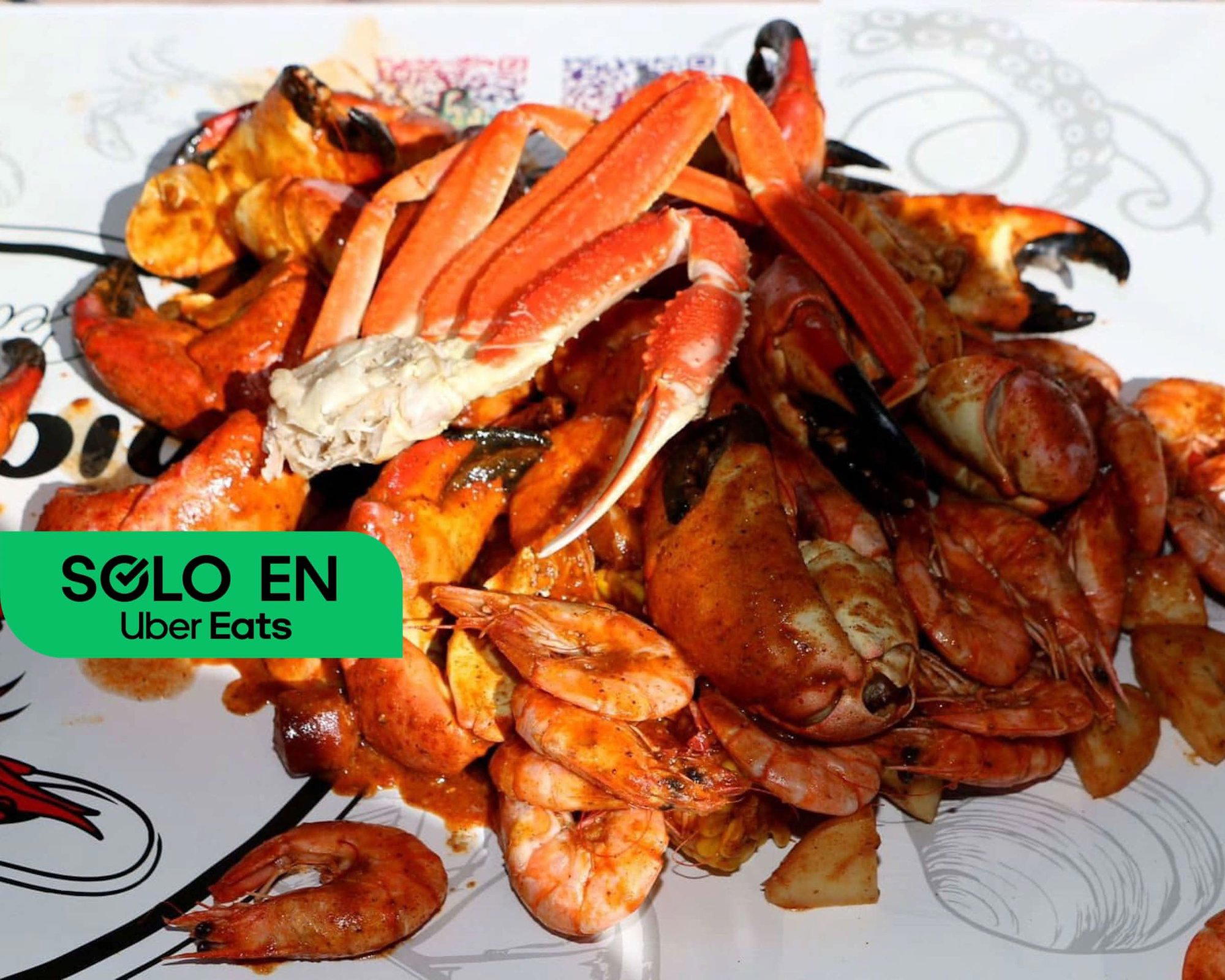
Seafood in the Capital: Where Crab Lands in Mexico City's Dining Map
Mexico City sits roughly 2,250 metres above sea level and a considerable distance from any coastline, yet the capital has long drawn the country's leading seafood northward, carried by refrigerated transport, migration, and an unrelenting demand from a population that refuses to be defined by geography. The city's marisquerías range from weekend-only neighborhood institutions to polished mid-range dining rooms, and The Spicy Crab, located at Dakota 305 in the Nápoles district of Benito Juárez, occupies a specific position within that spread: a spice-led, crab-focused format that plays into a broader national appetite for heat-driven seafood preparations.
Nápoles sits between the quieter residential grids of Del Valle and the commercial activity of Insurgentes Sur, a zone that has attracted a growing number of independent restaurants operating outside the high-profile circuits of Polanco and Roma Norte. For diners willing to move away from the Michelin-mapped concentration of places like Pujol or Quintonil, Nápoles offers a different register: neighborhood-scale, less performative, and often more direct in its cooking proposition.
Crab, Spice, and the Mexican Seafood Tradition
The spicy crab format has antecedents in several strands of Mexican coastal cooking. Veracruz contributed the foundational grammar of Gulf seafood preparation, with chile-spiked sauces and long-simmered broths. The Pacific coast added the aguachile tradition, where raw shellfish meets aggressive acidity and heat. The Yucatán brought recado-rubbed proteins and habanero heat. What emerged in Mexico City's seafood dining scene is a synthesis: preparations that borrow from multiple regional codes, amplified for a capital audience that treats spice tolerance as something of a cultural badge.
Crab specifically occupies an interesting middle ground in Mexican seafood culture. It lacks the prestige ceiling of totoaba or the everyman accessibility of shrimp, but it carries tactile engagement that other shellfish don't deliver in the same way. Eating crab is interactive, and restaurants that centre it are making a deliberate choice about the kind of experience they want to create. It is social food, leading eaten with hands, bibs, and no particular ceremony, which positions crab-focused venues in a category that differs sharply from the tasting-menu formalism at places like Em or the creative-contemporary register of Rosetta.
How The Spicy Crab Fits the Broader Category
Spice-forward seafood restaurants in Mexico City tend to cluster around two models. The first is the casual marisquería, open for lunch service only, built around volume and speed, with plastic furniture and paper tablecloths functioning as signals that the food is the entire point. The second is a slightly more structured evening-capable format with a broader beverage program and enough room to hold a dinner booking rather than just a walk-in lunch crowd.
What the address alone signals is access: Dakota 305 sits within a street grid that is navigable from multiple parts of the city, and Nápoles connects readily to Insurgentes via public transport or taxi. For visitors already engaged with Mexico City's broader restaurant geography, the area sits at a manageable distance from the Roma-Condesa axis that anchors most tourist dining itineraries. Combining a visit to The Spicy Crab with exploration of the Benito Juárez borough more broadly allows a kind of city reading that the standard Polanco circuit doesn't offer.
Mexico's National Seafood Scene: Capital and Beyond
Understanding any Mexico City seafood spot requires some awareness of how the capital compares to the country's coastal dining hubs. The most technically ambitious seafood cooking in Mexico currently operates outside the capital: Le Chique in Puerto Morelos applies avant-garde technique to Caribbean ingredients; HA' in Playa del Carmen works with Mayan aquatic traditions; and Animalón in Valle de Guadalupe brings open-fire methods to Baja seafood in a wine-country context. In Oaxaca, Levadura de Olla grounds coastal ingredients in deep regional culinary grammar. Guadalajara's Alcalde and Monterrey's KOLI Cocina de Origen each approach protein-forward cooking from strong regional frames.
Mexico City compensates for its inland position through volume and variety. The capital absorbs every regional seafood tradition and reinterprets it for a polyglot dining public. The result is a seafood scene that is less pure than what you find on the Gulf or Pacific coasts, but broader in its references. A spice-forward crab format in Nápoles draws from this accumulated tradition, even if it operates at a more direct, accessible register than the tasting-menu venues that generate most of the international press coverage. For context on how the full capital dining picture fits together, the EP Club Mexico City guide maps the scene by neighbourhood and format.
For comparative perspective across Mexican fine dining, Sud 777 and Pangea in San Pedro Garza García represent the chef-driven end of the spectrum, while Huniik in Mérida and Olivea Farm to Table in Ensenada show how regional identity anchors dining outside the two main capitals. At the international tier, Le Bernardin in New York City and Atomix in New York City illustrate the ceiling of seafood and tasting-menu ambition globally, a useful calibration for readers mapping Mexican seafood against the wider world. And Lunario in El Porvenir rounds out the picture of how Baja California's wine and food culture continues to develop its own distinct identity.
Planning Your Visit
The address, Dakota 305, Nápoles, Benito Juárez, 03810 Ciudad de México, CDMX, is confirmed. Nápoles is accessible by metro (closest station: Eugenia on Line 3) and by Uber or taxi from most central neighbourhoods.
Quick reference: Dakota 305, Nápoles, Benito Juárez, Mexico City.
Frequently asked questions
What part of town is The Spicy Crab in?
The Spicy Crab is located at Dakota 305, Nápoles, Benito Juárez, 03810 Ciudad de México, CDMX, Mexico, Mexico City.
Is The Spicy Crab in Mexico City a good option for spicy seafood lovers unfamiliar with CDMX dining?
The venue's positioning around spiced crab places it within a well-defined Mexican seafood tradition that draws on Gulf Coast influences — a format that rewards those comfortable with hands-on, flavour-forward eating. Mexico City's altitude and distance from the coast make fresh seafood logistics a differentiating factor among the capital's marisquerías, and the Nápoles address in Benito Juárez puts the restaurant in a centrally accessible neighbourhood. For visitors new to CDMX seafood dining, understanding that lunch is the dominant service window for this style of restaurant will help with timing.
What do people recommend at The Spicy Crab?
The venue's name signals a clear focus: crab prepared with heat-forward seasoning, which sits squarely in the Mexican coastal seafood tradition shaped by Gulf and Pacific cooking. Mexico City marisquerías in this category typically build around whole crab, spiced broths, and accompaniments like tostadas or rice.
What's the best way to book The Spicy Crab?
Many of Mexico City's seafood-focused spots in the Nápoles and Benito Juárez neighbourhoods operate on a walk-in basis, particularly for lunch service. Visiting during off-peak hours or arriving early in the lunch window at Dakota 305 is the practical approach until direct contact details are confirmed.
Booking and Cost Snapshot
Comparable venues nearby, for context on price, style, and recognition.
| Venue | Cuisine | Price | Notes |
|---|---|---|---|
| The Spicy CrabThis venue — the venue you are viewing | Cajun-Mexican Seafood Fusion | $20–30 | Not listed |
| Camaron Buchon - Condesa | Mexican Seafood - Shrimp Specialists | $20–30 | Bosque de Chapultepec, Mexican Seafood - Shrimp Specialists |
| Taller de Ostiones | Fresh Coastal Seafood & Oyster Bar | $20–30 | Juarez, Fresh Coastal Seafood & Oyster Bar |
| Camarón buchón DIANA | Zarandeado-Style Seafood from Sinaloa | Not listed | Nva Anzures, Zarandeado-Style Seafood from Sinaloa |
| Cabanna - Polanco | Mexican Seafood | $30–50 | Chapultepec Morales, Mexican Seafood |
| EL CORAZÓN DEL MAR Manacar | Mexican Seafood | $20–30 | Actipan, Mexican Seafood |
Continue exploring
More in Mexico City
Restaurants in Mexico City
Browse all →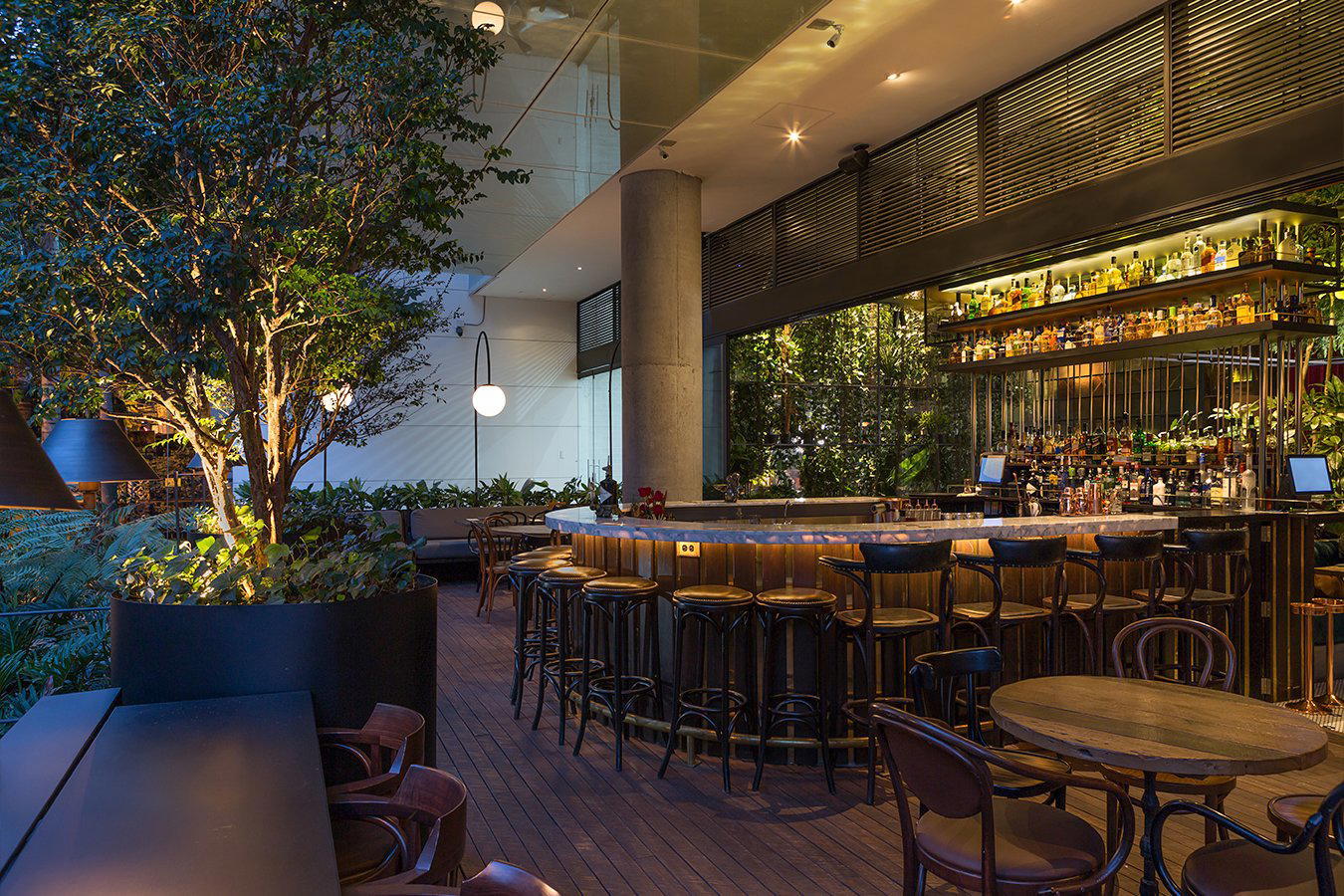
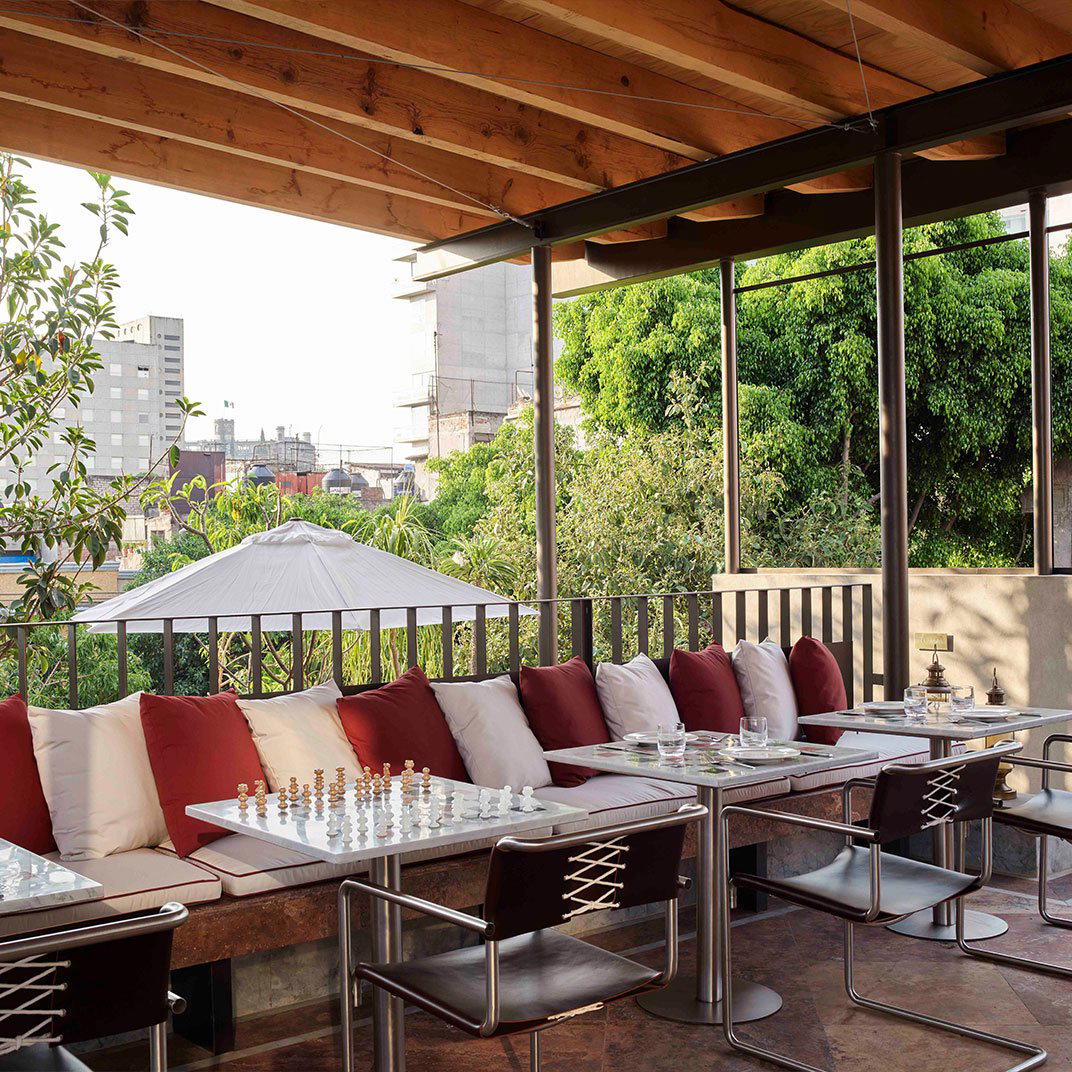
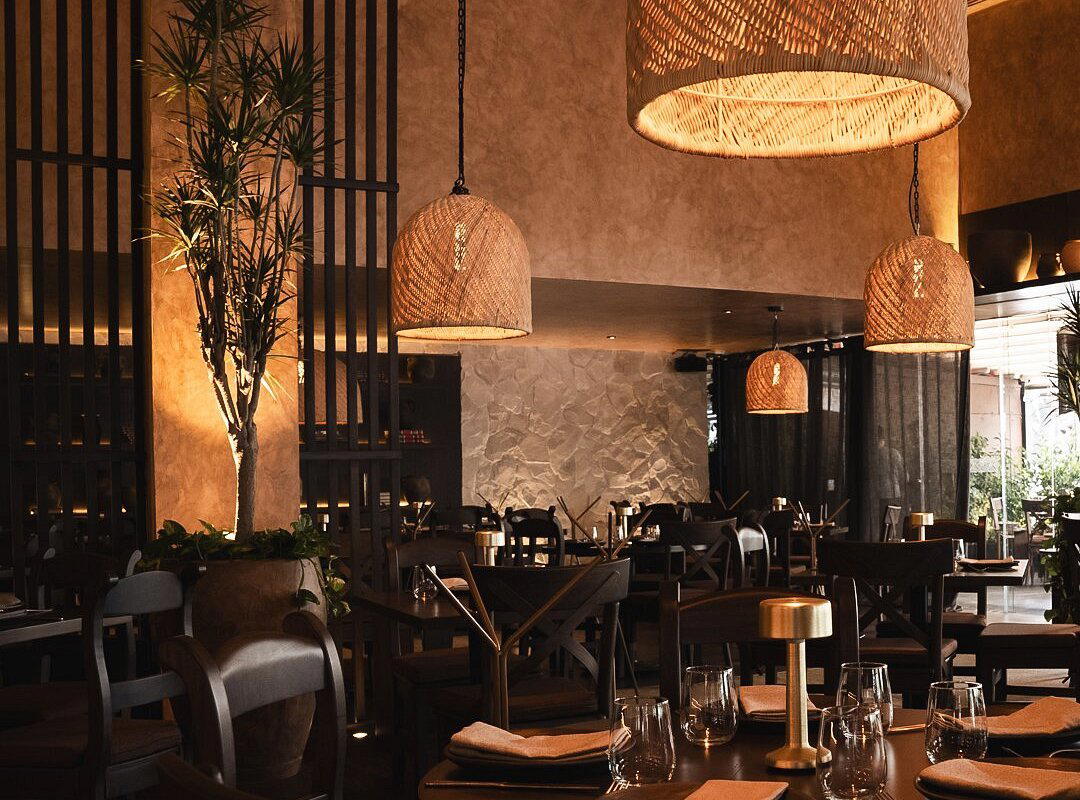
Bars in Mexico City
Browse all →

Details
- Lively
- Trendy
- Group Dining
- Family
- Casual Hangout
- A La Carte
Current opening hours
- Monday
- 1–8 PM
- Tuesday
- 1–8 PM
- Wednesday
- 1–8 PM
- Thursday
- 1–8 PM
- Friday
- 12–9:30 PM
- Saturday
- 12–9:30 PM
- Sunday
- 12–8:30 PM
Hours can change for holidays and private events. Last verified .
Welcoming and excellent ambiance ideal for families and friends gathering over bold, spicy seafood dishes.