La Bipo
La Bipo occupies a corner of Coyoacán's Del Carmen neighbourhood at Malintzin 155, a colonia where the pace of the city slows and the kitchen culture tilts local. The address places it squarely in one of Mexico City's most food-literate residential districts, where ingredient provenance and neighbourhood loyalty shape what ends up on the plate. Visit during the dry season, when Coyoacán's market produce is at its most consistent.
Pearl is the En Primeur Club membership app — saves, bookings, and concierge access live there. Same editors, same standards.
- Address
- Malintzin 155, Del Carmen, Coyoacán, 04100 Ciudad de México, CDMX, Mexico
- Phone
- +52 55 5484 8230
- Directions
- Get directions
 Saves & bookings on Pearl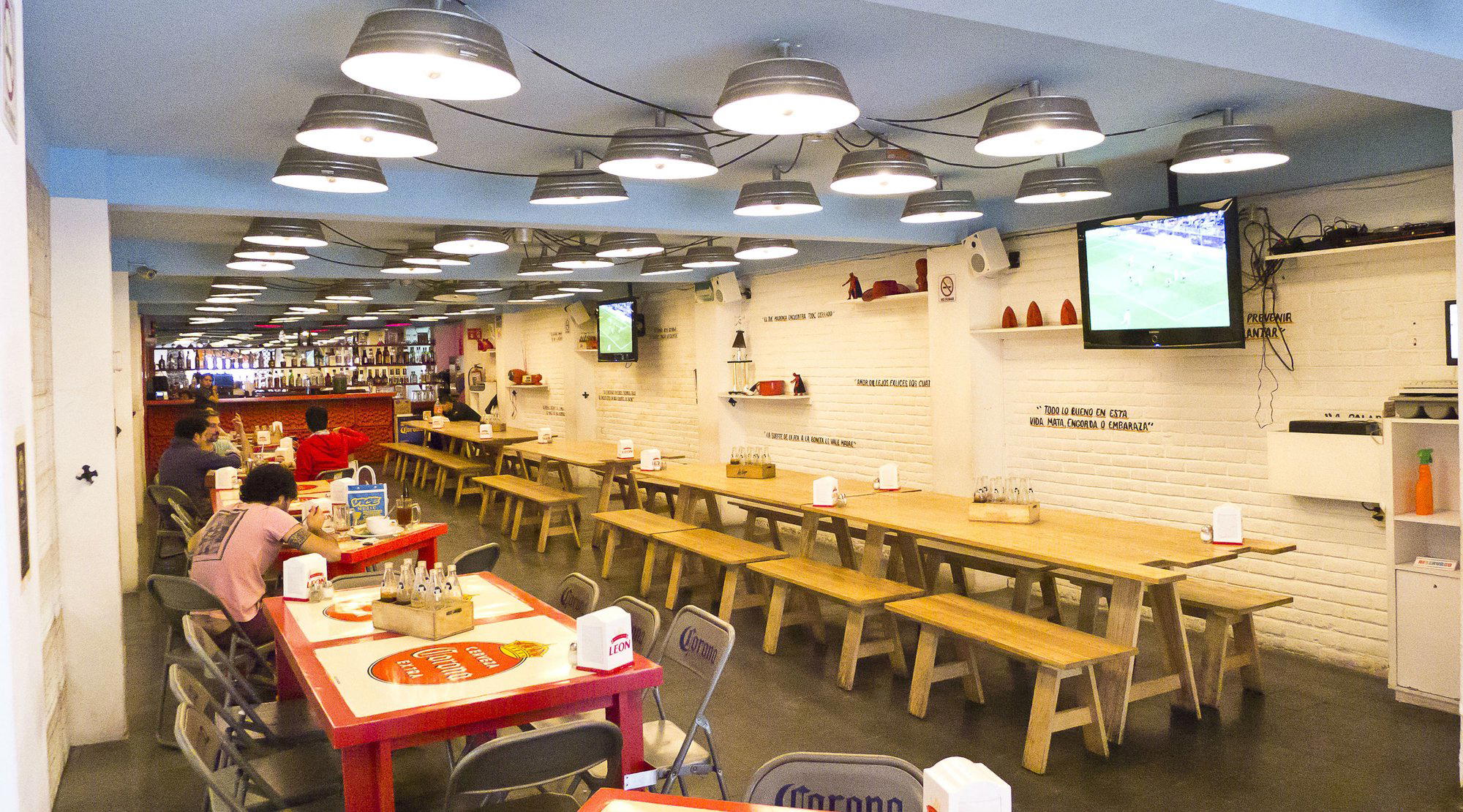
Coyoacán's Ingredient Logic
Coyoacán operates on a different clock from the capital's Polanco or Roma Norte dining corridors. The borough's central market, the Mercado de Coyoacán, anchors a procurement culture that radiates outward into surrounding streets, and the kitchens on those streets tend to reflect it. Proximity to quality produce is not incidental here, it is structural. The colonia of Del Carmen, where La Bipo sits at Malintzin 155, sits close enough to that supply chain to benefit from it daily. In a city where the distance between a kitchen and its ingredients often determines what the menu can realistically attempt, that geography carries weight.
Mexico City's dining conversation has for years been dominated by addresses in Roma Norte, Polanco, and Condesa. Places like Pujol and Quintonil have drawn the international critical apparatus toward those corridors, where multi-course tasting formats and ingredient sourcing with named producer credits have become expected at the $$$$ tier. Coyoacán's kitchen culture is less performing and more embedded. The neighbourhood's restaurants tend to cook for people who live nearby, which produces a different register of accountability, one based on repetition and trust rather than occasion.
Where Del Carmen Fits in the City's Dining Map
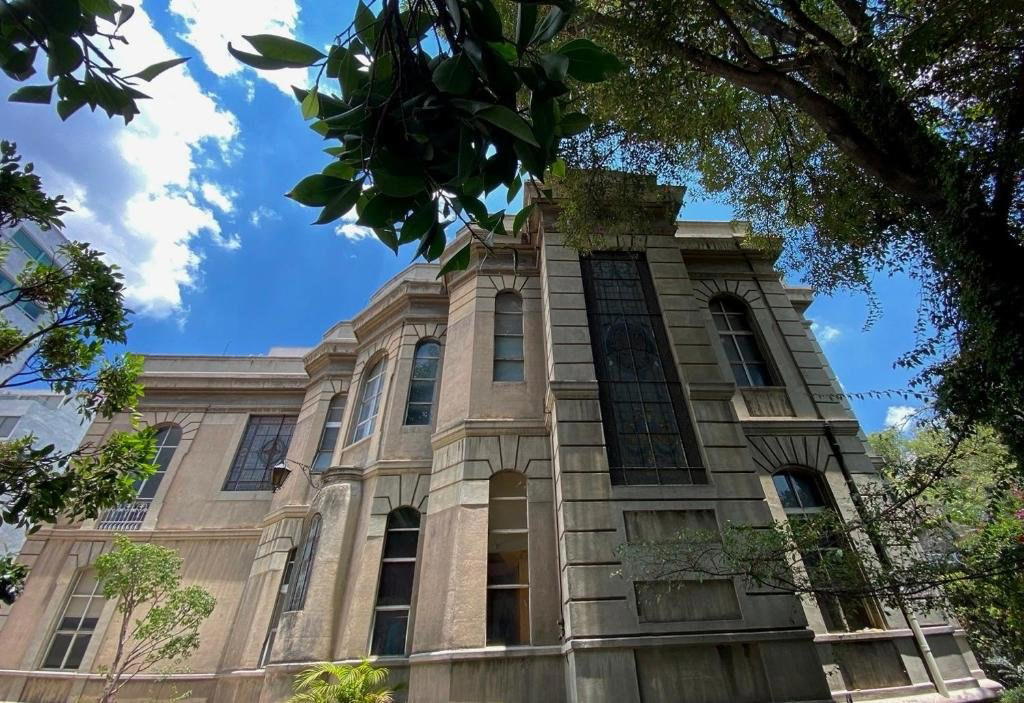
Del Carmen is a residential neighbourhood of narrow cobblestone streets, painted colonial facades, and a population that has historically included artists, academics, and a bohemian professional class. It is not a district associated with destination-dining theatrics. What it produces instead are rooms where the food is taken seriously without the apparatus of ceremony. That informality is not a concession, it is a deliberate calibration to the neighbourhood's character.
The comparison set for a venue at this address is not Polanco's tasting-menu houses. It is closer to Rosetta in Roma, which occupies a similarly residential building and positions itself as a neighbourhood anchor with serious kitchen credentials, or to Em, which operates at the $$$$ tier but with a format that privileges restraint over spectacle. La Bipo at Malintzin 155 sits in the logic of the former: a room embedded in its surroundings, cooking for a local constituency that returns because the kitchen earns it.
For readers mapping Mexico City's restaurants by neighbourhood character rather than by tier, our full Mexico City restaurants guide provides a district-by-district breakdown that positions Coyoacán within the broader capital context.
Ingredient Sourcing in the Context of Mexican Regional Kitchens
One consequential shift in serious Mexican cooking over the past decade has been the formalisation of regional sourcing, producers, milpa farmers, coastal fishers, and highland foragers entering into relationships with specific kitchens. This is most visible at places like Animalón in Valle de Guadalupe, where the vineyard and kitchen share a physical site, or at Levadura de Olla in Oaxaca, where indigenous grain cultivation underpins the entire cooking logic. At KOLI Cocina de Origen in Monterrey and Alcalde in Guadalajara, the sourcing argument is made explicitly, with the provenance of regional ingredients forming the editorial backbone of the menu.
In Coyoacán, the sourcing argument is made less loudly but no less seriously. The Mercado de Coyoacán draws vendors from surrounding states, and the weekly tianguis cycle supplements it with seasonal and regional produce that does not reach the supermarket supply chain. Kitchens in this neighbourhood that take sourcing seriously do so through relationships built over market visits rather than through formal producer partnerships that appear in press materials. The evidence is on the plate and in the repetition of what appears on the menu across seasons.
The dry season, running from November through April, also produces reliable street-level dining conditions across Coyoacán's outdoor terraces.
What the Address Signals
Malintzin is one of Del Carmen's more residential streets, parallel to the pedestrian axis around Jardín Centenario but far enough removed from the tourist concentration around the central plaza that the clientele skews local. This matters for ingredient sourcing: kitchens that cook primarily for neighbours with long memories and direct alternatives nearby cannot rely on novelty or tourism volume to carry a weak supply chain. The market proximity functions as both resource and constraint.
Venues at this price positioning in Coyoacán compete against a dense field of established local fondas and cantinas, many of which have been operating for decades. The neighbourhood's loyalty to its existing institutions is well documented, new openings that do not embed themselves in that culture tend to cycle out quickly. The ones that hold do so because they earn a specific role: a particular morning function, a specific ingredient strength, a reliable daily format that fits the neighbourhood's rhythm.
Across Mexico, the sourcing-forward approach now appears at multiple price tiers and formats: Olivea Farm to Table in Ensenada operates with an explicit farm relationship; Lunario in El Porvenir integrates winery and kitchen on a single estate; HA' in Playa del Carmen and Arca in Tulum draw on Yucatán Peninsula produce with varying degrees of local integration. The argument that sourcing quality correlates with dining quality is now made across the country, not only at the tasting-menu tier. Coyoacán is its neighbourhood-scale expression.
Planning a Visit
La Bipo is at Malintzin 155, Del Carmen, Coyoacán, 04100 Ciudad de México, CDMX, Mexico. The Coyoacán area draws weekend crowds toward Jardín Centenario, so weekday visits offer a quieter experience consistent with the neighbourhood's residential register. The restaurant is casual and walk-in friendly, with hours of Mon: 1 PM to 1 AM; Tue: 1 PM to 1 AM; Wed: 1 PM to 1 AM; Thu: 1 PM to 3 AM; Fri: 1 PM to 3 AM; Sat: 1 PM to 3 AM; Sun: 1 PM to 3 AM, and an estimated spend of about $20 per person. Readers planning a broader Coyoacán day should note that the Mercado de Coyoacán is within walking distance and operates from early morning, arriving via the market and continuing to a meal is the neighbourhood's natural sequence. Lazy Bear in San Francisco and Le Bernardin in New York City represent how the sourcing argument plays at the upper tier in other markets.
Similar Picks
Comparable venues nearby, for context on price, style, and recognition.
| Venue | Cuisine | Price | Notes |
|---|---|---|---|
| La BipoThis venue — the venue you are viewing | Contemporary Mexican Cantina | $$ | Not listed |
| Tagers | Mexican Comfort Food & Brunch | $$ | Chimalistac |
| El Parnita | Modern Mexican Antojería | $$ | Centro Urbano Benito Juarez |
| Casa Merlos | Traditional Poblana Mexican | $$ | 2da Secc Del Bosque de Chapultepec |
| Caldos de Gallina "Luis" | Traditional Mexican Hen Soup | $$ | Roma Norte |
| Tacos Félix | Premium Taqueria | $$ | Del Valle sur |
Continue exploring
More in Mexico City
Restaurants in Mexico City
Browse all →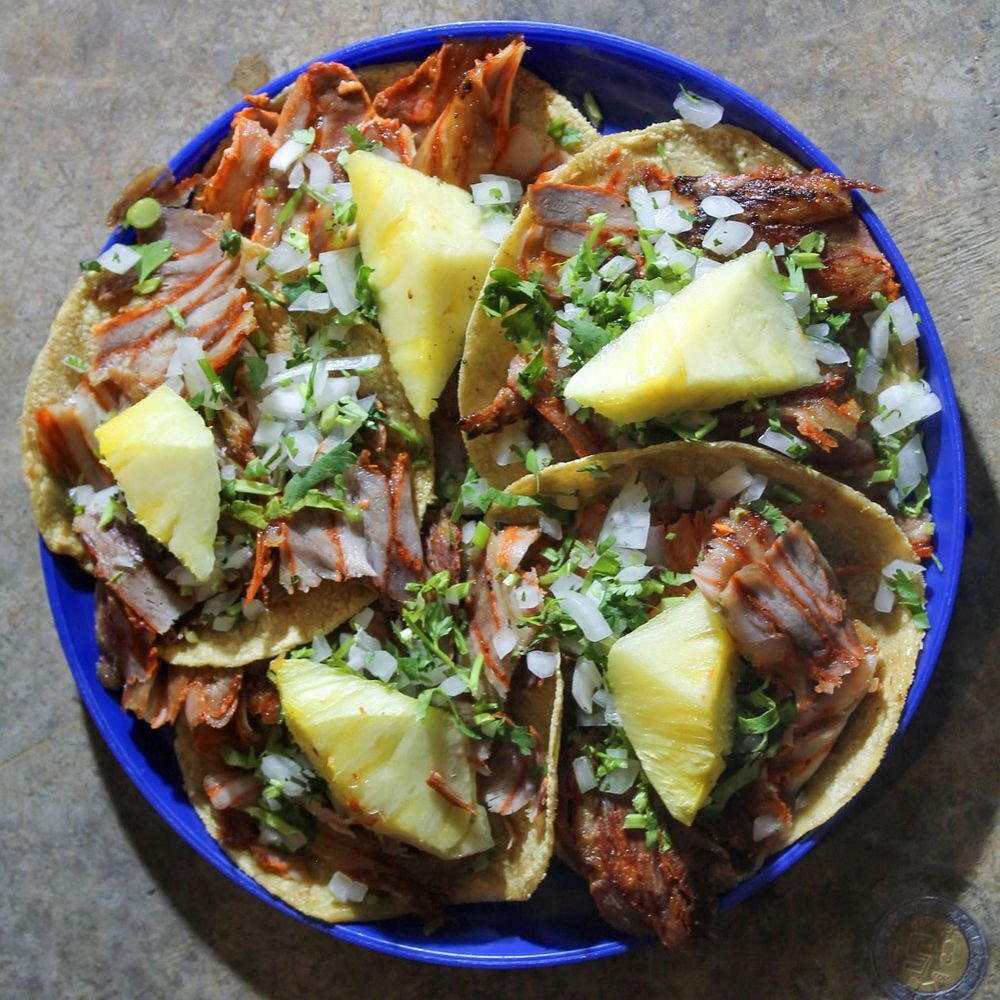
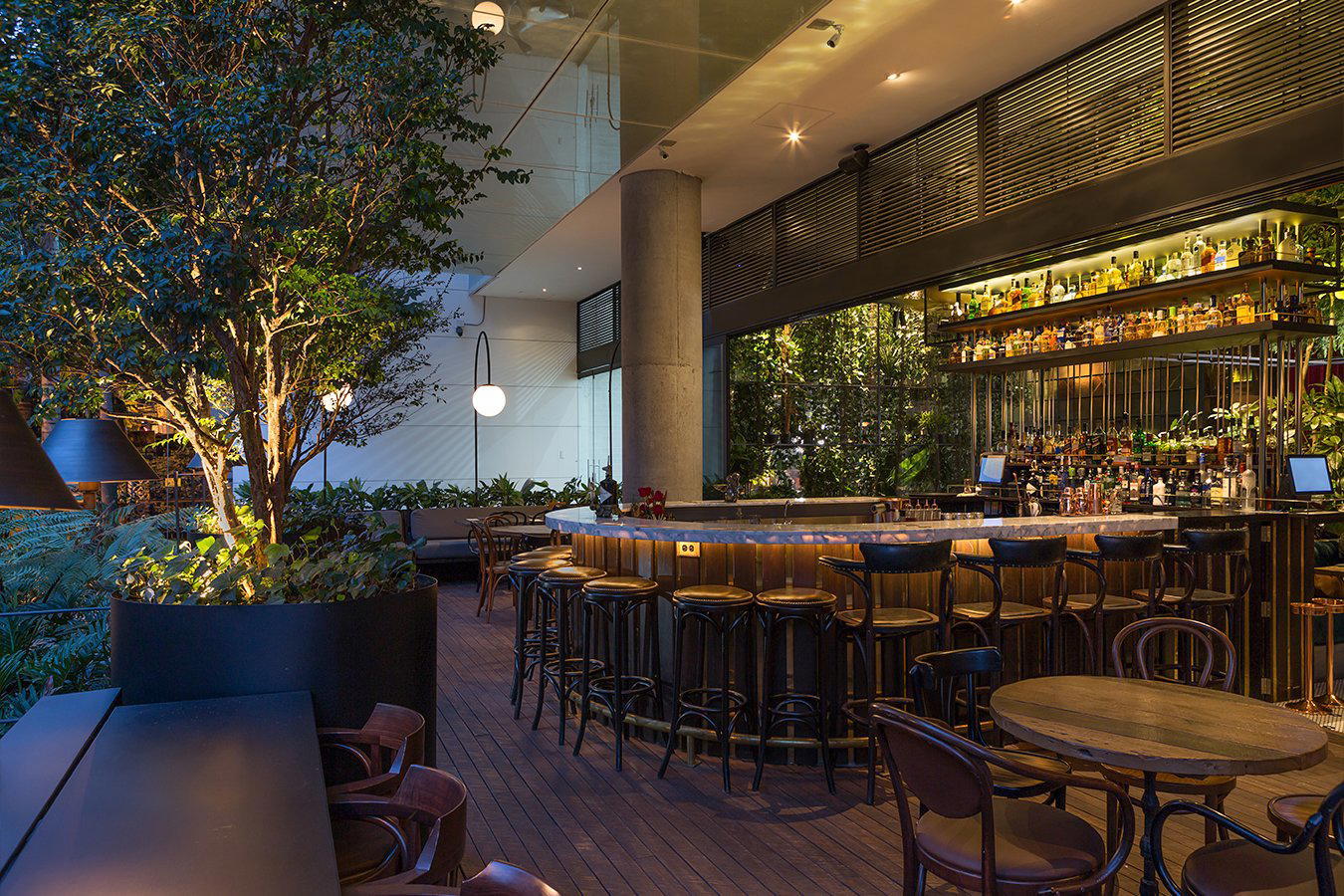
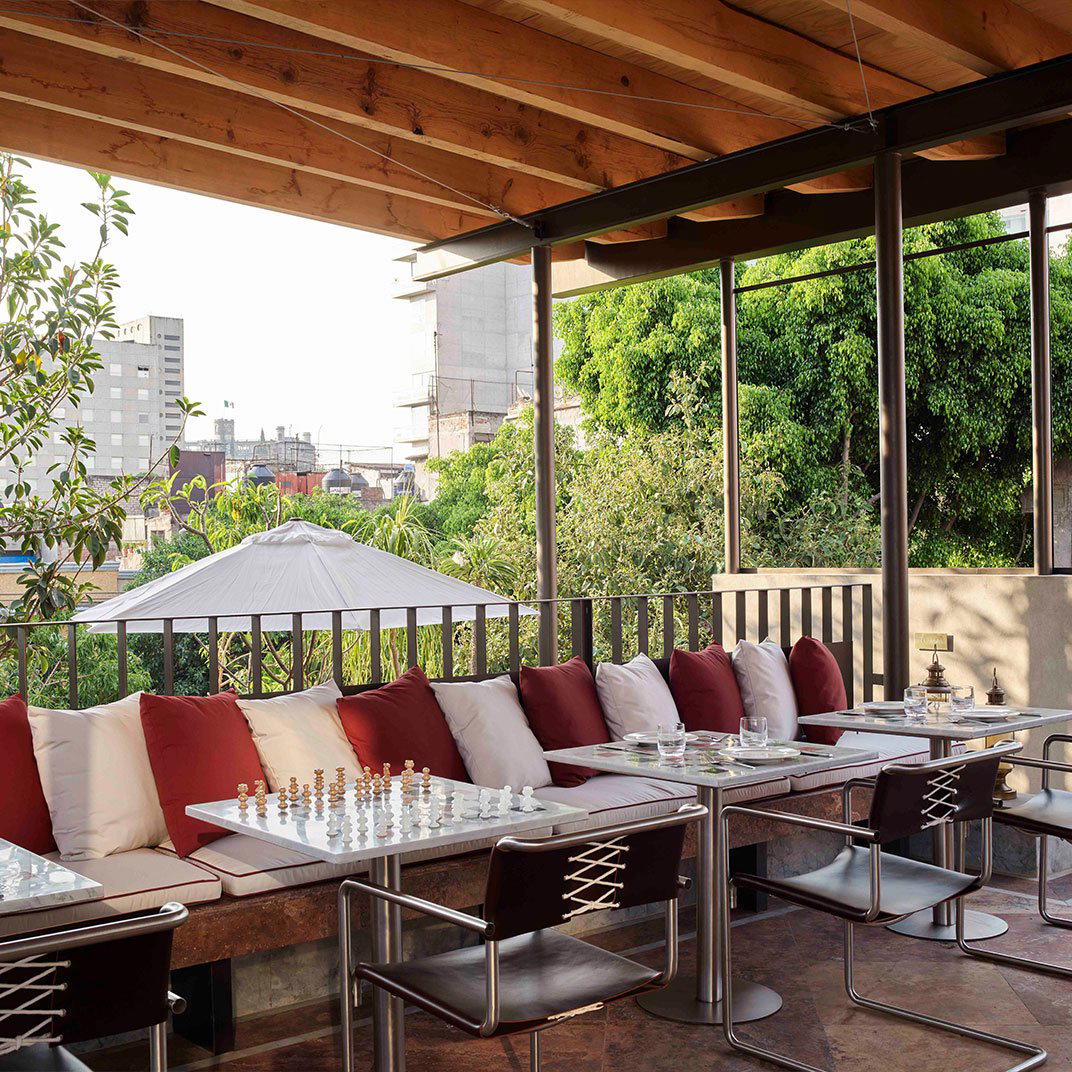
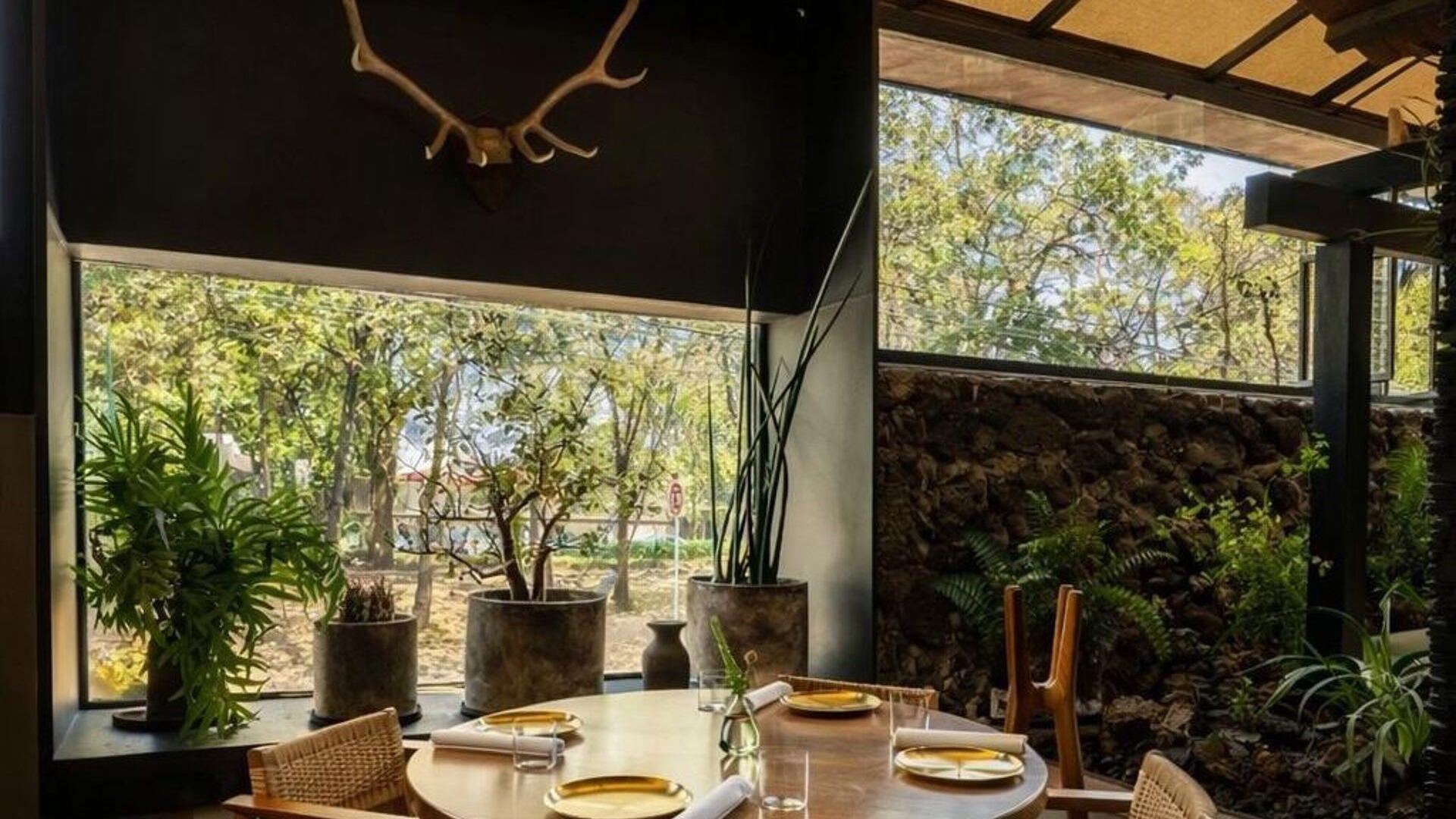
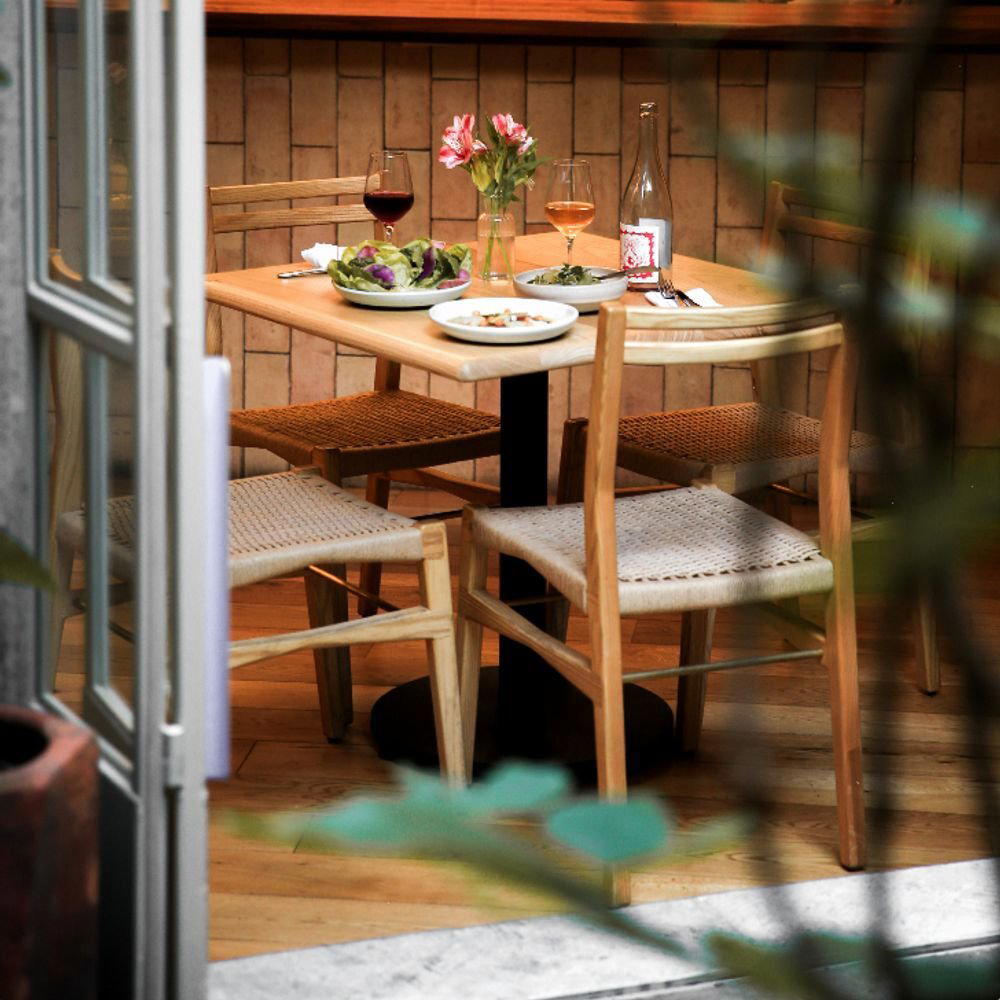
Bars in Mexico City
Browse all →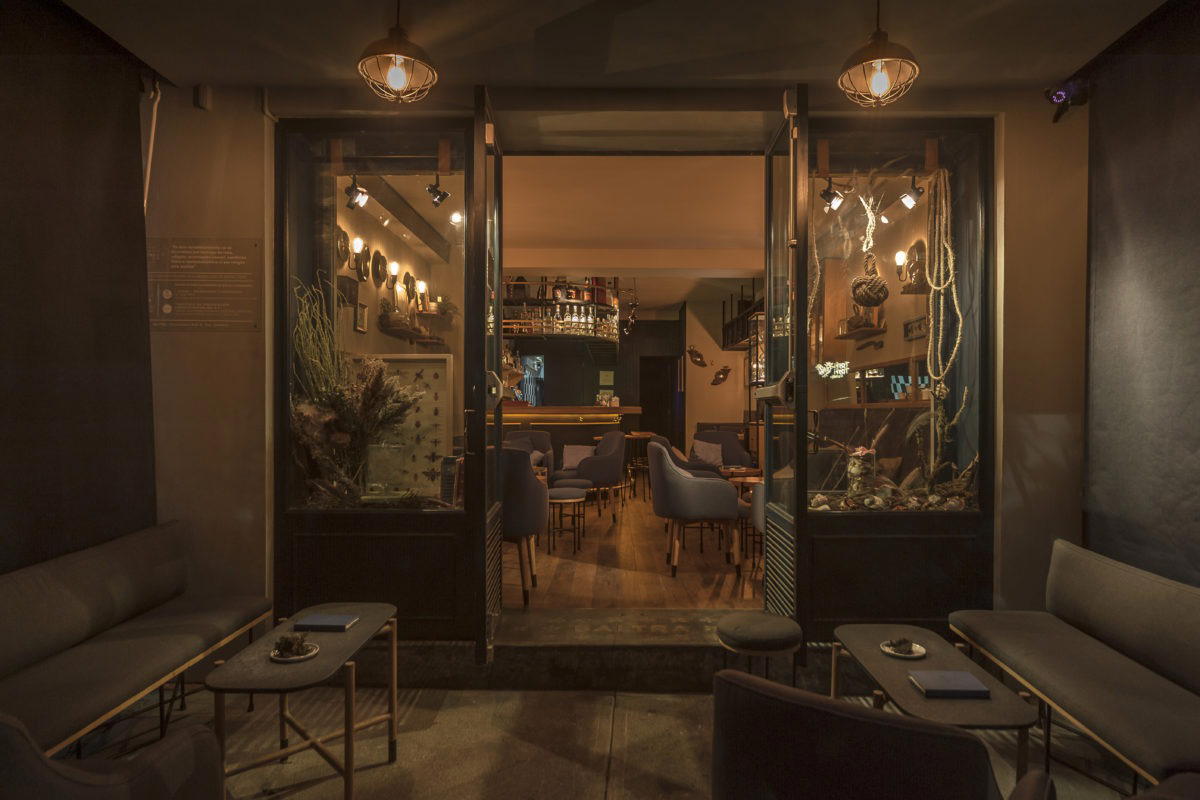
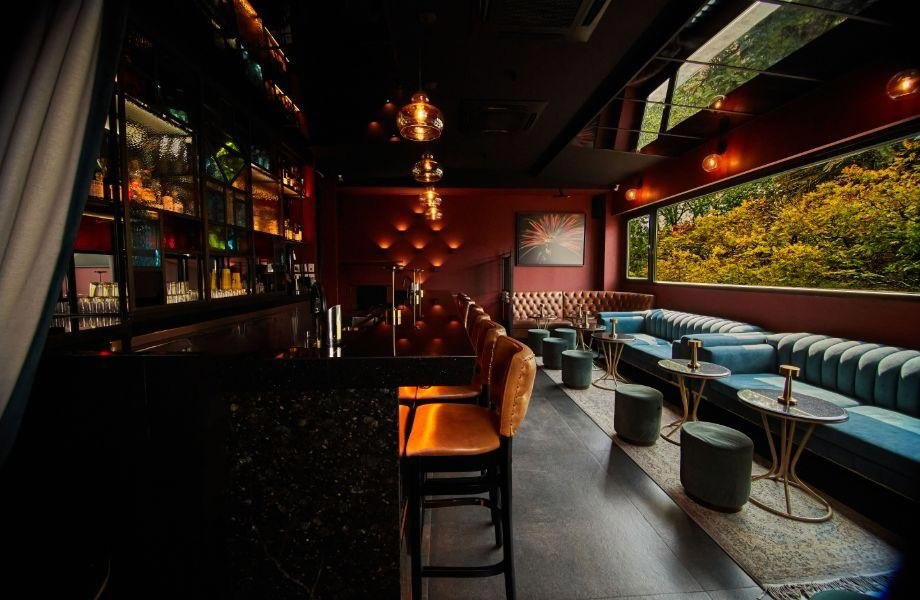


At a Glance
- Bohemian
- Lively
- Well Known
- Energetic
- Whimsical
- Casual Hangout
- Group Dining
- After Work
- Late Night
- Live Music
- Standalone
- Craft Cocktails
- Beer Program
Current opening hours
- Monday
- 1 PM–1 AM
- Tuesday
- 1 PM–1 AM
- Wednesday
- 1 PM–1 AM
- Thursday
- 1 PM–3 AM
- Friday
- 1 PM–3 AM
- Saturday
- 1 PM–3 AM
- Sunday
- 1 PM–3 AM
Hours can change for holidays and private events. Last verified .
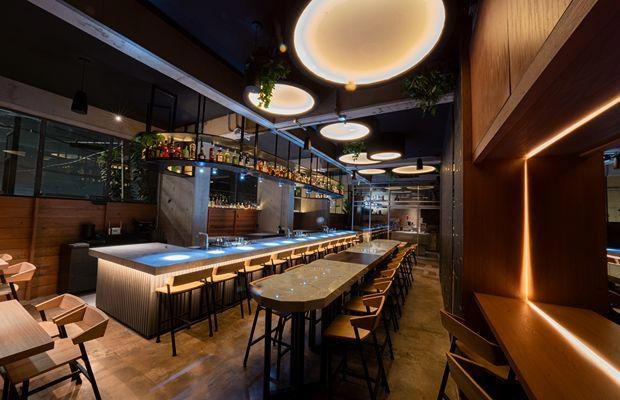
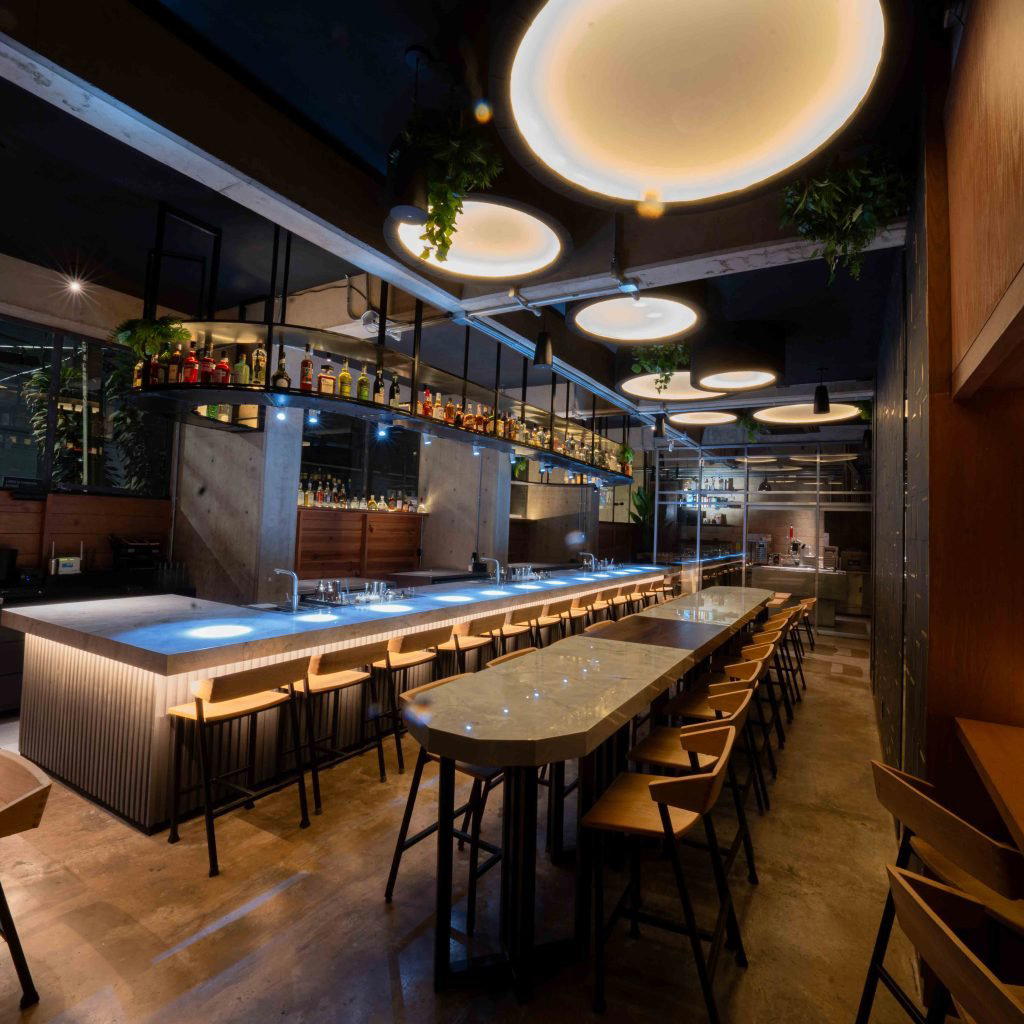
Sophisticated yet kitschy with vintage Mexican imagery, lucha libre wrestling posters, Lulú soda bottles as salsa containers, and Modelo brewery tabletops; energetic and eclectic with live DJs on weekends.