Covadonga
"By day, the Covadonga's denizens are generally old Spanish guys playing dominoes and eating traditional Asturian delicacies like tortilla espanola, but by night it's a whole different demographic that flocks here. Young local hipsters arrive around 7pm to begin their night out with a few beers, and shots, among friends. It's an old cantina, a traditional drinking den, and the futbol is always on TV, the aging waiters wear prim black vests over starchy white shirts, and the interiors haven't had a makeover in what feels like 50 years. It's comforting to know, though, that even in the Roma, one of the hippest parts of town, some places never change."
Pearl is the En Primeur Club membership app — saves, bookings, and concierge access live there. Same editors, same standards.
- Address
- Puebla 121, Roma Nte., Cuauhtémoc, 06700 Ciudad de México, CDMX, Mexico
- Phone
- +52 55 5533 2701
- Website
- banquetescovadonga.com.mx
- Directions
- Get directions
 Saves & bookings on Pearl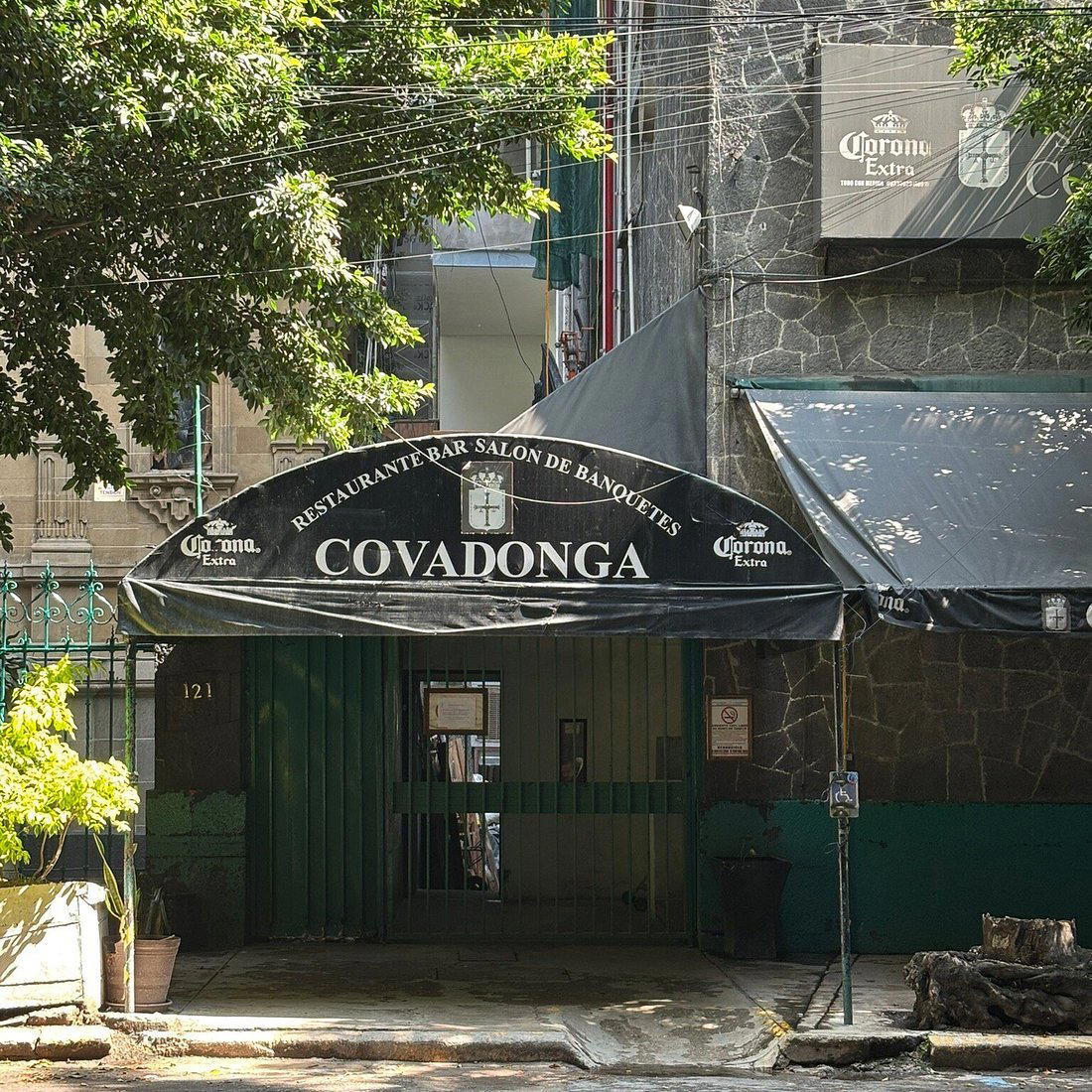
The Weight of a Tile-Floored Room
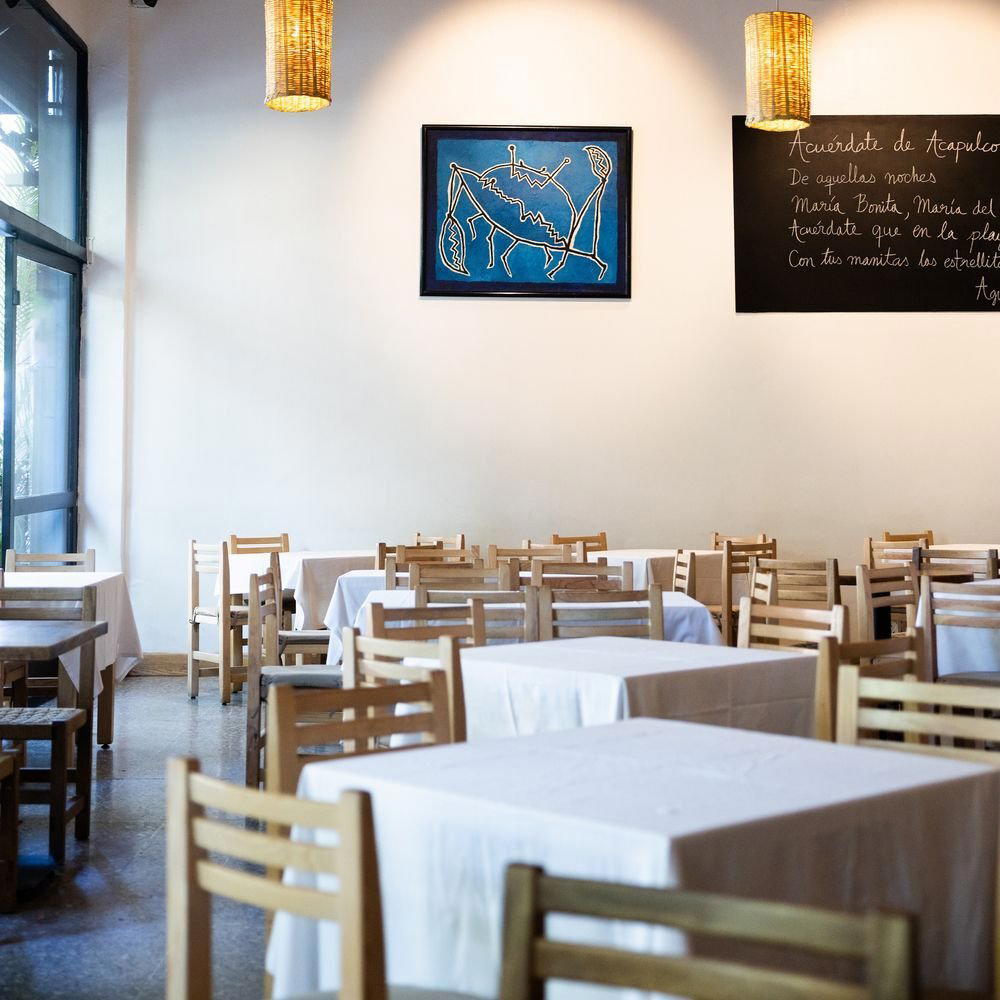
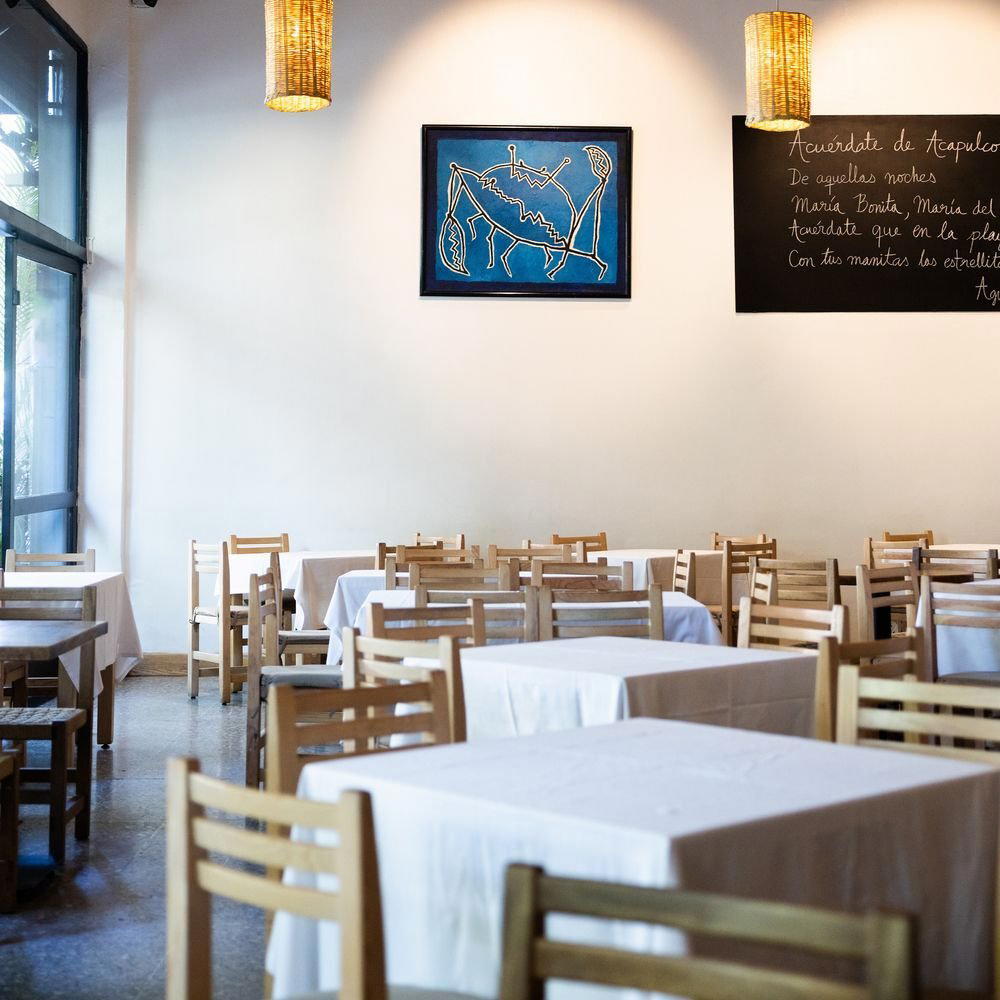
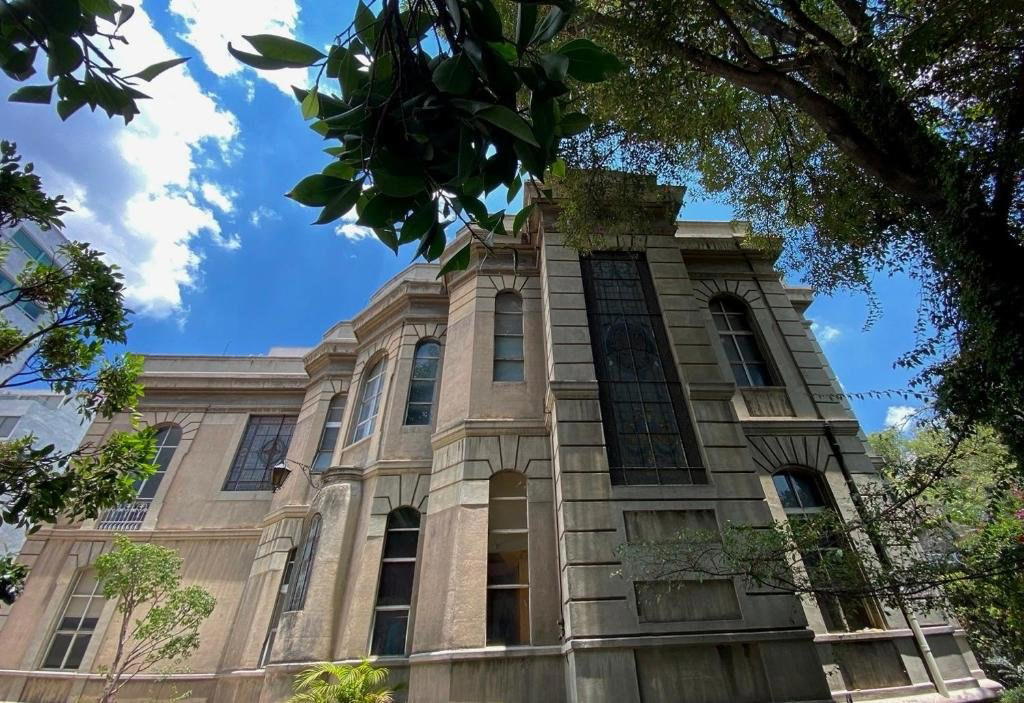
There is a particular quality of light inside Mexico City's older cantinas and Spanish-heritage dining rooms that no amount of renovation has managed to replicate elsewhere: the kind that falls through high windows onto worn wooden tables and makes even a midday beer feel like a considered act. Covadonga, on Puebla 121 in Colonia Roma Norte, operates inside that tradition. The room reads as a record of continuous use rather than a designed aesthetic, and that distinction matters in a city where the gap between a genuinely old institution and a carefully aged-looking newcomer has grown harder to detect.
Roma Norte and the Institutions Around It
Colonia Roma Norte now sits at the centre of Mexico City's dining conversation, with Rosetta holding the neighbourhood's creative Italian anchor just blocks away, and the broader Roma-Condesa corridor extending toward tasting-menu destinations like Em and the city's two most globally tracked addresses, Pujol and Quintonil. That context is worth keeping in mind, because Covadonga does not compete in that tier. It competes in a different one: the category of places where the menu has not changed because it does not need to, where the drinks list is shorter than the story of the room, and where the clientele on any given afternoon skews toward people who have been coming for decades rather than people who found it on a list.
That positioning is not a limitation. In a neighbourhood increasingly defined by menus that communicate ambition through structure and technique, a room that communicates authority through repetition and institutional steadiness occupies its own kind of pressure-free territory. For readers tracking the broader Mexico City scene, our full Mexico City restaurants guide maps both categories in detail.
Menu Architecture: Counting on Familiarity
The editorial angle that most accurately describes Covadonga is menu architecture rooted in Spanish cantina logic: a framework built around dishes that function as anchors rather than statements. Spanish-influenced cantinas in Mexico City have historically organised their menus around a small number of dependable categories. Tapas and botanas sit at the entry point, serving a social function as much as a culinary one. Heavier plates follow the logic of a long lunch rather than a tasting progression: the goal is sustenance, duration, and the kind of eating that accommodates a second or third round of drinks without demanding full attention between courses.
This structure, common to the Spanish casinos and clubs that shaped Mexico City's nineteenth- and early twentieth-century dining culture, explains why Covadonga's menu reads the way it does to a first-time visitor. The apparent simplicity is not absence of ambition; it is the result of a format that was never organised around novelty. Comparing this to the elaborately sequenced menus at Sud 777 or the Baja-inflected tasting formats at Animalón in Valle de Guadalupe clarifies the distance between two entirely different models of what a restaurant is for. Neither approach is subordinate to the other; they answer different questions.
The beer program functions as a throughline. Spanish and Mexican draught options anchor the drinks side in a way that is consistent with the cantina model, where beer and wine serve the room rather than the room serving the wine list. This contrasts with the ingredient-driven beverage programs gaining ground at places like Arca in Tulum or the technically precise formats at Le Chique in Puerto Morelos. At Covadonga, a beer arrives without ceremony, which is exactly the point.
What the Room Tells You Before the Menu Arrives
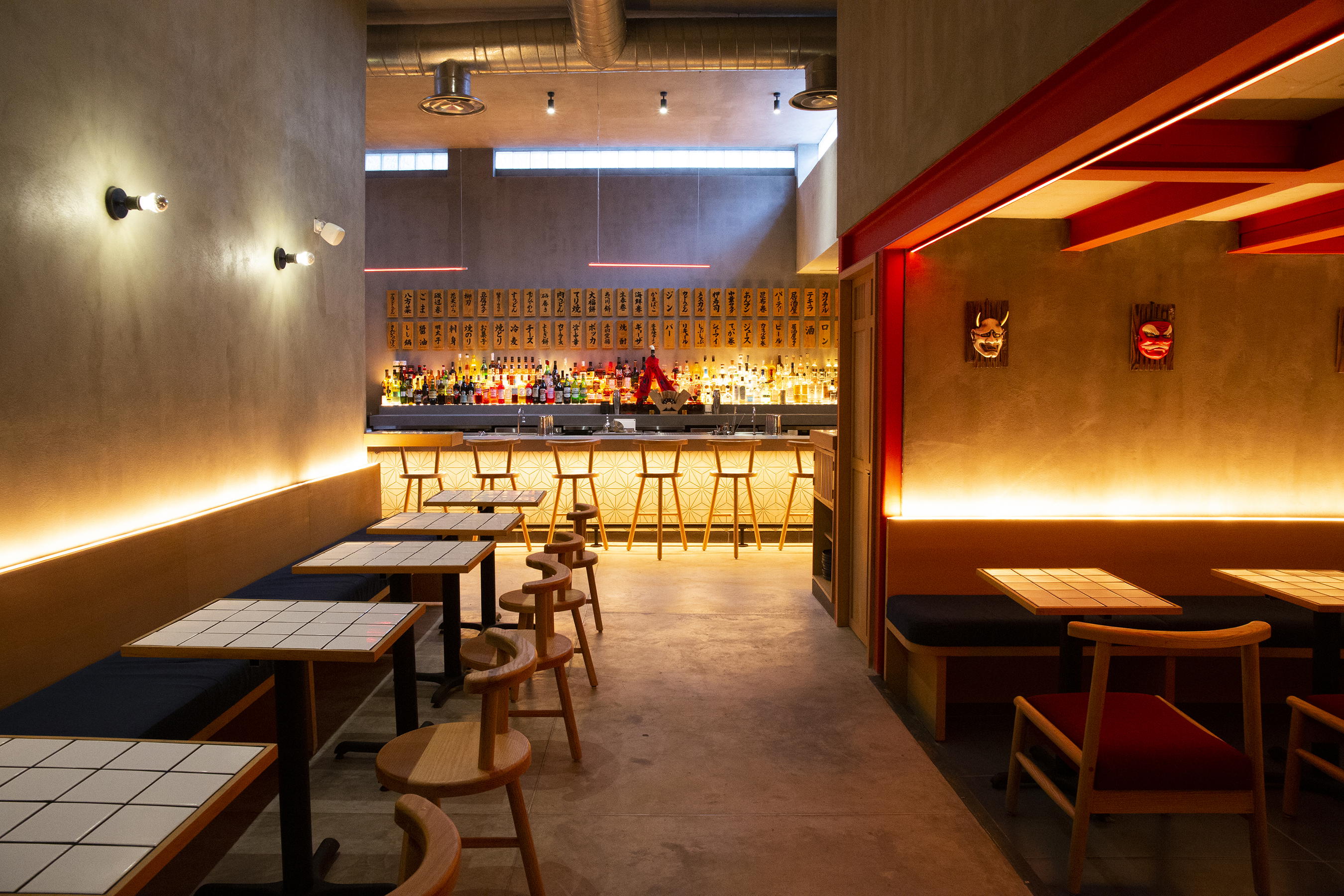
The physical environment at Covadonga functions as a preliminary argument about what kind of meal is coming. High ceilings, tile floors, and the ambient noise of a room in steady use communicate something specific: that the kitchen's job is to support the social contract of the space rather than to redirect attention toward itself. This is not a room arranged to produce Instagram compositions or to generate table-turn pressure. It is arranged for people who will stay for two hours minimum and consider that a reasonable lunch.
This spatial logic has parallels across Mexico. The social dining room at Pangea in San Pedro Garza García operates with a different level of technical ambition but shares a commitment to making a room feel like a place people belong rather than a place they are visiting. Alcalde in Guadalajara operates at a different price point and creative register entirely, but the underlying premise that a room should feel inhabited rather than curated is a thread that runs through Mexico's most durable restaurants regardless of category.
Placing Covadonga in the Broader Mexico Dining Picture
Across Mexico, the restaurants drawing the most critical attention operate in a register of indigenous ingredient focus, pre-Hispanic technique recovery, and territory-specific sourcing. Levadura de Olla Restaurante in Oaxaca and KOLI Cocina de Origen in Monterrey are representative of that category. Olivea Farm to Table in Ensenada, Lunario in El Porvenir, and HA' in Playa del Carmen extend that conversation into different regional registers. For international reference points in technique-driven dining, Le Bernardin in New York City and Lazy Bear in San Francisco represent the kind of highly structured, awards-validated model that has shaped global expectations of what a serious restaurant looks like.
Covadonga belongs to none of those categories. Its authority comes from a different source: duration, consistency, and the social function of a room that has remained legible to the same community across generations. In Mexico City's current dining climate, that is its own form of institutional credibility.
Planning Your Visit
Covadonga is located at Puebla 121 in Colonia Roma Norte, within easy walking distance of the Roma Norte neighbourhood's main dining and café streets. The room operates on cantina rhythms, meaning the early afternoon hours tend to be the most atmospheric. No booking data is currently published, but given its local-institution status and operating model, the room typically absorbs walk-in traffic more readily than the reservation-only tasting-menu format common elsewhere in the neighbourhood. For first-time visitors, the working approach is to arrive with time to spare and expect to stay longer than originally planned.
Reputation Context
| Venue | Cuisine | Price | Awards |
|---|---|---|---|
| CovadongaThis venue — the venue you are viewing | Not listed | Not listed | This venue |
| Pujol | Mexican | $$$$ | Michelin 2 Star |
| Quintonil | Modern Mexican, Contemporary | $$$$ | Michelin 2 Star |
| Rosetta | Italian, Creative | $$ | Michelin 1 Star |
| Em | Mexican | $$$ | Michelin 1 Star |
| Comedor Jacinta | Mexico, Mexican | $$ | Mexico, Mexican |
Continue exploring
More in Mexico City
Restaurants in Mexico City
Browse all →
Bars in Mexico City
Browse all →
At a Glance
- Lively
- Classic
- Well Known
- Casual Hangout
- Group Dining
- Late Night
- Historic Building
- Craft Cocktails
Current opening hours
- Monday
- 1–10 PM
- Tuesday
- 1 PM–2 AM
- Wednesday
- 1 PM–2 AM
- Thursday
- 1 PM–2 AM
- Friday
- 1 PM–2 AM
- Saturday
- 1 PM–2 AM
- Sunday
- 1–7 PM
Hours can change for holidays and private events. Last verified .
Know Before You Go
- Getting there
- Puebla 121, Roma Nte., Cuauhtémoc, 06700 Ciudad de México, CDMX, Mexico