De Cleenne Mossel
De Cleenne Mossel sits on Oudestraat in Bruinisse, a small harbour town on the Grevelingenmeer where the delta's shellfish tradition runs deep. The name alone — 'the little mussel' — signals a kitchen oriented around what the surrounding waters provide. For travellers moving through Zeeland's quieter interior, this is a dining address shaped by place rather than ambition borrowed from elsewhere.
Pearl is the En Primeur Club membership app — saves, bookings, and concierge access live there. Same editors, same standards.
- Address
- Oudestraat 26, 4311 AZ Bruinisse, Netherlands
- Phone
- +31111407788
- Website
- decleennemossel.nl
- Directions
- Get directions
 Saves & bookings on Pearl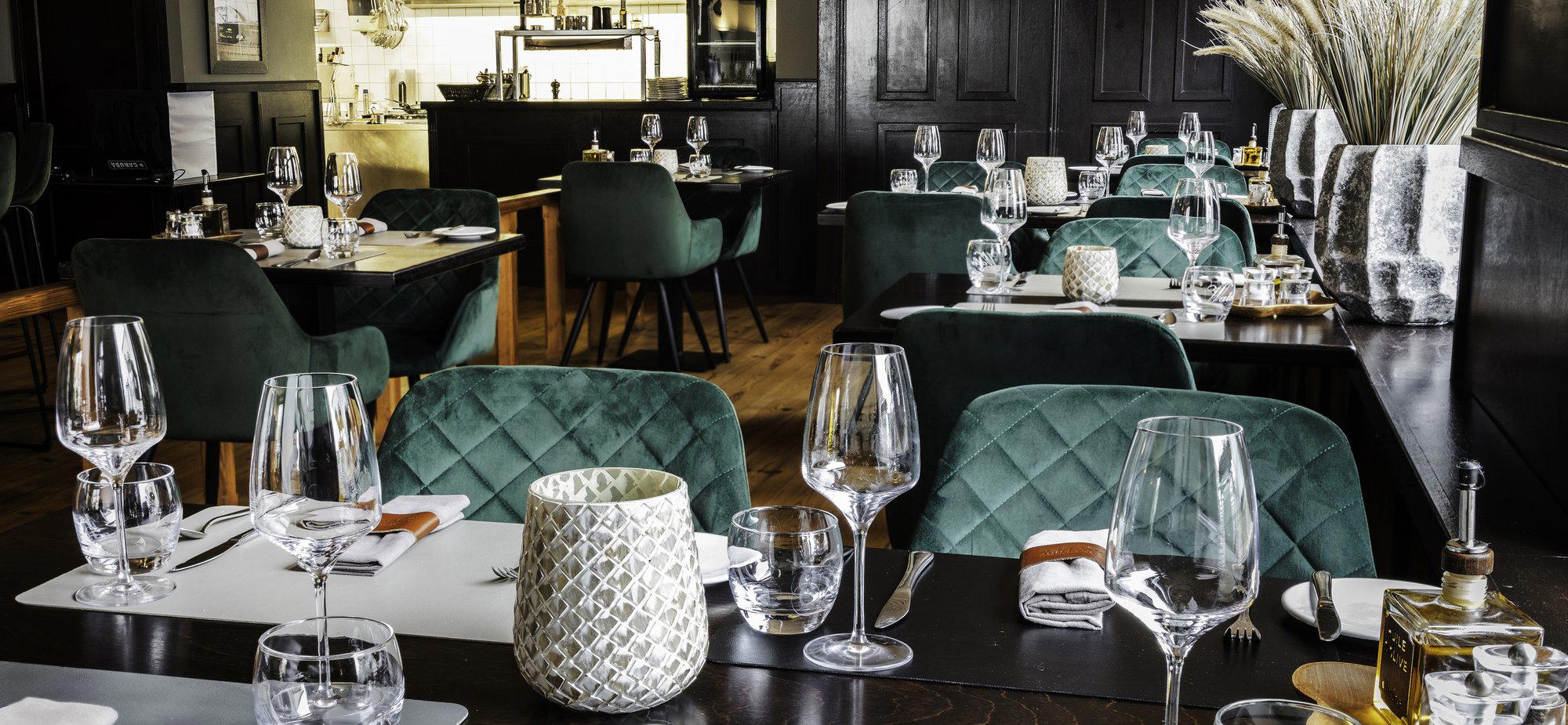
Where the Delta Ends Up on the Plate
Bruinisse occupies a narrow strip of the Schouwen-Duiveland peninsula, bounded on one side by the Grevelingenmeer and on the other by the Oosterschelde estuary. These two bodies of water are not incidental to the town's character — they define it. The Oosterschelde in particular is one of Europe's most closely managed shellfish habitats, a tidal inlet where wild mussels, oysters, and cockles grow under strict ecological protocols introduced after the Delta Works restructured the Dutch coastline in the second half of the twentieth century. For a restaurant called De Cleenne Mossel to set up at Oudestraat 26 in this town is to make an immediate statement about sourcing priorities.
In the Netherlands, the connection between coastal geography and kitchen identity tends to be clearest in smaller towns where supply chains stay short. Cities like Amsterdam or Rotterdam — home to kitchens such as Ciel Bleu in Amsterdam and FG - François Geurds in Rotterdam, draw on Zeeland shellfish as a prestige ingredient, listing provenance on menus as a selling point. In Bruinisse, that same provenance is simply the neighbourhood. The distinction matters to how you read a place like De Cleenne Mossel: it is not marketing a region; it is operating inside one.
The Zeeland Shellfish Tradition and Why It Travels Poorly
Zeeland mussels and Oosterschelde oysters have a documented reputation that extends well beyond the Netherlands. Belgian and French buyers have competed for Zeeland shellfish harvests for decades, and the region's flat, mineral-forward oysters appear on high-end menus from Brussels to Paris. What that export trade obscures is how differently shellfish tastes when it moves directly from water to kitchen within hours rather than through a distribution chain that spans borders. The texture of a mussel pulled from cold tidal water and cooked the same day is measurably different from one that has spent two days in refrigerated transit, firmer, cleaner on the palate, with less of the ammonia edge that signals age.
That gap between local consumption and exported product is the central editorial argument for eating shellfish in a place like Bruinisse rather than treating Zeeland provenance as a credential you can access anywhere. Restaurants in this part of the delta have a structural advantage that no amount of premium logistics fully replicates. Inter Scaldes in Kruiningen operates at the upper end of Zeeland's fine dining tier, demonstrating that the region sustains serious culinary ambition. De Cleenne Mossel, by address and by name, suggests a different register, closer to the product, lighter on ceremony.
Bruinisse as a Dining Context
Bruinisse is not a town that generates significant restaurant tourism on its own terms. Most visitors arrive by water, the marina draws recreational sailors working the Delta route, or pass through on the way to Zierikzee or the North Sea coast. That transient, water-oriented visitor profile shapes what the local dining scene needs to do. It rewards directness: a kitchen that knows its product and serves it without elaborate mediation tends to outperform one that attempts a register it cannot sustain at this scale and in this location.
For context, the Dutch fine dining circuit operates primarily in mid-sized cities and occasionally in rural settings that have become destination addresses. De Librije in Zwolle, De Nieuwe Winkel in Nijmegen, and De Lindenhof in Giethoorn each draw diners who plan trips around a reservation. De Cleenne Mossel is not operating in that competitive tier. Its interest lies elsewhere: in the argument that the most direct engagement with a regional ingredient happens at the source, not at the prestige address three hundred kilometres away that orders it in.
The broader Bruinisse dining scene is compact. Vluchthaven is the other notable address in town, and the two represent the range of what this harbour settlement sustains. For a fuller picture of what the area offers, our full Bruinisse restaurants guide maps the options by type and occasion.
Ingredient Logic in a Small-Town Coastal Kitchen
The sourcing argument that makes a place like De Cleenne Mossel worth considering is not unique to Zeeland. Comparable dynamics play out wherever a regional ingredient has genuine terroir, in the way that De Groene Lantaarn in Staphorst or Brut172 in Reijmerstok build their identity around proximate, legible supply chains. The logic is consistent: a kitchen embedded in its source region has access to quality windows that are functionally unavailable to urban competitors, regardless of budget or logistics sophistication.
At an international level, the same principle explains why eating shellfish at Le Bernardin in New York City or a communal-format kitchen like Lazy Bear in San Francisco, both of which handle seafood at the highest technical level, still cannot replicate the day-of provenance available at a well-run coastal address near the source. The gap is not skill; it is geography and time.
Other Dutch kitchens that demonstrate what attentive sourcing yields at different price points and formats include Tribeca in Heeze, De Bokkedoorns in Overveen, De Treeswijkhoeve in Waalre, De Lindehof in Nuenen, Aan de Poel in Amstelveen, and 't Nonnetje in Harderwijk. The range across these addresses illustrates how Dutch dining has developed a serious relationship with ingredient provenance at multiple register levels.
Planning a Visit
De Cleenne Mossel is located at Oudestraat 26, 4311 AZ Bruinisse. Bruinisse is most accessible by car from the N59 corridor, with the drive from Rotterdam running approximately 75 kilometres south through the delta crossings. Sailors arriving via the Grevelingenmeer marina are within easy walking distance of the town centre and Oudestraat.
How De Cleenne Mossel Bruinisse compares with similar nearby venues.
| Venue | Cuisine | Price |
|---|---|---|
| Restaurant Rootsch | Modern French | €€€ |
Continue exploring
More in Bruinisse
Restaurants in Bruinisse
Browse all →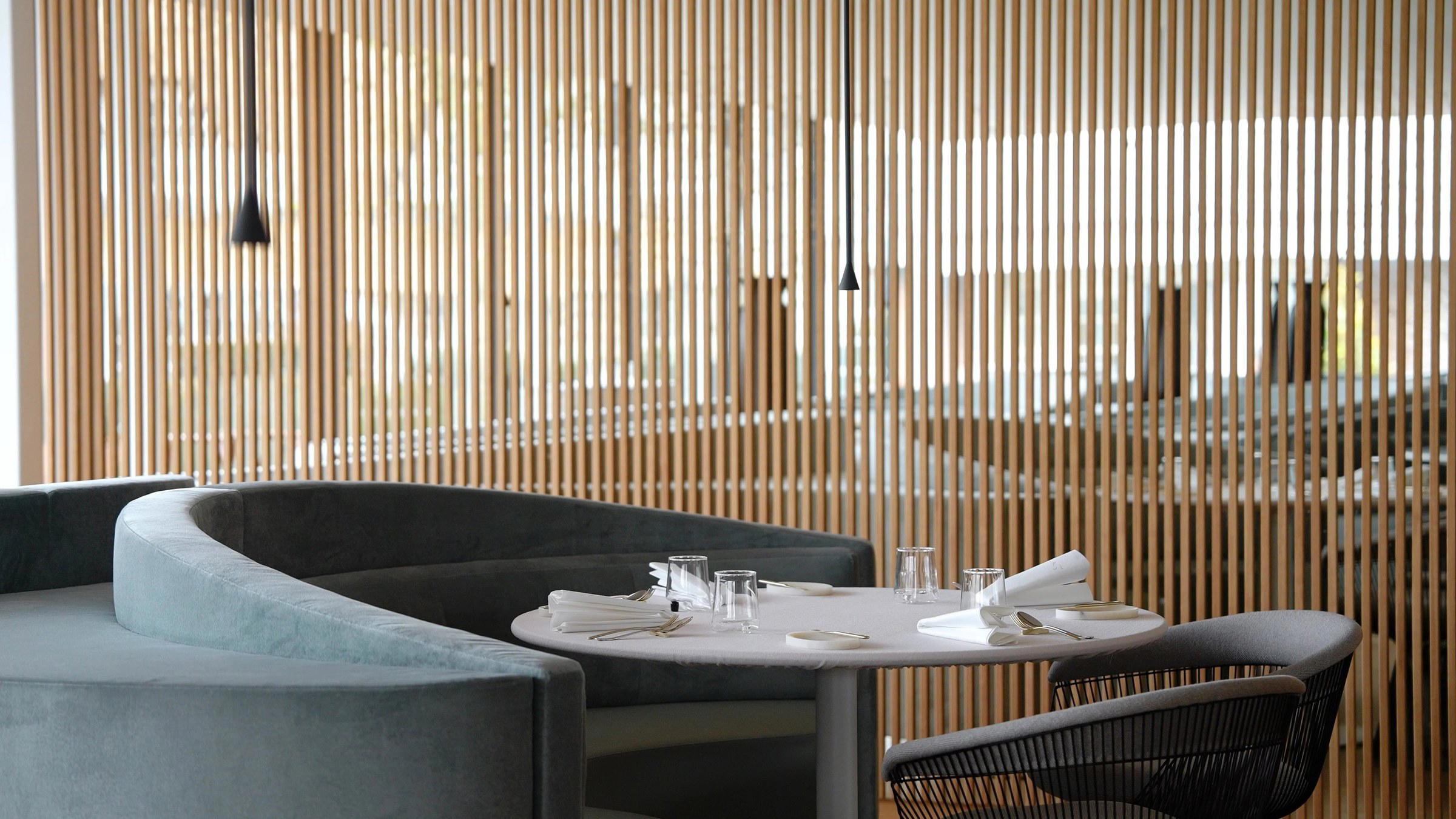
Bars in Bruinisse
Browse all →
Hotels in Bruinisse
Browse all →
Wineries in Bruinisse
Browse all →
At a Glance
- Cozy
- Classic
- Intimate
- Date Night
- Special Occasion
- Historic Building
- Extensive Wine List
- Local Sourcing
Current opening hours
- Monday
- 5–9 PM
- Tuesday
- Closed
- Wednesday
- Closed
- Thursday
- 5–9 PM
- Friday
- 12–3 PM, 6–9 PM
- Saturday
- 12–3 PM, 6–9 PM
- Sunday
- 12–3 PM, 6–9 PM
Hours can change for holidays and private events. Last verified .
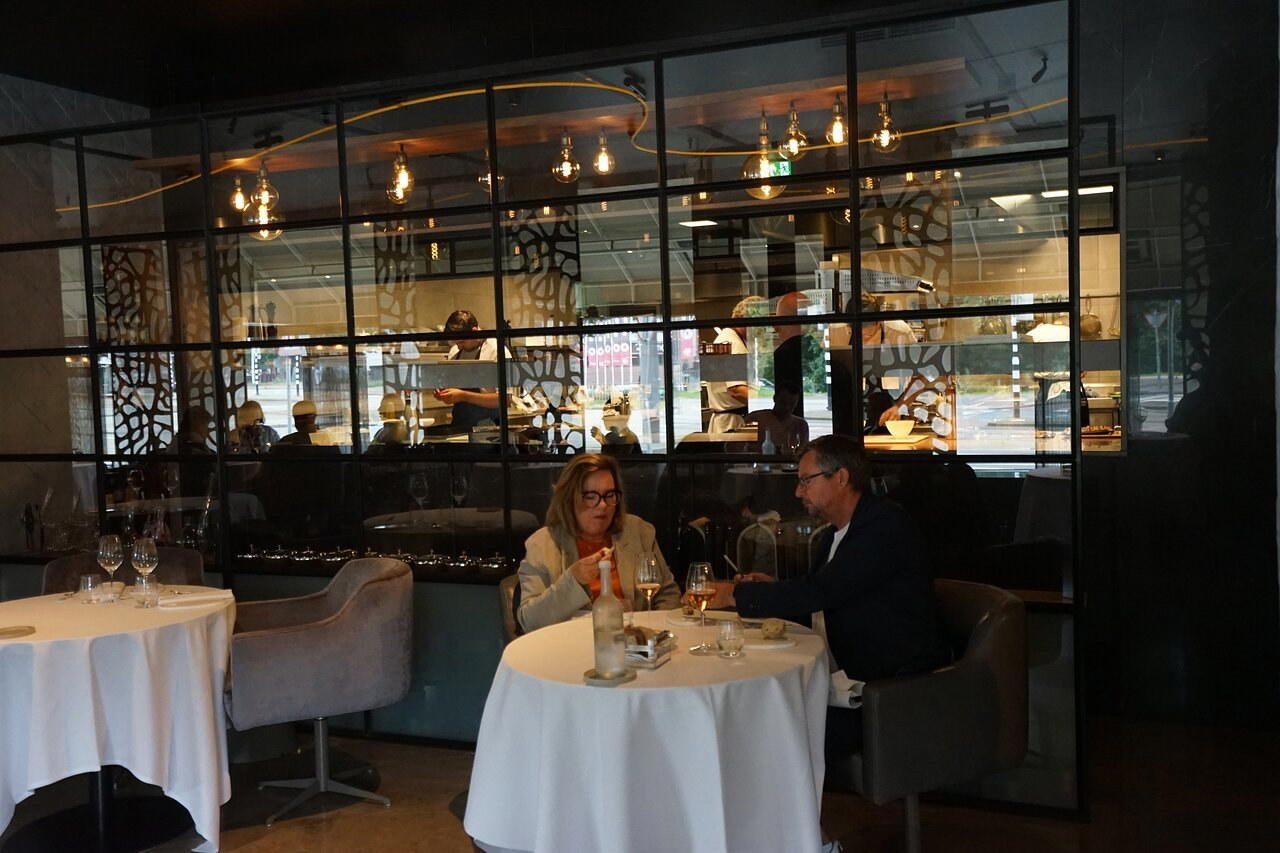
Cozy traditional dining room with warm welcoming atmosphere and open kitchen without noise or chaos.