In Roeselare's quietly serious dining scene, d'Hofstee on Claeyssensstraat occupies a register that rewards those who seek it out rather than stumble upon it. The address alone signals a certain local rootedness: a West Flemish city that has, over the past decade, become a reference point for ingredient-led cooking without the Antwerp or Brussels price premium. Expect a kitchen that lets sourcing do the talking.
Pearl is the En Primeur Club membership app — saves, bookings, and concierge access live there. Same editors, same standards.
- Address
- Claeyssensstraat 13, 8800 Roeselare, Belgium
- Phone
- +3251251078
- Website
- hofstee.be
- Directions
- Get directions
 Saves & bookings on Pearl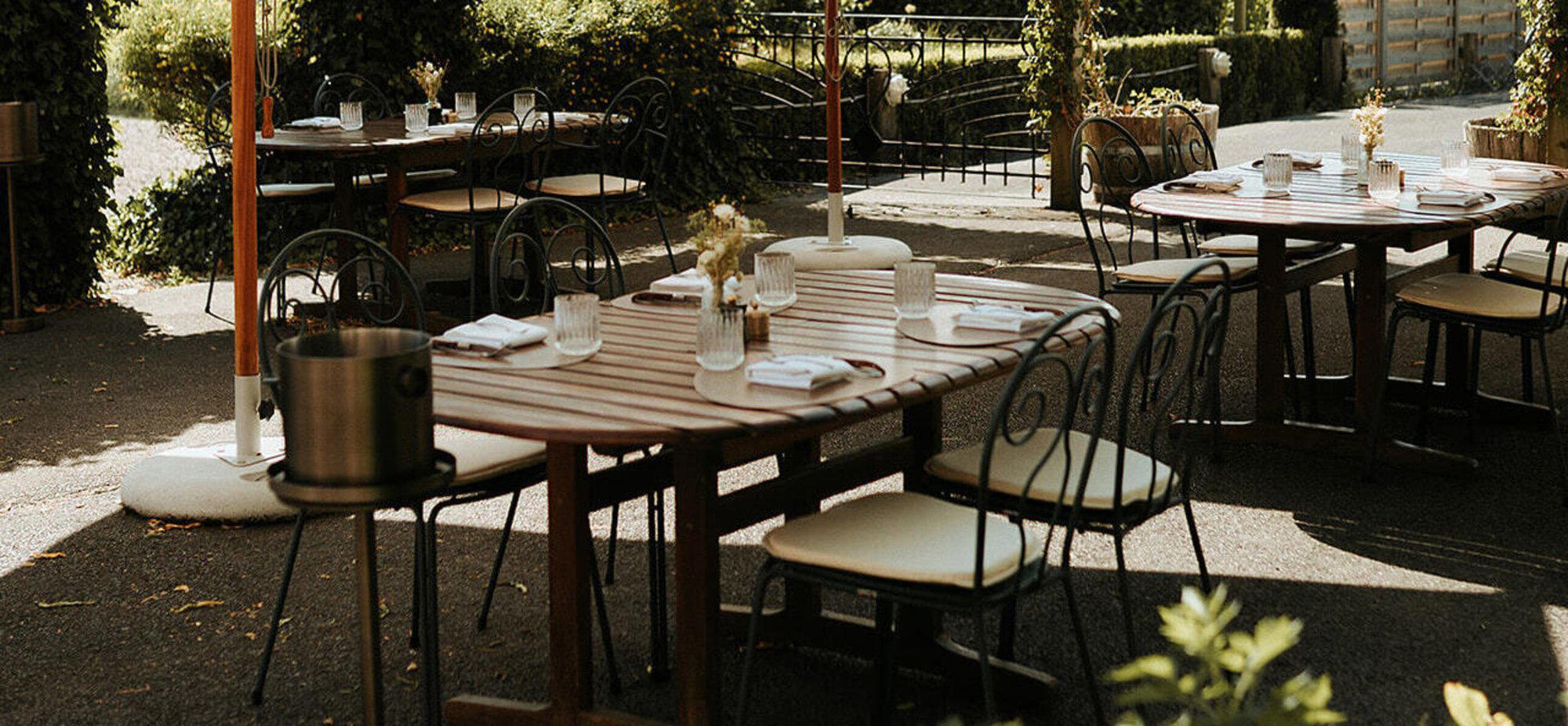
Roeselare and the Flemish Sourcing Tradition
West Flanders has long operated as one of Belgium's most productive agricultural corridors, and Roeselare sits at its centre. The polders to the west push notable chicory, leek, and root vegetables toward local kitchens; the coast is close enough that day-boat catch arrives without the transit penalties that blunt seafood quality further inland. This geography has quietly made the city a more credible base for ingredient-focused cooking than its modest reputation outside Belgium might suggest.
That context matters when reading d'Hofstee's address on Claeyssensstraat. This is a restaurant in a city built around local dining rather than restaurant tourism. It is a working address in a city that takes its food seriously at a local level, where the competitive pressure to perform comes from an informed regular clientele rather than from guidebook positioning. That dynamic tends to produce more consistent kitchens than destination-dining pressures allow.
Roeselare's dining spectrum now runs from the two-Michelin-starred ambition of Boury at the leading end, through French Contemporary formats like Bistro Le Nord, to more accessible modern plates at venues like CRKL. D'Hofstee sits within that spectrum, oriented around what comes from the surrounding region rather than around culinary concept as a marketing position.
What Ingredient Sourcing Actually Looks Like Here
Belgian cooking at its most coherent is less about technique innovation and more about respecting the seasonal rhythm of a specific place. The North Sea coast, the Flemish polders, the Pajottenland cereal farms, and the Ardennes game supply together form a procurement map that good kitchens in this country use as a structural backbone. In West Flanders specifically, that means seasonal vegetables with genuine provenance, freshwater and saltwater fish, and farmhouse dairy that carries flavour rather than just fat content.
Kitchens that commit to regional sourcing take on a different kind of operational discipline than those built around fixed menus. The supply chain changes weekly, sometimes faster. What this produces for the diner is a plate where the ingredient, rather than the technique applied to it, is the primary argument. That approach has deep roots in Flemish cooking, from the farmhouse tables of the interior to the fish restaurants along the Flemish coast, and it continues to define the more thoughtful addresses in cities like Roeselare, Ghent, and Oudenburg.
For a broader sense of where this sourcing tradition reaches its most refined expression in Belgium, Willem Hiele in Oudenburg and Hof van Cleve in Kruishoutem represent the category's upper register. In Brussels, Le Chalet de la Forêt in Uccle and Bozar Restaurant hold comparable positions in the capital's more formal tier. Understanding d'Hofstee means understanding where it sits relative to those reference points: a kitchen operating in Roeselare's mid-to-upper register, grounded in the region's produce rather than reaching for a national-stage identity.
The Physical Setting and What It Signals
Approaching a restaurant that operates without a heavy marketing profile, the physical space carries more communicative weight. Claeyssensstraat is a residential-adjacent address in Roeselare rather than a main commercial strip, which places the restaurant in a category of Belgian restaurants that rely on word-of-mouth and local loyalty rather than footfall. That pattern is familiar across Flanders: some of the country's most serious cooking happens in addresses that would read as ordinary to a visitor scanning a street from a car.
Belgian dining rooms of this type typically prioritise comfort and unhurried pace over design as statement. The expectation is that the table, the food, and the conversation carry the evening. This format tends to attract a clientele with strong opinions about what they're eating, which in turn keeps kitchen standards accountable in a way that tourist-facing formats often are not. Other Roeselare addresses worth placing alongside the restaurant include De Ooievaar and Flambée, which occupy adjacent points in the city's mid-range spectrum.
Roeselare in the Wider Belgian Context
Belgium's dining geography rewards lateral thinking. The cities with the loudest international profiles, Antwerp and Brussels, host excellent restaurants, but the middle-sized Flemish cities have quietly developed serious tables of their own. Roeselare's position in that network is stronger than its international name recognition implies. For a fuller picture of what the city offers, Roeselare includes upper-end creative kitchens and more accessible everyday addresses.
Beyond Flanders, the sourcing-led model that characterises the restaurant's apparent approach has direct analogues in Belgian restaurants that have reached international recognition. Vrijmoed in Ghent and d'Eugénie à Emilie in Baudour each represent the model applied at different price points and formats. Further afield, Zilte in Antwerp shows what happens when the same ingredient-first instinct scales into a more architecturally ambitious format. In the international context, the sourcing rigour that defines Belgium's better kitchens is comparable to what drives reputations at Le Bernardin in New York or Lazy Bear in San Francisco, though the Belgian register is less theatrical and more focused on the table as the point of experience.
Elsewhere in the wider West Flanders region and its neighbours, La Durée in Izegem, Ralf Berendsen in Neerharen, and Cuchara in Lommel each demonstrate how consistently the sourcing discipline plays out across Belgian provinces when a kitchen commits to it seriously.
Planning a Visit
The restaurant is located at Claeyssensstraat 13, 8800 Roeselare. As with many Belgian restaurants in the mid-to-upper range outside major city centres, reservations are advisable, particularly for weekend evenings when local demand is highest. Roeselare is accessible by train from Ghent, Bruges, and Brussels, with journey times that make a day or evening trip practical from any of those cities.
At-a-Glance Comparison
Comparable venues nearby, for context on price, style, and recognition.
| Venue | Cuisine | Price | Awards | Notes |
|---|---|---|---|---|
| d'HofsteeThis venue — the venue you are viewing | Belgian-French Grillhouse | $$ | Not listed | Not listed |
| De Ooievaar | French-Belgian Bistro | $$ | Not listed | Roeselare center |
| Restobar Verne | Modern Belgian Restobar | $$ | Not listed | central |
| Ma Passion | French Fine Dining | $$$ | Michelin Plate | Roeselare |
| Bistro Le Nord | Modern Franco-Belgian Bistro | $$$ | Michelin Plate | Roeselare |
| Olea Social Foodbar | Modern Italian | $$ | Not listed | Roeselare center |
Continue exploring
More in Roeselare
Restaurants in Roeselare
Browse all →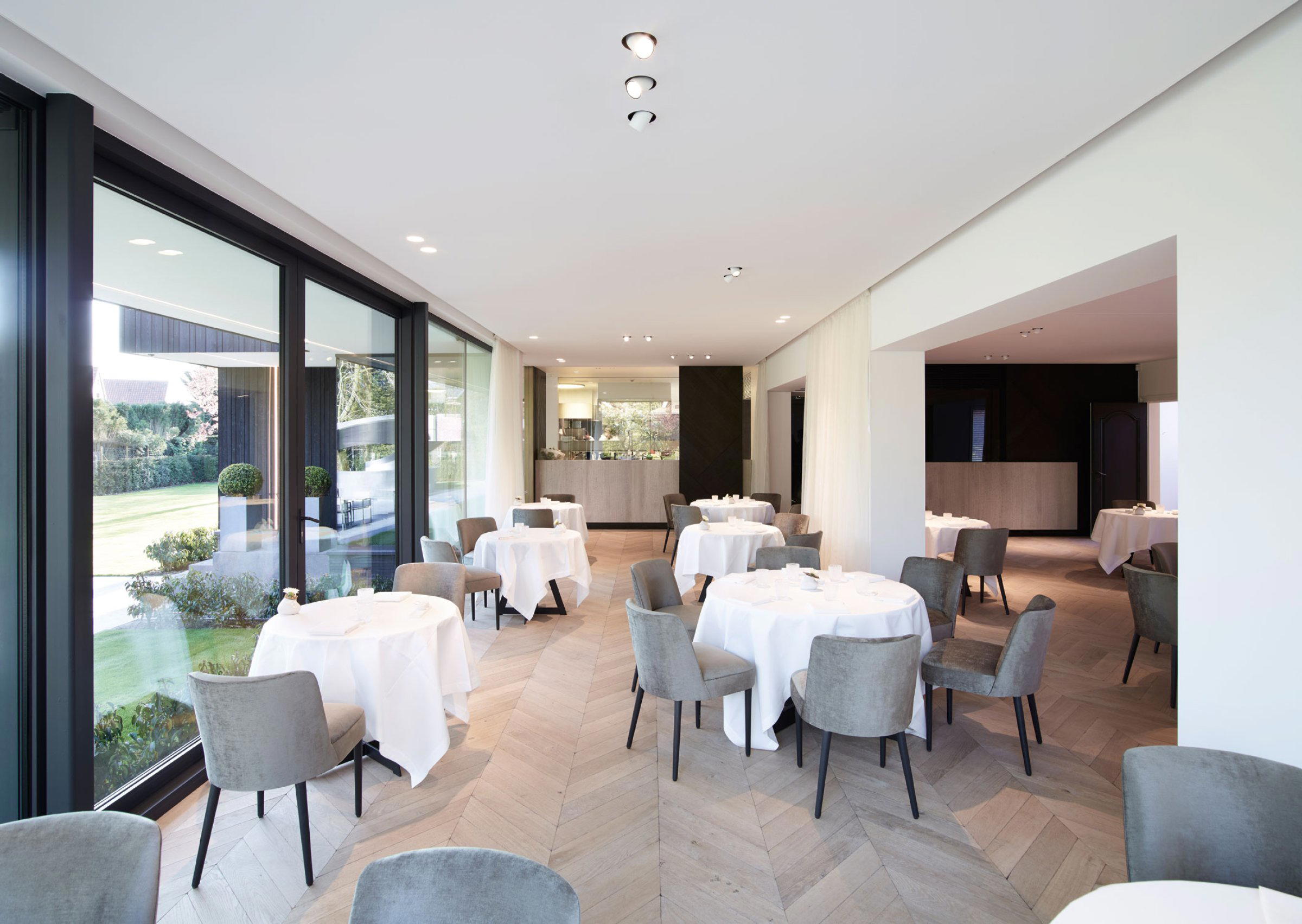

Bars in Roeselare
Browse all →
At a Glance
- Cozy
- Rustic
- Intimate
- Date Night
- Family
- Business Dinner
- Open Kitchen
- Terrace
- Historic Building
- Garden
Current opening hours
- Monday
- 6:30–8:30 PM
- Tuesday
- 12–1:30 PM, 6:30–8:30 PM
- Wednesday
- 12–1:30 PM, 6:30–8:30 PM
- Thursday
- 12–1:30 PM, 6:30–8:30 PM
- Friday
- 12–1:30 PM, 6:30–8:30 PM
- Saturday
- Closed
- Sunday
- Closed
Hours can change for holidays and private events. Last verified .
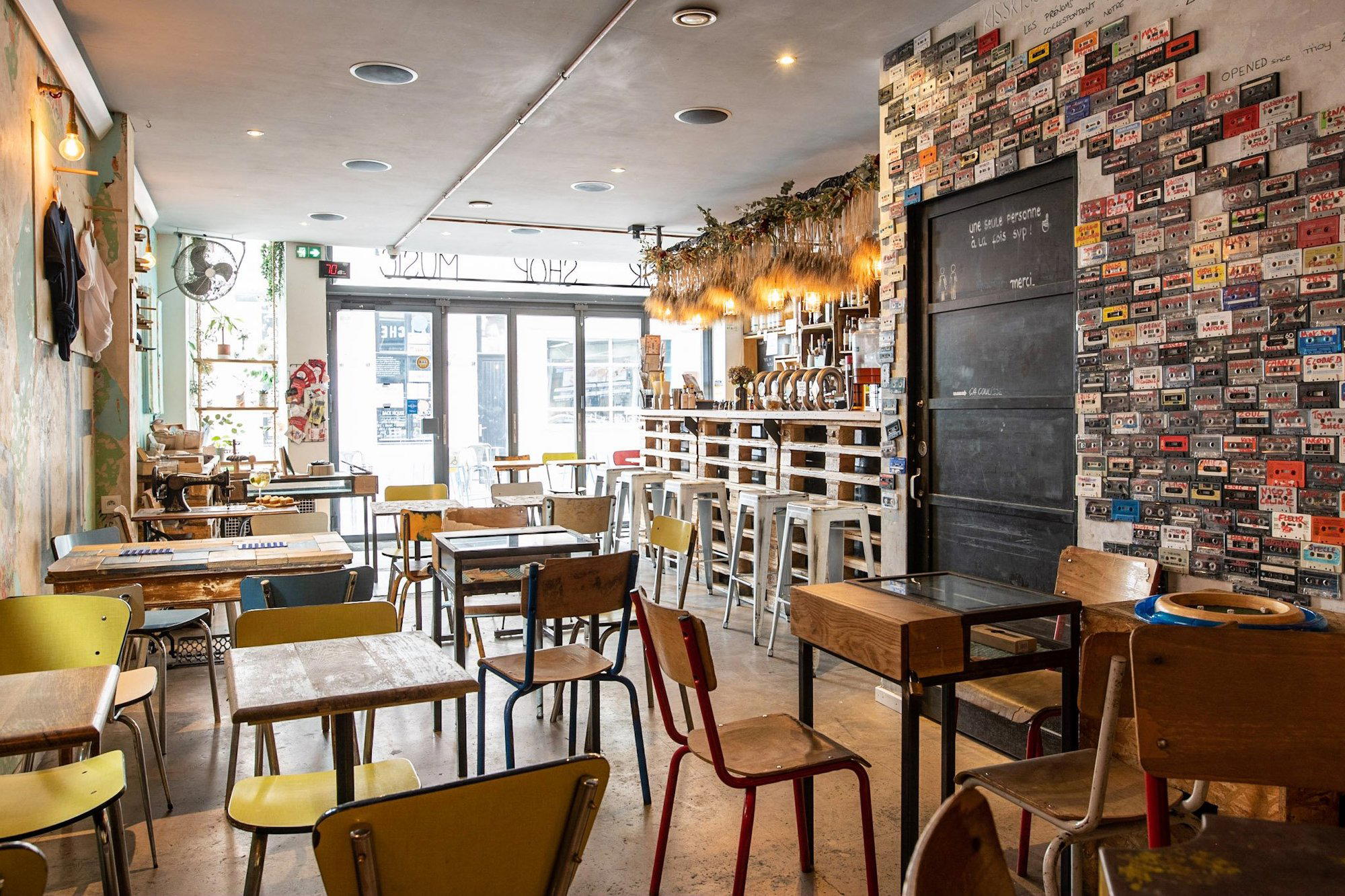
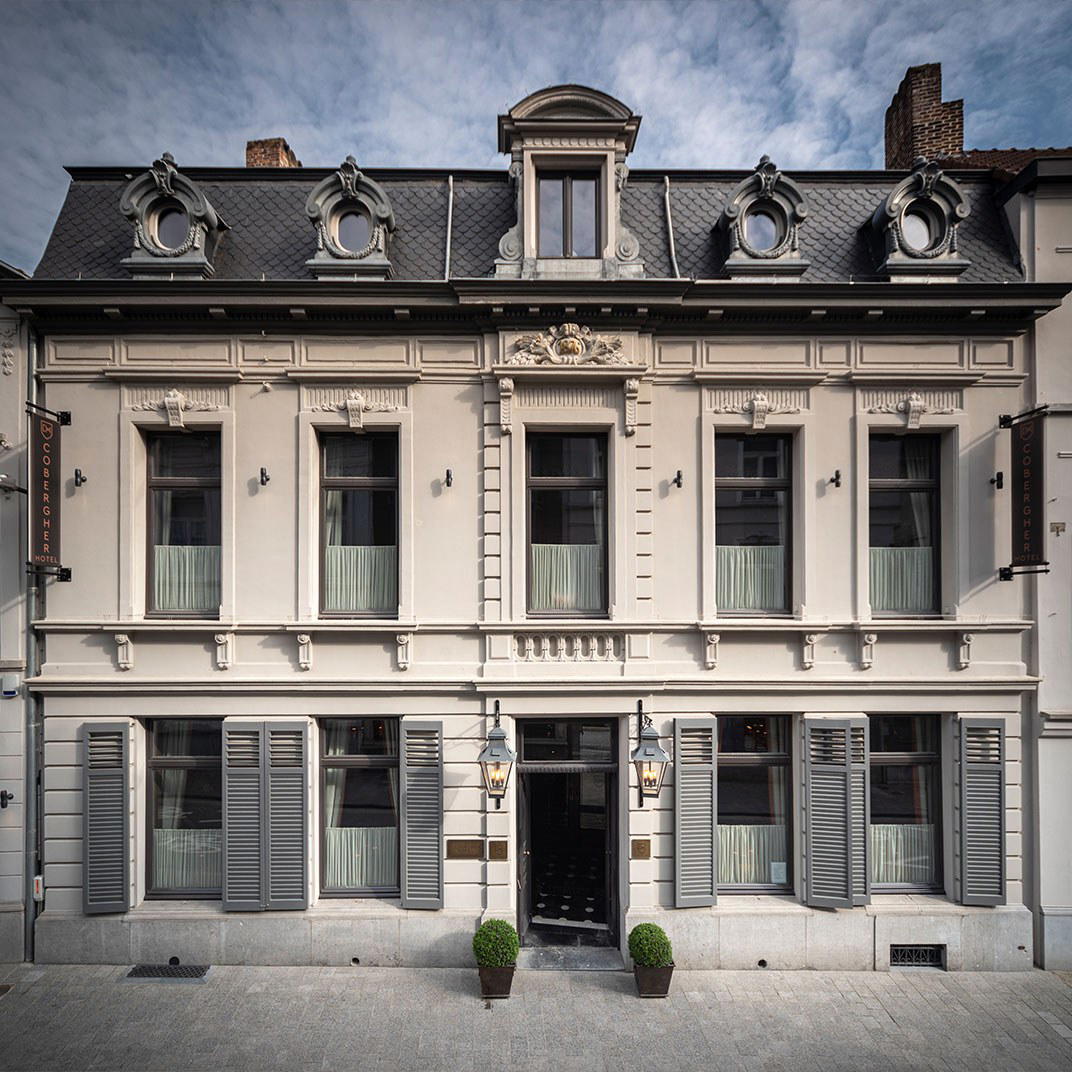
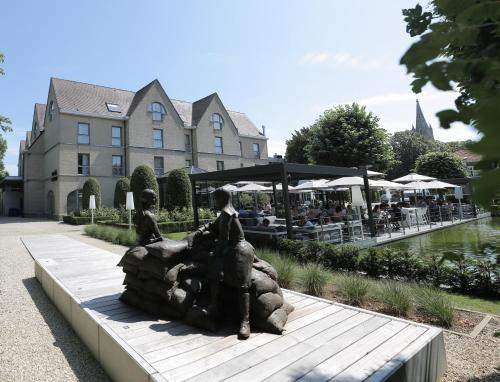
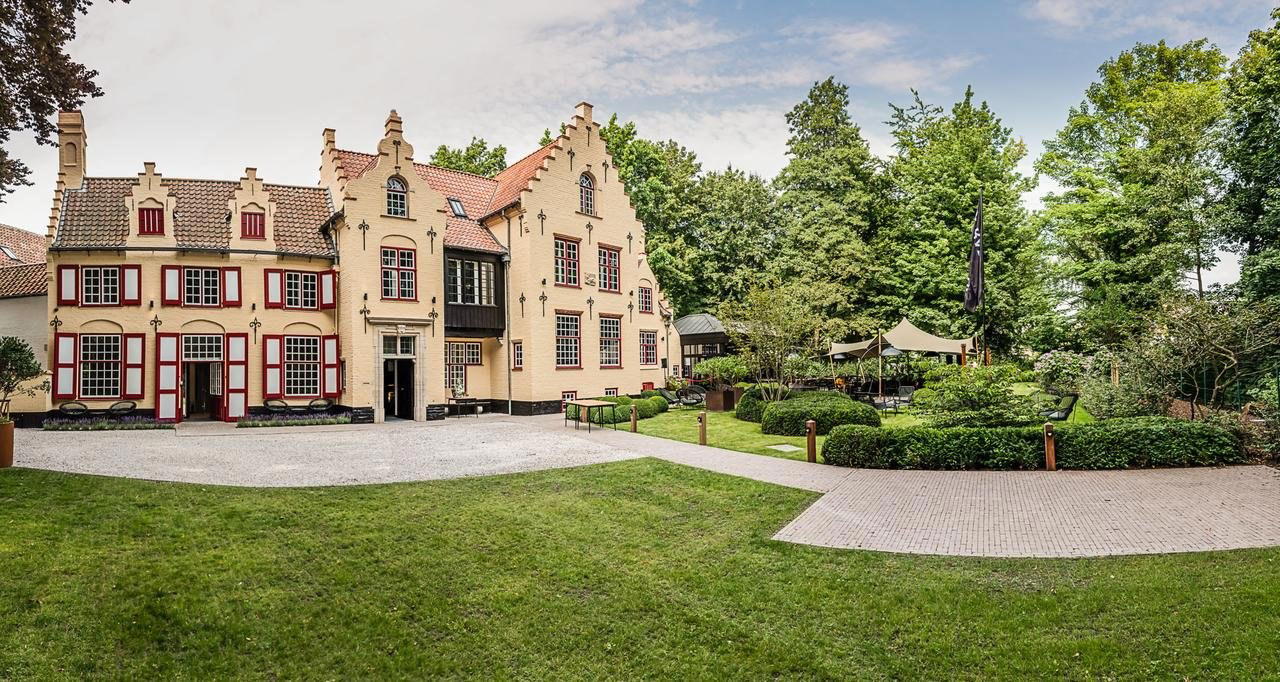
Cozy and pleasant atmosphere in a charming historic farmhouse with terrace and garden seating.