
Bistro Berto earns its Michelin Plate recognition in Waregem's modest dining circuit with a farm-to-table approach that keeps sourcing front and centre. Sitting in the mid-range price tier (€€), it draws a consistent local following reflected in. For a town better known for its racecourse than its restaurant scene, this is where ingredient provenance does the talking.
Pearl is the En Primeur Club membership app — saves, bookings, and concierge access live there. Same editors, same standards.
- Address
- Zuiderlaan 17, 8790 Waregem, Belgium
- Phone
- +32 56 92 22 21
- Website
- bistroberto.be
- Directions
- Get directions
 Saves & bookings on Pearl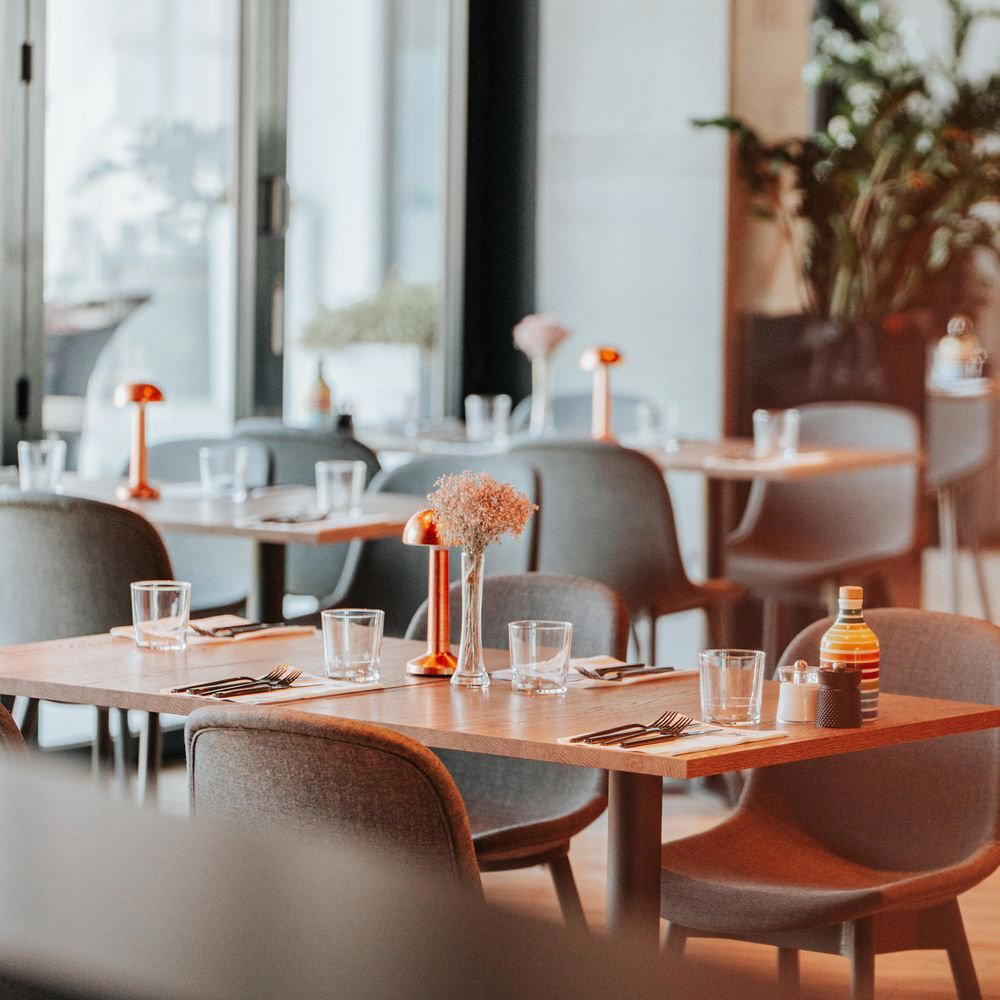
Where the Sourcing Starts the Conversation
Bistro Berto is a modern Belgian bistro in Waregem, Belgium, with a €€ price tier. Waregem is a mid-sized West Flemish town whose culinary reputation has historically lived in the shadow of heavier hitters nearby, Boury in Roeselare with its three Michelin stars, or the precision-driven Hof van Cleve in Kruishoutem barely a short drive away. Against that backdrop, the farm-to-table format at Bistro Berto on Zuiderlaan occupies a different register entirely: lower ceiling on ambition, lower floor on price, and a proposition built around what is growing or grazing nearby rather than what a travelling critic might expect from a destination tasting menu.
Farm-to-table dining in Belgium carries specific weight. The country's agricultural density, particularly across West and East Flanders, means proximity to source is a genuine structural advantage rather than a marketing stance. Restaurants working within this format are not importing an ideology from California or Scandinavia; they are formalising a relationship with producers that, in many cases, was always there. Bistro Berto sits within that local logic, operating at the €€ price tier in a category where the sourcing story can do more than any elaborate technique.
The Physical Setting on Zuiderlaan
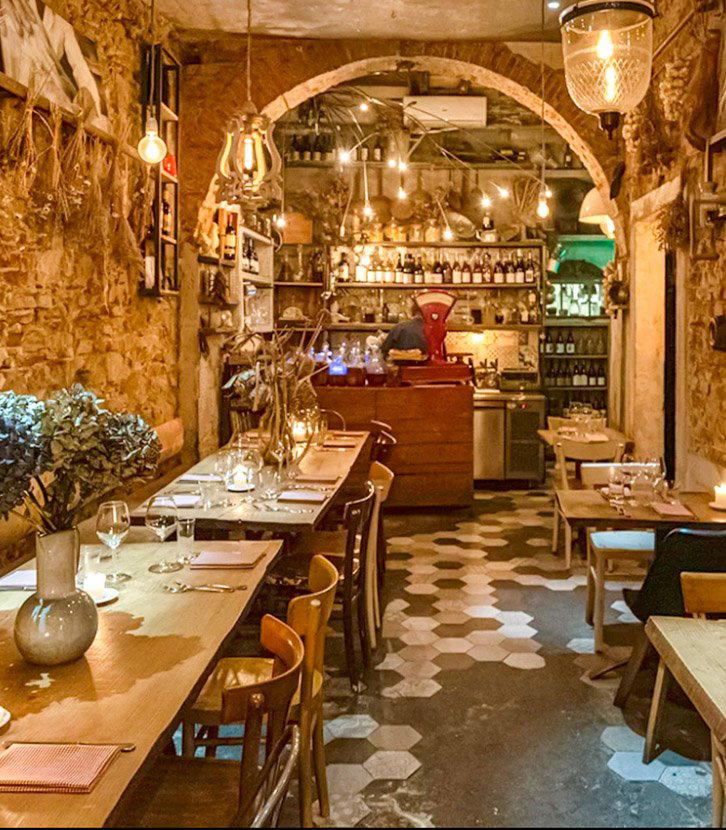
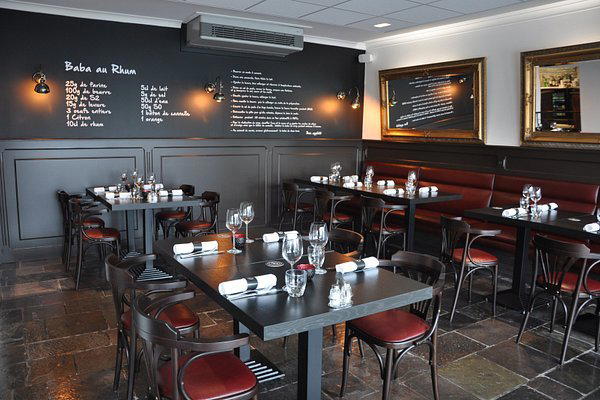
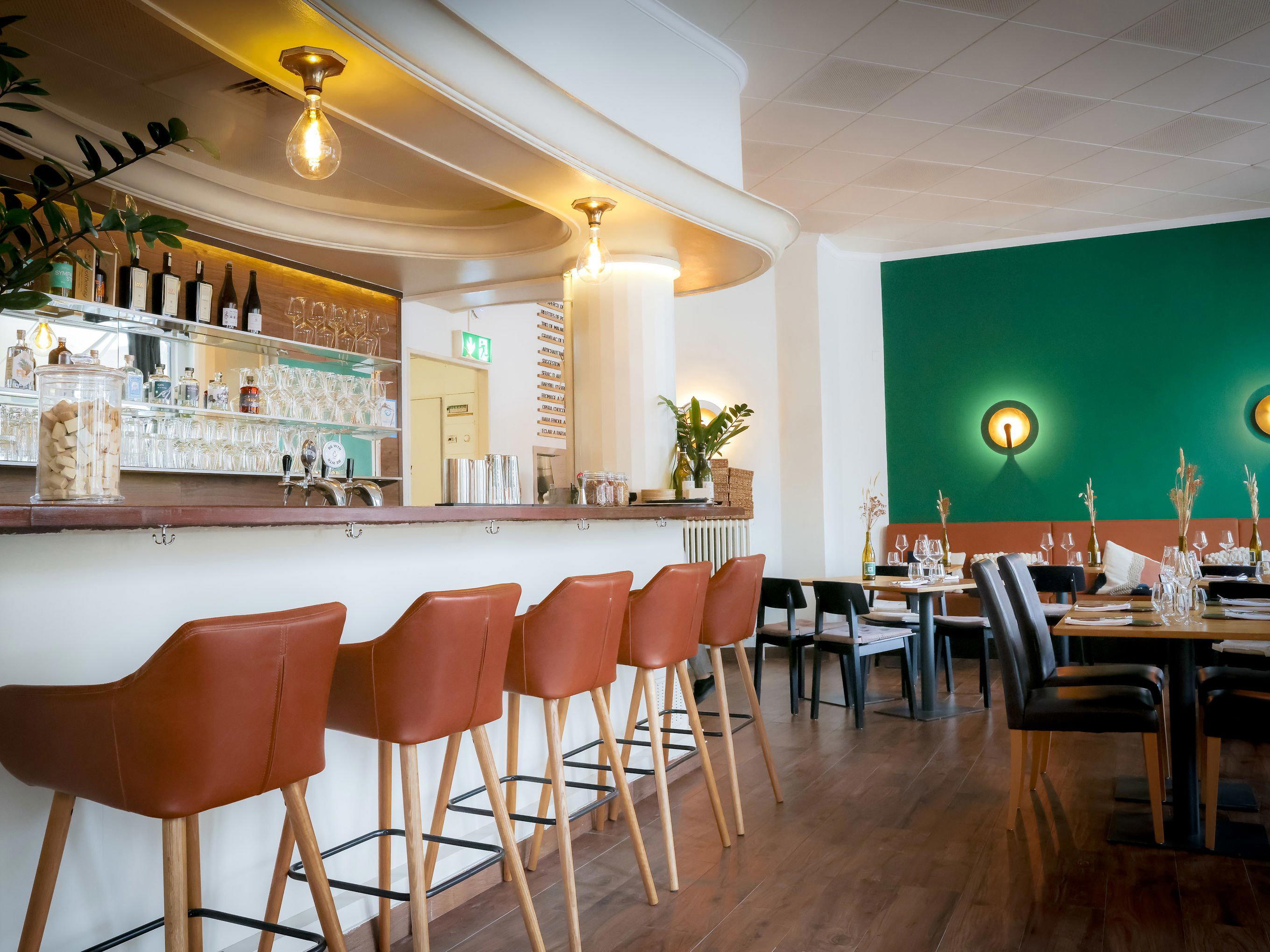
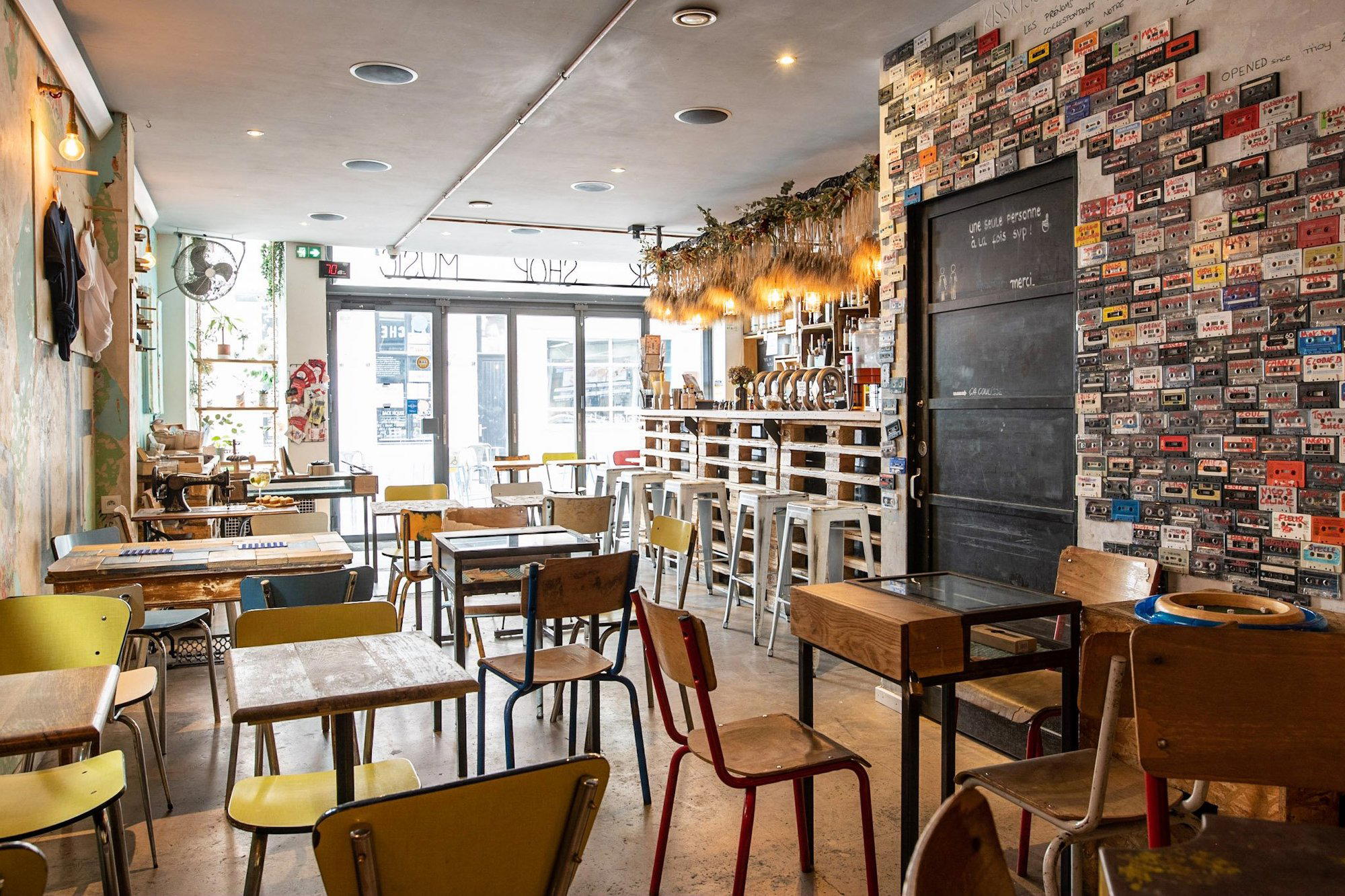
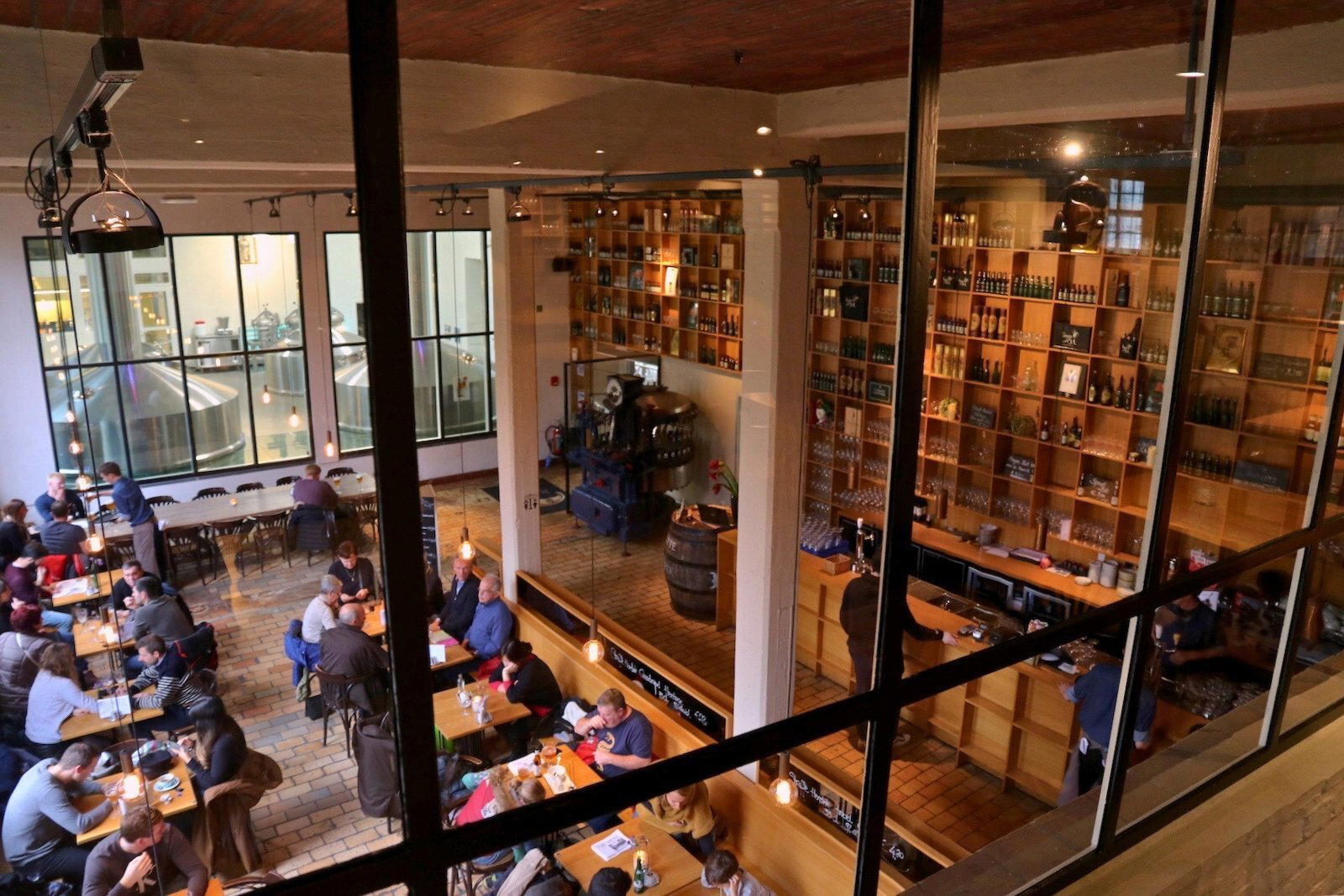
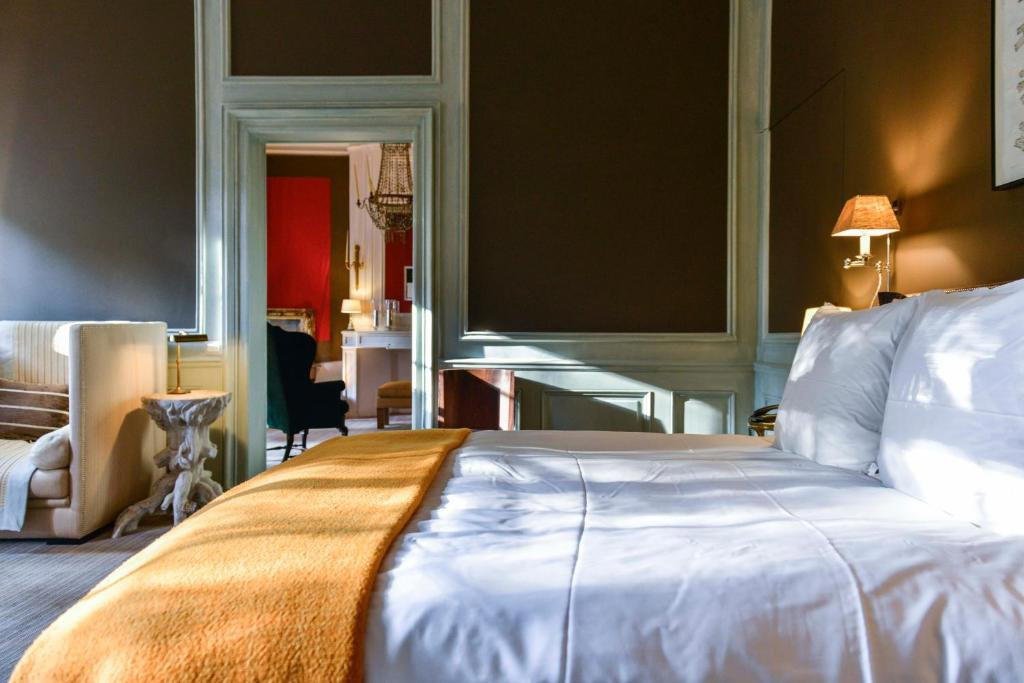
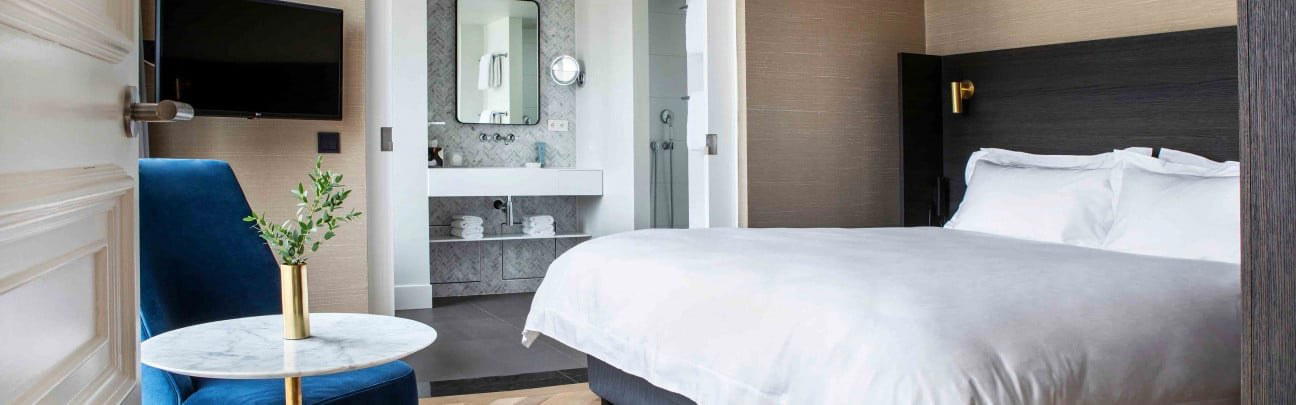
The restaurant's address on Zuiderlaan places it in a quiet residential and light-commercial strip in Waregem, away from the racecourse activity that defines the town's events calendar. The building presents modestly from the street, which is consistent with the bistro format: no architectural statement, no elaborate signage language designed to signal premium positioning. Entering, the spatial register shifts toward something intimate, the kind of dining room where the noise level stays conversational and the light is set for the food rather than the room. These physical conditions matter to the farm-to-table experience, because they allow the sourcing details to carry weight without competing with theatrical distraction. The food is expected to do the explaining.
Michelin Recognition in Context
The restaurant has no Michelin star, but it did receive Michelin Plates in 2024 and 2025. A Plate is not a star; it signals that Michelin's inspectors found cooking of sufficient quality to merit inclusion, without the additional markers of technique or consistency that drive star elevation. For the €€ mid-range price tier, this is precisely the right recognition: it validates the kitchen's seriousness without repositioning the restaurant into the expensive-occasion bracket occupied by Castor in Beveren, Cuchara in Lommel, or De Jonkman in Sint-Kruis, all of which price at the €€€€ level and carry two-star recognition.
For a restaurant in a town of Waregem's size and dining profile, consistent ratings across that volume of reviews is a signal of repeating customers rather than a one-time tourist spike. The farm-to-table format rewards return visits, sourcing shifts seasonally, so what arrives on the plate in October bears little resemblance to what appears in March. Readers who follow seasonal sourcing calendars will recognise this as a reason to return rather than a limitation.
Farm-to-Table in the Flemish Context
The farm-to-table movement in Flanders has a different character than its counterparts in France or the UK. Rather than operating as a corrective to industrial food systems, it often functions as a continuation of existing rural food culture, short supply chains that pre-date any formal movement. What changes when a restaurant frames itself explicitly within this model is the degree of curation: the sourcing becomes intentional, documented, and seasonal rather than incidental. Belgium's producers across the region supply everything from heritage-breed pork and aged artisanal cheeses to field vegetables and orchard fruits, and restaurants at the €€ price point that commit to this sourcing often create a more coherent menu logic than tasting-menu operations at three times the price.
For comparison, Au Gré du Vent in Seneffe and BOK Restaurant in Münster operate within similar farm-to-table frameworks in their respective markets, each making a case that ingredient sourcing is a viable editorial lens for the full dining experience. At the other end of the Belgian spectrum, Zilte in Antwerp and Bartholomeus in Heist operate in the starred, coastal-influenced tier where sourcing is one technical variable among many. The restaurant's approach is less maximalist: the sourcing is the architecture, not an ingredient in a larger system.
Waregem's Broader Table
The restaurant is one reference point in a town whose dining circuit rewards some light mapping before arrival. For a fuller picture of what Waregem's restaurant scene offers across price points and formats, our full Waregem restaurants guide covers the range. If the trip extends beyond eating, our Waregem hotels guide, bars guide, wineries guide, and experiences guide provide the surrounding context. Within the local restaurant field, Robuust represents the Modern French alternative in town at a comparable address, offering a useful point of comparison for those deciding between format and cuisine approach.
Further afield, anyone whose interest in Belgian fine dining extends to the Flanders interior will find contextual depth in the starred operators: Bozar Restaurant in Brussels and d'Eugénie à Emilie in Baudour round out a national picture where the restaurant occupies an accessible, produce-driven position that the star-chasing circuit tends to overlook.
Planning Your Visit
The restaurant sits at Zuiderlaan 17, 8790 Waregem. At the €€ price tier, it falls into the range where a full meal remains accessible, which positions it as a lunch or early-dinner option on a wider Flemish itinerary rather than a standalone destination. That said, the combination of Michelin Plate recognition and a 4.5 rating from a solid base of reviewers means the room does fill. Booking is recommended, especially for Friday and Saturday evenings. Given that seasonal sourcing cycles mean the menu shifts materially across the year, the practical calculus favours visiting in more than one season if the region features regularly on a travel itinerary.
At-a-Glance Comparison
Comparable venues nearby, for context on price, style, and recognition.
| Venue | Cuisine | Price | Awards | Notes |
|---|---|---|---|---|
| Bistro BertoThis venue — the venue you are viewing | Modern Belgian Bistro | $$ | Michelin Plate | Not listed |
| Robuust | Modern French | $$$ | Michelin Plate | Waregem |
| David Selen | Modern French Bistronomie | $$$ | Not listed | Waregem |
| Hobo's | Belgian-Japanese Fusion Brasserie | $$ | Not listed | Waregem |
| La Paulée Marie-Pierre | Classic French Bistro | $$$ | Michelin Plate | :null |
| Verschil | French Contemporary Bistro | $$$ | Michelin Plate | Gits |
Recognition history
Dated appearances from independent guides and award organizations, with the underlying list record or original source where available.
Michelin Plate
Michelin
Michelin Plate
Michelin
Michelin Plate
Michelin
At a Glance
- Modern
- Cozy
- Date Night
- Business Dinner
- Open Kitchen
Current opening hours
- Monday
- Closed
- Tuesday
- 11:45 AM–2 PM, 6:30–9 PM
- Wednesday
- 12–2 PM, 6–9 PM
- Thursday
- 11:45 AM–2 PM, 6:30–9 PM
- Friday
- 11:45 AM–2 PM, 6:30–9 PM
- Saturday
- 11:45 AM–2 PM, 6:30–9 PM
- Sunday
- Closed
Hours can change for holidays and private events. Last verified .
Modern interior described as a little chilly, set in a quiet framework within a football arena.