Hohenfels sits in Tannheim, a compact alpine valley in Vorarlberg where the Austrian Tyrol meets the German border. The restaurant operates on Kreuzgasse 8 within a region whose short growing seasons and mountain pasture traditions have long defined how its kitchens source and cook. For serious dining in this corner of the Austrian Alps, it belongs on any considered shortlist alongside the Arlberg corridor's more decorated addresses.
Pearl is the En Primeur Club membership app — saves, bookings, and concierge access live there. Same editors, same standards.
- Address
- Kreuzgasse 8, 6675 Tannheim, Austria
- Phone
- +434356756286
- Website
- hotel-hohenfels.at
- Directions
- Get directions
 Saves & bookings on Pearl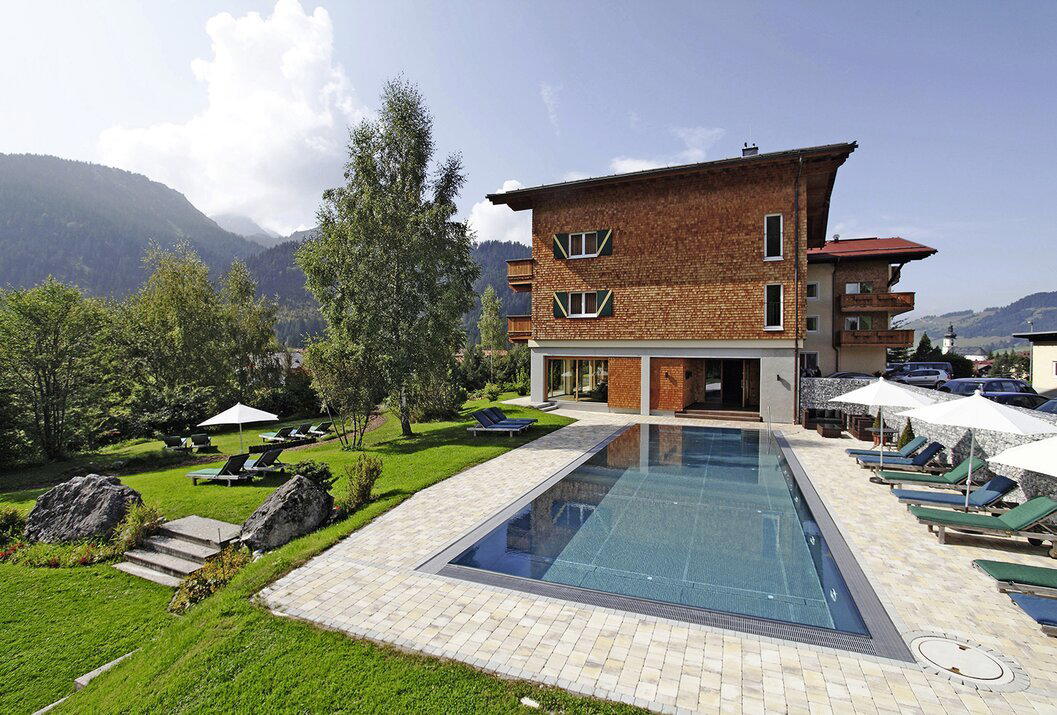
Where Alpine Sourcing Shapes the Plate
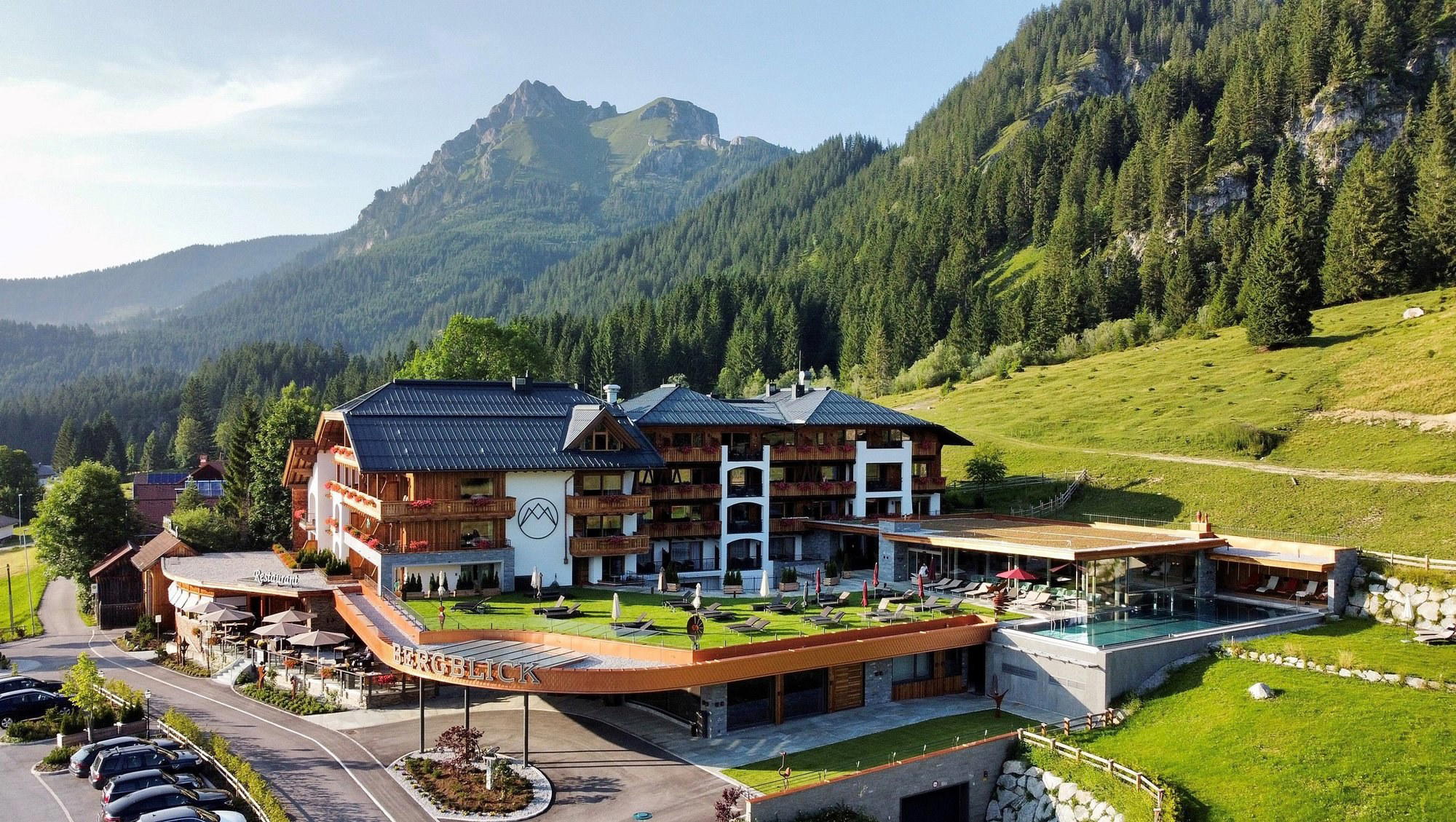
Tannheim sits at roughly 1,100 metres in the Tannheimer Tal, a quiet lateral valley that cuts east from the Allgäu into the Austrian Tyrol. The village is small enough that the arrival of any serious kitchen registers differently than it would in a resort town. The approach along Kreuzgasse places you in the kind of streetscape that has changed slowly: timber-framed buildings, a compressed scale, the sense that the surrounding pasture and forest are not decorative but operational. This physical relationship between settlement and landscape shapes alpine cooking in the region and makes a restaurant like Hohenfels worth examining on ingredient terms first.
High-altitude valleys like the Tannheimer Tal produce dairy and meat under conditions that are genuinely distinct from lowland equivalents. The grazing season is compressed, summer pastures are rich with high-altitude grasses and herbs, and the animals that work these slopes produce milk and beef with measurably different fat profiles than their lowland counterparts. Austrian kitchens that take sourcing seriously in this geography are not making a marketing claim, they are working with a raw material that the terroir has already shaped. That distinction matters when assessing what a kitchen in Tannheim can plausibly achieve, and how it positions relative to Austrian peers with greater altitude and mountain context.
The Alpine Sourcing Tradition in Austrian Fine Dining
Austria's most discussed restaurants in recent decades have split between urban anchors and destination mountain addresses. In the urban tier, Steirereck im Stadtpark in Vienna has set the benchmark for produce-led Austrian cooking, with a supply network that reaches into small-scale farms and foraged sources across multiple regions. In the mountain tier, addresses like Döllerer in Golling an der Salzach and Obauer in Werfen have demonstrated that serious technical ambition is sustainable outside the capital, partly because proximity to alpine producers gives those kitchens a sourcing advantage over restaurants that must import equivalent quality from distance.
The western Austrian mountain dining scene follows a similar logic. Griggeler Stuba in Lech and Gourmetrestaurant Tannenhof in Sankt Anton am Arlberg both operate in the Arlberg corridor, where winter season density supports ambitious pricing and kitchen investment. Tannheim occupies a different position: quieter, less ski-resort-saturated, more dependent on summer hiking and cycling tourism than on the winter economy. That context shapes what a restaurant there can ask of its guests and what it can source from the immediate geography. It is a different kind of alpine address than Ischgl's Stüva, which operates inside the logic of one of Austria's highest-revenue ski resorts.
For context across a wider Austrian geography, Kräuterreich by Vitus Winkler in Sankt Veit im Pongau has built an explicitly herb-forward sourcing model, growing much of its plant material on-site, a direction that several mountain restaurants are now pursuing as a way to distinguish their sourcing credentials from those of competitors who buy from the same regional wholesalers.
What the Tannheimer Tal Offers a Kitchen
The valley's agricultural output is dominated by hay farming and summer grazing. Local dairies produce cheeses and butter that are sold through farm-gate channels and regional cooperatives. Freshwater fishing is possible in the Vilsalpsee and the River Vils, both of which run close to the village. Foraging seasons here are compressed but intense: spring sees wild garlic, nettles, and early shoots; summer brings mushrooms and berries from the surrounding forests. A kitchen that commits to sourcing from this immediate radius will find both constraints and genuine advantages, the constraint being that the variety is seasonal and limited, the advantage being that the quality of the primary ingredients, particularly dairy and meat, is not easily replicated by longer supply chains.
This is the sourcing context in which Hohenfels operates on Kreuzgasse 8. What can be said is that the geographic setting creates both a plausible sourcing argument and a clear editorial category: the small-scale alpine address that earns attention through ingredient quality rather than scale or award density. That category now has a recognised comparable set in Austria and across the broader Alpine arc, from the Salzburgerland to the Engadin in Switzerland.
Placing Hohenfels in a Broader Austrian Context
Austrian fine dining has been moving steadily toward ingredient transparency over the past decade. The farm-to-table framing that felt like a trend in the early 2010s has matured into an expectation at the upper tier: guests at addresses like Landhaus Bacher in Mautern an der Donau or Taubenkobel in Schützen am Gebirge now receive sourcing detail as a matter of course, not as a point of difference. That shift has raised the bar for what counts as meaningful provenance in an Austrian kitchen. Simply citing a region is no longer sufficient; the more credible restaurants name specific farms or producers and can demonstrate a supply relationship that pre-dates the menu's current iteration.
In this context, the Tannheimer Tal's genuine agricultural character gives a kitchen based here a plausible claim to sourcing specificity that a restaurant in a more anonymous location would have to work harder to establish. The valley's small scale means that supplier relationships are necessarily local and often personal in ways that larger resort-town kitchens, managing higher volumes, cannot always maintain. This structural advantage is what makes small-footprint alpine addresses worth tracking, even when their award profiles are thinner than those of the Salzach valley or the Arlberg corridor's decorated houses.
Comparable conversations about ingredient sourcing and small-footprint ambition are happening in other European contexts. The approach Ikarus in Salzburg takes to guest-chef programming shows how seriously Austrian institutions now treat the sourcing question, while at an international scale, kitchens like Le Bernardin in New York City have demonstrated that rigorous sourcing discipline and a narrow product focus can sustain the highest recognition levels for decades. The model translates across price points and geographies: commitment to primary ingredient quality, honestly presented, remains one durable kitchen strategy.
For those tracing the Austrian mountain dining scene across Tyrol and the surrounding regions, Schwarzer Adler in Hall in Tirol, Restaurant 141 by Joachim Jaud in Mieming, and Atelier Fischer in Sankt Gilgen each represent different registers of ambition and format, from classic-leaning Tyrolean to contemporary precision. Outside Austria, Atomix in New York City offers a useful counterpoint for how sourcing rigour and cultural specificity can operate high on an urban market. In the domestic comparable set for creative mountain cooking, Artis in Graz and Ois in Neufelden complete a picture of how Austrian restaurants outside the capital are defining their own terms.
Planning Your Visit
Tannheim is most accessible by car from the German A7 motorway via Nesselwang, or from the Austrian side via Reutte. The valley sits roughly 90 minutes from Innsbruck and under two hours from Augsburg, making it viable as a standalone destination or as part of a broader western Tyrol itinerary. Hohenfels is recommended for reservations and sits at Kreuzgasse 8, 6675 Tannheim, Austria.
Quick Comparison
Comparable venues nearby, for context on price, style, and recognition.
| Venue | Cuisine | Price | Notes |
|---|---|---|---|
| HohenfelsThis venue — the venue you are viewing | Modern Alpine Tapas with Mediterranean Influences | $$$ | Not listed |
| Restaurant Pizzeria Olive | Mediterranean Pizza & Pasta | $$ | Lustenau |
| Hirlanda | Traditional Austrian & Mediterranean | $$$ | Zürs am Arlberg |
| Posthotel Taube | Traditional Austrian Montafoner | $$$ | Schruns center |
| Ski- und Wanderhotel Jägeralpe | Regional Austrian Mountain Cuisine | $$$ | Warth |
At a Glance
- Rustic
- Elegant
- Cozy
- Scenic
- Date Night
- Special Occasion
- Celebration
- Group Dining
- Terrace
- Panoramic View
- Hotel Restaurant
- Garden
- Extensive Wine List
- Local Sourcing
- Mountain
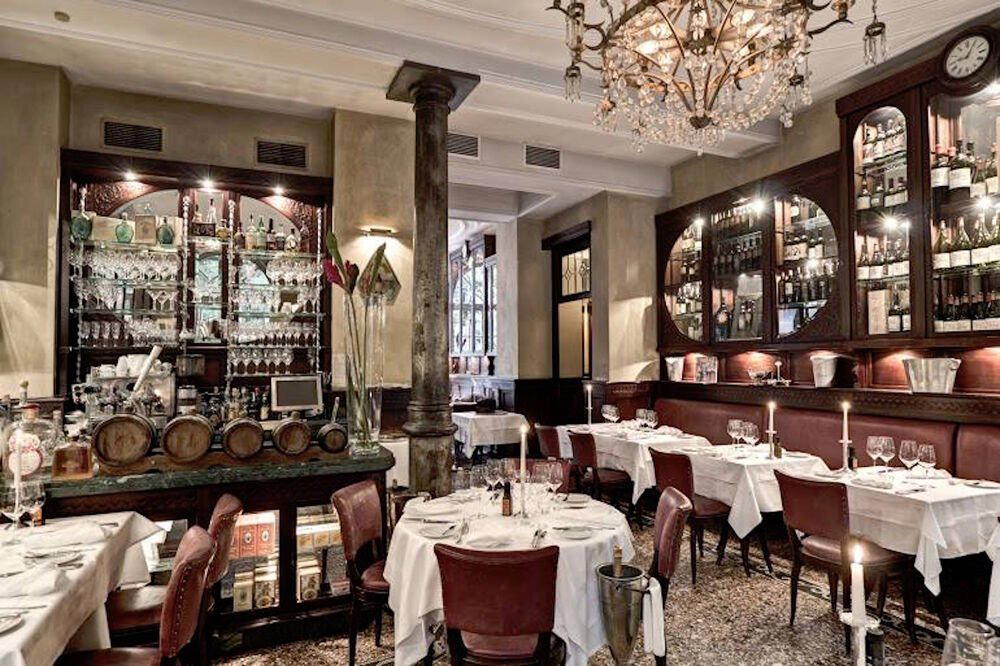
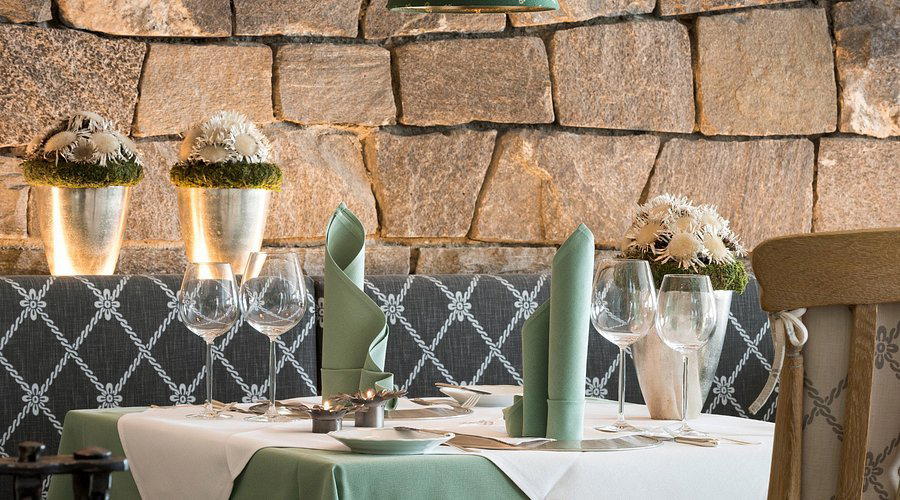
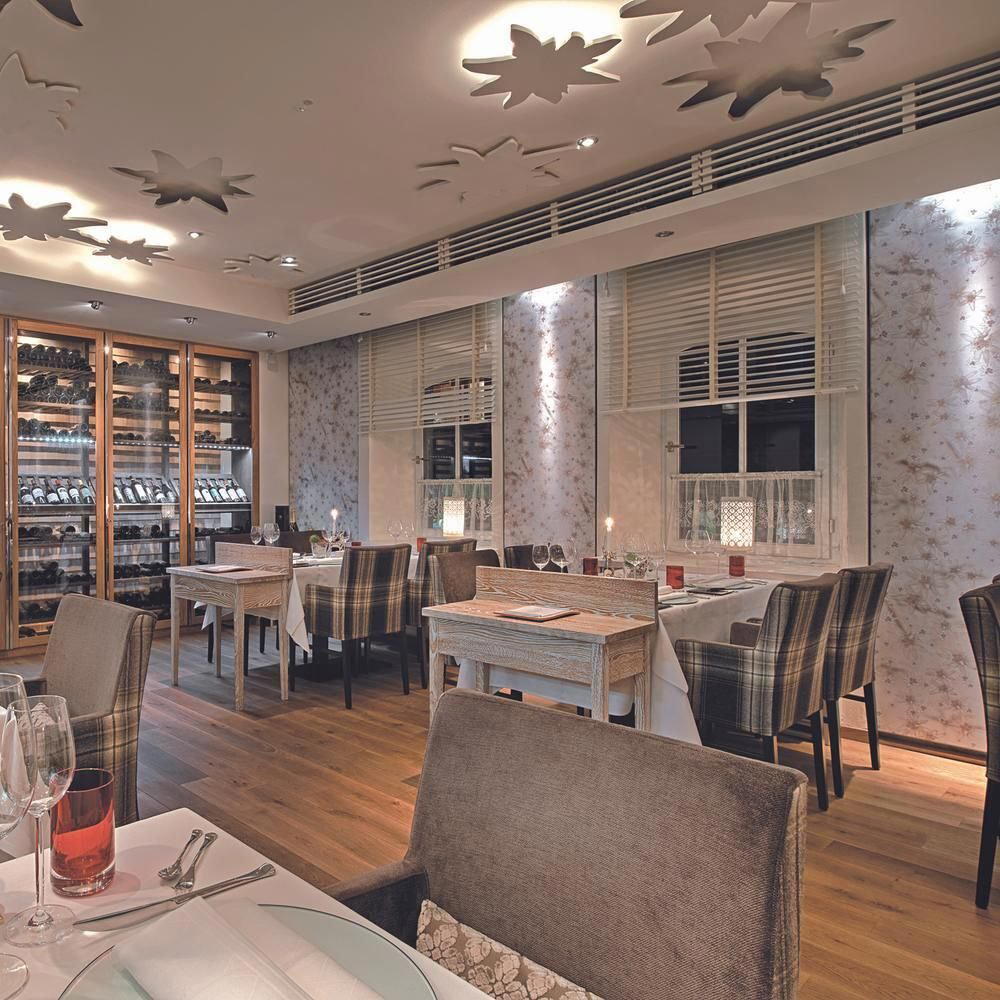
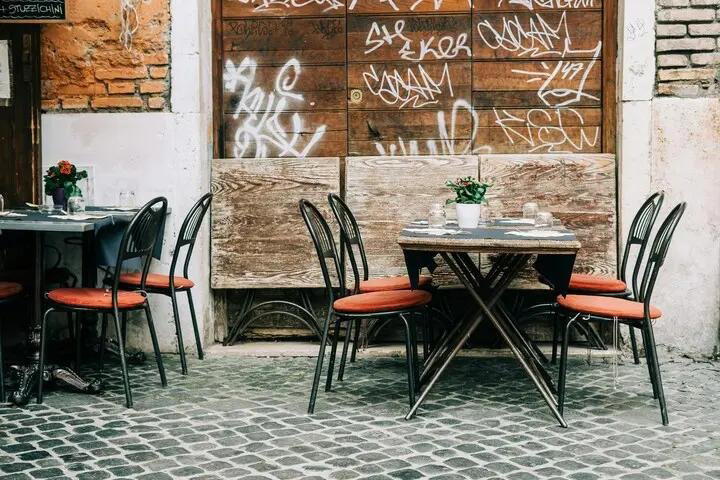
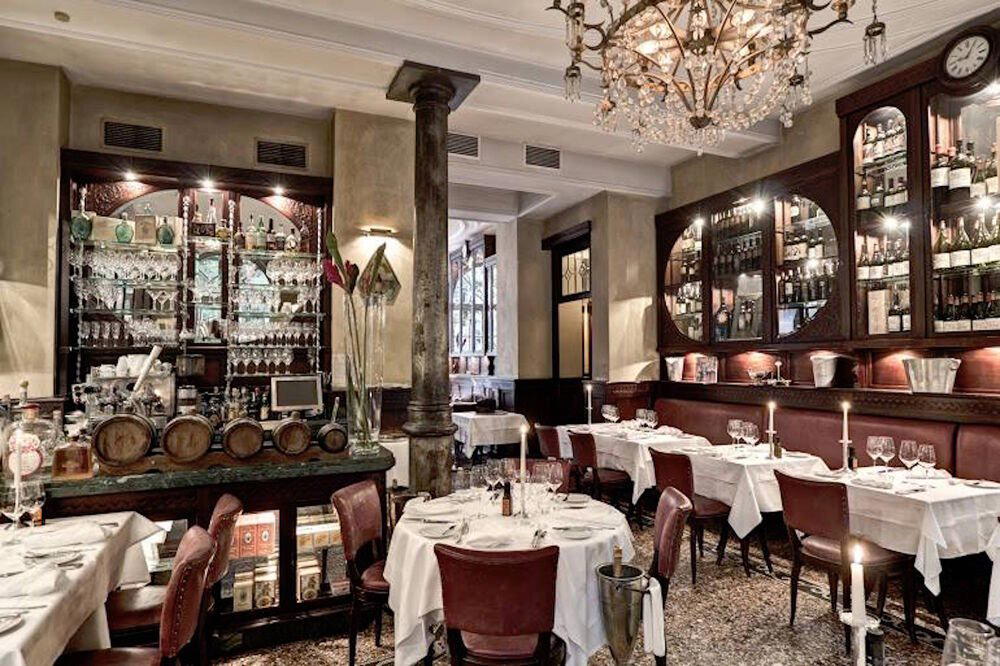
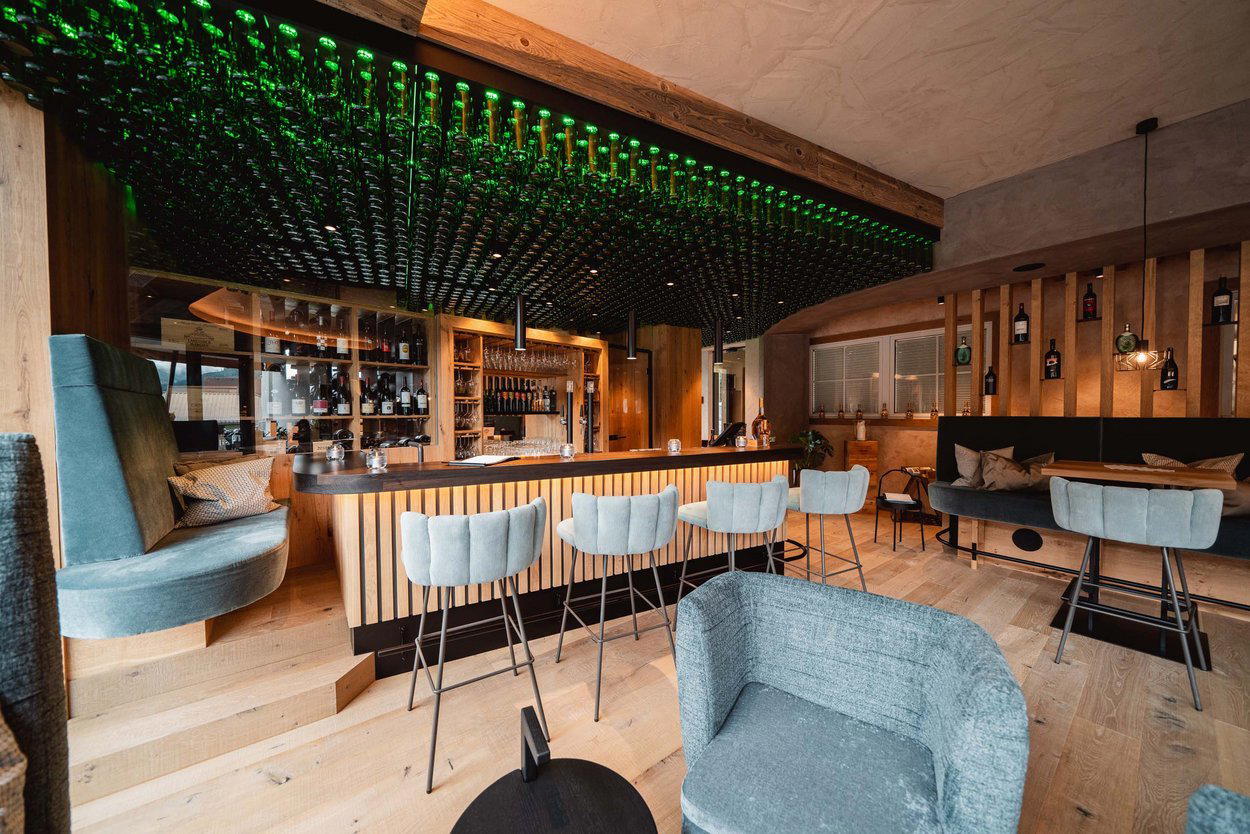
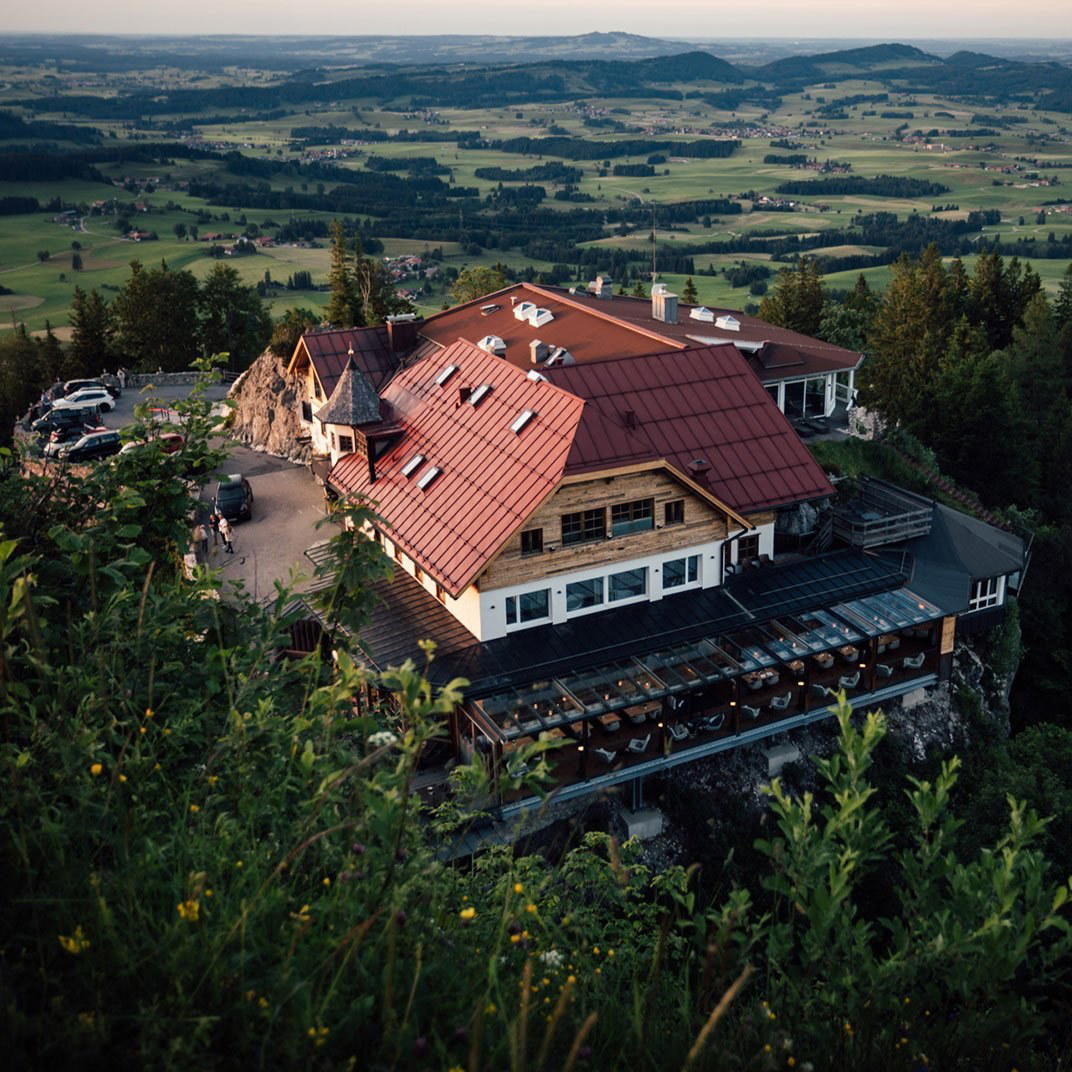
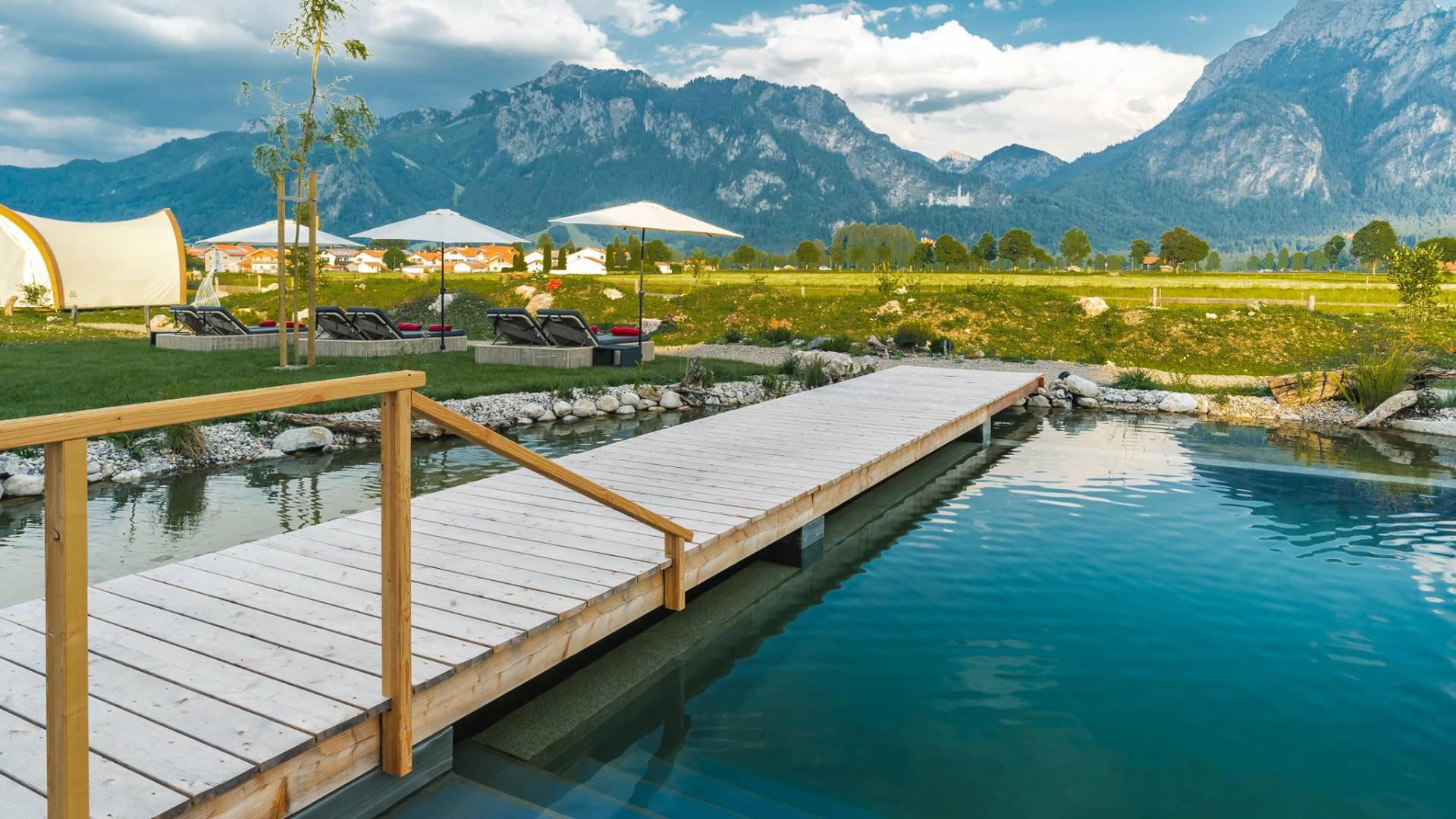
Rustic Alpine setting with warm, inviting atmosphere; sun terrace offers mountain views for dining in pleasant weather.