
DAKOTA RUSTIC TABLE brings Kobe’s outer-ward burger culture into focus: a lunch-focused, no-reservations counterpoint to the city’s steakhouse reputation. Its Tabelog Hamburger 100 selections in 2022, 2024, and 2026 place it among Japan’s recognized burger specialists, with a casual format that rewards simple planning rather than ceremony.
Pearl is the En Primeur Club membership app — saves, bookings, and concierge access live there. Same editors, same standards.
- Address
- Eibara-707-1 Nagaocho, Kita Ward, Kobe, Hyogo 651-1511, Japan
- Phone
- +81 78-986-1237
- Website
- instagram.com
 Saves & bookings on Pearl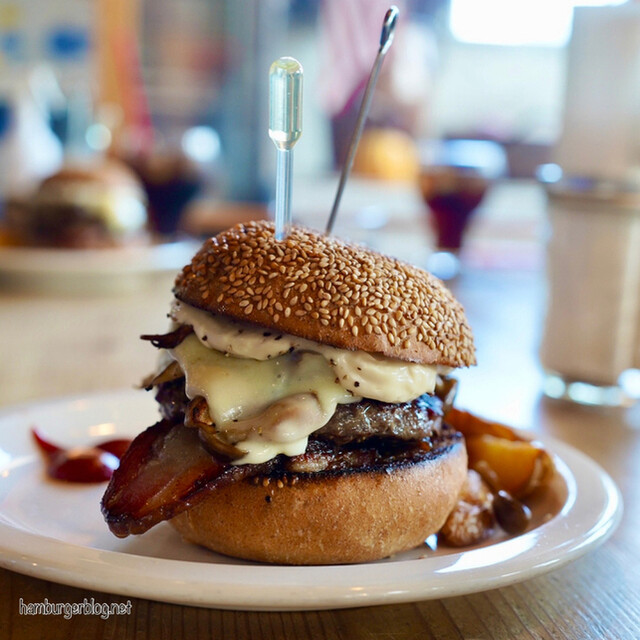
The approach to Kobe’s Kita Ward changes the appetite before the first order. Central Kobe means station-side dining rooms, beef counters, coffee houses, and compact drinking streets; the northern edge moves slower and car-oriented, where a burger restaurant feels less fast-casual than planned lunch. That matters because Japan’s serious hamburger scene is built not on excess, but bread structure, patty handling, sauce restraint, and the discipline of a kitchen treating an American form with Japanese precision.
DAKOTA RUSTIC TABLE belongs to that newer Japanese burger category: casual in format, judged by specialists, and closer to craft food culture than chain convenience. Its repeated Tabelog Hamburger 100 selection in 2022, 2024, and 2026 gives it a clear credential in a field where many strong shops remain intensely local. Kobe has many beef attention; its reputation has long been filtered through teppanyaki, sukiyaki, yakiniku, and steakhouse rituals. Burgers occupy another register: less formal, more democratic, still capable of obsessive technique.
Kobe beef culture has a casual counterpoint in the burger shop
Kobe’s international dining image tends to begin with beef, then narrow too quickly into luxury steak. That misses the city’s practical spectrum, from special-occasion counters to everyday specialists. Travelers can read it through Aburi Niku Kobo Wakkoku Shinkobe ten and Aburi Niku Kobo Wakkoqu Kitano Sakamoto Ten, where beef stays tied to Kobe’s formal hospitality grammar. A Kita Ward burger specialist works differently: no table-side theatre, no luxury signalling, and less pressure to make lunch an event.
That does not make the category lesser. In Japan, Western-derived comfort foods often become exacting local forms: curry shops refine roux and rice balance, kissaten obsess over toast and coffee, and burger shops treat bun integrity as a technical question. Cake in DAKOTA RUSTIC TABLE’s category listing also places it in broader café-adjacent culture rather than a narrow grill-only model. Kobe has long taken café culture seriously; Akaneya Coffee Ten shows how coffee and sweets occupy their own lane in the city’s dining habits. Here, the burger is not foreign novelty, but an adopted format sharpened through repetition.
Hyogo’s out-of-core specialists offer useful comparison. From Sannomiya or Kitano, Kobe’s restaurant map can feel compact, yet strong regional destinations sit beyond the obvious visitor circuit. Pâtissier Es Koyama draws sweet-toothed travelers into a suburban orbit, while Chocolaterie Rojira works in a lower-spend chocolate and dessert bracket. DAKOTA RUSTIC TABLE sits nearer the craft-lunch end of that pattern: destination enough to plan around, informal enough that the meal does not need a full evening.
The value is in format discipline, not fine-dining theatre
A Tabelog score of 3.63 matters here because Japanese user-rating culture is conservative, especially outside heavily trafficked tourist neighborhoods. The stronger signal is repeated Hamburger 100 selection, placing the shop in a national specialist list rather than a general popularity contest. For readers used to Michelin-style hierarchies, this recognition is narrower, genre-specific, and more useful when the question is not “Where is the grand dinner?” but “Which casual format has earned attention from people who care about it?”
That distinction protects the meal from overreading. This is not Kobe’s answer to a luxury tasting menu, nor should it be forced into that frame. Its appeal lies in how Japan’s burger culture compresses craft into a short meal: a clear format, defined product, and a room requiring no formal dining fluency. The 26-seat scale reinforces this: specific, but not so small the experience becomes a performance of scarcity.
For visitors building a Kobe day, the northern location changes the logic. Pairing it with a central bar crawl or hotel dining itinerary takes more thought than dropping into Sannomiya between trains. Those staying in town may want to cross-reference Kobe hotels, then decide whether Kita Ward fits the route. The broader food picture can also be filled in through Kobe bars, Kobe wineries, and Kobe experiences, since this burger stop works well as one precise piece of a wider itinerary, not a stand-alone claim on the city.
The clearest value is for travelers not chasing ceremony. It is for those who understand Japanese casual dining can carry as much discipline as a white-tablecloth room, with less choreography. Nearby city choices such as Akari and Ali's Halal Kitchen show Kobe’s range, from local Japanese formats to international kitchens. The restaurant adds another note: the burger as a serious lunch object in a city too often reduced to steak.
How to place it within a Japan food itinerary
Japan rewards travelers who take casual formats seriously. A burger in Kobe, an onigiri counter in Southern California, a curry specialist in Sapporo, and a sake-led dining room in Los Angeles are different scenes sharing one lesson: genre matters. Readers comparing casual Japanese and Japan-adjacent formats may see that echoed at Onigiri Time in Pasadena, Jōdo Saké Bar in Los Angeles, [Curry Senmon Ten] Maruyama Kyoju. in Sapporo, and (Shoku) Vietnam in Kawasaki. The through-line is not sameness, but how a narrow format becomes a serious dining choice when execution and audience align.
That is why the burger category should not be dismissed as filler between “real” meals. Japan’s cities have long absorbed outside food forms, then rebuilt them around local expectations of texture, pacing, and consistency. The same traveler who makes room for -Grilled beef Sukiyaki- KAMAKURA TANUKIAN 鎌倉 たぬき庵 in Kamakura or. 鮪と炭火焼き うお炭 秋葉原店 in Tokyo should understand why a recognized hamburger shop in Kobe merits similar planning seriousness, at a different spend and tempo. For café context.cafe in Osaka and.know in Kumamoto show how casual rooms across Japan can anchor a day without imitating formal restaurants.
The final read is simple: the restaurant is for travelers who want Kobe beyond the expected beef script. Its recognition sits in a narrow hamburger category, its format is compact, and its location makes it a planned lunch. In a city where meat often arrives with ceremony, this is the lower-key counterargument: craft without the formal frame.
Budget Reality Check
Comparable venues by cuisine and category.
| Venue | Cuisine | Price | Notes |
|---|---|---|---|
| DAKOTA RUSTIC TABLEThis venue — the venue you are viewing | Kita, Rustic Hamburger Cafe | $$ | Not listed |
| S.B.DINER-KOBE | Chūō, Gourmet Hamburger Diner | $$ | Not listed |
| Cafe FREUNDLIEB Honten | Not listed | $$ | Chūō, German-influenced bakery café in a historic church |
| Shinshin | Not listed | $$ | Chūō, Traditional Cantonese rice porridge & dim sum |
| カルド | Chūō, Italian Pizza and Pasta | $$ | Not listed |
| Kakui Ni Iku Ka | Not listed | $$ | Hyōgo, Yoshoku (Japanese-style Western) |
Recognition history
Dated appearances from independent guides and award organizations, with the underlying list record or original source where available.
Tabelog 100 #3 · No. 3
Tabelog · Tabelog 100 - Hamburger - 2026
Continue exploring
More in Kobe
Restaurants in Kobe
Browse all →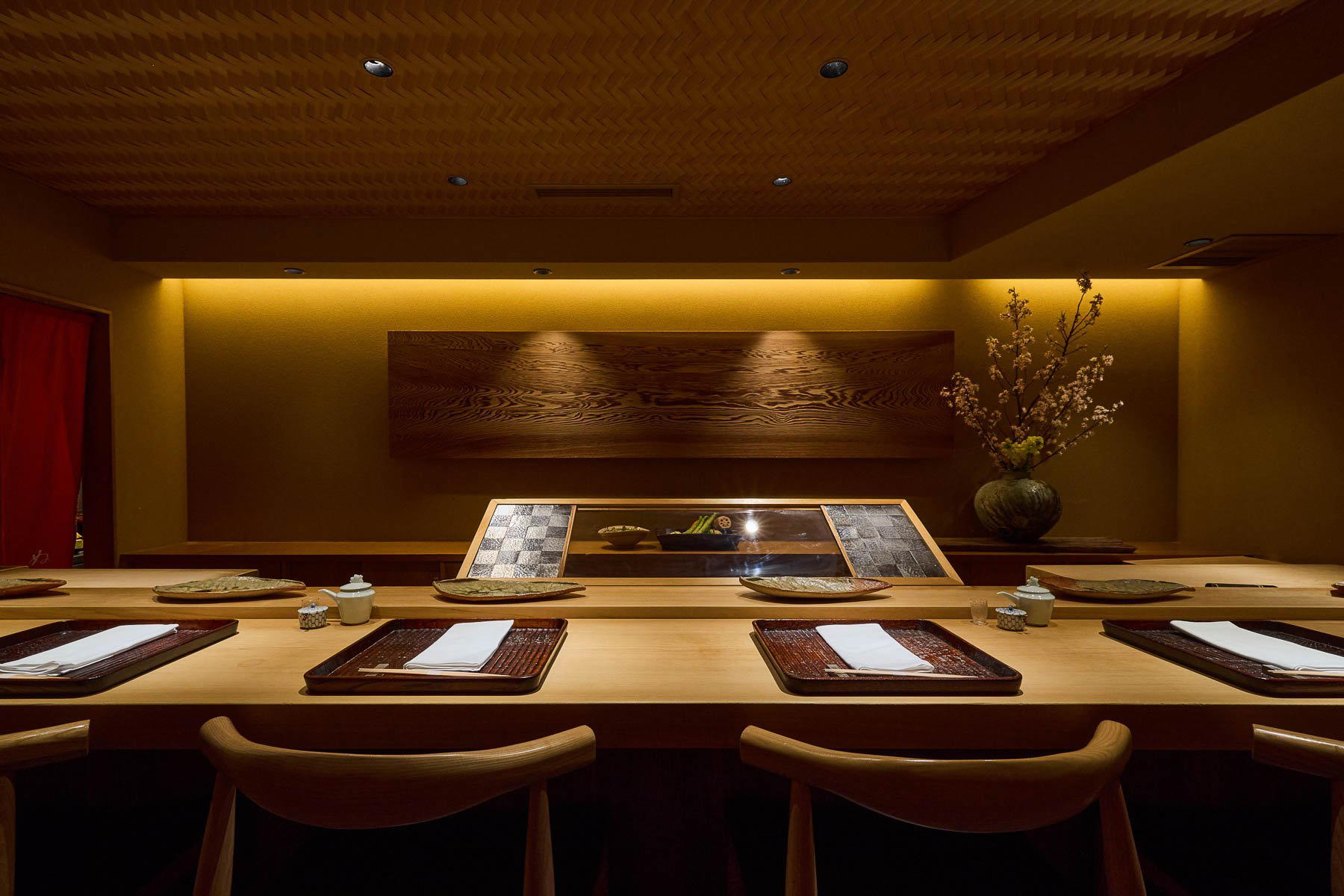
Bars in Kobe
Browse all →


Hotels in Kobe
Browse all →



At a Glance
- Rustic
- Cozy
- Quiet
- Casual Hangout
- Solo
- After Work
- Group Dining
- Standalone
Current opening hours
- Monday
- Closed
- Tuesday
- Closed
- Wednesday
- 11 AM–3:30 PM
- Thursday
- 11 AM–3:30 PM
- Friday
- 11 AM–3:30 PM
- Saturday
- 11 AM–3:30 PM
- Sunday
- 11 AM–3:30 PM
Hours can change for holidays and private events. Last verified .
Based on Japanese reviews it is a quiet, relaxed hamburger cafe in the countryside of Kobe with a warm, rustic interior and only 26 seats, giving it an intimate, cozy feel rather than an urban cafe vibe.