Our verdict
Dailah Sajian Nusantara sits on Jl. Brawijaya III in Kebayoran Baru, one of South Jakarta's quieter residential pockets, and takes its name from the Indonesian archipelago's breadth of regional cooking traditions. The restaurant draws on the Nusantara culinary canon, the collective inheritance of hundreds of distinct island cuisines, positioning itself within a small but serious cohort of Jakarta venues committed to that project.

Pearl is the En Primeur Club membership app, where members save venues, book tables and use the concierge.

The menu
What to order
- Sambal Prawn
- Otak-Otak
- Beef Soup
- Nasi Bire
- Sate Maranggi
Kebayoran Baru and the Case for Regional Indonesian Cooking
South Jakarta's Kebayoran Baru district has long been one of the city's more composed residential quarters, its tree-lined streets and Dutch-era grid holding a different pace from the commercial density further north. The dining scene here operates accordingly: less about spectacle, more about specificity. In that context, a restaurant named for the Nusantara, the old Javanese and Malay term for the archipelago, now used to describe the full sweep of Indonesia's regional food cultures, is a particular kind of commitment. It signals that the kitchen is working with material that stretches from Aceh to Papua, from Minang to Manado, rather than defaulting to a single island's greatest hits.
That commitment matters because Indonesian regional cooking remains one of the most underrepresented culinary traditions at the serious-dining tier. Padang food travels well globally because of its buffet format and bold spice profiles, but the wider Nusantara canon, the sour, tamarind-driven soups of East Java, the coconut-and turmeric preparations of Maluku, the raw-herb assemblies of Batak cuisine, rarely reaches the kind of venue where sourcing and technique receive sustained attention. Restaurants attempting this across Indonesia's hundreds of regional dialects are doing genuinely difficult editorial work in the kitchen. For comparable Indonesian regional ambition elsewhere in the archipelago, Locavore NXT in Ubud and Kahyangan in Gondangdia represent the benchmark conversations happening at the more formally credentialed end of that spectrum.
What Sajian Nusantara Means as a Restaurant Category
The phrase sajian nusantara translates roughly as "archipelago presentation" or "dishes of the archipelago," and it describes a curatorial ambition rather than a fixed menu logic. Venues operating under this banner are, in effect, making an argument: that the regional cuisines of Indonesia deserve the same attentive presentation given to, say, the regional cuisines of France or Japan. The comparison is instructive. French regional cooking spent decades being collapsed into a Parisian fine-dining norm before chefs began actively recovering and presenting provincial specificity as a point of distinction. Indonesia is at an earlier stage of that same reckoning, and the restaurants willing to make the regional argument are worth tracking precisely because the category is in motion.
Jakarta, as the country's capital and its largest city, is the natural site for that argument to be tested at scale. The city draws migrants from every province, which means it also draws the informal food cultures those migrants carry with them, the warung cooking, the home recipes, the regional preparations that rarely surface in formal restaurant settings. A venue in Kebayoran Baru addressing that inheritance is participating in a specific and active cultural conversation. For context on how Padang traditions, one of the most traveled regional styles, are presented at a more formal register, CARANO Masakan Padang in Bekasi offers a useful point of reference in Greater Jakarta.
The Kebayoran Baru Address and What It Implies
Jl. Brawijaya III is a quiet residential street in the RT.2/RW.2 pocket of Pulo, within Kebayoran Baru. This is not a high-traffic dining corridor. Venues that choose this kind of address in South Jakarta are generally operating on the logic of destination dining rather than walk-in volume: the assumption is that guests will seek them out, which in turn shapes the kind of hospitality and pacing the kitchen can sustain. It is worth noting that Kebayoran Baru sits adjacent to areas like Blok M and Senopati, which have become progressively denser with internationally oriented restaurants and bars over the past decade. Dailah Sajian Nusantara's positioning on a quieter residential street, rather than in those commercial corridors, suggests a different intended register.
For South Jakarta visitors building a broader dining itinerary, Chongqing Liuyishou Hotpot and Jinjoo represent the international end of the district's restaurant range, while Dailah sits in a different register altogether. Our full South Jakarta restaurants guide maps the district's dining range in more detail.
Indonesian Regional Cooking in Regional and Global Context
The broader Indonesian fine-dining conversation is happening most visibly in Bali, where venues like Sarong Bali in Canggu, Moksa in Bali, Rumari in Jimbaran, and Cuca Restaurant in Badung have established Balinese and broader Indonesian ingredients within formally ambitious frameworks. Internationally, August in Jakarta has done the most to bring Jakarta into the conversation around serious tasting-menu dining, though its frame is European technique rather than regional Indonesian specificity.
The gap that a sajian nusantara restaurant addresses is distinct from what those venues are doing. It is closer in spirit to what Cafe Organic Canggu does for local sourcing consciousness, but with a different geographic and cultural ambition. The question is whether a restaurant committed to the archipelago's range can do so with the same sourcing discipline and format rigour that venues like Jungle Fish Bali in Gianyar bring to their more specific propositions. At the highest formal tier globally, the challenge of presenting national culinary heritage through a refined dining frame is something Le Bernardin in New York City resolved for French seafood over decades, and what Lazy Bear in San Francisco has pursued through a communal American format. The Indonesian version of that project is still being written.
Planning a Visit
Dailah Sajian Nusantara is located at Jl. Brawijaya III No.9, RT.2/RW.2, Pulo, Kebayoran Baru, South Jakarta 12160. The address is within the broader Kebayoran Baru administrative area, accessible via Blok M as a reference point for navigation. Given the residential street location, arriving by app-based ride service (Gojek or Grab are the standard options in Jakarta) is more practical than self-drive, as street parking in the area is limited and the address can require local navigation knowledge to locate efficiently. Jakarta's dining culture at this kind of restaurant generally operates across lunch and dinner sittings, though specific service windows at Dailah are not verified. For hotels and wider travel logistics in the Kebayoran Baru area, The Legian in Seminyak is referenced for Bali visitors building a combined trip, while Agreya Coffee Bogor and Banyan Tree Café in Lombok extend the wider Indonesian itinerary for travellers moving beyond the capital.
Frequently asked questions
Where do I go for Dailah Sajian Nusantara?
Dailah Sajian Nusantara is located at Jl. Brawijaya III No.9, RT.2/RW.2, Pulo, Kec. Kby. Baru, Kota Jakarta Selatan, Daerah Khusus Ibukota Jakarta 12160, Indonesia, South Jakarta.
Is Dailah Sajian Nusantara a good option for a meal in Kebayoran Baru, South Jakarta?
Dailah Sajian Nusantara sits on Jl. Brawijaya III in Kebayoran Baru, one of South Jakarta's more composed residential districts with a Dutch-era street grid and a dining scene that runs quieter than the city's commercial corridors. For visitors already based in South Jakarta or passing through Kebayoran Baru, the restaurant offers access to Nusantara regional Indonesian cooking without needing to cross to the more saturated dining precincts of central Jakarta. The address positions it as a neighbourhood-anchored destination rather than a destination restaurant requiring significant travel.
What do people recommend at Dailah Sajian Nusantara?
The restaurant draws repeat visitors for its commitment to the Nusantara regional canon, which spans Indonesian island cooking traditions rather than defaulting to any single regional style. Dishes are framed around the sajian nusantara concept, meaning the kitchen pulls from across the archipelago. For anyone exploring Indonesian cooking beyond the Javanese and Balinese standards most restaurants default to, that breadth is the main draw. Specific dish recommendations are best confirmed directly with the restaurant on arrival.
What's the best way to book Dailah Sajian Nusantara?
The restaurant sits on Jl. Brawijaya III in Kebayoran Baru, a quiet residential street rather than a high-traffic dining corridor, which means walk-ins may be more viable than at higher-volume venues. For a confirmed table, arriving in person or asking your hotel concierge to make contact locally is the most reliable approach in Jakarta's mid-tier dining segment.
What's the signature at Dailah Sajian Nusantara?
The signature is the curatorial frame itself: the sajian nusantara concept commits the kitchen to presenting cooking from across Indonesia's 17,000-island archipelago rather than anchoring to one provincial tradition. That positioning separates Dailah from the majority of Jakarta restaurants, which tend to specialise in Sundanese, Padang, or Javanese cooking alone. The dish selection functions as a map of regional technique as much as a menu.
How does Dailah Sajian Nusantara handle allergies?
Indonesian regional cooking draws on ingredients that require allergy awareness across most dishes: shrimp paste (terasi), peanuts, and coconut appear frequently in Nusantara-style cooking, and galangal, lemongrass, and chilli form the base of many preparations. There is no published allergy policy for this restaurant. Guests with dietary restrictions should communicate requirements clearly before ordering, and confirming specific dishes with the kitchen directly is advisable.
Cost and Credentials
Comparable venues nearby, for context on price, style, and recognition.
| Venue | Cuisine | Price | Notes |
|---|---|---|---|
| Dailah Sajian NusantaraThis venue (the venue you are viewing) | Modern Nusantara | Not listed | Not listed |
| Jinjoo | Creative Korean Fine Dining | Not listed | Senopati, Creative Korean Fine Dining |
| Chongqing Liuyishou Hotpot (重庆刘一手火锅) | Chongqing Hotpot | $20–30 | South Jakarta, Chongqing Hotpot |
| The Kluwih Heritage - Sentul City | Modern Indonesian Heritage (Sundanese/Nusantara) | $20–30 | Sentul City, Modern Indonesian Heritage (Sundanese/Nusantara) |
| Kaum | Modern Indonesian | $30–50 | Menteng, Modern Indonesian |
Continue exploring
More in Jakarta
Restaurants in Jakarta
All restaurants in Jakarta →


Bars in Jakarta
All bars in Jakarta →



Details
- Cozy
- Modern
- Elegant
- Special Occasion
- Date Night
- Open Kitchen
- A La Carte
Current opening hours
- Monday
- 11 AM–10 PM
- Tuesday
- 11 AM–10 PM
- Wednesday
- 11 AM–10 PM
- Thursday
- 11 AM–10 PM
- Friday
- 11 AM–10 PM
- Saturday
- 11 AM–10 PM
- Sunday
- 11 AM–10 PM
Hours can change for holidays and private events. Hours as of .
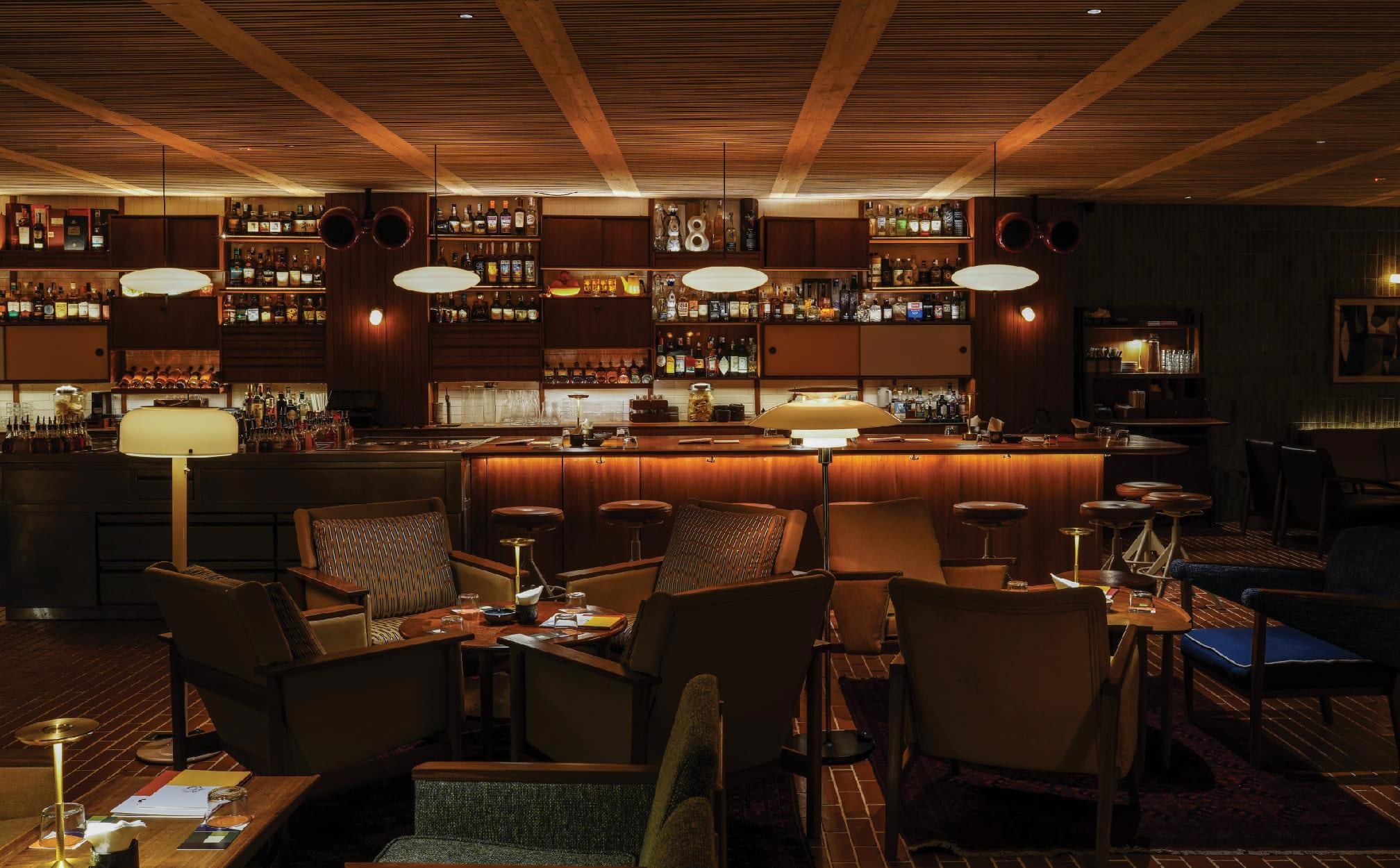
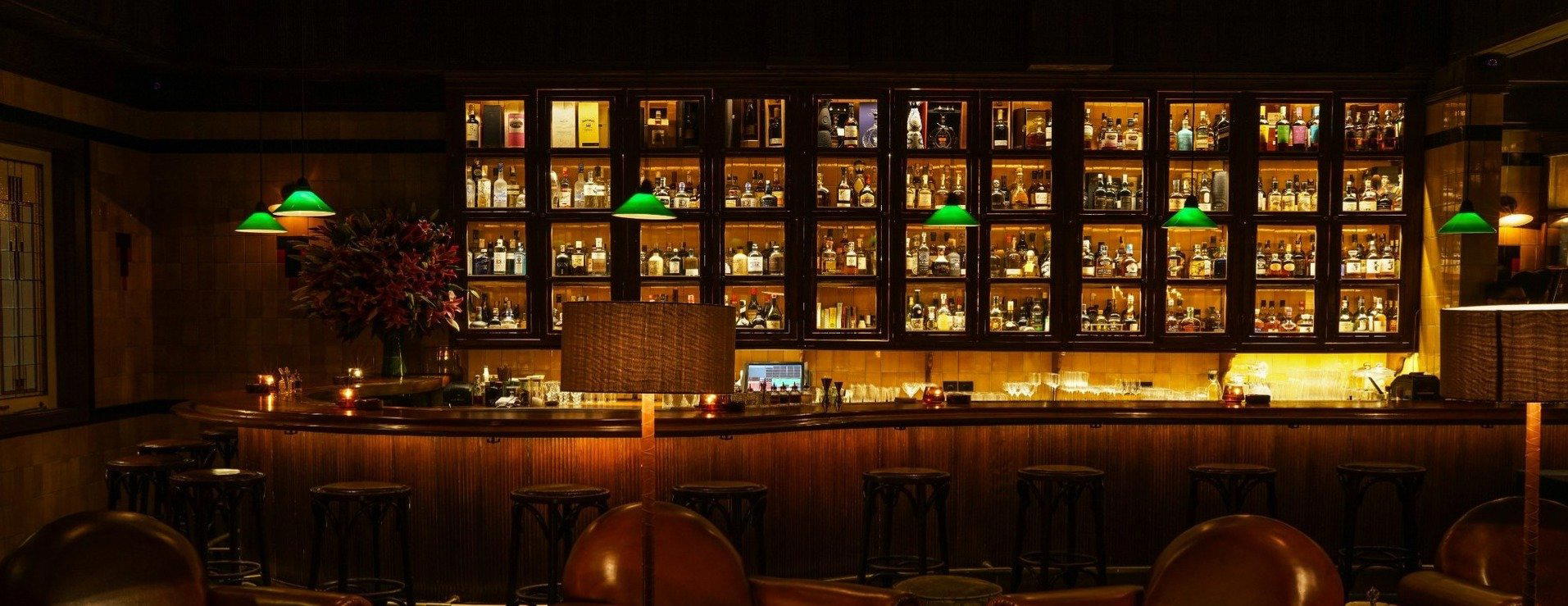
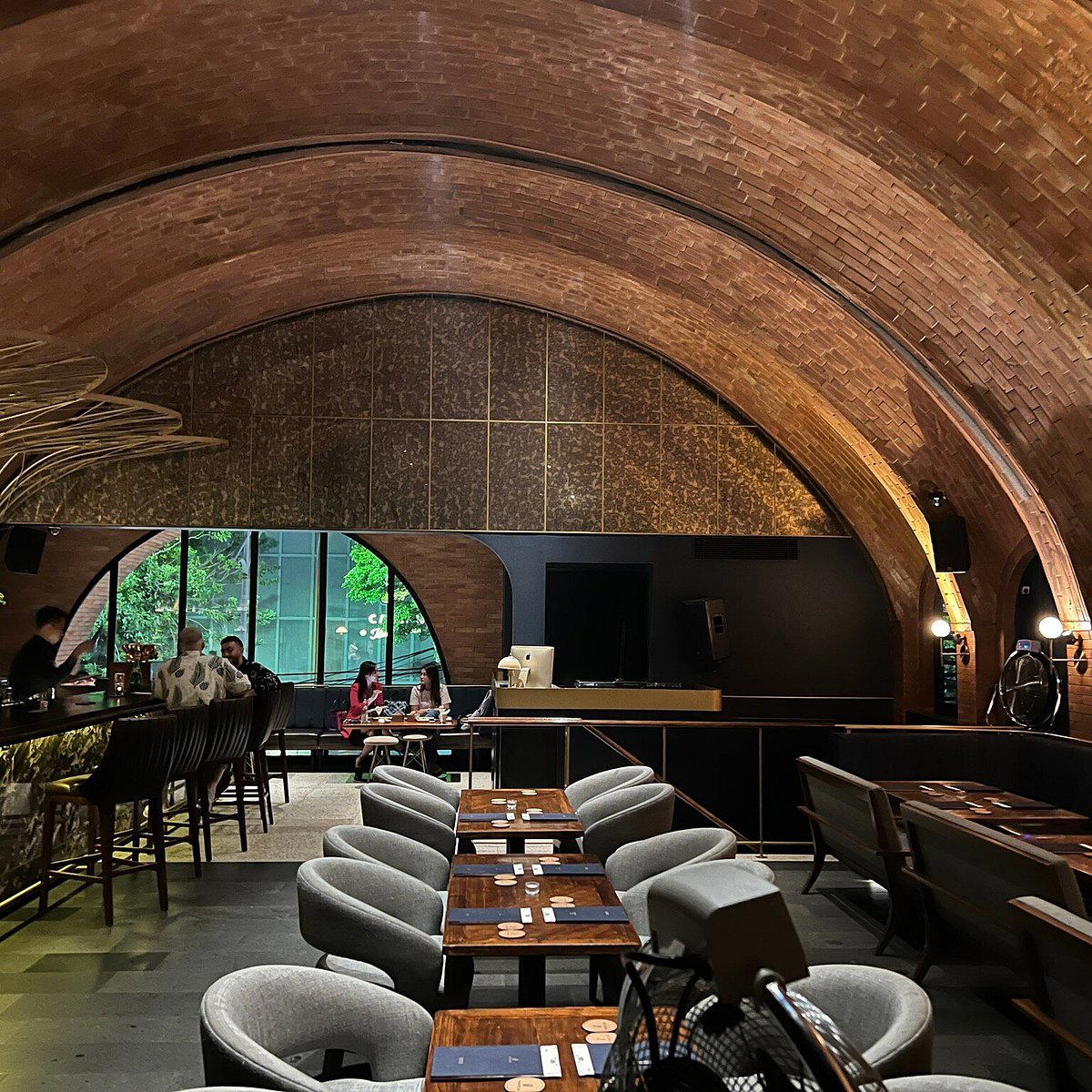
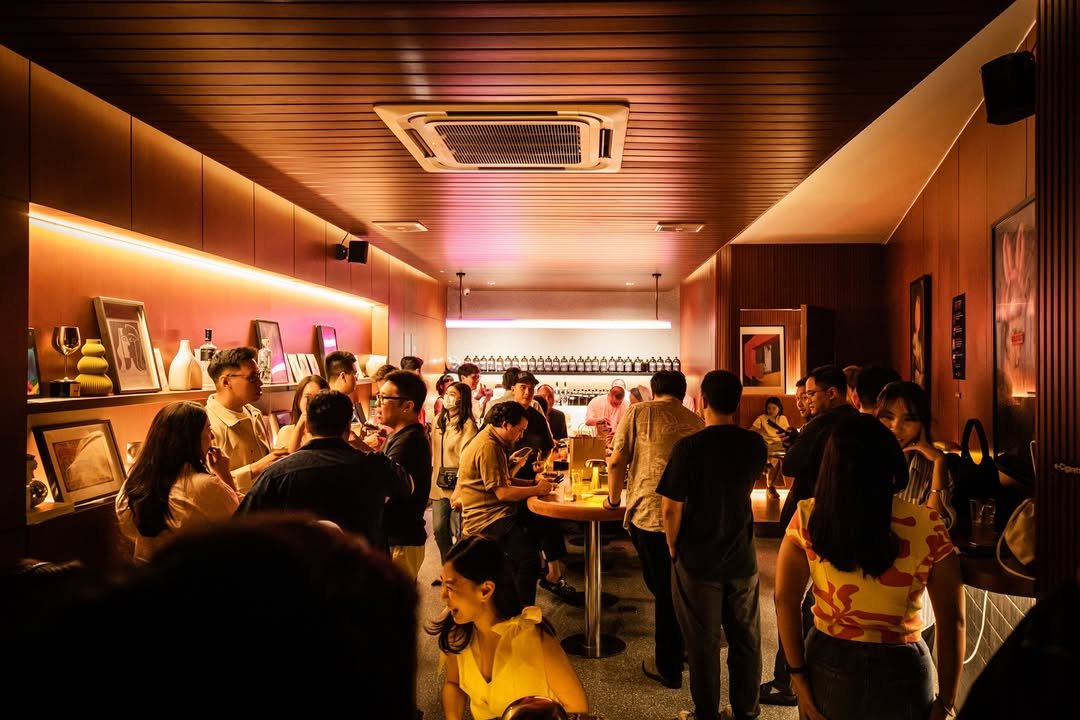
Warm and comfortable like a grandmother's house despite modern architecture.