Jinjoo
Jinjoo sits on Jl. Wolter Monginsidi in the Melawai quarter of Kebayoran Baru, one of South Jakarta's most concentrated dining corridors. The address places it squarely in a neighbourhood where Korean and pan-Asian formats compete with established Indonesian houses for the same informed, repeat-dining audience. What that means in practice is a room that has to earn its position through the plate, not the postcode.
Pearl is the En Primeur Club membership app — saves, bookings, and concierge access live there. Same editors, same standards.
- Address
- Jl. Wolter Monginsidi No.6, RT.2/RW.2, Melawai, Kec. Kby. Baru, Jakarta, Daerah Khusus Ibukota Jakarta 12160, Indonesia
- Phone
- +62 819-1200-0123
- Website
- instagram.com
- Directions
- Get directions
 Saves & bookings on Pearl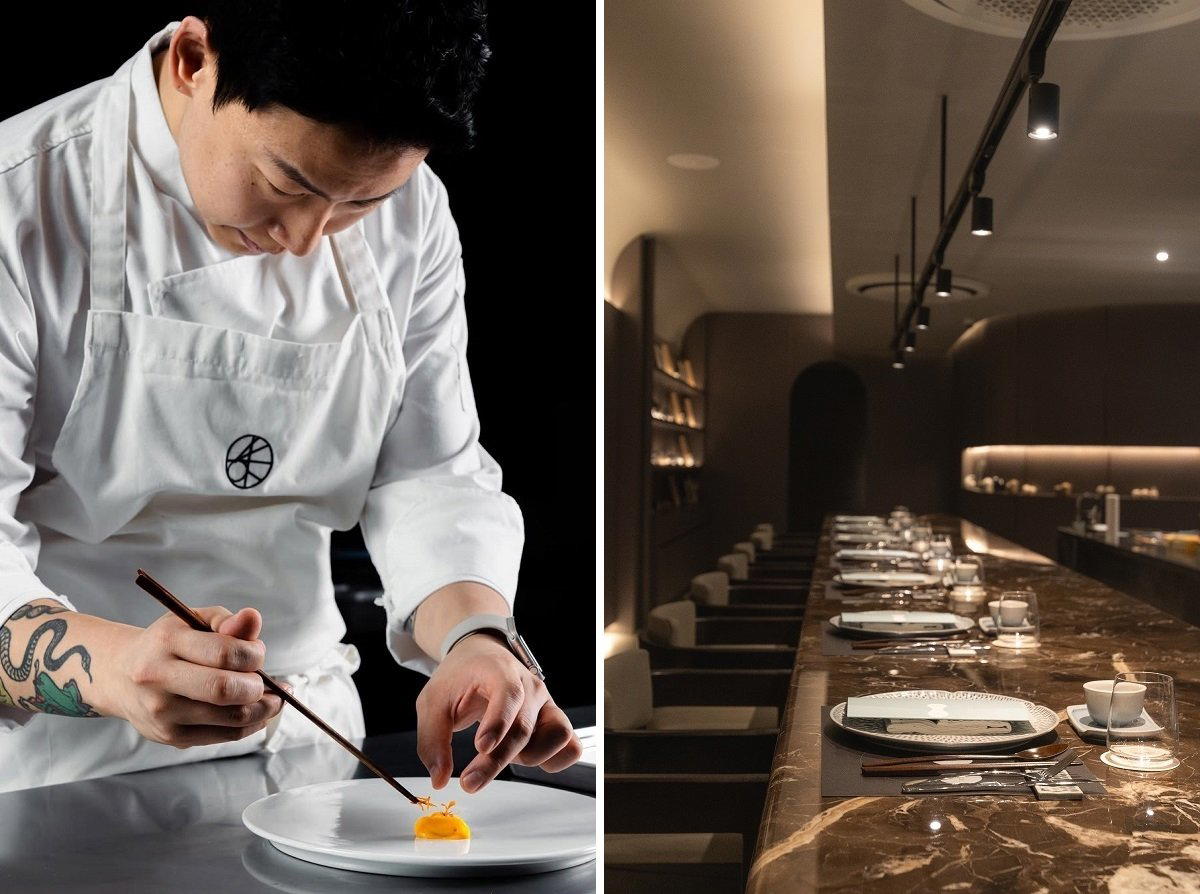
Where Kebayoran Baru Puts Korean Cooking to Work
Jinjoo is a restaurant in Melawai, Kebayoran Baru, South Jakarta, serving Creative Korean Fine Dining. The strip along and around Jl. Wolter Monginsidi, running south from Blok M into the quieter residential pockets of Kebayoran Baru, has accumulated enough dining options over the past decade that the default standard for any serious Korean or Asian-inflected kitchen here is already set by the neighbourhood's own appetite. Regulars in this part of South Jakarta eat out often, compare notes, and return to places that hold up on the second and third visit. Jinjoo, at number 6 on that same street, operates in that context.
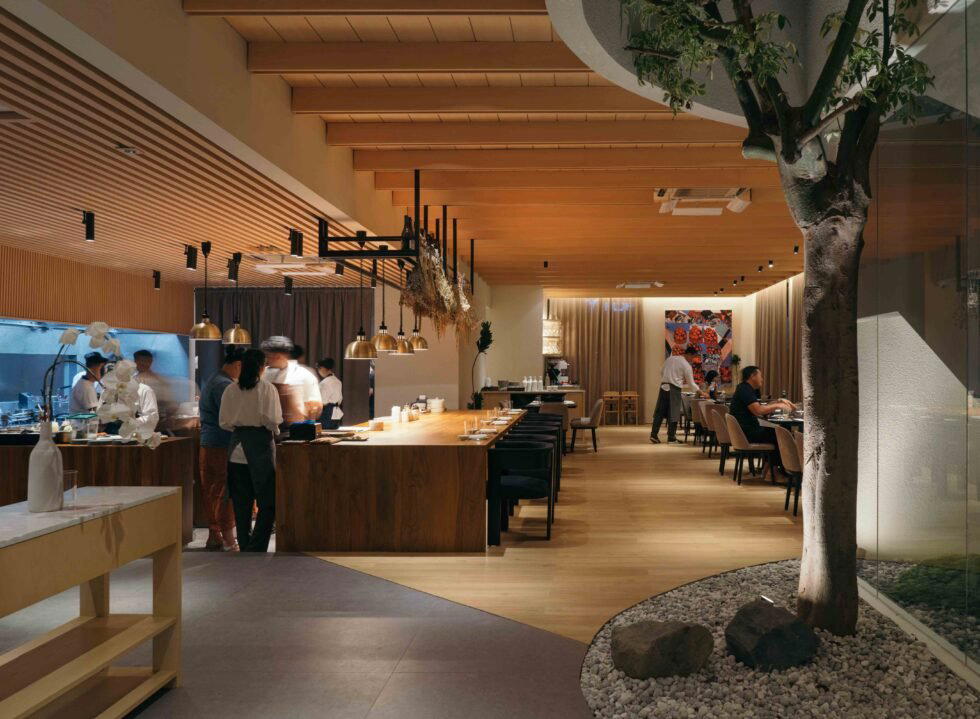
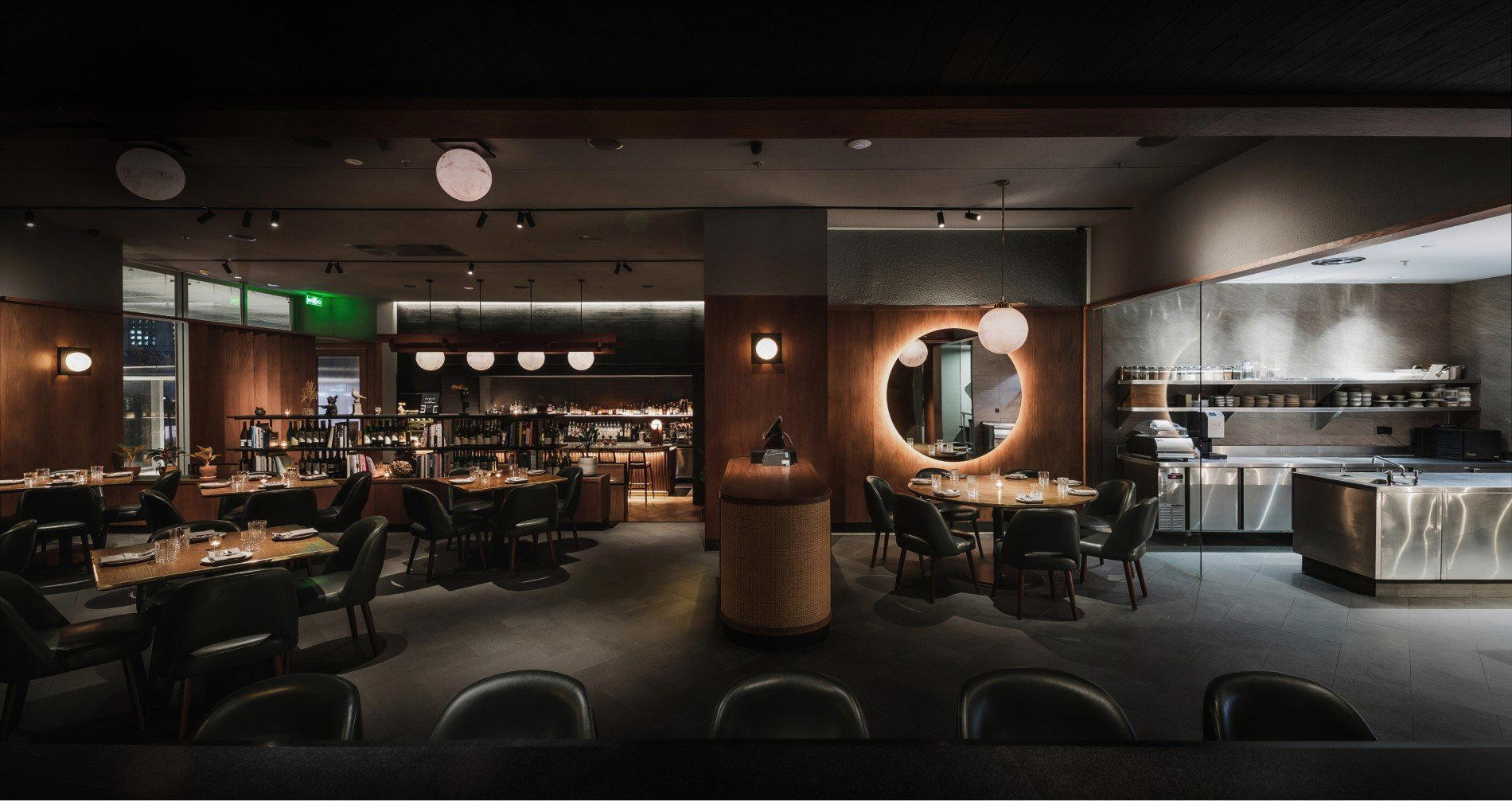
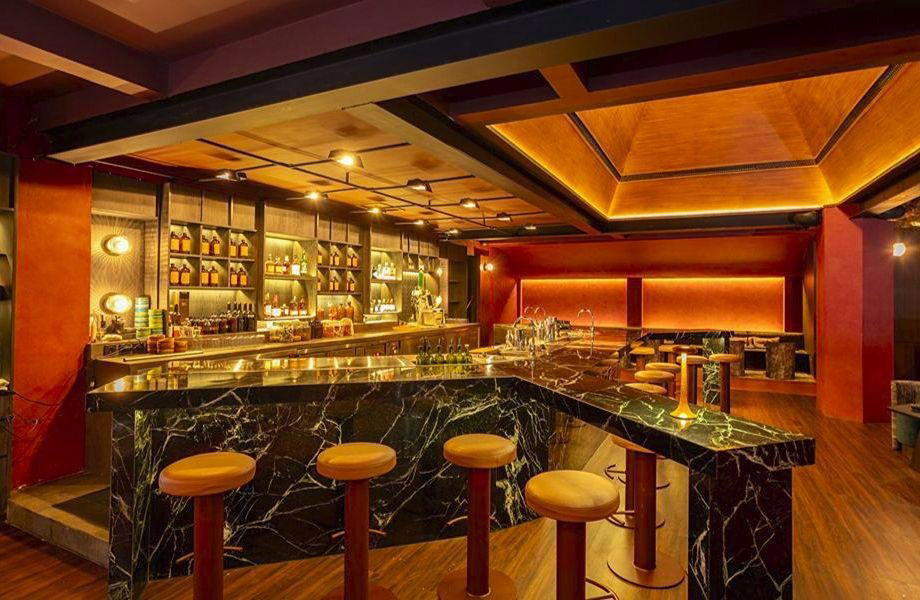
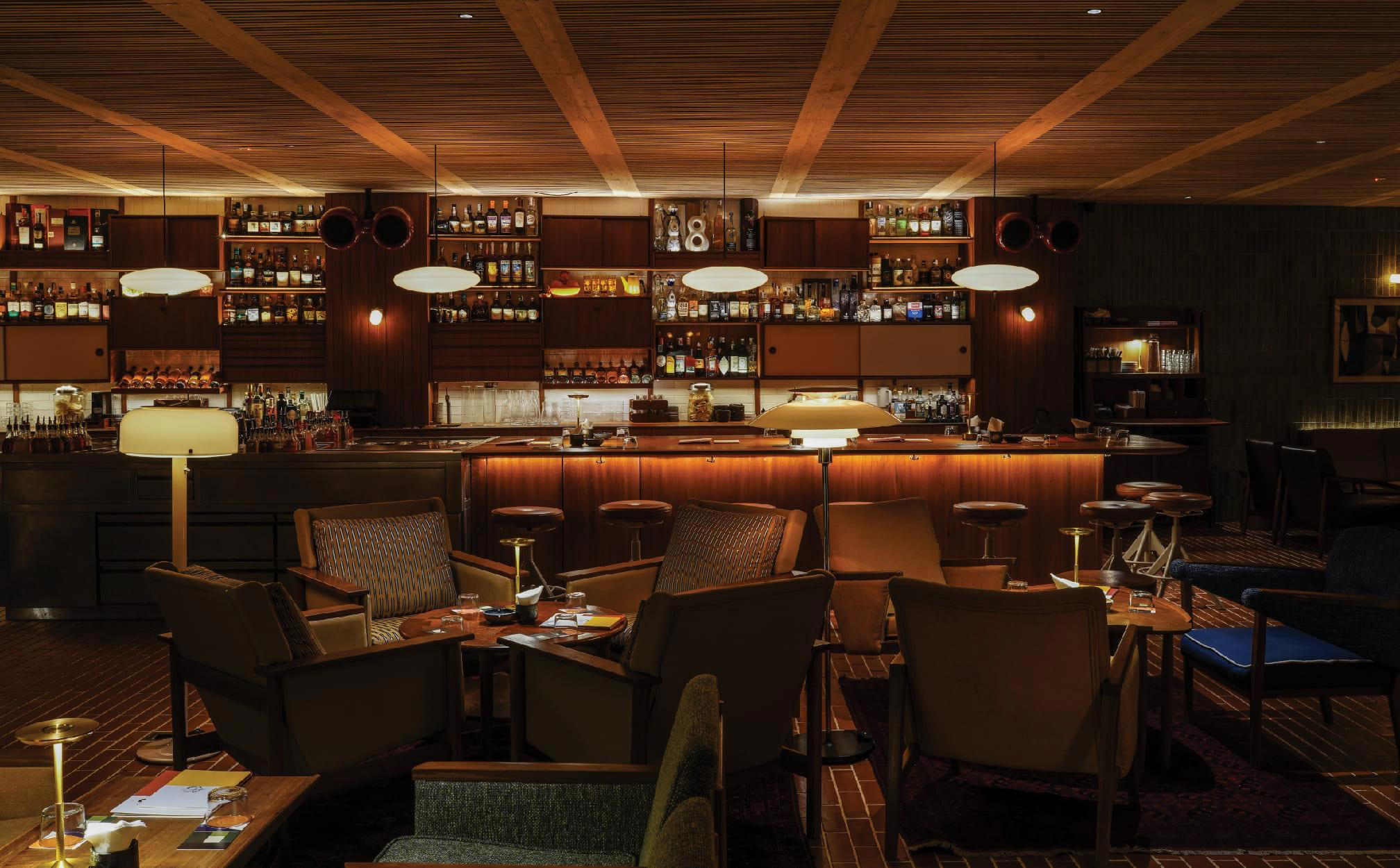
The address alone tells you something about the competitive set. Kebayoran Baru sits in a tier of South Jakarta dining that draws from nearby expatriate communities, second-generation Korean-Indonesian families, and a domestic middle class that has grown up eating Korean barbecue and now expects the sourcing and technique behind it to be worth the conversation. That expectation shapes what a kitchen in this neighbourhood has to deliver, and it shapes the way a dining room here tends to read: considered rather than casual, without the theatrical maximalism of some central Jakarta formats.
The Ingredient Question in Jakarta's Korean Kitchens
Across Jakarta's Korean dining segment, one reliable point of differentiation is not the cut of meat or the banchan count, it is where the primary ingredients originate and how consistently they arrive. Indonesia's cold-chain infrastructure, while improved considerably since the mid-2010s, still creates meaningful variation between kitchens that import Korean beef and pork direct and those that work with local substitutes. The distinction matters to diners who have eaten the same format in Seoul, and it matters to the broader character of the dish.
Korean cuisine as it is practiced in Jakarta also sits at an interesting intersection with local palate expectations. Fermentation is central to the Korean table, gochujang, doenjang, and kimchi are not garnishes but structural elements, and the quality of those fermented components, whether imported or made in-house, determines the backbone of the meal. Kitchens that cut corners on the fermented base tend to compensate with sweetness or heat, which reads differently to anyone who has eaten their way through a Korean market. What Jinjoo's Melawai address signals, given the neighbourhood's demand profile, is that the kitchen is expected to hold that line.
South Jakarta's Korean and Pan-Asian Dining Field
The Korean dining segment in Jakarta has expanded well beyond the concentrated cluster around Blok M that defined it through the 2000s. Today, Korean restaurants operate across multiple South Jakarta neighbourhoods, and the Kebayoran Baru pocket in particular has seen formats ranging from fast-casual Korean fried chicken to more deliberate table-service operations. The comparison set for a sit-down Korean kitchen on Jl. Wolter Monginsidi includes not just other Korean addresses but also the Chinese hotpot operations, Chongqing Liuyishou Hotpot draws from a similar diner profile a short distance away, and broader Asian formats like Kita in Kecamatan Menteng.
In the wider Jakarta region, Chinese dim sum has developed a particularly strong following, with operations like Hwang Fu Dimsum in Tangerang drawing cross-city audiences. The hotpot category runs even more competitive, with Hai Di Lao in Central Jakarta setting a high-service benchmark that has pushed expectations across the segment. Korean kitchens in Kebayoran Baru are pricing and positioning against all of these formats, not just other Korean restaurants. That pressure is useful: it tends to sharpen what a kitchen chooses to emphasise.
Beyond Jakarta, the Indonesian dining scene has developed a range of distinct regional characters. Gudeg Yu Djum in Yogyakarta and Kunyit Restaurant in Bandung anchor their identities in specific local ingredients and traditions, which is a different strategic posture from the imported-ingredient logic of Korean dining in Jakarta. In Bali, the conversation around sourcing is most advanced at Jungle Fish Bali in Gianyar and Bikini Restaurant Bali in Badung, where the access to local produce sets a different foundation entirely. Internationally, the sourcing rigour at Le Bernardin in New York City and the Korean fine-dining standard set by Atomix in New York City illustrate where the upper bracket of Korean and ingredient-focused cooking has moved globally.
For a fuller map of what South Jakarta offers across cuisines and price points, the EP Club South Jakarta restaurants guide covers the competitive field in more detail. Other Indonesian formats worth tracking include Kimukatsu Manado Town Square in Manado City for a different regional take on Japanese-Korean crossover, and Kynd Community in Bali for the plant-forward direction some of Indonesia's younger dining concepts are taking. Agreya Coffee Bogor and İstanbul Kebab in Lombok Utara round out the geographic spread of Indonesian dining for travellers moving beyond Jakarta.
Planning a Visit
Jinjoo is at Jl. Wolter Monginsidi No. 6, in the Melawai district of Kebayoran Baru, South Jakarta. The address is accessible by ride-share from Blok M and the surrounding Kebayoran Baru commercial zone. Given the neighbourhood's dining density and the format's likely table-service model, booking ahead for weekend evenings is a reasonable precaution.
Comparable Spots, Quickly
Comparable venues nearby, for context on price, style, and recognition.
| Venue | Cuisine | Price | Notes |
|---|---|---|---|
| JinjooThis venue — the venue you are viewing | Creative Korean Fine Dining | $$$$ | Not listed |
| Chongqing Liuyishou Hotpot (重庆刘一手火锅) | Chongqing Hotpot | $$ | South Jakarta |
| Dailah Sajian Nusantara | Modern Nusantara | $$$ | Kebayoran Baru |
| Bistecca | Italian-American Steakhouse | $$$$ | Senayan |
| Hutan Kota by Plataran | Refined Nusantara Indonesian | $$$$ | Gelora |
Continue exploring
More in South Jakarta
Restaurants in South Jakarta
Browse all →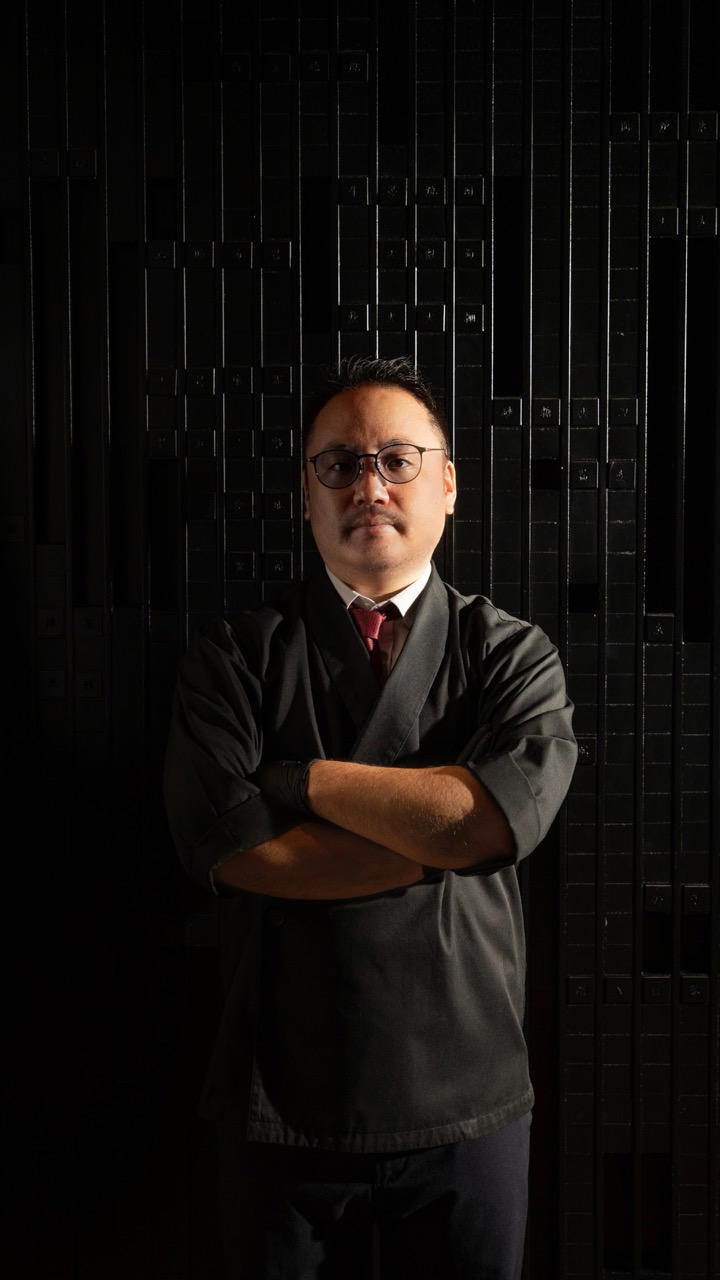
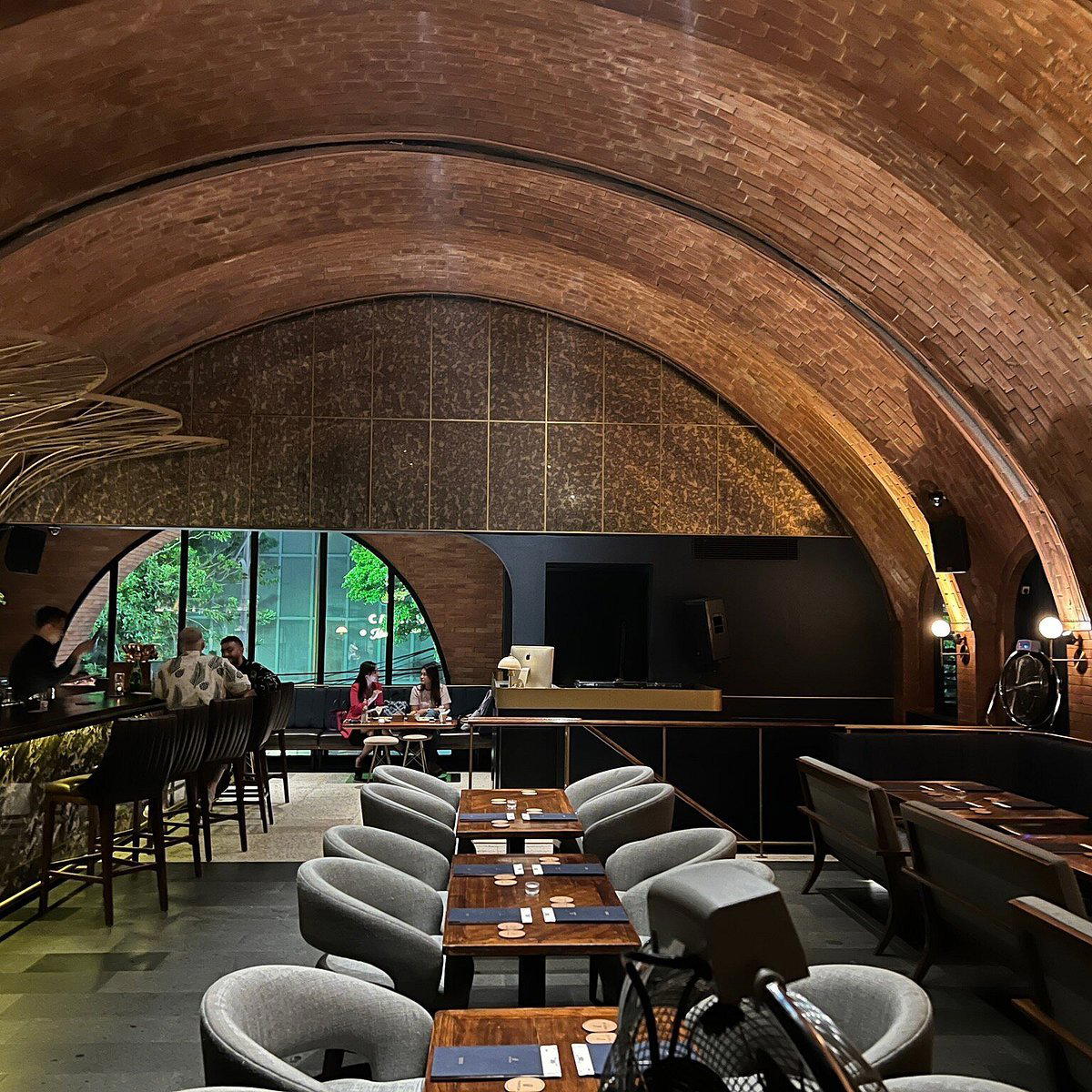
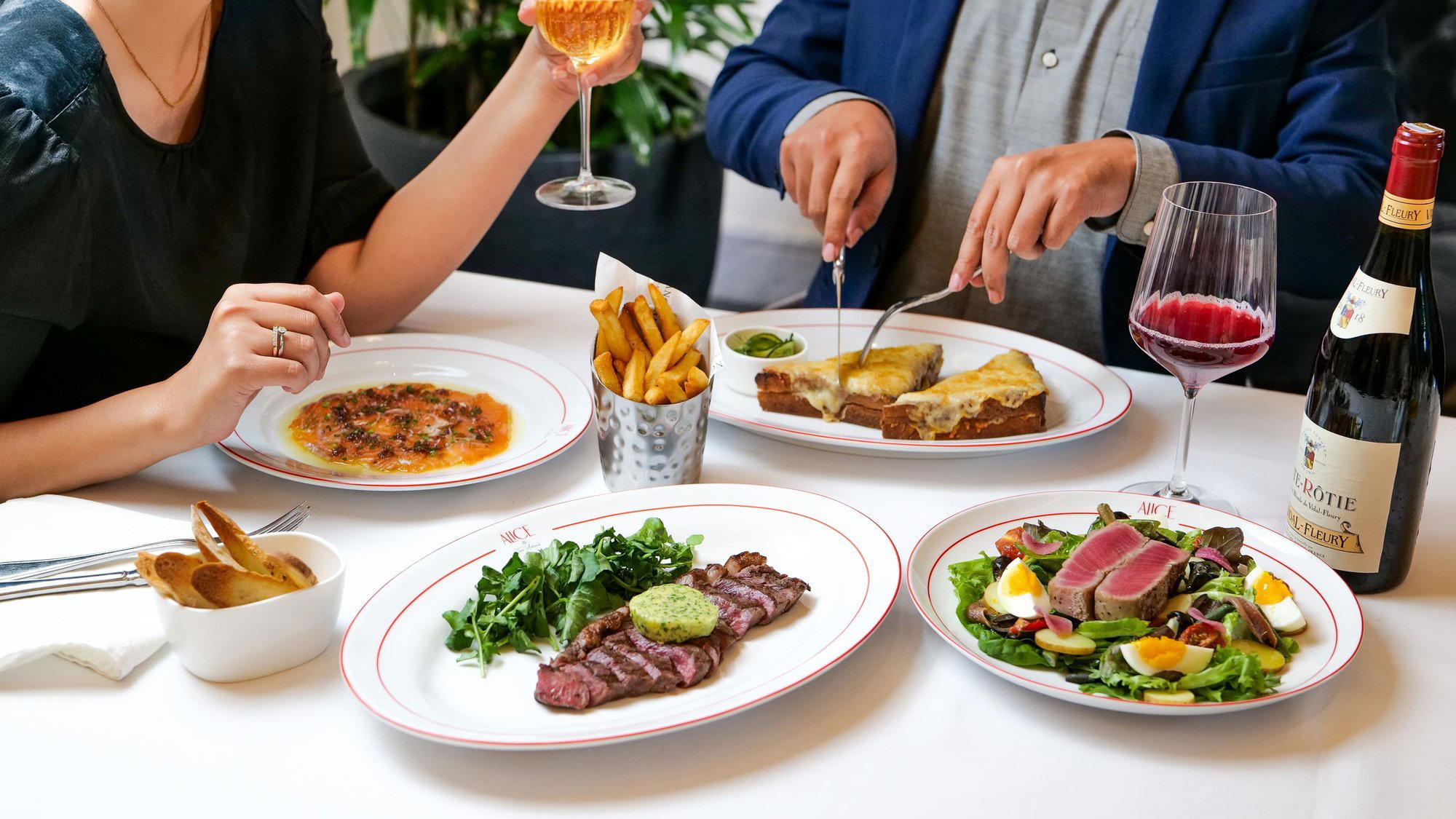
Bars in South Jakarta
Browse all →
At a Glance
- Sophisticated
- Elegant
- Modern
- Date Night
- Business Dinner
- Special Occasion
- Open Kitchen
Current opening hours
- Monday
- Closed
- Tuesday
- 5:30–11 PM
- Wednesday
- 5:30–11 PM
- Thursday
- 5:30–11 PM
- Friday
- 5:30–11 PM
- Saturday
- 5:30–11 PM
- Sunday
- 5:30–11 PM
Hours can change for holidays and private events. Last verified .
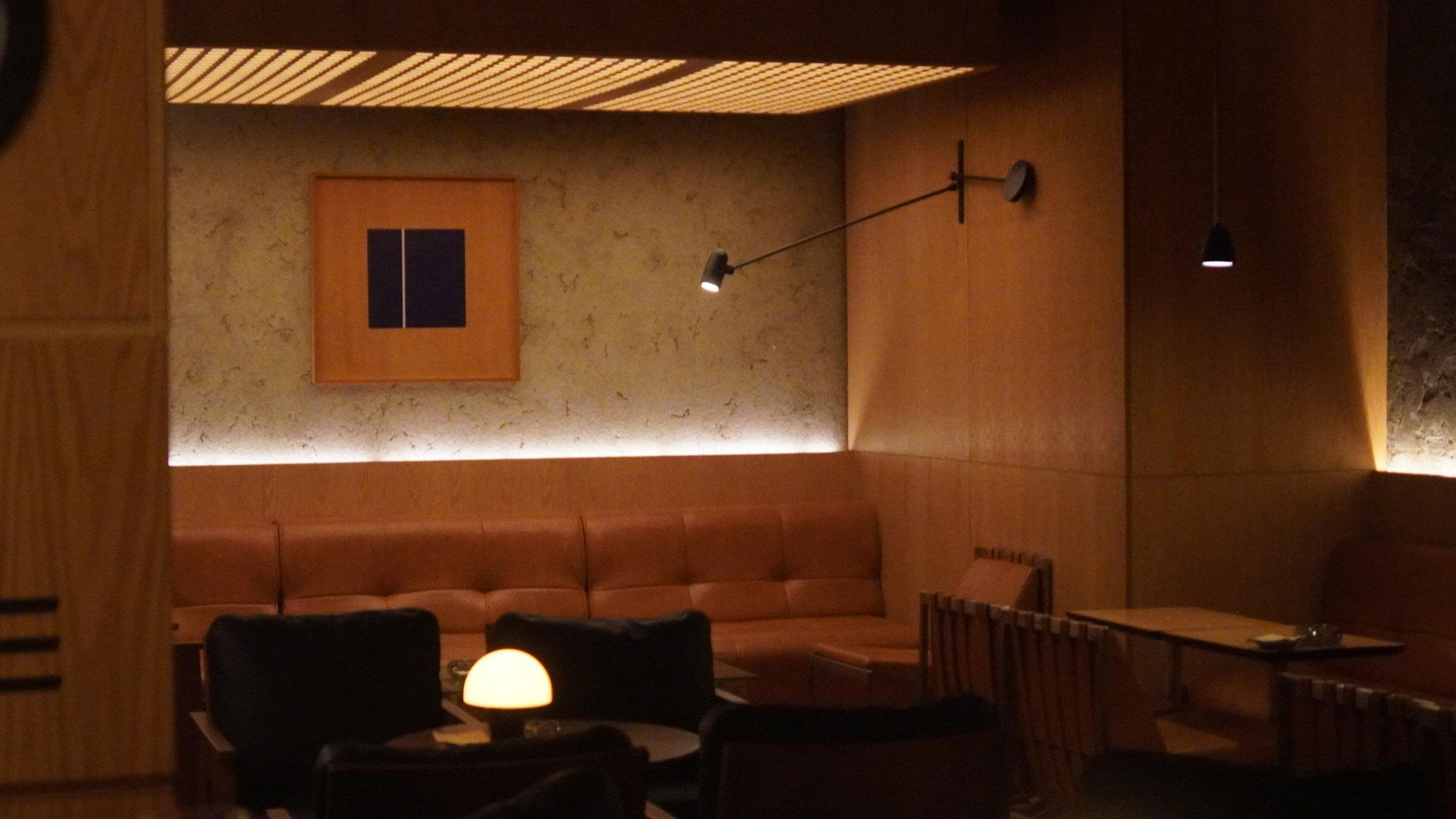
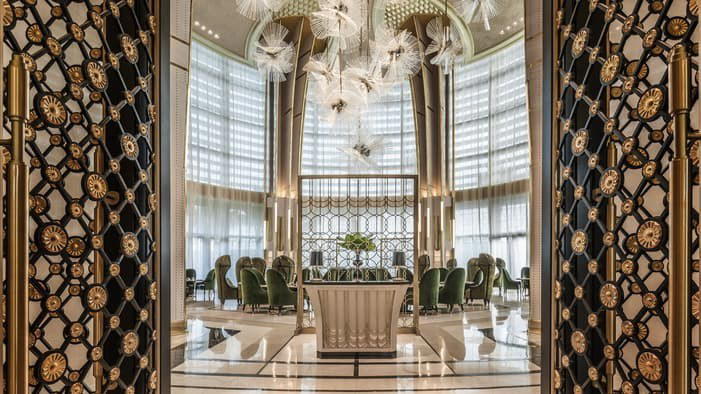
Intimate and elegant with a focus on precision and meticulous presentation.