Kouzan
Kouzan occupies a corner of Amsterdam Avenue in Manhattan's Upper West Side, where Japanese dining traditions meet a neighborhood that rarely headlines the city's restaurant conversation. The address places it outside the dense midtown and downtown corridors where most press attention concentrates, making it a practical reference point for residents and visitors exploring upper Manhattan's quieter dining circuits.
Pearl is the En Primeur Club membership app — saves, bookings, and concierge access live there. Same editors, same standards.
- Address
- 685 Amsterdam Ave, New York, NY 10025
- Phone
- +12122808099
- Website
- kouzanny.com
- Directions
- Get directions
 Saves & bookings on Pearl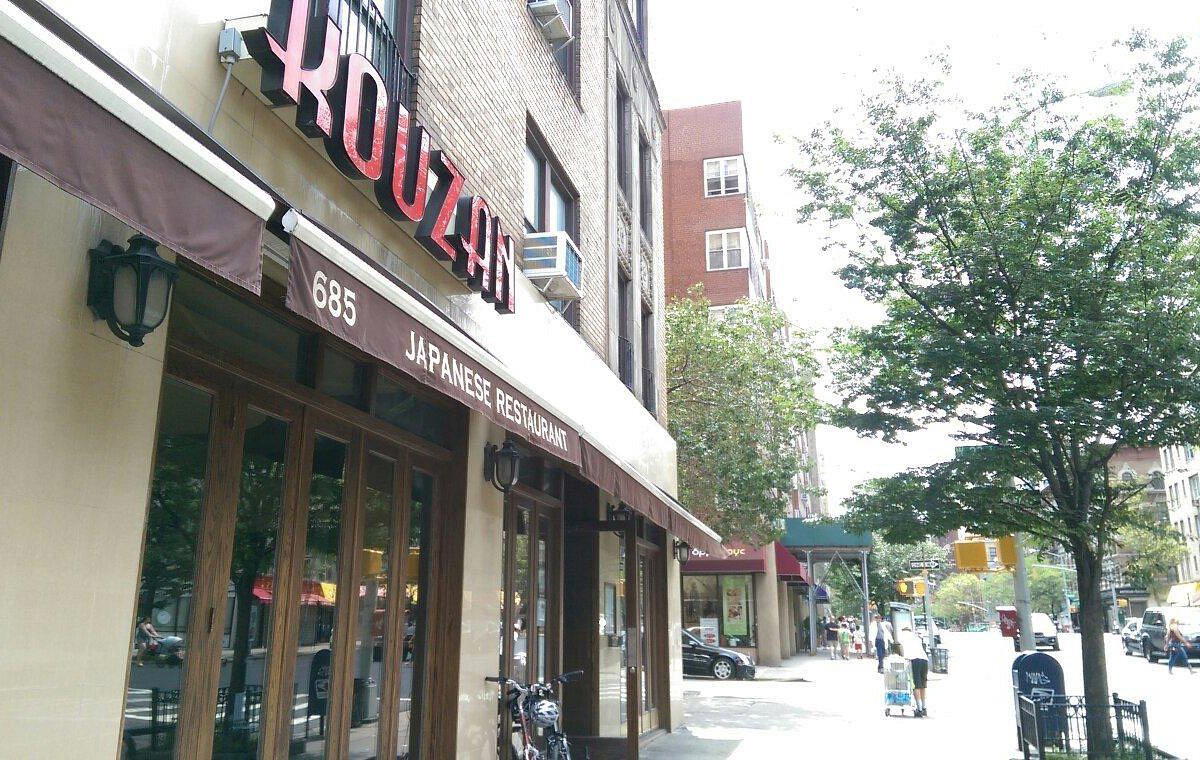
Amsterdam Avenue After Dark
Upper West Side dining operates at a different register from the omakase counters of Midtown or the tasting-menu rooms that command downtown attention. Amsterdam Avenue around the low 80s carries the tempo of a residential neighborhood that eats well without performing for critics: bookshelf wine bars, long-standing Japanese rooms, and the kind of Italian trattoria that fills on a Tuesday because regulars have been coming for fifteen years. Kouzan at 685 Amsterdam Ave sits inside that fabric, a Japanese address on a block where the ambient sounds are grocery carts and crosstown buses rather than velvet ropes.
Approaching from the street, the Upper West Side's grid of pre-war buildings and street-level retail creates a compressed, low-lit corridor that softens as you move further from Columbus. The neighborhood has a specific acoustic quality in the evening: traffic noise dampens quickly between buildings, leaving a relatively contained sound environment that smaller restaurants use to their advantage. A dining room that opens directly onto Amsterdam carries that street rhythm inside, especially on weekday evenings when foot traffic drops to neighborhood-only volume.
Japanese Dining on the Upper West Side: The Competitive Context
New York's Japanese dining tier has stratified sharply over the past decade. At the leading sits a cohort of omakase counters and sushi rooms with Michelin recognition and per-head prices that position them against comparable experiences in Tokyo: Masa anchors that extreme, with a format that has more in common with a private kaiseki session than a conventional restaurant meal. Below that band, a second tier of mid-scale Japanese addresses serves the working dining public across Manhattan's neighborhoods, competing on consistency and accessibility rather than on prestige signaling.
The Upper West Side sits outside the zip codes where that upper tier concentrates. That geographic fact shapes the comparable set for any Japanese address on Amsterdam Avenue: the comparison is not with the Michelin-starred counters of Midtown or the progressive Korean rooms of NoMad, like Atomix or Jungsik New York, but with the residential-neighborhood Japanese category that serves Columbia University's academic community, the Riverside Drive apartment households, and the post-performance crowd from Lincoln Center twelve blocks south. That's a different competitive frame, and it rewards reliability over spectacle.
What the Neighborhood Context Implies
Residential-neighborhood Japanese restaurants in Manhattan carry specific operational characteristics that distinguish them from destination dining. The kitchen serves a repeat-visit clientele more than a one-time reservation, which tends to produce menus calibrated for frequency rather than novelty. Seasonal rotation matters, but so does having the dish that a regular expects on a given night. The room's sensory texture tends toward the functional-comfortable rather than the designed-theatrical: warmer light temperatures, tables close enough to generate ambient conversation, a sound profile that rises and falls with occupancy rather than being engineered by an acoustic consultant.
That pattern holds across comparable addresses in other American cities. The neighborhood Japanese room occupies a different psychological category from the destination tasting-menu restaurant: it asks for less commitment from the diner and returns something more immediate. Venues like Blue Hill at Stone Barns or The French Laundry demand advance planning and a particular kind of attention; a neighborhood Japanese room on Amsterdam Avenue operates on walk-in rhythms and shorter lead times.
Upper West Side in the Broader New York Dining Map
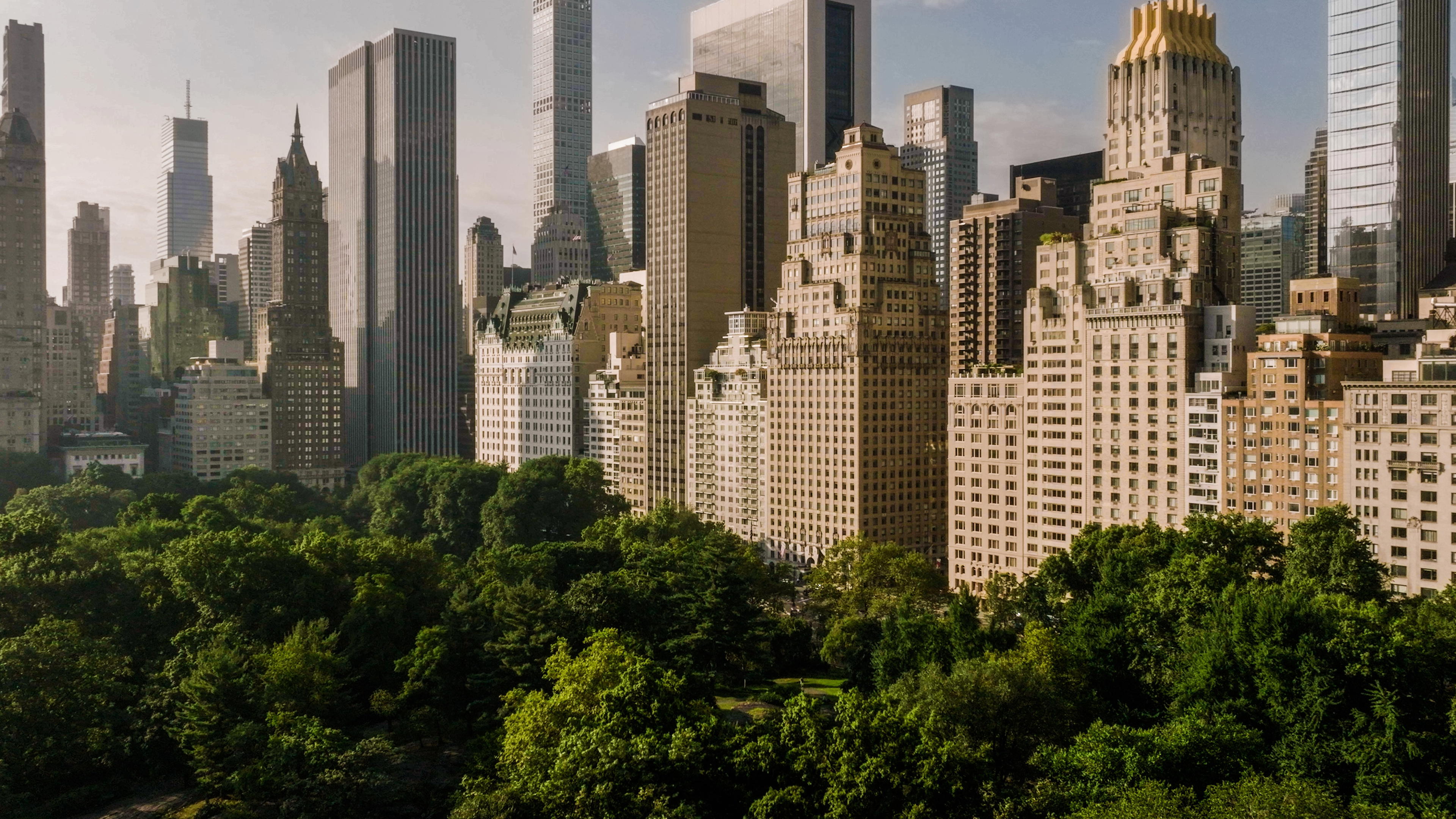
New York's dining attention distributes unevenly. The strip from the Meatpacking District through the West Village, the East Village, and up to the Flatiron accounts for a disproportionate share of new openings and press cycles. Upper Manhattan, from the 70s through Harlem and Washington Heights, runs a parallel restaurant economy that serves one of the city's densest residential populations with considerably less editorial coverage. For visitors oriented around hotel geography, that gap creates a useful opportunity: neighborhoods above 72nd Street on the West Side are walkable from Central Park's north end and offer subway access to the rest of the city in under twenty minutes.
The Upper West Side specifically carries a culinary identity shaped by its demographics: a long-established Jewish deli tradition, a steady Japanese presence tied to the university and medical communities, and increasing representation from Latin American cuisines as you move toward Washington Heights. That layering makes Amsterdam Avenue a more interesting dining corridor than its press profile suggests. Visitors who confine their New York eating to the downtown-Midtown axis that features in most guides miss the kind of neighborhood-specific texture that reveals how the city actually eats day to day.
Situating Kouzan in a National Frame
The category of neighborhood Japanese dining in major American cities is worth considering comparatively. In San Francisco, the Japantown corridor and the Richmond District carry a similar function to what the Upper West Side provides in New York: Japanese food integrated into residential neighborhoods rather than positioned as destination dining. The same pattern appears in Los Angeles neighborhoods around the Sawtelle corridor. These addresses don't compete with the destination-tier rooms, as Providence does in LA or Le Bernardin does in New York; they serve a different reader need.
Across the country, the gap between destination restaurants and neighborhood institutions is where most dining actually happens. The rooms that generate Michelin stars and 50 Best placements, including Alinea in Chicago, Single Thread Farm in Healdsburg, and Addison in San Diego, represent a small fraction of where any city's residents actually eat on a regular basis. Understanding Kouzan means understanding that it operates in the larger, less-photographed tier, and that this placement is a feature of the address rather than a limitation.
Know Before You Go
Know Before You Go
- Address: 685 Amsterdam Ave, New York, NY 10025
- Neighborhood: Upper West Side, Manhattan
- Nearest subway: 1/2/3 trains to 72nd Street or 86th Street; B/C trains to 81st Street
- Leading approach: Amsterdam Avenue is a local avenue; approach on foot from Central Park West or Columbus Avenue for the direct residential-neighborhood entry
- Booking: Reservations are recommended; hours are 11:30 AM to 10 PM daily
- Price tier: $$; about $35 per person
- Nearby context: Lincoln Center is approximately twelve blocks south; the American Museum of Natural History is three blocks east
Cuisine-First Comparison
Comparable venues nearby, for context on price, style, and recognition.
| Venue | Cuisine | Price | Notes |
|---|---|---|---|
| KouzanThis venue — the venue you are viewing | Traditional Japanese Sushi | $$ | Not listed |
| Next Door by Wegmans | Contemporary Japanese Sushi & Robata | $$ | Greenwich Village |
| PacRim Sushi & Asian Cuisine | Japanese Sushi and Asian Fusion | $$ | East Midtown-Turtle Bay |
| Dai Hachi | Traditional Japanese Sushi | $$ | Long Island City-Hunters Point |
| Shin Takumi Omakase | Affordable Japanese Omakase | $$ | West Village |
| Nami Nori Williamsburg | Modern Japanese Temaki Bar | $$ | Williamsburg |
Continue exploring
More in New York City
Restaurants in New York City
Browse all →
Bars in New York City
Browse all →

Hotels in New York City
Browse all →




At a Glance
- Cozy
- Classic
- Elegant
- Casual Hangout
- Family
- Group Dining
- Date Night
- Open Kitchen
- Sake Program
- Craft Cocktails
- Beer Program
Current opening hours
- Monday
- 11:30 AM–10 PM
- Tuesday
- 11:30 AM–10 PM
- Wednesday
- 11:30 AM–10 PM
- Thursday
- 11:30 AM–10 PM
- Friday
- 11:30 AM–10 PM
- Saturday
- 11:30 AM–10 PM
- Sunday
- 11:30 AM–10 PM
Hours can change for holidays and private events. Last verified .