Bamberger Haus occupies a storied address on Brunnerstraße in Munich's Schwabing district, where the city's appetite for convivial Bavarian dining meets a building with genuine historical weight. The address sits within a neighbourhood that has long hosted artists, intellectuals, and the kind of regulars who return by habit rather than occasion. For visitors arriving in autumn or winter, when Munich's beer garden season has closed and the city pulls indoors, this is the kind of room that rewards the shift.
Pearl is the En Primeur Club membership app — saves, bookings, and concierge access live there. Same editors, same standards.
- Address
- Brunnerstraße 2, 80804 München, Germany
- Phone
- +4989322128210
- Website
- bambergerhaus.com
- Directions
- Get directions
 Saves & bookings on Pearl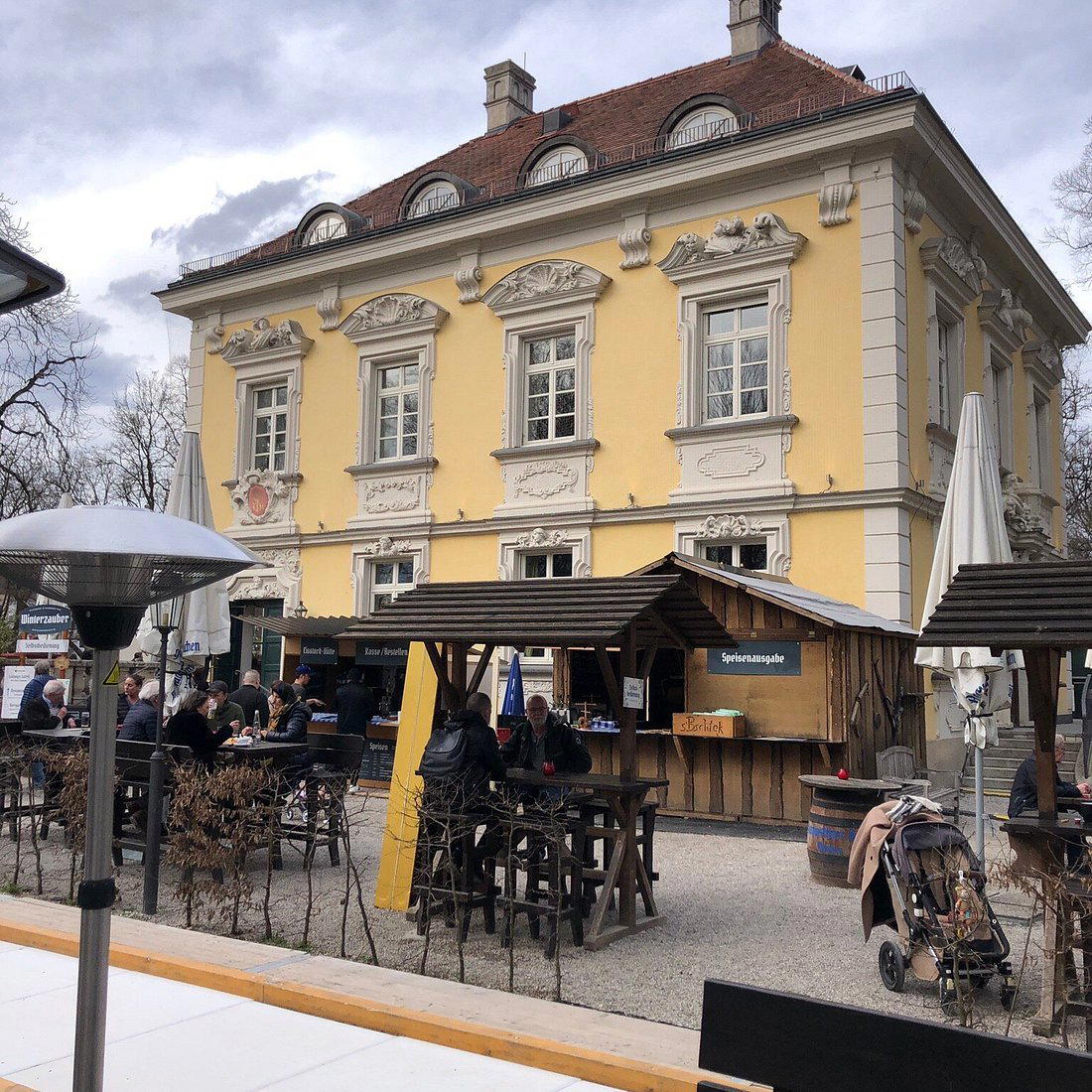
A Room That Earns Its Place in Schwabing
Bamberger Haus is a restaurant in Munich's Schwabing district serving Imperial Austrian-German Court Cuisine at Brunnerstraße 2. There is a particular kind of Munich evening that belongs entirely to the cooler months: the city's famous outdoor culture has retreated, the Englischer Garten empties by dusk, and locals reclaim the Wirtshäuser and grand hall restaurants that form the backbone of Bavarian social life. Bamberger Haus, at Brunnerstraße 2 in Schwabing, is positioned squarely inside that tradition. The address sits in one of Munich's most culturally layered neighbourhoods, a district that developed its identity as a gathering point for artists and writers in the late nineteenth and early twentieth centuries and has never fully shed that reputation for independent-minded hospitality.
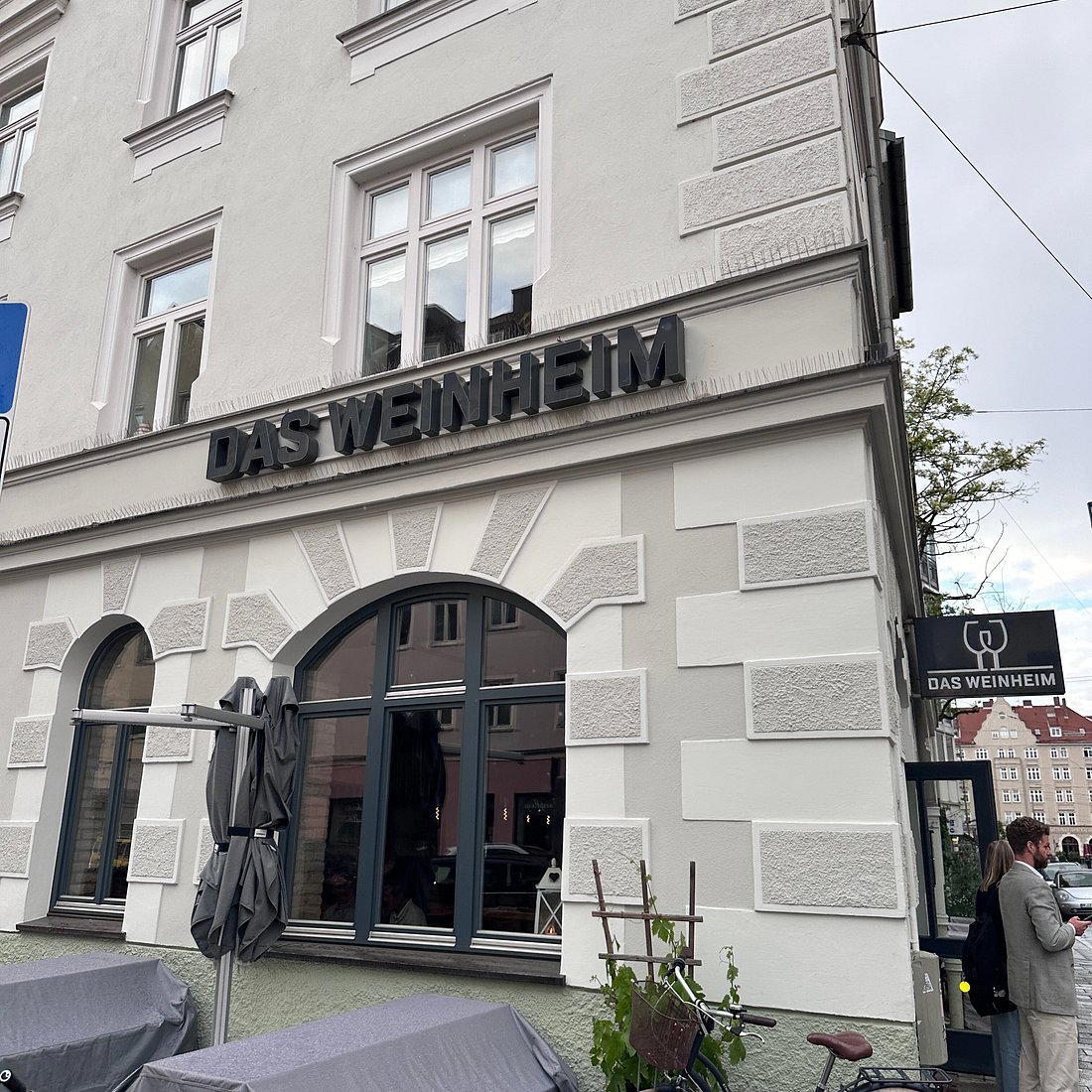
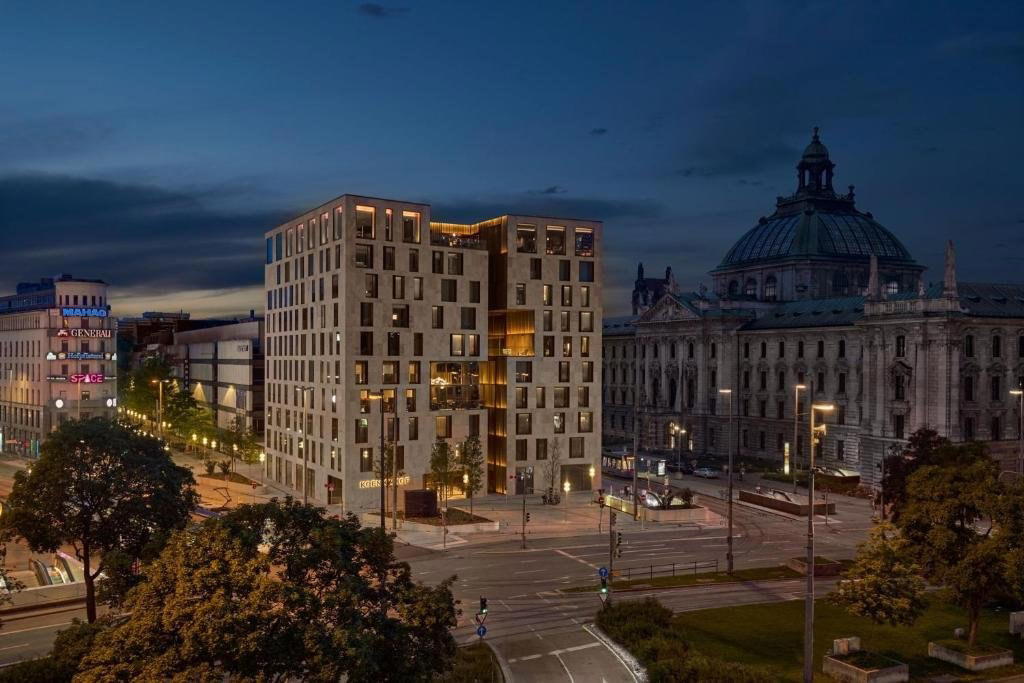
Approaching the building from the street, the structure itself signals something older than most of Munich's postwar restaurant stock. Schwabing retained more of its pre-war architectural character than much of the city centre, and addresses like this one carry a physical weight that newer venues cannot replicate. That context matters when assessing what Bamberger Haus represents: it is an address where the building is part of the offer, not merely a container for it.
Bavarian Dining as a Cultural Proposition
To understand what the restaurant belongs to, it helps to understand what Bavarian restaurant culture actually is, distinct from the city centre. Munich's serious Wirtshäuser and Gesellschaftshäuser operate on a different register from the beer hall caricature exported internationally. They are rooms built for extended social occasions: long tables, substantial food, and a relationship between guest and institution that is measured in years rather than single visits. The name itself references Bamberg, the Franconian city roughly two hours north, whose brewing tradition and cuisine have long maintained a dialogue with Munich's own food culture.
Franconian and Bavarian cooking share foundational logic: pork, freshwater fish, bread dumplings (Semmelknödel), and root vegetables form the seasonal backbone, with preparation styles that emphasise technique over complication. What distinguishes the better addresses in this tradition from mere bulk-catering is precision in sourcing and an understanding that simplicity executed badly is just poor food. Munich's higher-end traditional restaurants, a category that includes a handful of addresses in Schwabing and the inner districts, hold this standard seriously. For context on where fine cooking intersects with Munich's international dining scene, the city's Tantris has operated at the summit of European Modern French dining for decades, and Tohru in der Schreiberei demonstrates how Munich absorbs international culinary influences into its own idiom.
Schwabing and Its Dining Character
Schwabing is not a neighbourhood that pivots to accommodate trends. Its dining character has been shaped by proximity to the university, by the legacy of its artist community, and by a residential density that sustains neighbourhood restaurants with loyal catchments rather than tourist throughput. That dynamic produces a different kind of hospitality from the city centre: less performance, more assumption of repeat custom. Venues in this part of Munich do not need to explain themselves to every new arrival in the way that a destination restaurant in the Maxvorstadt might. The neighbourhood confers a kind of permission to operate on its own terms.
This positions the restaurant within a specific Munich typology: the Gesellschaftshaus or grand hall address that functions as a civic room as much as a restaurant. These spaces historically hosted political clubs, artists' associations, and the kind of civic gatherings that required a room with both scale and character. Munich has a handful of such addresses still operating with some version of that original function intact, and Brunnerstraße sits in a part of the city where that tradition was concentrated.
Where This Address Sits Relative to Munich's Dining Spectrum
Munich's restaurant spectrum in 2024 runs from the internationally recognised fine dining tier, where addresses like Alois - Dallmayr Fine Dining, Atelier, and JAN operate with Michelin recognition and tasting menu formats, down through a mid-range of international cuisine, and then to the traditional Bavarian addresses that anchor neighbourhood life. The restaurant operates in the third category but at an address with enough physical and historical gravity to sit above the generic end of that tier.
For comparison, Germany's broader fine dining geography extends to addresses like Schwarzwaldstube in Baiersbronn, Aqua in Wolfsburg, and Vendôme in Bergisch Gladbach, all of which hold multiple Michelin stars and attract international visitors specifically for the food. The restaurant does not compete in that category. Its claim is different: it offers the specific cultural experience of a Munich grand hall address in one of the city's most historically layered neighbourhoods. Those are distinct value propositions and should be evaluated separately. Readers building a wider German itinerary might also note ES:SENZ in Grassau, Schanz in Piesport, and Waldhotel Sonnora in Dreis as addresses that reward dedicated journeys. Further afield, Restaurant Haerlin in Hamburg, Bagatelle in Trier, and CODA Dessert Dining in Berlin each occupy distinctive positions in the German fine dining map. For international reference points on what serious culinary destinations look like at the summit of their category, Le Bernardin in New York City and Lazy Bear in San Francisco represent what sustained critical recognition looks like in practice, and Victor's Fine Dining by Christian Bau in Perl shows how the highest tier of German dining operates in a destination-restaurant format.
Planning a Visit
The restaurant is located at Brunnerstraße 2, 80804 München, in the Schwabing district. The address is accessible from the U-Bahn network via the Münchner Freiheit station, which sits within comfortable walking distance. For visitors building a Munich itinerary around the city's full dining range, our full Munich restaurants guide maps the city's options across price tiers and cuisine types. Specific operational details including current hours, reservations, and pricing are best confirmed directly with the venue, as these are subject to change.
City Peers
Comparable venues nearby, for context on price, style, and recognition.
| Venue | Cuisine | Price | Notes |
|---|---|---|---|
| Bamberger HausThis venue — the venue you are viewing | Imperial Austrian-German Court Cuisine | $$ | Not listed |
| Brunnwart | Traditional Bavarian | $$ | Freimann |
| Park Café | Modern Bavarian Steakhouse | $$ | Isarvorstadt |
| Catwalk | German Cafe with Breakfast All Day | $$ | Schwabing |
| Michaeligarten Restaurant | Traditional Bavarian Beer Garden | $$ | Rammersdorf |
| Rischart Café am Marienplatz | Traditional Bavarian Bakery Cafe | $$ | Altstadt |

At a Glance
- Rustic
- Elegant
- Classic
- Cozy
- Group Dining
- Family
- Celebration
- Historic Building
- Garden
- Open Kitchen
- Beer Program
- Local Sourcing
- Garden
Current opening hours
- Monday
- Closed
- Tuesday
- 3 PM–12 AM
- Wednesday
- 3 PM–12 AM
- Thursday
- 3 PM–12 AM
- Friday
- 3 PM–12 AM
- Saturday
- 12 PM–12 AM
- Sunday
- 12–11 PM
Hours can change for holidays and private events. Last verified .
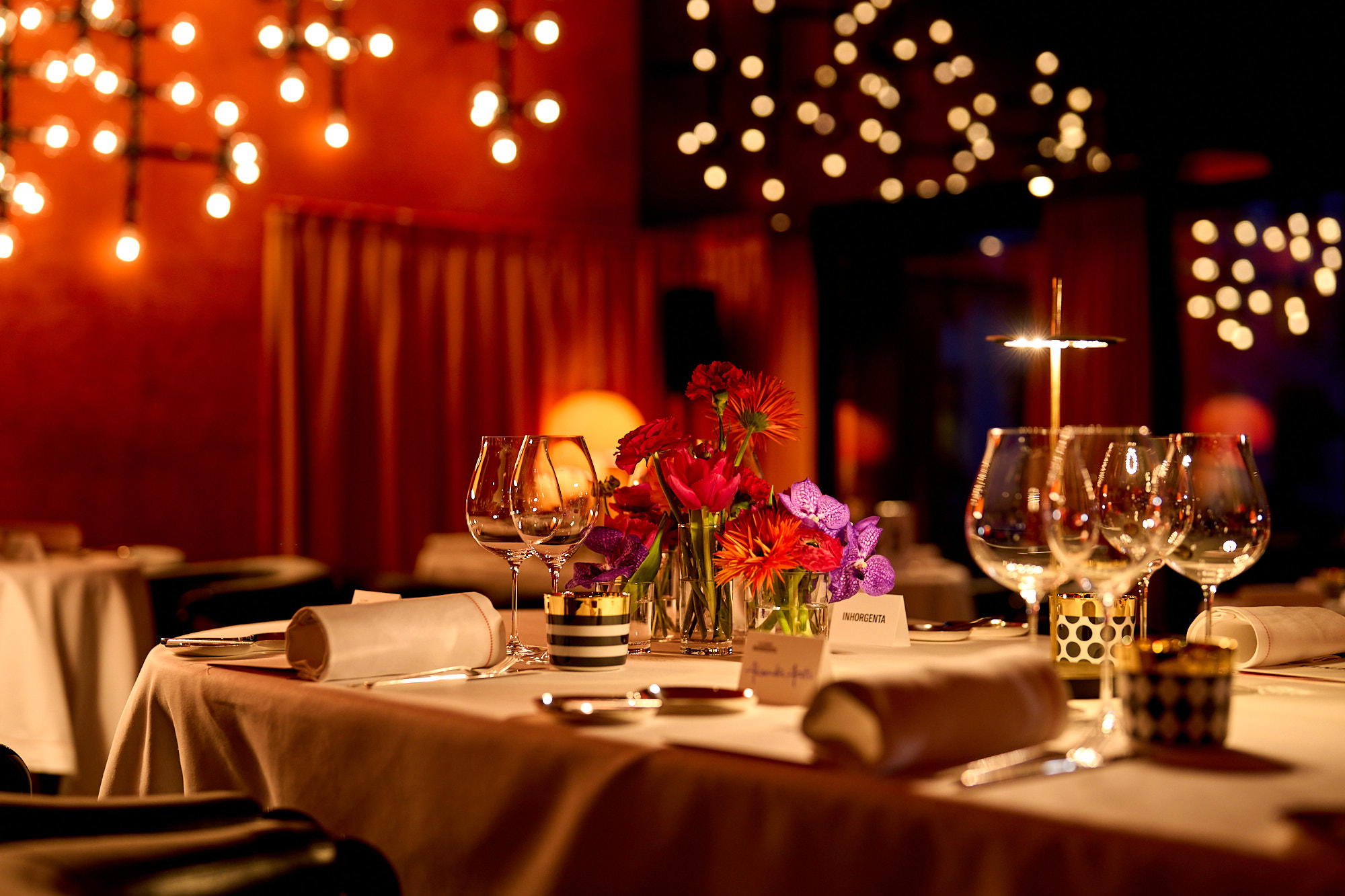
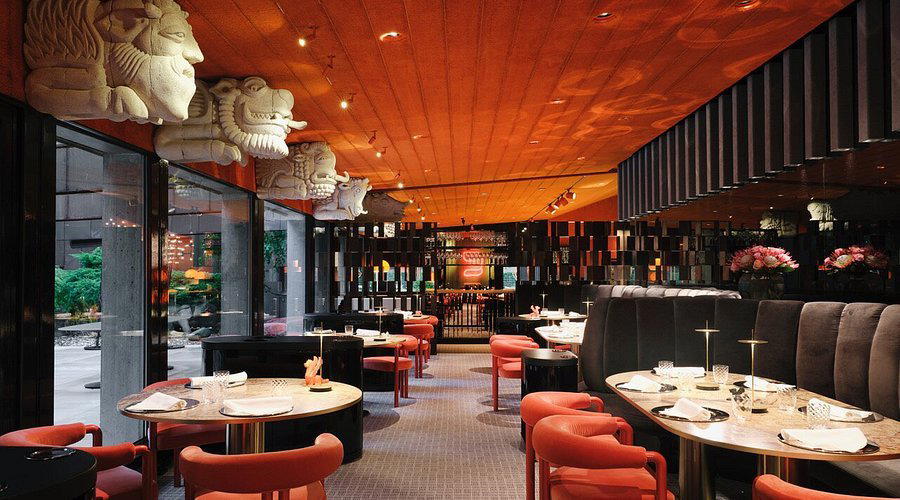
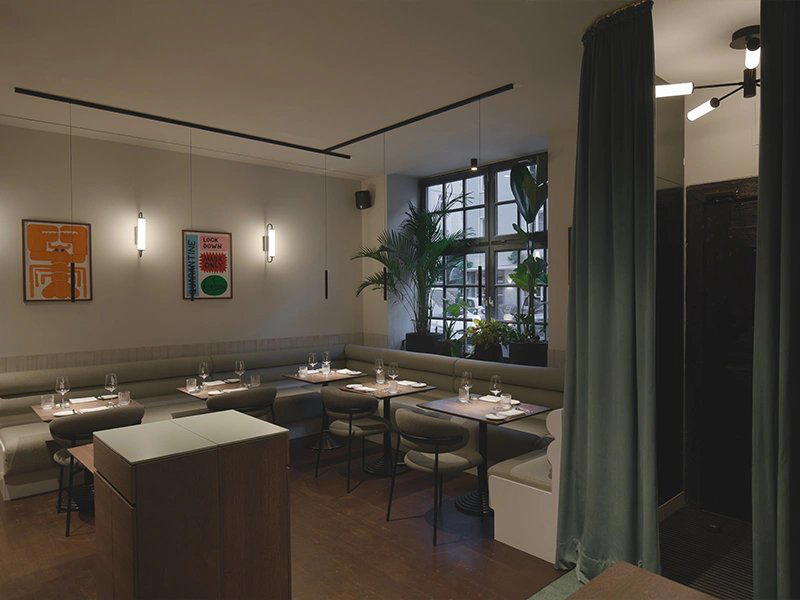
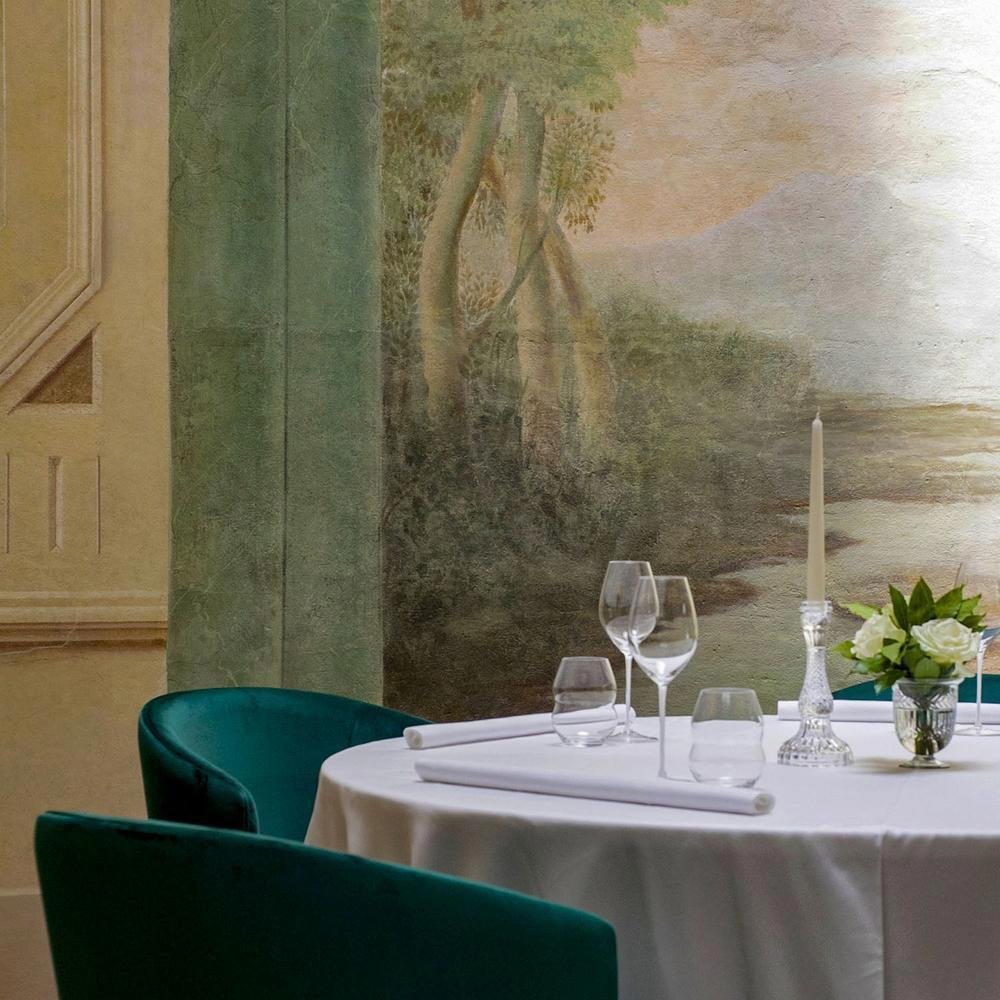
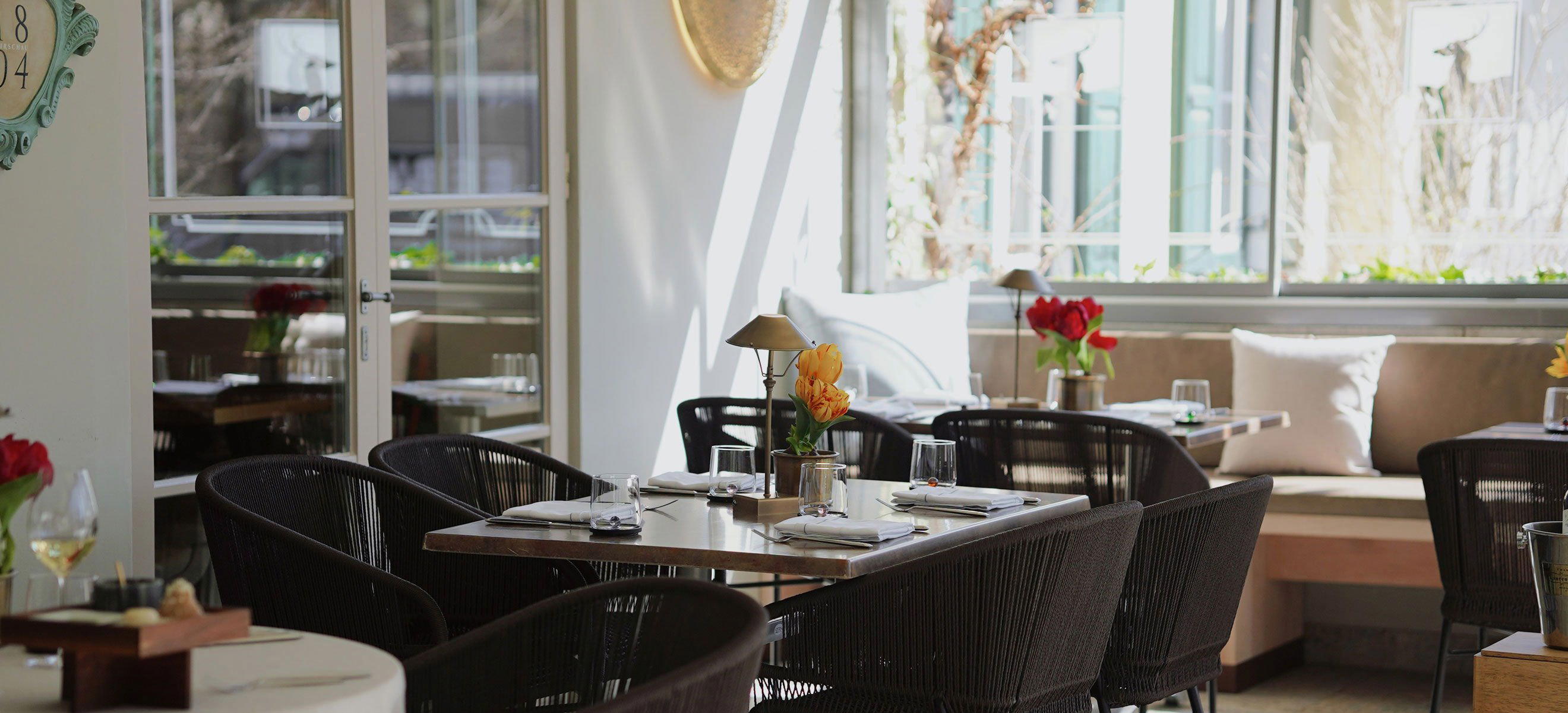
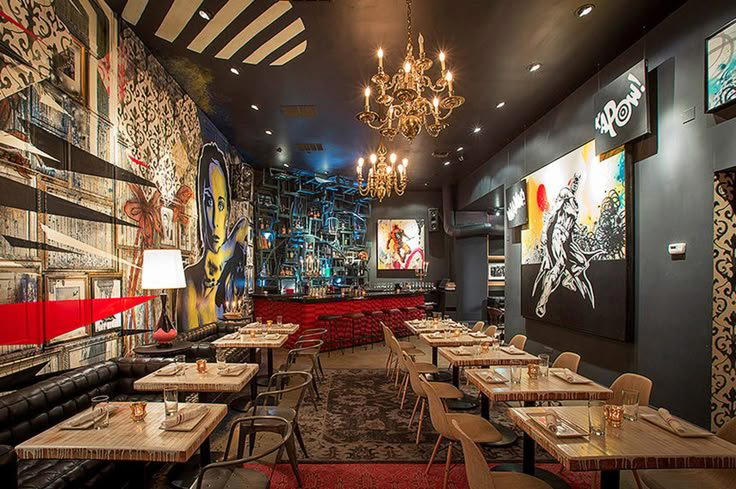
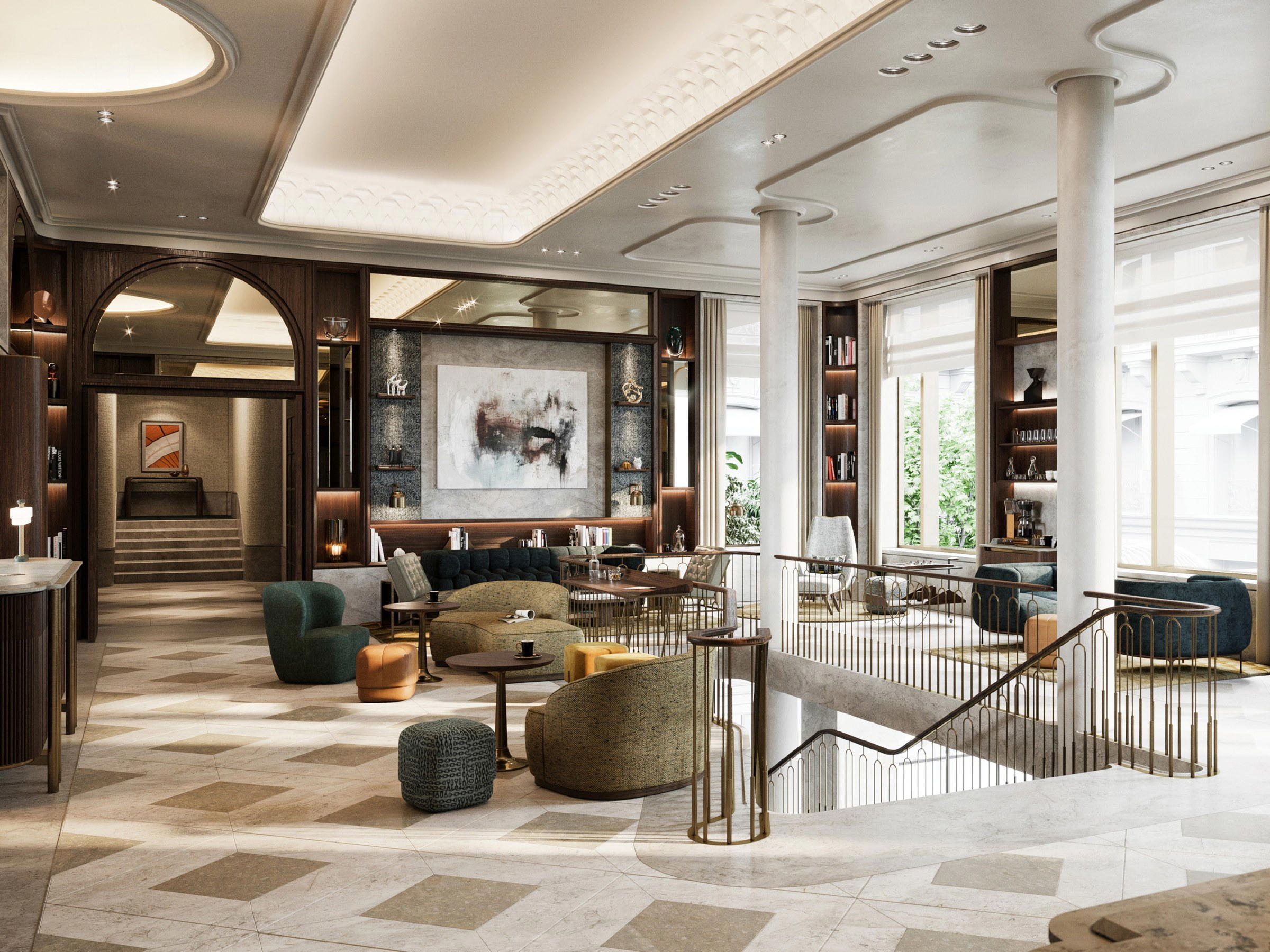
Rustic yet elegant atmosphere with golden chandeliers, frescoes, and vaulted cellars evoking nostalgic imperial grandeur.