Michelin Plate
Our verdict
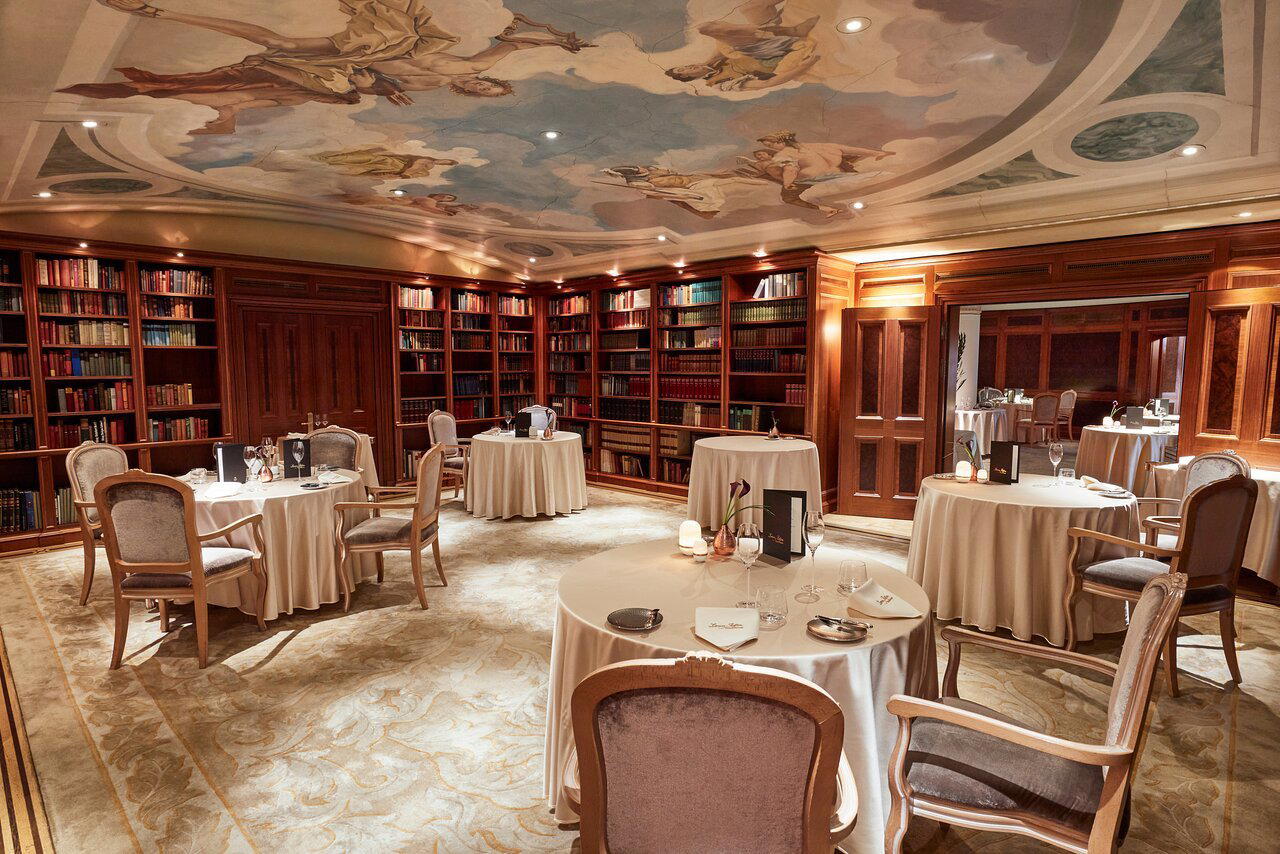
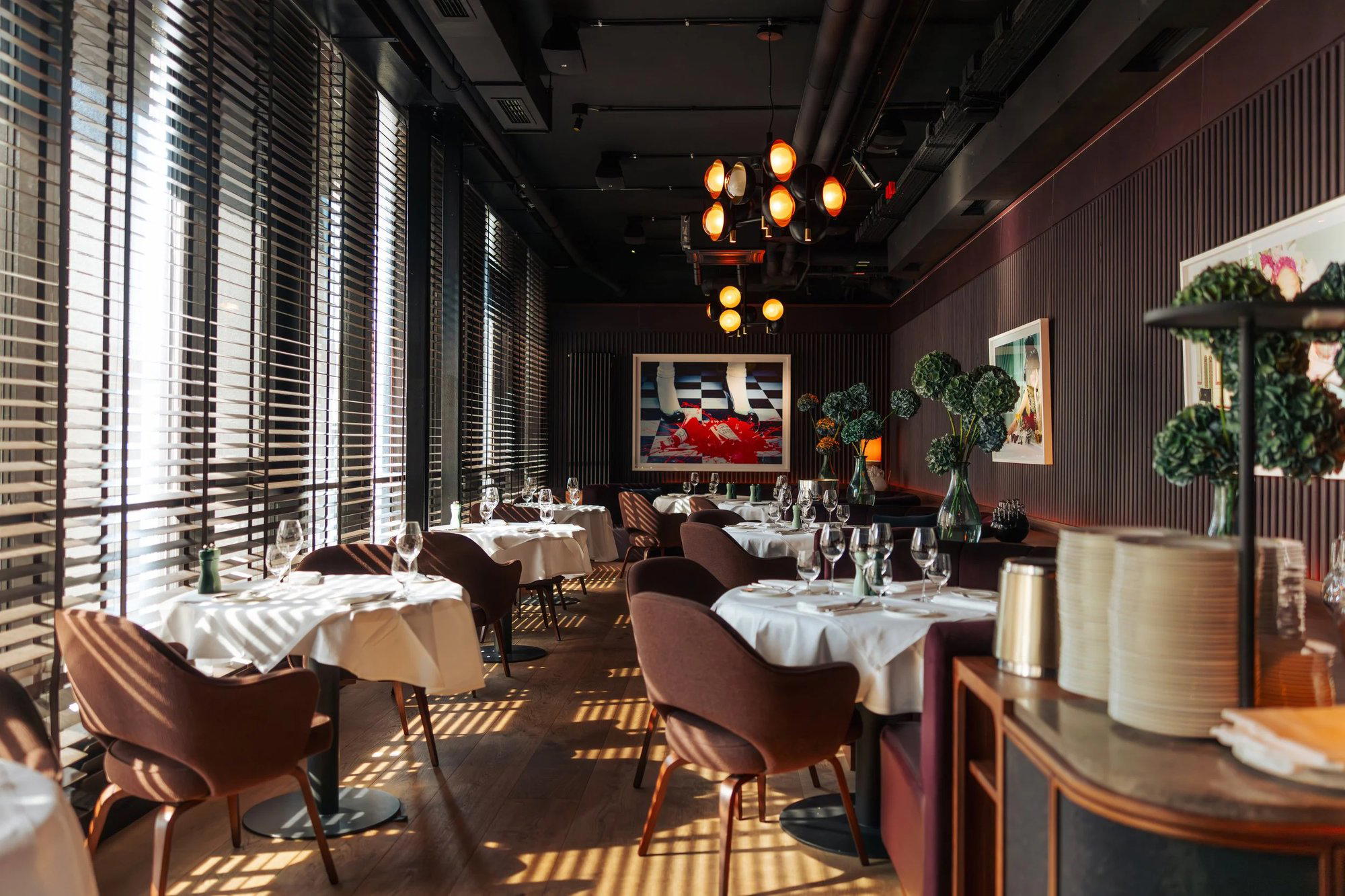
Dae Mon holds back-to-back Michelin Plates (2024 and 2025), placing it among the more consistent fusion addresses in Berlin's Mitte district. Situated on Monbijoupl. 11, the restaurant draws on Asian culinary traditions within a European framework, making it a reliable reference point for the city's growing appetite for technically grounded cross-cultural cooking.

Pearl is the En Primeur Club membership app, where members save venues, book tables and use the concierge.
Fusion in Berlin: What It Actually Means in 2025
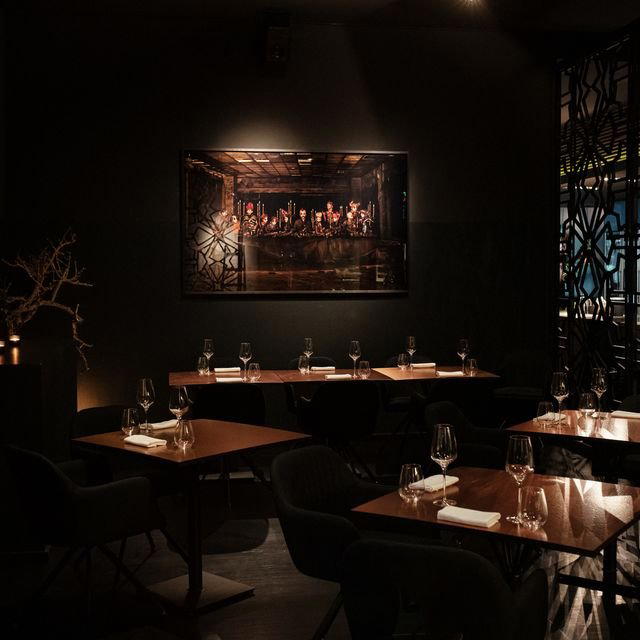
Berlin's relationship with fusion cooking is complicated. For most of the 2010s, the label carried the weight of every misconceived pan-Asian-European mashup that opened and closed in Prenzlauer Berg or Kreuzberg within eighteen months. What shifted the city's perception was not a single restaurant but a gradual accumulation of technically serious kitchens that used Asian culinary frameworks as a structural foundation rather than a decorative layer. Dae Mon, positioned on Monbijoupl. 11 in Mitte, belongs to that more deliberate cohort.
The Address and What It Signals
Mitte concentrates a disproportionate share of Berlin's serious restaurant openings, partly because of proximity to the city's cultural institutions and partly because the district carries an implicit price expectation that gives kitchens room to operate at a higher cost base. Dae Mon's €€€ pricing sits one tier below the €€€€ band occupied by most of Berlin's Michelin-starred addresses, including Rutz (three Michelin stars), CODA Dessert Dining (two stars), and Nobelhart & Schmutzig (one star). That positioning is editorially significant: Dae Mon delivers Michelin-recognised cooking without the full-starred price premium, which in a city where dining budgets vary enormously across the visitor and local base, matters practically.
Monbijoupl. itself faces the small park beside the Spree, a location that gives Mitte restaurants a slightly different character to those buried in the denser commercial blocks further west. The physical context is quieter, more deliberate. It is the kind of address where a kitchen can rely on destination dining rather than passing foot traffic.
The Cultural Architecture of Korean-Influenced Fusion
Fusion as a culinary category is most coherent when one tradition supplies the structural logic and another supplies ingredient vocabulary. Korean cooking, which underpins Dae Mon's identity, has particular strengths for this kind of synthesis. Its fermentation culture, its precision with heat and texture contrast, and its layered use of umami-forward condiments give a kitchen a technical toolkit that translates well into European fine-dining formats without requiring direct quotation of any single dish or regional style.
Across Germany, Korean-influenced or Korean-adjacent fine dining remains a genuinely thin field. At the level of Michelin-recognised restaurants, the reference points are scattered: JAN in Munich, Aqua in Wolfsburg, and Schwarzwaldstube in Baiersbronn each represent formally recognised kitchens, but none operates within the same cultural framework as Dae Mon. The closer international comparisons are restaurants like Ajonegro in Logroño or Arkestra in Istanbul, both of which approach fusion from a similarly structured, culturally specific standpoint rather than a generic blending exercise.
In Berlin itself, the most instructive comparison may be Restaurant Tim Raue, which has built a multi-starred reputation on Chinese culinary frameworks applied through a European fine-dining sensibility. Tim Raue operates at €€€€ with two Michelin stars; Dae Mon occupies the tier below with Plate recognition. The structural parallel is clear, even if the cultural source material differs.
What Michelin Plate Recognition Actually Tells You
The Michelin Plate is sometimes misread as a consolation category, awarded when a kitchen falls short of star criteria. That reading misunderstands how the system works in practice. In a city like Berlin, where Michelin inspects across hundreds of restaurants, receiving a Plate for two consecutive years (2024 and 2025) means the kitchen has been found consistently worthy of notation. It signals good cooking, reliable execution, and a culinary point of view coherent enough to warrant return visits by inspectors. It does not mean the kitchen is on a star trajectory, but it does mean it clears a threshold that the majority of the city's restaurants do not.
For reference, the restaurants that do hold Berlin stars operate at significantly higher price points and with more complex formats. 136, CODA, and Nobelhart & Schmutzig each have a distinct programmatic identity that shapes the experience from reservation to final course. Dae Mon's double Plate at €€€ suggests a kitchen operating seriously within a more accessible frame.
How Dae Mon Fits Berlin's Broader Dining Pattern
Berlin's restaurant ecosystem has developed in an unusual direction compared to Paris, London, or Tokyo. The city's creative density and relatively lower cost base (by European capital standards) allowed experimentation that other cities could not sustain economically. That produced a dining scene where format diversity is high but price concentration at the very leading is lower than in comparable capitals. Most of Berlin's Michelin-starred restaurants cap out at three stars with Rutz, two stars at CODA and a handful of others, and a larger body of one-star and Plate-level restaurants doing genuinely interesting work.
Dae Mon occupies a productive position in that structure. It is formally recognised, consistently rated, and positioned at a price tier where a two-person dinner remains possible without the full financial commitment of Berlin's leading tables. For visitors building a multi-night Berlin itinerary, that creates a logical sequencing option: Dae Mon as a high-quality weeknight dinner, with a starred address reserved for a special occasion evening. The full context for planning that kind of visit is covered in our full Berlin restaurants guide.
Planning a Visit
Dae Mon operates at Monbijoupl. 11, 10178 Berlin, in the Mitte district. The €€€ price range positions it above casual dining but below the top-tier starred restaurants in the city. Booking in advance is advisable for a restaurant with this level of recognition in Mitte; walk-ins at peak times are likely to face capacity constraints. For those building a broader Berlin stay, our full Berlin hotels guide, our full Berlin bars guide, our full Berlin wineries guide, and our full Berlin experiences guide cover the surrounding territory. For those travelling further afield within Germany, Vendôme in Bergisch Gladbach, ES:SENZ in Grassau, and Restaurant Haerlin in Hamburg represent Michelin-recognised alternatives in other German cities.
Frequently asked questions
Has Dae Mon won any awards?
Dae Mon has received recognition including: Michelin Plate (2025); Michelin Plate (2024).
What should I budget for a meal at Dae Mon?
Pricing at Dae Mon is listed as €€€.
What's the must-try dish at Dae Mon?
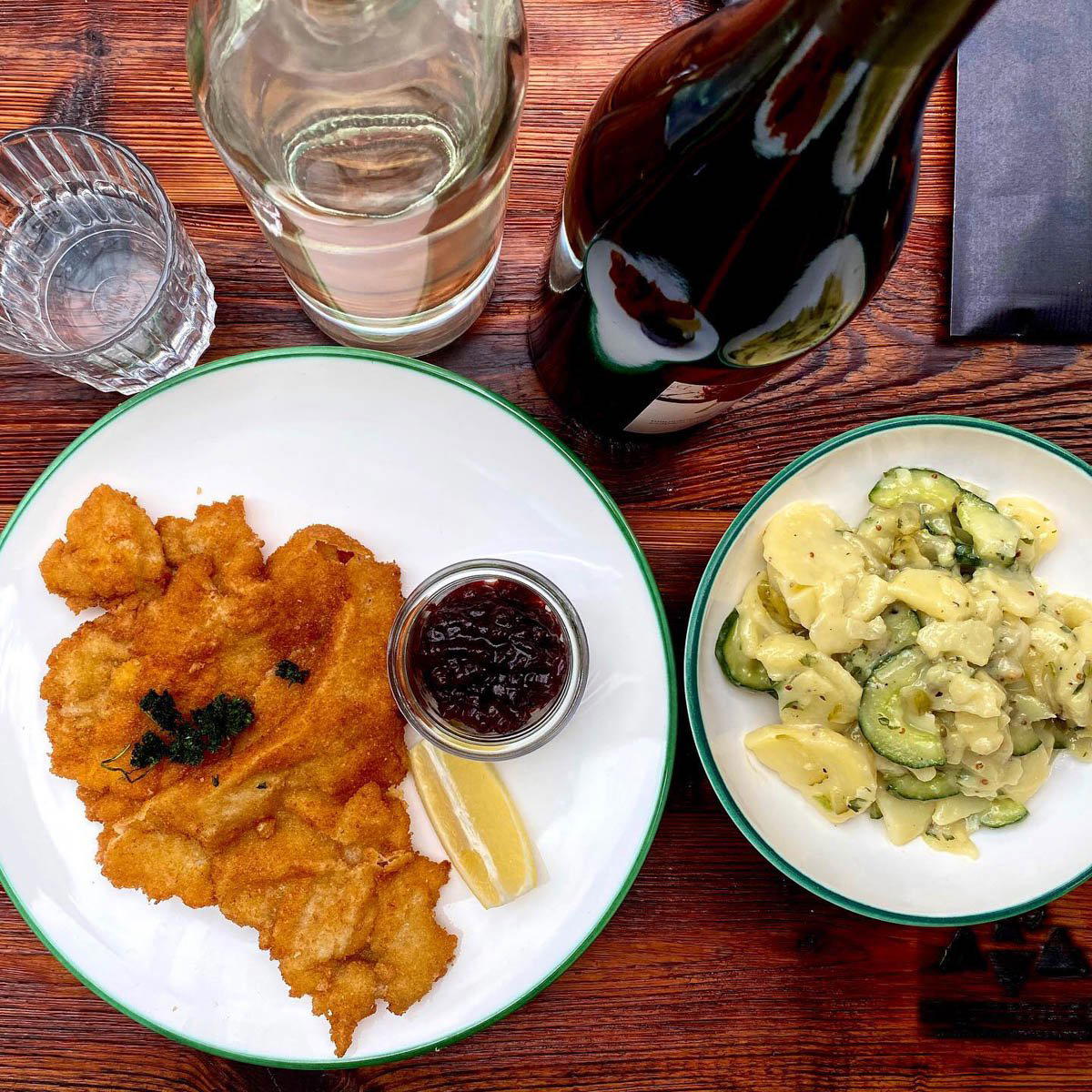
Specific menu details for Dae Mon are not published in current documentation, which is common for €€€ fusion restaurants that rotate their offering seasonally. The kitchen holds back-to-back Michelin Plate recognition for 2024 and 2025, signalling consistent output across courses rather than a single signature item. The Korean-influenced fusion format suggests the structural logic of the menu runs through the whole progression, so ordering the full sequence rather than à la carte is likely the more coherent way to read what the kitchen is doing.
What should I expect cuisine-wise at Dae Mon?
What's the address for Dae Mon?
Dae Mon is located at Monbijoupl. 11, 10178 Berlin, Germany, Berlin.
Cuisine and Awards Snapshot
| Venue | Cuisine | Price | Awards | Notes |
|---|---|---|---|---|
| Dae MonThis venue (the venue you are viewing) | Modern Asian Fusion | $100–150 | Michelin Plate | Not listed |
| CODA Dessert Dining | Dessert-Inspired Fine Dining | $200–300 | 2 Michelin Stars · World's 50 Best #79 | Creative |
| Rutz | Modern German Fine Dining | $200–300 | 3 Michelin Stars · La Liste Top Restaurants | Modern European, Modern Cuisine |
| Nobelhart & Schmutzig | Hyper-Local Modern German Fine Dining | $100–150 | 1 Michelin Star · World's 50 Best #59 | Modern German, Creative |
| FACIL | Modern Fusion Fine Dining | $200–300 | 2 Michelin Stars · La Liste Top Restaurants | Contemporary European, Creative |
| Horváth | Modern Austrian Vegetable Cuisine | $200–300 | 2 Michelin Stars · La Liste Top Restaurants | Modern Austrian, Creative |
Recognition history
Dated appearances from independent guides and award organizations, with the underlying list record or original source where available.
Michelin Plate
Michelin · 2026 Michelin Plate
Full recognition history (3 entries)
Michelin Plate
Michelin
Michelin Plate
Michelin