
On Charlottenburg's restaurant-dense Kantstraße, Lo Fūfu serves itameshi, Japanese-Italian fusion, through an eight-to-ten course 'Omakase Italiano' format. Fish and seafood anchor the ingredient-led small plates, best experienced from the long stainless steel counter where the kitchen is on full display. For a meal that marks an occasion rather than just fills an evening, this is the kind of address that earns the booking.
- Address
- Kantstraße 144
- Phone
- +49 176 72144088
- Website
- lofufu.com
- Directions
- Get directions
Kantstraße and the Case for Occasion Dining in Charlottenburg
Lo Fūfu is a permanently closed restaurant in Berlin's Charlottenburg district, on Kantstraße 144, serving Omakase Italiano, a Japanese-Italian fusion format at about $90 per person. Mitte draws the headlines, with addresses like Restaurant Tim Raue, Rutz, Nobelhart & Schmutzig, and FACIL clustering its higher-end tier. Charlottenburg, older and quieter in reputation, has long operated as a counterweight: more neighbourhood, less spectacle. Kantstraße cuts through that neighbourhood with a density of restaurants that rewards the kind of deliberate, occasion-led evening that doesn't require a wait-list of months or a dining room built for performance.
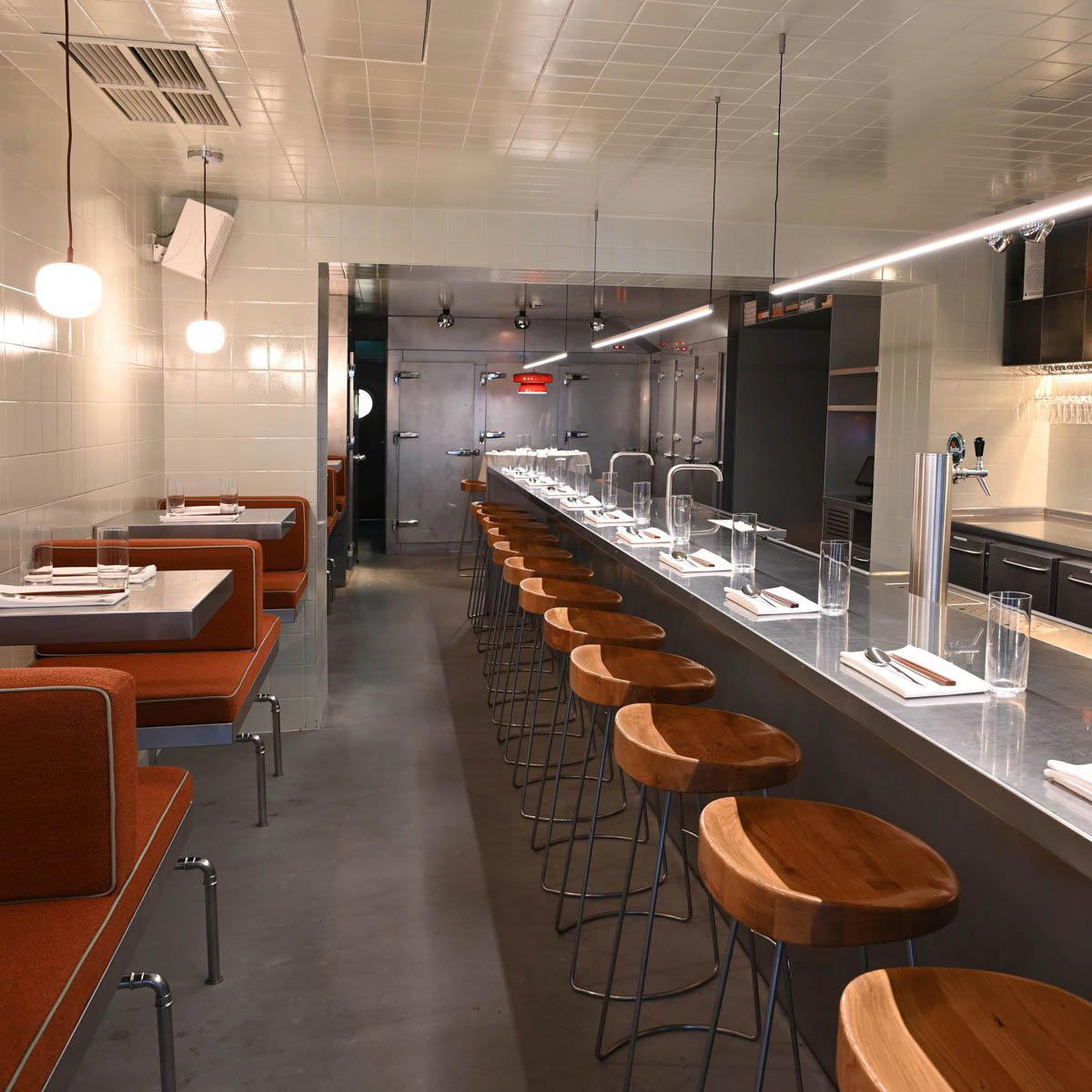
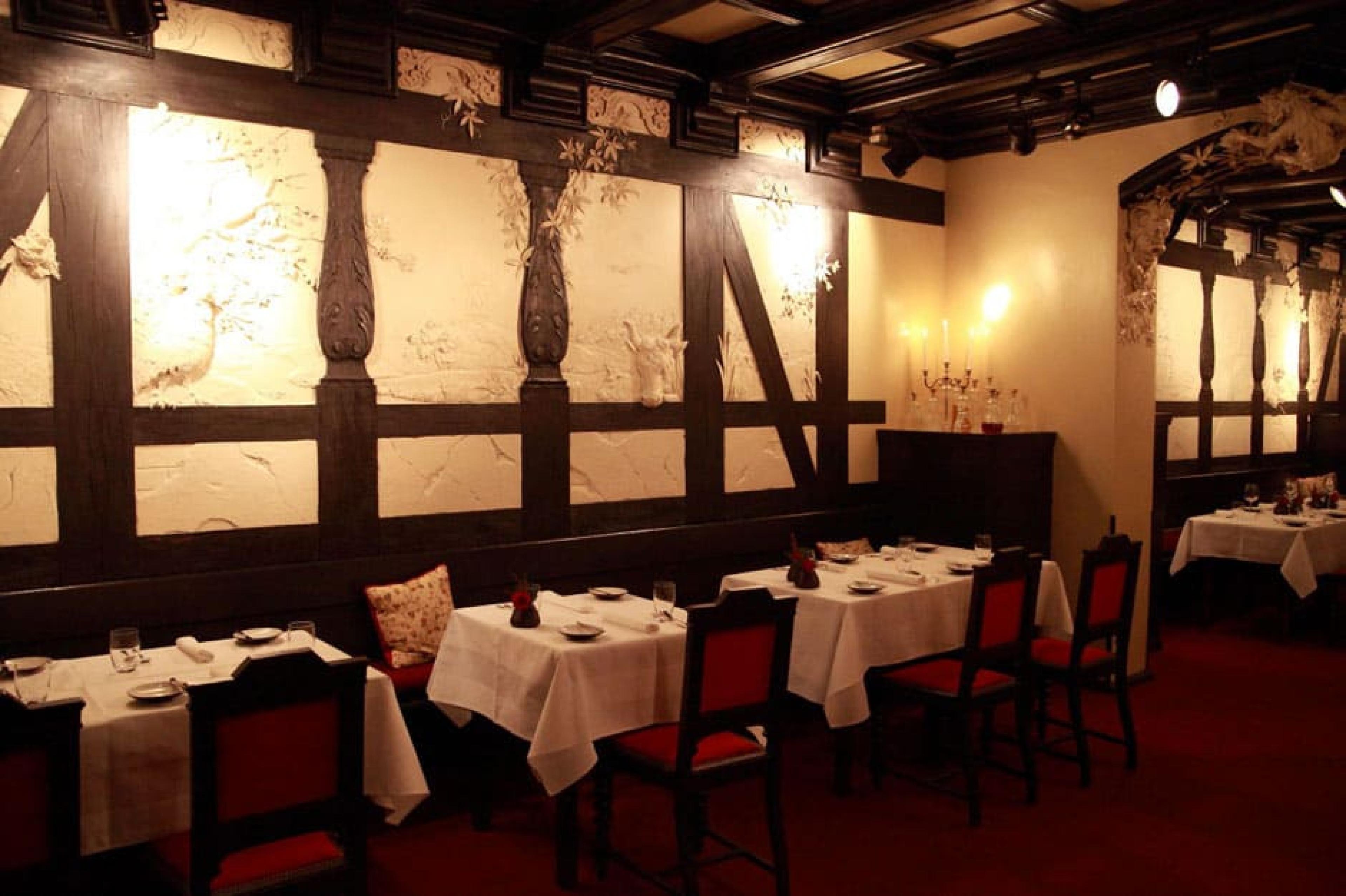
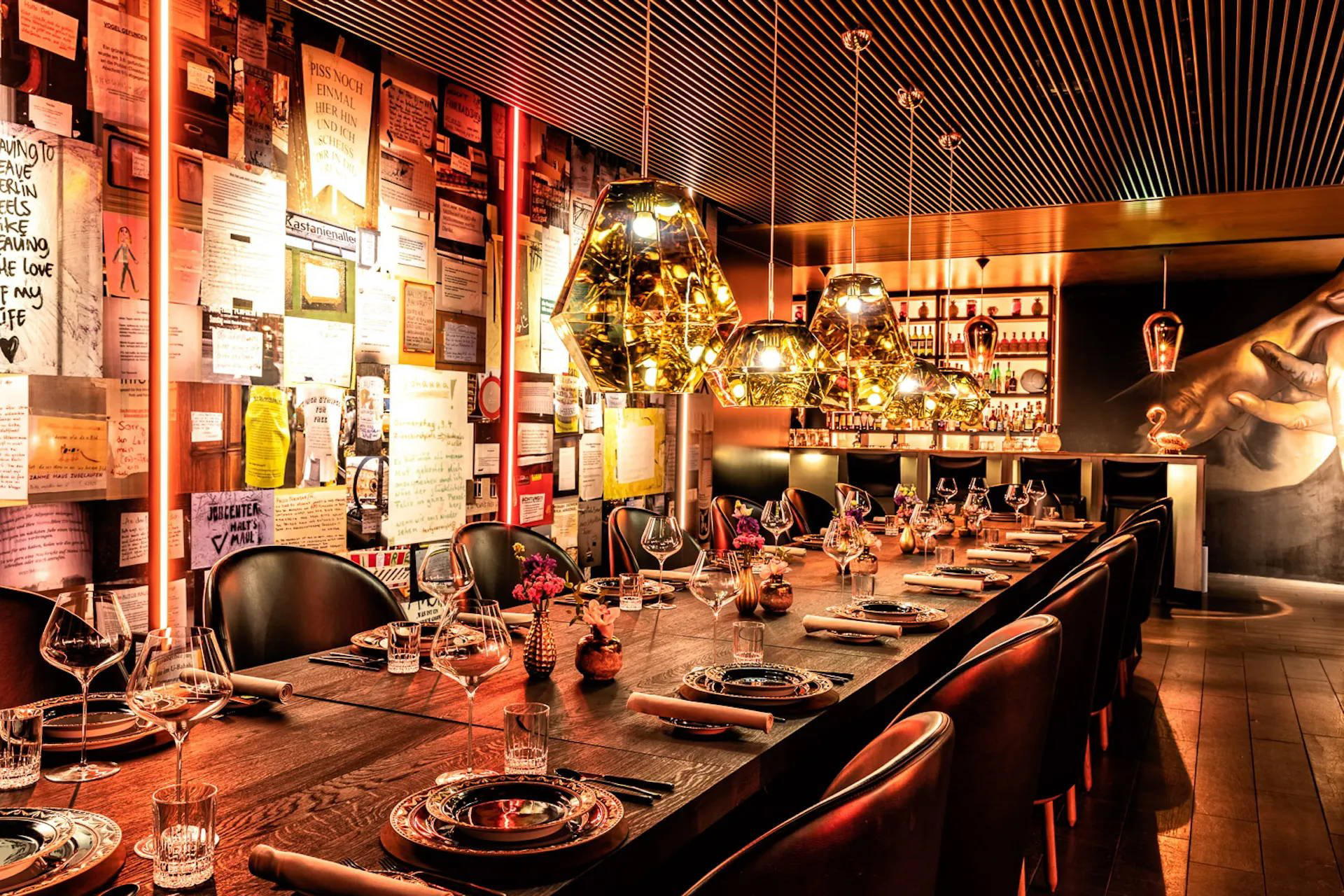
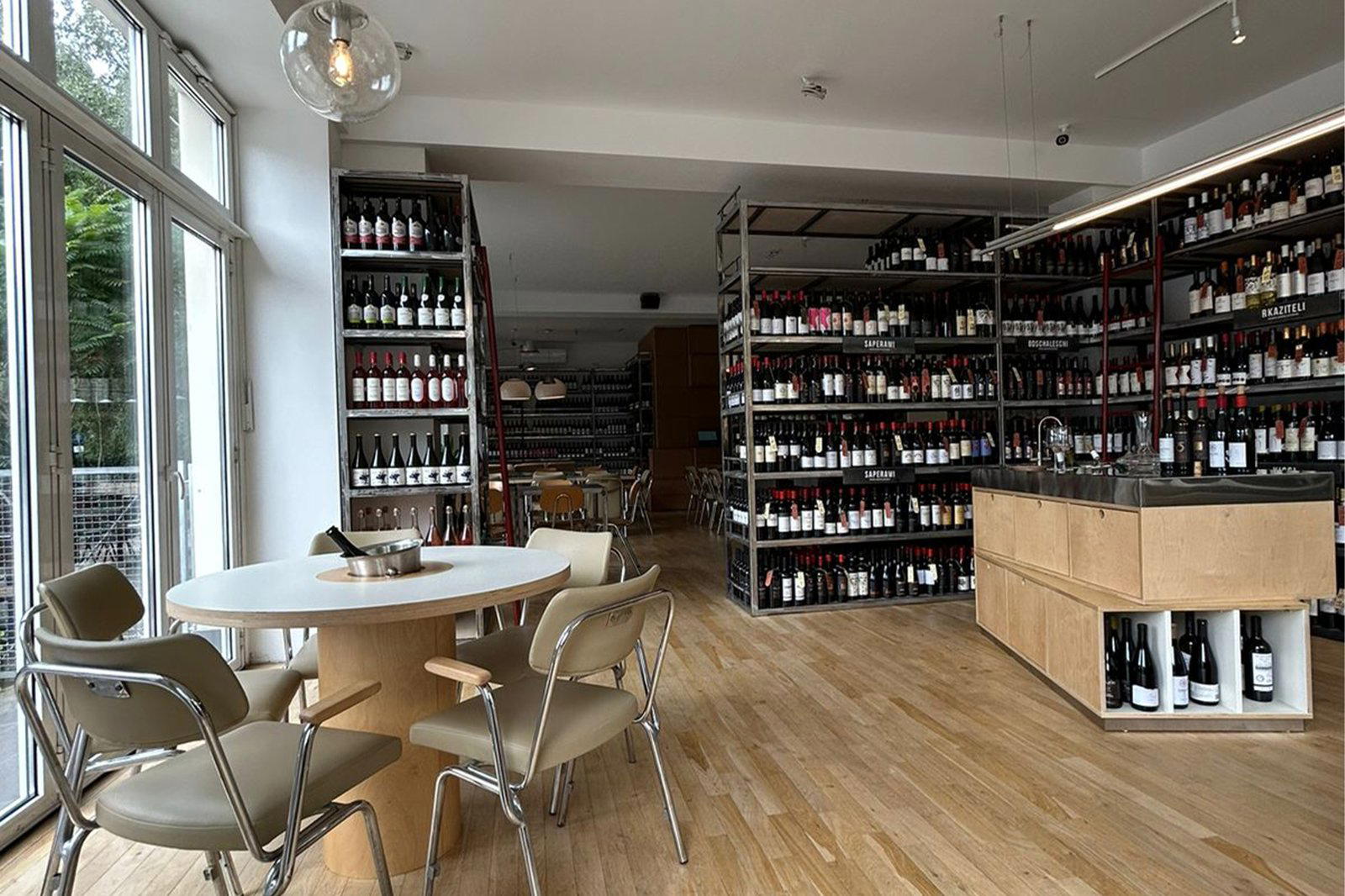
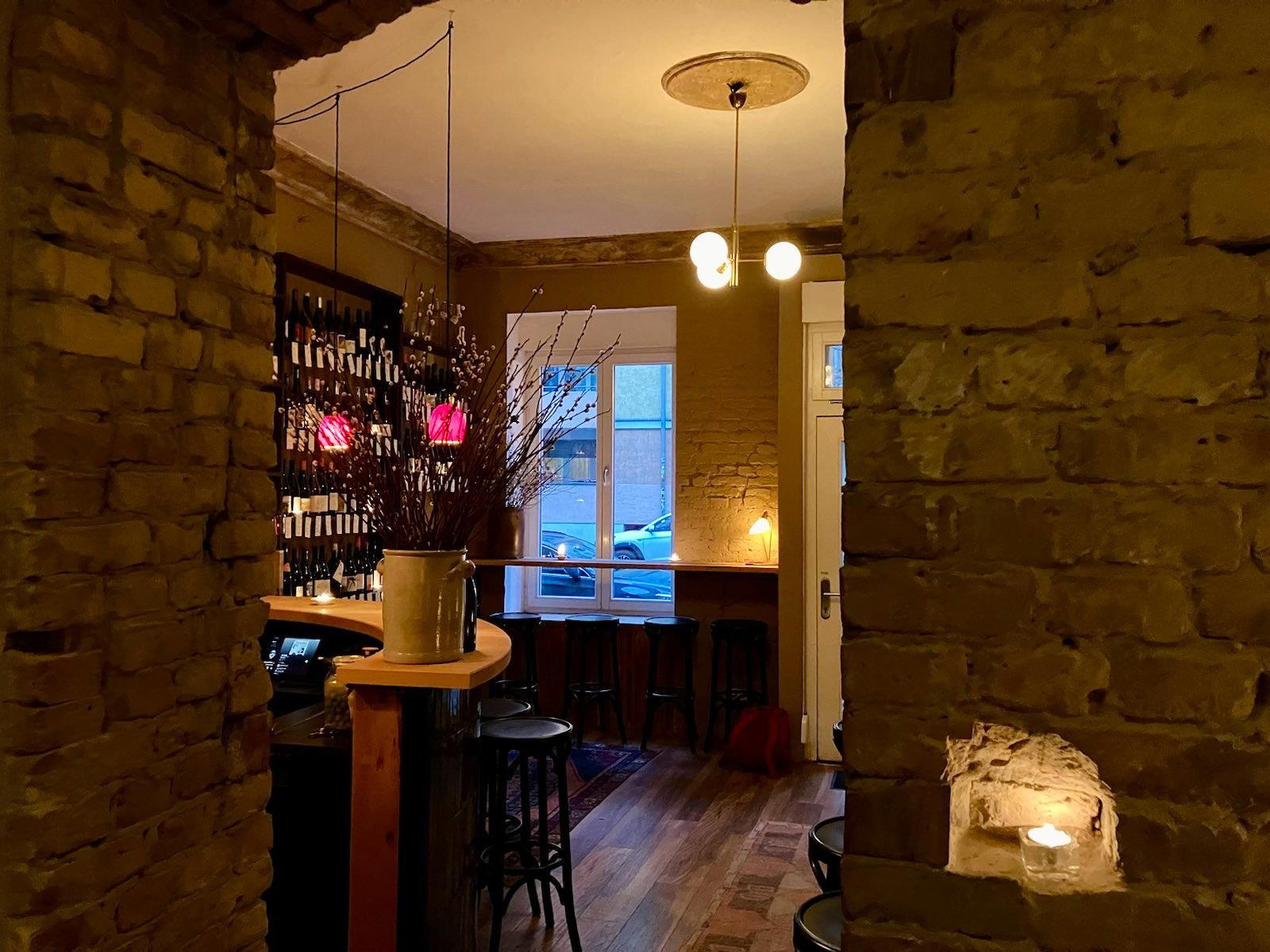
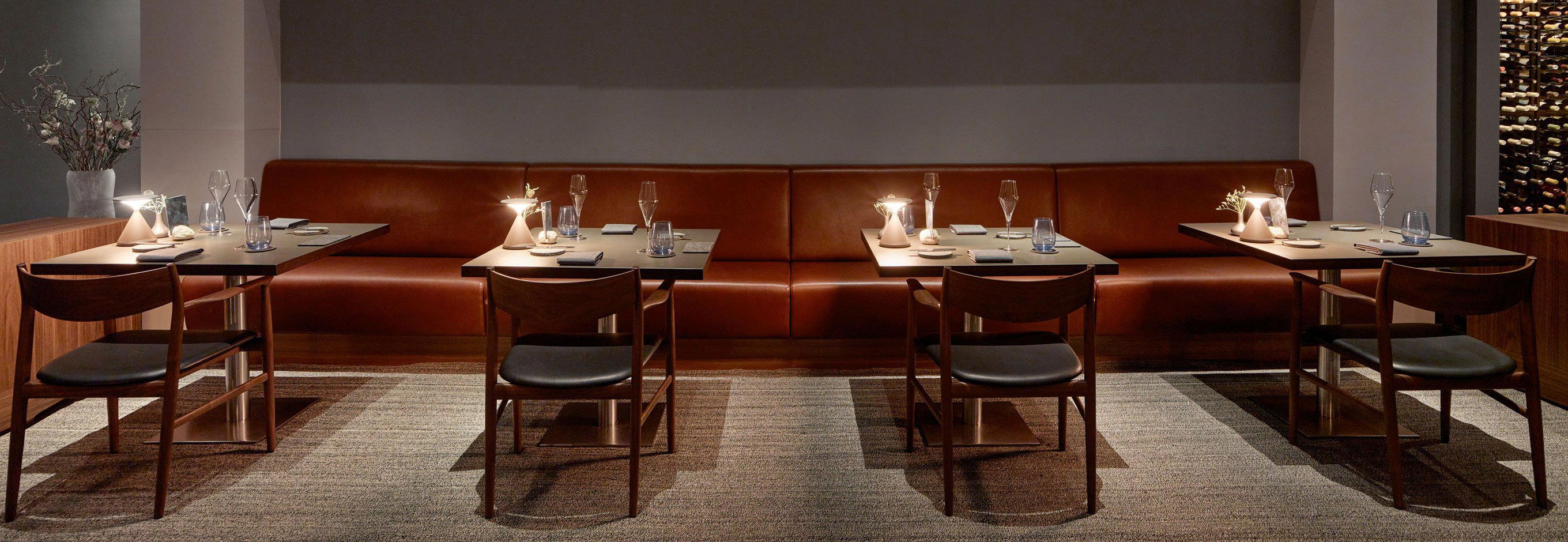
Lo Fūfu sits on Kantstraße 144, inside that concentrated strip, and the building approach signals something intentional. The interior reads as minimalist and urban-cool, which in Berlin's dining vocabulary means restraint over decoration, materials over mood lighting, and counter seating that positions the kitchen as the room's primary feature. This is not a backdrop-for-photographs space. The stainless steel counter that runs the length of the open kitchen is where the room's logic resolves, and it is, straightforwardly, where you want to be.
Itameshi: The Fusion Framework That Makes This Format Work
Itameshi, the contraction of Italia and Nihon, is a culinary tradition that originated in Japan during the 1980s, when Italian food became a cultural touchstone in Tokyo and Japanese chefs began absorbing its techniques and ingredients through a distinctly Japanese sensibility. The result was not a dilution of either cuisine but a hybrid that took Italian structure and applied Japanese precision, restraint, and seasonal thinking to it. The leading itameshi cooking doesn't read as novelty; it reads as a third thing that makes both source traditions legible from a new angle.
Lo Fūfu works within that framework through its 'Omakase Italiano' format: eight to ten small plates presented in a fixed sequence, ingredient-led, with fish and seafood positioned at the centre. The omakase structure matters here for occasion dining specifically. When you are marking something, a birthday, an anniversary, a significant dinner, the fixed menu removes the social friction of choosing and allows the meal to develop its own logic and pace. You arrive with the expectation of being guided, and the kitchen takes on the obligation of making that guidance worth the surrender.
Fish and seafood as the primary thread is both a Japanese instinct and a meaningful editorial commitment. In a Berlin restaurant scene that has built its fine-dining identity largely around land-based proteins and modernist German technique, a counter that orients its entire format around marine ingredients is occupying a distinct position. For reference, Le Bernardin in New York City has spent decades demonstrating how much a single-minded commitment to seafood can define a restaurant's identity and ambition. The restaurant is operating at a different scale and in a different context, but the strategic logic, build around one ingredient family and do it with precision, is recognisably the same.
Counter Seating and the Architecture of a Special Meal
The long stainless steel counter is the room's argument. Counter dining in the omakase tradition is not incidental; it is the format's core claim. You see preparation, timing, and plating in real sequence, which means the meal is not something that arrives from a kitchen you'll never see but a performance, in the original, unsentimental sense, that you observe from proximity. For a celebration dinner, that proximity replaces spectacle with substance. You are not watching a show. You are watching people work with skill, and the distance between watching and eating collapses in ways that a table across a dining room cannot replicate.
Small tables are available for those who prefer a more conventional arrangement, and there is a reasonable case for them: some occasions call for conversation uninterrupted by the pull of the open kitchen, and some groups simply seat better at a table. But if you are dining as a pair and the occasion warrants a meal you will discuss for longer than the evening lasts, the counter is the considered choice.
Where Lo Fūfu Sits in Berlin's Special-Occasion Tier
Berlin's occasion-dining tier now runs from highly formal multi-Michelin addresses to smaller, format-led spots where the menu structure does the work that decor and staffing do elsewhere. CODA Dessert Dining, which built its identity around a savory-to-sweet tasting format, is one model of how a tightly defined menu concept can sustain serious occasion dining at a competitive level. The restaurant is a different version of that logic: a fusion framework that is historically grounded in itameshi, a counter format borrowed from Japanese dining culture, and an ingredient focus that gives the kitchen a clear brief and the diner a clear expectation.
Across Germany's broader fine-dining circuit, the occasion-dinner category includes addresses like Schwarzwaldstube in Baiersbronn, Vendôme in Bergisch Gladbach, Aqua in Wolfsburg, JAN in Munich, ES:SENZ in Grassau, and Restaurant Haerlin in Hamburg, all operating in the formal, high-investment register. The restaurant is not competing in that bracket. What it offers is a meal that feels considered and distinctive without requiring the full ceremonial weight of a multi-Michelin evening. For occasions that warrant more than a neighbourhood dinner but don't call for the whole apparatus of formal fine dining, that middle position is precisely where a restaurant like this is most useful.
Planning the Evening
The restaurant is located at Kantstraße 144 in Charlottenburg, well-served by Berlin's public transport network and within walking distance of the dining and bar options along the broader Kantstraße corridor. Reservations are essential.
Cuisine-First Comparison
Comparable venues nearby, for context on price, style, and recognition.
| Venue | Cuisine | Price | Awards | Notes |
|---|---|---|---|---|
| Lo FūfuThis venue — the venue you are viewing | Omakase Italiano (Japanese-Italian Fusion) | $$$ | Michelin Plate | Not listed |
| Dae Mon | Modern Asian Fusion | $$$ | Michelin Plate | Mitte |
| SWAN&SON | Modern French-Asian Fusion Bistro | $$$ | Michelin Plate | Charlottenburg |
| Baret | Modern International with Indonesian Influences | $$$ | Not listed | Museuminsel |
| Sky Kitchen | Modern Fusion Cuisine | $$$$ | Not listed | Fennpfuhl |
| MaMi's | Modern Fusion Sharing Plates | $$$ | Bib Gourmand | Prenzlauer Berg |
Recognition history
Dated appearances from independent guides and award organizations, with the underlying list record or original source where available.
Michelin Plate
Michelin · 2026 Michelin Plate
At a Glance
- Minimalist
- Modern
- Sophisticated
- Elegant
- Trendy
- Date Night
- Special Occasion
- Chefs Counter
- Open Kitchen
- Sake Program
- Craft Cocktails
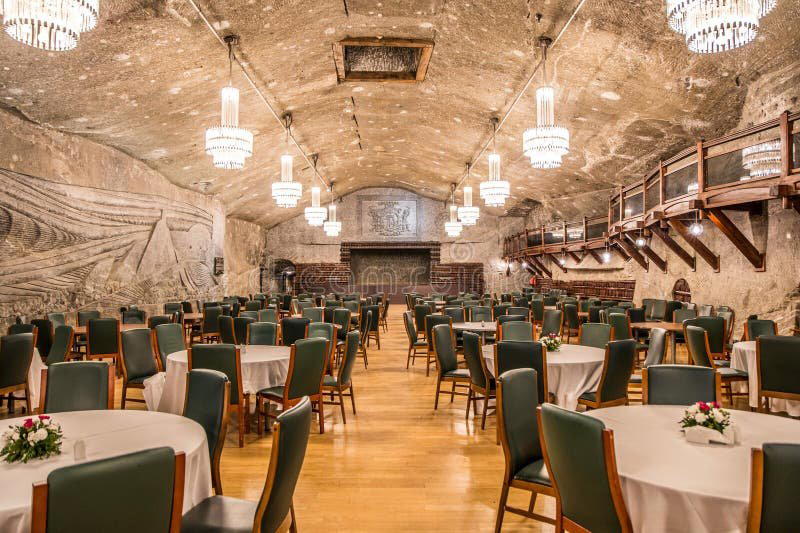
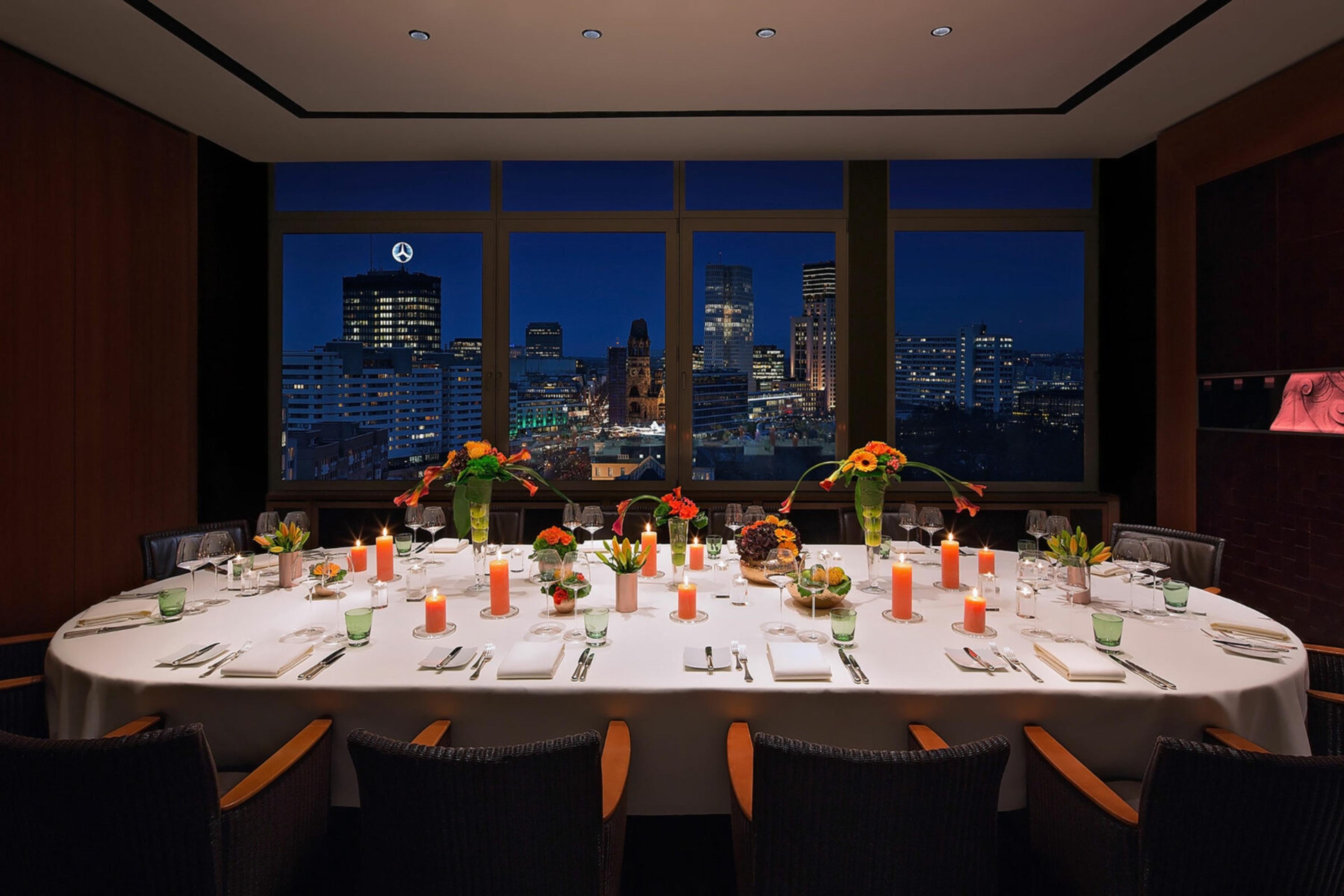
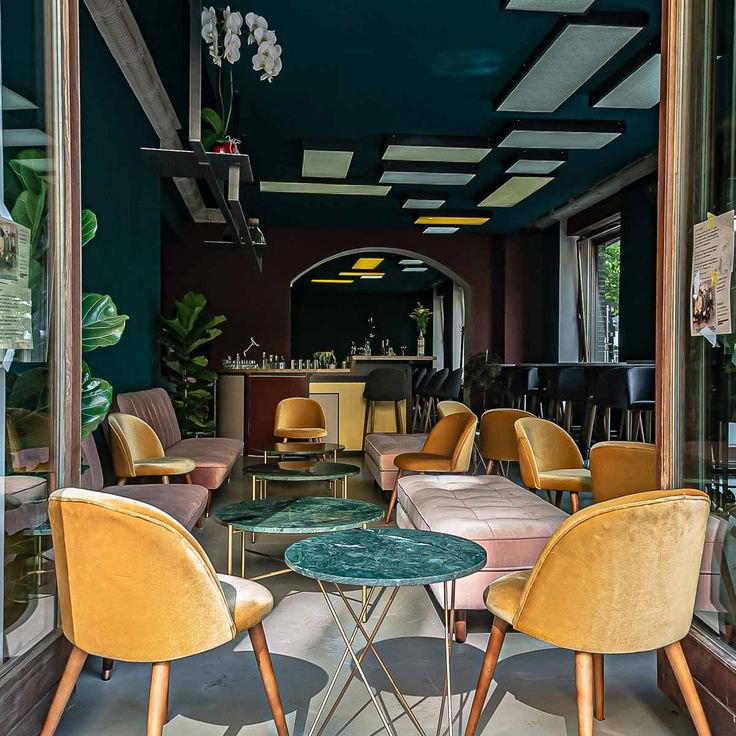
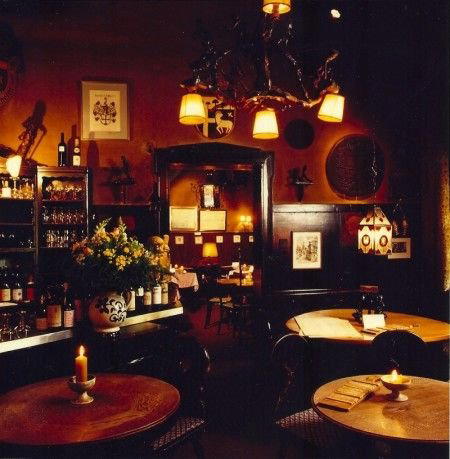
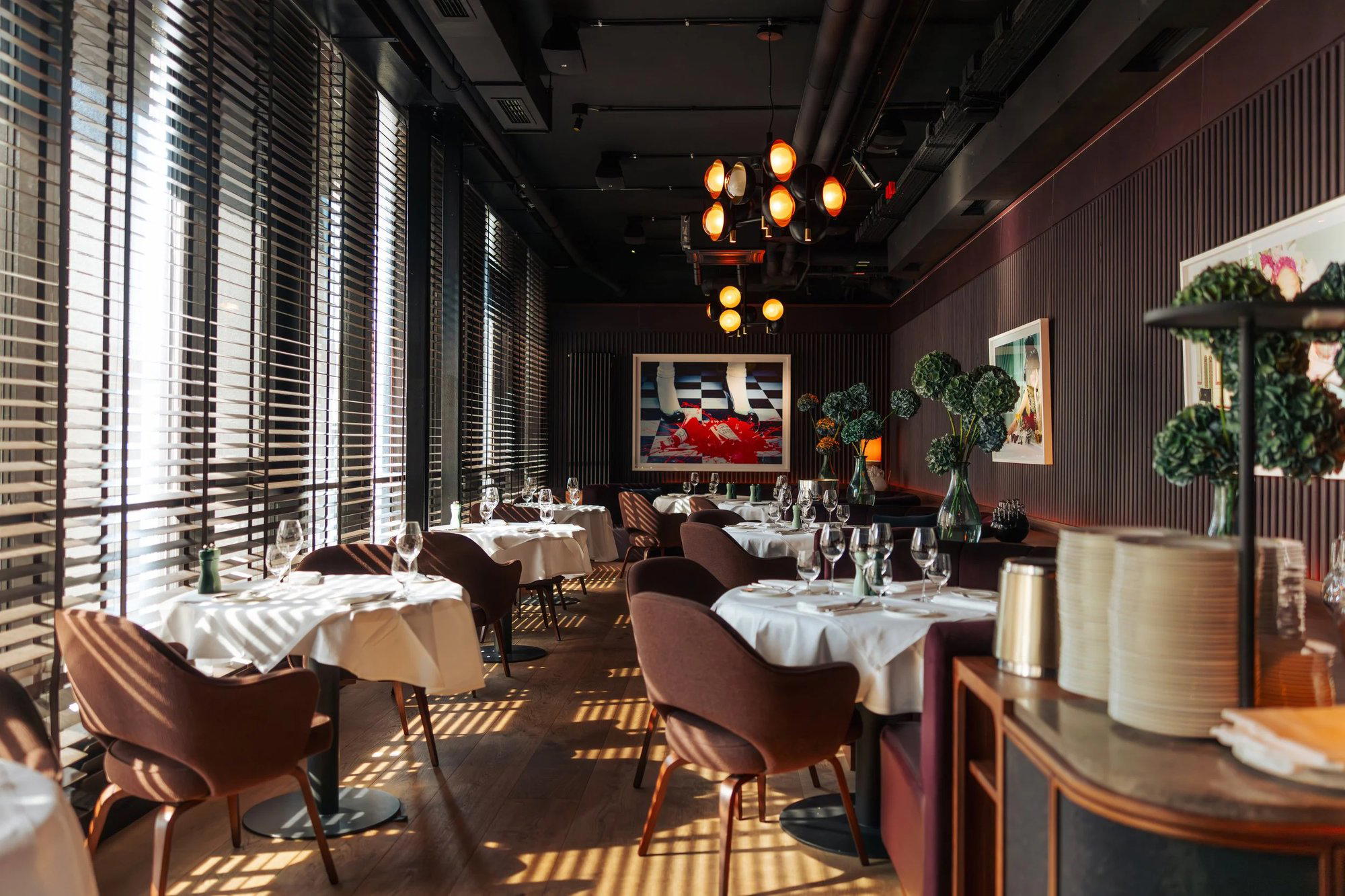
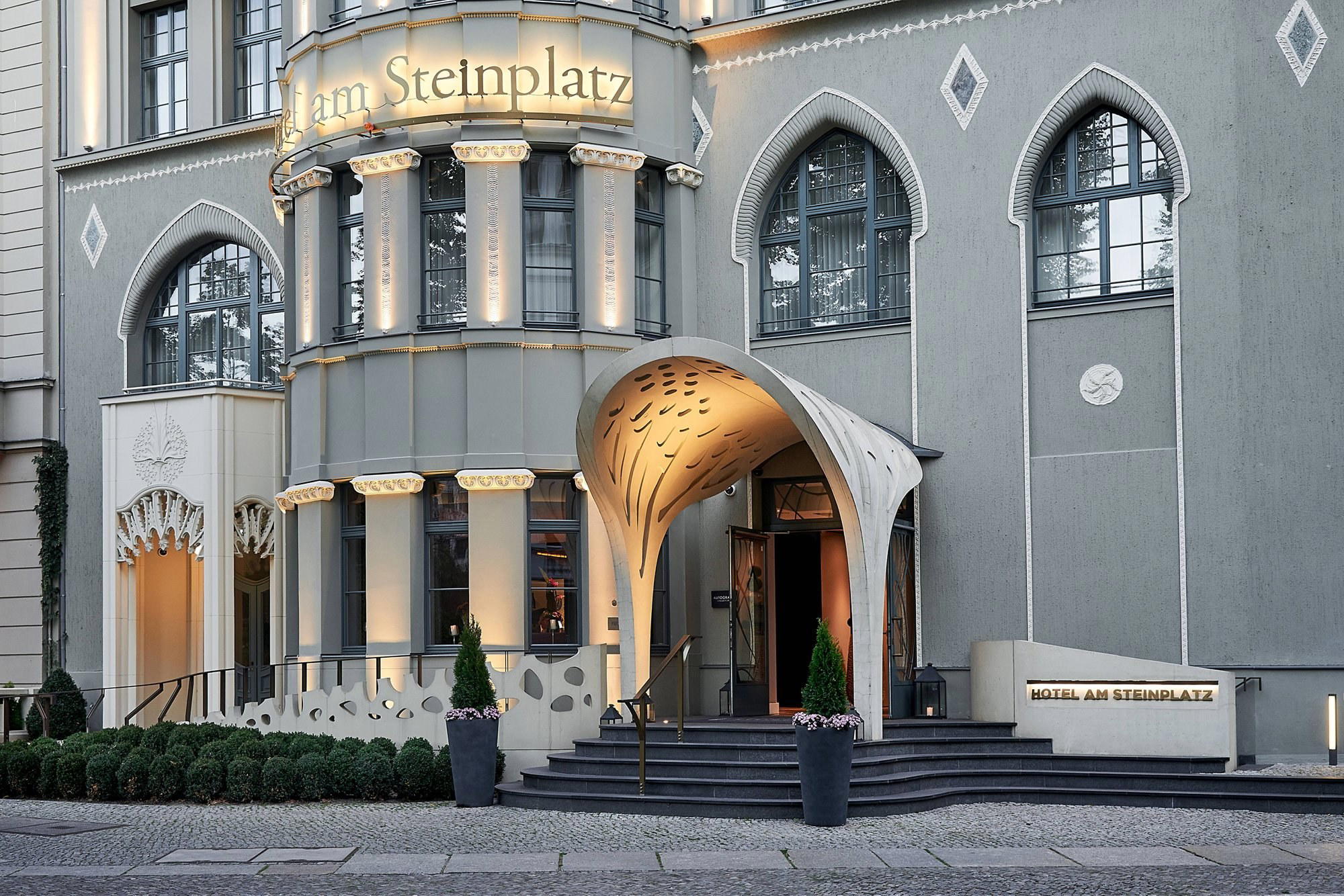
Chic mid-century style with velvet-upholstered chairs, green leather benches, black shiny tables, herringbone parquet flooring, and chandelier lighting; minimalist urban-cool housed in a boutique hotel.