
SWAN&SON on Giesebrechtstraße brings restaurateur Björn Swanson's modern bistro format to Charlottenburg, blending classical French technique with Japanese influence in a clean-lined room with a street-facing terrace. Dishes like black cod with soy beurre blanc and tonkatsu-style cordon bleu place it in Berlin's more accessible end of the creative-cooking spectrum. Lunch offers a simpler, more affordable entry point.
- Address
- Giesebrechtstraße 3
- Phone
- +49 160 93277462
- Website
- swanson-bistro.com
- Directions
- Get directions
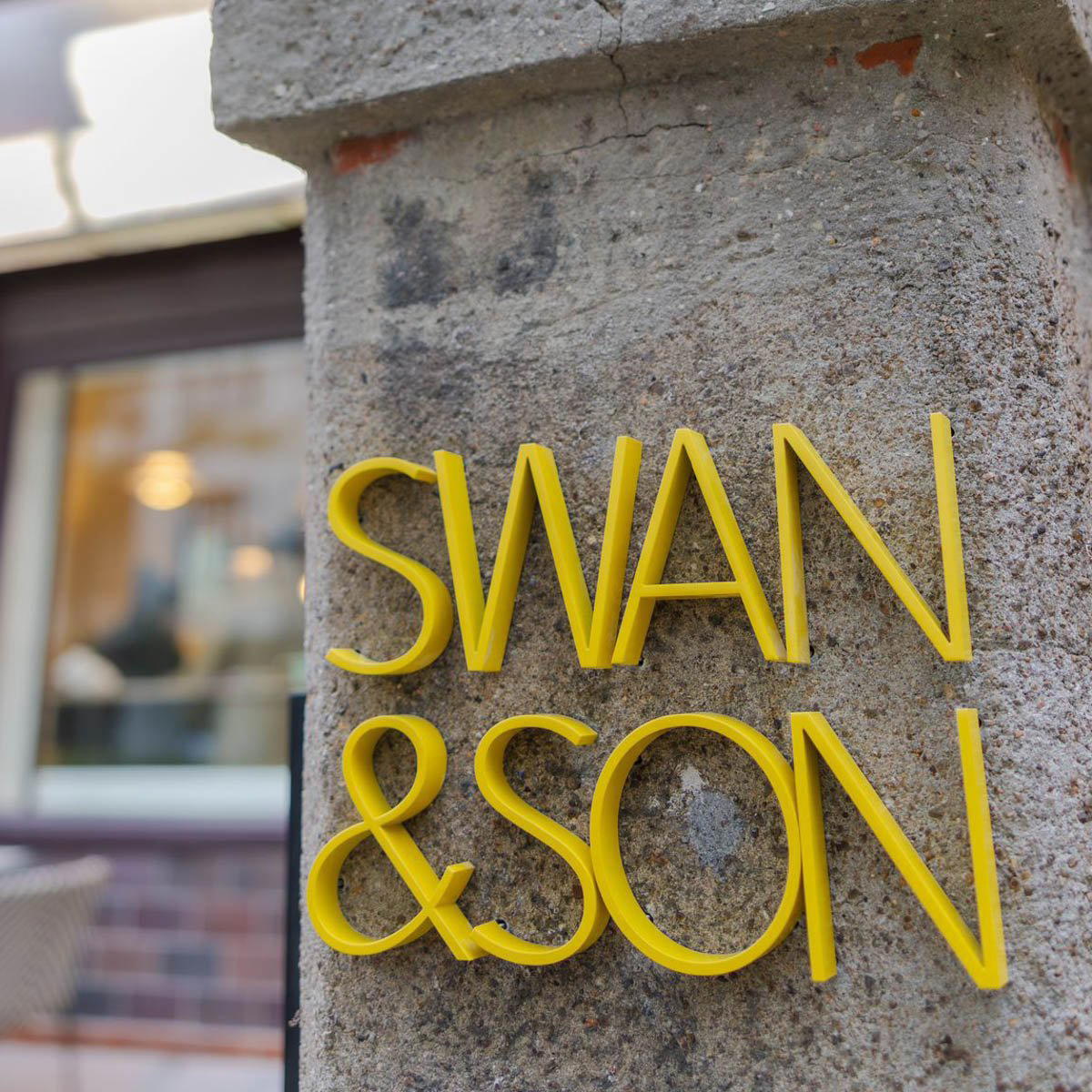
A Charlottenburg Address With a Distinct Point of View
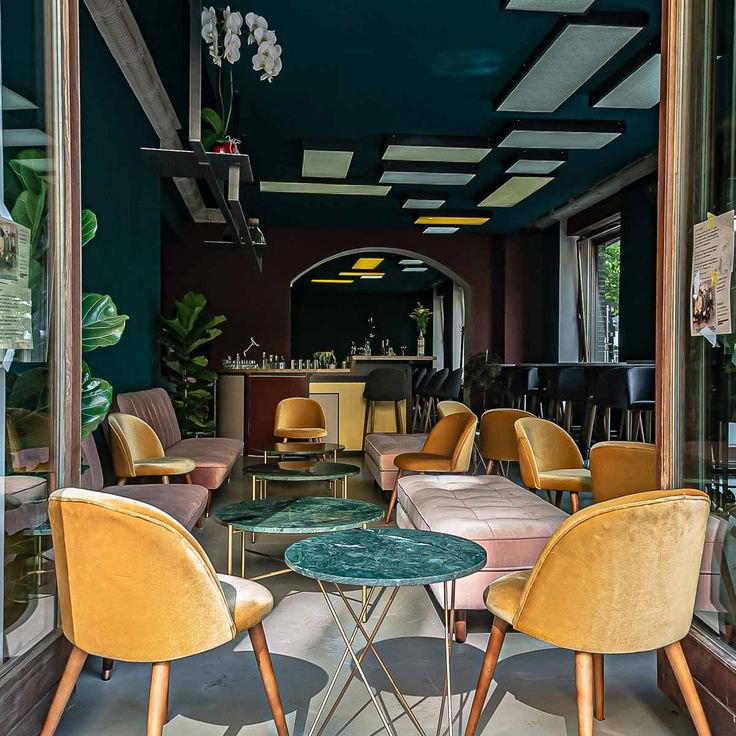
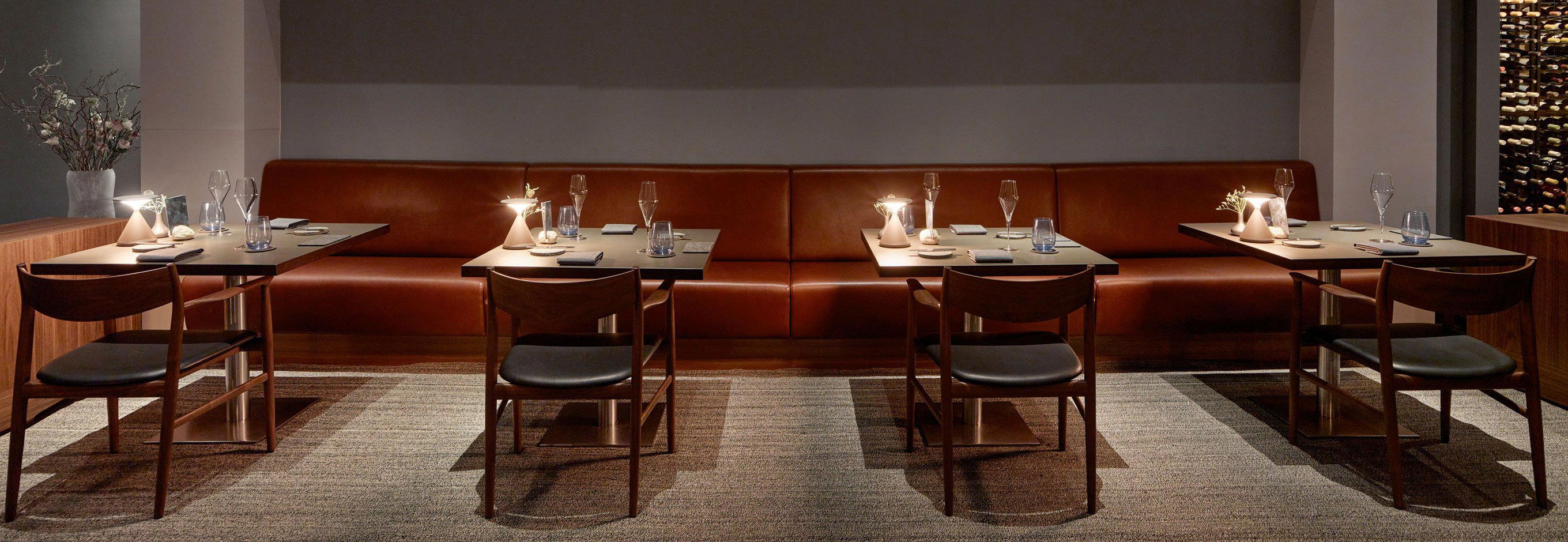
Giesebrechtstraße 3 sits in the quieter residential grid of Charlottenburg, a neighbourhood whose dining culture has historically skewed towards established, unhurried rooms rather than the revolving-door energy of Mitte or the experimental fringe of Neukölln. SWAN&SON; fits that register: a clean-lined space with a terrace that extends onto the pavement, the kind of set-up that signals considered informality rather than either casual indifference or full-dress ceremony. Approaching on foot, the room reads as deliberate, unfussy materials, clear sightlines, nothing competing for your attention before you've even sat down.
Berlin's creative dining tier has bifurcated sharply over the past decade. At one end, the city's Michelin-recognised rooms, Rutz, FACIL, Nobelhart & Schmutzig, and CODA Dessert Dining, operate in the €€€€ bracket, with tasting menus and booking lead times to match. At the other, a smaller group of restaurants has carved out space for creative cooking without the full ceremony of a progression menu. SWAN&SON; positions itself in that middle tier: technically informed, ingredient-led, but structured around à la carte accessibility rather than orchestrated sequences.
The Cooking: French Architecture, Japanese Vocabulary
The Franco-Japanese synthesis that SWAN&SON; works with is not a novel idea in European fine dining, it has been a recognisable strand since at least the 1980s, when French kitchens began absorbing Japanese precision and restraint into classical brigade structures. What matters is where on that spectrum a kitchen lands. Here, the approach reads as genuine integration rather than surface-level borrowing. Black cod with sesame, spinach, and soy beurre blanc places a Japanese ingredient and seasoning logic inside a French sauce format. The cordon bleu prepared tonkatsu-style with shiitake cream and cucumber salad works the same direction in reverse: a European comfort-food archetype rebuilt with Japanese breadcrumb technique and umami-forward accompaniments.
These are dishes that reward familiarity with both traditions without requiring it. A diner who knows their beurre blanc will register what soy does to its acidity and richness. A diner who knows their tonkatsu will understand the textural logic of the crumb. Either way, the food communicates. That legibility is an editorial choice as much as a culinary one, it keeps SWAN&SON; readable to a wide audience while maintaining enough technique to hold interest across multiple visits.
For context on how Berlin's creative cooking scene places globally, that particularly technically rigorous Franco-Japanese kitchens are outside Germany entirely, Le Bernardin in New York City represents the gold standard for French seafood with Japanese discipline, while Germany's own multi-starred rooms, from Aqua in Wolfsburg to Schwarzwaldstube in Baiersbronn, operate at considerably higher formality and price points. SWAN&SON; is not competing in that register, and the positioning is honest about that.
Björn Swanson and the faelt Lineage
Berlin's restaurant culture has a reasonably short memory for venues that close, but faelt, Swanson's Schöneberg address, made enough of an impression that its name still functions as a credential in conversation about the city's more considered cooking. That background is relevant not as biographical colour but as a signal about consistency: the same sensibility that shaped faelt's reception is legible in SWAN&SON;'s register. Restaurateurs who build credibility in one neighbourhood before opening elsewhere in the same city are working with accumulated goodwill as much as capital, and Berlin's dining community tracks those lineages with some care.
Germany's broader fine-dining circuit includes names like Vendôme in Bergisch Gladbach, JAN in Munich, and ES:SENZ in Grassau, all operating at a register of formality and commitment that SWAN&SON; does not seek to match. The Berlin analogue for that level of ambition sits with Restaurant Tim Raue, whose two Michelin stars and China-inflected cooking have defined the city's high end for years. SWAN&SON; is not in conversation with that tier. It occupies a different, more useful role: the kind of creative-but-accessible address a Berlin resident returns to regularly rather than reserves for occasions.
Planning a Visit: What to Know Before You Go
SWAN&SON; operates a dual-format offering that has practical implications for how you approach booking. The lunch service runs a simpler, more affordable menu, a sensible entry point if you want to assess the kitchen without committing to an evening's full spend. The dinner format is where the Franco-Japanese synthesis comes through most clearly, with dishes like the black cod and the tonkatsu cordon bleu anchoring the menu. The terrace at the front of the building is a draw when weather allows; Charlottenburg's relative quiet compared to more trafficked Berlin neighbourhoods means it functions as a proper outdoor room rather than a pavement afterthought.
Checking directly before planning is advisable. Given the venue's Charlottenburg address and the Swanson name's standing in Berlin dining, table availability at peak dinner hours should be treated as something to confirm rather than assume. Lunch is the lower-friction option for spontaneous visits.
For broader context on eating and drinking well across the city, EP Club's full Berlin restaurants guide, bars guide, hotels guide, wineries guide, and experiences guide cover the city's full range. For Hamburg comparison, Restaurant Haerlin represents the northern German fine-dining benchmark. And for a different register of creative cooking in New Orleans, Emeril's shows how accessible-but-serious cooking can build durable cultural standing in a city with a strong dining identity, a parallel that Berlin, increasingly, is developing for itself.
Cost and Credentials
Comparable venues nearby, for context on price, style, and recognition.
| Venue | Cuisine | Price | Awards | Notes |
|---|---|---|---|---|
| SWAN&SONThis venue — the venue you are viewing | Not listed | $$$ | Michelin Plate | Not listed |
| KINK Bar & Restaurant | Not listed | $$$ | Michelin Plate | Prenzlauer Berg, Modern Fusion Small Plates |
| Moon Exquisite | Mitte, Southeast Asian-European Fusion | $$$ | Not listed | Not listed |
| Blend Restaurant | Tiergarten, International Fusion | $$$ | Not listed | Not listed |
| Kitchen Library | Not listed | $$$ | Michelin Plate | Charlottenburg, Modern French Artisan Cuisine |
| Diekmann | Charlottenburg, Franco-German Bistro | $$$ | Michelin Plate | Not listed |
Recognition history
Dated appearances from independent guides and award organizations, with the underlying list record or original source where available.
Michelin Plate
Michelin · 2026 Michelin Plate
At a Glance
- Elegant
- Modern
- Sophisticated
- Intimate
- Date Night
- Business Dinner
- Celebration
- Special Occasion
- Private Event
- Private Dining
- Terrace
- Historic Building
- Design Destination
- Standalone
- Craft Cocktails
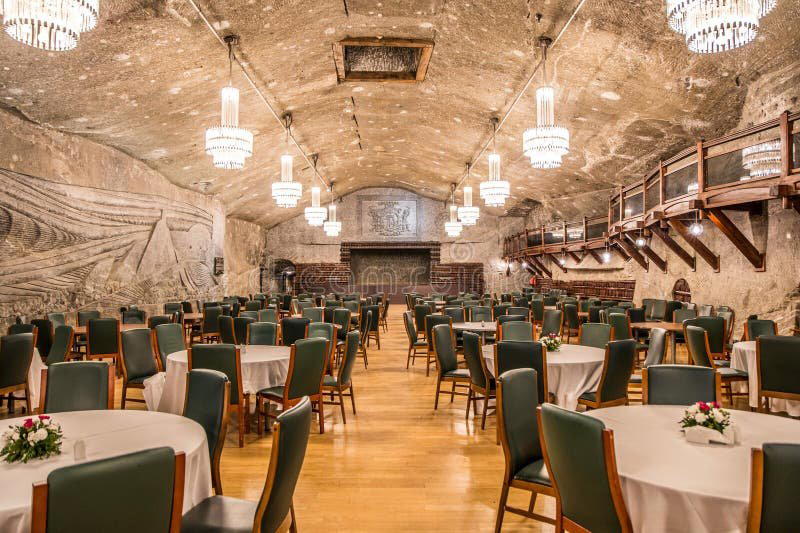
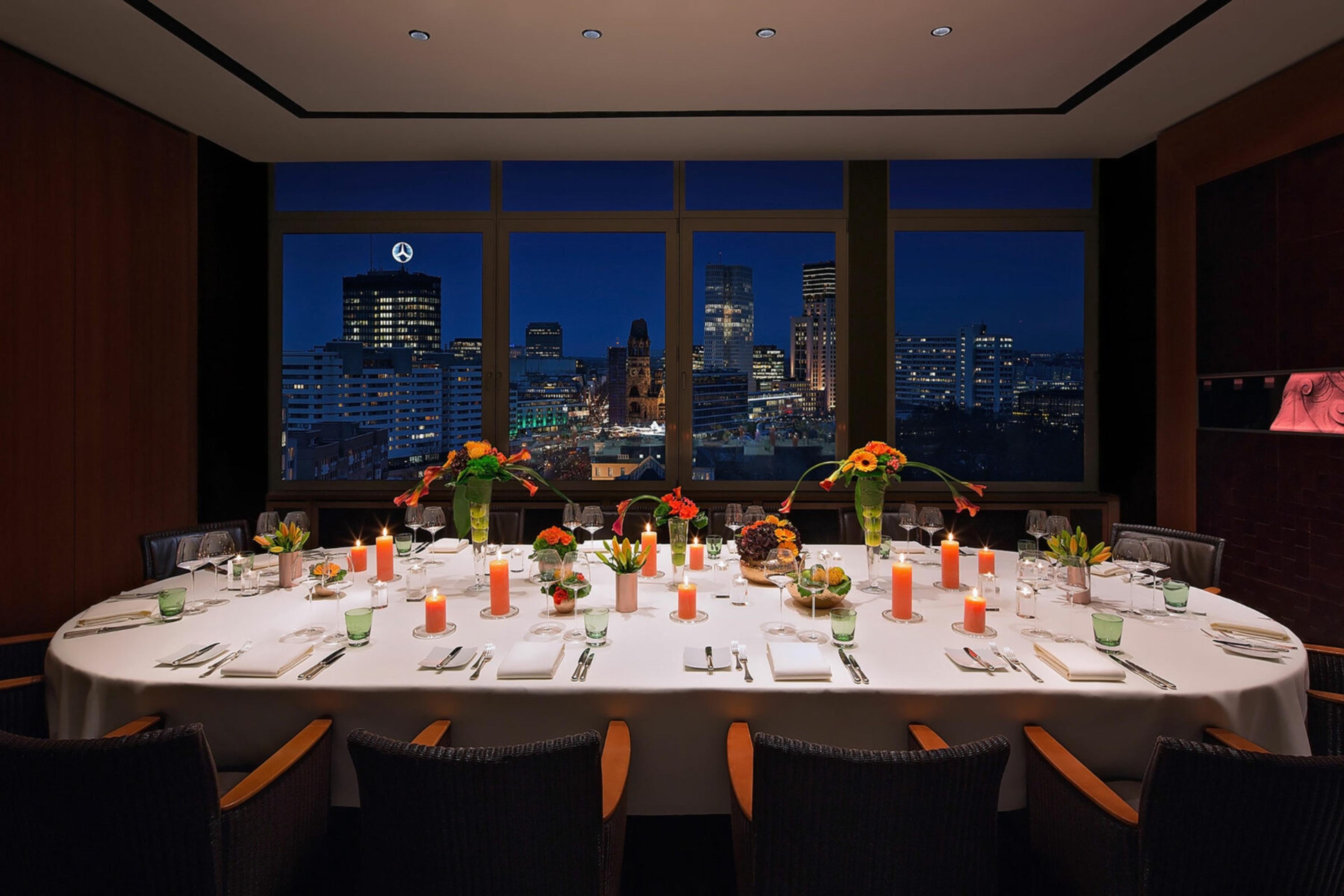
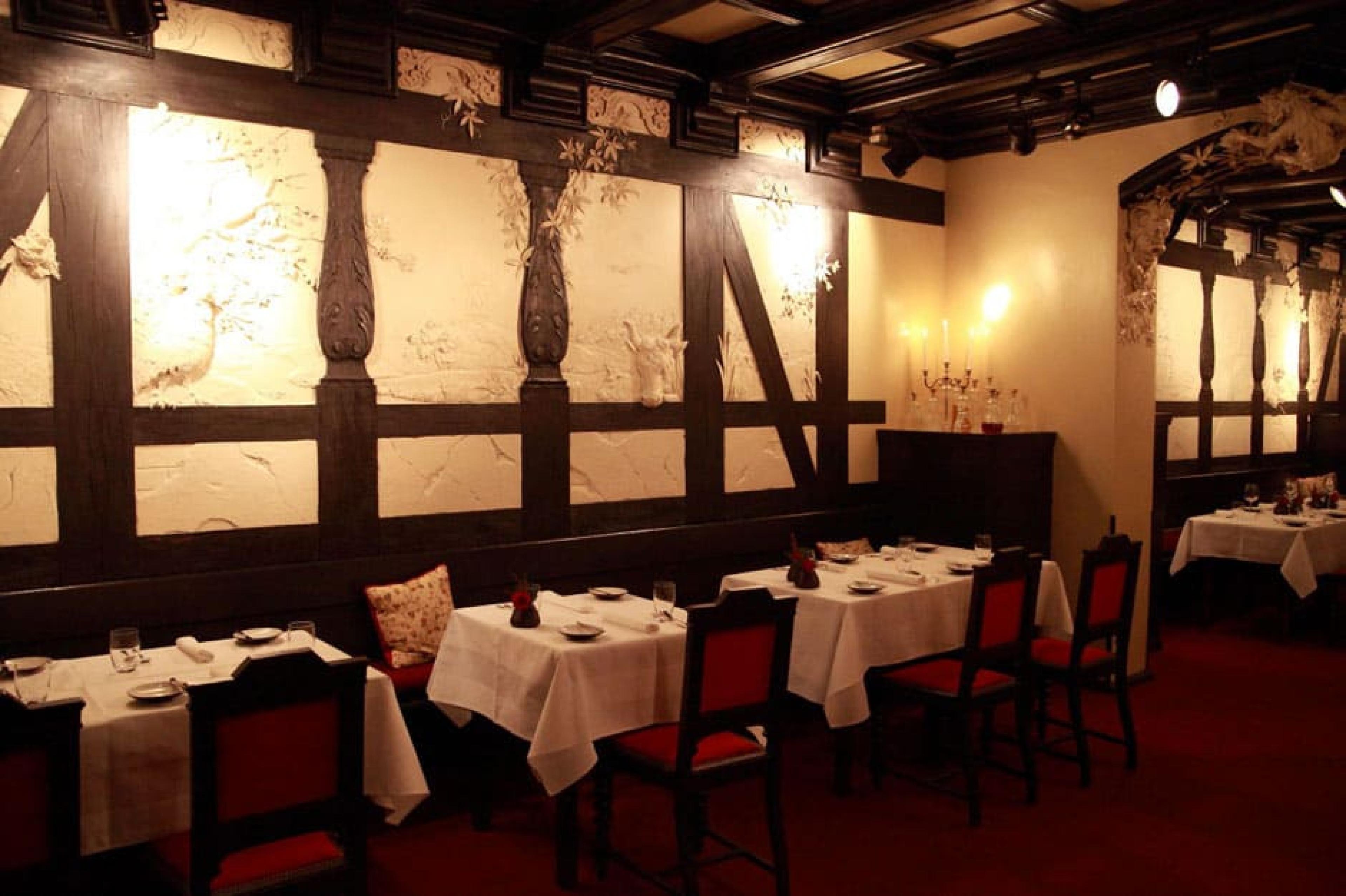
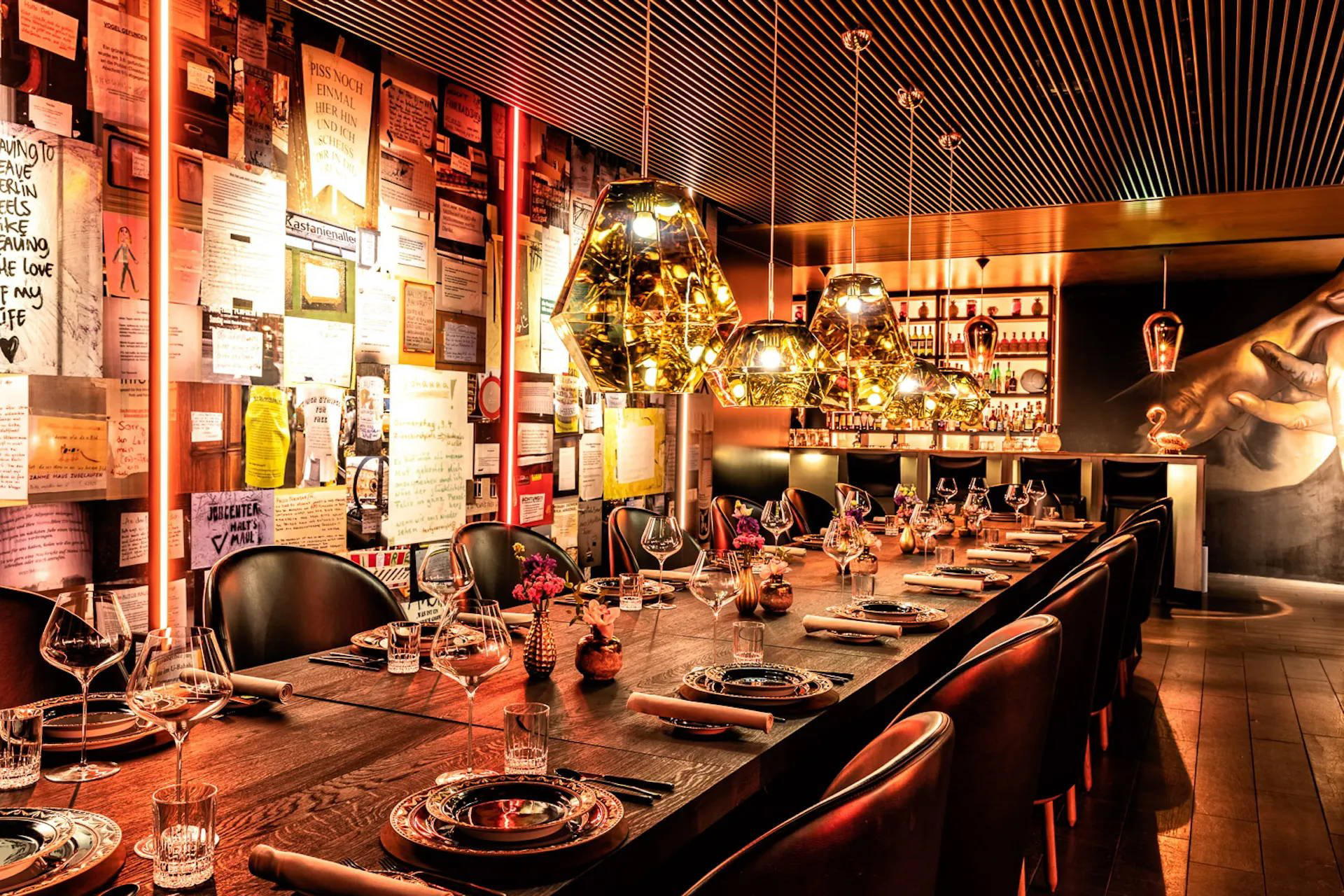
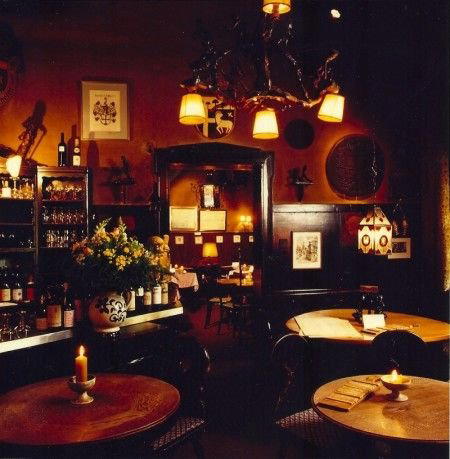
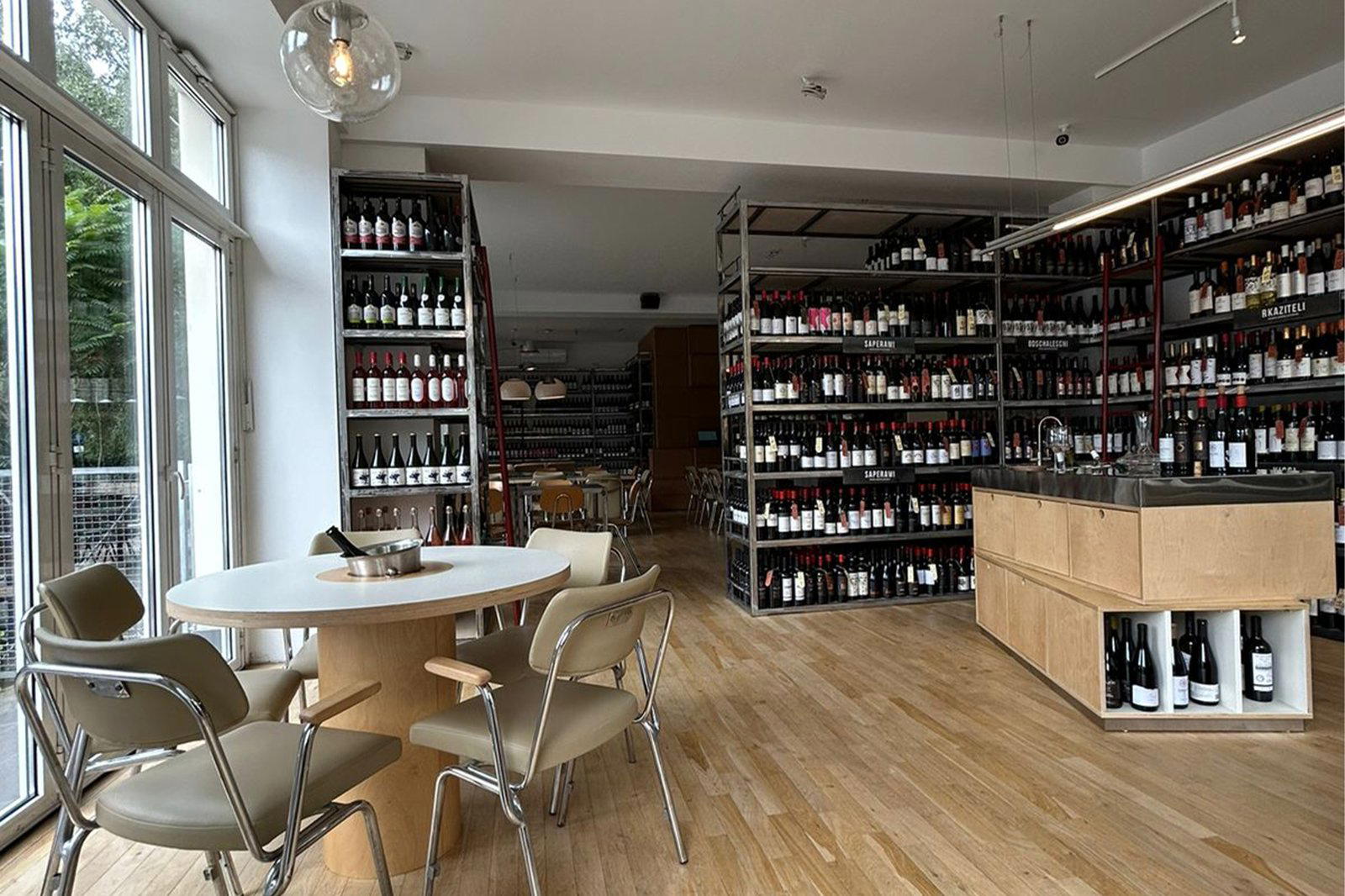
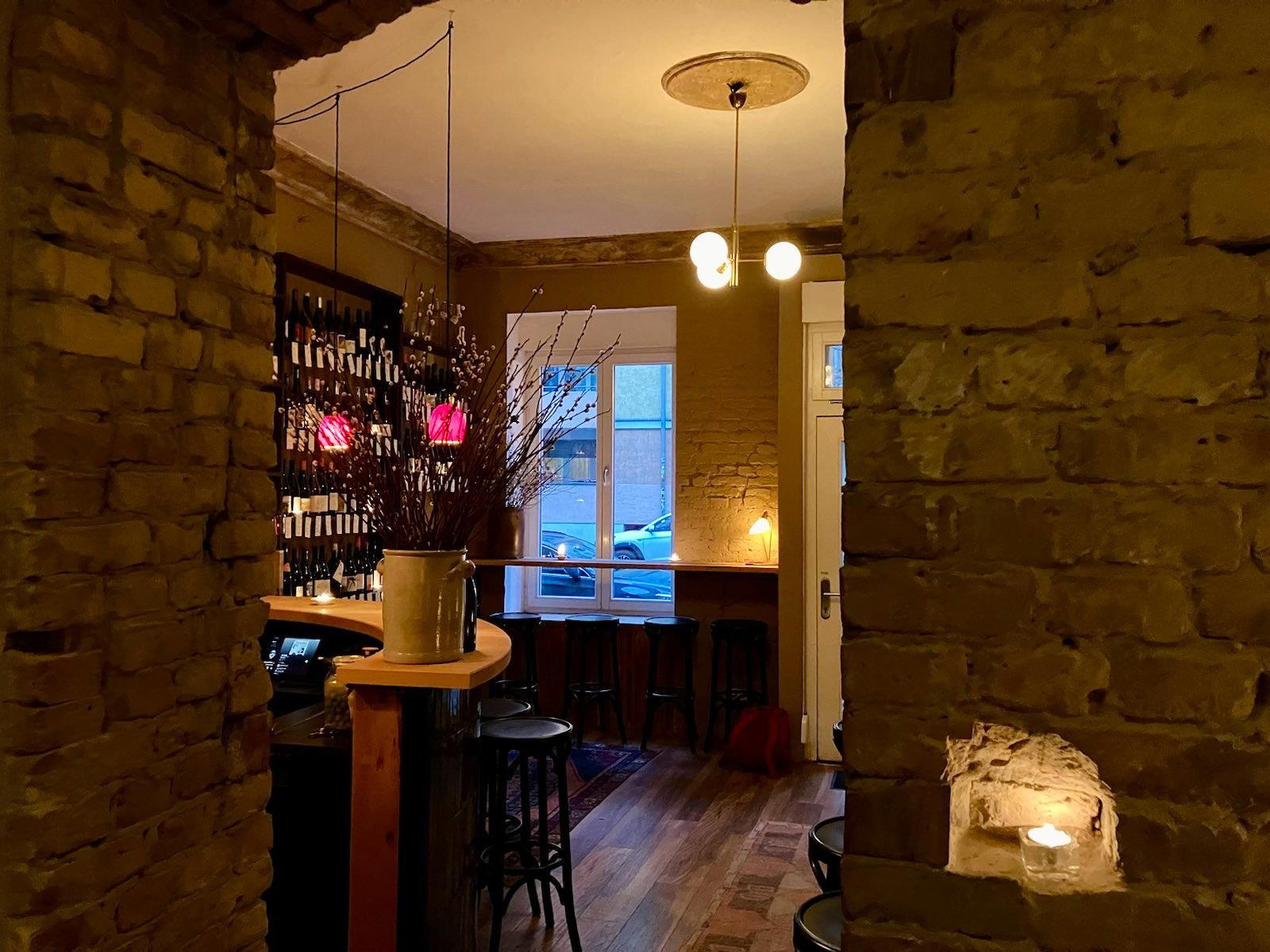
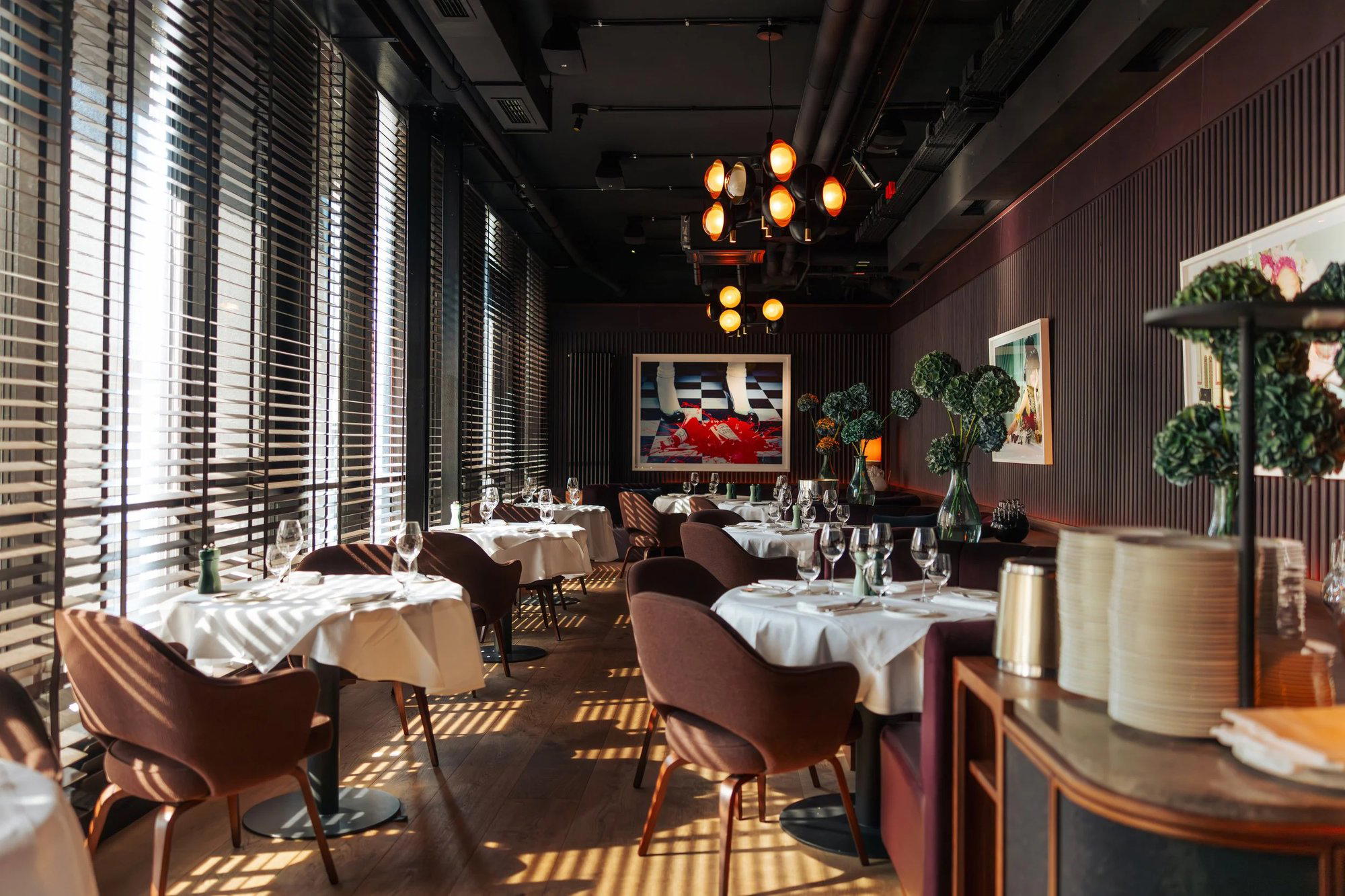
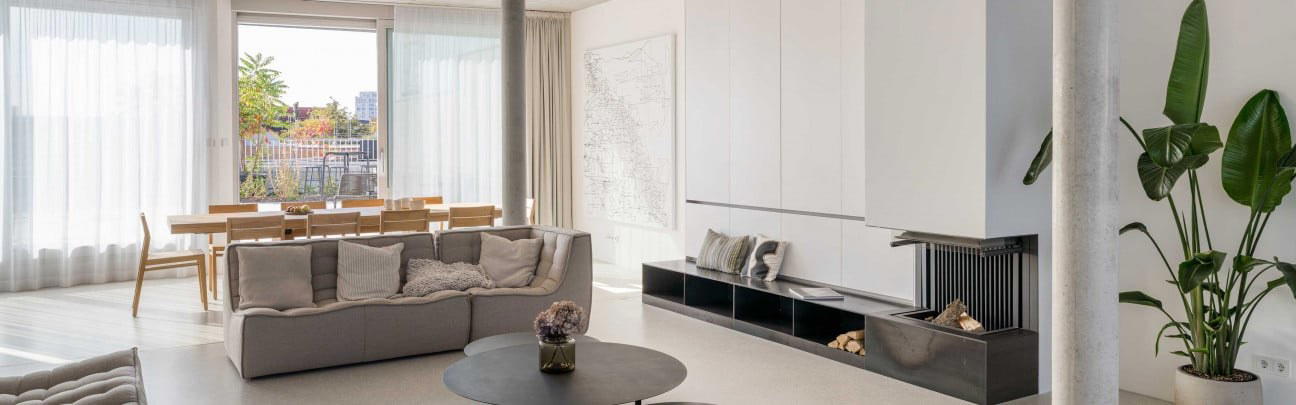
Clean-lined chic interior designed in late 1960s and early 1970s style; warm, relaxed, and contemporary atmosphere with an elegant yet casual vibe