

Michelin Plate · We're Smart World 4 Radishes
Our verdict
On Linienstraße in Mitte, 136 brings a Peruvian-Italian fusion framework to Berlin's plant-forward dining conversation, earning consecutive Michelin Plates in 2024 and 2025 alongside recognition from the We're Smart Green Guide. Chef Matias Diaz Silva steers a kitchen where produce sourcing and cross-continental flavor logic sit at the centre of the menu, priced at the top tier of Berlin's creative dining bracket.

Pearl is the En Primeur Club membership app, where members save venues, book tables and use the concierge.
Where Mitte's Plant-Forward Scene Finds Its Most Ambitious Expression
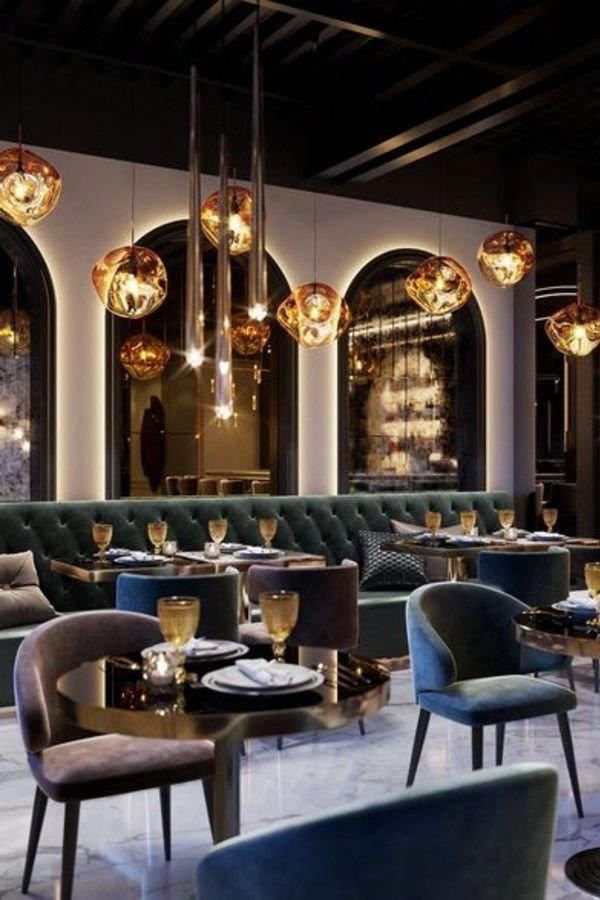
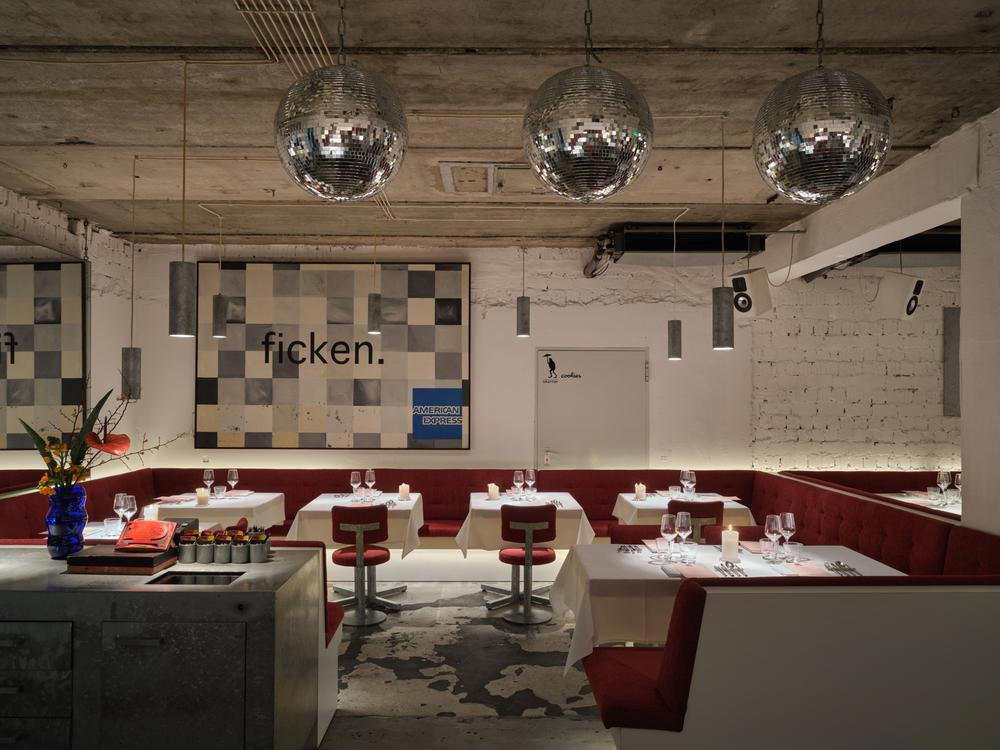
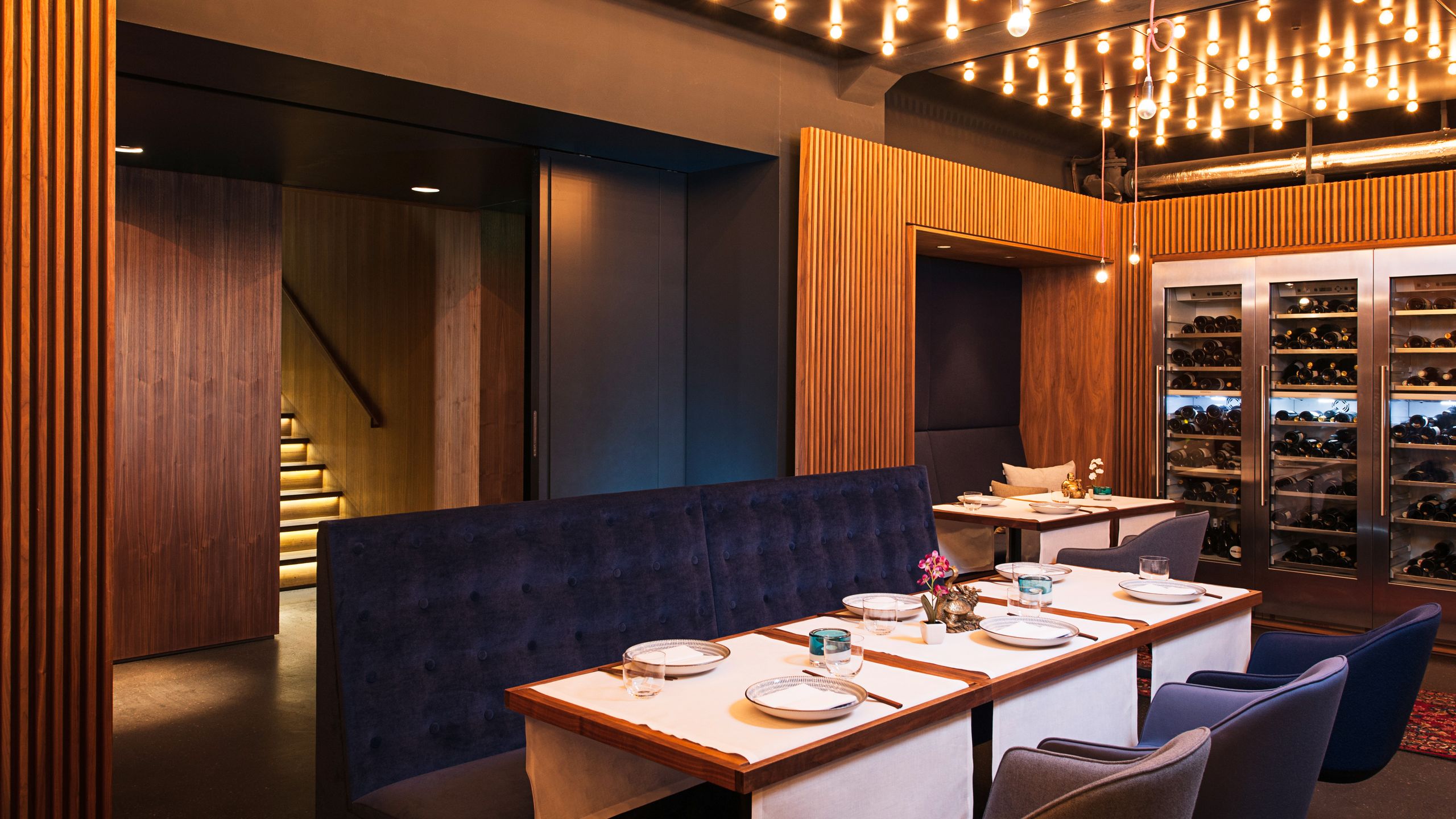
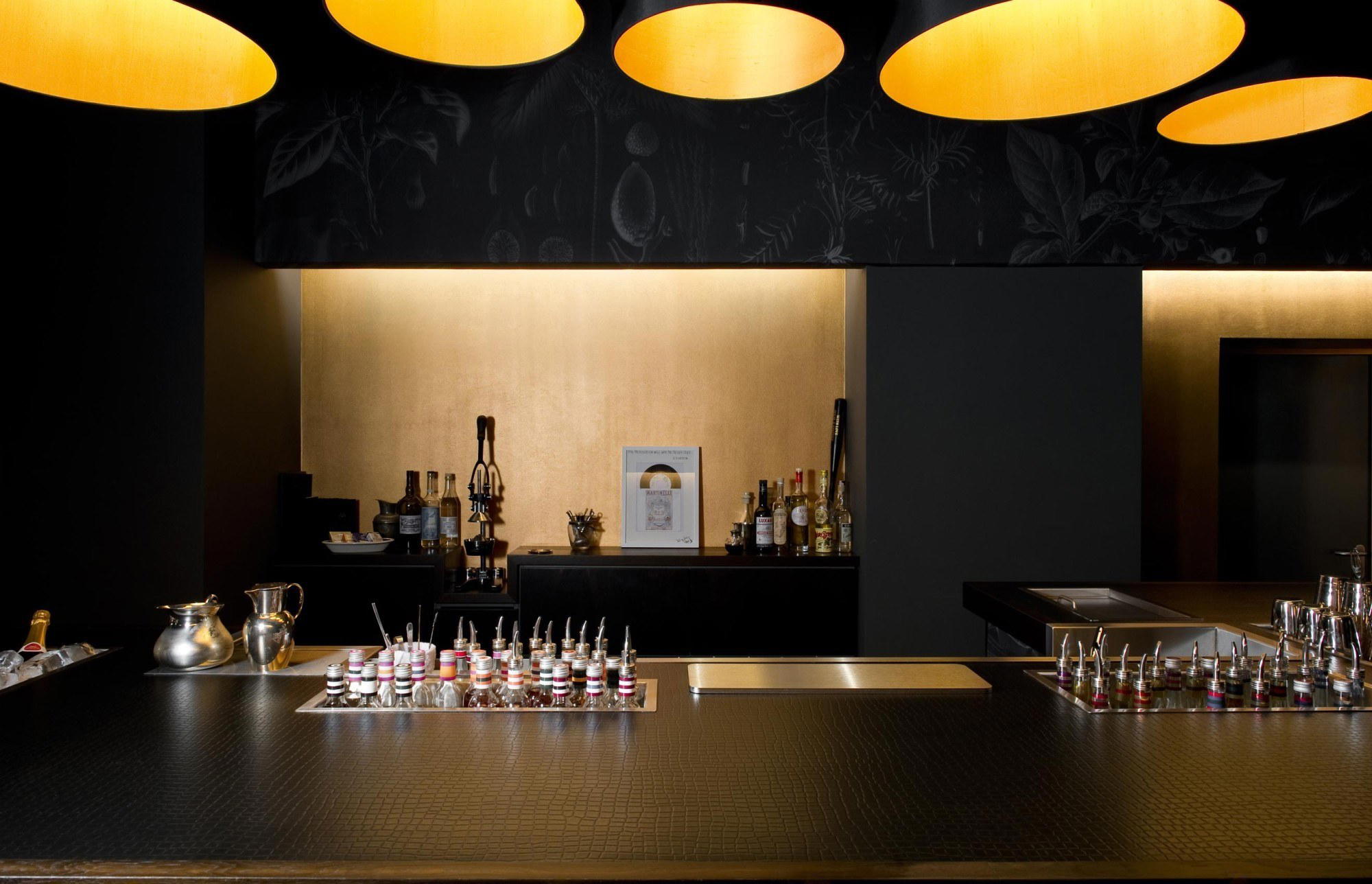
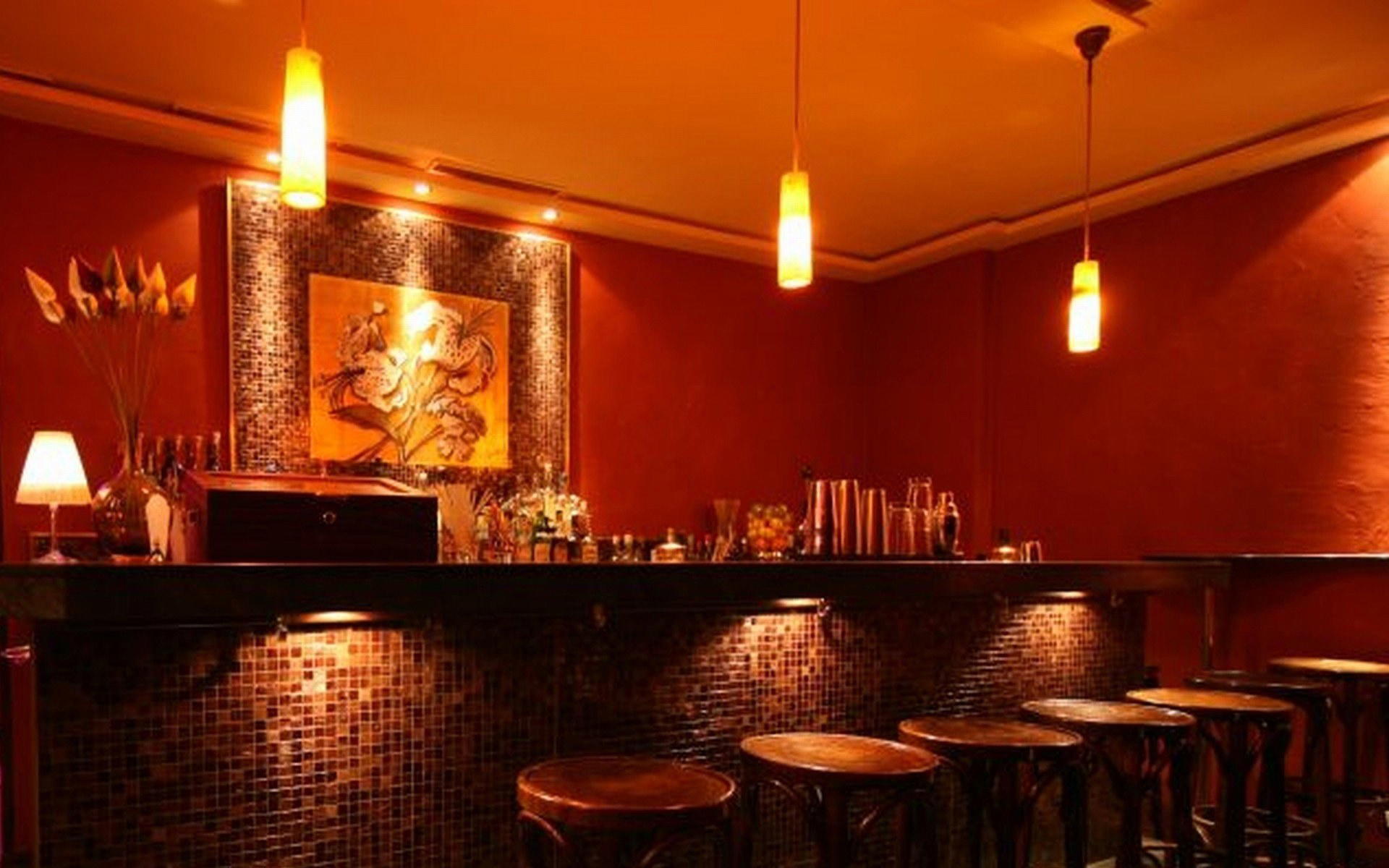
Linienstraße in Mitte has long been one of Berlin's more considered restaurant streets: close enough to the city's creative infrastructure to draw a curious, well-travelled crowd, but without the tourist-facing noise of nearby Hackescher Markt. The building at number 136 reads quietly from the outside, which is consistent with how Berlin's upper dining tier tends to operate. The room inside is described by the We're Smart Green Guide as a beautiful setting, and that restraint in how the space presents itself is part of a deliberate positioning: this is a kitchen that wants the food to carry the argument.
That argument is an unusual one for the German capital. Peruvian-Italian fusion is not a combination that Berlin's restaurant scene has explored with any seriousness, and the We're Smart Green Guide's recognition of 136 as a standout in the Pure Plant Experience category signals something more than novelty. When two culinary traditions as ingredient-driven as Peruvian and Italian cooking converge around plant-based sourcing, the result has to justify itself through produce quality. Peruvian cooking is rooted in biodiversity, in the extraordinary range of native potato varieties, chillies, and grains that the Andean ecosystem produces. Italian technique, at its most disciplined, is about letting a small number of ingredients speak clearly. Merging those philosophies inside a plant-forward framework places enormous pressure on what arrives in the kitchen before any cooking begins.
The Ingredient Logic Behind the Peruvian-Italian Framework
The We're Smart Green Guide, which uses a scoring methodology to assess how restaurants source, use, and celebrate vegetables and plant-based ingredients, named 136's Pure Plant Experience as a standout entry. That recognition carries specific weight: the Guide assesses not just whether a kitchen avoids meat, but whether it treats plant ingredients with the same intellectual rigour that a classical kitchen might apply to protein. In the Peruvian-Italian context, this means working with ingredients that have genuine provenance complexity on both sides of the fusion equation.
Peruvian gastronomy has spent the last two decades establishing itself as one of the world's most ingredient-obsessive food cultures, built on the mega-biodiversity of the Andes and the coastal Pacific. Italian cooking, particularly in its northern and central expressions, has an equally deep relationship with seasonal produce, from the white truffles of Piedmont to the legumes of Tuscany. A kitchen that draws on both traditions while keeping the menu within a plant-focused remit is making a structural bet: that the ingredient sourcing can carry the flavour weight that meat and fish typically provide in these cuisines. Consecutive Michelin Plate recognitions in 2024 and 2025 suggest that bet is paying off, at least by the standards of European fine dining assessment.
Within Berlin's €€€€ creative dining tier, the comparison set is worth mapping. Nobelhart & Schmutzig operates a strict local-sourcing model that makes Brandenburg produce the explicit subject of the menu. Rutz applies modern European technique to a wine-forward tasting format. CODA Dessert Dining deconstructs the boundary between savoury and sweet entirely. Each of these represents a distinct philosophical position about what a meal at the top of Berlin's price bracket should do. 136 occupies a different corner of that space: cross-continental ingredient logic, plant primacy, and a cocktail program the We're Smart Green Guide describes as upper-class, which positions the drinks as structural to the experience rather than ancillary.
Chef Matias Diaz Silva and the Kitchen's Competitive Position
In Berlin's €€€€ tier, the chef's role is increasingly less about biography and more about consistency of vision over time. Chef Matias Diaz Silva is described by the We're Smart Green Guide as having everything under control and fully believing in this new restaurant trend, which in the language of food guides translates to disciplined execution and a kitchen that isn't pulling in contradictory directions. The Peruvian-Italian framework requires a chef who can hold two very different culinary traditions in productive tension without collapsing into generic fusion, and the back-to-back Michelin Plate recognitions suggest that standard is being met.
For context across the broader German fine dining scene, the Michelin Plate sits below Star level but indicates food worth a detour in the Guide's own framing. Restaurants like Schwarzwaldstube in Baiersbronn, Aqua in Wolfsburg, and Vendôme in Bergisch Gladbach operate at the Star tier, while JAN in Munich and ES:SENZ in Grassau show the range of creative approaches currently recognised across Germany. Within Berlin specifically, Restaurant Tim Raue and Dae Mon represent what Asian-inflected fusion looks like at the top of the city's dining market. 136 approaches the fusion question from a different geographic axis entirely.
Internationally, the Peruvian-Italian fusion model has been tested in other cities. Ajonegro in Logroño demonstrates how fusion frameworks can work in Spanish regional contexts, while Arkestra in Istanbul shows the fusion approach applied to a city with its own complex culinary inheritance. Berlin's version, as executed at 136, is distinctive in that plant sourcing is the disciplining principle rather than just a menu category.
Planning a Visit to 136
The restaurant sits at Linienstraße 136 in the 10115 postcode, placing it in central Mitte and accessible from multiple U-Bahn and S-Bahn connections. The We're Smart Green Guide recognition adds a specific dimension worth noting for guests who prioritise sourcing transparency: the Pure Plant Experience format means the kitchen's relationship with its ingredients is a first-order concern, not a marketing position.
The cocktail program, cited explicitly in the We're Smart Green Guide assessment as upper-class, is worth treating as part of the meal structure rather than a pre-dinner formality. In a plant-forward kitchen where fermentation, acidity, and umami have to do the work that fat and protein typically handle in classical menus, the drinks program can play a meaningful structural role in how flavour builds across a meal.
For a broader view of Berlin's dining and hospitality scene, see our full Berlin restaurants guide, our full Berlin hotels guide, our full Berlin bars guide, our full Berlin wineries guide, and our full Berlin experiences guide. For Hamburg's equivalent fine dining tier, Restaurant Haerlin offers a useful point of comparison for how northern Germany's leading kitchens approach the same price bracket.
What to Order at 136
The menu at 136 is built around the Pure Plant Experience format, with the Peruvian-Italian fusion framework providing the flavour architecture. The We're Smart Green Guide recognition for plant cuisine and the consecutive Michelin Plate awards in 2024 and 2025 both point to the tasting format as the kitchen's primary mode of expression. Given that the cocktail program receives explicit mention in the Green Guide assessment, pairing the drinks with the menu rather than ordering à la carte is likely the format most consistent with how Chef Matias Diaz Silva intends the experience to read. The Peruvian side of the menu brings acidity, heat, and textural contrast; the Italian influence brings structural clarity and restraint. In a plant-forward context, those two poles work together in ways that pure-tradition cooking in either direction would not permit.
Frequently asked questions
Is 136 expensive?
Pricing at 136 is listed as €€€€.
Is 136 award-winning?
136 has received recognition including: The 136 Pure Plant Experience is a standout for the We’re Smart Green Guide. A kitchen with multiple influences, executed with real talent: a Peruvian-Italian flavor mix, upper-class cocktails, beautiful setting, and of course, the option t….
What should I order at 136?
The menu is built around the Pure Plant Experience format, meaning the full progression of courses is where the Peruvian-Italian framework is most coherent, ordering à la carte, if available, will give you less context for how the flavour architecture is intended to work. The We're Smart Green Guide recognised 136 specifically for how the kitchen sources and celebrates plant-based ingredients, so the vegetable-led courses are the point, not a concession. Chef Matias Diaz Silva's approach is backed by two consecutive Michelin Plates (2024 and 2025), which speaks to consistent execution rather than novelty.
Where exactly is 136?
136 is located at Linienstraße 136, 10115 Berlin, Germany, Berlin.
In Context: Similar Options
| Venue | Cuisine | Price | Awards | Notes |
|---|---|---|---|---|
| 136This venue (the venue you are viewing) | Peruvian-Italian Fusion | $100–150 | Michelin Plate · We're Smart World 4 Radishes | Not listed |
| CODA Dessert Dining | Dessert-Inspired Fine Dining | $200–300 | 2 Michelin Stars · World's 50 Best #79 | Creative |
| Rutz | Modern German Fine Dining | $200–300 | 3 Michelin Stars · La Liste Top Restaurants | Modern European, Modern Cuisine |
| Nobelhart & Schmutzig | Hyper-Local Modern German Fine Dining | $100–150 | 1 Michelin Star · World's 50 Best #59 | Modern German, Creative |
| FACIL | Modern Fusion Fine Dining | $200–300 | 2 Michelin Stars · La Liste Top Restaurants | Contemporary European, Creative |
| Horváth | Modern Austrian Vegetable Cuisine | $200–300 | 2 Michelin Stars · La Liste Top Restaurants | Modern Austrian, Creative |
Recognition history
Dated appearances from independent guides and award organizations, with the underlying list record or original source where available.
Michelin Plate
Michelin
We're Smart World 4 Radishes
We're Smart World
Full recognition history (4 entries)
Michelin Plate
Michelin
Michelin Plate
Michelin
Continue exploring
More in Berlin
Restaurants in Berlin
All restaurants in Berlin →
Bars in Berlin
All bars in Berlin →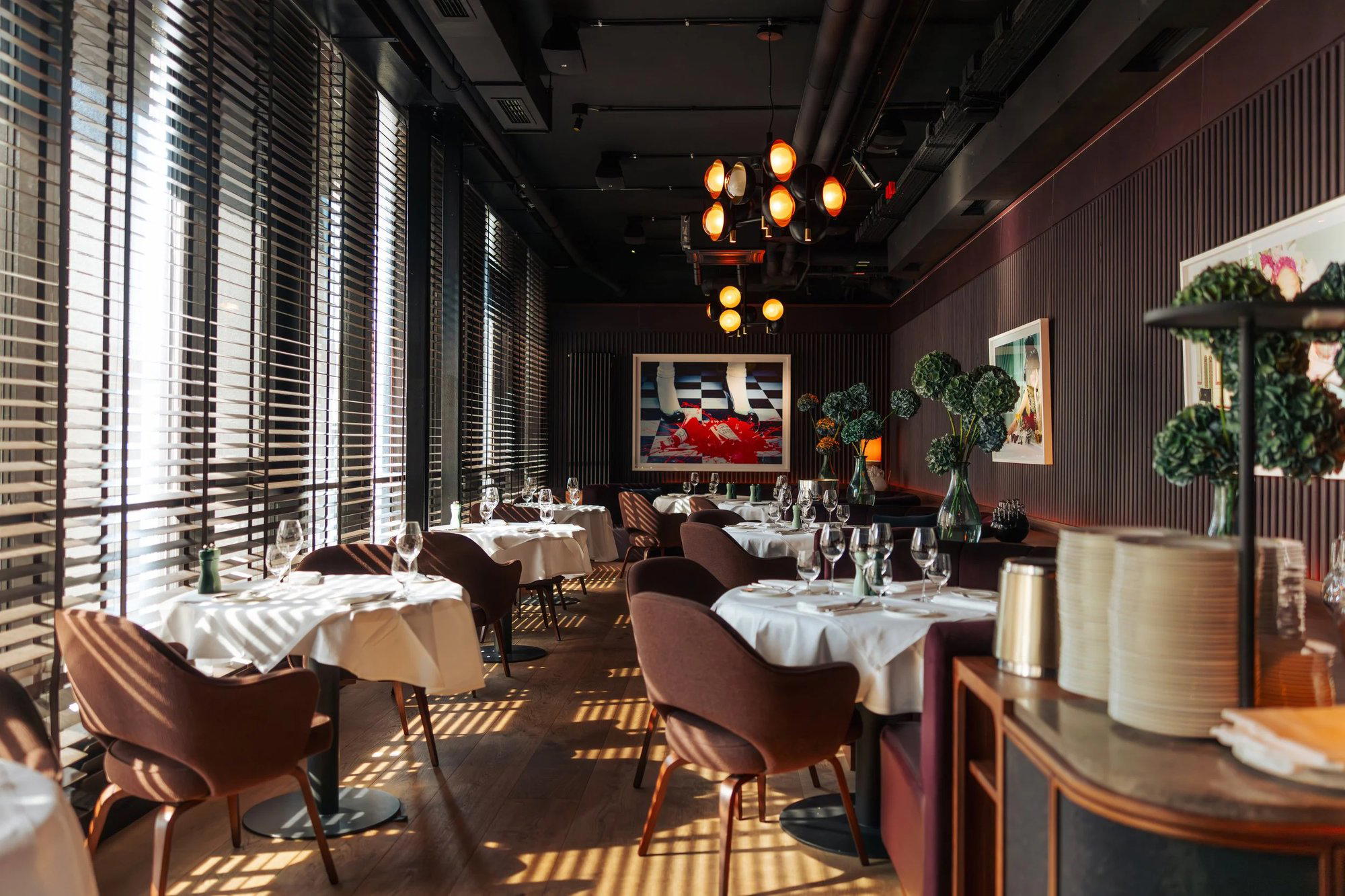

Details
- Intimate
- Cozy
- Trendy
- Elegant
- Date Night
- Special Occasion
- Celebration
- Open Kitchen
- Extensive Wine List
- Tasting Menu
- Set Menu
Current opening hours
- Monday
- Closed
- Tuesday
- 7–11 PM
- Wednesday
- 7–11 PM
- Thursday
- 7–11 PM
- Friday
- 7–11 PM
- Saturday
- 7–11 PM
- Sunday
- Closed
Hours can change for holidays and private events. Hours as of .
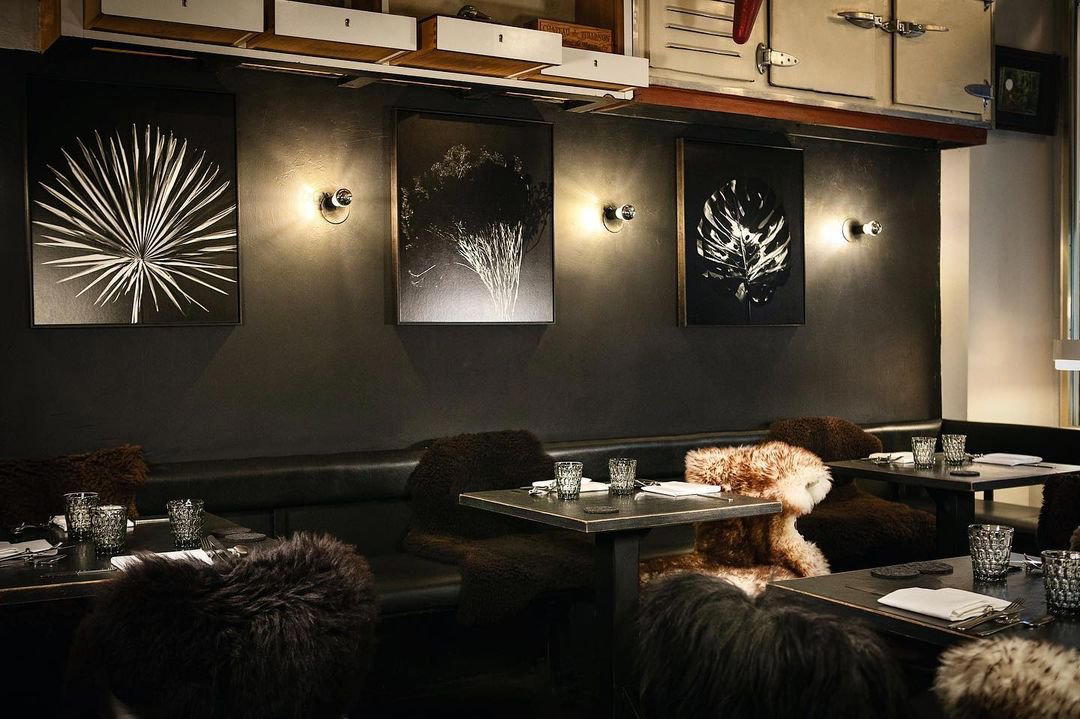
Intimate and cozy with trendy vintage decor, charming atmosphere, relaxed yet elegant.