サトブリDA sits in Asagaya, one of Tokyo's quieter residential wards, placing it well outside the Michelin-circuit concentration of Ginza, Roppongi, and Shinjuku. The address alone signals a deliberate remove from high-traffic dining corridors. Without verified cuisine data on record, the editorial case for visiting rests on location and local neighbourhood character rather than documented accolades.
 Discover on Pearl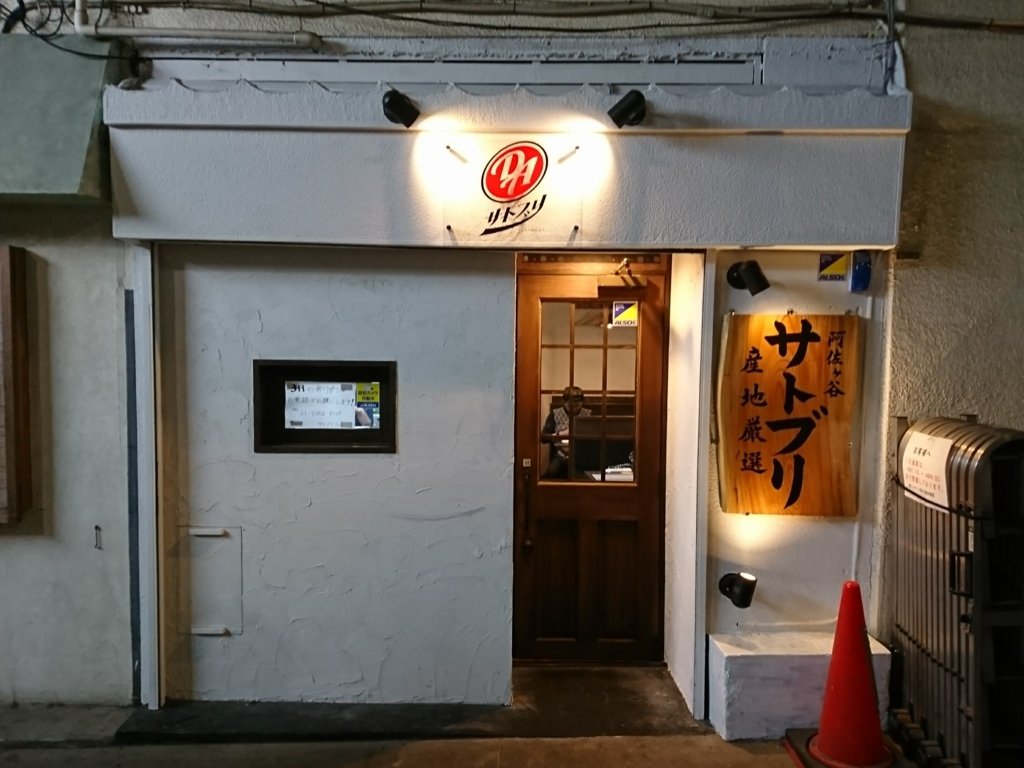
Asagaya and the Case for Dining Outside Tokyo's Centre
Tokyo's dining conversation defaults to a familiar geography: Ginza counters with three-star credentials, Roppongi hotels housing French kitchens with Burgundy-trained chefs, Shinjuku izakayas packed by 6 p.m. on weekdays. That concentration is real and documented — venues like Harutaka in Ginza and Sézanne in Marunouchi operate at price points and booking pressures that reflect their central positioning. But Tokyo's residential wards tell a different story about how locals actually eat across the week, and that story is concentrated in places like Suginami City, where サトブリDA operates from a Asagayaminami address that most international visitors will not naturally reach.
Asagaya sits on the Chuo Line, roughly twenty minutes from Shinjuku by rapid train. The neighbourhood is known in Tokyo more for its jazz bars, small live music venues, and independent bookshops than for its restaurant density. That character shapes the dining environment here in ways that a Ginza address cannot replicate: lower rents, a local clientele that returns across seasons rather than booking once for a special occasion, and a pace that does not track the rhythm of corporate expense accounts.
The shortlist, unlocked.
Hard-to-book tables, cellar releases, and concierge-planned trips.
Get Exclusive Access →The Lunch-Dinner Divide in Tokyo's Neighbourhood Restaurants
In central Tokyo, the gap between lunch and dinner service is largely a pricing mechanism. At L'Effervescence or RyuGin, a lunch course offers access to the same kitchen and roughly similar technique at a fraction of the evening price — often the reason informed visitors book the midday slot. The tradeoff is a compressed menu and, occasionally, a slightly different atmosphere as tables turn faster.
In residential-ward restaurants, the dynamic is different. Lunch often reflects the neighbourhood's weekday rhythm: local workers, nearby families, the occasional freelancer who lives within walking distance. Dinner shifts the room toward a quieter, more deliberate crowd , people who have specifically chosen to travel to Asagaya rather than defaulting to somewhere closer to a major station hub. For venues in this category, the evening service tends to carry more weight as a destination decision, while lunch remains grounded in local habit.
Without confirmed cuisine type or menu data for サトブリDA, the specific lunch-versus-dinner distinction here cannot be described with precision. What the address does confirm is that the venue operates within a neighbourhood context where that divide is likely shaped more by local custom than by the price-tier engineering common at recognised tasting-menu destinations. Visitors planning a trip to Asagaya specifically , rather than treating it as a detour from a central itinerary , will find the evening service a more reliable indicator of what the kitchen produces at full capacity.
For comparison, the lunch-versus-dinner calculus looks markedly different at venues like Crony, where the innovative French format commands evening attention and the lunch slot operates as a deliberate value entry point. Asagaya does not position itself within that competitive tier, which is precisely the point: the neighbourhood functions outside the prestige circuit, and the dining that grows from it tends to reflect local priorities rather than international benchmark-setting.
Where サトブリDA Sits in the Tokyo Dining Map
Tokyo's dining geography rewards those willing to follow local patterns rather than international award lists. The Michelin guide covers the city comprehensively, but its concentration of stars in Ginza, Minami-Aoyama, and Azabu does not mean that dining quality drops sharply in Suginami or Nakano. What changes is the register: less performance, less ceremony around booking, and a more direct relationship between the kitchen and the people who live nearby.
サトブリDA's Asagayaminami address places it in this category. No awards data is currently on record for the venue, which means it does not sit within the Michelin-starred or 50 Best-adjacent competitive set that defines venues like Atomix in New York , a useful international reference point for how neighbourhood-rooted venues sometimes operate at high technical levels without seeking the same institutional recognition. Similarly, HAJIME in Osaka and Gion Sasaki in Kyoto represent the kind of regional anchoring that comes with deep local reputation, though both carry documented credentials that サトブリDA's current record does not.
For visitors building a broader Japan itinerary, the context extends further: akordu in Nara, Goh in Fukuoka, and smaller regional venues like 一本木 石川割烹 in Nanao demonstrate how Japan's dining culture distributes genuine quality well outside its major urban circuits. サトブリDA's Asagaya location fits that broader pattern of dining that rewards navigation away from the obvious.
Practical Considerations for Visiting Asagaya
Asagaya Station on the Chuo Line connects directly to Shinjuku in under twenty minutes and to Tokyo Station in roughly thirty-five. The neighbourhood is walkable from the station, with the Asagayaminami address reachable on foot. Evening visits benefit from arriving early enough to explore the surrounding streets, which carry a distinct low-key character compared to the denser commercial zones around Koenji or Nakano to the east.
Given the absence of confirmed booking method, hours, or phone number in the venue record, prospective visitors should verify operational details through local search or direct contact before planning a visit. Neighbourhood restaurants in this part of Tokyo do not always maintain English-language web presences, and hours may shift seasonally without advance notice online. Cross-referencing with our full Tokyo restaurants guide will provide wider context for planning a Suginami or west-side Chuo Line itinerary.
Wider Japan comparisons for context: 古川山乃湯 in Sapporo, 湖畔荘庵 in Takashima, and 庄羽屋 in Nishikawa Machi each illustrate how regional and residential-area dining in Japan operates with a consistency that owes more to local trust than to published recognition. Birdland in Sakai, Bistro Ange in Toyohashi, and Le Bernardin in New York round out the reference landscape for understanding where technically serious kitchens choose to position themselves relative to their local contexts.
Know Before You Go
- Address: 3 Chome-57-1 Asagayaminami, Suginami City, Tokyo 166-0004, Japan
- Getting There: Asagaya Station, Chuo Line (approx. 20 min from Shinjuku, 35 min from Tokyo Station)
- Booking: No confirmed booking method on record , verify directly before visiting
- Hours: Not confirmed , check locally or via Japanese search platforms
- Awards: None on record at time of publication
- Price Range: Not confirmed , budget accordingly for a residential-ward neighbourhood venue
- Language: English-language support not confirmed; Japanese-language communication recommended
The shortlist, unlocked.
Hard-to-book tables, cellar releases, and concierge-planned trips.
Get Exclusive Access →Frequently Asked Questions
Cost and Credentials
A quick context table based on similar venues in our dataset.
Need a table?
Our members enjoy priority alerts and concierge-led booking support for the world's most difficult tables.
Get Exclusive AccessThe shortlist, unlocked.
Hard-to-book tables, cellar releases, and concierge-planned trips.
Get Exclusive Access →