
Michelin Plate
Our verdict
On Cetona's central piazza, Da Nilo earns its Michelin Plate recognition with cooking that stays close to Tuscan agricultural tradition. Pici all'aglione and carefully sourced local cured meats anchor a menu priced accessibly for the quality delivered.

Pearl is the En Primeur Club membership app — saves, bookings, and concierge access live there. Same editors, same standards.
- Address
- Piazza Giuseppe Garibaldi, 31/34, 53040 Cetona SI, Italy
- Phone
- +39 0578 239040
- Hours
- Mon 12:30–2:30 p.m., 7:30–9:45 p.m.Tue ClosedWed–Sun 12:30–2:30 p.m., 7:30–9:45 p.m.
- Website
- iltigliodipiazza.it
- Directions
- Get directions
The menu
What to order
- Pici all'aglione
- Tagliatelle al ragù di chianina
- Pappardelle al cinghiale
- Bistecca alla fiorentina
A Piazza Table in the Southern Val di Chiana
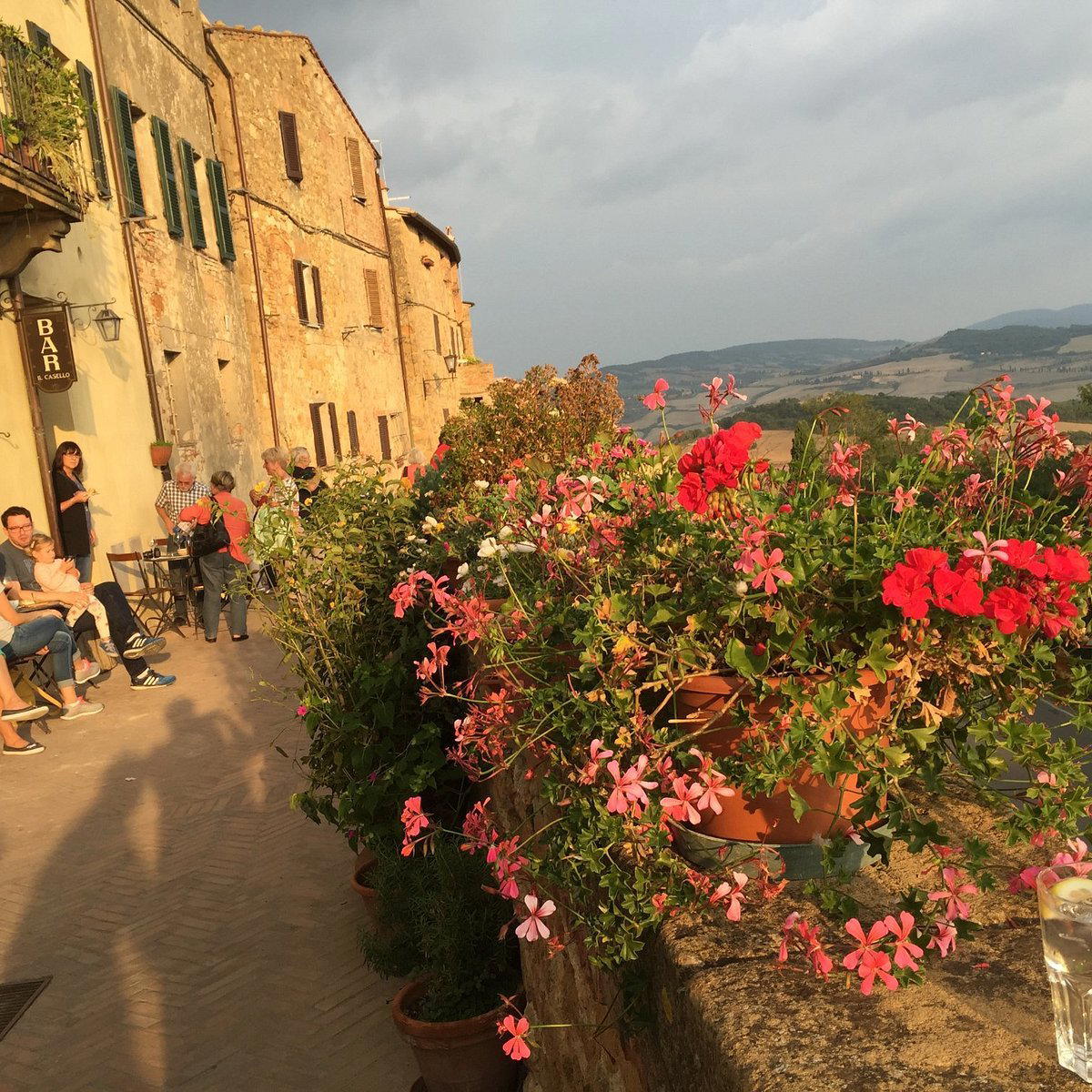
Cetona sits at the southern edge of Tuscany, closer to Orvieto than to Siena, in a part of the Val di Chiana that remains largely outside the well-worn agriturismo circuit. The town's main square, Piazza Giuseppe Garibaldi, functions the way central piazzas do in smaller Tuscan comuni: as the social and commercial hinge of daily life. Da Nilo occupies a position directly on that square, at numbers 31 to 34, with an outdoor seating area framed by hedges that filters the space from the broader piazza without closing it off. Arriving in the late afternoon, when the stone buildings hold the last of the warmth and the square begins to fill with residents rather than visitors, gives the setting a quality that indoor-only restaurants in the same price tier rarely match.
What Michelin Recognition at This Level Actually Means
Da Nilo holds a Michelin Plate for both 2024 and 2025. The Plate designation sits below star level in the Michelin hierarchy, but it is not a consolation award: it signals that inspectors found the cooking competent, consistent, and worth noting. In a small town like Cetona, where the dining options are limited and the tourist infrastructure is thin, consecutive Plate recognition is a meaningful signal about kitchen discipline. It places Da Nilo in a different category from the average trattoria serving generic ragu to passing traffic.
For context on where the Michelin Plate sits relative to the full range of Italian fine dining, consider that multi-star operations like Osteria Francescana in Modena, Enoteca Pinchiorri in Florence, and Dal Pescatore in Runate operate at a €€€€ price point with tasting menus and brigade-size kitchens. Da Nilo works at €€, on a town square, with a regional menu rooted in local produce. These are different propositions entirely, and comparing them directly misses the point.
The Sourcing Logic Behind Tuscan Trattoria Cooking
The editorial angle that makes most sense for Da Nilo is not the room or the price: it is where the food comes from. Authentic Tuscan cooking at the trattoria level depends almost entirely on the quality and specificity of its sourcing. The Val di Chiana produces some of the most recognisable agricultural products in Italy: Chianina beef, pecorino from the surrounding hill towns, legumes from the Valdorcia, and cured meats from small-scale producers who have been working the same recipes for generations. A kitchen in Cetona that sources locally is not making a marketing choice; it is plugging into a supply chain that has existed for centuries and that produces ingredients with a specificity of flavour that generic supply cannot replicate.
The cured meat selection at Da Nilo draws from this tradition. Salumi in this part of Tuscany typically means finocchiona (the fennel-seed salame associated with Siena province), lardo from the nearby Maremma, and cuts of cinghiale (wild boar) that appear on tables across the region from September through spring. The selection at any given trattoria reflects both supplier relationships and seasonal availability, which is why it changes and why it matters more than a fixed printed menu would suggest. Ordering the cured meat board is, in effect, a way of reading the current state of the kitchen's sourcing network.
Pici All'aglione: The Dish That Defines the Territory
Pici all'aglione is the defining pasta of southern Tuscany. Pici is a thick, hand-rolled pasta, similar in shape to a fat spaghetti, with a rough surface that holds sauce more aggressively than extruded pasta. It requires time and technique: the dough is rolled by hand, strand by strand, and the irregular texture is a feature rather than an inconsistency. Aglione is a large-clove garlic variety native to the Val di Chiana and the Valdorcia, milder and sweeter than standard garlic, with a DOP designation that restricts authentic production to a defined geographic zone. The sauce is built from aglione cooked slowly in olive oil with tomato, and the result is nothing like a generic aglio e olio: it is rounder, less pungent, and carries the faint sweetness of the oversized cloves.
When a restaurant in Cetona puts pici all'aglione on the menu, the implicit promise is that both elements, the pasta and the aglione, come from the right place. A kitchen that makes the pasta by hand and sources aglione from Val di Chiana producers is delivering a dish that cannot be accurately replicated outside its territory.
Where Da Nilo Sits in Cetona's Food Scene
Cetona is a small medieval hill town with a resident population that numbers in the low thousands. The dining scene is compact by necessity, and restaurants here serve both the local community and a visitor population that skews toward the culturally literate rather than the mass-tourism end of the spectrum. The town's relative obscurity within Tuscany's broader tourist circuit means that the restaurants operating here do so primarily for reasons of commitment to the place rather than the economics of tourist volume. Da Nilo's position on the central piazza, its consistent award recognition, and its anchoring of the menu in local agricultural products all read as markers of a kitchen that takes the local context seriously.
For visitors planning a stay in southern Tuscany, Da Nilo functions as a useful anchor point. Cetona is driveable from Pienza, Montalcino, and Montepulciano, meaning it fits naturally into a wider itinerary through the wine and food towns of the Valdorcia and Val di Chiana. The €€ price range makes it accessible for a weekday lunch without the planning overhead of a fine-dining reservation. Booking ahead is advisable during the summer months when the piazza terrace fills, though the venue is not operating at the kind of three-month waitlist pressure seen at destination restaurants. For a fuller picture of what to do before and after dinner, see our full Cetona restaurants guide, our full Cetona hotels guide, our full Cetona bars guide, our full Cetona wineries guide, and our full Cetona experiences guide.
Readers interested in how this style of regionally anchored cooking sits within the broader Italian kitchen tradition will find useful points of comparison in other Michelin-recognised addresses across the country: Reale in Castel di Sangro, Uliassi in Senigallia, Quattro Passi in Marina del Cantone, Piazza Duomo in Alba, Atelier Moessmer Norbert Niederkofler in Brunico, Enrico Bartolini in Milan, Le Calandre in Rubano, and Casa Perbellini 12 Apostoli in Verona each illustrate how Italian regional identity translates into different levels of culinary ambition and format.
Frequently asked questions
What should I eat at Da Nilo?
Is Da Nilo better for a quiet night or a lively one?
Is Da Nilo okay with children?
Quick Comparison
| Venue | Cuisine | Price | Awards | Notes |
|---|---|---|---|---|
| Da NiloThis venue — the venue you are viewing | Authentic Tuscan Italian | $30–50 | Michelin Plate | Not listed |
| Atelier Moessmer Norbert Niederkofler | Italian, Creative | Not listed | Michelin 3 Star | Not listed |
| Dal Pescatore | Italian, Italian Contemporary | Not listed | Michelin 3 Star | Not listed |
| Enoteca Pinchiorri | Contemporary Italian Fine Dining | $200–300 | 3 Michelin Stars · World's 50 Best #32 | Italian - French, Italian Contemporary |
| Enrico Bartolini | Creative | Not listed | Michelin 3 Star | Not listed |
| Osteria Francescana | Avant-Garde Italian Contemporary | $300–500 | 3 Michelin Stars · World's 50 Best #1 | Progressive Italian, Creative |
Recognition history
Dated appearances from independent guides and award organizations, with the underlying list record or original source where available.
Michelin Plate
Michelin
Full recognition history (3 entries)
Michelin Plate
Michelin
Michelin Plate
Michelin
Continue exploring
More in Cetona
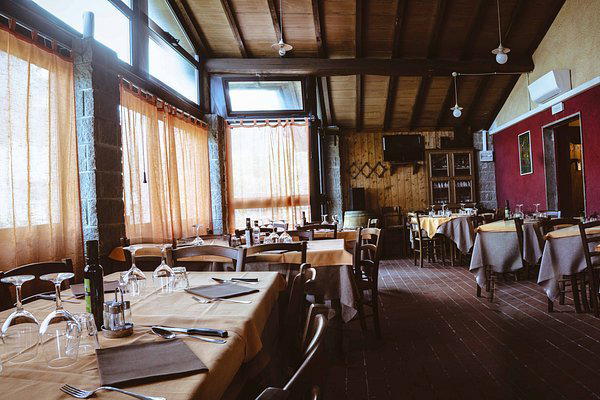
Restaurants in Cetona
Browse all →
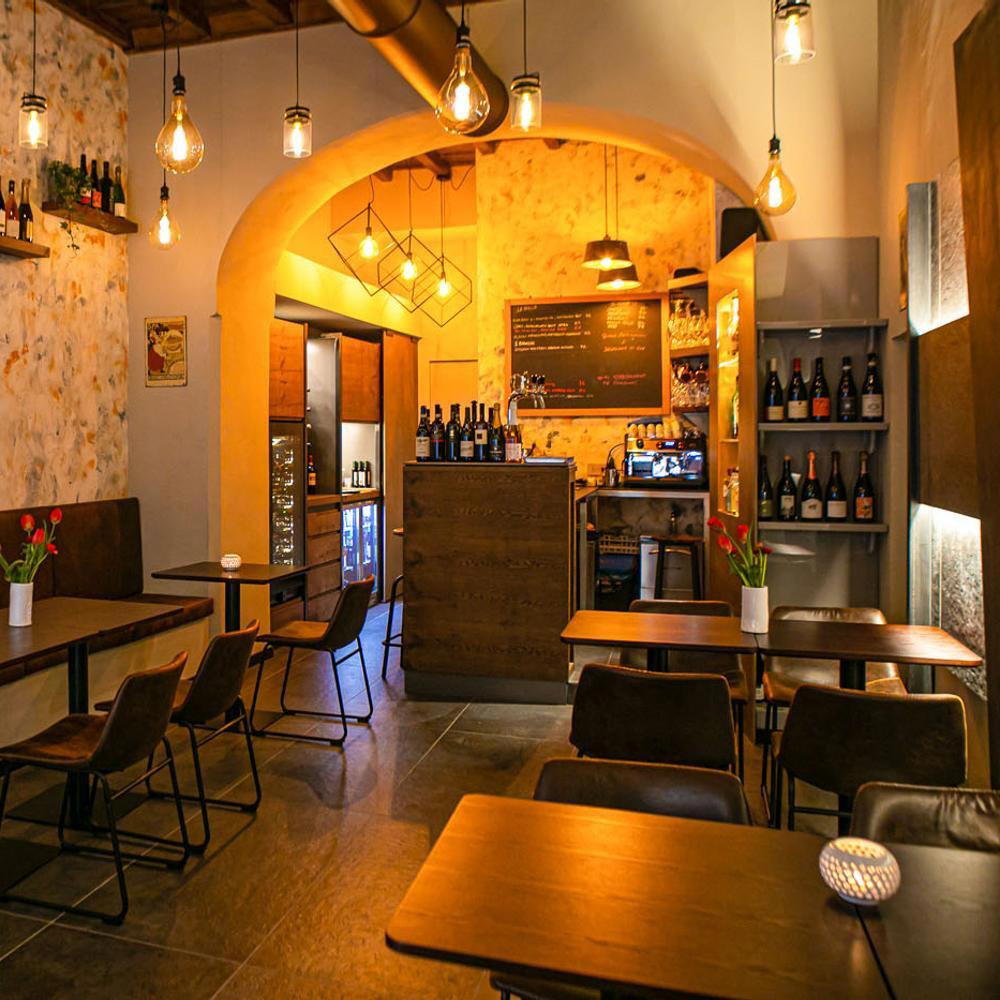
Bars in Cetona
Browse all →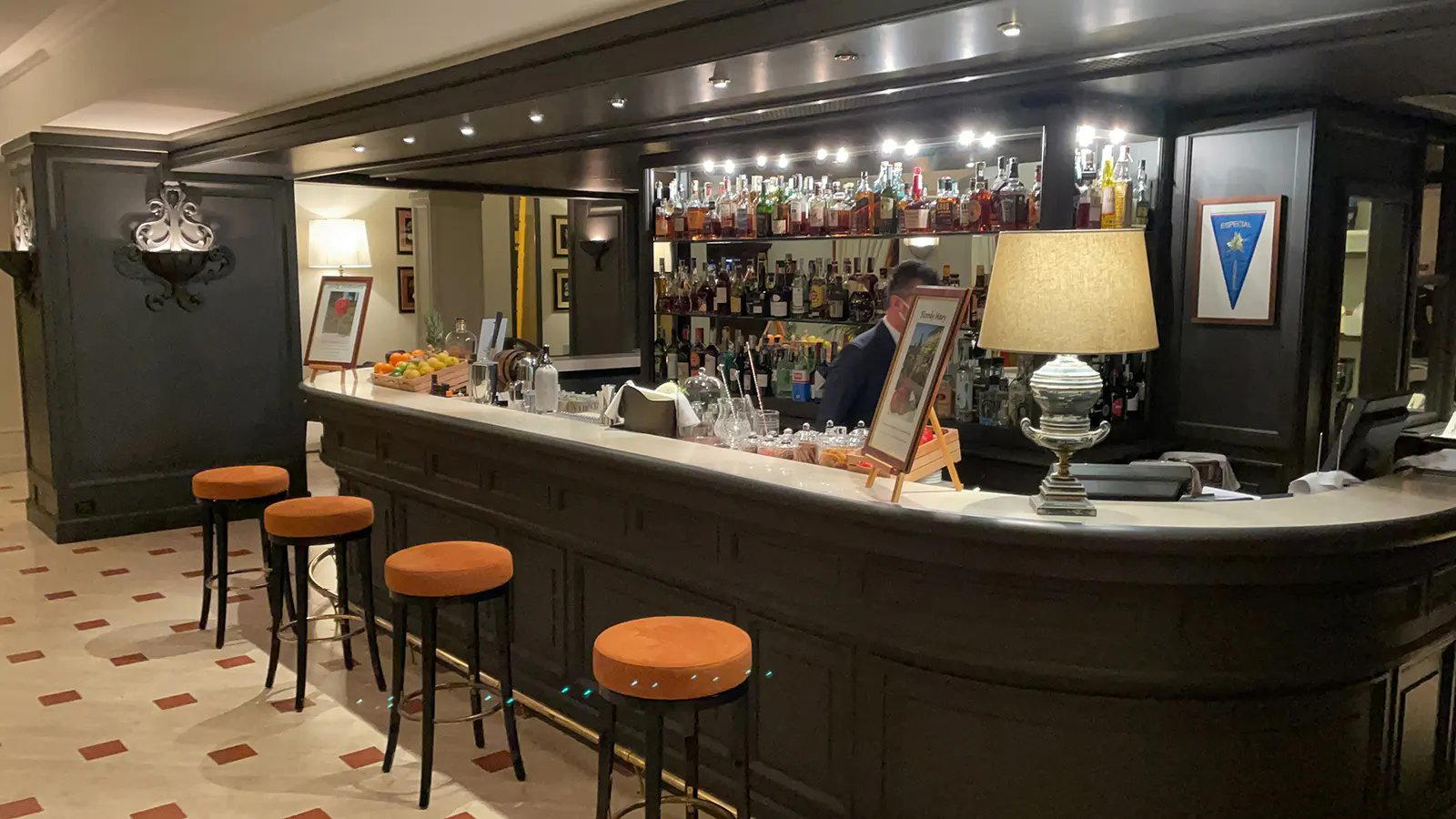
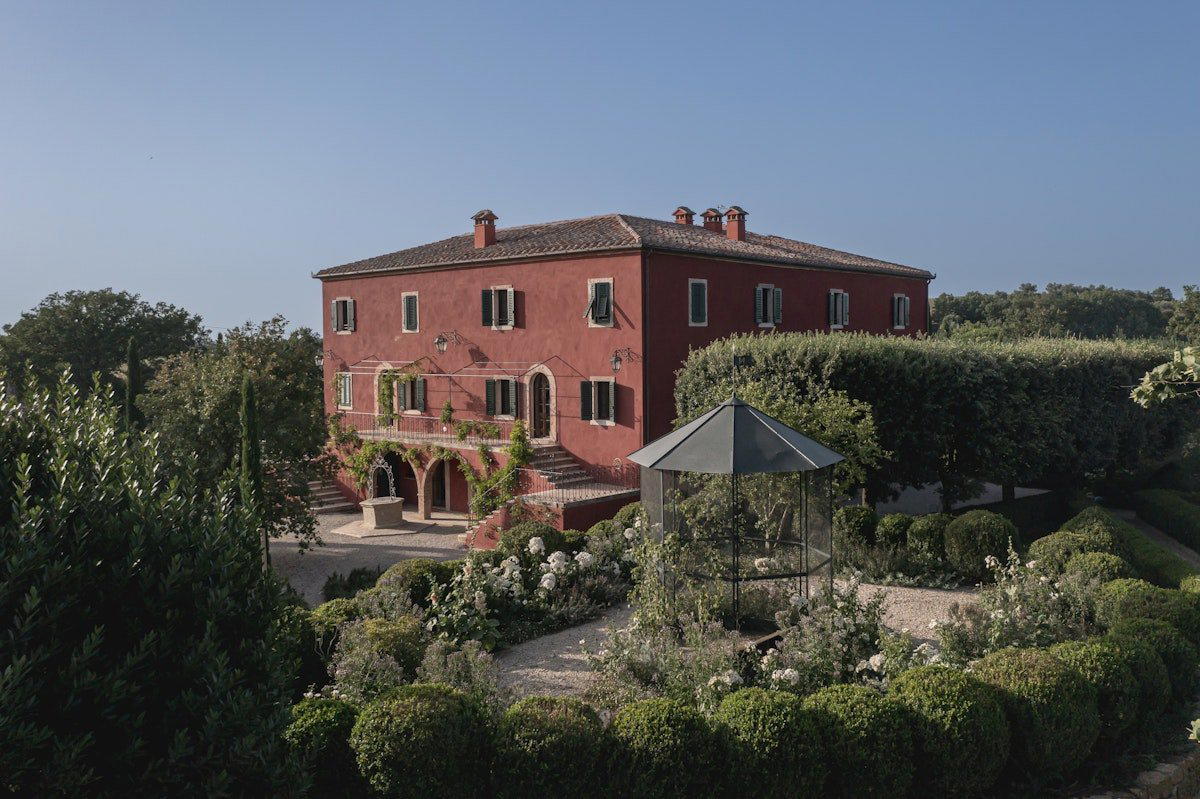
Hotels in Cetona
Browse all →
Details
- Rustic
- Cozy
- Classic
- Family
- Date Night
- Casual Hangout
- Terrace
- Extensive Wine List
- Local Sourcing
- Street Scene
- A La Carte
- Vegetarian Friendly
- Gluten Free Options
- Vegan Options
Current opening hours
- Monday
- 12:30–2:30 p.m., 7:30–9:45 p.m.
- Tuesday
- Closed
- Wednesday
- 12:30–2:30 p.m., 7:30–9:45 p.m.
- Thursday
- 12:30–2:30 p.m., 7:30–9:45 p.m.
- Friday
- 12:30–2:30 p.m., 7:30–9:45 p.m.
- Saturday
- 12:30–2:30 p.m., 7:30–9:45 p.m.
- Sunday
- 12:30–2:30 p.m., 7:30–9:45 p.m.
Hours can change for holidays and private events. Last verified .
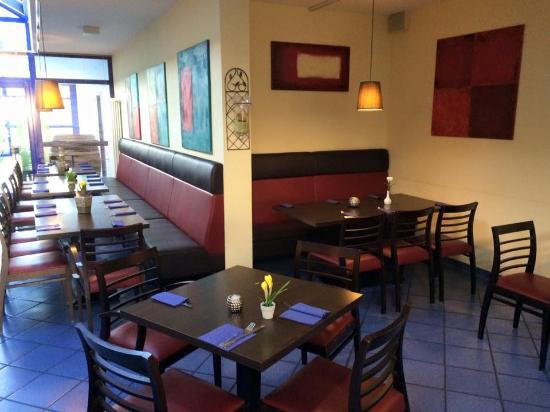
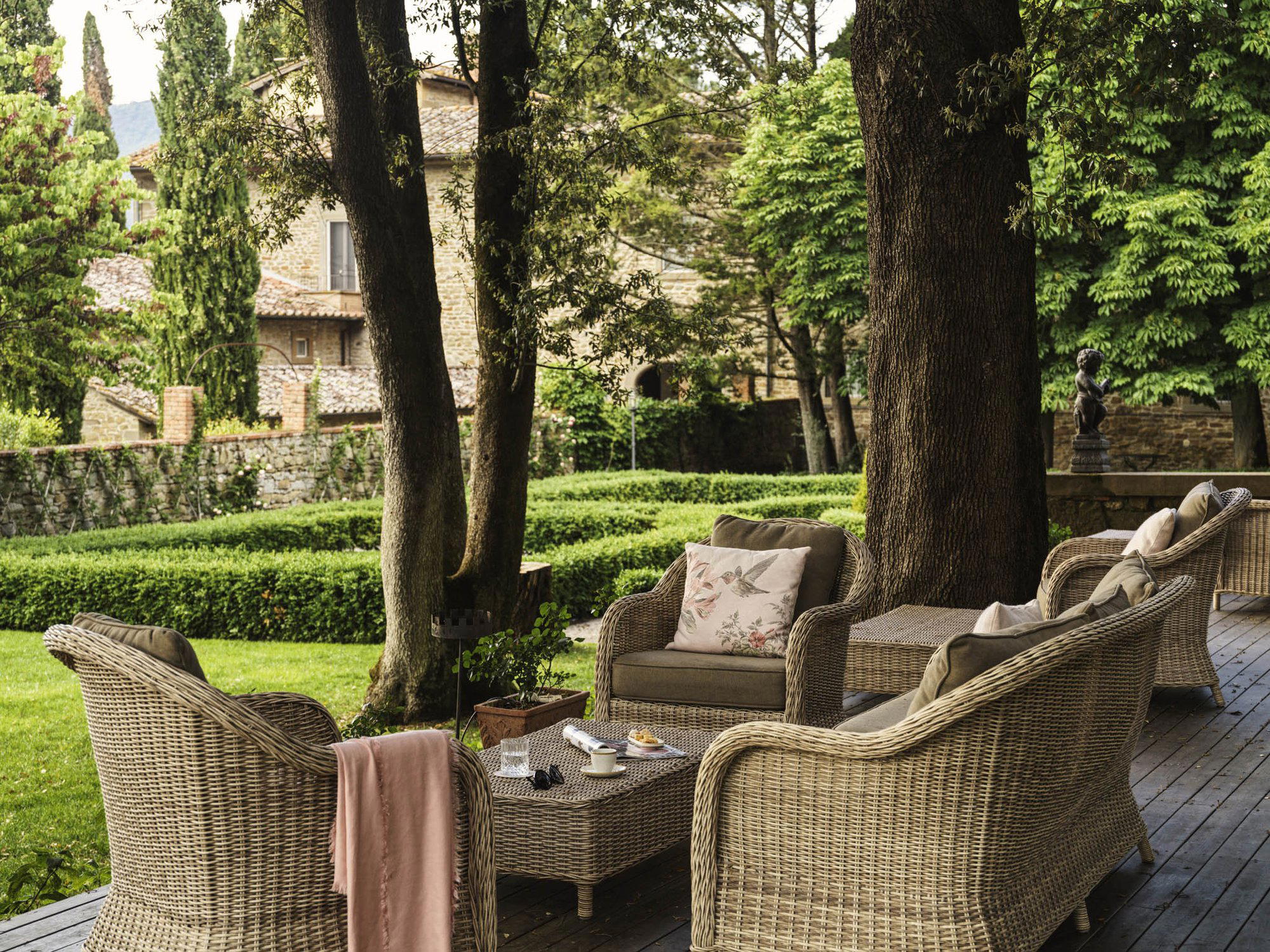
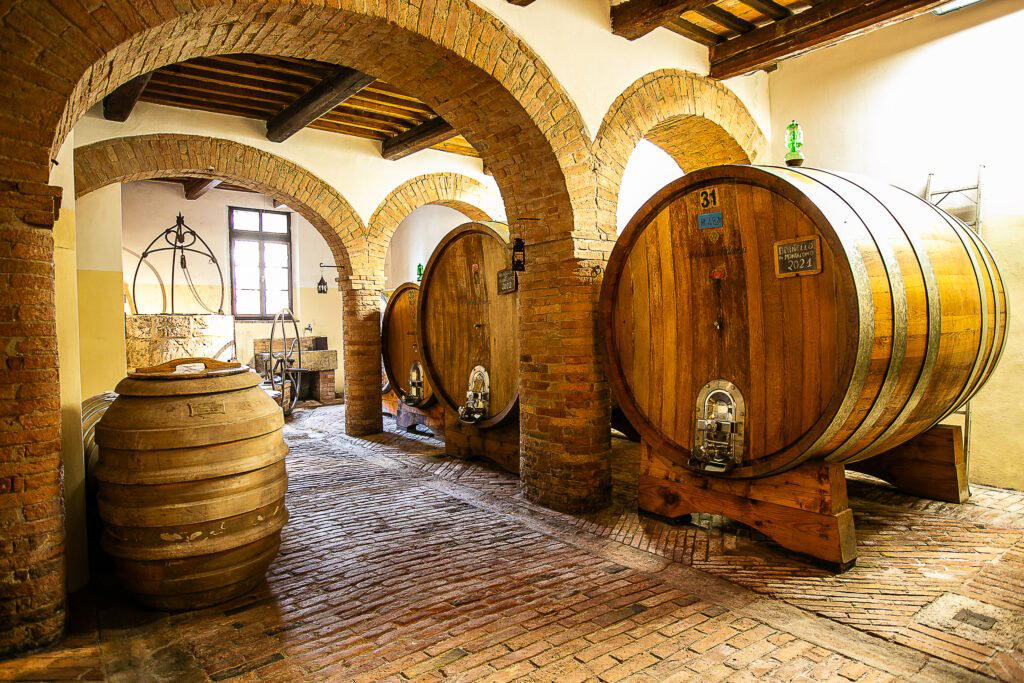
Warm and inviting with a well-tended outdoor terrace among hedges overlooking the historic piazza, offering shaded seating and a welcoming family atmosphere.