
Da Luciano brings Tokyo’s gelato culture into a suburban Hachioji setting rather than the central-city dessert circuit. Its Tabelog 100 Ice cream / Gelato 2023 selection, compact seating, take-out format, and cafe classification make it a useful stop for readers tracking Japan’s serious frozen-dessert addresses beyond department-store counters and hotel patisseries.
Pearl is the En Primeur Club membership app — saves, bookings, and concierge access live there. Same editors, same standards.
- Address
- Japan, 〒192-0355 Tokyo, Hachioji, Horinouchi, 2 Chome−16−9
- Phone
- +81 42-670-1468
- Website
- da-luciano.com
 Saves & bookings on Pearl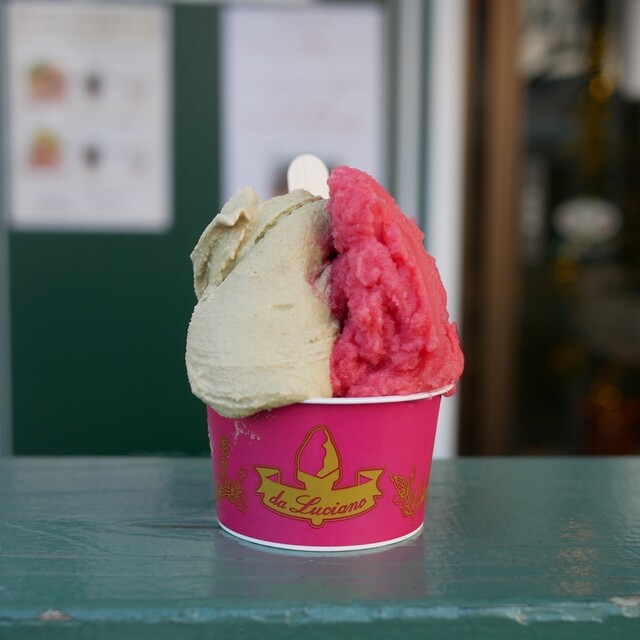
Approaching the gelato counter in Horinouchi, the room feels less like a formal dessert salon than a small Tokyo cafe built for quick decisions, counter pauses, and take-out traffic. Couple seating, counter seating, and an open terrace emphasize short-format pleasure: order, compare, sit if there is space, or carry the cup outside. That modest scale is the point. Tokyo’s dessert culture is not confined to Ginza patisseries and hotel lounges; sharper work also sits in outer wards and commuter suburbs, where specialists survive on repeat local demand as much as destination traffic.
Da Luciano belongs to that quieter category. Its selection for Tabelog 100 Ice cream / Gelato 2023 places it in a national conversation about frozen desserts rather than the general cafe field. Gelato in Japan occupies an unusual middle ground: technically Italian in format, often Japanese in precision, and judged by diners expecting seasonality, clean texture, and a short finish rather than excess sugar. The appeal is not ceremony, but a disciplined, low-price dessert stop noticed because the category has become serious.
Gelato in Tokyo is now judged like a specialist craft, not an afterthought
For years, frozen dessert in Tokyo was a secondary purchase: after ramen, beside coffee, attached to a shopping complex. Stronger gelato counters changed that hierarchy by asking diners to think in sequences. A cup can move from dairy-led flavors to fruit, from nut and chocolate to cleaner finishes, like a compressed tasting menu. The progression is small, but the logic is familiar in Japan: balance first, repetition avoided, sweetness controlled.
That is why a gelato address in Hachioji can sit credibly within a broader Tokyo itinerary. Central Tokyo rewards reservation planning and high spend, but lower-cost specialist stops often reveal more about everyday standards. In the same budget-conscious orbit, CICOUTE BAKERY works the bakery lane, Patisserie du Chef FUJIU keeps patisserie in the conversation, Medika Soba Kingyo and Tantan show how tightly Tokyo can edit noodle formats, and Anjuna sits in a different casual-dining bracket. The comparison is not cuisine for cuisine; it is about how Tokyo rewards narrow focus when execution draws attention beyond the immediate neighbourhood.
Gelato also benefits from brevity. A tasting counter must justify time, pacing, and cost. A frozen-dessert specialist has minutes to make its argument. Texture cannot hide behind plating, and sweetness becomes obvious fast. The sharper move is restraint: enough richness to satisfy, enough clarity to make a second flavor logical. That gives readers a way to order, starting with heavier dairy or nut categories before moving toward fruit or cleaner profiles. The point is not chasing a named signature, but building contrast across the cup.
Hachioji gives the stop a different rhythm from central Tokyo dessert routes
Horinouchi changes expectations. This is not the dessert break between luxury retail appointments or cocktail reservations. It is outer-Tokyo dining logic: commuter lines, families, solo customers, parking, and a room small enough that take-out remains part of the experience. A 14-seat setup pushes the encounter toward speed and precision rather than lingering, and explains why the format works for solo stops and family detours alike.
The location matters because Tokyo’s food map is often distorted by visitors who stay inside the Yamanote line. Hachioji has a different pace and value equation. A Tabelog 100 gelato selection here shows how Japanese food guides surface specialists beyond the usual hotel-dining and omakase corridors. For readers building a day west of central Tokyo, this address makes more sense as a calibrated pause than a destination dinner substitute.
There is also a practical cultural point in how dessert specialists sit within Japanese casual dining. No-smoking policies, card and electronic payment acceptance, take-out service, and child-friendly use are not glamorous, but they shape how a place is used. Stronger casual addresses remove friction: guests can drop in, order quickly, and spend less time decoding the format. That ease matters, especially for travelers already spending energy on reservation-heavy meals elsewhere.
How to place it in a wider Tokyo itinerary
The cleanest way to use Da Luciano is as a specialist stop within a broader west-side plan, not the anchor of a full dining day. Readers comparing Tokyo’s range can pair this gelato address with casual specialists, bakeries, curry shops, yakitori counters, and coffee rooms rather than tasting-menu restaurants. For a wider city scan, Our full Tokyo restaurants guide gives the broader restaurant frame, while Our full Tokyo hotels guide, Our full Tokyo bars guide, Our full Tokyo wineries guide, and Our full Tokyo experiences guide map the rest of the city.
Within Tokyo’s casual spectrum, useful comparisons are format-led. A dessert stop such as 2D Cafe plays to visual cafe culture, while 3 Chome no Curry Ya San sits in the comfort-food lane. For a more meal-focused route, 124. KAGURAZAKA (Yakitori), 12/10 Shinjuku ten, and. 鮪と炭火焼き うお炭 秋葉原店 show how different Tokyo becomes when the organising principle shifts from dessert to grill, counter, or casual dining room.
The same logic travels across Japan and beyond. -Grilled beef Sukiyaki- KAMAKURA TANUKIAN 鎌倉 たぬき庵 in Kamakura.cafe in Osaka.know in Kumamoto, (Shoku) Vietnam in Kawasaki, [Curry Senmon Ten] Maruyama Kyoju. in Sapporo, and [ki:] in Kyoto reward readers who follow a specific format rather than a generic dining label. Across the Pacific, Jōdo Saké Bar in Los Angeles and Onigiri Time in Pasadena show how Japanese categories sharpen when the format is tightly defined. That is the lens for Da Luciano: not grandeur or spectacle, but a small-format gelato stop with enough recognition to justify the detour for dessert-focused readers.
Snapshot
Comparable venues by cuisine and price in the same metro.
| Venue | Cuisine | Price | Notes |
|---|---|---|---|
| Da LucianoThis venue — the venue you are viewing | Traditional Italian gelato & casual café | $ | Not listed |
| SAVOY Classic (SAVOY クラシック) | Neapolitan Pizza | $$ | Azabu Juban |
| 400℃ PIZZA TOKYO (KAGURAZAKA) | Modern Tokyo Pizza Counter | $$ | Kagurazaka |
| Pizzeria Trattoria da Okapito | Neapolitan pizza & seasonal Italian trattoria | $$ | Suginami |
| Pizzeria da Peppe Napoli Sta’ Ca” | Traditional Neapolitan Pizzeria & Italian Home-Style Dishes | $$ | Setagaya |
| Pizzeria LUMEN | Neapolitan Pizza & Italian Wine Bar | $$ | Shinjuku |
Recognition history
Dated appearances from independent guides and award organizations, with the underlying list record or original source where available.
Tabelog 100 #13 · No. 13
Tabelog · Tabelog 100 - Ice cream / Gelato - 2023
Continue exploring
More in Tokyo
Restaurants in Tokyo
Browse all →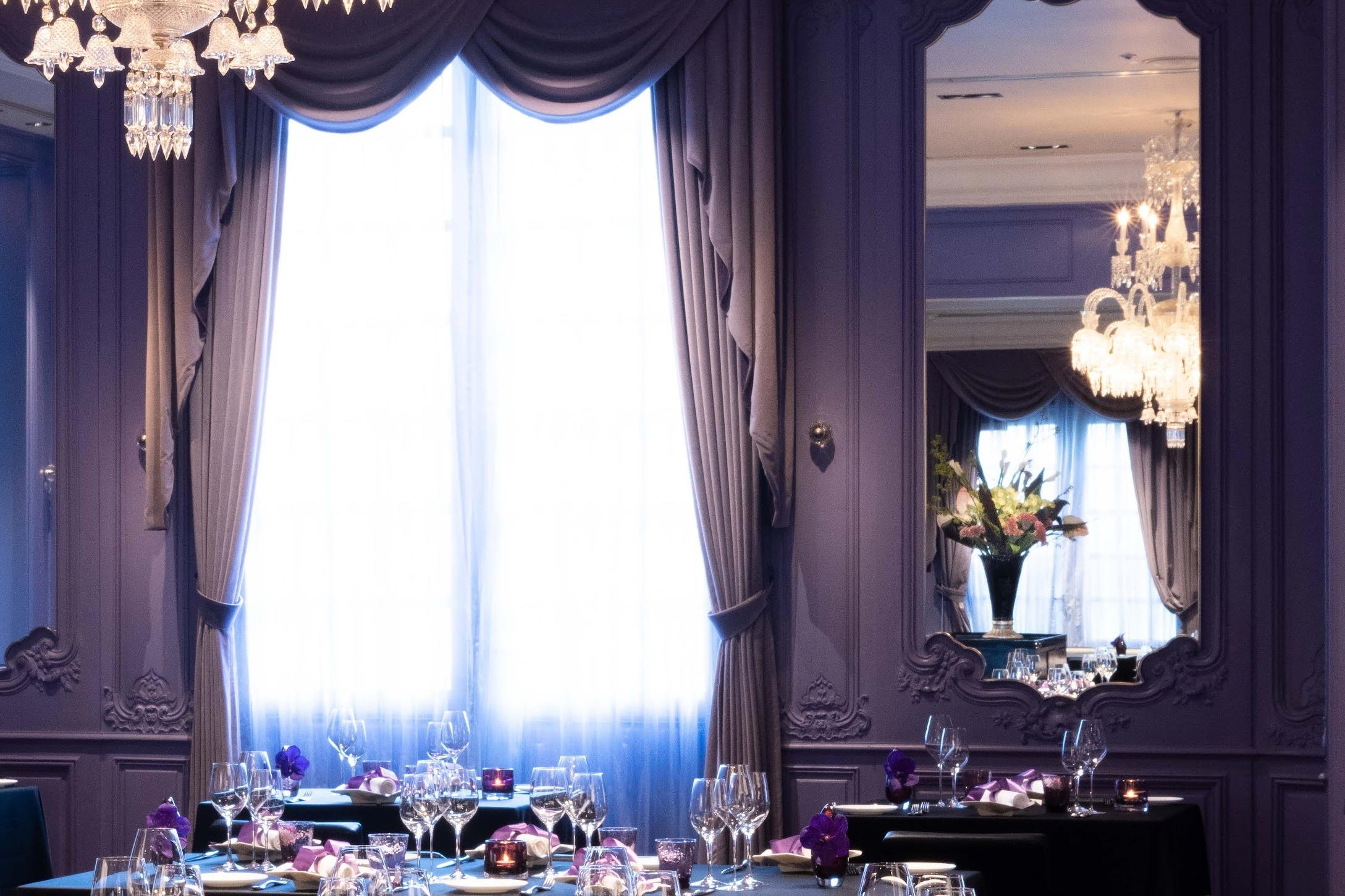


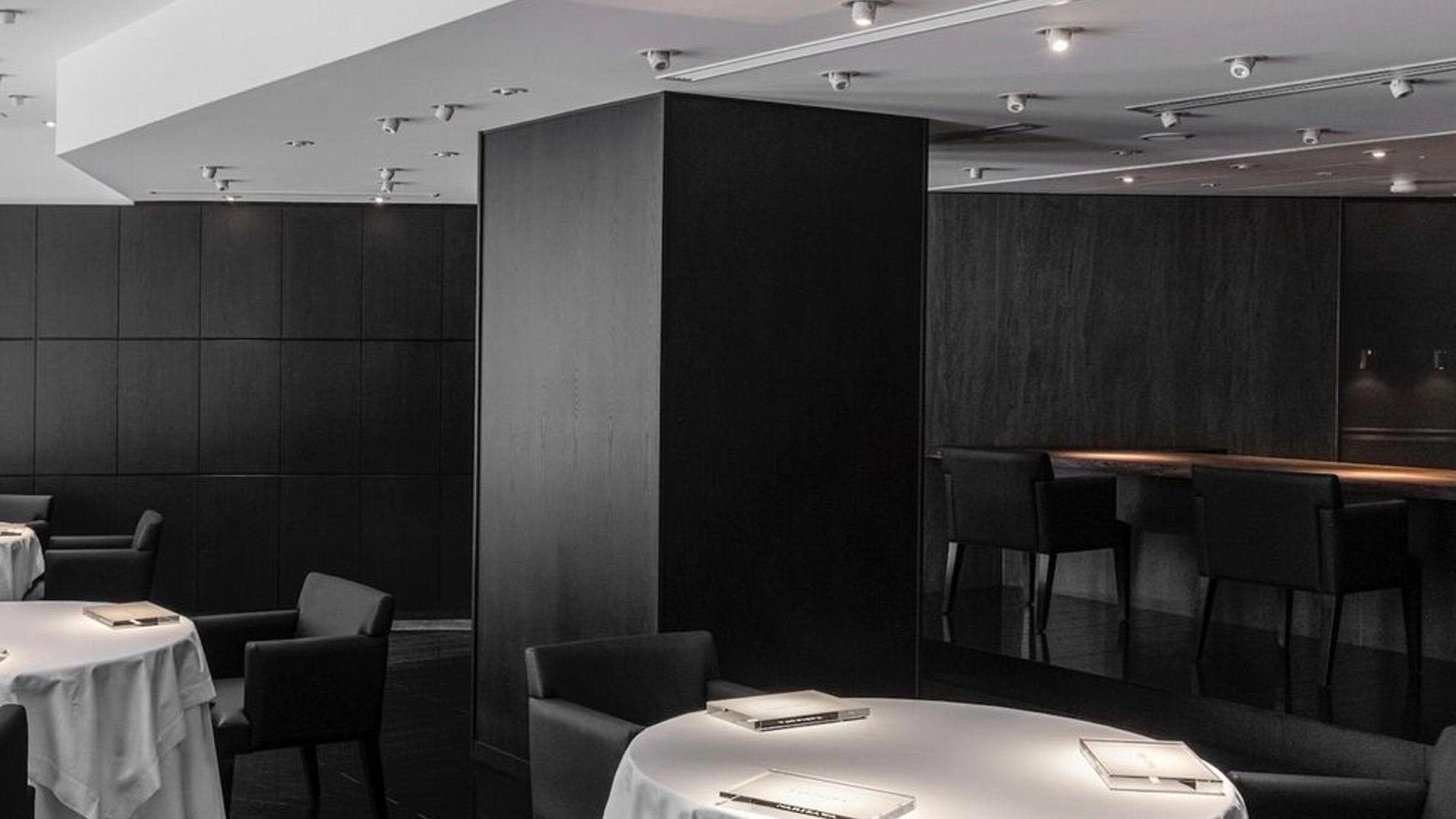

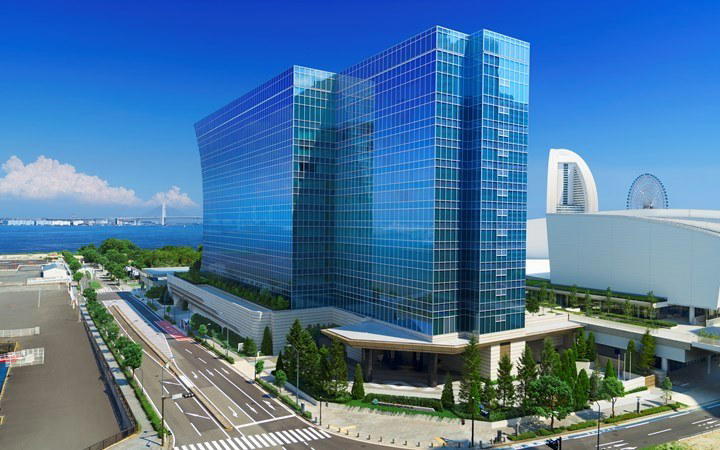
Bars in Tokyo
Browse all →



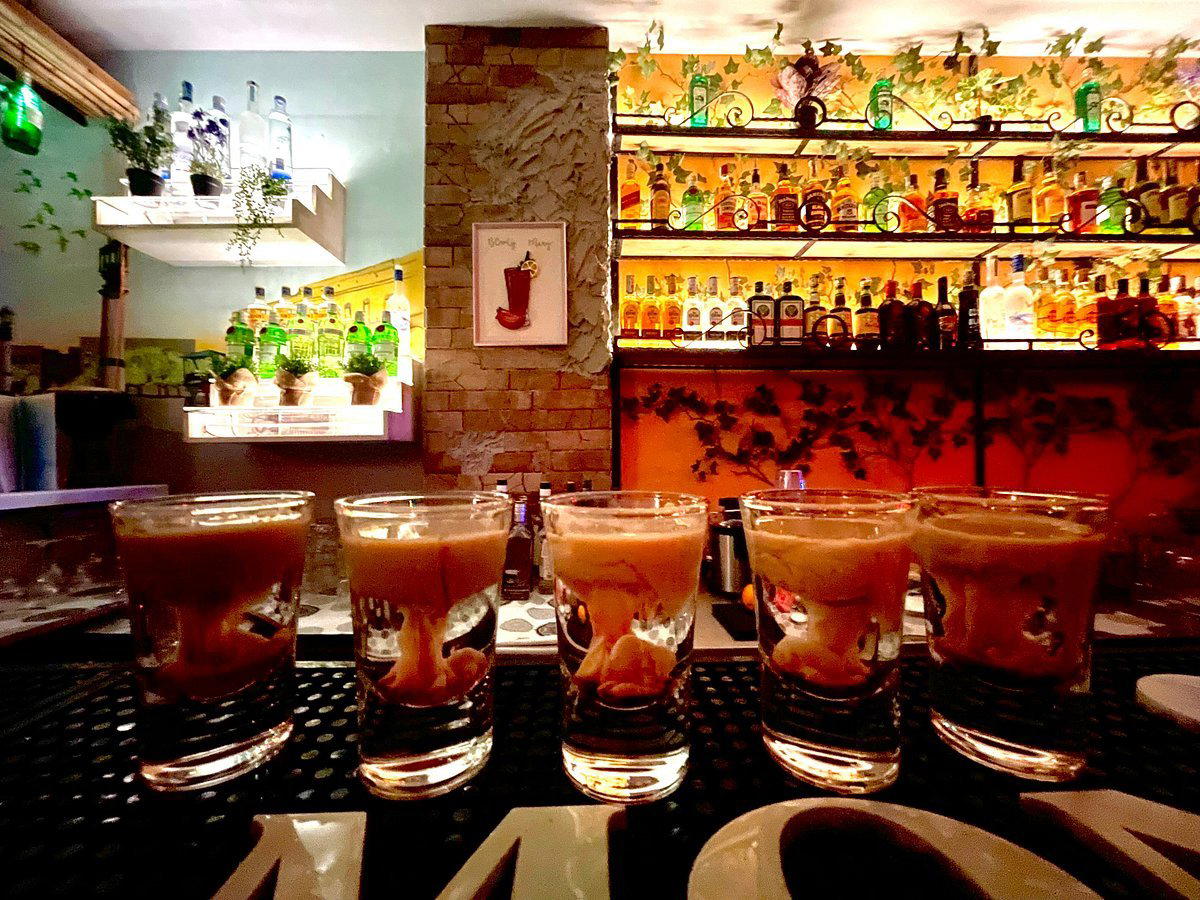
Hotels in Tokyo
Browse all →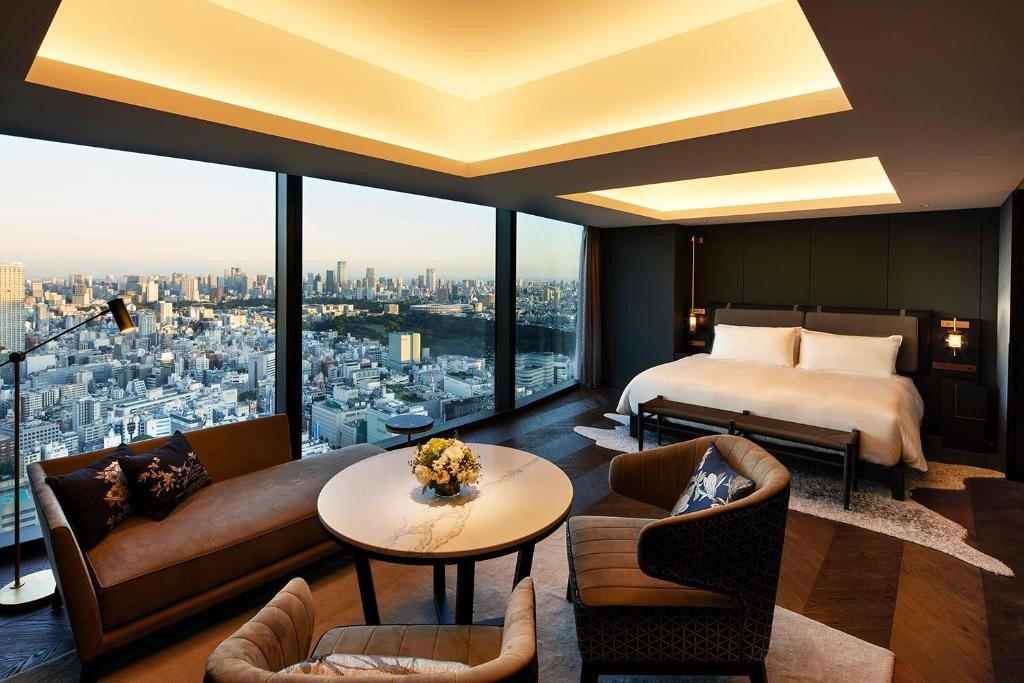



Wineries in Tokyo
Browse all →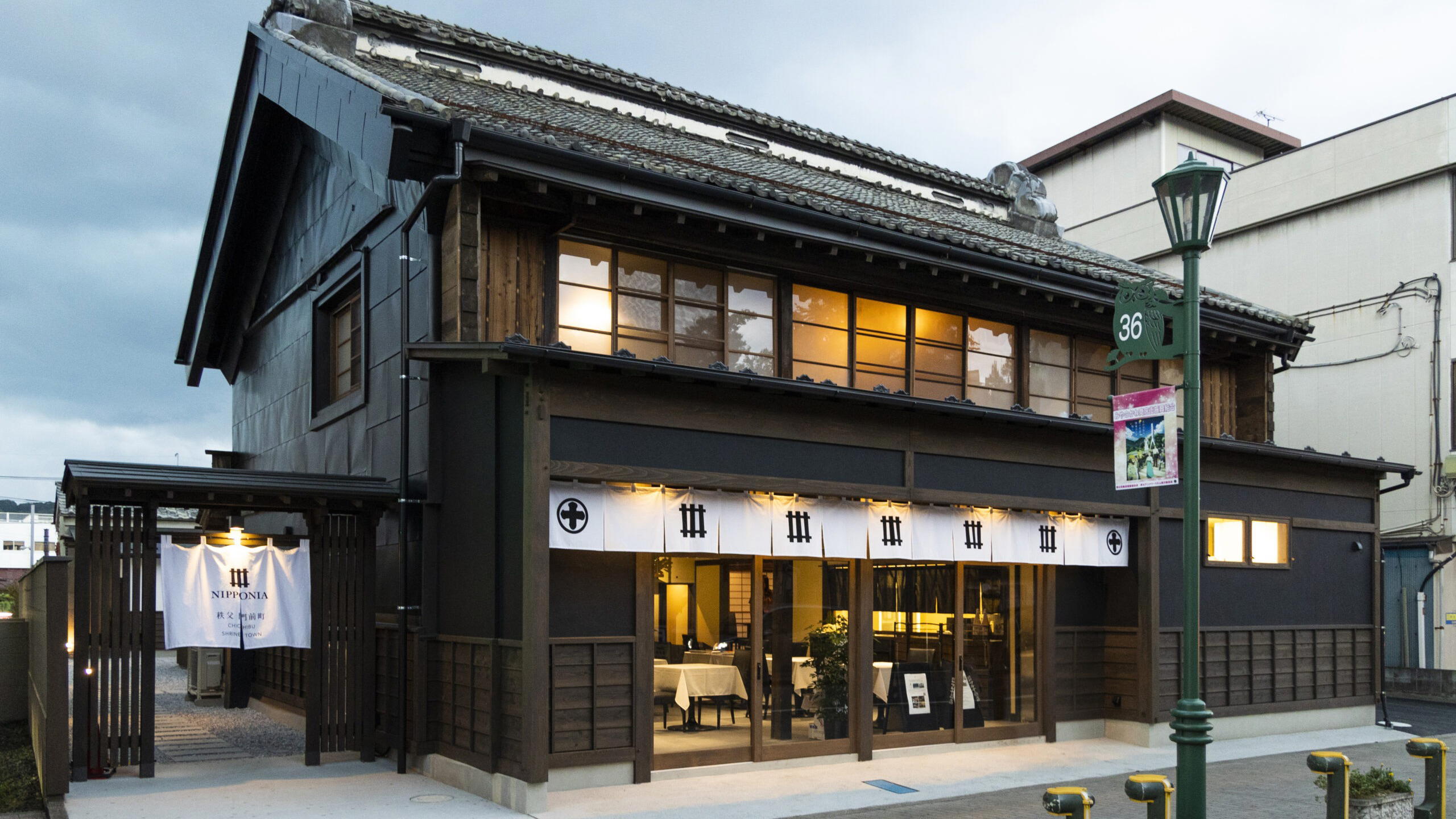
At a Glance
- Cozy
- Lively
- Classic
- Casual Hangout
- Family
- Solo
- After Work
- Terrace
- Standalone
- Local Sourcing
- Street Scene
Current opening hours
- Monday
- 11 AM–8 PM
- Tuesday
- 11 AM–8 PM
- Wednesday
- 11 AM–4 PM
- Thursday
- Closed
- Friday
- 11 AM–8 PM
- Saturday
- 11 AM–8 PM
- Sunday
- 11 AM–8 PM
Hours can change for holidays and private events. Last verified .
A small, casual neighborhood gelateria-café with counter and couple seating, simple décor, and a relaxed, family-friendly atmosphere, plus an open terrace that feels cozy and informal.