
Curry no Mise Ganji belongs to Tokyo’s serious curry circuit rather than the city’s luxury dining tier: compact, focused, and sustained by repeat diners who understand the rhythm of a small room. Its Tabelog Curry TOKYO 100 selections in 2023 and 2024 give it a clear credential in a category where local loyalty matters more than ceremony.
Pearl is the En Primeur Club membership app — saves, bookings, and concierge access live there. Same editors, same standards.
- Address
- 2 Chome-13-1 Nishishinbashi, Minato City, Tokyo 105-0003, Japan
- Phone
- +81 3-6320-2460
- Website
- twitter.com
 Saves & bookings on Pearl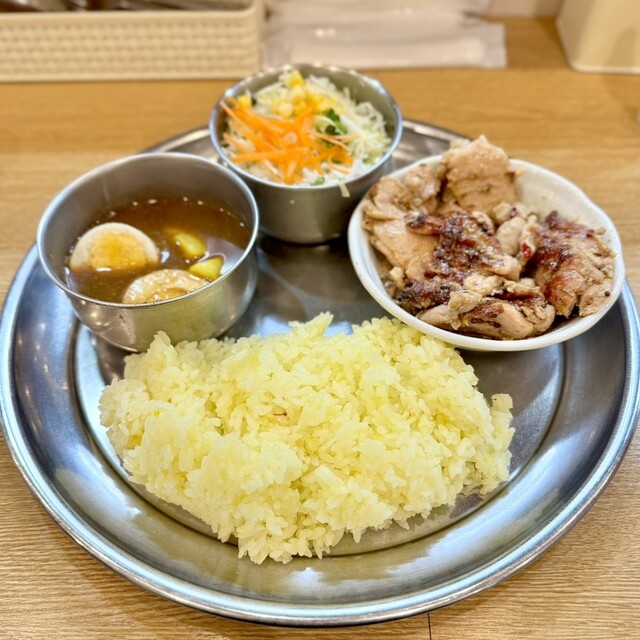
A serious Tokyo curry room is rarely theatrical. The signal is smaller: a narrow upstairs address, a lunch crowd that knows when to arrive, and a room built for eating, not lingering. In Nishishinbashi, near Toranomon’s office gravity, that format fits. Curry is one of Tokyo’s great working-day cuisines, and the better specialists need little script: consistency, pace, and a clientele that returns because the decision was made before the elevator door opens.
Curry no Mise Ganji sits in that tradition. The category is curry and Indian, but the context is Tokyo’s own curry culture: localized, fiercely comparative, and judged by regulars as much as formal critics. Its inclusion in Tabelog Curry TOKYO 100 in both 2023 and 2024 places it among the city’s recognized curry specialists, a useful marker in a field where many good rooms remain modest. The 3.75 score matters less as a universal rating than as a sign of sustained attention in a crowded Tokyo category.
A regulars' curry room in an office district
The regulars’ perspective is the right lens. Tokyo curry specialists often operate by an unwritten contract: arrive with purpose, understand the pace, and do not expect the rituals of a long tasting menu. This is not the same market as Tokyo’s high-spend counter dining. Compared with nearby premium formats such as Tempura Osaka, Yakitori Nakamura, or Toranomon Yakitori Kuniyoshi, where price and occasion point to a planned evening, a Nishishinbashi curry specialist answers a different urban need: repeatability, not spectacle.
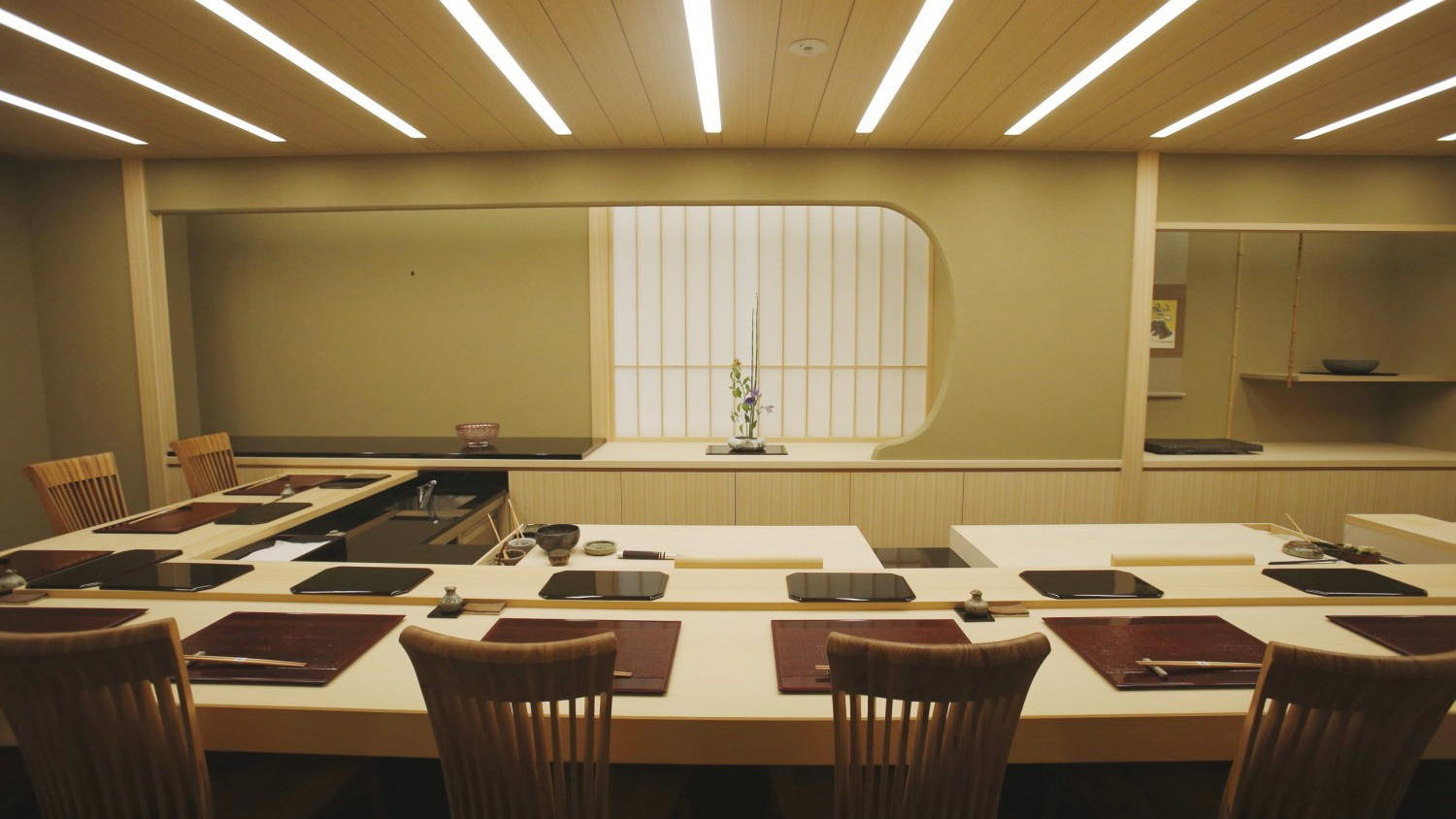
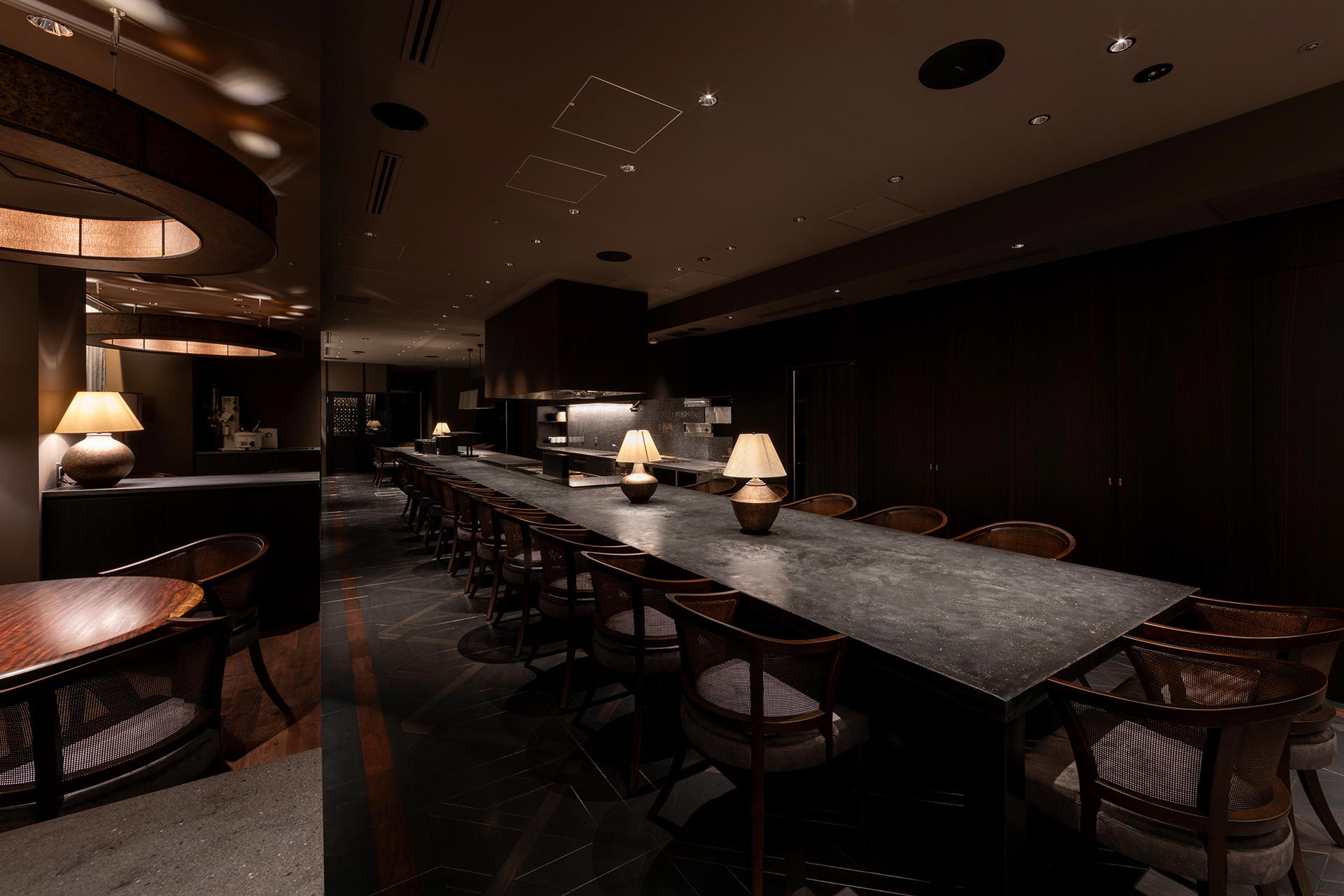
That distinction is part of the pleasure. Tokyo’s restaurant hierarchy can make visitors over-index on Michelin-style scarcity, but curry has its own ranking logic. Serious shops earn loyalty through a narrow promise executed daily: a limited category, a compact room, and a customer base that notices drift immediately. Curry no Mise Ganji has 20 seats, split between counter and table seating, keeping the experience close to the kitchen without turning it into performance. In a city built for small specialist restaurants, that scale is the model.
The Nishishinbashi setting matters. This part of Minato is shaped by offices, transit, and weekday routines, not destination dining alone. Curry suits that environment because it is both comforting and analytical. Diners compare spice balance, rice, texture, portion, and finish with the seriousness others bring to tempura batter or yakitori smoke. A two-year Tabelog Curry TOKYO 100 run suggests the room has moved from local convenience into the city’s larger curry conversation.
Tokyo curry, Indian reference points, and why restraint counts
Tokyo curry is not one cuisine. It ranges from yoshoku-style plates to South Asian-influenced specialist cooking, from railway-station comfort to individualized spice work. A listing carrying both curry and Indian categories points to that overlap: Japanese diners have long absorbed, adapted, and reclassified curry through local habits rather than treating it as a fixed import. Tokyo’s curry audience rewards precision, but not always luxury signals. A small room can outrank a grand one if regulars believe the plate holds its line.
Awards in this category read differently from haute cuisine awards. Tabelog’s curry selections are less about ceremony than density of approval within a specialist field. For travelers, they identify rooms local diners have sorted from the wider mass of competent curry shops. For Tokyo residents, they confirm what repeat traffic often establishes first. Curry no Mise Ganji is not competing with the city’s French, sushi, or kaiseki economies. It belongs to the smaller, more obsessive category of shops where diners return because the format is efficient and the kitchen’s identity is narrow.
The comparison clarifies expectations. Koshikiryori Koki sits in a Chinese category and higher-spend bracket; Tempura Aratamikawa belongs to a tempura tradition where batter, oil, and pacing define the meal; yakitori counters use sequence and grilling rhythm as grammar. Curry works differently. The plate arrives as a composed argument rather than a sequence. Regulars read it quickly, then decide whether it earns a place in rotation. That bluntness is part of the genre’s strength.
How to place it in a Tokyo itinerary
For visitors building a Tokyo food itinerary, this address keeps the trip from becoming only reservation counters. It shows how the city eats between major meals, especially in business districts where quality and speed are not enemies. Treat it as a focused curry stop, not a substitute for a long dinner. Pairing a curry specialist with more formal meals elsewhere gives a clearer picture of Tokyo’s dining range than booking only high-price omakase and tasting menus.
EP Club readers comparing categories can use wider city guides to frame the choice. For more restaurant context, see Our full Tokyo restaurants guide, alongside focused Tokyo entries such as 3 Chome no Curry Ya San, 12/10 Shinjuku ten, 124. KAGURAZAKA (Yakitori), . 鮪と炭火焼き うお炭 秋葉原店, and 2D Cafe. City planning also benefits from Our full Tokyo hotels guide, Our full Tokyo bars guide, Our full Tokyo wineries guide, and Our full Tokyo experiences guide.
Japan’s curry conversation extends beyond central Tokyo, and that wider map explains why a compact Minato shop can matter. Compare the category with [Curry Senmon Ten] Maruyama Kyoju. in Sapporo, then widen the lens through -Grilled beef Sukiyaki- KAMAKURA TANUKIAN 鎌倉 たぬき庵 in Kamakura.cafe in Osaka.know in Kumamoto, (Shoku) Vietnam in Kawasaki, and [ki:] in Kyoto. For readers tracing Japanese food culture abroad, Jōdo Saké Bar in Los Angeles and Onigiri Time in Pasadena show how tightly defined formats travel when they keep their purpose intact.
The editorial case is simple: this is not a grand-occasion room, and judging it that way misses the point. Its strength lies in Tokyo specialization, where a compact curry shop can become part of a regular’s week and still carry enough recognition to interest a visitor. In a city crowded with expensive counters, the restaurant reminds us that seriousness does not always announce itself with ceremony.
A Quick Peer Check
Comparable venues to calibrate price, style, and recognition.
| Venue | Cuisine | Price | Notes |
|---|---|---|---|
| Curry no Mise GanjiThis venue — the venue you are viewing | Japanese curry shop | $ | Not listed |
| Sumibi Baisen Coffee Rin | Japanese Kissaten / Coffee Shop | $ | Chūō |
| Usagiya Chuo dori ten | Traditional Japanese Wagashi & Dorayaki Shop | $ | Chūō |
| Takemura | Traditional Japanese sweets café (kanmi-dokoro) | $ | Chiyoda |
| Pelican | Traditional Tokyo shokupan bakery | $ | Taitō |
| Fuuunji Shinjuku honten | Ramen & Tsukemen | $ | Shibuya |
Recognition history
Dated appearances from independent guides and award organizations, with the underlying list record or original source where available.
Tabelog 100 #47 · No. 47
Tabelog · Tabelog 100 - Curry - TOKYO - 2024








At a Glance
- Cozy
- Classic
- Solo
- After Work
- Casual Hangout
- Chefs Counter
- Standalone
Current opening hours
- Monday
- 11 AM–1 PM
- Tuesday
- 11 AM–1 PM
- Wednesday
- 11 AM–1 PM
- Thursday
- 11 AM–1 PM
- Friday
- 11 AM–1 PM
- Saturday
- Closed
- Sunday
- Closed
Hours can change for holidays and private events. Last verified .
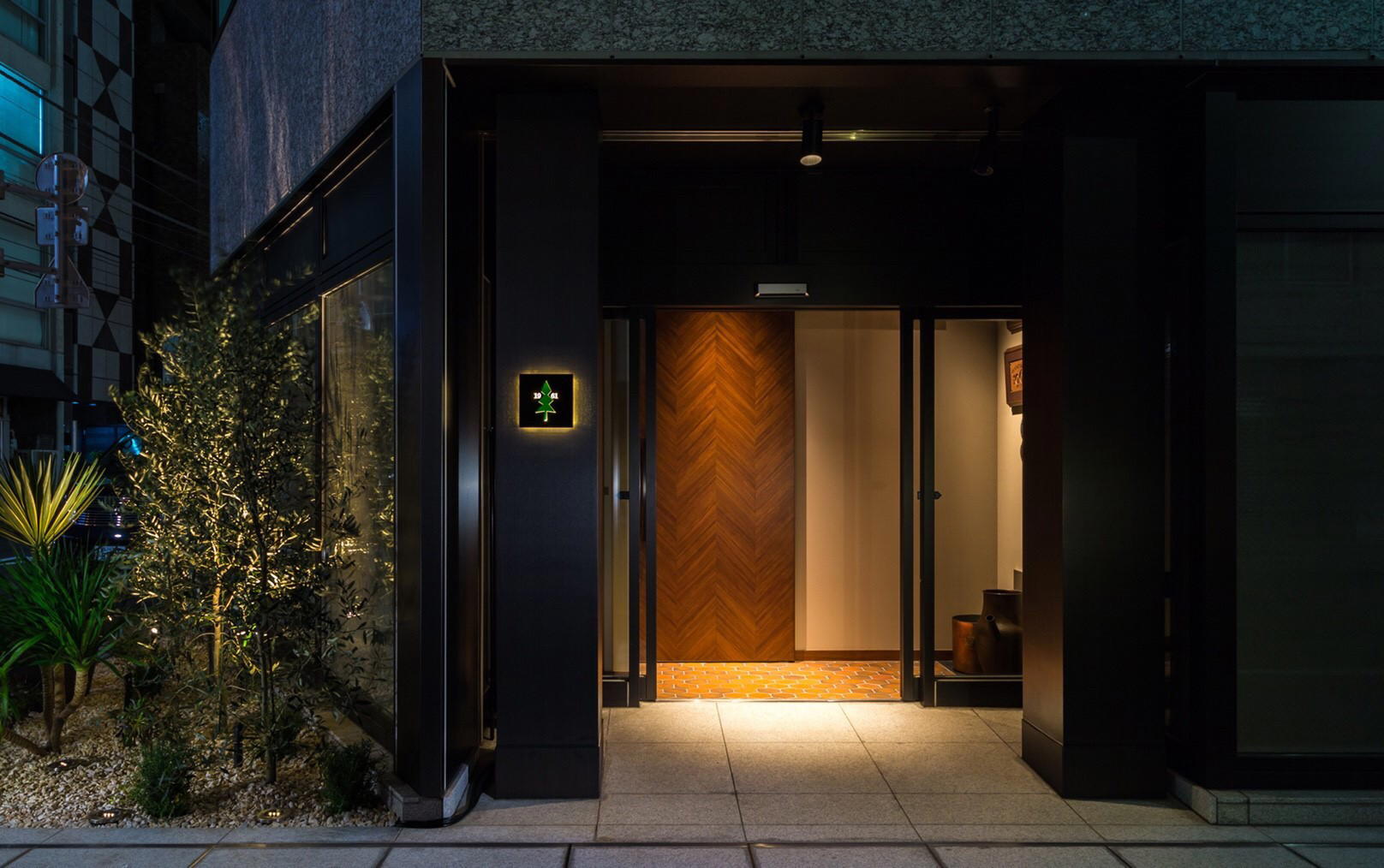
A no-frills, compact counter-style curry shop with a classic Tokyo salaryman feel—bright and functional rather than decorative, often with a line out the door and a focused, efficient atmosphere during the short lunch service.