
Nihonbashi’s sweets culture rewards brevity: a small purchase, a precise counter exchange, and a box carried back through the business district. Usagiya Chuo dori ten belongs to that Tokyo wagashi circuit, with dorayaki as its anchor and repeated Tabelog 100 selections placing it among the city’s recognized Japanese sweets shops.
Pearl is the En Primeur Club membership app — saves, bookings, and concierge access live there. Same editors, same standards.
- Address
- 東京都中央区日本橋1-3-8 ディアマントビル 1F
- Phone
- +81332719880
- Website
- tabelog.com
 Saves & bookings on Pearl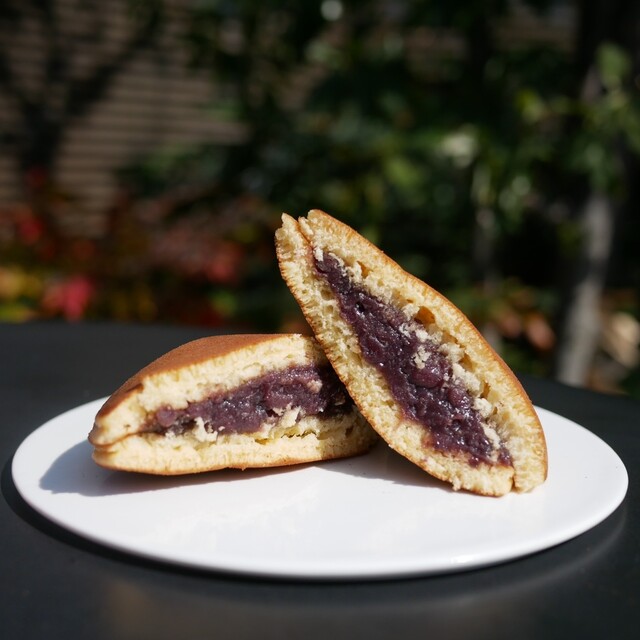
Chuo-dori changes character quickly around Nihonbashi: department-store polish, office traffic, old commercial Tokyo, and small food shops that make sense only where a snack can have craft discipline. Wagashi here is not theatrical. It is transactional, compact, exacting: arrive, choose, pay, and leave with something made for near-term eating, not display. That rhythm explains why a take-out sweets counter can matter to Tokyo dining as much as a long-menu restaurant.
Usagiya Chuo dori ten sits inside that tradition. Its category is Japanese traditional sweets, with dorayaki explicitly named in its listing, and repeated Tabelog 100 recognition places it in Tokyo’s serious wagashi conversation. Its award history spans Tabelog Sweets selections in 2017, 2018, 2019, 2020 and 2022, plus Tabelog Japanese traditional sweets / Japanese sweets cafe TOKYO 2023. That continuity matters more than one badge: wagashi regulars judge consistency, not novelty.
Nihonbashi makes the sweets counter feel civic, not precious
Nihonbashi suits this kind of shop because the district has never separated commerce from appetite. Its food culture is built on errands: a boxed gift after a meeting, a department-store basement purchase before a train, a quick lunch between appointments, a seasonal sweet taken home rather than eaten at a table. Here, dorayaki is not a dessert-course flourish. It is portable Tokyo craft, judged by balance, timing, and whether it survives the short trip from counter to office, hotel room, or home table.
That puts the shop in a different competitive frame from nearby full-service dining. A Nihonbashi meal at Ningyocho Imahan Nihombashi Takashimaya S.C. Restaurant belongs to the district’s polished sit-down tradition; Kisetsu Ryori Ishii represents a more formal Japanese dining bracket; Brothers Nihonbashi takashimaya ten speaks to casual international appetite. A wagashi counter works on another clock. The decision is smaller, but the standards are not. Recognition in a sweets-focused Tabelog 100 list signals peer judgment in a category where a narrow range of items exposes inconsistency quickly.
For travellers mapping Tokyo by food rather than monuments, this is the point: Nihonbashi rewards short stops with a high signal-to-noise ratio. A sweets purchase can fit between Ginza, Tokyo Station, and the eastern wards without turning the day into a restaurant itinerary. Readers building a wider route can pair this stop with Our full Tokyo restaurants guide, then branch into Our full Tokyo bars guide, Our full Tokyo hotels guide, Our full Tokyo experiences guide, or Our full Tokyo wineries guide when after-dark and cellar culture enter the plan.
Dorayaki belongs to Tokyo's low-priced, high-scrutiny tier
Tokyo’s luxury dining reputation can obscure one of the city’s sharper pleasures: inexpensive foods are often judged with tasting-menu severity. Curry, onigiri, yakitori, coffee jelly, taiyaki, senbei, and dorayaki all have followings that care about texture, holding time, packaging, and the gap between fresh and merely acceptable. Usagiya Chuo dori ten operates in that democratic tier, where modest spend meets repeat recognition and raised expectations.
Dorayaki also travels unusually well as a cultural marker. It is simple enough for children to understand and specific enough for adults to compare seriously. The format sits between snack and gift, fitting Nihonbashi’s office-and-retail ecology neatly. Tokyo visitors often look first to sushi counters or ramen queues, but wagashi reveals quieter urban discipline: sweetness calibrated for tea, packaging designed for carrying, and service built around speed rather than lingering.
That does not make the experience lesser than a seated meal; it makes it narrower. The appeal is concentration. A take-out counter asks less of the schedule and more of the palate. It suits travellers who understand Tokyo food culture is not only found at counters with chefs in whites. It also appears in small purchases between stations, especially where old merchant habits remain visible beneath newer retail surfaces.
The broader city map clarifies the distinction. 124. KAGURAZAKA (Yakitori) points toward skewers and neighbourhood dining; 12/10 Shinjuku ten sits in a denser nightlife corridor; 3 Chome no Curry Ya San shows how Tokyo treats curry as specialist category; 2D Cafe belongs to a more visual café register; and. 鮪と炭火焼き うお炭 秋葉原店 sits in a different fish-and-grill vocabulary. None replaces a Nihonbashi sweets stop. They show how Tokyo rewards category fluency.
How to read this stop inside a larger Japan itinerary
The practical reading is simple: treat Usagiya Chuo dori ten as a focused wagashi stop, not a long meal. The shop’s service format is take-out, and its recognition is category-specific, so the experience is closer to buying a benchmark example than settling in for a café session. That distinction helps travellers who overfill Tokyo days. A sweets counter can sharpen an itinerary precisely because it does not demand restaurant-reservation machinery.
Across Japan, small-format specialists often tell the sharper story than broad menus. A visitor comparing Tokyo with other cities might look at [ki:] in Kyoto for another register of urban dining.cafe in Osaka for café culture outside the capital.know in Kumamoto for a regional contrast, (Shoku) Vietnam in Kawasaki for suburban diversity, [Curry Senmon Ten] Maruyama Kyoju. in Sapporo for another specialist comfort-food lane, or -Grilled beef Sukiyaki- KAMAKURA TANUKIAN 鎌倉 たぬき庵 in Kamakura for a day-trip dining frame. Abroad, Jōdo Saké Bar in Los Angeles and Onigiri Time in Pasadena show how Japanese formats travel, but Nihonbashi keeps the reference point grounded in everyday Tokyo.
The editorial verdict is restrained by design: this is for readers who care about category, neighbourhood, and timing more than ceremony. In a city that can turn dinner into an event, the restaurant argues for the opposite pleasure: a precise purchase in the right district, with enough recognition to justify the detour and enough simplicity to keep the day moving.
Compact Comparison
Comparable venues at similar price and category levels.
| Venue | Cuisine | Price | Notes |
|---|---|---|---|
| Usagiya Chuo dori tenThis venue — the venue you are viewing | Not listed | $ | Not listed |
| Taniya | Chūō, Sanuki udon noodle shop | $ | Not listed |
| Kitchen Nankai Chiyoda kanda jinbou ten | Chiyoda, Japanese Yoshoku | $ | Not listed |
| Koseto Coffee Ten | Chiyoda, Japanese kissaten & cafe | $ | Not listed |
| Kanmidokoro Mitsubachi Honten | Not listed | $ | Bunkyō, Traditional Japanese sweets café (anmitsu & kakigori) |
| TOKYO LIGHT BLUE HONGO-3 | Bunkyō, Standing Sanuki udon & tempura | $ | Not listed |
Recognition history
Dated appearances from independent guides and award organizations, with the underlying list record or original source where available.
Tabelog 100 #47 · No. 47
Tabelog · Tabelog 100 - Japanese traditional sweets / Japanese sweets cafe - TOKYO - 2023







At a Glance
- Well Known
- Cozy
- Classic
- Quiet
- Solo
- After Work
- Casual Hangout
- Family
- Standalone
- Historic Building
- Street Scene
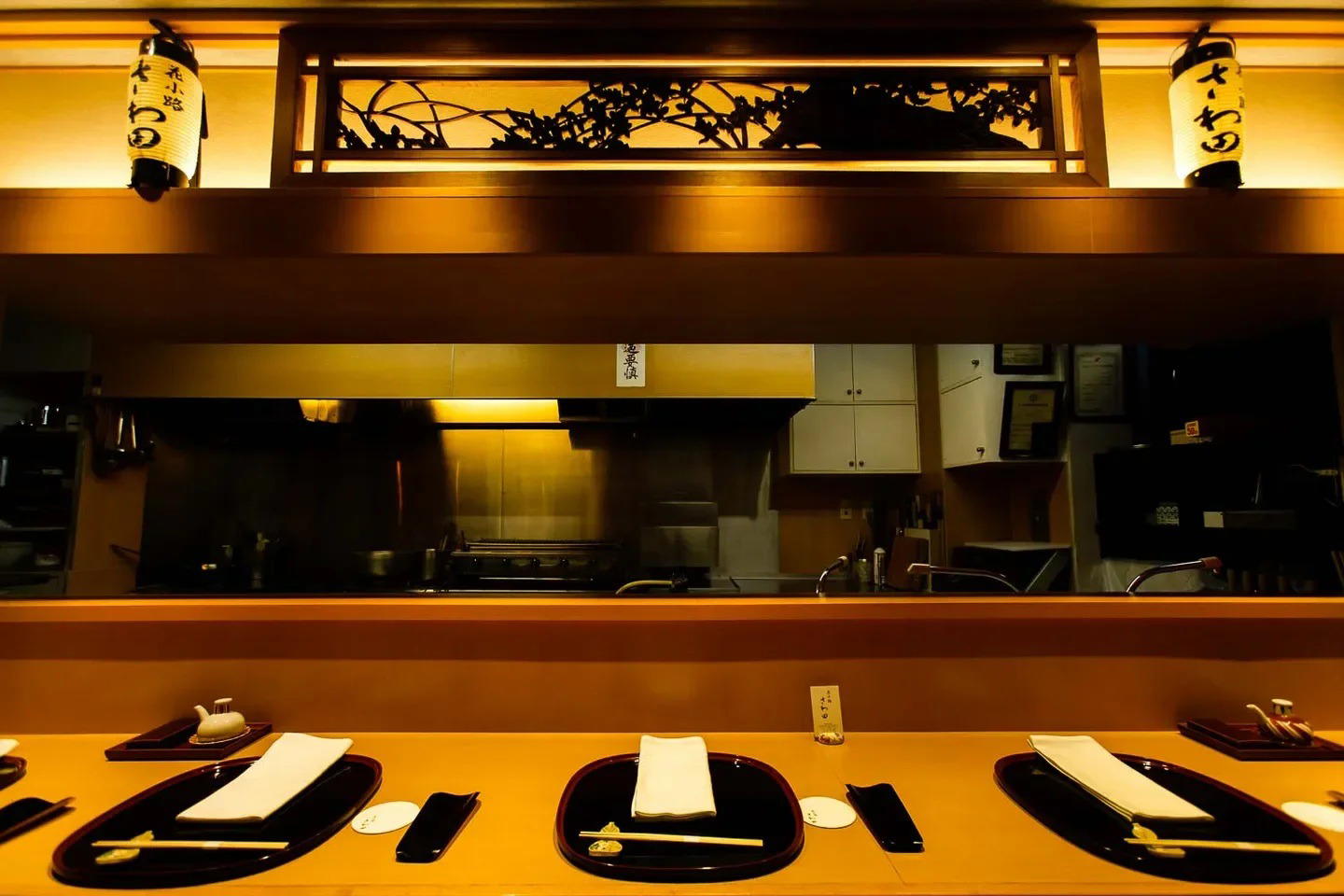
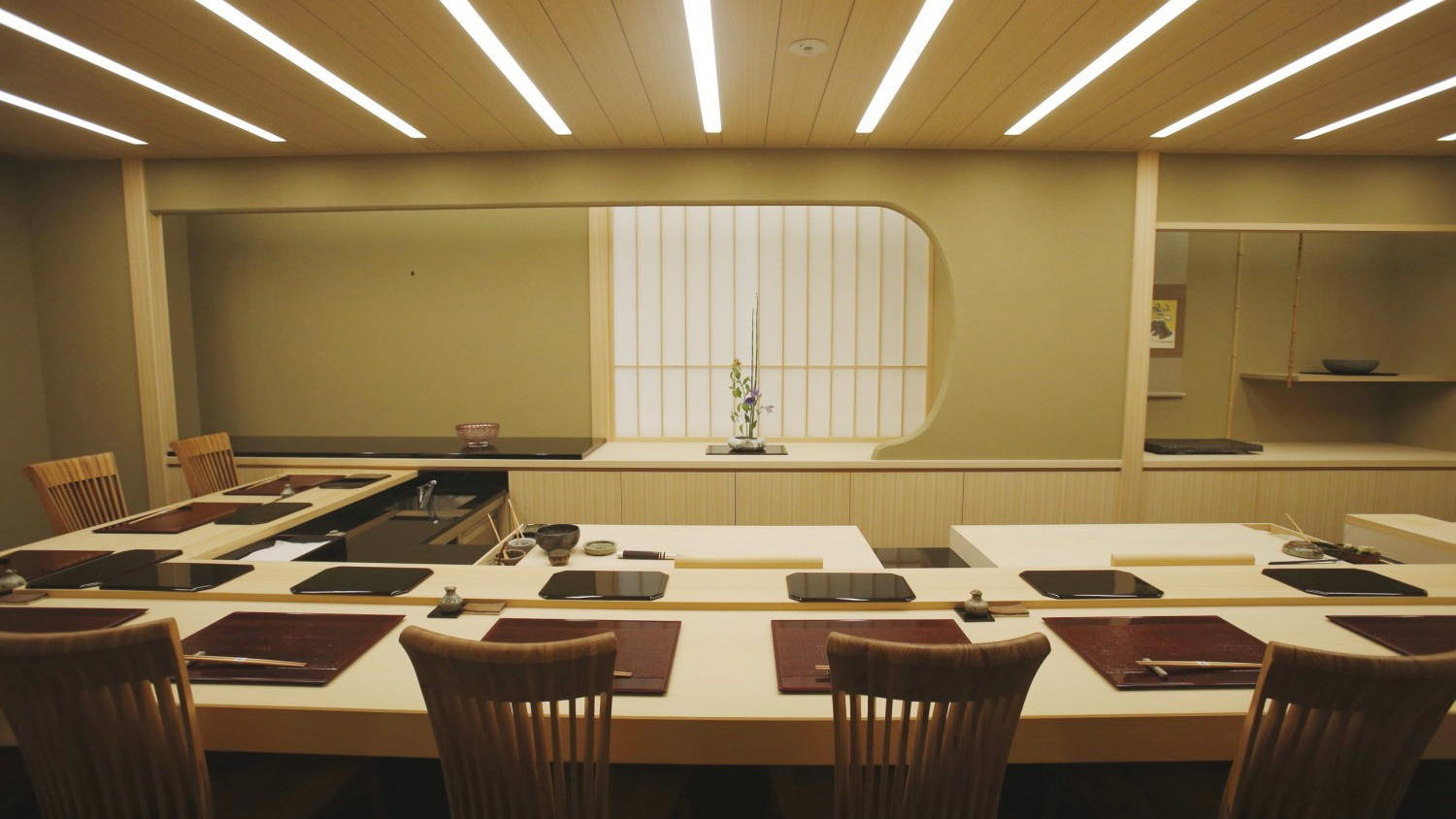
A small, traditional wagashi shop with a simple, clean interior and counter-style service, focused on take-out; the atmosphere is calm and unpretentious, more like a classic neighborhood sweets shop than a sit-down café, with guests often queueing quietly for its famous dorayaki.