Our verdict
Cuando Salí de Cuba occupies a quiet street in Madrid's Centro district, serving Cuban and Caribbean cooking to a crowd that keeps coming back rather than dropping in once. The room pulls regulars as much as it does curious newcomers, and the kitchen's focus on the flavours and rhythms of Havana gives it a distinct address in a city where Cuban food rarely receives this kind of sustained attention.

Pearl is the En Primeur Club membership app — saves, bookings, and concierge access live there. Same editors, same standards.
- Address
- C. de la Ternera, 4, Centro, 28013 Madrid, Spain
- Phone
- +34915229318
- Hours
- Mon–Thu 1–5 PM, 7 PM–12 AMFri–Sun 1 PM–12 AM
- Directions
- Get directions
- Booking
- Book on OpenTable
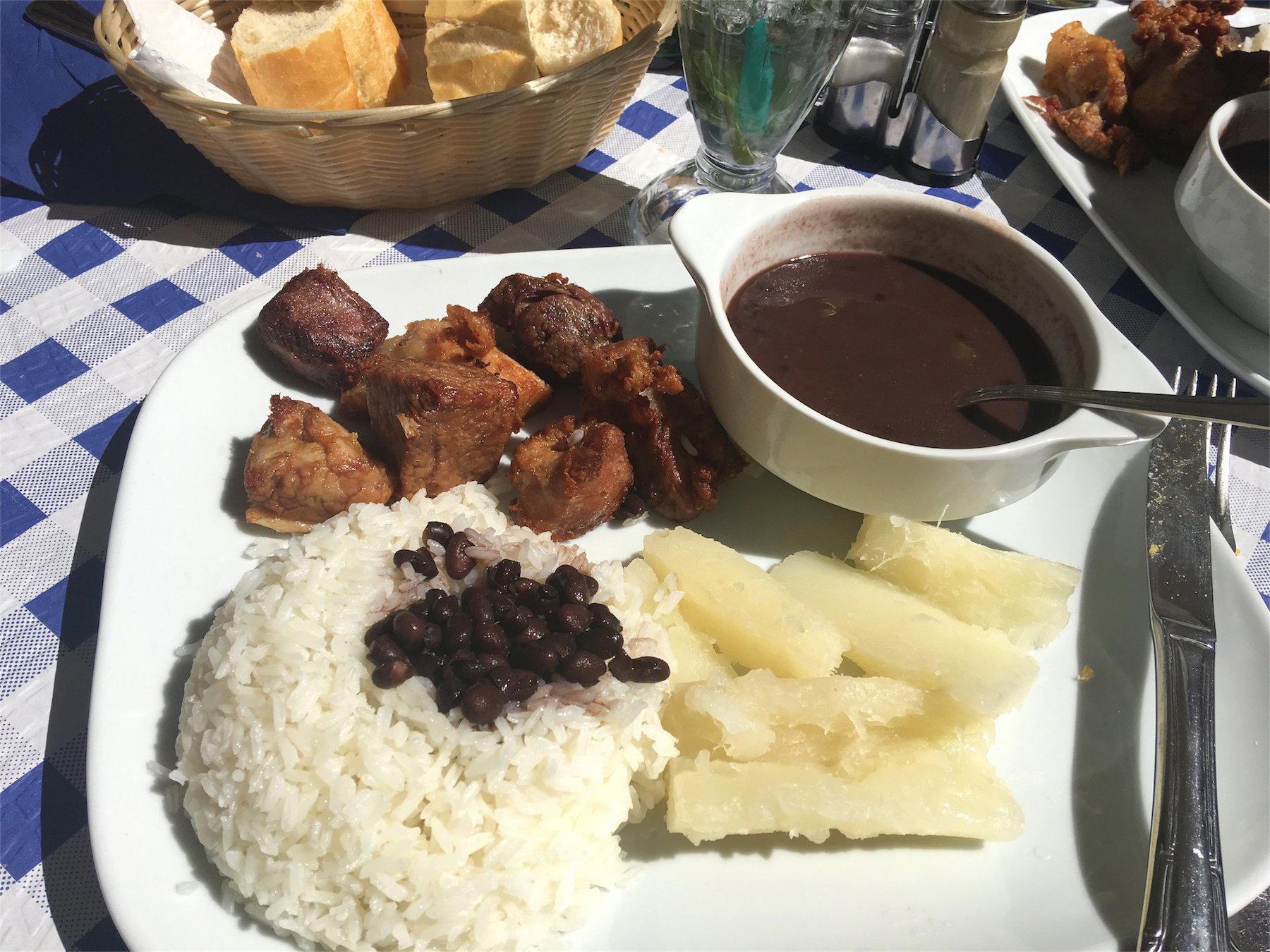
The menu
What to order
- Ropa vieja
- Santiaguera
- Tostones
- Mojito
- Papas rellenas
- Chilindrón de chivo
A Corner of Havana in Central Madrid
Madrid's Centro district concentrates an unlikely number of migrant kitchens, and the Cuban restaurants among them tend to fall into two camps: large, music-heavy rooms built around the rum list, and smaller, more domestically scaled spots where the food is the primary event. Cuando Salí de Cuba on Calle de la Ternera sits closer to the second category. The street itself is narrow even by Madrid's old-city standards, and approaching the entrance on foot you're already some distance from the tourist corridors that radiate out from the Gran Vía. That physical remove matters: it sets expectations before you've ordered anything.
Cuban cooking in Spain carries a particular weight that it doesn't carry in, say, London or New York. The historical relationship between Spain and Cuba means the cuisine registers here not as entirely exotic but as something familiar-yet-shifted, a set of ingredients and techniques that branched from a shared trunk several centuries ago. Dishes built around black beans, slow-cooked pork, plantain, and rice exist in a context that Spanish diners can read at least partially, which makes the divergences — the spice register, the sweetness ratios, the structural role of citrus — land with more precision. Regulars at Cuando Salí de Cuba understand this relationship, and part of what keeps them returning is exactly that interplay between recognisable and distinct.
What the Regulars Know
The loyalty economy of a restaurant like this one is built differently from the loyalty that surrounds, say, a tasting-menu destination. At Madrid's high-end creative kitchens, places like DiverXO, Coque, or Deessa, repeat visits are planned months in advance and often occasion-driven. The regulars at a neighbourhood Cuban kitchen return on different logic: familiarity, consistency, the specific satisfaction of a dish that doesn't change. What the returning crowd at Cuando Salí de Cuba has figured out, over multiple visits, is how to order for maximum return. The ropa vieja, slow-braised shredded beef with tomato and pepper, is the dish that functions as the room's reference point. Order it and you're orienting yourself correctly. The tostones, twice-fried plantain, function as punctuation throughout a meal rather than as a side dish to be negotiated around.
The unwritten menu at a place like this is partly about timing. Lunch service in Madrid runs late by northern European standards, with the kitchen at full capacity between two and four in the afternoon on weekdays. The crowd during those hours is a mix of local workers, residents from the surrounding Centro streets, and a smaller contingent of visitors who have been tipped off. The evening crowd skews differently: more table-sharing, longer stretches between courses, rum appearing with greater regularity. Knowing which service suits your pace is the kind of intelligence that regulars carry and that first-time visitors often miss.
Cuban Cooking in a Spanish Context
Spain's dining scene has developed a strong institutional vocabulary around its own regional cooking, Basque, Catalan, Castilian, Andalusian, and its most decorated restaurants, from El Celler de Can Roca in Girona to Arzak in San Sebastián to Martin Berasategui in Lasarte-Oria, operate within or against that regional grammar. The Caribbean kitchens operating in Madrid don't slot into those frameworks, and they're not trying to. What Cuban cooking offers is a different logic entirely: a cuisine shaped by African, Spanish, and indigenous Taíno traditions into something that processes its ingredients through long cooking, acid, and layered seasoning rather than through the precision-technique register that dominates Spanish fine dining.
That means the reference points for evaluating Cuando Salí de Cuba are elsewhere. The relevant comparisons are not DSTAgE or Paco Roncero, and they're not the broader Iberian creative scene represented by Aponiente, Azurmendi, or Quique Dacosta. The relevant measure is faithfulness to the Cuban source material, consistency across service, and whether the kitchen is genuinely engaging with the cuisine or producing a simplified version of it for a market that might not notice the difference. From what the repeat-visitor record suggests, Cuando Salí de Cuba sits in the more serious camp.
The Room and Its Rhythms
The address on Calle de la Ternera places the restaurant in a part of Centro that rewards walking rather than direct transit. The neighbourhood is dense with small operators, and the foot traffic tends toward residents rather than tourists. Inside, the room carries the visual markers that Cuban restaurants in European cities often reach for: warm colours, period photographs, a rum selection displayed with some prominence. The question is always whether the kitchen lives up to the atmosphere the room constructs, and here the regular clientele, returning week after week, provides a credible answer. Rooms that trade purely on aesthetic rarely sustain loyalty at this level.
The music calibration is worth noting. Cuban restaurants in Europe frequently use their soundtrack as a second product, pushing volume toward the point where it becomes a selling point rather than a background element. At Cuando Salí de Cuba, the room functions as a place where conversation is the primary activity and the music supports rather than competes. That's a deliberate choice, and it explains part of the local repeat-visit dynamic: you can actually hear the person across the table.
Planning Your Visit
Calle de la Ternera 4 sits in Madrid's Centro district, walkable from the major metro interchange at Sol and a short distance from the Gran Vía corridor, though the street itself is quiet enough that you'll want to look it up before you arrive rather than stumble across it. Given the scale of the room and the loyalty of the regular clientele, booking ahead is advisable, particularly for weekend evenings and the prime lunch window on weekdays. Contact details are leading sourced through current aggregator listings, as direct booking information changes. Dress is casual by Madrid standards, which is to say smart-casual is the upper register and most of the room sits comfortably below it. For a broader orientation to where Cuando Salí de Cuba fits within the city's wider dining spread, the EP Club Madrid restaurants guide maps the scene across price tiers and cuisine types.
For readers who divide longer Spain trips between Madrid and other cities, the Cuban kitchen's register offers useful contrast to the Catalan precision of Cocina Hermanos Torres in Barcelona or the conceptual work at Mugaritz in Errenteria. Internationally, the closest analogues in terms of neighbourhood-kitchen loyalty dynamics might be found in New York's mid-tier scene, where places like Atomix occupy a completely different price register but similarly build their reputations on repeat-visitor depth. Cuando Salí de Cuba operates at the other end of that spectrum: accessible pricing, familiar format, consistent execution, and a cuisine that has enough depth to reward multiple visits without revealing everything on the first.
Frequently asked questions
What is Cuando Salí de Cuba known for?
What's the signature dish at Cuando Salí de Cuba?
Should I book Cuando Salí de Cuba in advance?
Can Cuando Salí de Cuba accommodate dietary restrictions?
Is Cuando Salí de Cuba a good option for a group dinner in central Madrid?
In Context: Similar Options
A short peer table to compare basics side-by-side.
| Venue | Cuisine | Price | Awards | Notes |
|---|---|---|---|---|
| Cuando Salí de CubaThis venue — the venue you are viewing | Authentic Cuban | $10–20 | Not listed | Not listed |
| DiverXO | Avant-Garde Spanish Tasting Menu | $300–500 | 3 Michelin Stars · World's 50 Best #4 | Progressive - Asian, Creative |
| Coque | Modern Spanish Fine Dining | $300–500 | 2 Michelin Stars · La Liste Top Restaurants | Spanish, Creative |
| Deessa | Modern Valencian Fine Dining | $150–200 | 2 Michelin Stars · La Liste Top Restaurants | Modern Spanish, Creative |
| Paco Roncero | Avant-Garde Spanish Fine Dining | $150–200 | 2 Michelin Stars · La Liste Top Restaurants | Creative |
| Smoked Room | Modern Japanese Fire Omakase | $200–300 | 2 Michelin Stars · La Liste Top Restaurants | Progressive Asador, Contemporary |
Continue exploring
More in Madrid
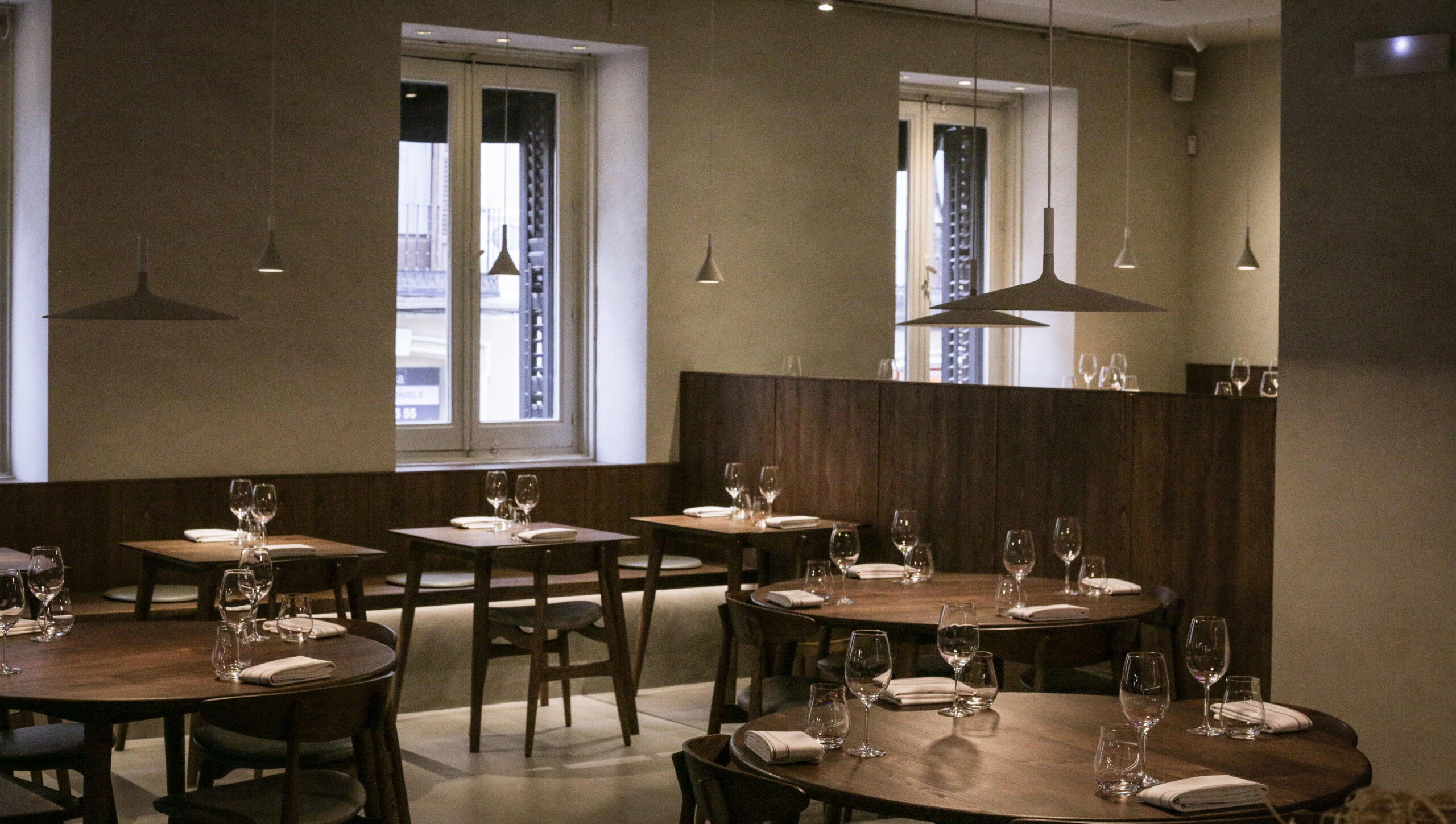
Restaurants in Madrid
Browse all →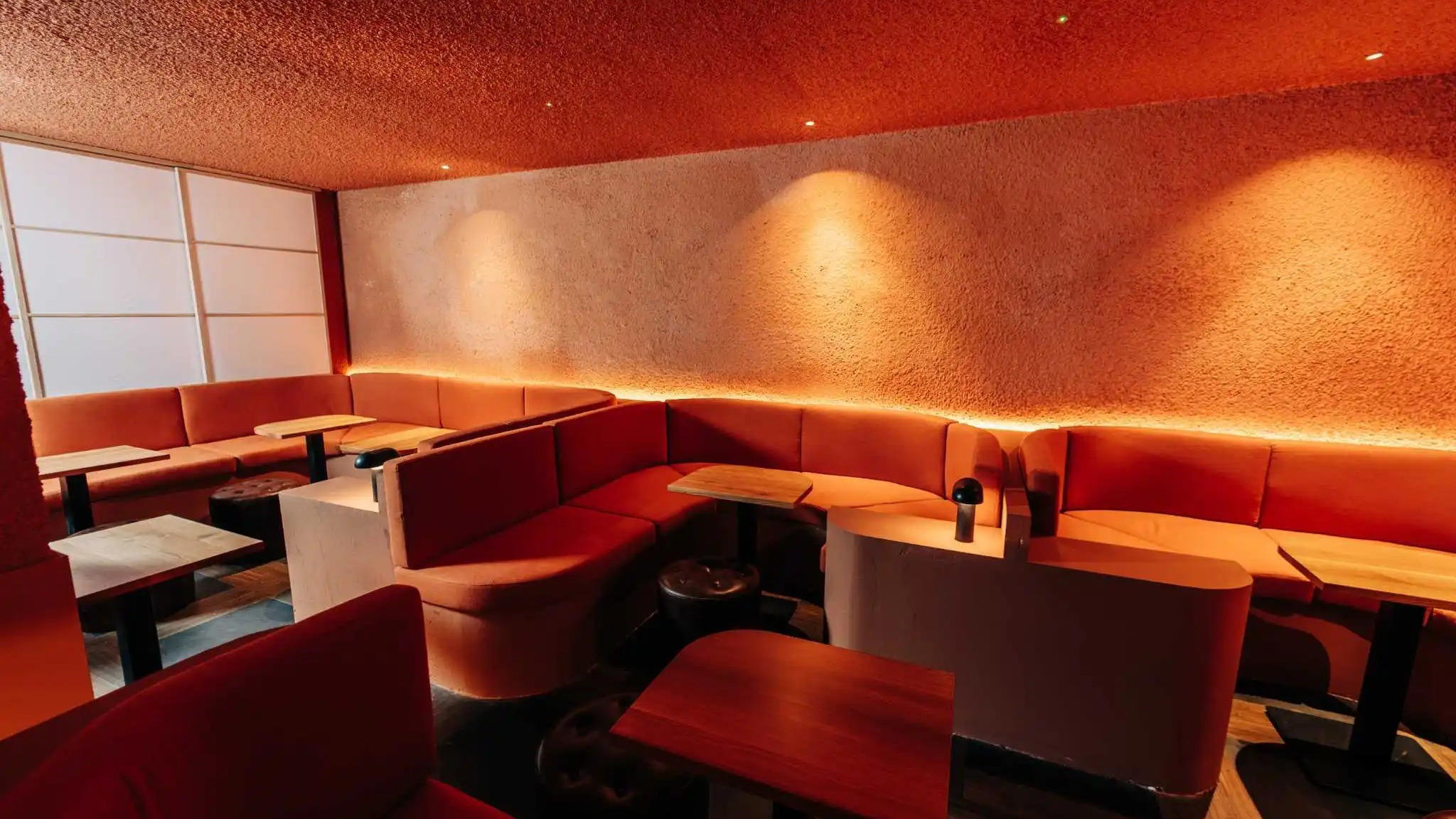

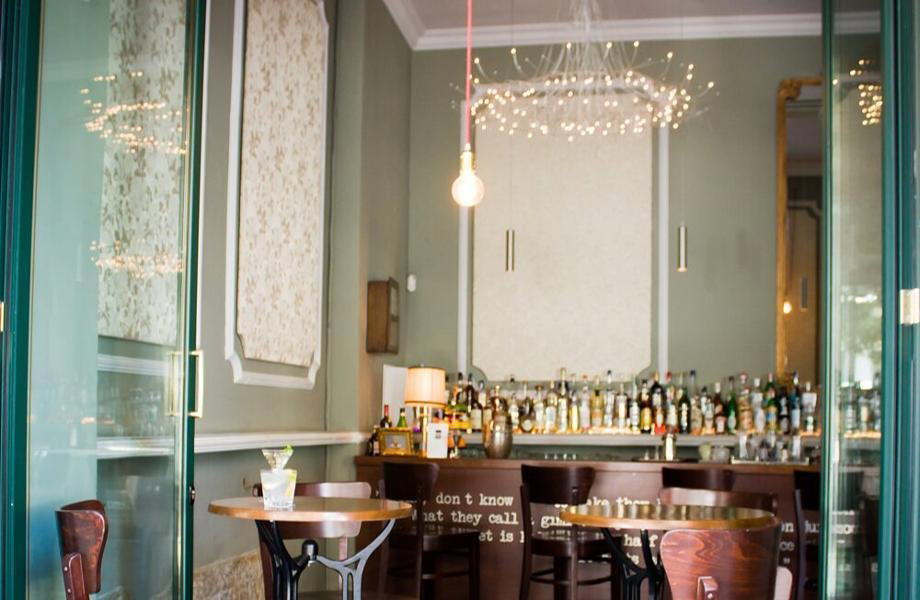
Bars in Madrid
Browse all →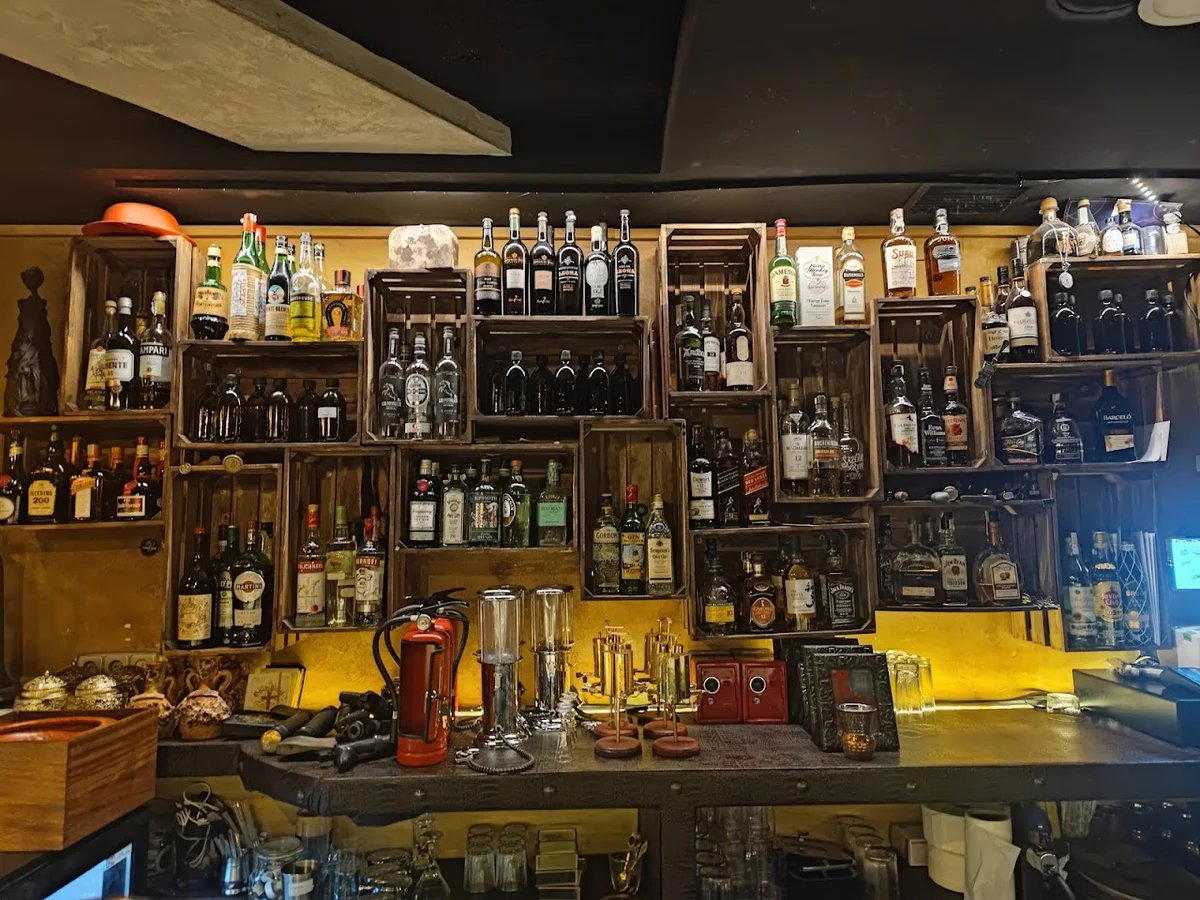

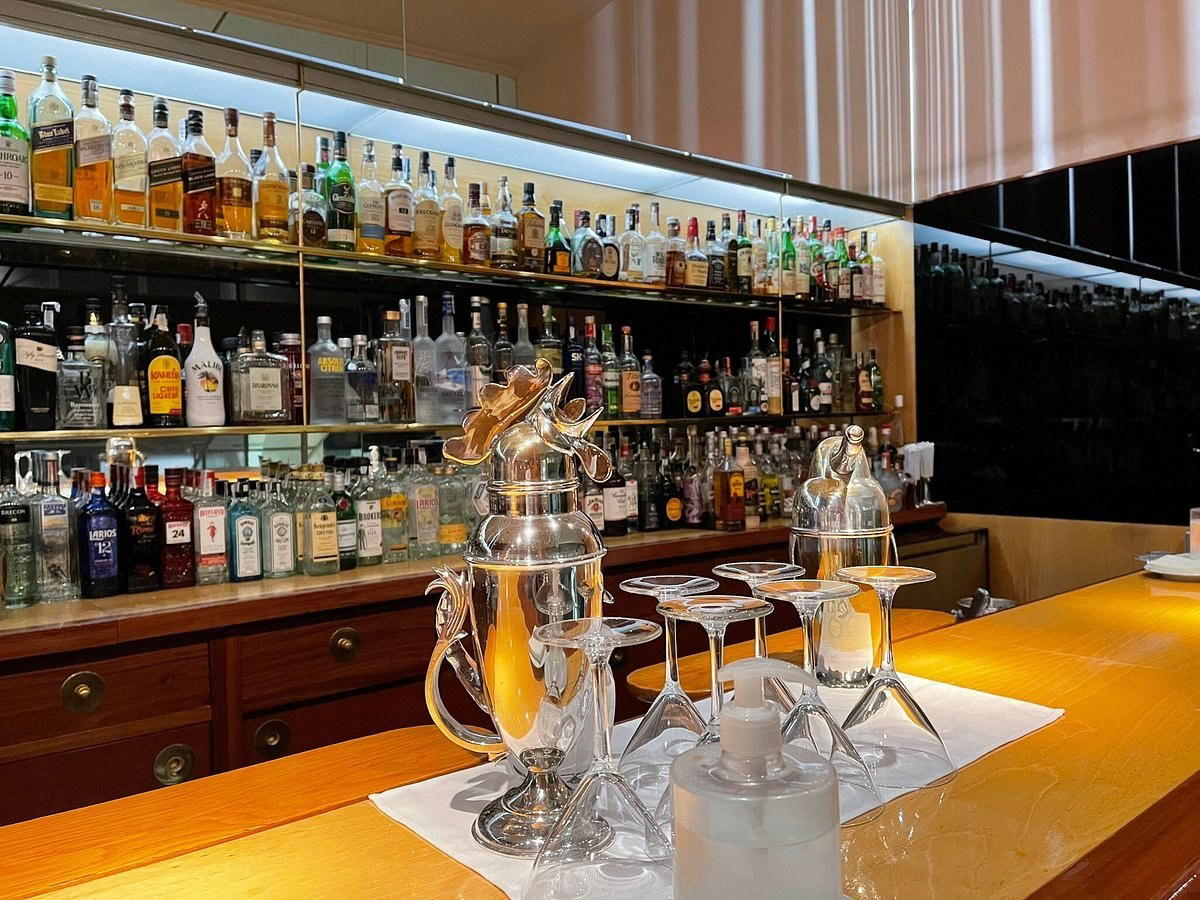
Hotels in Madrid
Browse all →




Details
- Cozy
- Lively
- Classic
- Bohemian
- Casual Hangout
- Group Dining
- Date Night
- Late Night
- Live Music
- Standalone
- Craft Cocktails
- Beer Program
- A La Carte
- Set Menu
- Mojitos
- Daiquiris
- Piña Coladas
- Vegetarian Friendly
- Vegan Options
- Gluten Free Options
Current opening hours
- Monday
- 1–5 PM, 7 PM–12 AM
- Tuesday
- 1–5 PM, 7 PM–12 AM
- Wednesday
- 1–5 PM, 7 PM–12 AM
- Thursday
- 1–5 PM, 7 PM–12 AM
- Friday
- 1 PM–12 AM
- Saturday
- 1 PM–12 AM
- Sunday
- 1 PM–12 AM
Hours can change for holidays and private events. Last verified .
Spacious venue breathing Cuban warmth and color throughout, with decor evoking the island's vibrancy, creating a welcoming and genuine atmosphere enhanced by live Cuban music performances.