On Calle de Atocha in the Centro district, La Tía Juana Madrid occupies a stretch of Madrid where traditional taberna culture and contemporary dining overlap. The address places it within easy reach of the Retiro and Lavapiés corridors, making it a practical anchor for afternoon and evening dining in a neighbourhood that rewards unhurried exploration.
Pearl is the En Primeur Club membership app — saves, bookings, and concierge access live there. Same editors, same standards.
- Address
- C. de Atocha, 74, Centro, 28012 Madrid, Spain
- Phone
- +34910052532
- Website
- opentable.com
- Directions
- Get directions
 Saves & bookings on Pearl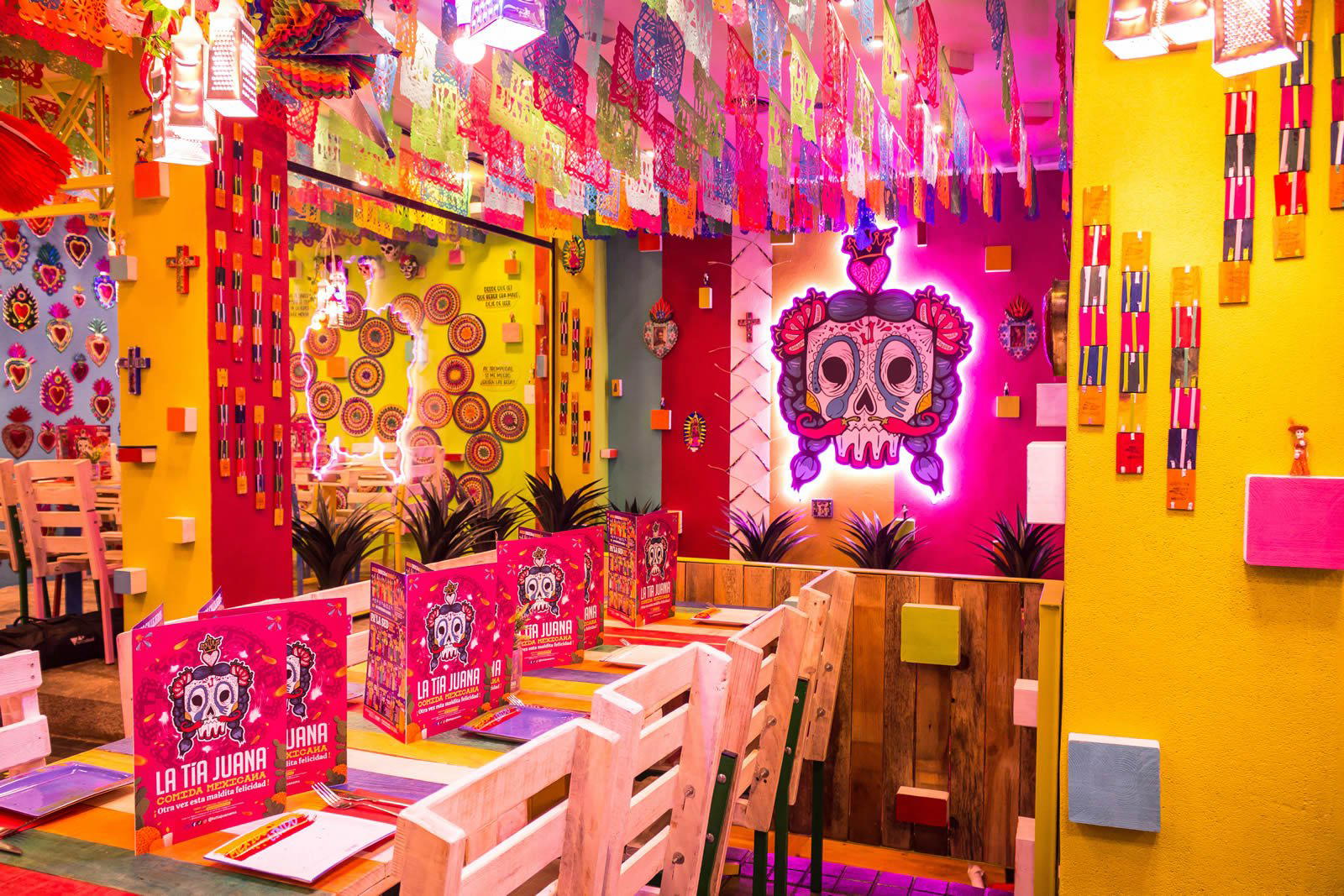
Calle de Atocha and the Dining Logic of Central Madrid
The stretch of Calle de Atocha running south from Sol toward Atocha station is one of central Madrid's more underread dining corridors. It lacks the curated restaurant density of Chueca or the self-conscious cool of Malasaña, but it functions as a working neighbourhood artery where locals eat at all hours without much ceremony. La Tía Juana Madrid sits at number 74, in a part of the Centro district where traditional taberna formats and more recent informal restaurants share the same blocks. The address is significant: proximity to both the Reina Sofía and the Atocha rail hub means the clientele skews toward a Madrid that is neither purely tourist nor purely local — it draws both, often at the same table.
In Madrid's broader dining structure, this kind of mid-Centro address tends to support a particular kind of restaurant: one that serves a long day, from post-museum lunch through early dinner, and prices accordingly. The high-end creative kitchens — DiverXO, Coque, Deessa, DSTAgE, and Paco Roncero, operate in a separate register, designed around tasting menus and evening-only sittings at the upper end of the city's price range. La Tía Juana occupies a different position in that hierarchy, one defined more by accessibility and neighbourhood function than by formal dining architecture.
Lunch and Dinner: How the Hours Shape the Room
Madrid's lunch culture remains one of the city's most durable institutions. The midday meal, typically running from 2pm to 4pm, is where value concentrates in Spanish urban dining, and the Atocha corridor is no exception. Restaurants along this stretch tend to offer their sharpest proposition at lunch, when the menú del día format puts a two or three-course meal within reach of working Madrid. The rhythm of the room at midday differs sharply from the evening: the pace is faster, the tables turn more frequently, and the ordering logic is driven by price-fixed efficiency rather than the exploratory patience of a longer dinner.
By evening, the dynamic shifts. The Atocha neighbourhood draws a different current of diners after 9pm, the hour when Madrid properly begins its dinner service, and the tone in most rooms along Calle de Atocha moves toward something more relaxed and extended. For visitors arriving from Spain's higher-end restaurant circuit, that evening pace will feel familiar. For those coming from northern European or American dining cultures, where 7pm dinners are standard, the later Madrid rhythm requires adjustment. Planning a table at La Tía Juana for before 9pm risks arriving into a room still in its transitional state between services.
This lunch-versus-dinner divide is relevant to how any restaurant on this stretch is leading experienced. A midday visit tends to expose the kitchen's working core, the dishes it produces at volume, under time pressure, at accessible prices. An evening visit allows for a longer read of the room's character and, typically, a wider menu selection. Neither is strictly superior; they answer different questions about what a place actually is.
The Centro District in Context
Centro is Madrid's most historically layered district, and the southern end of Calle de Atocha reflects that layering. The Reina Sofía sits a short walk south; the Retiro park is accessible to the east; Lavapiés, one of Madrid's most culturally dense and rapidly changing barrios, borders the area to the west. This geographic position means the neighbourhood draws a cross-section of Madrid that few other districts can match: art museum visitors, rail travellers passing through Atocha, residents of the surrounding barrios, and the kind of Madrid professional who eats lunch in the area because they work nearby.
Within Spain's wider restaurant geography, Madrid holds a specific position. The country's most technically ambitious restaurants are often found outside the capital, El Celler de Can Roca in Girona, Arzak in San Sebastián, Azurmendi in Larrabetzu, Martín Berasategui in Lasarte-Oria, Mugaritz in Errenteria, Quique Dacosta in Dénia, Aponiente in El Puerto de Santa María, Atrio in Cáceres, Ricard Camarena in València, and Cocina Hermanos Torres in Barcelona. Madrid compensates with sheer density and range: the capital's restaurant count and stylistic diversity are unmatched within Spain, and the Centro district sits at the accessible centre of that range. For visitors constructing an itinerary that includes both destination restaurants and neighbourhood eating, this part of the city tends to absorb the latter role. Internationally, Madrid's informal restaurant culture shares a structural kinship with cities like New York, where neighbourhood anchors such as Le Bernardin and Atomix coexist with a deep stratum of everyday dining rooms that do the actual daily work of feeding a city.
For a fuller orientation to where La Tía Juana sits within Madrid's restaurant tiers, our full Madrid restaurants guide maps the city's dining by neighbourhood and format.
Know Before You Go
| Address | C. de Atocha, 74, Centro, 28012 Madrid, Spain |
|---|---|
| District | Centro, close to Atocha station and the Reina Sofía |
| Booking | Contact details not currently listed; walk-in likely accepted given neighbourhood format |
| Lunch service | Standard Madrid lunch hours run 2pm–4pm; this is typically when value propositions peak on this corridor |
| Dinner timing | Plan for 9pm or later in line with standard Madrid dinner culture |
| Getting there | Atocha Renfe (Cercanías and Metro Line 1) is the nearest major transit hub; the address is walkable from Sol |
Peers You’d Cross-Shop
| Venue | Cuisine | Price |
|---|---|---|
| La Tía Juana MadridThis venue — the venue you are viewing | This venue | Not listed |
| DiverXO | Progressive - Asian, Creative | €€€€ |
| Coque | Spanish, Creative | €€€€ |
| Deessa | Modern Spanish, Creative | €€€€ |
| Paco Roncero | Creative | €€€€ |
| Smoked Room | Progressive Asador, Contemporary | €€€€ |
Continue exploring
More in Madrid
Restaurants in Madrid
Browse all →
Bars in Madrid
Browse all →
Hotels in Madrid
Browse all →


At a Glance
- Lively
- Trendy
- Casual Hangout
- Late Night
- Group Dining
- Standalone
Lively and colorful Mexican-themed atmosphere with a fun and lively energy as described in guest reviews.
Know Before You Go
- Getting there
- C. de Atocha, 74, Centro, 28012 Madrid, Spain