Corre Ve y Dile occupies a quiet stretch of Caleruega in Ciudad Lineal, a residential district that sits well outside Madrid's Michelin circuit but draws a neighbourhood crowd that knows where to eat. The kitchen works within a tradition of market-led Spanish cooking where proximity to the source shapes the daily menu. For visitors willing to venture beyond the centre, it represents the kind of local conviction that the city's more decorated tables often lack.
 Discover on Pearl
Pearl is the En Primeur Club membership app — saves, bookings, and concierge access live there. Same editors, same standards.
- Address
- C. de Caleruega, 102, Cdad. Lineal, 28033 Madrid, Spain
- Phone
- +34916090871
- Website
- correveydile.com
Ciudad Lineal and the Question of Where Madrid Really Eats
Madrid's restaurant conversation tends to collapse around a handful of postcodes: Salamanca for expense-account dining, Chueca and Malasaña for the creative mid-tier, the Palacio district for tourists working through a list. Ciudad Lineal, a long residential corridor running northeast of the M-30, rarely enters that conversation. That is, in part, why Corre Ve y Dile is worth understanding on its own terms. On Calle Caleruega, a street that functions more as a neighbourhood artery than a dining destination, the restaurant draws a crowd that arrives with regularity rather than occasion. That pattern, a kitchen sustained by repeat local custom rather than table-turn tourism, tends to produce cooking with a different set of priorities.
The Spanish dining tradition that Corre Ve y Dile inhabits is not the tasting-menu circuit occupied by DiverXO, Coque, or Deessa. It belongs instead to a quieter lineage: the casa de comidas that has evolved without abandoning its roots, where the daily menu reflects what arrived at the market that morning rather than what a concept document dictated six months ago. In a city where restaurants like DSTAgE and Paco Roncero represent one pole of ambition, places like this represent another kind of seriousness entirely.
Ingredient Sourcing as the Kitchen's Organising Logic
Across Spain's most respected regional tables, from El Celler de Can Roca in Girona to Quique Dacosta in Dénia, sourcing has become a primary language of credibility. The argument is direct: the kitchen's identity is only as strong as the supply chain behind it. In neighbourhood restaurants, that argument plays out differently than in destination venues. There is no PR infrastructure to publicise provenance, no tasting-menu format to frame each ingredient as a narrative beat. The sourcing either shows up on the plate or it does not.
Ciudad Lineal's location within Madrid matters here. The district sits closer to the city's wholesale market infrastructure than the tourist-facing centre does, and the neighbourhood's demographics have historically supported the kind of daily-rotation cooking that depends on what is available rather than what is fixed. Restaurants operating on this model, and there are several in this part of the city, maintain supplier relationships built over years rather than seasons. The result tends to be a kitchen that reads more like a weekly journal than a published book: consistent in voice, variable in content.
That sourcing logic connects Corre Ve y Dile to a broader tradition visible at the highest levels of Spanish gastronomy. Arzak in San Sebastián, Azurmendi in Larrabetzu, and Aponiente in El Puerto de Santa María each built their reputations partly on the argument that Spanish ingredients, sourced with specificity, could anchor a menu without reaching for French frameworks. The neighbourhood casa de comidas is where that argument began, long before it acquired Michelin stars and press profiles.
The Seasonal Timing Question
Madrid's culinary calendar has distinct poles. Spring and early autumn bring the widest availability of Castilian produce: young lamb, asparagus from Navarra, wild mushrooms from the sierra, fresh legumes that do not travel well and disappear quickly. Summer narrows the menu in some respects but opens it in others, with Iberian cold cuts and preserved goods taking on greater prominence when fresh supply thins. Winter, by contrast, is cocido season, the slow chickpea stew that anchors Madrid's culinary identity more than any other single dish.
For a restaurant operating on market availability, these rhythms are not incidental. They are structural. Visiting in October or November, when wild mushrooms are available and the meat supply is at its autumn richest, tends to catch market-led kitchens at full range. The spring window, roughly April through May, offers a different but equally productive moment. High summer and deep January are the months when the seasonal logic is most constrained, though a kitchen that knows its suppliers finds ways to work within those limits. Consulting our full Madrid restaurants guide for seasonal context is useful if timing the visit matters.
Where This Fits in the City's Wider Picture
The Madrid restaurant spectrum runs from multi-starred destination venues with international booking queues to neighbourhood rooms that appear on no list but sustain loyal followings across decades. Martin Berasategui, Mugaritz, and Cocina Hermanos Torres operate in a register where the meal is also a cultural event. Corre Ve y Dile does not compete in that register, and the comparison is beside the point. The relevant peer set is Madrid's mid-tier neighbourhood dining, a category that has grown in quality over the past decade as Spanish culinary education produced more technically trained cooks willing to work in non-prestige formats.
The address in Ciudad Lineal places it in a different circuit from the Salamanca or Chamberí rooms that attract the city's food press. That geographic remove has consequences for visibility but not necessarily for quality. Some of the most consistent cooking in Spanish cities happens in districts that visitors rarely reach. Ricard Camarena in València and Atrio in Cáceres both demonstrated that serious cooking does not require a capital city postcode. In Madrid, that principle applies as much within the city's geography as across Spain's regions.
Planning Your Visit
Table below places Corre Ve y Dile in context against Madrid's wider dining tiers on the practical dimensions most relevant to planning.
| Dimension | Corre Ve y Dile | Central Madrid Mid-Tier | Top-End Madrid (e.g. DiverXO, Coque) |
|---|---|---|---|
| Location | Ciudad Lineal (northeast residential) | Salamanca, Chamberí, Malasaña | Scattered; destination travel expected |
| Booking lead time | Not confirmed; walk-in or short notice likely | 1 to 2 weeks typical | Weeks to months in advance |
| Price range | Not confirmed; neighbourhood pricing expected | €€–€€€ | €€€€ |
| Menu format | Not confirmed; market-led likely | À la carte or daily menu | Fixed tasting menu |
| Tourist traffic | Low; primarily local | Mixed | International destination audience |
Contact and booking details are not confirmed in our current database. The address, Calle de Caleruega 102, Ciudad Lineal, 28033 Madrid, is confirmed. Reaching Ciudad Lineal from the centre is direct by Metro Line 5 (Canillejas or nearby stations) or by taxi from Salamanca in under fifteen minutes. For international visitors accustomed to the rhythm of Le Bernardin in New York or Lazy Bear in San Francisco, the format here will be at the opposite end of the formality scale, which is precisely the point.
Peers You’d Cross-Shop
A small set of peers for context, based on recorded venue fields.
| Venue | Cuisine | Price |
|---|---|---|
| Corre Ve y DileThis venue — the venue you are viewing | ||
| DiverXO | Progressive - Asian, Creative | €€€€ |
| Coque | Spanish, Creative | €€€€ |
| Deessa | Modern Spanish, Creative | €€€€ |
| Paco Roncero | Creative | €€€€ |
| Smoked Room | Progressive Asador, Contemporary | €€€€ |


At a Glance
- Elegant
- Cozy
- Sophisticated
- Date Night
- Business Dinner
- Family
- Celebration
- Terrace
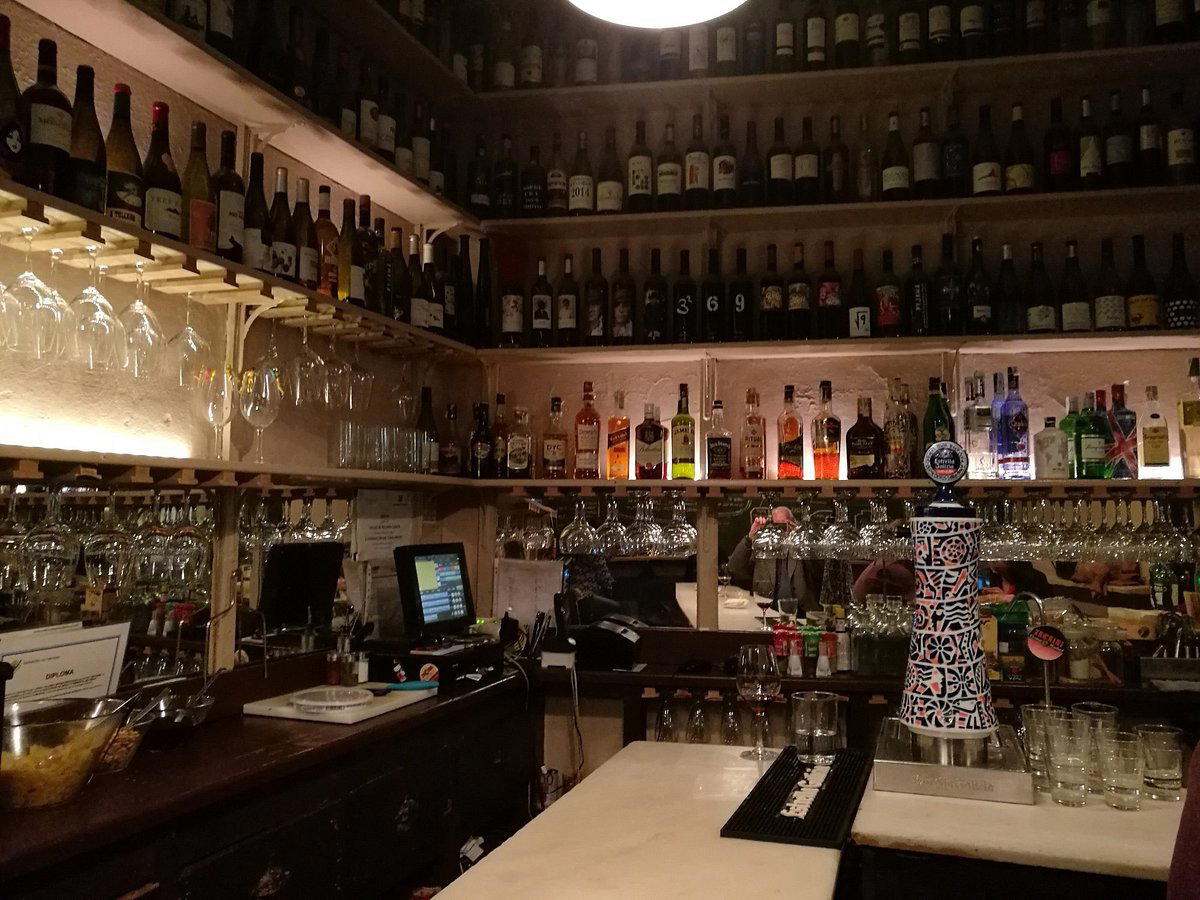
- Extensive Wine List
- Local Sourcing
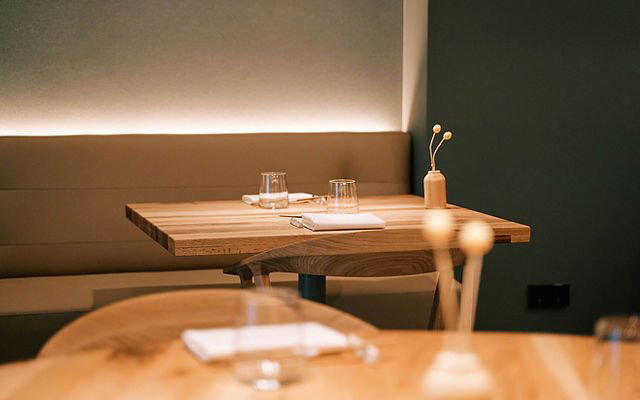
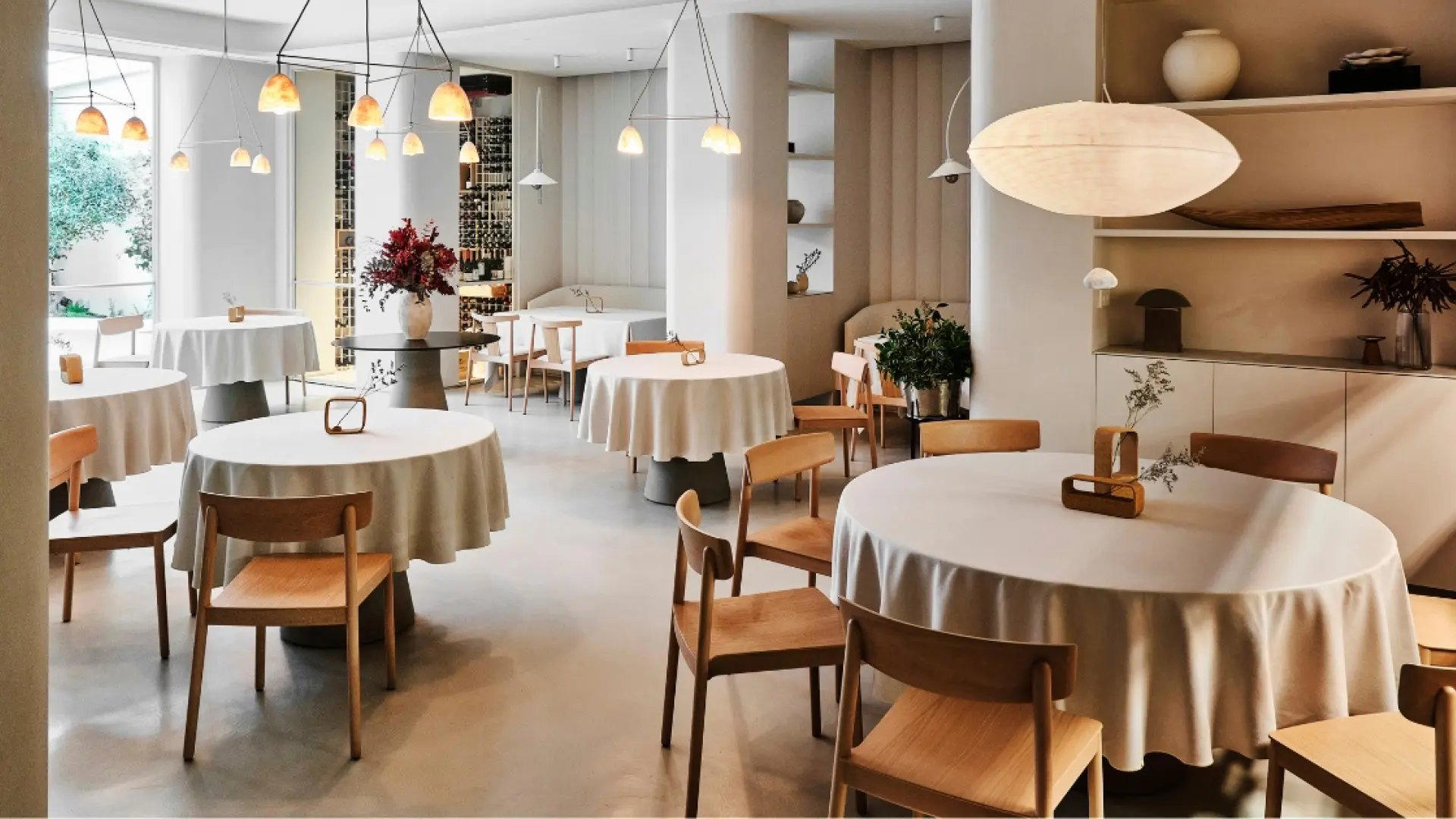
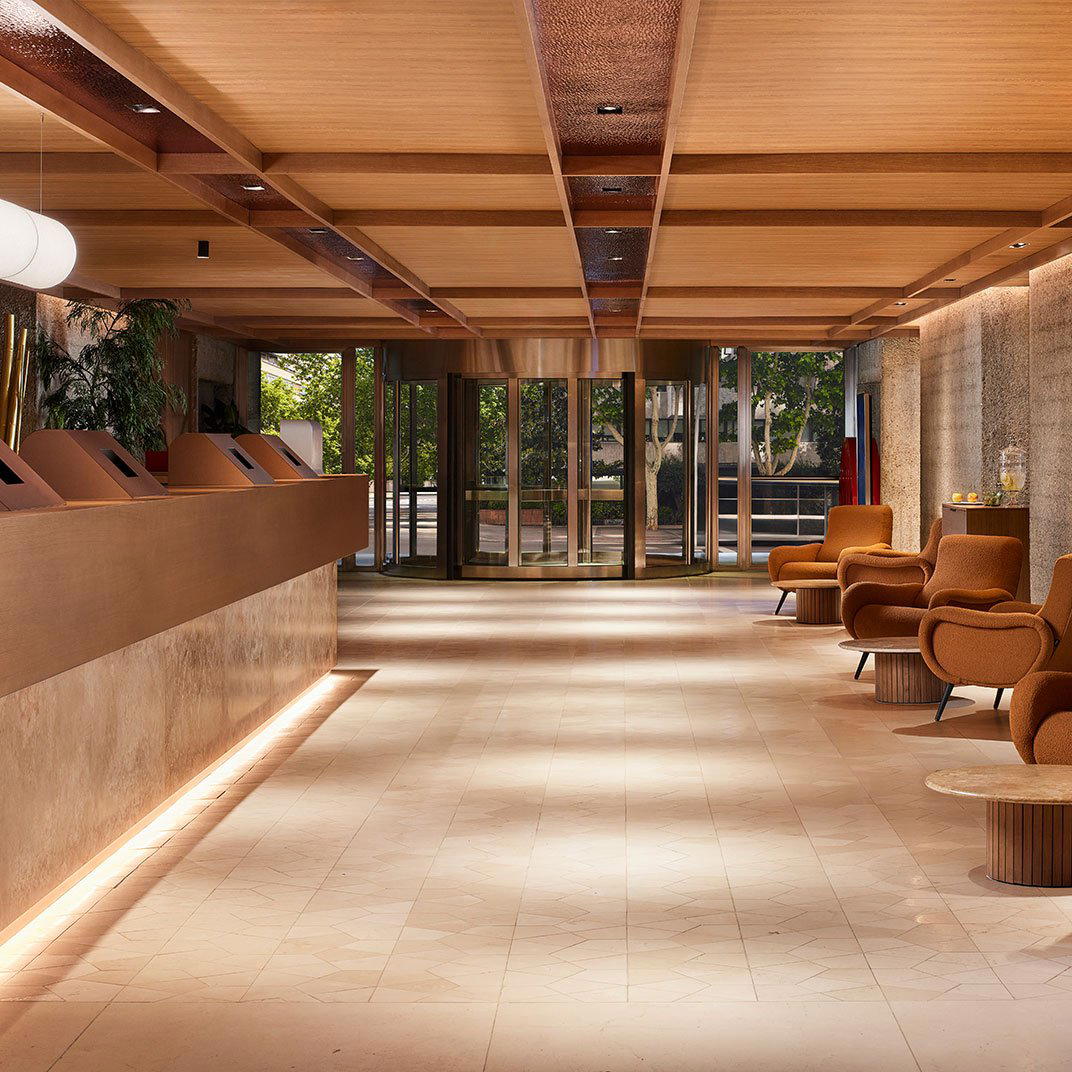
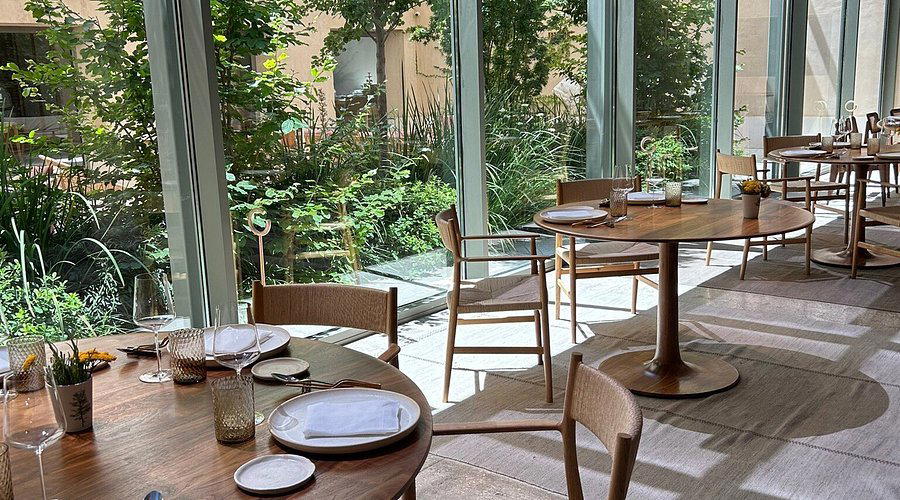
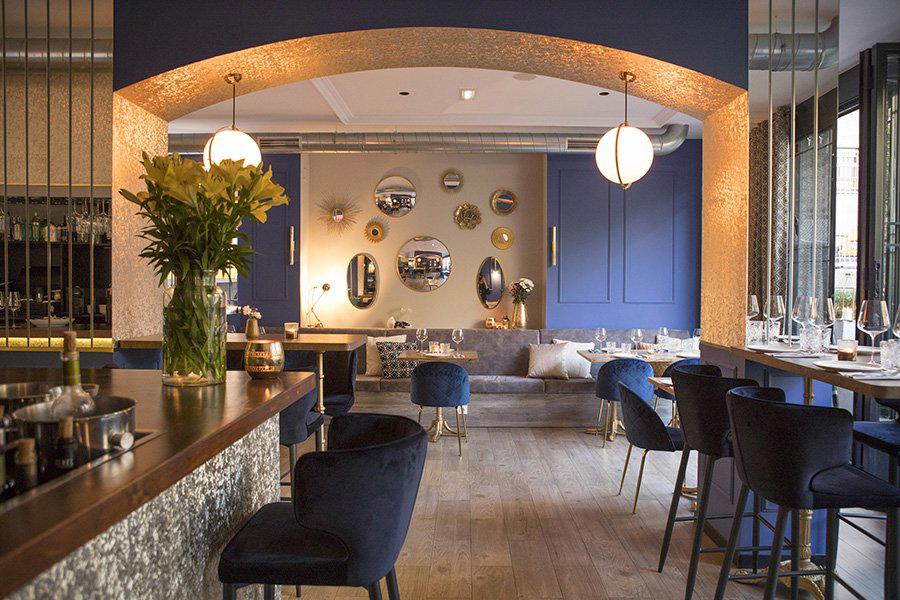
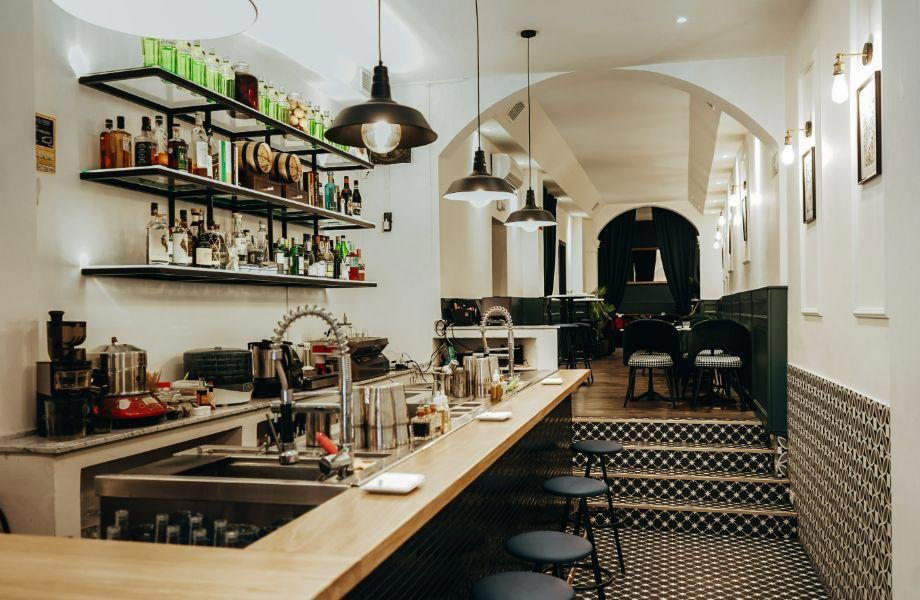
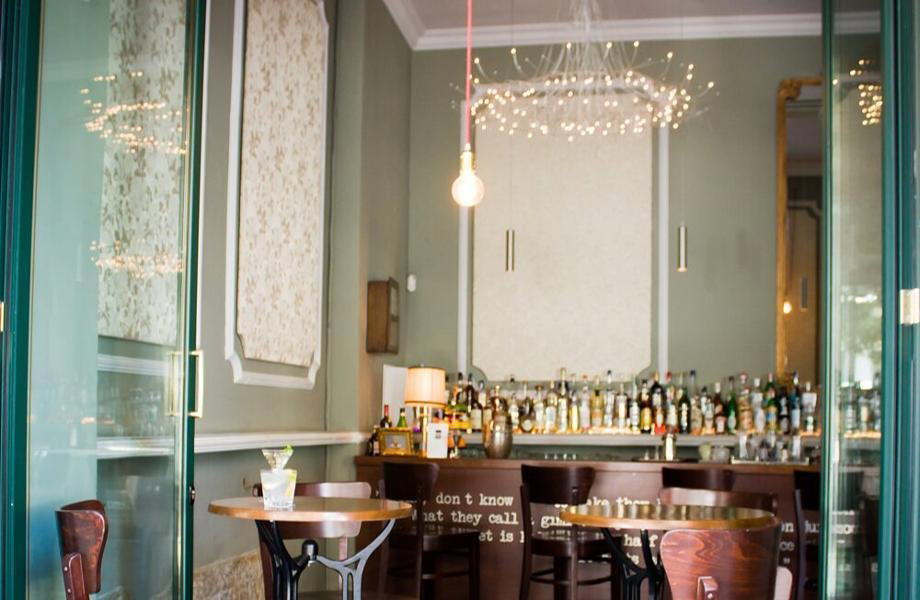
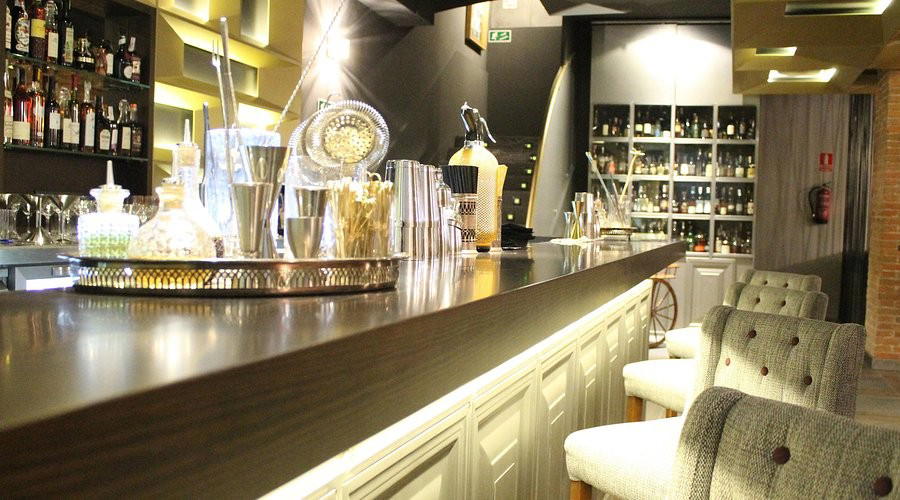
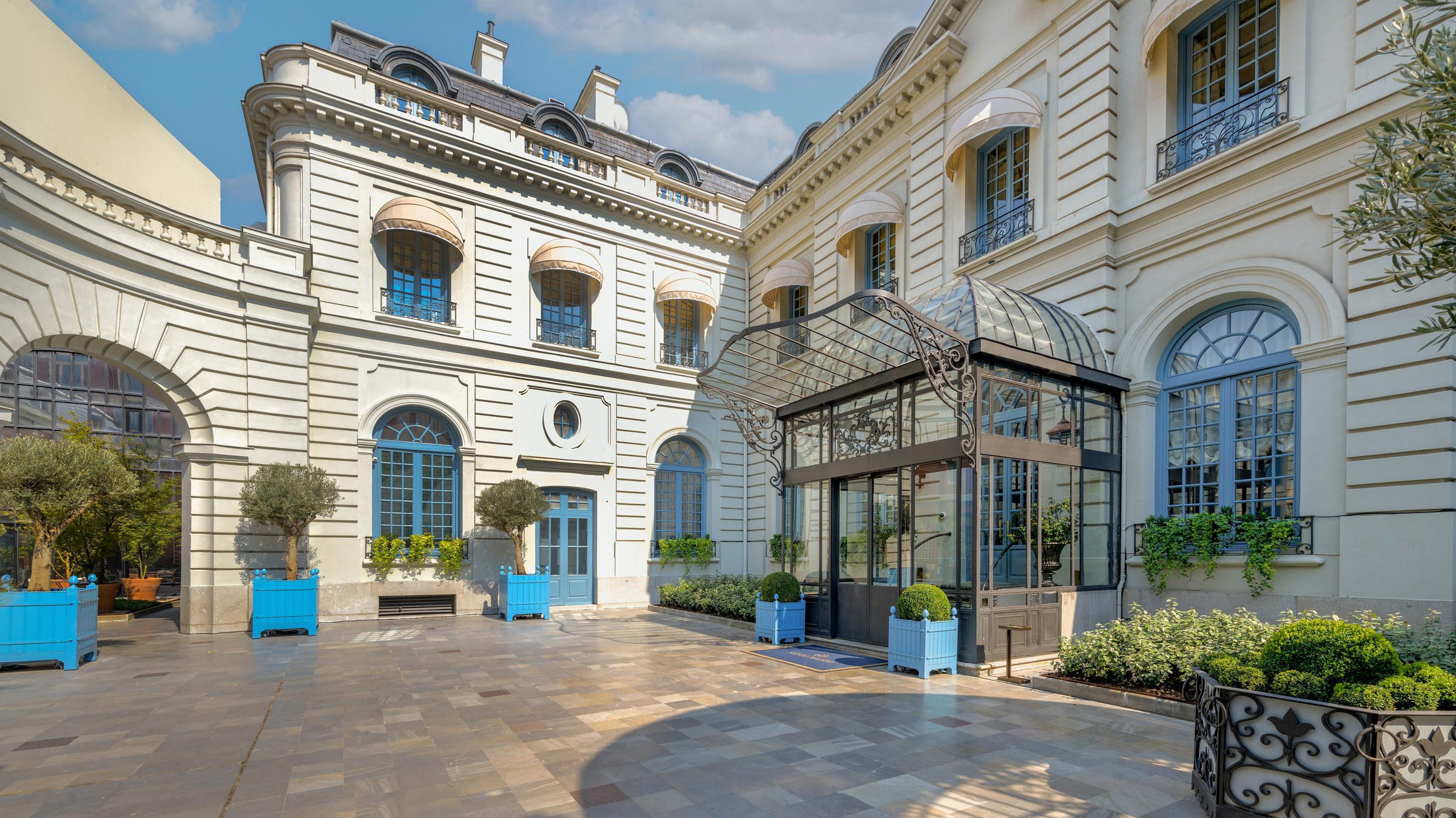
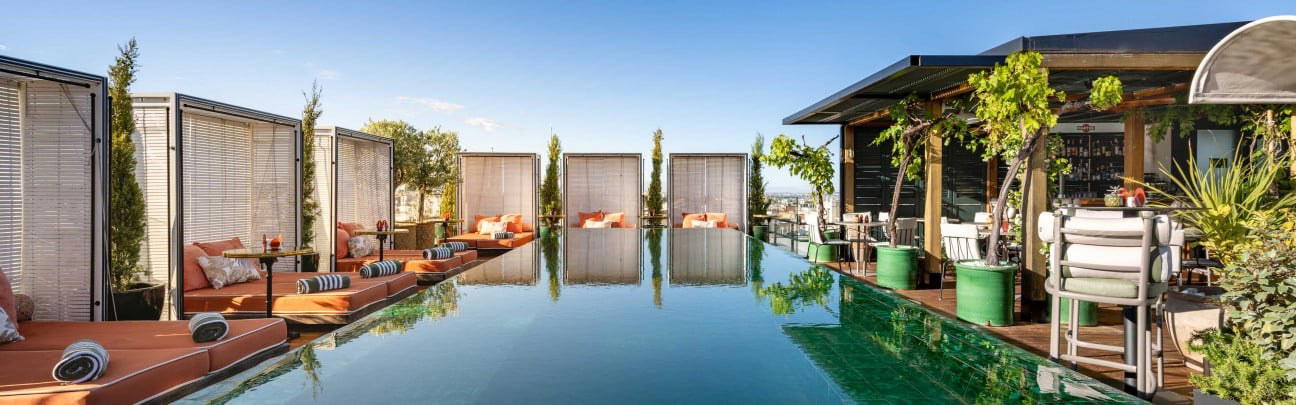
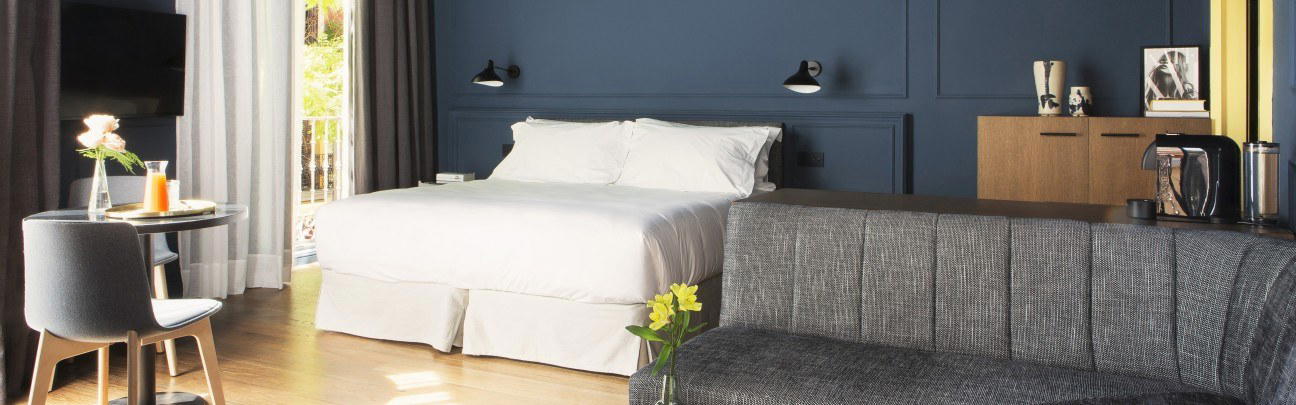
Elegant and welcoming atmosphere with abundant plants, large windows providing pleasant light, and warm wood elements creating an exotic, homey feel.