Coquo
Coquo sits in Fernelmont, a quiet corner of Namur province where Belgium's rural dining tradition meets serious culinary intent. The address alone signals a particular kind of commitment: this is not a city-facing project angling for critic attention, but a place rooted in its surroundings. For those willing to make the drive into Wallonia's agricultural heartland, the reward is a dining experience shaped by place rather than by trend.
Pearl is the En Primeur Club membership app — saves, bookings, and concierge access live there. Same editors, same standards.
- Address
- Rue de Hannut 2/A, 5380 Fernelmont, Belgium
- Phone
- +3281228865
- Website
- restaurantcoquo.be
- Directions
- Get directions
 Saves & bookings on Pearl
Fernelmont and the Case for Eating Outside the City
But some of the country's most considered cooking happens at a remove from that circuit. Fernelmont is a municipality in Namur province set among the cereal fields and pastures of Wallonia's Hesbaye region, and Coquo serves French seasonal fine dining at an average price of about $65 per person. To drive out here is to accept a different premise: that the relationship between a kitchen and its surrounding land can be more direct when the surrounding land is actually present.
Coquo, at Rue de Hannut 2/A, occupies this rural context. The address situates it squarely in agricultural Belgium, the kind of territory where provenance is not a menu talking point but a practical reality shaped by geography. That framing matters when assessing what a kitchen here can do with its sourcing, and what a diner should expect when they make the journey.
Where the Ingredient Story Begins
The Hesbaye plateau, which extends across parts of Namur, Liège, and Brabant provinces, is one of Belgium's most productive agricultural zones. The soils are deep loam, the terrain is flat to gently rolling, and the region has supplied grain, beet, and produce to Belgian markets for centuries. For a kitchen positioned within this zone, the supply chain for seasonal vegetables, locally raised meat, and artisan dairy is genuinely short. That shortness is not merely logistical; it changes what arrives at the pass and when.
Belgium's broader culinary tradition has long placed sourcing at its centre. The country's leading kitchens, from Hof van Cleve in Kruishoutem to Boury in Roeselare, have built their reputations in part on the quality of what enters the kitchen rather than solely on technical transformation. Willem Hiele in Oudenburg has gone further, anchoring its entire identity to a specific coastal and polder terroir. The pattern across these kitchens is consistent: when Belgium's leading cooks talk about what they cook, they begin with geography. A rural Namur address like Fernelmont fits that lineage.
The Rural Dining Format in Belgium
Tables are harder to fill on weeknights, which tends to concentrate service on weekends and encourages a longer, more deliberate meal format. This is not distinctive to Belgium: Lazy Bear in San Francisco and comparable destination-format restaurants elsewhere have demonstrated that removing urban convenience from the equation often raises the level of engagement on both sides of the kitchen pass.
La Table de Maxime in Our and d'Eugénie à Emilie in Baudour represent the Walloon tendency to locate ambitious cooking away from the capital's noise. Coquo in Fernelmont belongs to this same orientation: the choice of address is itself a statement about what kind of kitchen this is.
Setting and Approach
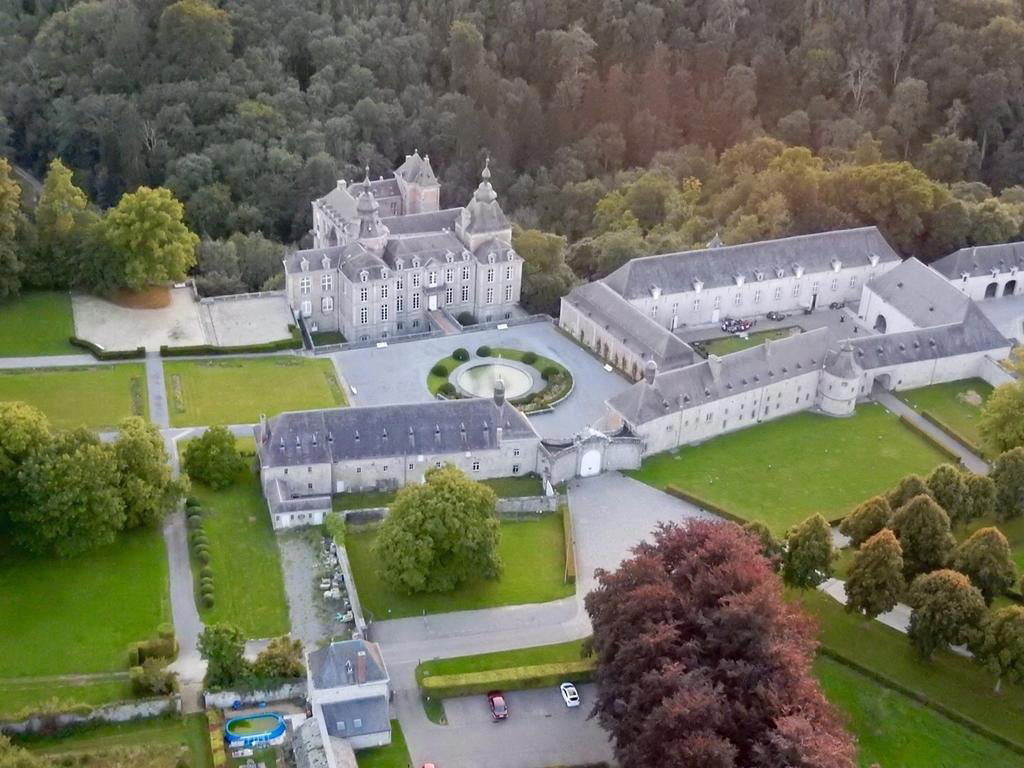
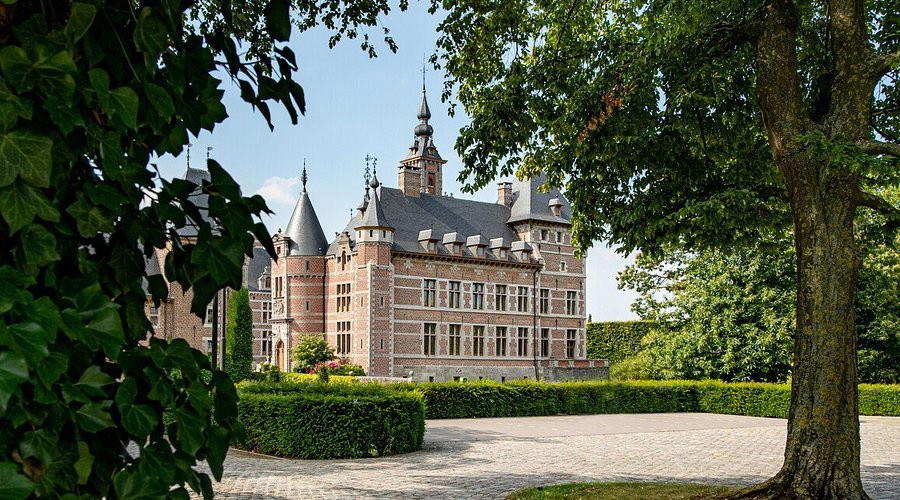
Arriving in Fernelmont from Namur or from the E42, the landscape opens into farmland before the municipality appears. There is no urban buffer, no transitional suburb. The shift from road to destination is immediate in the way that only genuinely rural addresses manage. That physical context does something to a meal before it begins: it adjusts expectation, slows pace, and makes the provenance of what arrives on the plate feel less like a claim and more like an obvious fact.
The Hesbaye setting places Coquo closer in spirit to a farmhouse table than to the polished interiors of a Brussels grand brasserie or the harbour-facing dining rooms of Zilte in Antwerp. That distinction is not about lesser ambition; it is about a different register of hospitality, one where the surroundings do part of the work that lighting design and room scale do in urban fine dining.
Contextualising Coquo Against Belgium's Broader Scene
The country's Michelin-starred count relative to its population is among the highest on the continent, and its restaurant culture spans a range from Vrijmoed's creative vegetable-forward cooking in Ghent to the classical French-Belgian formality of Le Chalet de la Forêt in Uccle. At the other end of the register, kitchens like La Paix in Anderlecht demonstrate that serious culinary intent can coexist with neighbourhood informality.
Rural addresses like Fernelmont occupy a distinct position within that scene. They do not compete directly with Bozar Restaurant in Brussels for the weeknight business-dinner crowd, nor do they attract the international visitor traffic that flows through Bruges or Ghent. Their audience is typically regional: diners from Namur, Liège, and Brabant who are willing to commit to an evening rather than a quick booking. That self-selecting audience often makes for a more attentive room.
For a broader picture of what the Walloon and Flemish dining scene offers across price points and formats, Ralf Berendsen in Neerharen, La Durée in Izegem, De Jonkman in Sint-Kruis, Cuchara in Lommel, and Castor in Beveren each represent distinct regional expressions worth understanding alongside Coquo. See our full Fernelmont restaurants guide for a more complete picture of what the area offers.
Planning a Visit
Fernelmont is most practically reached by car from Namur, which lies roughly fifteen kilometres to the south-west, or from Liège to the north-east. The Hesbaye road network is direct once you leave the motorway, and the rural setting means parking is not a consideration. Reservations are recommended. Weekend evenings in agricultural Belgium fill earlier than city equivalents, and a restaurant operating in this format rewards advance planning rather than spontaneous decisions. The drive itself, through flat Walloon farmland that shifts with the growing season, frames the meal before you arrive.
At-a-Glance Comparison
Comparable venues nearby, for context on price, style, and recognition.
| Venue | Cuisine | Price | Notes |
|---|---|---|---|
| CoquoThis venue — the venue you are viewing | French Seasonal Fine Dining | $$$ | Not listed |
| Les Terrasses de l'Écluse | Modern French Brasserie | $$$ | Jambes |
| Le Saint Hadelin | French Bistronomy | $$$ | Celles |
| L'Olivier des sens | Modern French Mediterranean | $$$ | Tilff |
| Le Messager de Bruxelles | Traditional French-Belgian Brasserie with Wood-Fired Grills | $$$ | Lasne |
| Chez Luma | French Bistro with Market Cuisine | $$$ | Uccle |
Continue exploring
More in Fernelmont
Restaurants in Fernelmont
Browse all →
At a Glance
- Cozy
- Intimate
- Elegant
- Date Night
- Special Occasion
- Open Kitchen
- Garden
- Extensive Wine List
- Local Sourcing
- Garden
Current opening hours
- Monday
- 12–2 PM, 7–9 PM
- Tuesday
- 12–2 PM, 7–9 PM
- Wednesday
- Closed
- Thursday
- Closed
- Friday
- 12–2 PM, 7–9 PM
- Saturday
- 7–9 PM
- Sunday
- 12–2 PM
Hours can change for holidays and private events. Last verified .
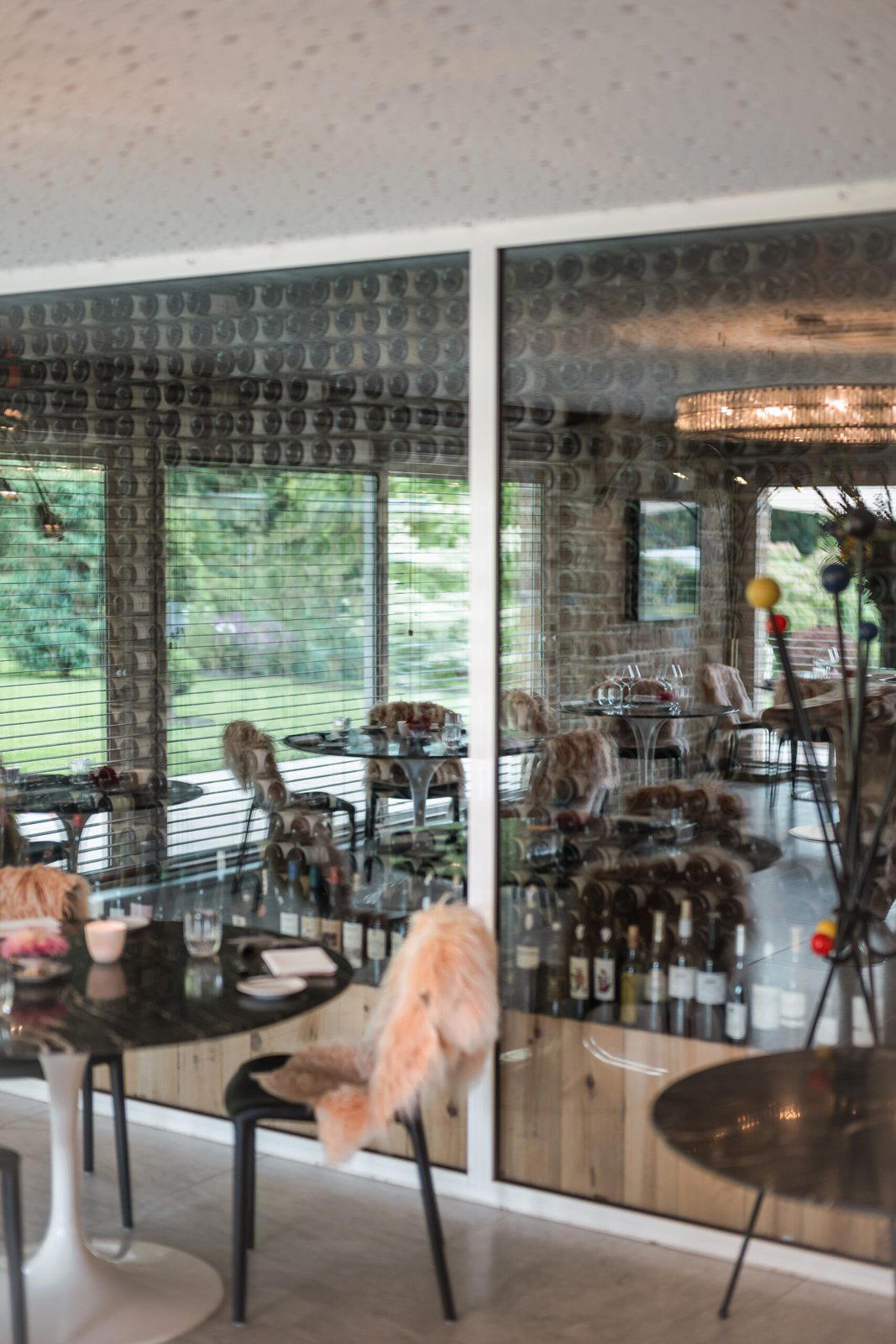
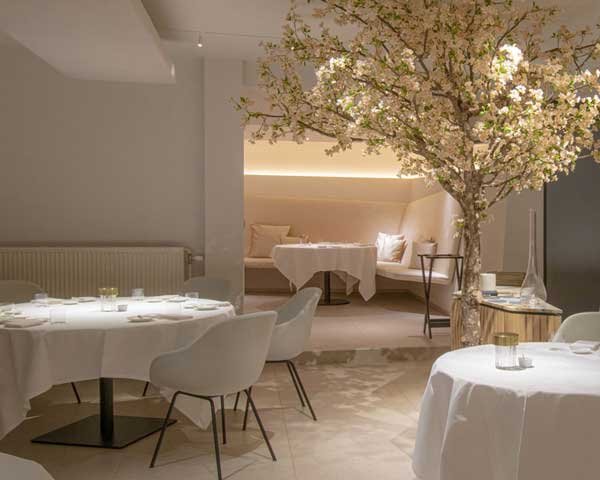
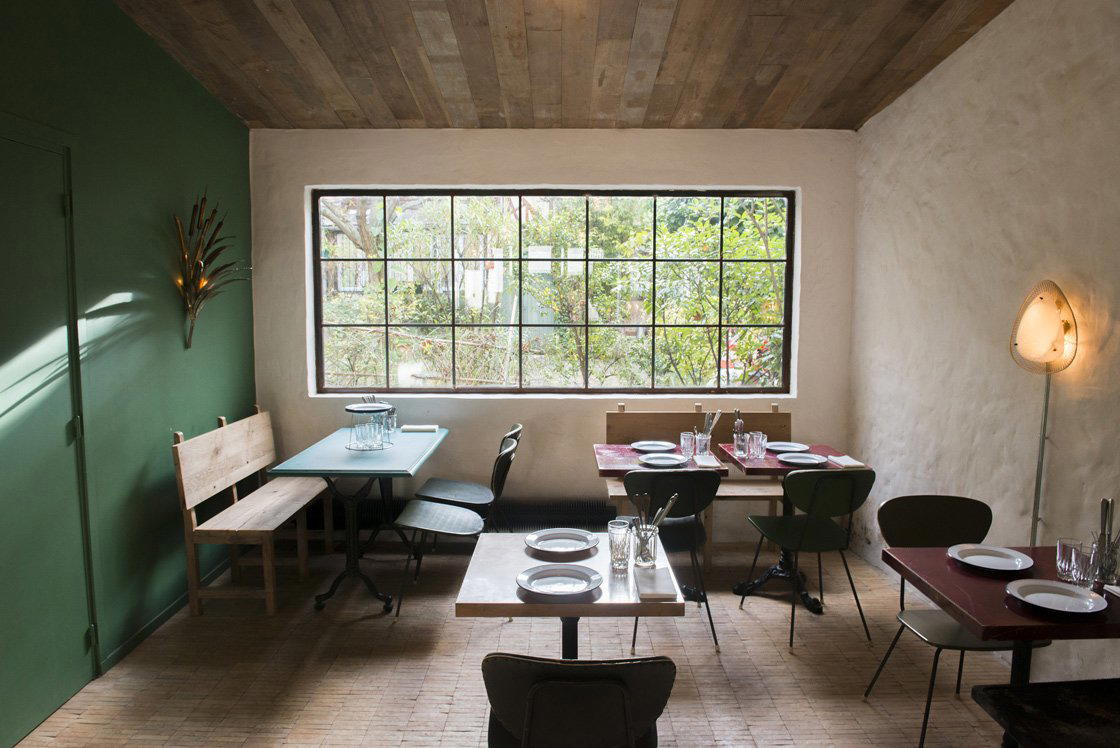
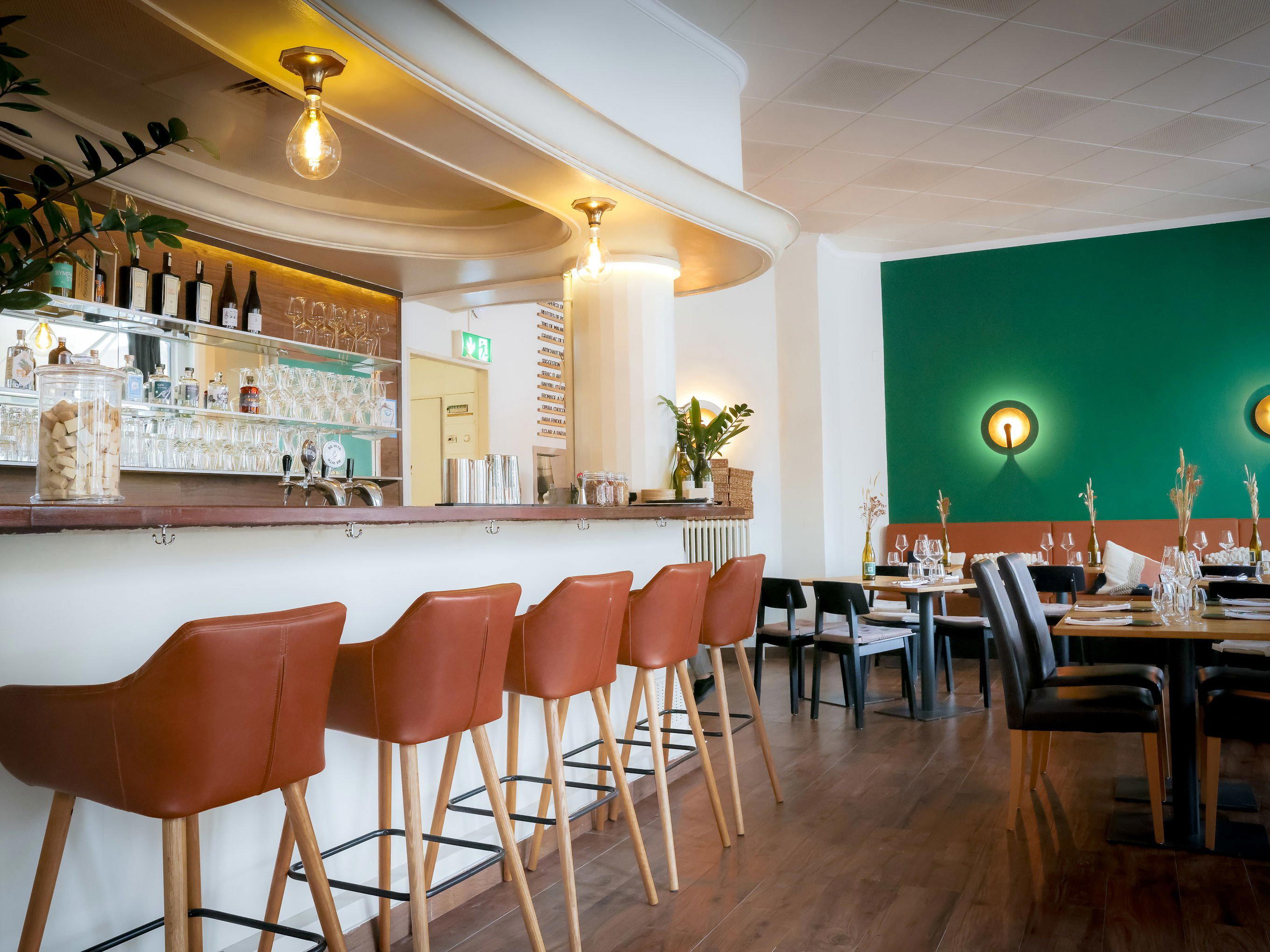
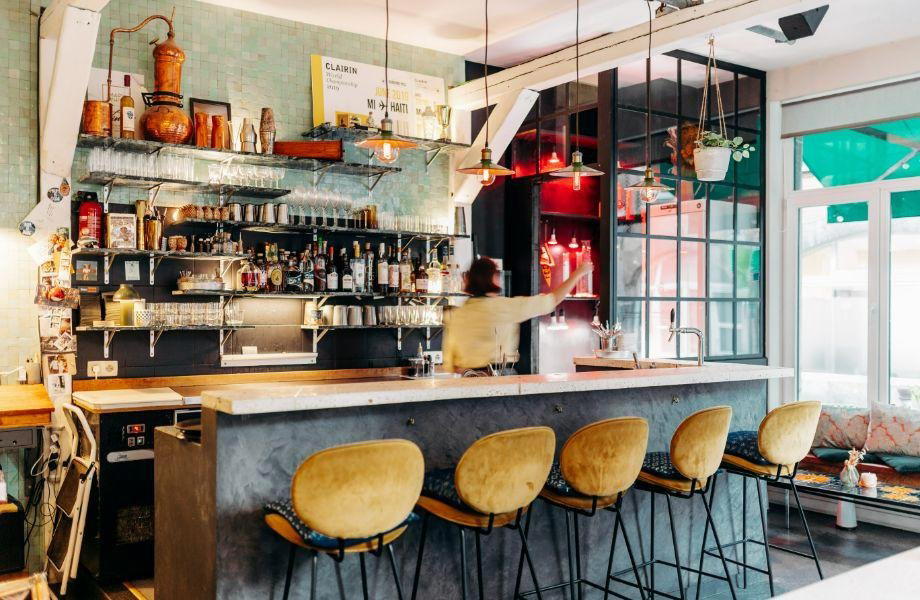
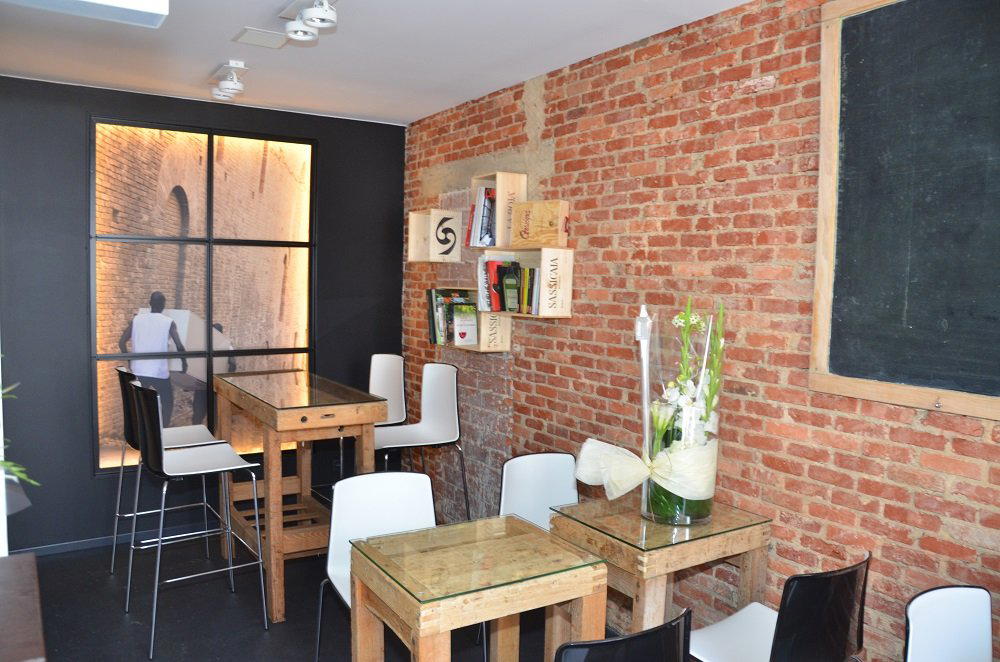
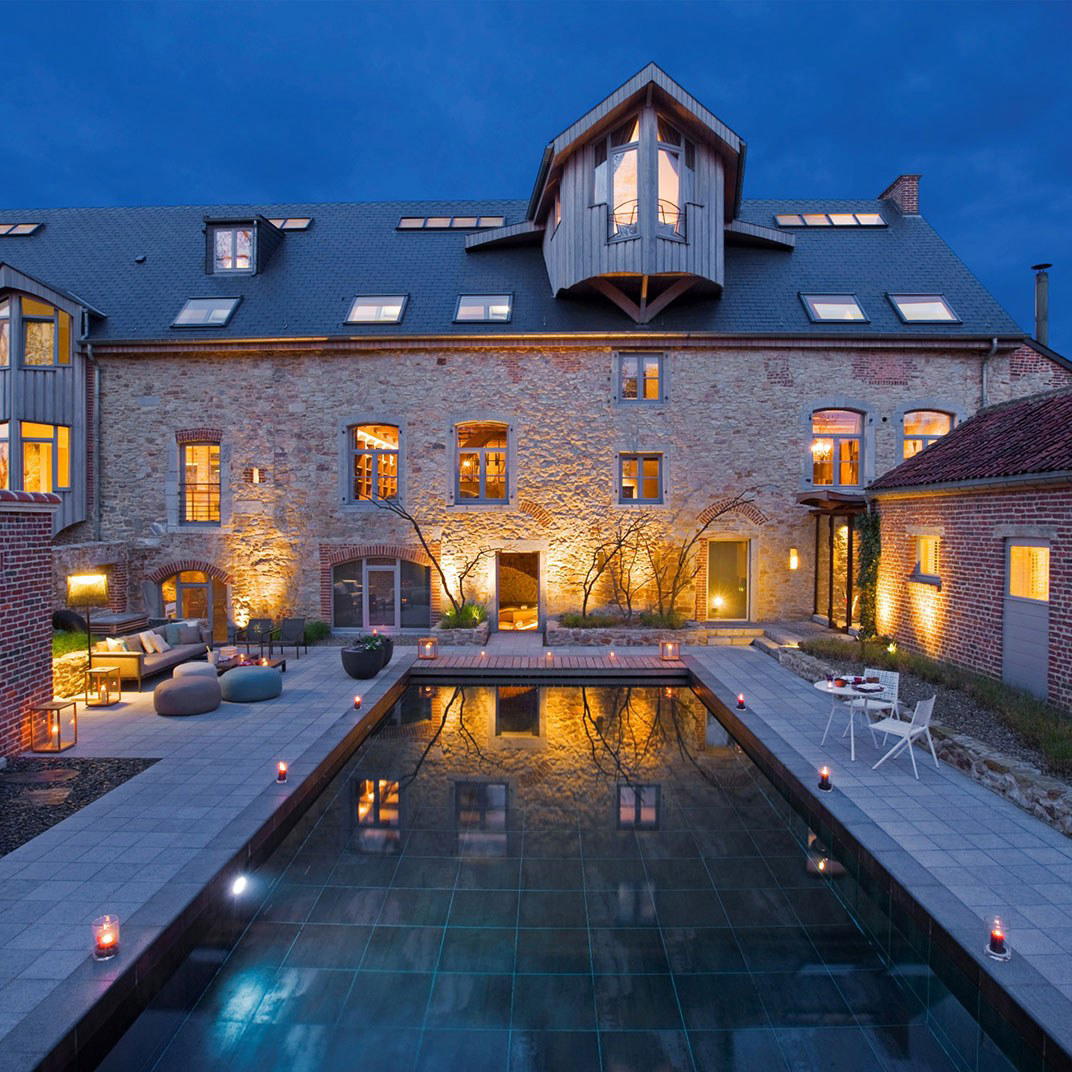
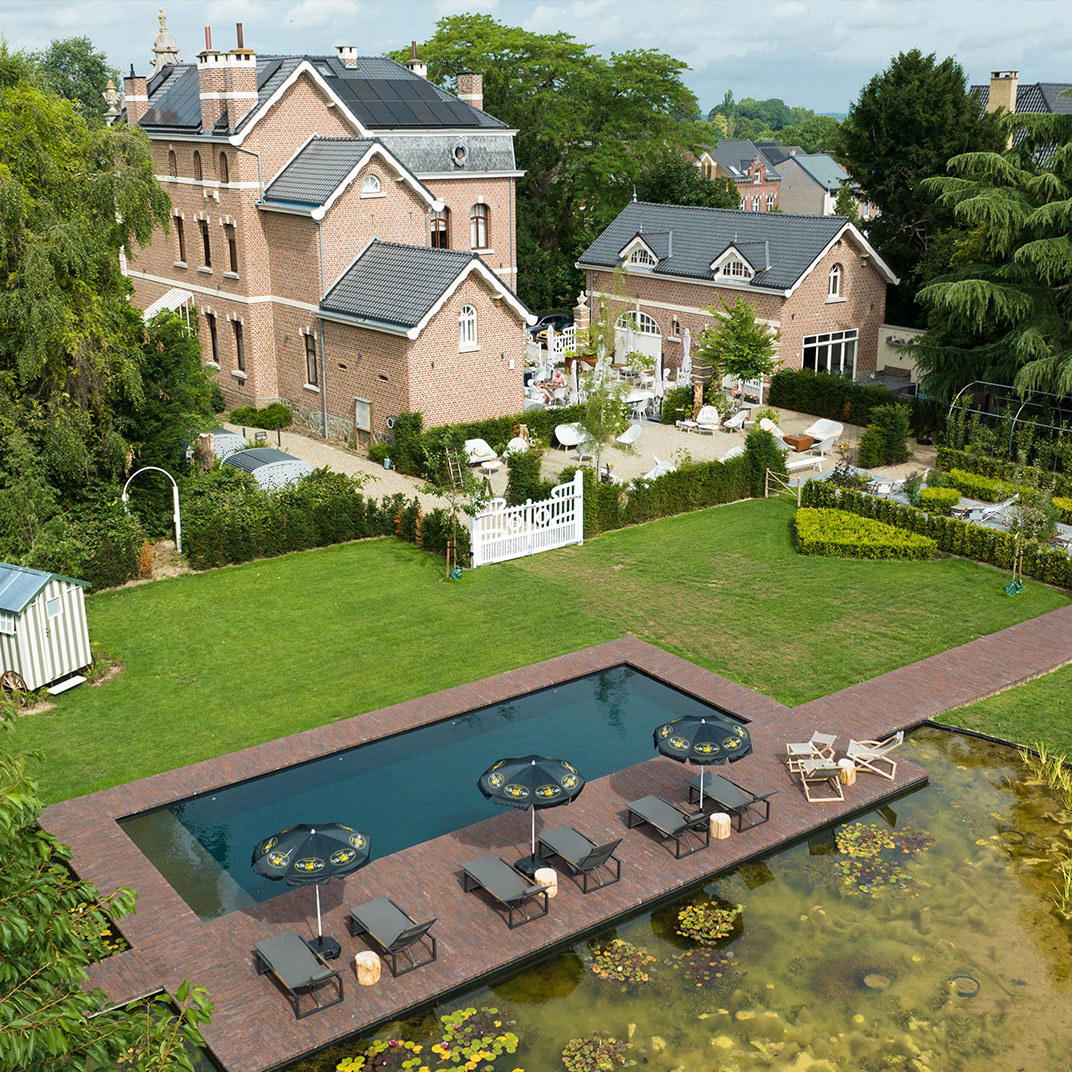
Intimate, feutré atmosphere in a former family room with views of a peaceful garden.