Cooking Almadraba


Cooking Almadraba in Conil de la Frontera builds its entire menu around wild bluefin tuna caught by its own almadraba trap, Petaca Chico. Every cut — from Morrillo to Ventresca — is treated with the precision the fish demands, across a menu that spans raw preparations, grilled classics, and contemporary riffs. Michelin Plate recognition in 2024 and 2025 confirms its place in Andalusia's specialist seafood conversation.
Pearl is the En Primeur Club membership app — saves, bookings, and concierge access live there. Same editors, same standards.
- Address
- Cooking Almadraba, Conil de la Frontera, Andalusia, Spain
- Phone
- +34 956 92 63 40
- Website
- linktr.ee
- Directions
- Get directions
 Saves & bookings on Pearl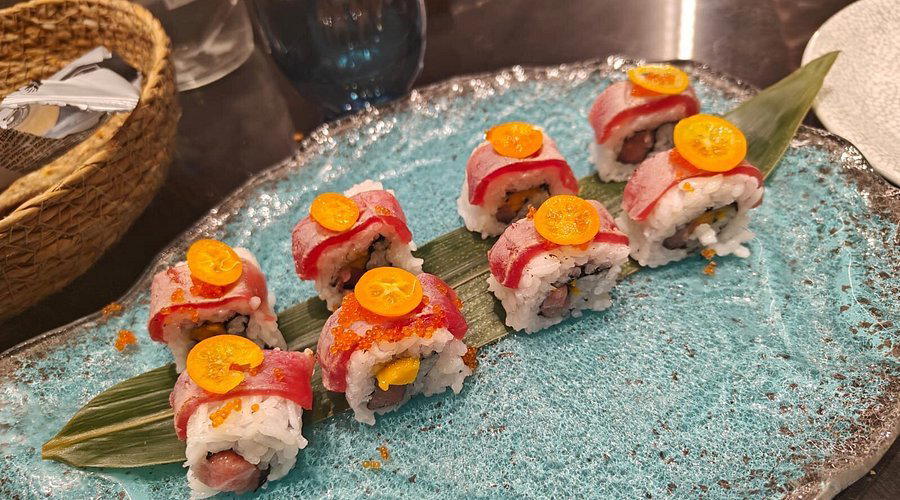
The almadraba season in the Strait of Gibraltar has shaped the coast between Conil and Barbate for more than three thousand years. The ancient trap-net system — fixed to the seabed, worked by crews at first light — catches Atlantic bluefin tuna on their spring migration into the Mediterranean, and the fish that arrive at the dock weigh anywhere from 200 to 600 kilograms. This is not a supply chain. It is a calendar, and in Conil de la Frontera, certain restaurants are built around it entirely.
Sourcing as Structure
Cooking Almadraba operates its own almadraba trap, Petaca Chico, which places it in a small category of restaurants with direct vertical control over their primary ingredient. Most seafood-focused kitchens in Spain source through intermediaries; here, the fish moves from trap to kitchen without that layer. The practical effect on the plate is timing and traceability: the kitchen knows not just the species and origin, but the specific trap, the catch date, and the handling method. In Spain's broader seafood restaurant scene, where provenance claims range from specific to vague, that kind of documented sourcing is meaningful evidence, not marketing copy.
The ronqueo, the traditional butchery of a whole tuna, is central to how the restaurant frames its identity. A bluefin tuna of 300 kilograms produces dozens of distinct cuts, each with its own fat content, texture, and appropriate preparation. The menu at Cooking Almadraba is structured around that anatomical logic: Morrillo (the neck muscle, dense and mineral), Carrillera (cheek, gelatinous and slow to cook well), Parpatana (the fatty jaw section, suited to brasing), Ventresca (belly, the most prized, high in fat), and Papada (throat flap, somewhere between the two). Getting these cuts right requires understanding them as different ingredients, not variations on a single one.
What the Menu Does
The menu at Cooking Almadraba is deliberately broad. Sections labelled Ñam Ñam, Todo al rojo, Sushiman, Puristas del atún, Platos con chispa, and Nuestras carnes signal a kitchen that is not locked into a single idiom. The Puristas del atún section serves those who want the ingredient treated with minimum intervention, the kind of preparation where sourcing quality is the entire argument. Sushiman indicates Japanese-influenced raw or cured preparations, a format that suits bluefin tuna's fat marbling well and aligns Cooking Almadraba with a wider European trend of Iberian-Japanese technique crossover that has become common in coastal Spain over the past decade. Todo al rojo presumably refers to red-sauce preparations, a reference to encebollado and similar Andalusian braises in which tuna is treated more like meat than fish, a regional tradition worth understanding on its own terms before comparing it to contemporary tasting-menu formats.
Menu also includes a Nuestras carnes (our meats) section. This is practical: not every table arrives with four bluefin enthusiasts, and a restaurant operating at the €€€ price tier in a town that draws family groups across a long summer season needs that flexibility. It does not dilute the focus so much as acknowledge the social reality of how meals are actually eaten.
Conil de la Frontera's Position in Andalusian Dining
Conil sits roughly 40 kilometres south of Jerez de la Frontera and draws a different visitor profile from either the sherry-tourism circuit or the luxury beach resorts further east. It is a working town with a functioning fishing port, a strong local food culture, and a summer population that includes both Spanish families returning annually and a growing international contingent who have discovered the quality of the local seafood. The restaurant scene here is not trying to compete with Aponiente in El Puerto de Santa María, Ángel León's three-Michelin-star operation a few hours north, which works at the furthest edge of marine ingredient experimentation. Cooking Almadraba occupies a different register: ingredient-forward, historically anchored, and oriented toward the tuna itself rather than toward transformation for its own sake.
Spain's highest-recognition restaurant tier, Arzak, Azurmendi, El Celler de Can Roca, DiverXO, Cocina Hermanos Torres, Martin Berasategui, Mugaritz, Quique Dacosta, Ricard Camarena, Atrio, tends to be concentrated in the Basque Country, Catalonia, Madrid, and Valencia. Southern Andalusia, outside Málaga, has a thinner layer of Michelin recognition, which means the Michelin Plate awarded to Cooking Almadraba in both 2024 and 2025 carries more local weight than the same designation would in San Sebastián. It signals the restaurant's quality to visitors who might otherwise have no external reference point for calibrating expectations in a small coastal town.
For comparison in the wider European seafood specialist context, Gambero Rosso in Marina di Gioiosa Ionica and Alici on the Amalfi Coast represent the Italian approach to single-ingredient coastal focus, smaller in scope, more austere in presentation. Cooking Almadraba's extensive multi-section menu and its own-trap sourcing model represents a specifically Andalusian format: generous in range, rooted in a defined tradition, and confident that the ingredient can sustain that breadth.
Atmosphere and Setting
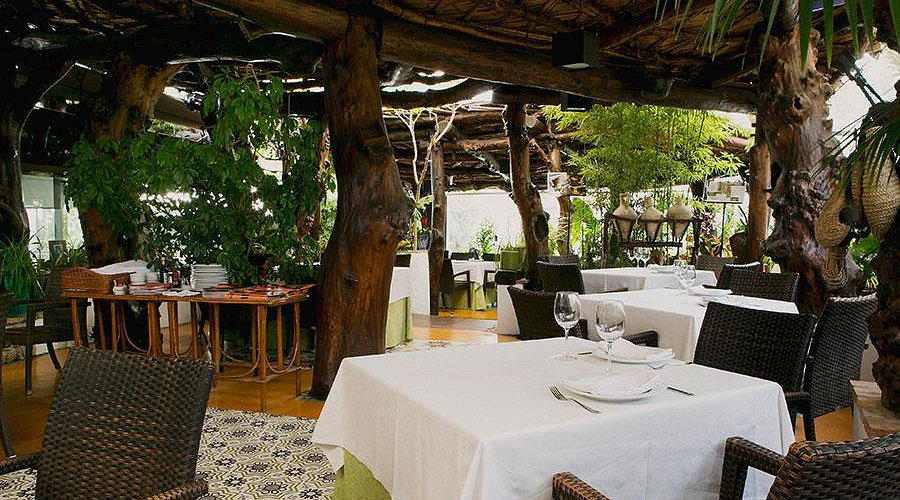
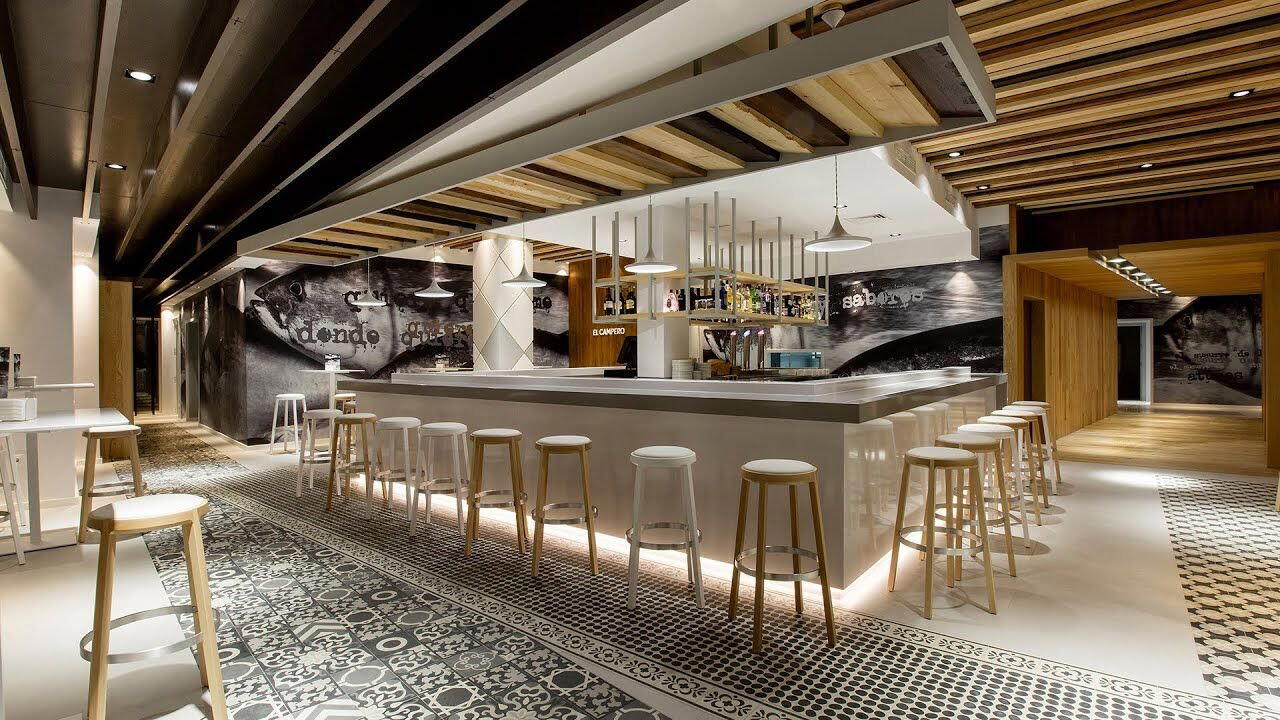
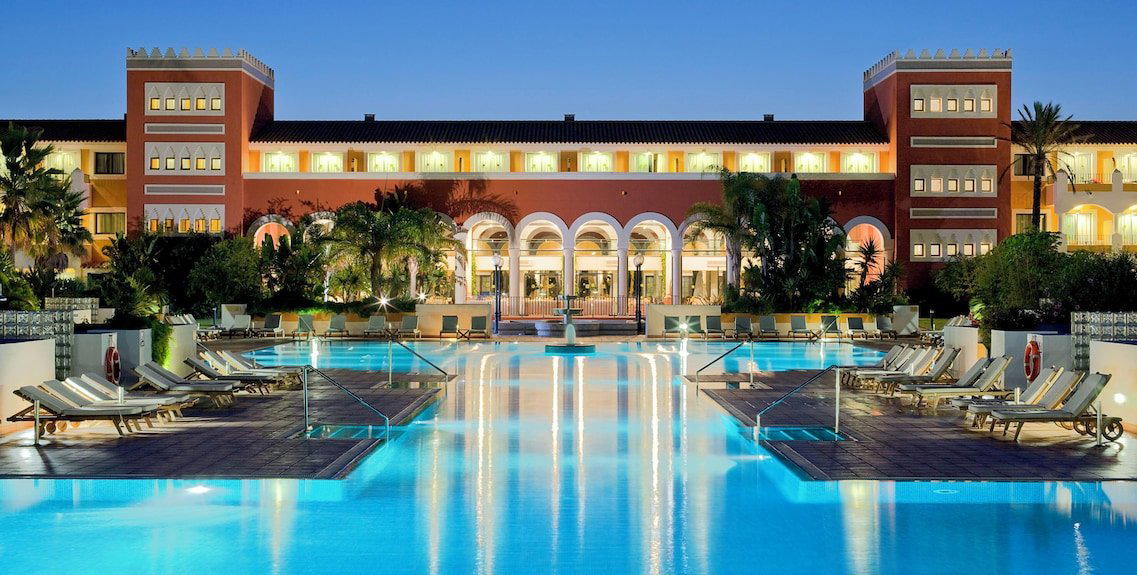
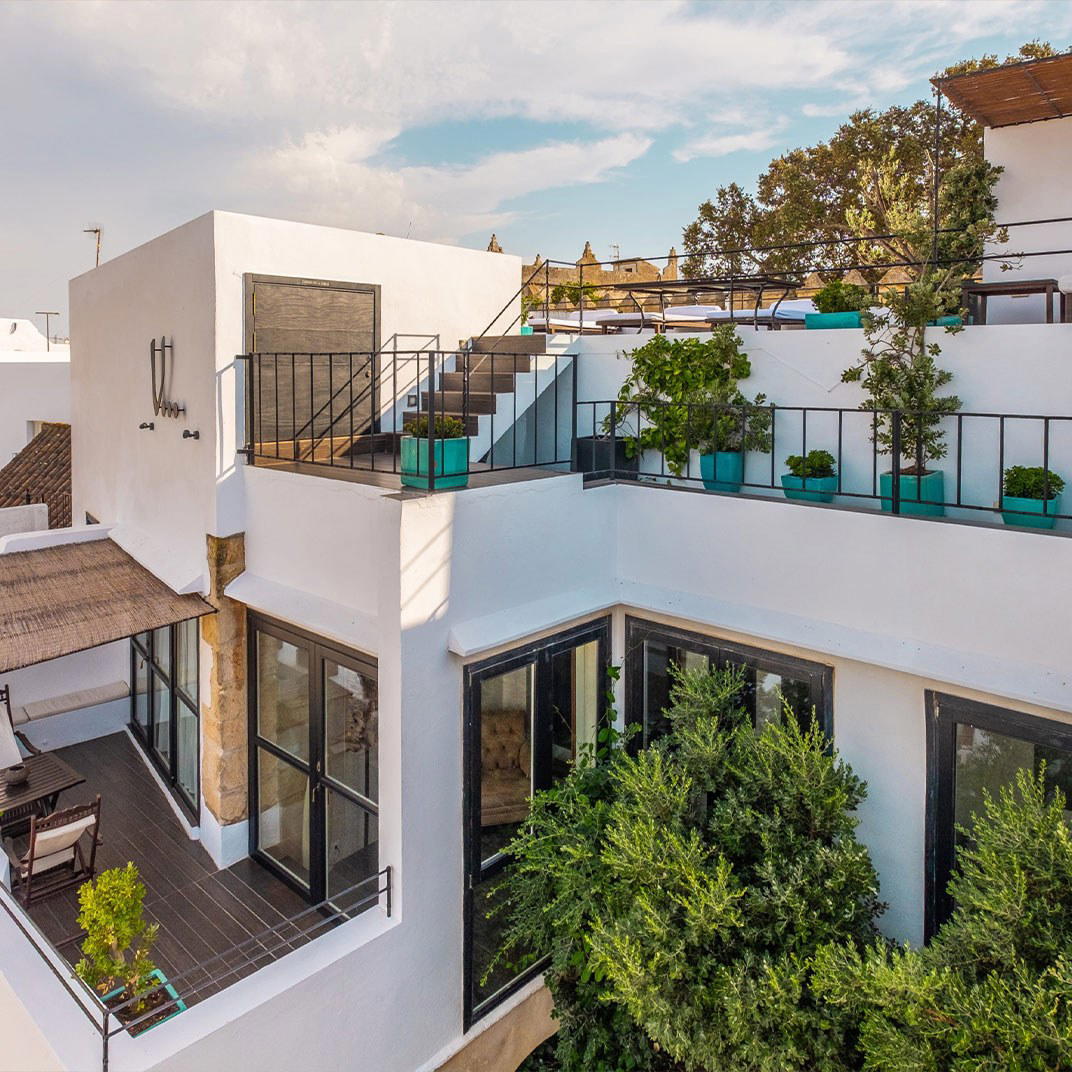
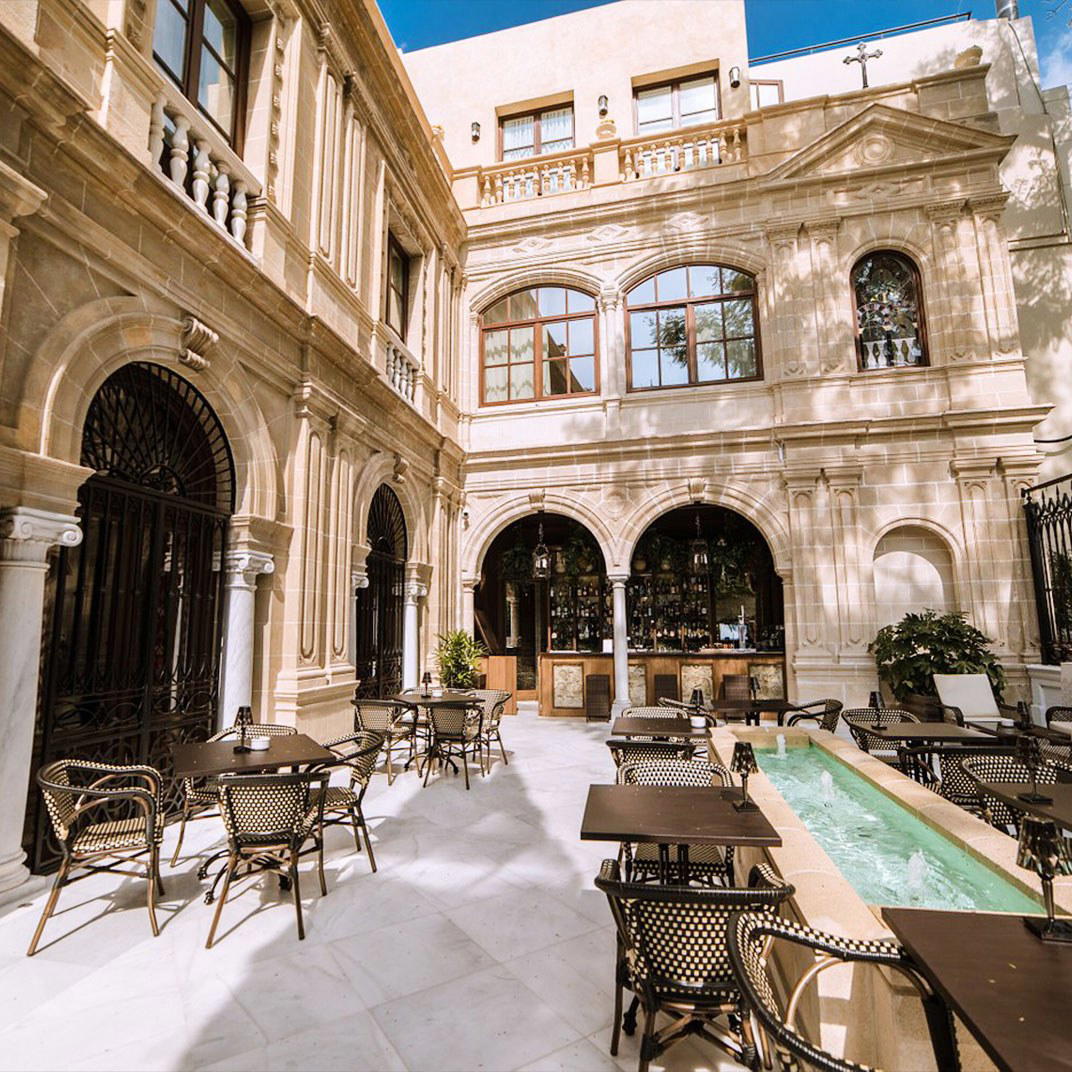
The interior is described as contemporary, which in the context of Conil's predominantly whitewashed, low-key aesthetic means something more intentional in design than the average chiringuito or port-side seafood bar. The contemporary framing of the space appears calibrated to the menu's ambition: a restaurant that takes the ronqueo seriously enough to structure its menu around specific cuts deserves a physical setting that matches that seriousness. The overall atmosphere is neither formal nor utilitarian, landing in the register of considered-casual that has become the default for mid-to-high price point dining across coastal Spain.
Planning Your Visit
At the €€€ price tier, Cooking Almadraba sits above the casual port-side options in Conil but below the fine-dining tasting-menu price point. Advance booking is advisable during the spring almadraba season (roughly April to June), when wild bluefin is freshest and visitor numbers in the area are climbing ahead of the peak summer months. No phone number or booking link is currently listed on public directories, so confirmation of reservation method is leading handled directly on arrival in town or through local accommodation staff.
For a broader picture of where to eat, drink, and stay in the area, see our full Conil de la Frontera restaurants guide, our full Conil de la Frontera hotels guide, our full Conil de la Frontera bars guide, our full Conil de la Frontera wineries guide, and our full Conil de la Frontera experiences guide.
Fast Comparison
| Venue | Cuisine | Price | Awards |
|---|---|---|---|
| Cooking AlmadrabaThis venue — the venue you are viewing | Seafood | €€€ | Not listed |
| Aponiente | Progressive - Seafood, Creative | €€€€ | Michelin 3 Star |
| Arzak | Modern Basque, Creative | €€€€ | Michelin 3 Star |
| DiverXO | Progressive - Asian, Creative | €€€€ | Michelin 3 Star |
| El Celler de Can Roca | Progressive Spanish, Creative | €€€€ | Michelin 3 Star |
| Quique Dacosta | Creative | €€€€ | Michelin 3 Star |
Recognition history
Dated appearances from independent guides and award organizations, with the underlying list record or original source where available.
Macarfi 7.9 Food Rating
Macarfi
Michelin Plate
Michelin
Michelin Plate
Michelin
Michelin Plate
Michelin
Continue exploring
More in Conil de la Frontera
Restaurants in Conil de la Frontera
Browse all →
Bars in Conil de la Frontera
Browse all →
Hotels in Conil de la Frontera
Browse all →
At a Glance
- Modern
- Elegant
- Intimate
- Date Night
- Special Occasion
- Open Kitchen
- Extensive Wine List
- Sustainable Seafood
Contemporary and charming atmosphere with open kitchen and tuna-focused decor.
Know Before You Go
- Getting there
- Cooking Almadraba, Conil de la Frontera, Andalusia, Spain