Castillería





Michelin Plate · Star Wine List · Guía Repsol 1 Sol
Our verdict
In the rural hamlet of Pago de Santa Lucía, just outside Vejer de la Frontera, Castillería operates only six months a year and has built a serious reputation around fire-cooked beef. Ranked 53rd on Opinionated About Dining Casual in Europe 2025 and recognised with a Michelin Plate, it catalogues cuts by breed and age in a format that treats the carnicería counter as a wine list equivalent.

Pearl is the En Primeur Club membership app — saves, bookings, and concierge access live there. Same editors, same standards.
- Address
- Sta. Lucía, s/n, 11150 Vejer de la Frontera, Cádiz, Spain
- Phone
- +34 956 45 14 97
- Hours
- Daily Closed
- Website
- restaurantecastilleria.com
- Directions
- Get directions
- Booking
- Book on CoverManager
The menu
What to order
- Retinta de La Janda
- Rubia Gallega
- Pularda Leonesa
A Hamlet, a Terrace, and a Question of Provenance
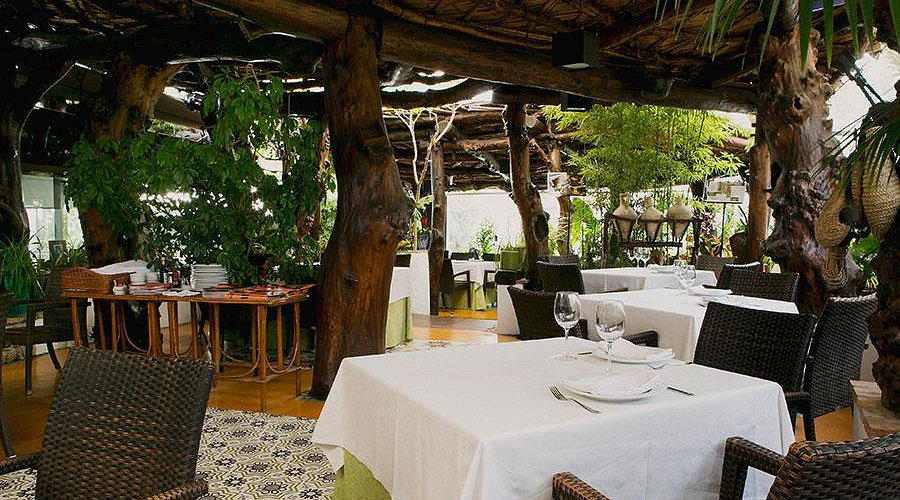
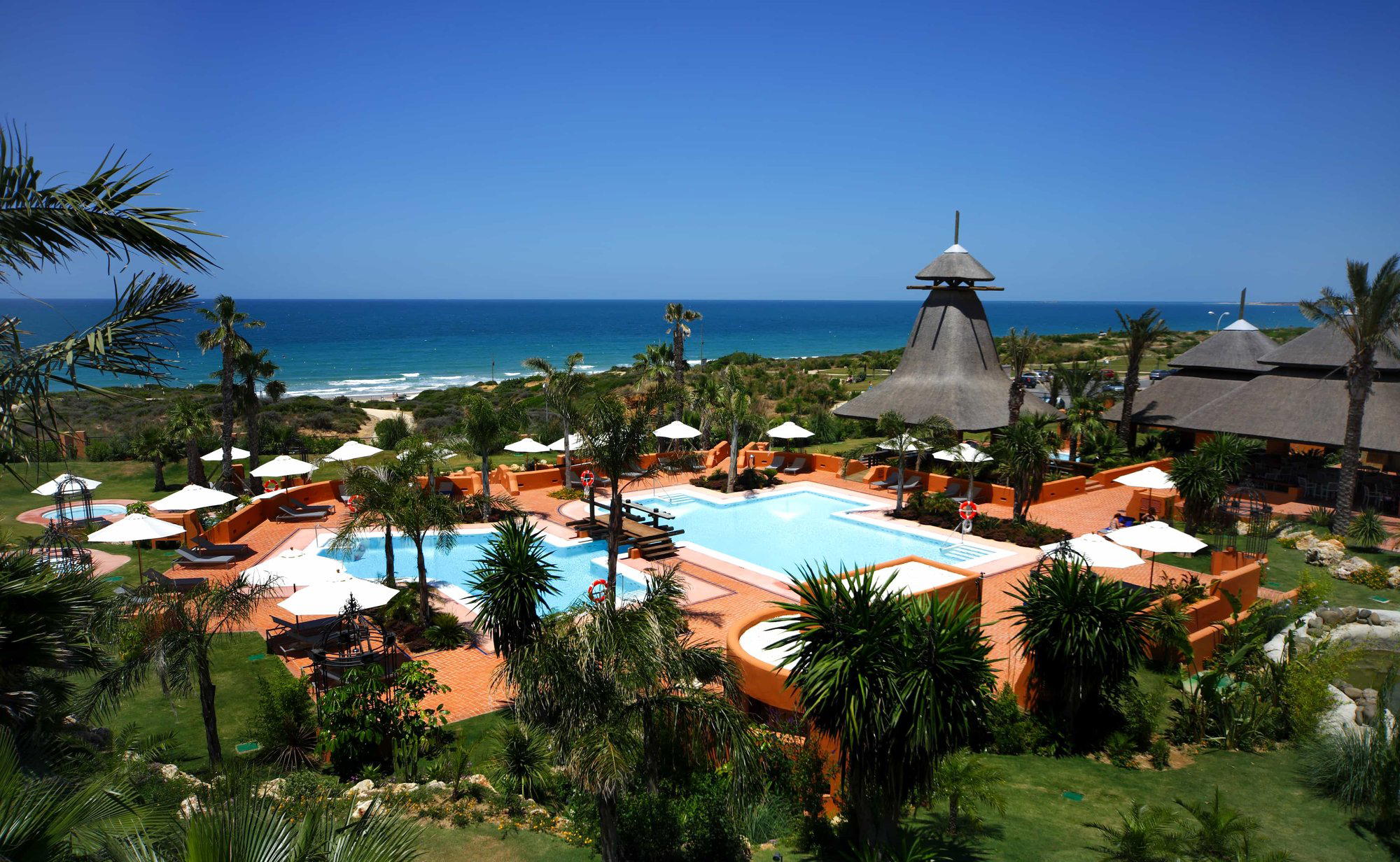
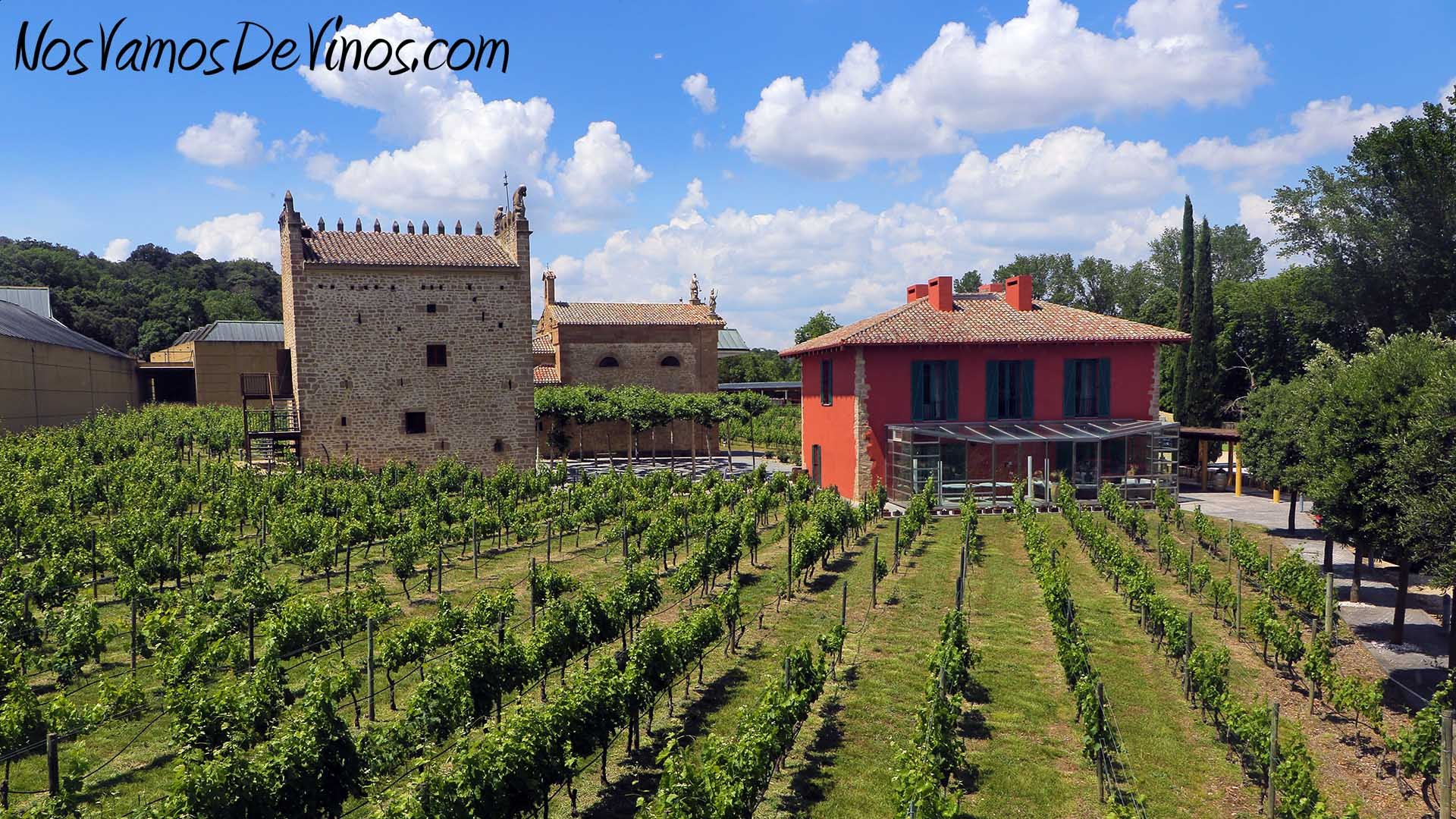
The road into Pago de Santa Lucía, a loose scatter of whitewashed buildings in the northwest of Vejer de la Frontera, gives little indication of what waits at the end of it. This is not the postcard Vejer of clifftop alleyways and boutique hotels. It is working Andalusian countryside, and the restaurant that has made it a destination address for serious meat eaters sits within that landscape without performing against it. The terrace at Castillería reads as an extension of the terrain rather than a correction of it, and the glassed-fronted kitchen visible from the dining area makes the kitchen's activity part of the atmosphere rather than a behind-the-scenes mystery.
That transparency carries through to the menu. The central proposition here is provenance-first beef, catalogued by breed and age in the way that a serious wine list catalogues by appellation and vintage. In a country whose fine-dining conversation is dominated by the tasting-menu format — from Aponiente in El Puerto de Santa María to El Celler de Can Roca in Girona and DiverXO in Madrid — Castillería sits at the other pole: no courses, no narrative arc, no amuse-bouches. Just fire and the quality of what goes on it.
The Breeds Behind the Grill
Spain's grilled-meat tradition draws on a specific set of cattle breeds, and the list at Castillería reads like a cross-section of Iberian beef geography. Retinta de La Janda is native to the Cádiz province itself, a lean, grass-fed animal raised on the dehesa scrubland of the La Janda region a short drive south. Rubia Gallega comes from Galicia and has become the prestige marker of Spanish steakhouses in the same way that wagyu has in high-end Japanese beef culture, heavily marbled, slow-grown, often aged for 30 days or beyond. Avileña is a Castilian mountain breed, smaller-framed and known for intense flavour over fat content. Frisona, the dairy-breed crossover that has quietly become one of the more interesting steakhouse options in Spain, brings a different fat profile altogether.
The editorial point is this: serving multiple breeds catalogued by age is not a cosmetic differentiator. It requires a different supply infrastructure, a different storage commitment, and a service team capable of explaining the distinctions rather than simply reciting a specials board.
What the Cut Tells You
The anatomy of a well-sourced beef counter rewards attention. A chuleta, the bone-in rib cut that functions as the signature format across northern Spanish grilling culture, announces its quality through fat colour and marbling density before it ever reaches the fire. Yellow fat indicates a grass-fed animal with age; white fat points to grain finishing or youth. A Rubia Gallega chuleta cut from a retired dairy cow, aged for 40 or 50 days, will carry a deep amber fat and a mineral intensity that younger cattle cannot replicate. The Retinta, leaner by breed, reads differently on the grill: less of that heavy marbled richness, more of the clean, iron-forward character that comes from open grazing on Atlantic-climate pasture.
Pork and lamb appear alongside the beef on the menu, and neither is an afterthought in Andalusian grilling culture. The Iberian pig's fat content and the local lamb's feed on thyme-rich scrubland both lend themselves to fire in ways that reward the same attention to sourcing and heat control that the beef demands. But the beef programme is the organising logic of the kitchen, and the other proteins sit in relation to it.
Recognition and the Seasonal Calendar
Castillería's trajectory through the Opinionated About Dining rankings tracks a clear upward movement: ranked 117th in the Casual in Europe list in 2023, climbing to 48th in 2024, and reaching 53rd in 2025. The Michelin Plate, held across both 2024 and 2025, confirms the kitchen's technical consistency without positioning it in the starred tier. That combination, OAD's peer-reviewed critical assessment and Michelin's quality floor signal, places Castillería in the credible upper band of casual-format dining in southern Spain. For context on the difference in register, the starred end of Spain's dining spectrum runs through institutions like Arzak in San Sebastián, Azurmendi in Larrabetzu, Martin Berasategui in Lasarte-Oria, Mugaritz in Errenteria, Quique Dacosta in Dénia, and Cocina Hermanos Torres in Barcelona. Castillería competes in a different category, and does so on its own terms.
The six-month annual opening window is a material fact for planning. A restaurant that closes for half the year in a rural Andalusian hamlet is calibrating its operation around quality control and seasonality rather than maximum revenue extraction. That decision shapes the product: the sourcing relationships, the kitchen rhythm, and the condition of the ingredients are all functions of a compressed, focused season.
Placing Castillería in Vejer's Dining Picture
Vejer de la Frontera has a restaurant scene that punches well above what its population size would predict. The town's combination of a wealthy Spanish weekend-visitor base, a significant international resident community, and proximity to the Atlantic and the Strait of Gibraltar has created demand for serious cooking across multiple registers. Within that picture, Castillería operates at the rurally-located, produce-focused end of the spectrum, complementing rather than competing with Vejer's more conventional town-centre options. Visitors looking to build a broader meal itinerary around the town can find traditional Andalusian cooking at El Alférez and a contemporary perspective at El Muro. For a full picture of where to eat, drink, sleep, and spend time in the area, see our full Vejer de la Frontera restaurants guide, our hotels guide, our bars guide, our wineries guide, and our experiences guide.
Planning Your Visit
Castillería sits at Sta. Lucía, s/n, in the hamlet of Pago de Santa Lucía, northwest of Vejer de la Frontera's old town. The location requires a car, the drive from Vejer's centre takes under ten minutes, but there is no practical walking or public transport option. The €€ price tier makes this accessible by the standards of comparable European meat-focused operations, which frequently price into the €€€ bracket on the basis of aged-beef premiums alone. The kitchen is led by Juan Valdés, whose name in Vejer's dining conversation has become shorthand for a certain kind of serious, ingredient-led approach to the grill.
at Castillería?
The beef programme is the organising logic of the menu, and within it, the breed-and-age catalogue is where the kitchen's sourcing intelligence is most visible. A Rubia Gallega chuleta from an older animal, if available, represents the Spanish steakhouse tradition at its most concentrated: heavy marbling, extended dry-age, and the mineral depth that only comes from a patient supply chain. The Retinta de La Janda option is the local argument, a leaner, grass-fed cut from cattle raised in the Cádiz province itself, and the one that speaks most directly to the restaurant's geographic identity. The Michelin Plate recognition and consecutive OAD Casual in Europe rankings confirm that the kitchen's consistency across the beef selection has been validated by two independent critical frameworks. The wine list, framed alongside the meat programme rather than as a separate concern, completes the case for treating this as a destination meal rather than a casual stop.
Frequently asked questions
Is Castillería more mid-range or high-end?
Pricing at Castillería is listed as €€.
At-a-Glance Comparison
| Venue | Cuisine | Price | Awards |
|---|---|---|---|
| CastilleríaThis venue — the venue you are viewing | Spanish Wood-Fired Steakhouse | $50–100 | Michelin Plate · Star Wine List |
| Aponiente | Progressive - Seafood, Creative | Not listed | Michelin 3 Star |
| Arzak | Modern Basque, Creative | Not listed | Michelin 3 Star |
| DiverXO | Progressive - Asian, Creative | Not listed | Michelin 3 Star |
| El Celler de Can Roca | Progressive Spanish, Creative | Not listed | Michelin 3 Star |
| Quique Dacosta | Creative | Not listed | Michelin 3 Star |
Recognition history
Dated appearances from independent guides and award organizations, with the underlying list record or original source where available.
Michelin Plate
Michelin
Star Wine List
Star Wine List
Guía Repsol 1 Sol
Guía Repsol
Macarfi 7.8 Food Rating
Macarfi
Opinionated About Dining Casual in Europe Ranked #66
Opinionated About Dining
Full recognition history (10 entries)
Michelin Plate
Michelin
Opinionated About Dining Casual in Europe Ranked #53
Opinionated About Dining
Michelin Plate
Michelin
Opinionated About Dining Casual in Europe Ranked #48
Opinionated About Dining
Opinionated About Dining Casual in Europe Ranked #117
Opinionated About Dining
Continue exploring
More in Vejer de la Frontera
Restaurants in Vejer de la Frontera
Browse all →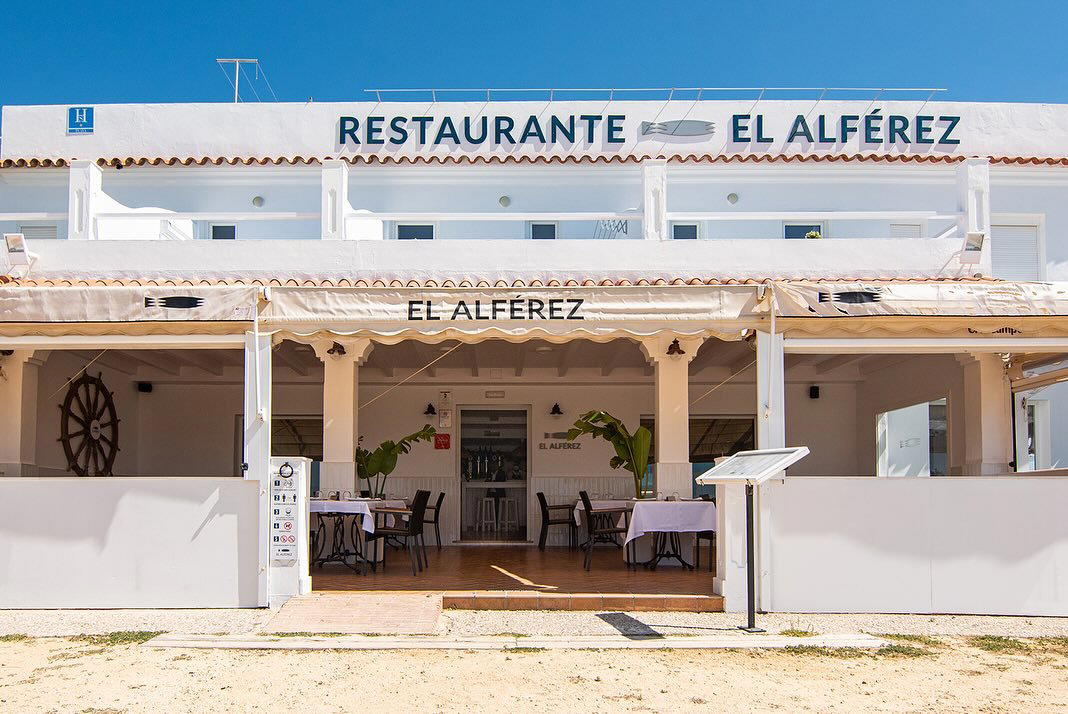

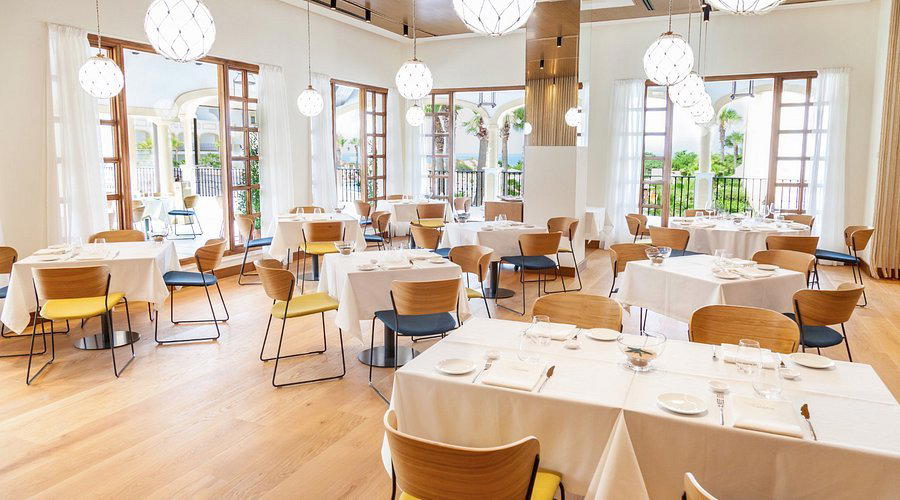
Bars in Vejer de la Frontera
Browse all →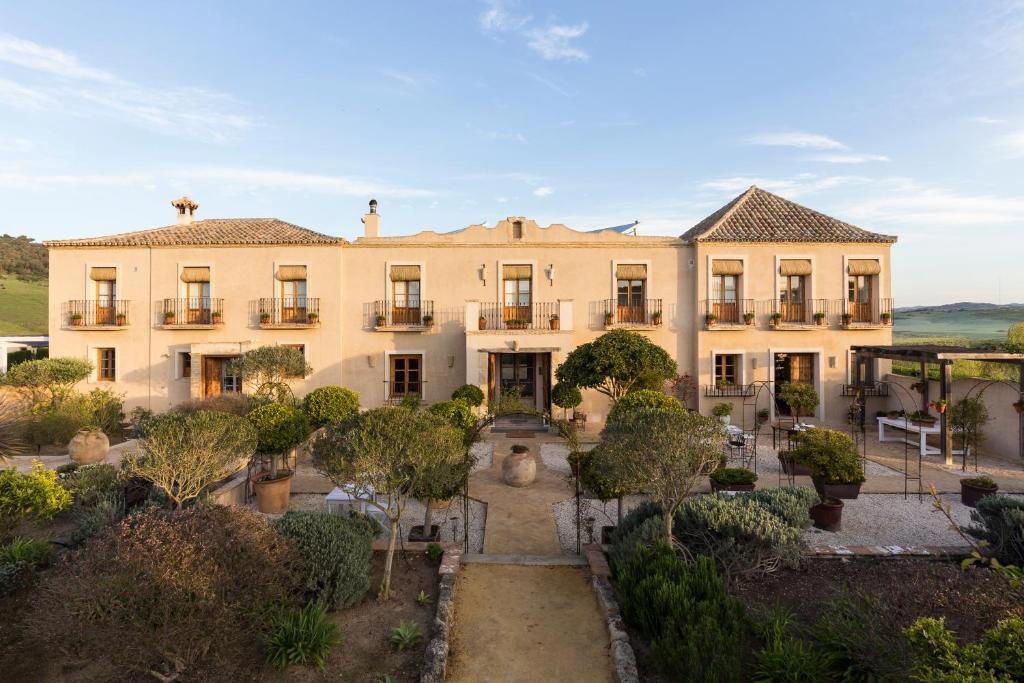
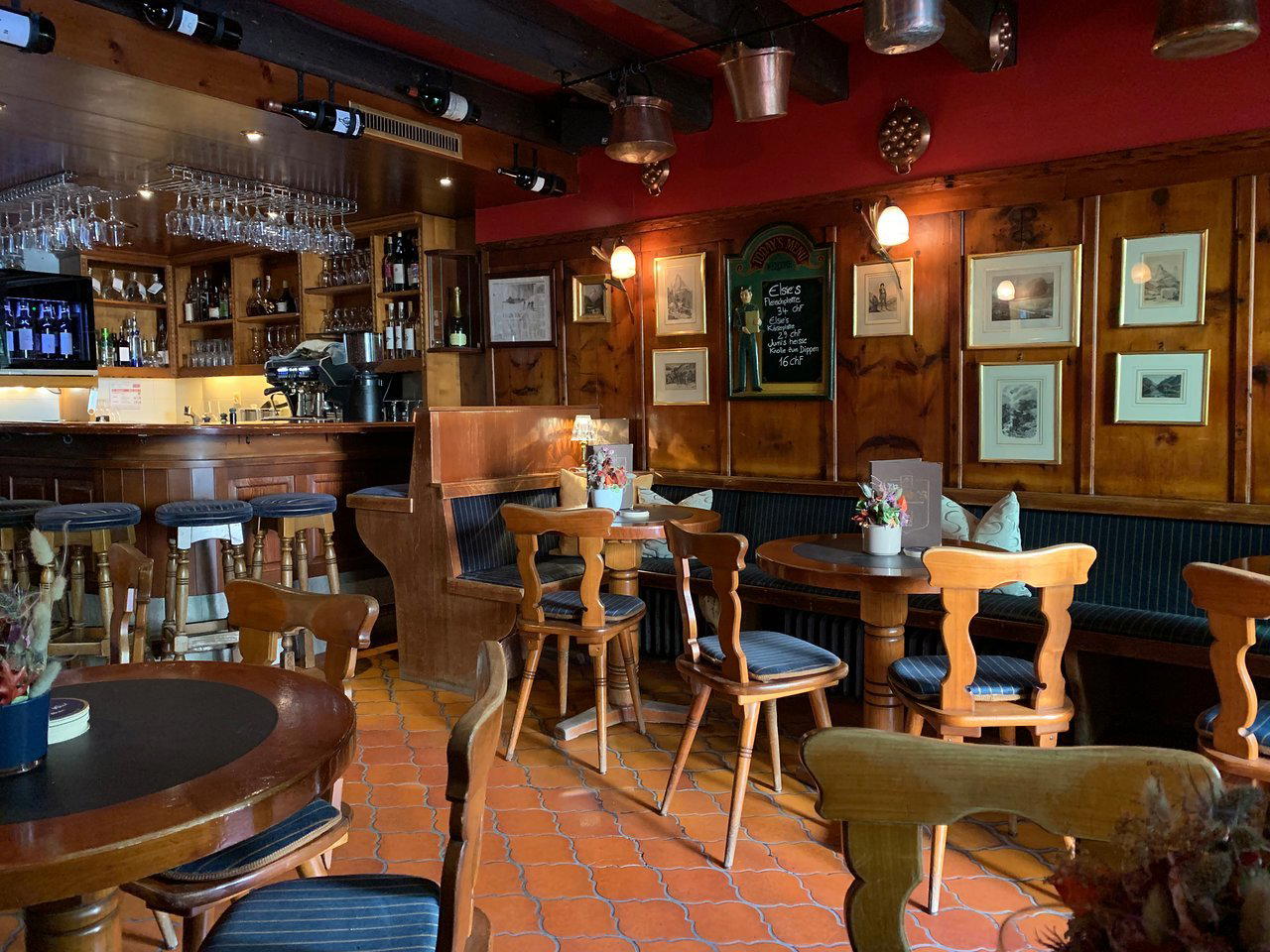
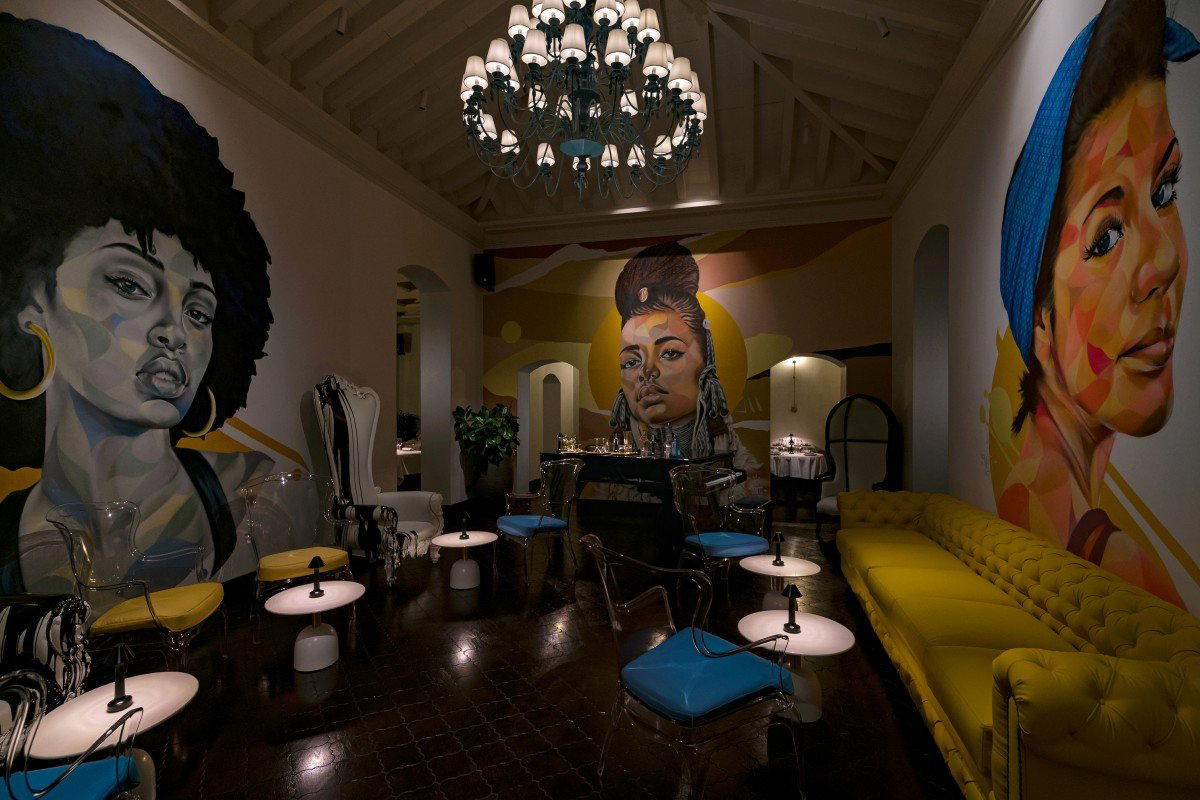
Hotels in Vejer de la Frontera
Browse all →
Details
- Rustic
- Cozy
- Scenic
- Elegant
- Date Night
- Special Occasion
- Terrace
- Garden
- Open Kitchen
- Extensive Wine List
- Local Sourcing
- Garden
- A La Carte
- Gluten Free Options
Current opening hours
- Monday
- Closed
- Tuesday
- Closed
- Wednesday
- Closed
- Thursday
- Closed
- Friday
- Closed
- Saturday
- Closed
- Sunday
- Closed
Hours can change for holidays and private events. Last verified .
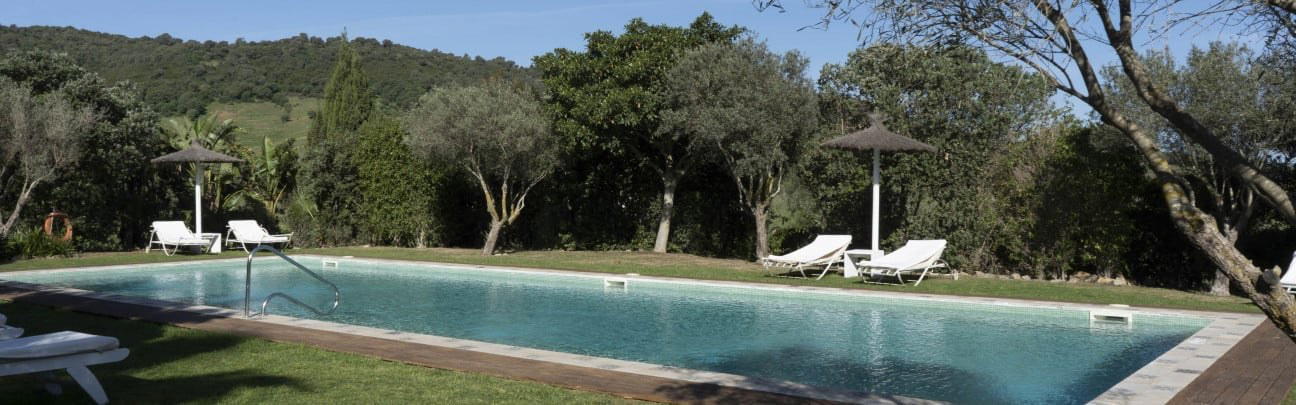
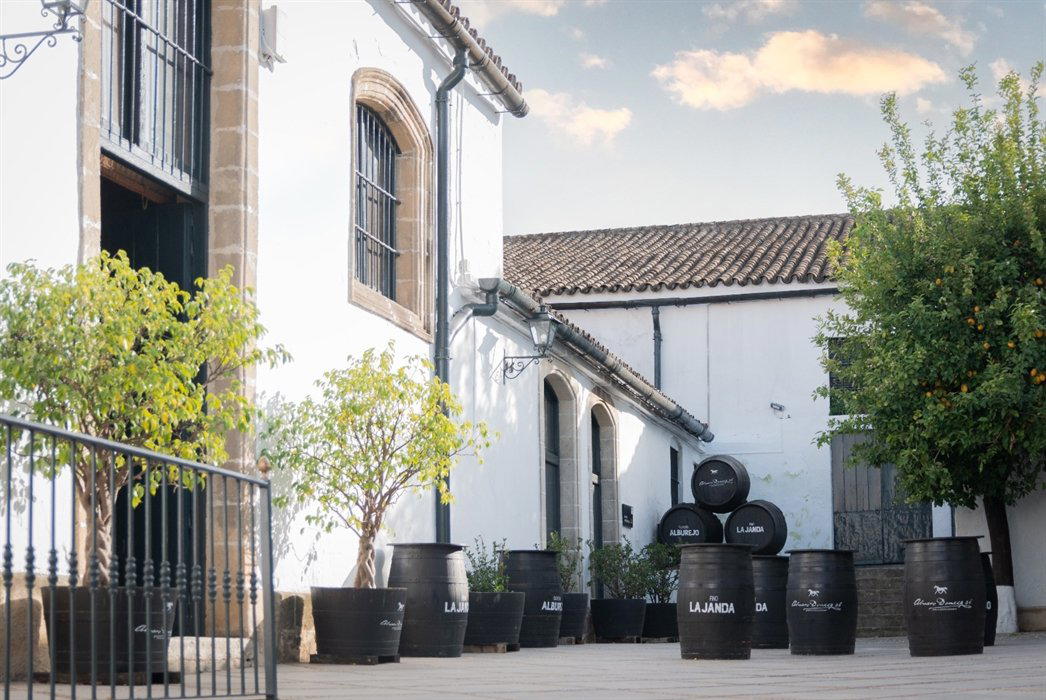
Warm and welcoming terrace integrated into lush gardens with a tranquil, nature-embraced atmosphere.