
A Setagaya bread counter with Tabelog Bread TOKYO 100 recognition in 2022, Comme’N TOKYO Honten belongs to Tokyo’s serious bakery circuit rather than the café-brunch lane. Its takeaway format makes the experience brisk, practical, and planning-sensitive, with the draw coming from craft baking in a residential pocket near Kuhombutsu rather than from a lingering dining room.
Pearl is the En Primeur Club membership app — saves, bookings, and concierge access live there. Same editors, same standards.
- Address
- Japan, 〒158-0083 Tokyo, Setagaya City, Okusawa, 7 Chome−18−5 1F
- Website
- commen.jp
 Saves & bookings on Pearl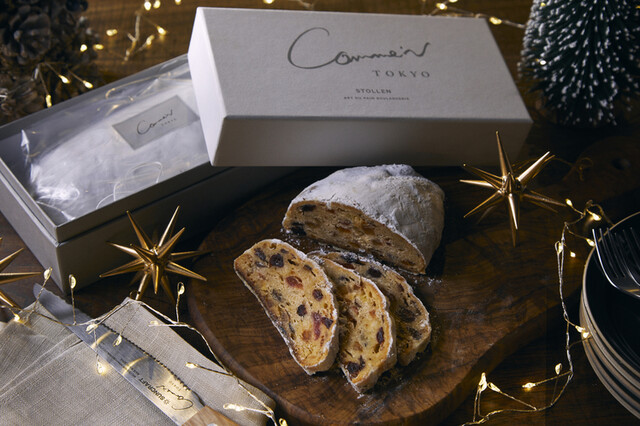
Approaching Tokyo’s serious bakeries is rarely theatrical. The better tell is the rhythm around the door: commuters folding a bakery stop into the morning, families moving through with practiced speed, and regulars treating the display case as part of the week’s routine rather than a special-occasion stage. In Okusawa, that rhythm matters. This is the western edge of the city’s polished residential belt, close enough to Jiyugaoka’s patisserie culture to inherit its appetite for craft, but quieter in tempo and more local in use.
Comme’N TOKYO Honten fits that pattern with unusual clarity. Tokyo has no single bread district in the way it has sushi counters clustered around Ginza or cocktail bars around Ginza and Shinjuku; the bakery map is scattered, and quality often sits near train lines where daily customers can carry bread home. Tabelog’s Bread TOKYO 100 selection in 2022 places this shop inside that citywide circuit, a useful signal in a category where reputation is built through repeat buying rather than tasting-menu ceremony.
Tokyo's bread culture rewards precision over spectacle
Japan’s bakery culture has long moved between French technique, soft shokupan traditions, viennoiserie, curry-pan comfort, and seasonal fillings. In Tokyo, the stronger addresses tend to avoid the all-day café sprawl common in other cities. The serious version is often compact, takeaway-led, and designed around throughput. The point is not to spend two hours at a table. The point is to choose well, pay efficiently, and carry the result into the rest of the day.
That distinction helps explain why Comme’N TOKYO Honten reads differently from pastry-room peers such as Parlour Laurel and patisserie Paris S'eveille, both also operating in Tokyo’s sweet-craft orbit at accessible spend levels. L'Atelier Plus sits in a broader patisserie and dining bracket with a higher dinner range, while B and Kaneda point to how quickly Tokyo’s casual categories can split into separate price and format lanes. The useful comparison is not which address is grander; it is whether the stop functions as a bakery errand, a sweets detour, or a meal plan.
For readers mapping a wider Tokyo food day, bread is often the quiet counterweight to the city’s reservation-heavy dining culture. A morning bakery stop can sit before a structured lunch, or replace the hotel breakfast that rarely matches Tokyo’s neighborhood options. The same itinerary logic applies across categories: a casual curry stop such as 3 Chome no Curry Ya San, a visual café like 2D Cafe, or a later grill-focused meal at . 鮪と炭火焼き うお炭 秋葉原店 each solves a different part of the day. Bread, when done at this level, solves timing.
A takeaway format changes how to plan the stop
The key editorial point is logistical rather than decorative: this is a takeaway bakery, not a sit-down restaurant. That format rewards visitors who know what role the stop is meant to play. It is better treated as a precise errand built around the surrounding neighborhood than as a destination meal. The advantage is flexibility; the tradeoff is that there is no dining room pause to absorb a late arrival, a long chat, or a leisurely second round.
Tokyo travelers often underestimate the city’s west-side geography. Setagaya and Meguro addresses can look close on a map but behave differently once train transfers enter the equation. Okusawa works well when paired with Jiyugaoka, Todoroki, or a residential west-side morning, less so as a quick add-on between Marunouchi meetings and an east-side dinner. For a broader city plan, Our full Tokyo restaurants guide, Our full Tokyo hotels guide, Our full Tokyo bars guide, Our full Tokyo wineries guide, and Our full Tokyo experiences guide are more useful than trying to stitch the city together by distance alone.
The booking experience, in this case, is defined by the absence of restaurant rituals. No tasting-menu deposit, no counter seating hierarchy, no sommelier-led pacing. Instead, the planning question is timing: arrive with enough flexibility to accept a bakery’s natural ebb and flow, then continue. That makes Comme’N TOKYO Honten especially useful for travelers who already have fixed meals elsewhere, whether that means yakitori at 124. KAGURAZAKA (Yakitori), a Shinjuku stop at 12/10 Shinjuku ten, or a day trip that ends with -Grilled beef Sukiyaki- KAMAKURA TANUKIAN 鎌倉 たぬき庵 in Kamakura.
Where it fits in a Japan itinerary
Tokyo’s premium food culture often gets reduced to omakase counters and kaiseki rooms, but its everyday craft categories are just as revealing. Bakeries, kissaten, curry shops, depachika counters, and onigiri specialists show how the city turns routine eating into a technical discipline. The restaurant belongs to that daily-craft side of the city: accessible in spend, serious in reputation, and useful for travelers who want Tokyo to feel less like a sequence of reservations.
Seen that way, it also connects neatly to a wider Japan food route. A bakery stop in Setagaya has little in common with.cafe in Osaka.know in Kumamoto, (Shoku) Vietnam in Kawasaki, [Curry Senmon Ten] Maruyama Kyoju. in Sapporo, or [ki:] in Kyoto in format, but all sit in the same useful category for travelers: focused, modestly scaled addresses that explain a city through routine appetite rather than ceremony. Even outside Japan, places such as Jōdo Saké Bar in Los Angeles and Onigiri Time in Pasadena show how Japanese casual forms travel differently once removed from their native daily context.
The critical read is simple. This is not the stop to build a long evening around, and that is precisely the point. It works as a sharp, low-friction insertion into a Tokyo day, especially for visitors who understand that the city’s food intelligence is often hiding in plain routines: the morning queue, the paper bag, the train platform, the choice to keep moving.
Recognition, Side-by-Side
Comparable venues by category and price.
| Venue | Cuisine | Price | Notes |
|---|---|---|---|
| Comme’N TOKYO HontenThis venue — the venue you are viewing | Japanese Bakery Cafe | $$ | Not listed |
| Hana Goori Kakigori | Japanese Kakigori (Shaved Ice) | $$ | Roppongi |
| Toyama Shiroebitei (富山白えび亭) | Toyama White Shrimp Tempura Bowls | $$ | Marunouchi |
| Tonkatsu Maruichi (とんかつ丸一) | Tonkatsu Specialist | $$ | Fukagawa |
| Shio Ramen Shinka | Traditional Shio Ramen | $$ | Machida |
| Teuchi Soba Yakko | Handmade soba & izakaya | $$ | Meguro |
Recognition history
Dated appearances from independent guides and award organizations, with the underlying list record or original source where available.
Tabelog 100 #59 · No. 59
Tabelog · Tabelog 100 - Bread - TOKYO - 2022










At a Glance
- Cozy
- Modern
- Minimalist
- Solo
- Casual Hangout
- Family
- Brunch
- Standalone
- Open Kitchen
Current opening hours
- Monday
- 7 AM–6 PM
- Tuesday
- 7 AM–6 PM
- Wednesday
- 7 AM–6 PM
- Thursday
- 7 AM–6 PM
- Friday
- 7 AM–6 PM
- Saturday
- 7 AM–6 PM
- Sunday
- 7 AM–6 PM
Hours can change for holidays and private events. Last verified .
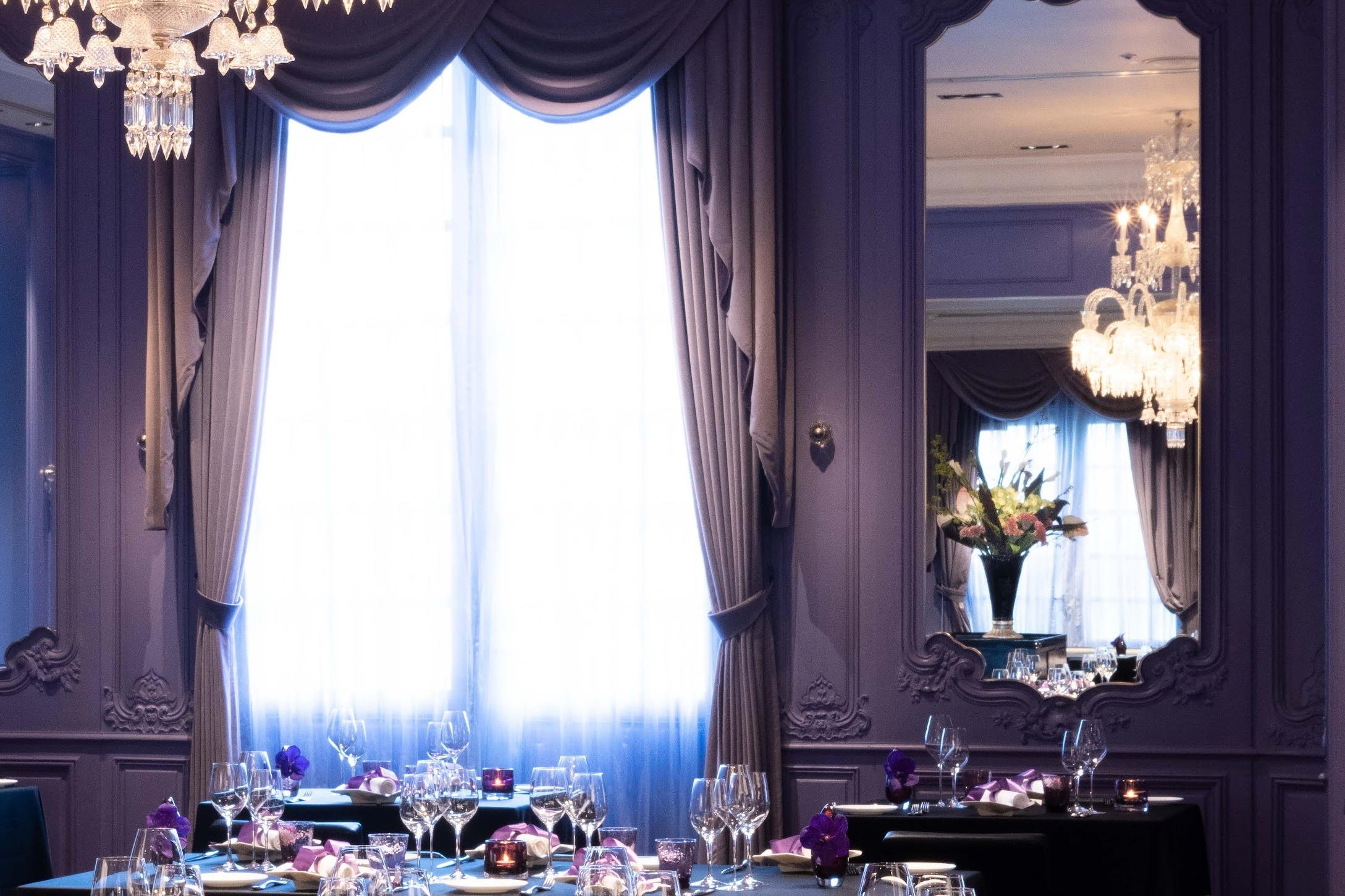
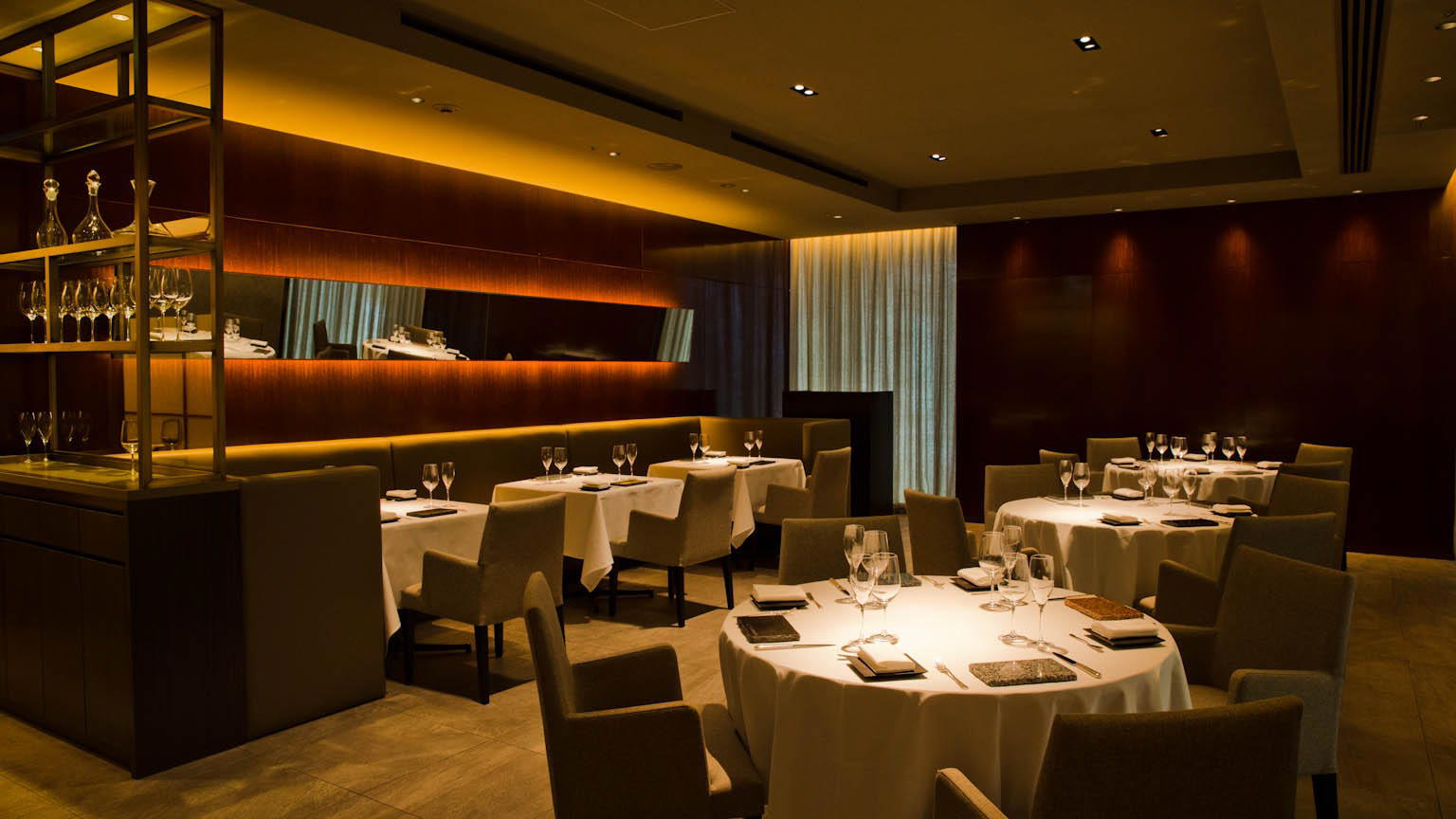
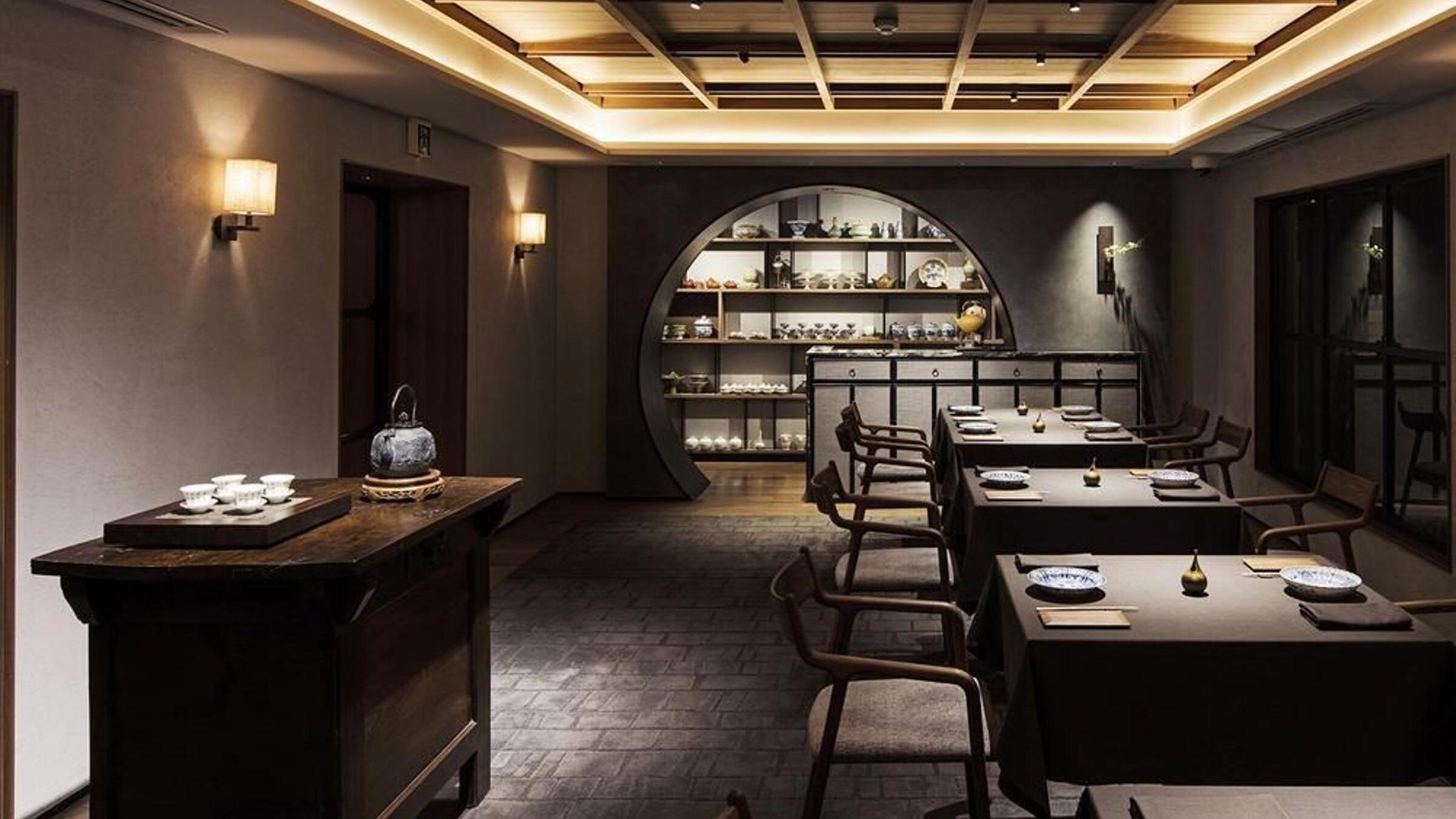
Bright, direct bakery atmosphere with a stylish, European-leaning feel and a focus on fresh-baked bread rather than formal dining.