
Brasserie Rivoli brings classic French cooking to Bjørvika, one of Oslo's most architecturally charged neighbourhoods, sitting beside the Munch Museum on Operagata. Chef Kari Innerå carries decades of experience across multiple Oslo kitchens, and the restaurant positions itself as a French brasserie within a city whose dining identity has long been shaped by Nordic minimalism rather than European classicism.
Pearl is the En Primeur Club membership app — saves, bookings, and concierge access live there. Same editors, same standards.
- Address
- Operagata 3, 0194 Oslo, Norway
- Phone
- +47 21 42 05 90
- Website
- rivoli.no
- Directions
- Get directions
 Saves & bookings on Pearl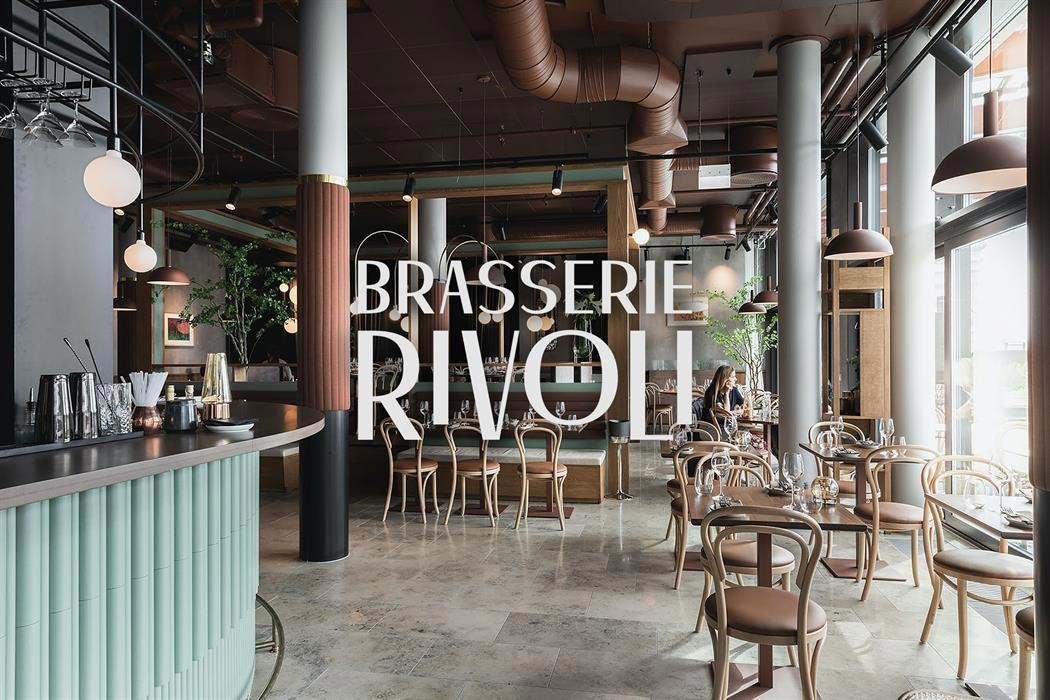
French Classicism in Oslo's Newest Neighbourhood
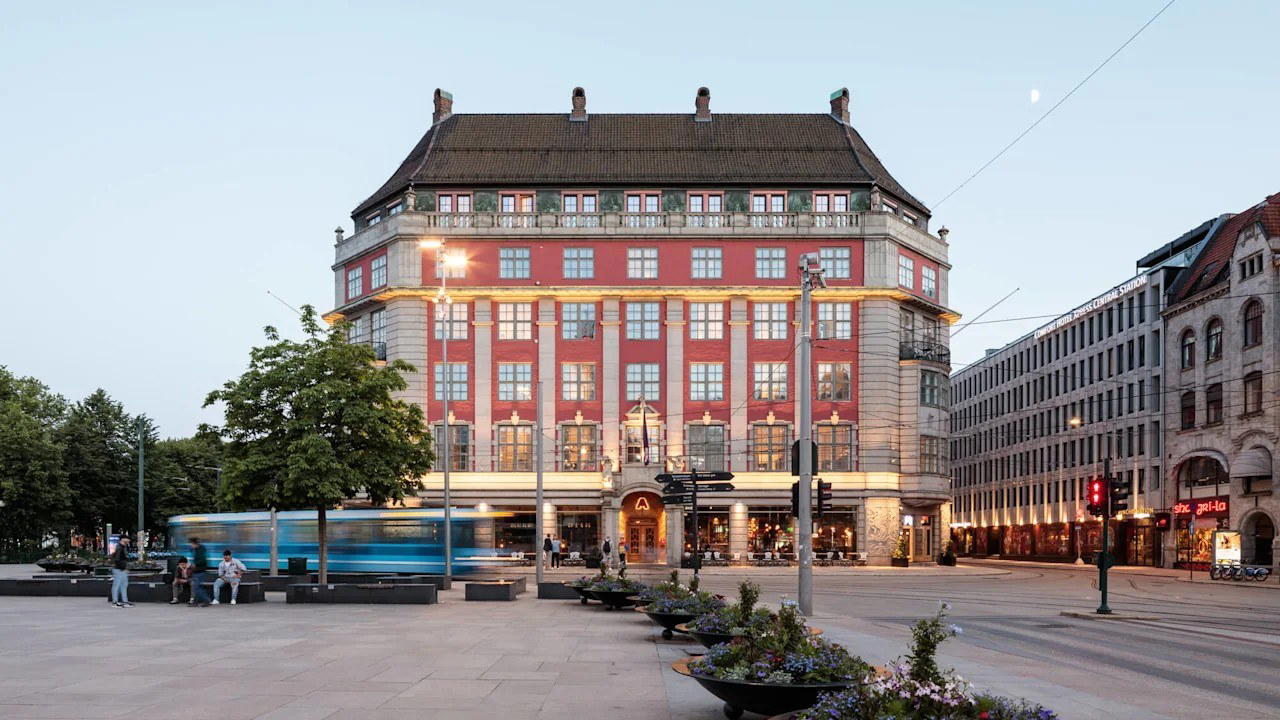
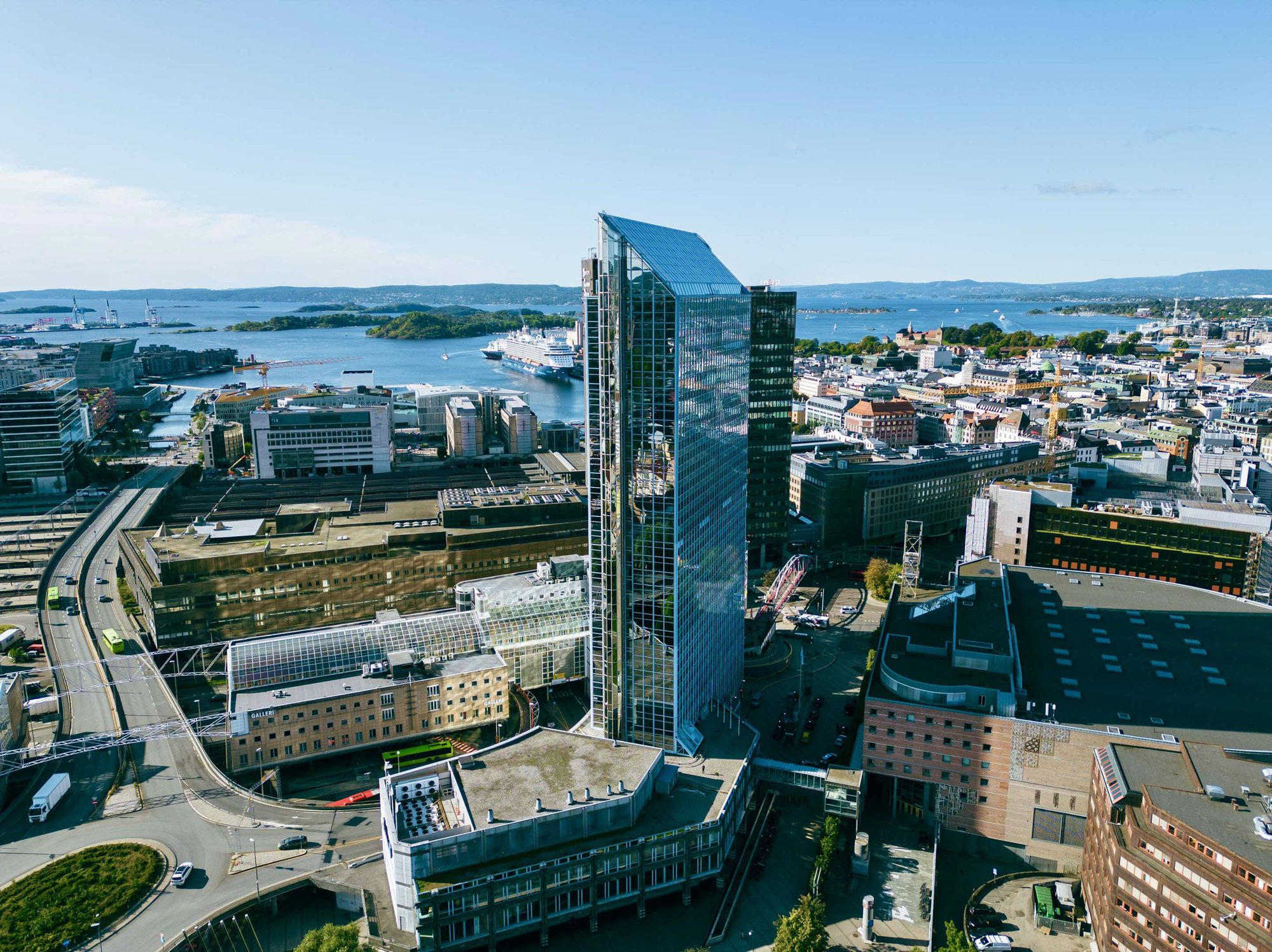
Bjørvika did not exist as a dining destination fifteen years ago. The former industrial port east of Oslo's central station has since become one of the city's most distinctive quarters: the Oslo Opera House, the Munch Museum, and the Deichman library have collectively redrawn where Osloans choose to spend an evening. Operagata, the street linking these institutions, now carries foot traffic that the rest of inner Oslo once monopolised. Brasserie Rivoli occupies a position on that street, at number 3, directly adjacent to the Munch Museum, a location that places it at the intersection of cultural infrastructure and emerging restaurant culture rather than inside the established dining corridors of Aker Brygge or Grünerløkka.
The physical setting matters here in ways it rarely does elsewhere in Oslo. Unlike the basement counters and converted warehouses that define much of the city's ambitious restaurant scene, a brasserie format in this neighbourhood draws its energy from the street-level activity of a district still in the process of becoming itself. The Munch Museum's angular black tower rises immediately next door; the opera's white marble slope is visible from the waterfront. It is a context that rewards a certain kind of restaurant, one with enough clarity of identity to hold its own against its surroundings, rather than relying on the neighbourhood to do the work.
Where French Format Sits in the Oslo Dining Picture
Oslo's restaurant scene in 2024 is shaped almost entirely by the New Nordic framework that Maaemo and its successors established. Three- and two-Michelin-star addresses like Kontrast have consolidated a city identity built around Norwegian ingredients, fermentation, and seasonal restraint. Below that tier, the mid-market has fragmented into a mix of natural wine bars, contemporary Nordic bistros, and an increasingly international set of openings.
French brasserie cooking occupies a distinct and relatively narrow position in that picture. Oslo has always had French-influenced addresses, Mon Oncle represents another point on that spectrum, but the format sits outside the dominant critical conversation. That is not necessarily a disadvantage. French brasserie cooking operates from a stable reference grammar: sauces built on reduction and butter, proteins treated with European rather than Nordic logic, a wine list that reads from France first. For a diner who has spent a week eating through Oslo's New Nordic tier, a brasserie can function as a deliberate counterpoint. The comparison set is not Hot Shop or Bar Amour; it is the European canon those restaurants are implicitly pushing against.
In a broader Norwegian context, the country's most decorated restaurants have clustered around hyper-local identity: RE-NAA in Stavanger, FAGN in Trondheim, Gaptrast in Bergen, Iris in Rosendal, and Under in Lindesnes all derive their identity from Norwegian place and produce. Boen Gård in Tveit extends that logic into a heritage estate format. Brasserie Rivoli makes a different argument: that French classicism, delivered with competence and consistency, has a legitimate place in a Norwegian capital whose diners are internationally travelled and increasingly comfortable moving between reference points.
Kari Innerå and the Weight of Experience
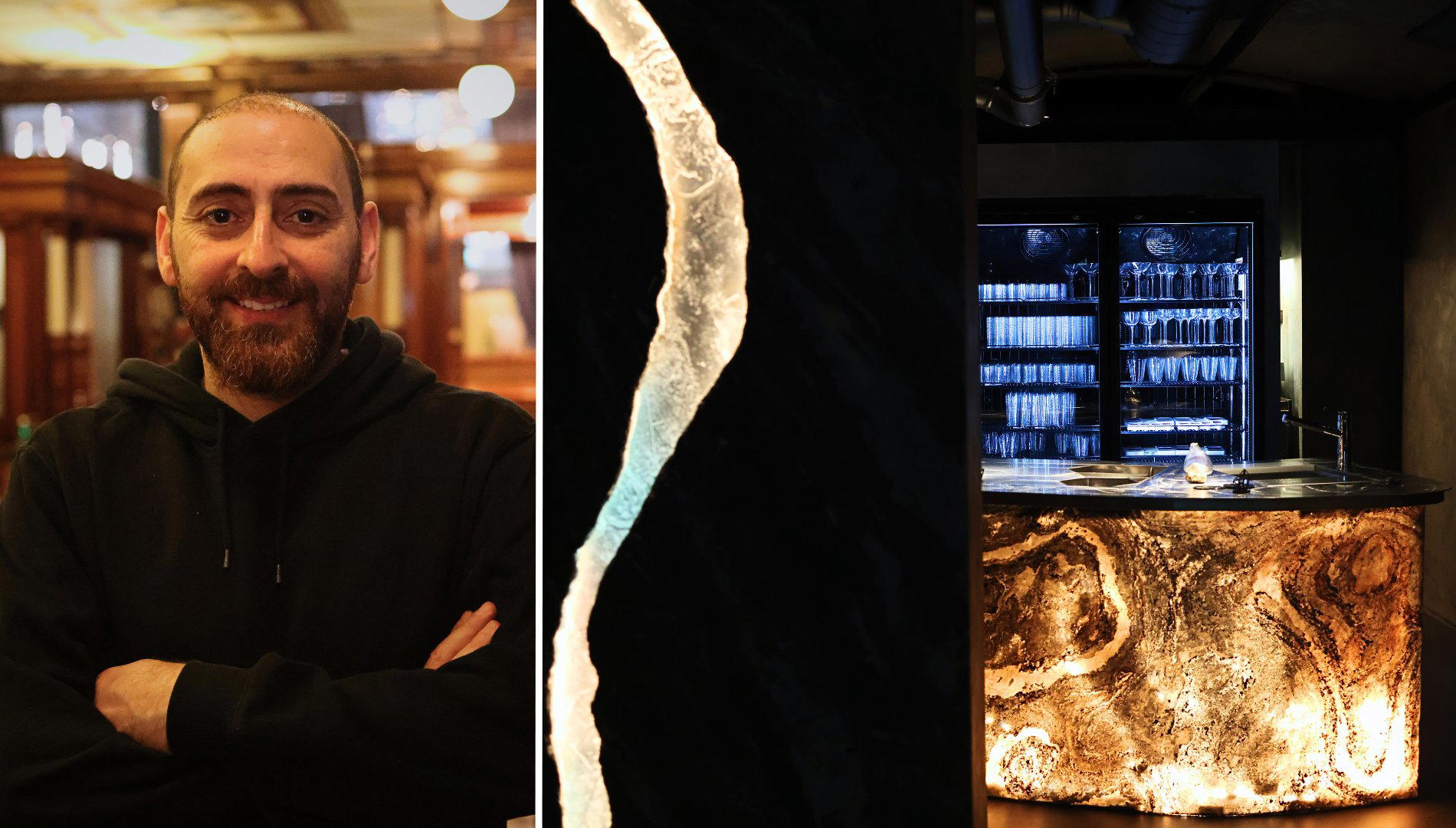
Oslo's most critically discussed restaurants are often associated with younger chef profiles building first-generation reputations. Kari Innerå represents a different position in the city's professional hierarchy. With decades of experience across multiple Oslo restaurants, Innerå is a figure whose name carries accumulated weight rather than emerging buzz, closer in career shape to the senior generation of French and European chefs who built reputations through consistent execution over time rather than through a single breakout concept. That experience base matters in a brasserie format, which rewards depth of technique over novelty. A kitchen running classic French repertoire has nowhere to hide behind innovation; the sauces are either right or they are not.
The international analogue is instructive. Restaurants like Le Bernardin in New York City or Emeril's in New Orleans demonstrate how a chef's accumulated reputation functions as a trust signal in its own right, independent of the format's novelty. In Oslo, where the Michelin conversation dominates critical attention, experienced operators running European classical formats have sometimes been underweighted in the broader conversation. Brasserie Rivoli positions itself within that experienced, classically oriented cohort.
Planning a Visit
Operagata 3 is direct to reach: Oslo S, the central station, is a short walk west, and the neighbourhood is walkable from the Opera House waterfront. The Bjørvika location means the restaurant draws both pre- and post-cultural-event traffic from the Munch Museum and opera, which shapes the rhythm of a typical service. Visitors combining dinner with an opera performance or a museum visit will find the proximity genuinely useful rather than incidental, the walk between institutions takes under five minutes.
No specific booking lead time data is available for the restaurant, but French brasserie formats in Oslo's mid-to-upper tier typically fill weekend services two to three weeks ahead during the autumn and winter months, when the city's restaurant culture is at its most active. The summer period, when Norwegians disperse to the coast and daylight extends past midnight, tends to shift dining patterns across the city. For the full picture of where the restaurant sits relative to Oslo's other options, the EP Club Oslo restaurants guide covers the city's key addresses by neighbourhood and format. Accommodation options are mapped in the Oslo hotels guide, while the city's bar and wine culture, increasingly sophisticated, particularly around Grünerløkka and Majorstuen, is covered in the Oslo bars guide. Those interested in the wider Norwegian wine and experience scene can find relevant guidance in the Oslo wineries guide and Oslo experiences guide.
In Context: Similar Options
Comparable venues nearby, for context on price, style, and recognition.
| Venue | Cuisine | Price | Notes |
|---|---|---|---|
| Brasserie RivoliThis venue — the venue you are viewing | French Brasserie with Norwegian influences | $$$ | Not listed |
| Chez Colin | Classic French Bistro | $$$ | Fredensborg |
| Park 29 | Classic French and Italian inspired with Norwegian ingredients | $$$ | Homans Byen |
| Kolonihagen Frogner | Nordic Farm-to-Table with Foraged Ingredients | $$$ | Briskeby |
| Brasserie Ouest | French Brasserie | $$$ | Skillebekk |
| Villa Heftye | French-Norwegian Bistro with Seasonal Nordic Ingredients | $$$$ | Filipstad |
Recognition history
Dated appearances from independent guides and award organizations, with the underlying list record or original source where available.
Star Wine List
Star Wine List
Continue exploring
More in Oslo
Restaurants in Oslo
Browse all →
At a Glance
- Elegant
- Classic
- Cozy
- Date Night
- Business Dinner
- Waterfront
- Extensive Wine List
- Waterfront
Current opening hours
- Monday
- 4–11 PM
- Tuesday
- 11 AM–11 PM
- Wednesday
- 11 AM–11 PM
- Thursday
- 11 AM–11 PM
- Friday
- 11 AM–11 PM
- Saturday
- 2:30–11 PM
- Sunday
- Closed
Hours can change for holidays and private events. Last verified .
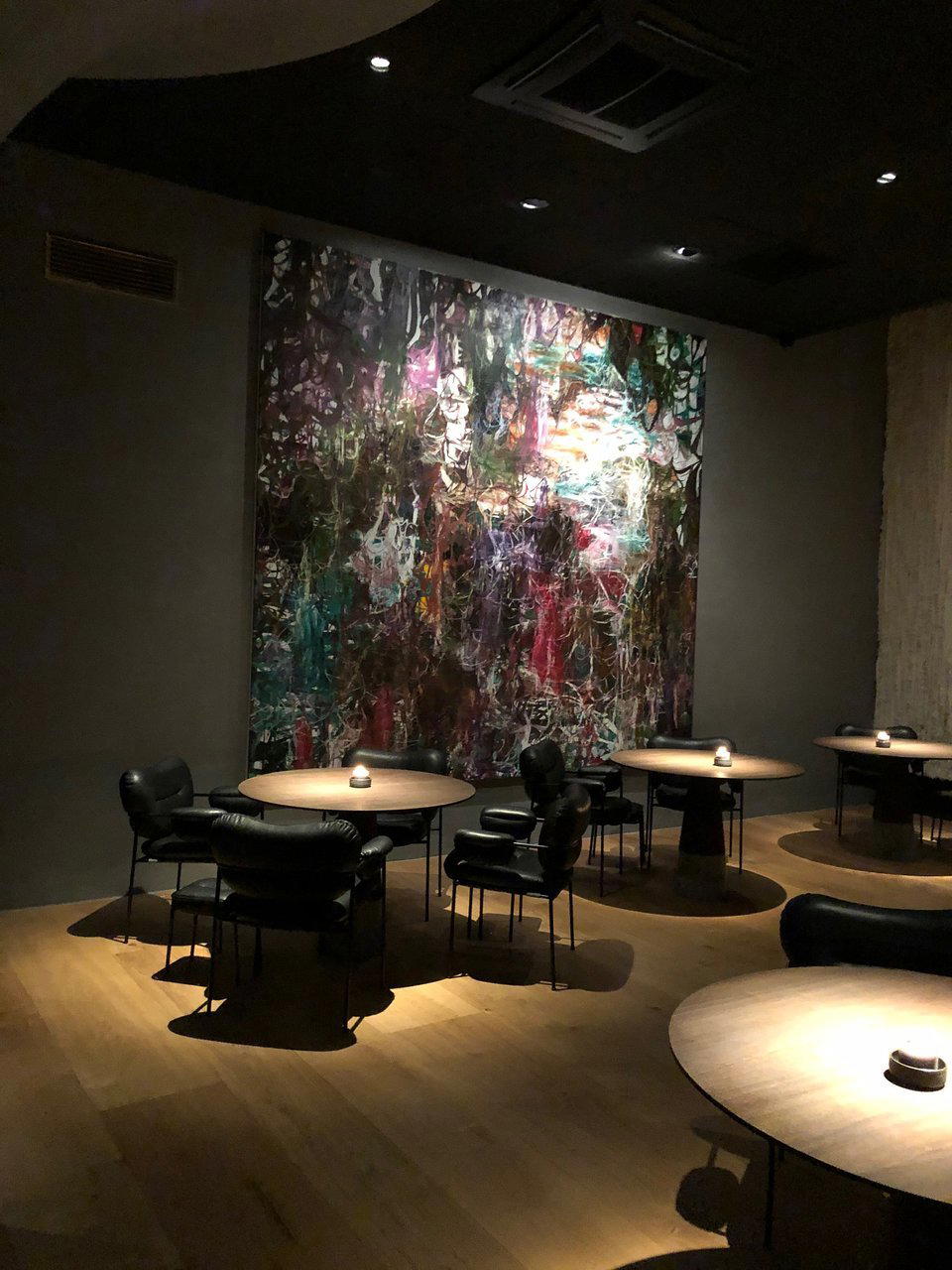
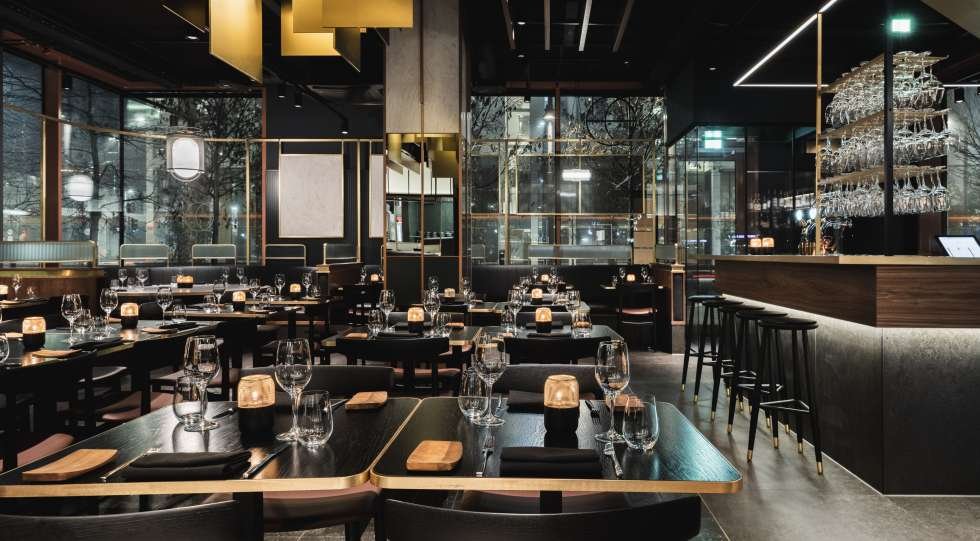
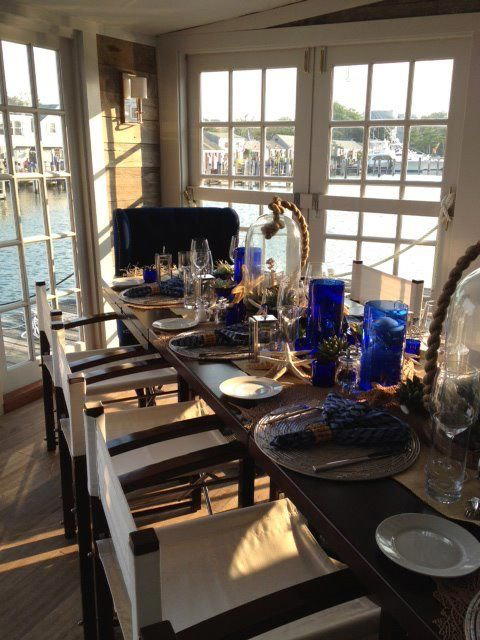
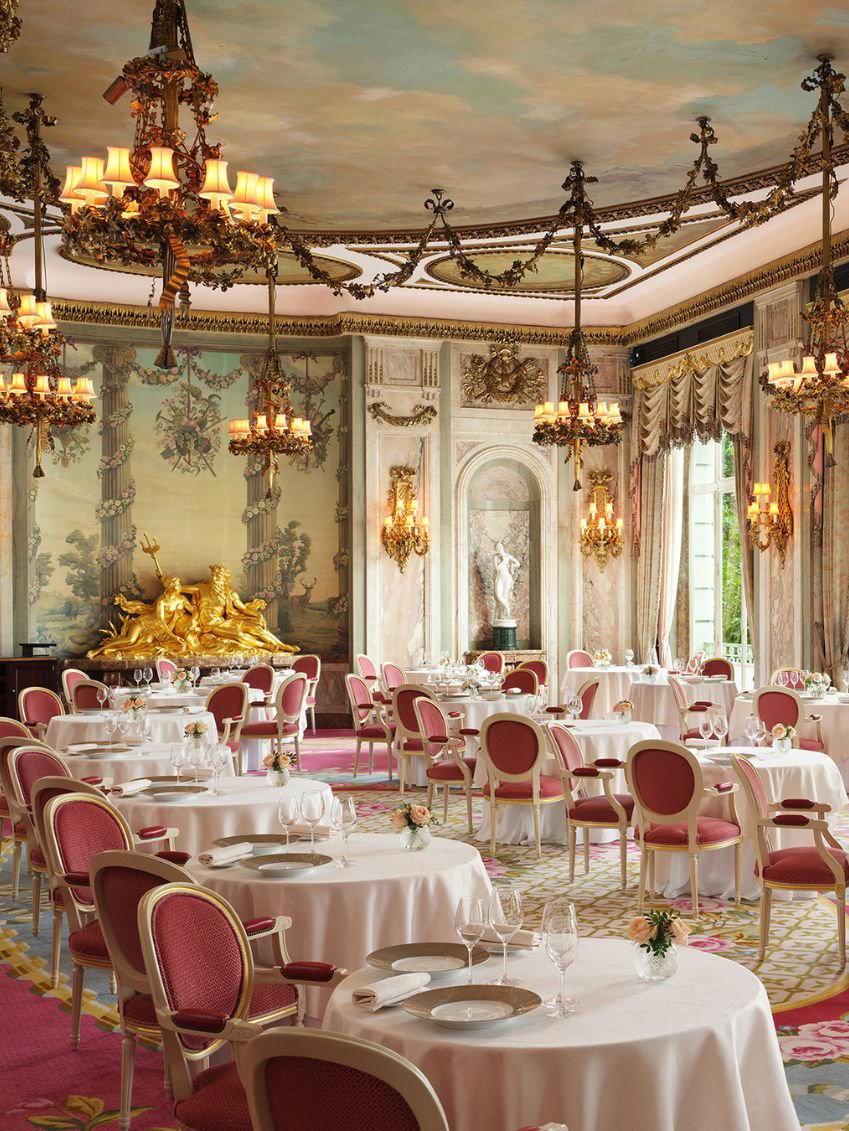
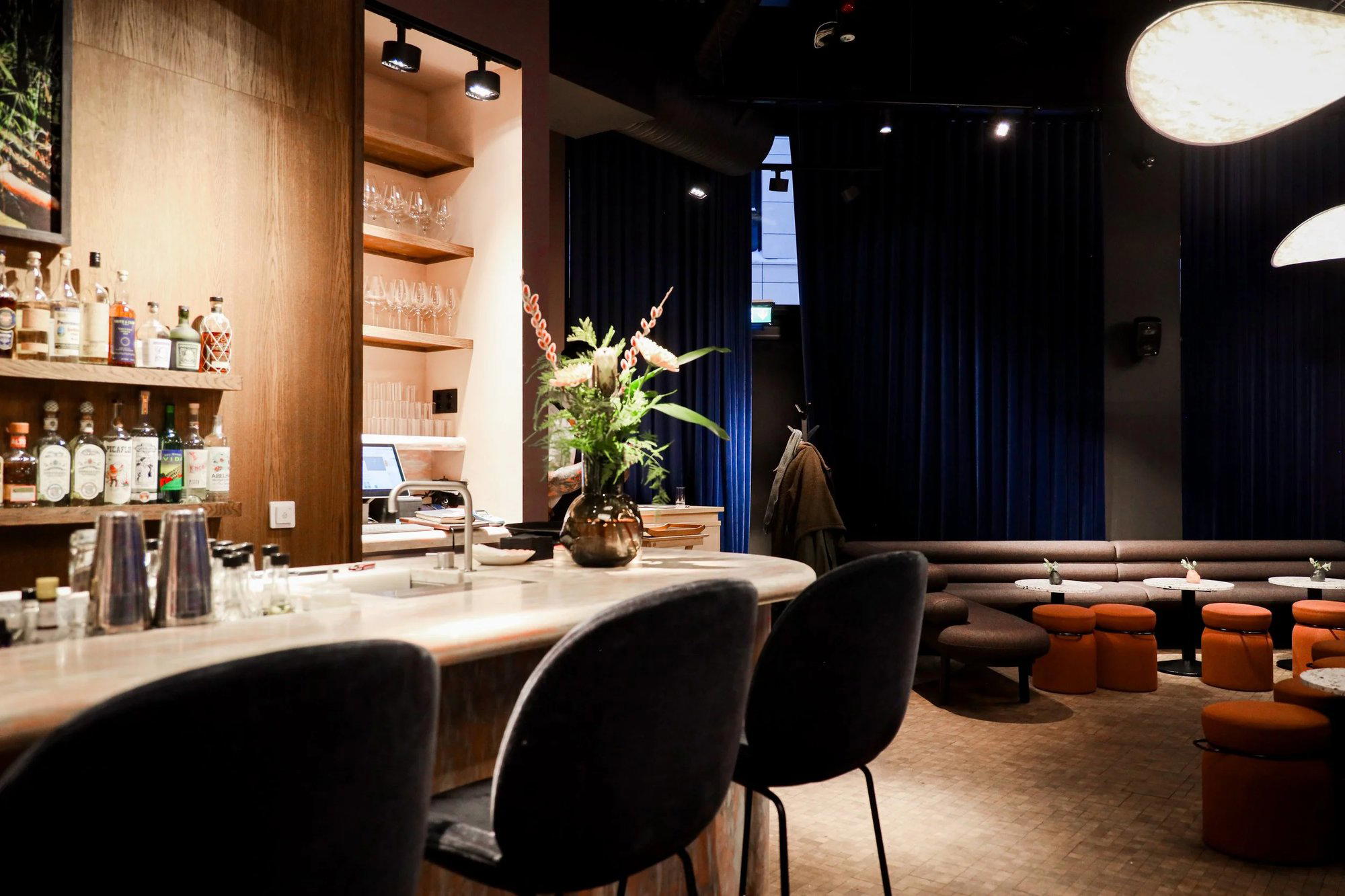
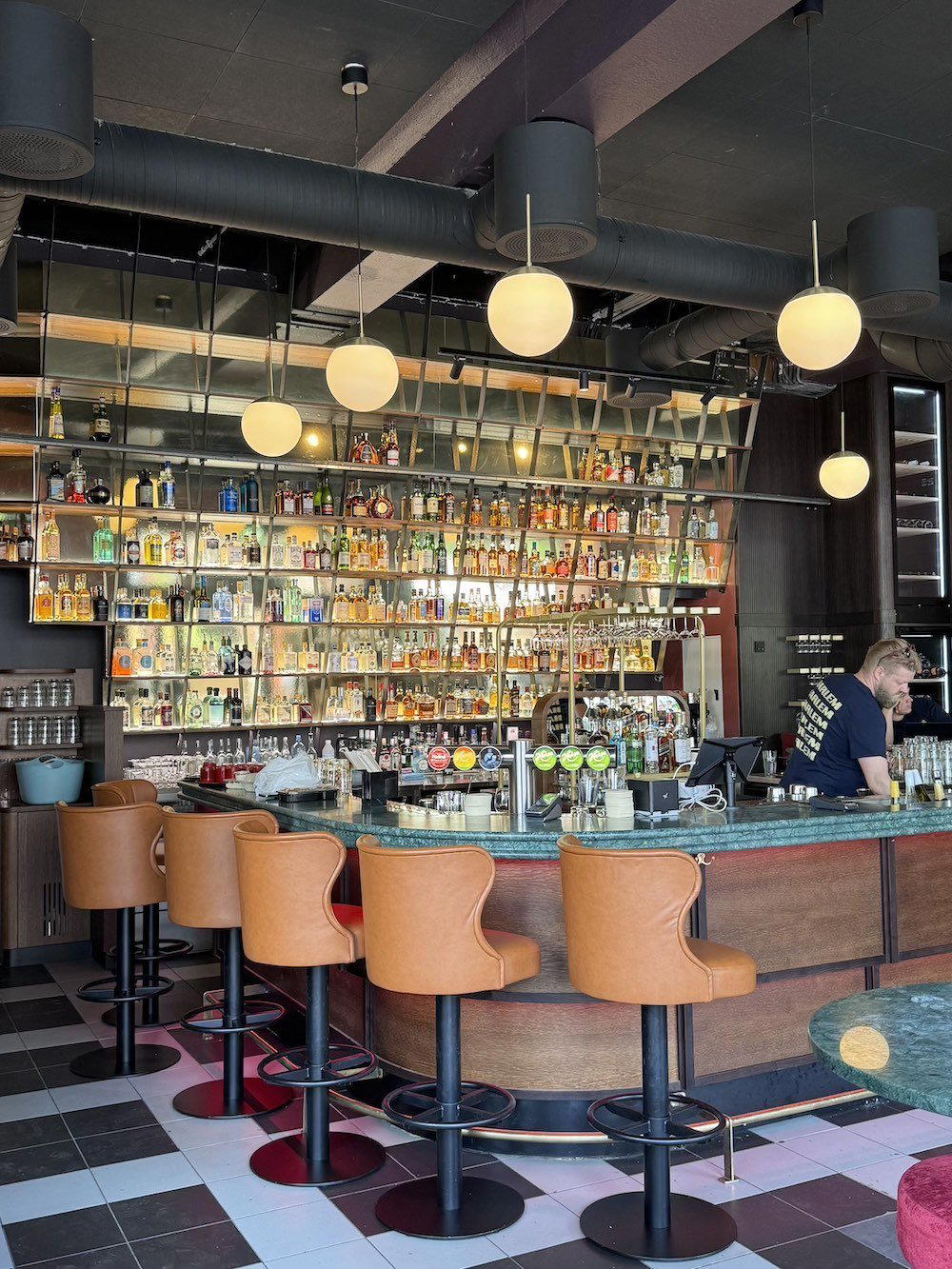
Charming and relaxing with low music volume, pleasant lighting, and cozy seating including blankets for outdoor comfort.