Michelin Plate · La Liste Top Restaurants · Tabelog 100 #39
Our verdict
In Osaka's Chuo Ward, Claro places Israeli-Mediterranean sensibility and Spanish technique inside a kitchen stocked with Japanese seasonal produce. Chef Ran Shmueli's paella arrives built on Japanese rice with firefly squid, eel, and crab rotating by season; tortillas fold in seaweed; sherry sauce meets Daitokuji natto. A Michelin Plate holder in both 2024 and 2025, and ranked by La Liste in 2025, Claro occupies a distinct lane in Osaka's international dining scene.

Pearl is the En Primeur Club membership app, where members save venues, book tables and use the concierge.
The menu
What to order
- Paella with Japanese rice
- Tortillas with seaweed
- Wagyu spring roll
Where the Mediterranean Meets the Market
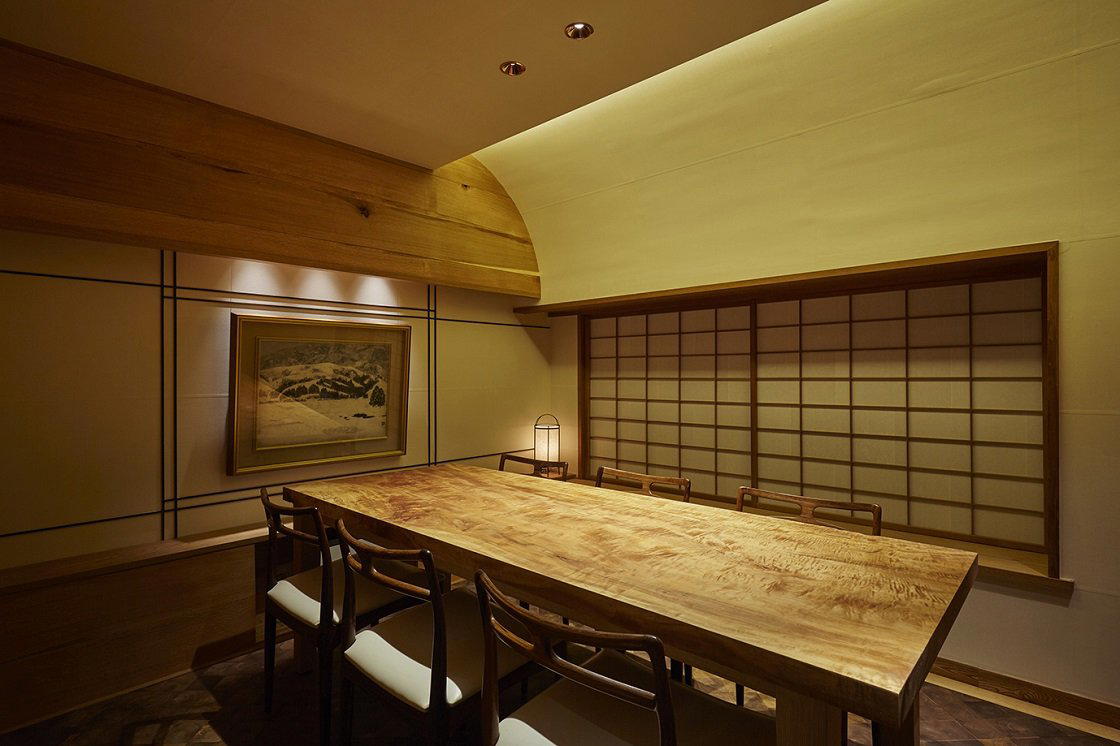
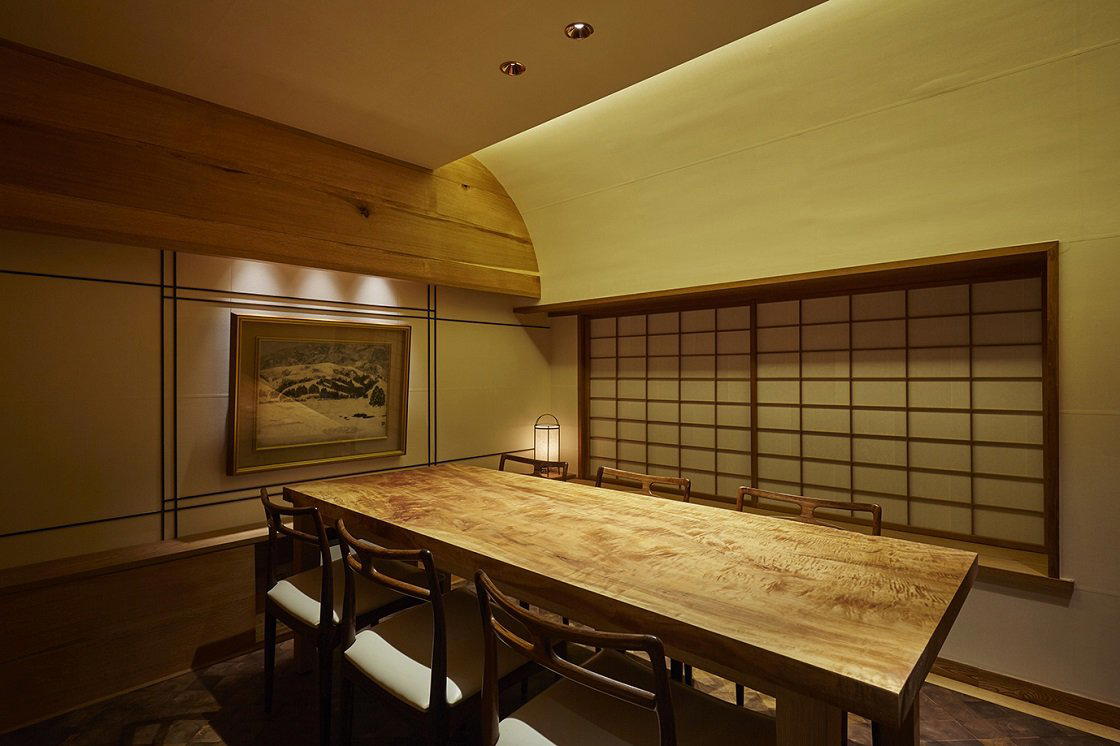
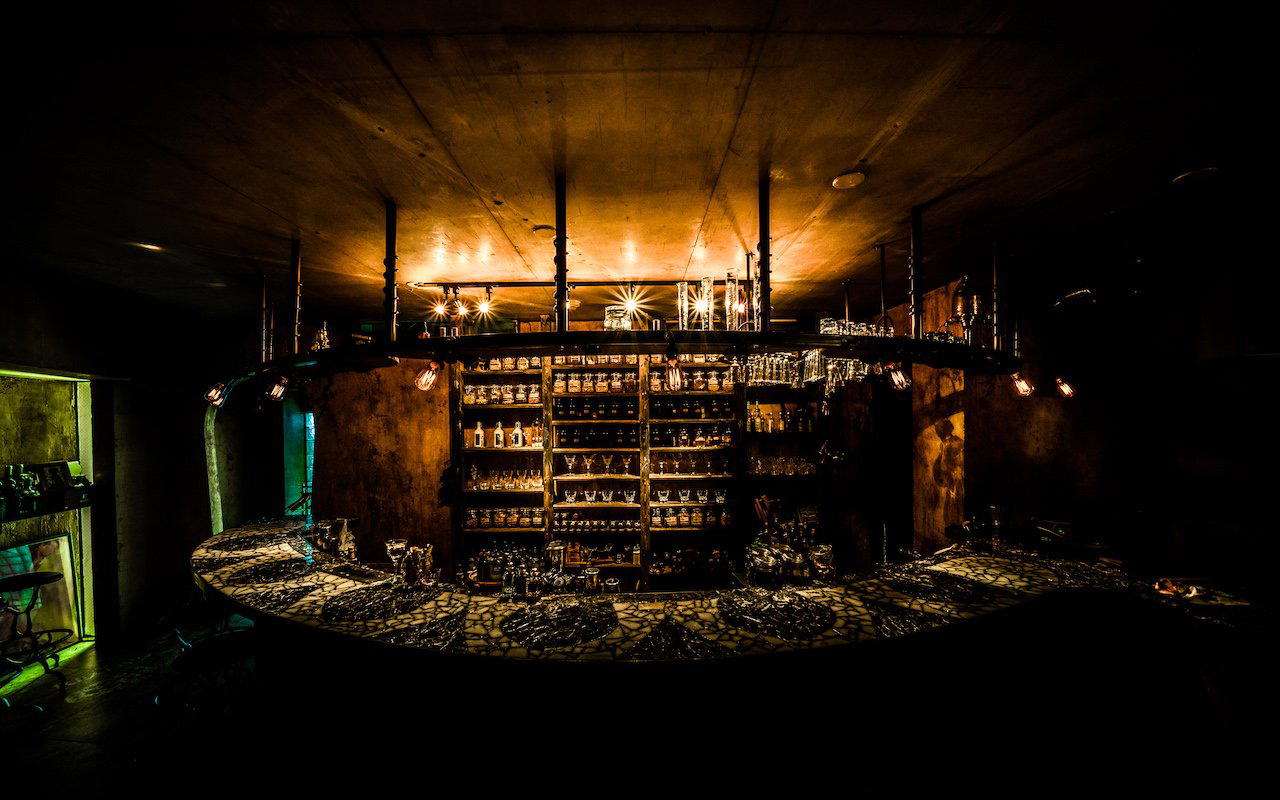
Step into Claro's all-black interior in Osaka's Matsuyamachi neighbourhood and the first thing that registers is absence: no wood grain, no stone counter, none of the warm material palette that defines most Japanese fine dining rooms. The walls hold modern art. The mood is deliberately cool, the lighting low enough that the space rewards evening visits far more than lunch. It is a room that reads as European in atmosphere while sitting firmly inside one of Japan's most ingredient-obsessed food cities, and that tension turns out to be the whole point.
The Mediterranean basin has always been a crossing point, a place where Levantine, Iberian, and North African food traditions borrow from one another with minimal ceremony. Osaka's own food culture operates on a comparable logic: Naniwa cuisine has historically absorbed outside influence and made it local through insistence on ingredient quality rather than purity of form. Claro, holding a Michelin Plate in both 2024 and 2025 and appearing on La Liste's ranked list in 2025 with 80 points, works inside both of those traditions simultaneously.
The Architecture of the Menu
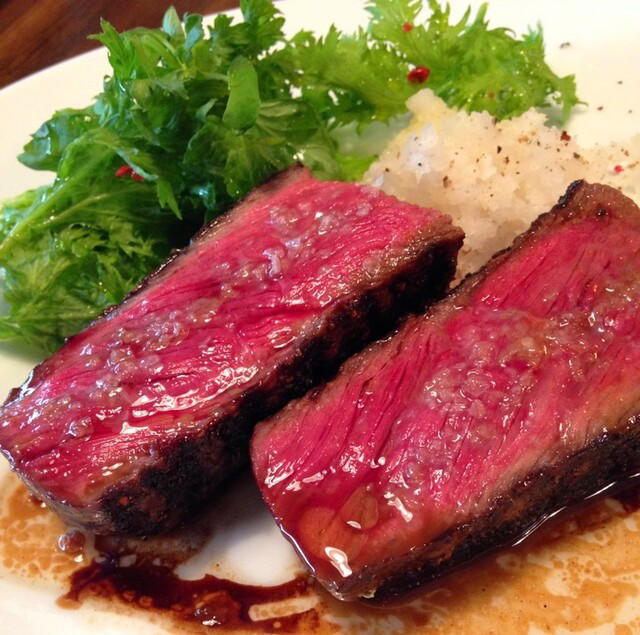
Spanish cooking, at its most technically serious, is less about a fixed set of dishes than about a method of reading what a season offers and building around it. Chef Ran Shmueli applies that logic to Osaka's produce calendar. The paella here is made on Japanese rice, but the protein roster changes with the season: firefly squid in spring, eel and crab as the year moves through its cycles. The dish holds its Spanish structural identity while the ingredients tell you exactly where and when you are eating it.
The same principle runs through the smaller plates. Tortillas incorporate seaweed. Sherry sauce appears alongside Daitokuji natto, the intensely fermented soybean product associated with the dry-goods culture of Kyoto's temple kitchens. These are not fusion moves in the decorative sense; they are the outcome of treating both culinary systems as serious frameworks worth setting against each other. The Israeli and Mediterranean thread in Shmueli's cooking adds a further layer, one familiar to anyone who has eaten through Tel Aviv or Jaffa: a comfort with bold acidity, with herbs used at volume, with grains treated as the centre of a plate rather than its support.
Osaka's restaurant scene has a well-documented tendency to reward this kind of precision without requiring local-ingredient purity. A short distance from Claro's price tier sits a cohort of kaiseki rooms operating at the same ¥¥¥ level, including Kashiwaya Osaka Senriyama and Taian, both three-star Michelin addresses. The comparison is instructive: where those rooms operate within a highly codified Japanese tradition, Claro operates in the space between traditions. That is a harder position to hold convincingly, and the continued recognition from both Michelin and La Liste suggests it is being held well.
Cross-Cultural Dining in Japan's Broader Context
Japan's restaurant culture has made room for serious foreign-led cooking before. Akordu in Nara runs Spanish wine-paired dining in a temple town. Goh in Fukuoka and Gion Sasaki in Kyoto both demonstrate how Japanese produce and foreign technique can reinforce rather than dilute each other. In Tokyo, Harutaka shows that rigorous Japanese traditions can sit alongside international dining culture without compromise.
Claro belongs to that conversation but from a different angle. Rather than Japanese cooking absorbing a foreign element, this is a Mediterranean kitchen absorbing Japan. The geography of influence runs in the other direction, and the result lands in the same productive middle ground that has made restaurants like Atomix in New York, which runs Korean fine dining inside a Western tasting-menu framework, worth sustained attention from the international food press. The pattern holds across cities: when a chef works from two fully developed culinary traditions rather than one primary and one decorative, the results tend to be more coherent than when culture-blending is deployed as a styling exercise.
Osaka's other international fine dining addresses, notably Hajime at the three-star level and La Cime and Fujiya 1935 at two stars, operate at a higher price point and with French cooking as the primary frame. Claro sits a tier below on price and occupies a genuinely different cultural position. The competitive set is not French-Japanese fusion rooms; it is closer to the small group of European-trained chefs working with Japanese seasonal produce outside the kaiseki format.
Planning a Visit
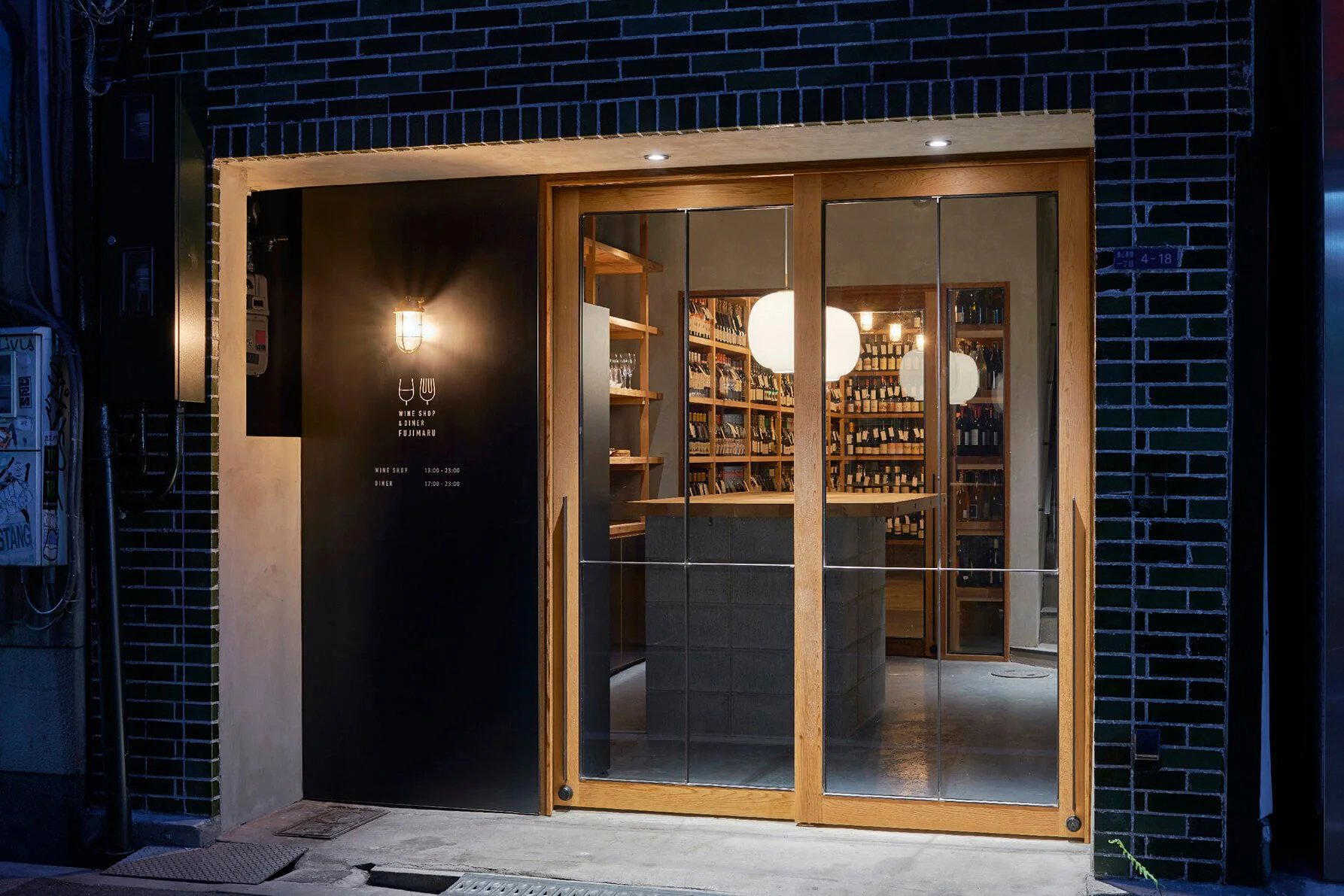
Claro sits at 4-18 Matsuyamachi, Chuo Ward, a neighbourhood that sits southeast of Shinsaibashi and is walkable from several central Osaka subway lines. The restaurant operates at ¥¥¥ pricing, placing it in the same bracket as the kaiseki rooms noted above but well below the ¥¥¥¥ tier occupied by Hajime and La Cime. For visitors planning a broader Osaka dining itinerary, the full Osaka restaurants guide covers the range from kaiseki counters to the city's international addresses. If you are building a longer stay around food and drink, the Osaka hotels guide, bars guide, and experiences guide are worth reading alongside it. For those extending beyond Osaka, 1000 in Yokohama and 6 in Okinawa each demonstrate how Japan's regional cities are building serious, awards-tracked dining scenes of their own. EP Club's Osaka wineries guide covers the growing interest in Japanese wine alongside imported lists.
Frequently asked questions
What's the cuisine at Claro?
Where is Claro in Osaka?
Claro is located at Japan, 〒542-0067 Osaka, Chuo Ward, Matsuyamachi, 4−18 実和ビル 102, Osaka.
Does Claro have a Michelin star or similar recognition?
Claro has received recognition including: The chef creates modern Spanish fare with Japanese ingredients. Uniting two cultures, the chef combines foodstuffs like tortillas with seaweed, while other dishes feature elements such as sherry sauce and Daitokuji natto. Paella made with J….
What do regulars order at Claro?
The paella built around Japanese rice is the clearest expression of Claro's approach, the seasonal roster of firefly squid, eel, and crab shifts what is otherwise a Spanish staple into something specific to Osaka's markets. Dishes involving sherry sauce with Daitokuji natto and tortillas folded with seaweed draw repeat visits from those tracking how chef Ran Shmueli recalibrates the menu across seasons. The Michelin Plate recognition in both 2024 and 2025 reflects consistency rather than novelty.
What's the price range at Claro?
Pricing at Claro is listed as ¥¥¥.
Is there a head chef associated with Claro?
The chef associated with Claro is Ran Shmueli.
What's the best way to book Claro?
Claro's website and phone number are not publicly listed at this time, so the most reliable route is visiting in person at 4-18 Matsuyamachi, Chuo Ward, or asking your hotel concierge to make contact directly. Given the restaurant's La Liste 2025 recognition and compact all-black interior, securing a reservation ahead of your arrival in Osaka is advisable rather than attempting a walk-in.
Cuisine and Credentials
| Venue | Cuisine | Price | Awards | Notes |
|---|---|---|---|---|
| ClaroThis venue (the venue you are viewing) | Modern Spanish-Japanese Fusion | $100–150 | Michelin Plate · La Liste Top Restaurants | Not listed |
| HAJIME | Avant-Garde Japanese Fine Dining | $300–500 | 3 Michelin Stars · World's 50 Best #83 | French, Innovative |
| La Cime | Modern French with Japanese Ingredients | $150–200 | 2 Michelin Stars · World's 50 Best #13 | French |
| Kashiwaya Osaka Senriyama | Seasonal Kaiseki Omakase | $200–300 | 3 Michelin Stars · La Liste Top Restaurants | Japanese |
| Taian | Traditional Japanese Kaiseki Omakase | $150–200 | 3 Michelin Stars · La Liste Top Restaurants | Kaiseki, Japanese |
| Fujiya 1935 | Modern Japanese with European influences | $100–150 | 2 Michelin Stars · La Liste Top Restaurants | Innovative |
Recognition history
Dated appearances from independent guides and award organizations, with the underlying list record or original source where available.
Michelin Plate
Michelin
La Liste Top Restaurants
La Liste
Tabelog 100 #39 · No. 39
Tabelog · Tabelog 100 - Spanish cuisine - 2026
Full recognition history (5 entries)
Michelin Plate
Michelin
Michelin Plate
Michelin