
Ebi Soba Hiiro sits in Nagoya’s specialist ramen lane, built around shrimp soba rather than the city’s better-known miso katsu or hitsumabushi circuits. Its Tabelog Ramen AICHI 100 selection in 2025, 17-seat format, and sub-JPY 2,000 pricing put it in the serious everyday-dining bracket: small, focused, and driven by execution rather than ceremony.
Pearl is the En Primeur Club membership app — saves, bookings, and concierge access live there. Same editors, same standards.
- Address
- Japan, 〒467-0852 Aichi, Nagoya, Mizuho Ward, Meizencho, 13−19 堀田グリーンハイツ 1F
- Phone
- +81 52-770-2817
- Website
- ebisobahiiro.com
 Saves & bookings on Pearl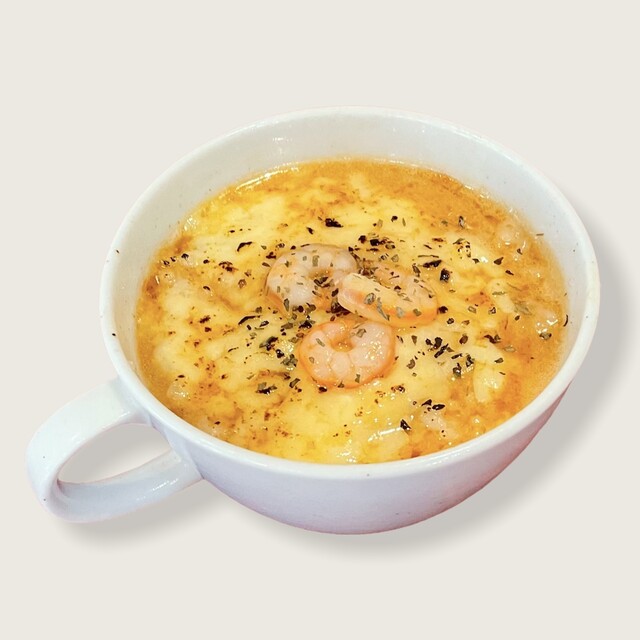
Approaching the Horita side of Mizuho Ward, the rhythm is residential rather than showpiece Nagoya: low-rise blocks, practical storefronts, and the kind of ramen address that depends less on spectacle than on repeat precision. Inside this category, the room matters because the format is compressed. A 17-seat ramen shop has little room for theatre; counter timing, noodle handling, stock control, table turnover, and front-of-house pacing have to work as one system.
Nagoya’s dining identity is often read through its heavier local signatures, from miso-based comfort food to eel and kishimen. Ramen operates differently here. It is less tied to a single civic emblem and more open to specialist houses with narrow briefs. Ebi Soba Hiiro belongs to that lane: a shrimp-soba shop using sweet shrimp at scale, with the kitchen’s stated process focused on drawing out shrimp character while reducing the aroma that can make shellfish broths polarising.
Shrimp soba as a technical specialty, not a novelty act
Ramen built around shrimp has a clear risk: it can read as aroma before structure. The serious versions solve that through balance, controlling shellfish intensity so the bowl lands as ramen first and seafood statement second. Ebi Soba Hiiro’s own production note is unusually explicit for a ramen shop of this size, citing more than one ton of sweet shrimp used annually across soups, sauces, and stock. That figure says more than a menu adjective would. It points to a kitchen organised around one ingredient family rather than a broad catalogue.
The distinction matters in Aichi because the regional ramen field is broad. Dote no Shinagawa and Raa Menya Shio Soba Shizuku occupy a similar JPY 1,000 to JPY 1,999 spend band outside the metro frame, while Nagoya addresses such as China Soba Kitagawa and Komugi to Yakiago Sugure sit in a lower listed budget bracket. Ebi Soba Hiiro prices in the same casual range as several serious ramen counters, but its shrimp-led premise gives it a more specific reason to be in the conversation.
Tabelog selected the shop for Ramen AICHI 100 in 2025, with a listed score of 3.73. That kind of recognition is useful here because ramen reputation in Japan is rarely built on luxury signals. It usually comes from consistency, narrow technical focus, and enough local traffic to test a kitchen repeatedly. Awards do not make the broth better; they do indicate that the shop has moved beyond being a neighbourhood curiosity.
A small-room service model where the kitchen and floor have to move together
The team dynamic at a ramen counter is different from a tasting-menu restaurant. There is no sommelier choreography, no long-form table narrative, and little space for a grand service arc. Coordination is measured in smaller units: when noodles enter water, when bowls are warmed, when tickets are sequenced, when counter seats clear, and when families or solo diners are folded into the room without slowing the line. At 17 seats, including seven counter seats plus tables, service discipline is not decorative. It is the operating model.
That compactness also explains why the shop suits both solo dining and family use. Counter ramen in Japan can be brisk and solitary, but a mixed seating plan changes the social range of the room. Children are explicitly welcome, with a children’s ramen option and a house request that elementary-school-age guests and older order one bowl per person. This is not fine-dining hospitality translated downward; it is everyday ramen hospitality made legible to more than one kind of diner.
The practical details reinforce the same reading. Reservations are unavailable, payment is cash-only, and the restaurant is non-smoking. There is parking, with six marked units identified opposite the restaurant, and the nearest station is Horita. These are not glamour details, but they shape the experience more than almost anything else: this is a plan-around-it lunch or dinner stop, not a flexible reservation-led evening.
Where it fits in a Nagoya itinerary
For travellers building a Nagoya food route, the decision is less about choosing ramen over the city’s classic dishes and more about using ramen to see another side of the local dining economy. Atsuta Houraiken Honten sits in a higher listed spend band, tied to a different Nagoya tradition and a more formal sense of occasion. The restaurant belongs to the opposite end of the spectrum: low-ticket, tightly specialised, and dependent on repetition rather than occasion dining.
That makes it a sharp counterpoint to broader Nagoya planning. Use Our full Nagoya restaurants guide for the city’s wider dining map, then compare how specialist counters differ from broader-format addresses such as 1022, 451, Aaron, Alan., and All Day Dining Montmartre. For the rest of the trip, the city’s hotel, bar, wine, and culture planning sits in Our full Nagoya hotels guide, Our full Nagoya bars guide, Our full Nagoya wineries guide, and Our full Nagoya experiences guide.
For readers comparing casual Japanese formats beyond Nagoya, the useful thread is specialisation at accessible prices. A ramen shop built around shrimp belongs in the same broader editorial conversation as regional and diaspora addresses with similarly narrow briefs, from -Grilled beef Sukiyaki- KAMAKURA TANUKIAN 鎌倉 たぬき庵 in Kamakura and. 鮪と炭火焼き うお炭 秋葉原店 in Tokyo to.cafe in Osaka.know in Kumamoto, (Shoku) Vietnam in Kawasaki, [Curry Senmon Ten] Maruyama Kyoju. in Sapporo, Jōdo Saké Bar in Los Angeles, and Onigiri Time in Pasadena. The common lesson is simple: compact formats often reveal more about a city’s dining habits than grand rooms do.
A Tight Comparison
Comparable venues in the metro at similar price points.
| Venue | Cuisine | Price | Notes |
|---|---|---|---|
| Ebi Soba HiiroThis venue — the venue you are viewing | Mizuho, Shrimp-focused Ramen | $ | Not listed |
| Kanmiya Sawada Shoten | Naka, Japanese Kakigori & Sweets Café | $ | Not listed |
| Baika Do | Not listed | $ | Chikusa, Japanese traditional sweets (wagashi) shop |
| O Dashi to Ginshari Chuka Soba Nito | Not listed | $ | Nakamura, Ramen & chuka soba near Nagoya Station |
| Kanmidokoro Shibafuku | Naka, Japanese Sweets | $ | Not listed |
| Noko Chuka Soba Sato | Naka, Rich tamari shoyu ramen | $ | Not listed |
Recognition history
Dated appearances from independent guides and award organizations, with the underlying list record or original source where available.
Tabelog 100 #15 · No. 15
Tabelog · Tabelog 100 - Ramen - AICHI - 2025
Continue exploring
More in Nagoya
Restaurants in Nagoya
Browse all →
At a Glance
- Modern
- Cozy
- Intimate
- Solo
- Casual Hangout
- After Work
- Standalone
- Local Sourcing
Current opening hours
- Monday
- 11 AM–2 PM, 6:30–9 PM
- Tuesday
- 11 AM–2 PM, 6:30–9 PM
- Wednesday
- 11 AM–2 PM, 6:30–9 PM
- Thursday
- 11 AM–2 PM, 6:30–9 PM
- Friday
- 11 AM–2 PM, 6:30–9 PM
- Saturday
- 11 AM–2 PM, 6:30–9 PM
- Sunday
- 11 AM–2 PM, 6:30–9 PM
Hours can change for holidays and private events. Last verified .
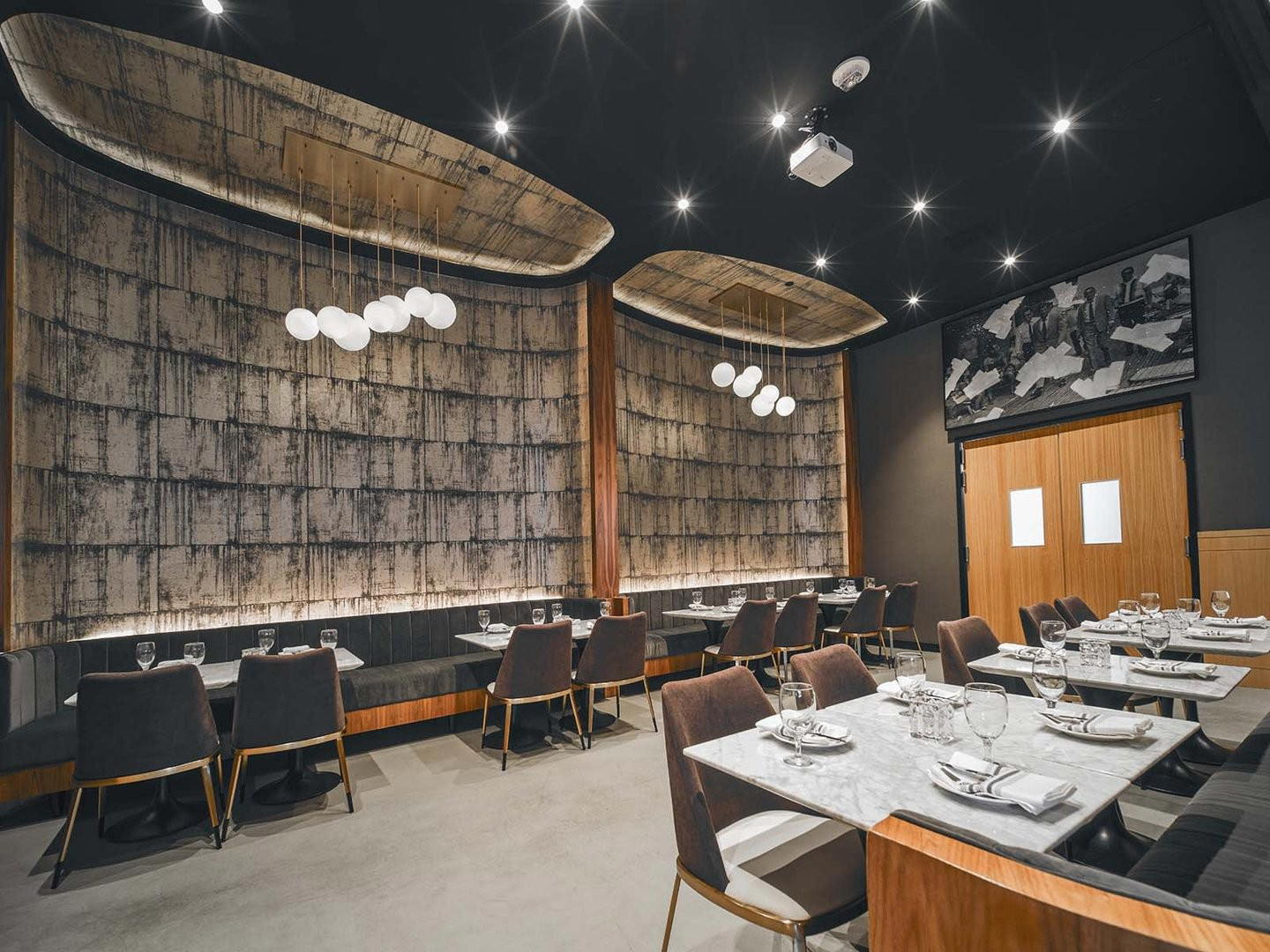
Bright, clean, casual ramen shop with a clear, modern interior designed to feel welcoming and unintimidating, especially for women and solo diners; counter and a few tables create an intimate but comfortable atmosphere.