
Kure’s noodle culture is compact, local, and tied to everyday eating rather than ceremony. Chuka Soba Korean Cold Noodles Goryu sits in that register: an 11-seat counter recognized in the Tabelog 100 Chinese cuisine WEST 2026 selection, where Chinese and ramen categories overlap with the city’s appetite for direct, ingredient-led bowls.
Pearl is the En Primeur Club membership app — saves, bookings, and concierge access live there. Same editors, same standards.
- Address
- 5 Chome-10-10-20 Nishichuo, Kure, Hiroshima 737-0811, Japan
- Phone
- +81 823-23-7997
- Website
- tabelog.com
 Saves & bookings on Pearl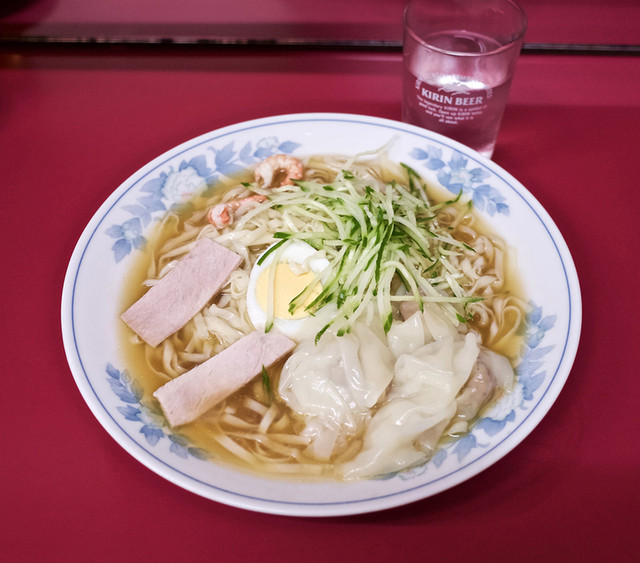
Approach in Nishichuo and the first signal is scale, not spectacle: a house-restaurant format, counter seating, and a small room where cooking sets the rhythm of service. Kure has never needed big-city dining theatrics to make a noodle shop matter. Here, a bowl is judged by clarity, temperature, texture, and repetition.
Chuka Soba Korean Cold Noodles Goryu belongs to a local category that resists neat translation. The listing places it between Chinese cooking and ramen, while the name points to two cravings: chuka soba, the Japanese-Chinese noodle idiom of broth and wheat noodles, and Korean cold noodles, where chill, chew, and acidity change the meal’s tempo. That split identity is the editorial reason to pay attention. It says more about postwar port-city appetite than any single dish label.
Kure's noodle counters treat sourcing as everyday structure
Ingredient sourcing in a small noodle shop is rarely announced like a tasting menu. It appears in how broth carries seasoning, noodles keep their bite, and toppings support rather than crowd the bowl. In Hiroshima Prefecture, where seafood, citrus, and working-port foodways shape everyday taste, restraint can persuade more than luxury signaling. The value here is not an encyclopedic menu; it is how a focused counter format makes each component earn its space.
The Tabelog 100 Chinese cuisine WEST 2026 selection gives this modest format a useful frame. Hyakumeiten lists often shift attention from metropolitan fine dining to shops that regular diners rate highly across repeat meals. A 3.74 Tabelog score in this category is meaningful because noodle and Chinese-cooking venues face tough local expectations: speed, portion logic, seasoning balance, and consistency. This is not luxury dining compressed into a small room. It is a local counter where ordinary ingredients receive severe scrutiny.
Kure’s broader restaurant scene is compact enough that category boundaries matter. A French address such as アミラル sits in a different conversation, while noodle and grill counters speak to the city’s daily food economy. For the wider map, Our full Kure restaurants guide is the useful companion, because Kure rewards visitors who think in neighbourhood clusters rather than trophy reservations.
The room is built for a quick, concentrated bowl
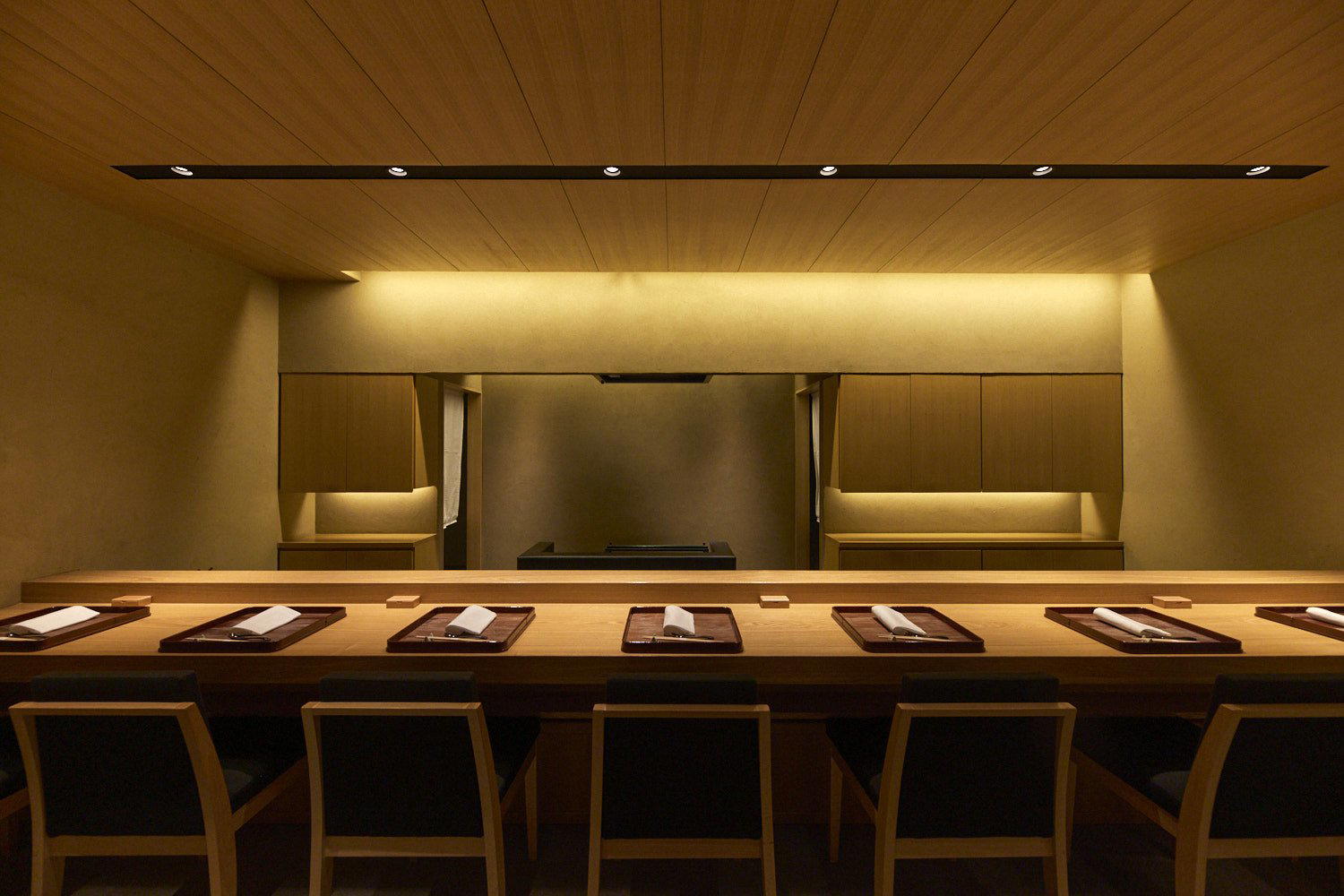
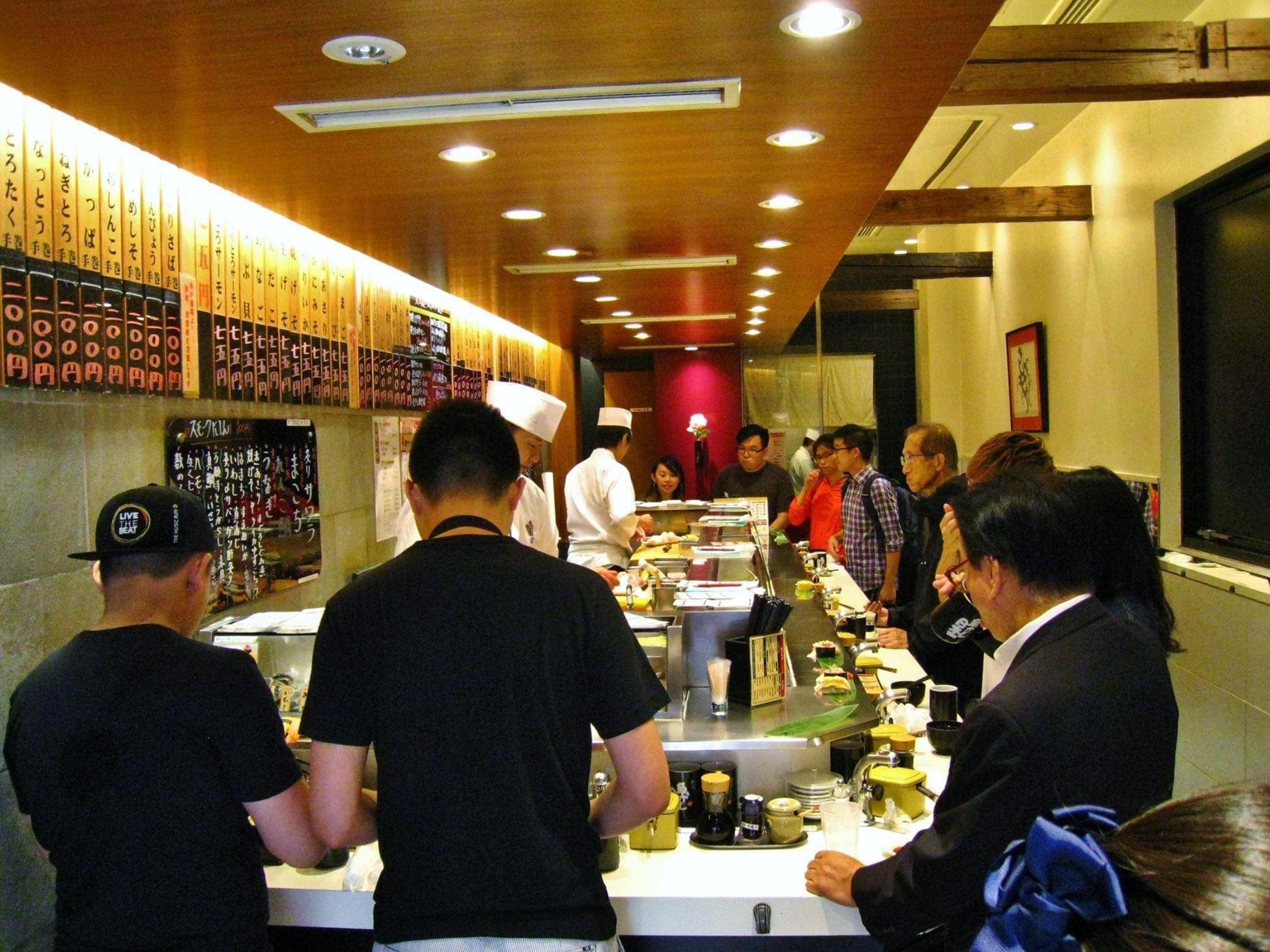
Eleven counter seats create a specific meal. The room privileges solo diners and small groups, suiting the Japanese noodle-shop habit of eating attentively rather than lingering. That does not make the experience austere; it makes it legible. Counter-only formats reveal pacing: bowls leave the kitchen in tight sequence, the room turns on lunch traffic, and the food is read close up.
The family-friendly note also matters in a city where everyday restaurants serve more than one audience. Children are welcome, take-out is part of the service model, private rooms are absent, and the room is non-smoking. Those details place it closer to a practical neighbourhood counter than a destination-only dining room. The award recognition has not moved the format away from a place local diners understand immediately.
Within the comparison set, the contrast is useful. Okonomiyaki Hirano, Teppanyaki to Okonomiyaki Mishimaya, and Non Non point to Hiroshima-area griddle culture, where batter, cabbage, noodles, and sauce define a different regional grammar. Tenko Honten, listed as Japanese, occupies another lane. Chuka Soba Korean Cold Noodles Goryu’s Chinese-and-ramen categorization makes it the noodle-counter answer to the same regional question: how does a casual room express place without formal dining signals?
For travellers building a Kure stay around food rather than one meal, the city’s other categories matter. Our full Kure hotels guide, Our full Kure bars guide, Our full Kure wineries guide, and Our full Kure experiences guide help separate a lunch stop from a full itinerary.
How to read the recognition without overreading it
The 2026 Tabelog 100 Chinese cuisine WEST selection is the strongest public trust signal here, but it should be read precisely. It does not turn a compact noodle counter into a formal Chinese restaurant. It places the shop among western Japan’s notable Chinese-category addresses, a broad field spanning local specialists and more polished dining rooms. The award validates the category blur rather than smoothing it out.
That blur makes the address interesting for serious diners. Japanese chuka soba is already hybrid, rooted in Chinese-style noodles and reshaped through local broths, tare, and shop-by-shop repetition. Korean cold noodles add another reference, with temperature and chew central to pleasure. In Kure, a port city with a practical food culture, these influences read less like fusion than adaptation: borrowed techniques made ordinary through daily service.
For readers comparing across Japan, context prevents category confusion. -Grilled beef Sukiyaki- KAMAKURA TANUKIAN 鎌倉 たぬき庵 in Kamakura speaks to a set-piece meat tradition; . 鮪と炭火焼き うお炭 秋葉原店 in Tokyo sits in a capital-city drinking-and-grill mode; .cafe in Osaka and.know in Kumamoto show how casual formats change by city. The useful comparison is not status. It is format: counter, category, and the expectations attached to each.
The same applies beyond Japan. (Shoku) Vietnam in Kawasaki, [Curry Senmon Ten] Maruyama Kyoju. in Sapporo, [ki:] in Kyoto, #肉といえば松田 奈良本店 in Kashihara, 1/3 HAMBURGER FACTORY in Kanazawa, 1000 in Yokohama, Jōdo Saké Bar in Los Angeles, and Onigiri Time in Pasadena all show how Japanese dining categories travel, narrow, or sharpen by city context. Kure’s version remains grounded: small counter, low ceremony, serious local attention.
The verdict is not that every visitor to Hiroshima Prefecture needs to reroute around one bowl. It is that diners already in Kure should read this as a precise expression of the city’s casual-food intelligence. The recognition supplies credibility; the counter format supplies the argument.
Side-by-Side Snapshot
Comparable venues by cuisine and price in the same metro.
| Venue | Cuisine | Price | Notes |
|---|---|---|---|
| Chuka Soba Korean Cold Noodles GoryuThis venue — the venue you are viewing | Chinese & ramen with Korean-style cold noodles | $ | Not listed |
| アミラル | Seto Inland Sea French | $$$$ | Nishichuo |
| 上海点心 豫園 | 上海点心専門店 | $$ | 朝生田町 |
| SUKEMASA (高辻 亮昌) | Kyoto-Style Gyoza | $$ | Shimogyo-ku |
| Okei (おけ以) | Traditional Chinese Gyoza | $$ | Iidabashi |
| Vulcania Restaurant (ヴォルケイニア・レストラン) | Traditional Chinese Buffet | $$ | Mysterious Island, Tokyo DisneySea |
Recognition history
Dated appearances from independent guides and award organizations, with the underlying list record or original source where available.
Tabelog 100 #30 · No. 30
Tabelog · Tabelog 100 - Chinese cuisine - WEST - 2026
Continue exploring
More in Kure
Restaurants in Kure
Browse all →
At a Glance
- Cozy
- Classic
- Solo
- Family
- Casual Hangout
- Standalone
Current opening hours
- Monday
- Closed
- Tuesday
- 11:30 AM–3 PM
- Wednesday
- 11:30 AM–3 PM
- Thursday
- 11:30 AM–3 PM
- Friday
- 11:30 AM–3 PM
- Saturday
- 11:30 AM–3 PM
- Sunday
- 11:30 AM–3 PM
Hours can change for holidays and private events. Last verified .
An unpretentious house-style restaurant with just 11 non-smoking counter seats, typically busy and energetic at lunchtime, offering a casual, cozy feel focused on quick bowls of noodles rather than decor.