Our verdict
アミラル occupies a ground-floor address in central Kure, a port city on the Seto Inland Sea with a sourcing base that punches above its modest dining profile. The venue operates in the tier of locally sustained neighbourhood dining that characterises many of Hiroshima Prefecture's satellite cities, where consistency and regional produce matter more than national recognition. Direct contact is advisable before visiting, as booking details are not publicly listed.

Pearl is the En Primeur Club membership app, where members save venues, book tables and use the concierge.
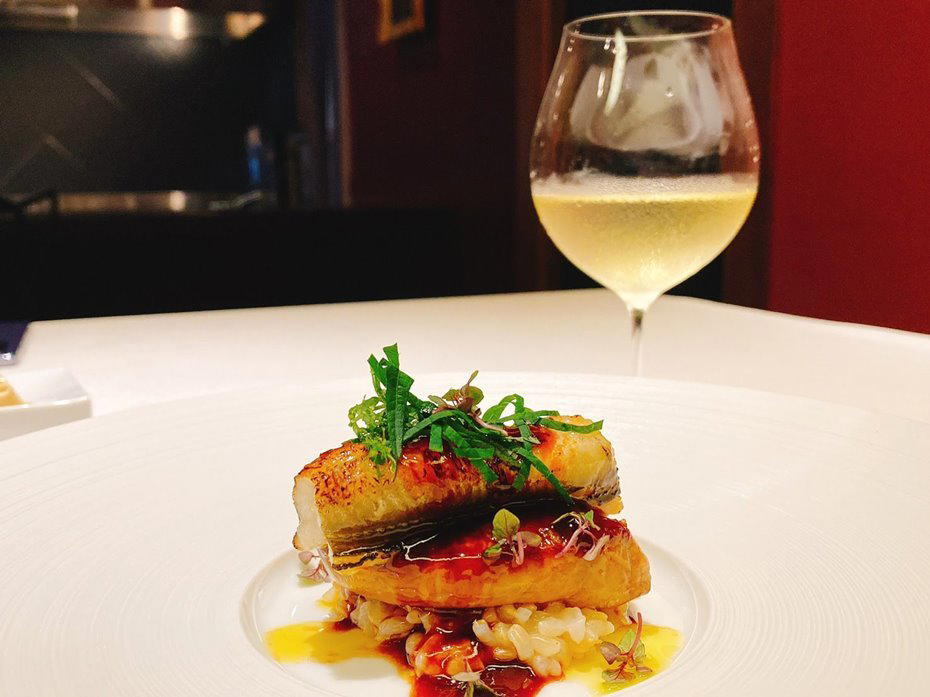
Kure's Quiet Dining Scene and Where アミラル Fits
Kure sits roughly 30 kilometres southeast of Hiroshima city, a port town whose identity has long been shaped by shipbuilding and naval history rather than gastronomy. That industrial weight makes its restaurant scene quieter and more local in character than the prefectural capital, and it rewards visitors willing to look past the obvious tourist trail. The dining options that persist here tend to do so on the strength of repeat neighbourhood custom rather than guidebook momentum, which gives the better rooms a different kind of durability. アミラル occupies the ground floor of the Kitagoshi Building on Nishichuo, a central address that places it within easy reach of both Kure Station and the waterfront. For context on the broader prefecture, our full Kure restaurants guide maps the range of options across price tiers and formats.
The Environment: What You Encounter on Arrival
The ground-floor position in a low-rise commercial building is common for this tier of dining in mid-sized Japanese cities. It signals a certain kind of seriousness: no elaborate shopfront theatre, no lantern-lit alley approach, just a door that opens into a room where the food is expected to carry the weight. In towns like Kure, that architectural modesty often correlates with a focused kitchen operation rather than a venue designed to photograph well. The neighbourhood character along Nishichuo runs to working professionals and local residents, which shapes the tempo of service and the expectation in the room. Evenings lean toward a settled, unhurried pace that distinguishes this kind of provincial dining from the higher-volume rhythm you find in Osaka's Minami or Tokyo's Ginza. For a reference point on what Osaka's top tier looks like, HAJIME in Osaka represents the upper bracket of the innovative French tradition in western Japan.
Ingredient Sourcing and the Hiroshima Advantage
Hiroshima Prefecture carries genuine sourcing weight that kitchens here draw on in ways that are not always visible to visitors. The Seto Inland Sea, which wraps around the prefecture's southern coast, produces oysters that are distributed across Japan and exported internationally, but the local supply chain means that restaurants in Kure can access those oysters at a freshness point that coastal proximity alone enables. Shellfish from the Seto Inland Sea have a different saline register to those farmed in colder northern waters, tending toward a milder, sweeter brine that suits preparations where the product is allowed to speak without heavy sauce intervention. Beyond shellfish, Hiroshima Prefecture is also a significant producer of lemons, particularly from the islands of the Seto Inland Sea, and local citrus has worked its way into the kitchens of the more attentive restaurants in the region. Produce from the mountain areas north of Kure, and from the agricultural zones feeding into the broader Hiroshima market, gives kitchens in the city access to a supply chain that is regionally coherent in a way that benefits both cooking quality and sourcing traceability. This is the kind of geographic advantage that restaurants in landlocked urban centres pay significant freight premiums to replicate.
The broader trend in Japanese fine dining over the past decade has moved decisively toward hyperlocal sourcing as a point of distinction, a pattern visible at the leading end from Gion Sasaki in Kyoto to Goh in Fukuoka. Kure's position on the Seto Inland Sea means a kitchen that commits to regional sourcing has genuinely strong raw material to work with, rather than merely marketing a local story around commodity produce.
Where アミラル Sits Relative to the Prefecture's Dining Tier
Hiroshima city carries most of the prefecture's dining recognition, and the gap between city and satellite town is significant in terms of both footfall and critical attention. Denko Sekka in Hiroshima illustrates the kind of operation the prefecture's largest city supports. Kure operates at a different scale, with a dining culture that skews toward neighbourhood reliability over destination prestige. The absence of formal awards data for アミラル is consistent with the general pattern for this tier of provincial dining in Japan, where venues operate below the threshold of national guide attention but sustain strong local followings. That pattern holds across many Japanese cities of Kure's size and industrial character. For a sense of how similar dynamics play out elsewhere in the country, Bistro Ange in Toyohashi and Birdland in Sakai offer comparable reference points: mid-sized Japanese cities where a well-run restaurant builds its reputation through consistency rather than accolades. At the further end of the spectrum, restaurants like Harutaka in Tokyo and akordu in Nara show what happens when provincial or niche positioning meets sustained critical recognition.
Planning Your Visit
The address on Nishichuo places アミラル in a central part of Kure that is accessible on foot from Kure Station, which connects to Hiroshima via the JR Kure Line in approximately 35 to 40 minutes depending on service. Day visitors from Hiroshima can work a meal here into a broader itinerary that includes the Yamato Museum or the JMSDF Kure Museum without difficulty. Given the limited publicly available information about booking method, hours, and price range, contacting the venue directly before visiting is advisable, particularly if you are travelling from outside the prefecture specifically for the meal. The absence of an online booking profile is consistent with many operations at this level in provincial Japanese cities, where reservations are often handled by phone or through a small number of reservation aggregators. For international visitors, having a Japanese speaker assist with the initial contact call remains practical advice across this category of Japanese dining.
Frequently asked questions
Does アミラル work for a family meal?
アミラル occupies a ground-floor space in a low-rise commercial building on Nishichuo in central Kure, a format common to neighbourhood dining in mid-sized Japanese cities.
What is the atmosphere like at アミラル?
The Nishichuo address puts アミラル in Kure's commercial centre rather than a high-footfall tourist corridor, which tends to produce a quieter, local-facing room. Ground-floor positioning in a 北吉ビル commercial building suggests an unpretentious setting oriented toward the neighbourhood rather than passing trade.
Is アミラル a good dinner option when visiting Kure from Hiroshima city?
Kure is served by the JR Kure Line from Hiroshima, making the Nishichuo address of アミラル reachable within a day-trip or evening window for visitors based in the city. The restaurant sits in a part of Kure accessible on foot from Kure Station, reducing the need for additional transport once you arrive.
What do regulars order at アミラル?
Kure's position on the Seto Inland Sea and within Hiroshima Prefecture gives kitchens in the area access to oysters, locally caught fish, and regional produce, though what アミラル specifically serves should be verified directly with the venue.
Where is アミラル located?
アミラル is located at Japan, 〒737-0811 Hiroshima, Kure, Nishichuo, 5 Chome−10−17 北吉ビル 1F, Kure.
How far ahead should I plan for アミラル?
Booking lead times are not documented for アミラル. In Kure, a port city of around 200,000 people with a modest dining scene relative to Hiroshima city, neighbourhood restaurants at this address tier often accommodate shorter notice than city-centre venues, but confirming availability directly is the only reliable approach.
What is アミラル known for?
アミラル operates in Kure, a city whose identity is shaped by shipbuilding and naval history rather than gastronomy, placing it within a dining scene that serves a largely local audience. The venue holds a central Nishichuo address accessible from Kure Station on the JR Kure Line, which connects to Hiroshima city, making it reachable for visitors coming from the prefecture's main hub.
Comparable Spots, Quickly
Comparable venues nearby, for context on price, style, and recognition.
| Venue | Cuisine | Price | Awards | Notes |
|---|---|---|---|---|
| アミラルThis venue (the venue you are viewing) | Seto Inland Sea French | $100–150 | Not listed | Not listed |
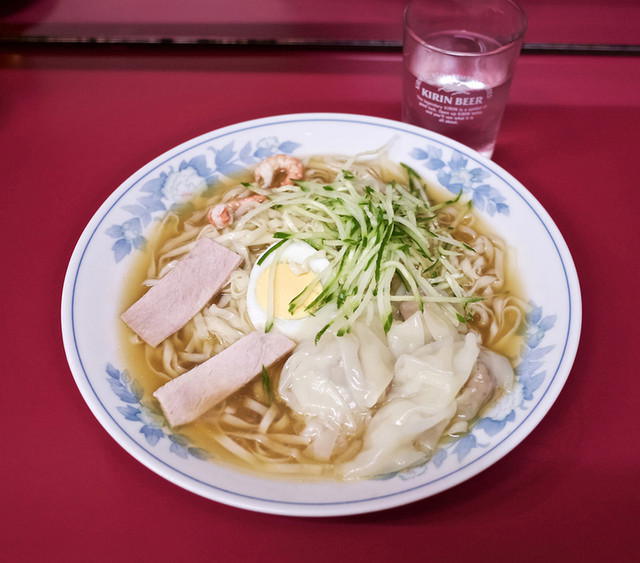
| Chuka Soba Korean Cold Noodles Goryu | Chinese & ramen with Korean-style cold noodles | $10–20 | Tabelog 100 #30 | Kure |
| 塞尚 | Modern French Fine Dining | $300–500 | World's 50 Best #16 · La Liste Top Restaurants | Marunouchi |
| レストラン エプイ EPUY | Local French Fine Dining | Not listed | Not listed | Onuma Park |
| Restaurant N | Seasonal French Fine Dining | Not listed | Not listed | Hommachi |
| Molière Montagne | French fine dining in the Hokkaido mountains | $200–300 | Tabelog 100 #5 | Hanazono |
Continue exploring
More in Kure
Details
- Intimate
- Elegant
- Date Night
- Special Occasion
- Private Dining
- Sake Program
- Local Sourcing
- A La Carte
Current opening hours
- Monday
- 11:30 AM–1 PM, 6–8 PM
- Tuesday
- 11:30 AM–1 PM, 6–8 PM
- Wednesday
- 11:30 AM–1 PM, 6–8 PM
- Thursday
- 11:30 AM–1 PM, 6–8 PM
- Friday
- 11:30 AM–1 PM, 6–8 PM
- Saturday
- 11:30 AM–1 PM, 6–8 PM
- Sunday
- 11:30 AM–1 PM, 6–8 PM
Hours can change for holidays and private events. Hours as of .
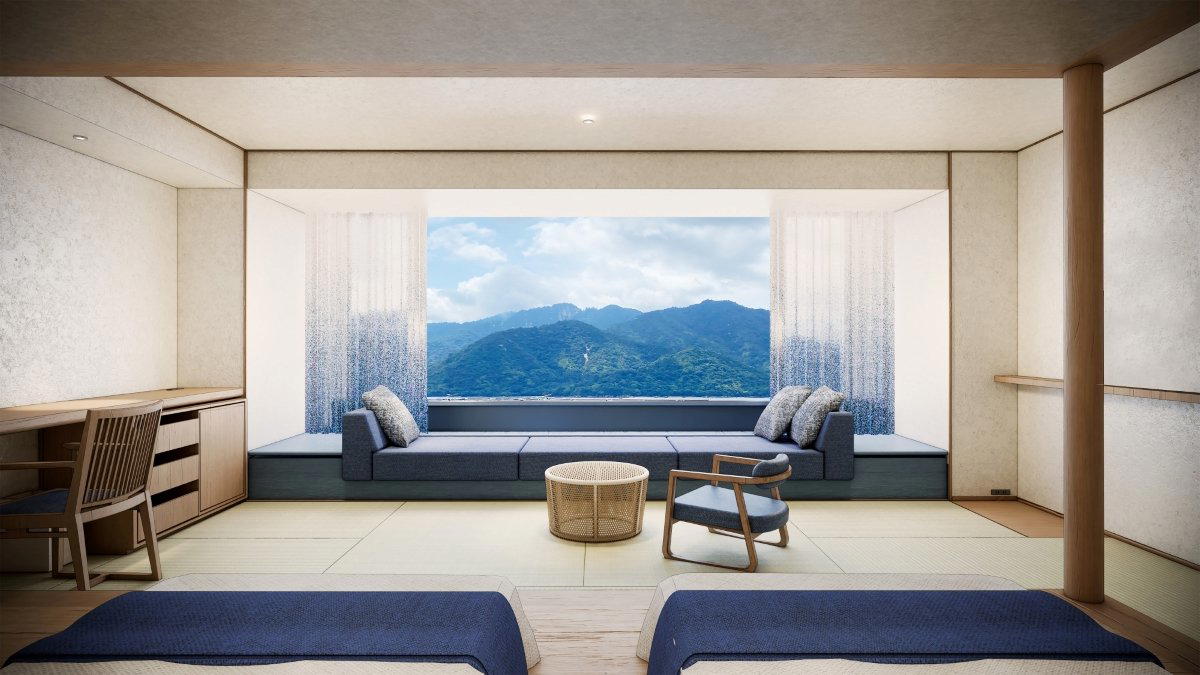
Intimate and elegant private dining atmosphere.