Google: 3.9 · 56 reviews
.png)
A few steps from the Brandenburg Gate, Château Royal occupies a restored historical building on Mittelstraße where high ceilings, classical architecture, and contemporary art share the same room. The restaurant inside leans Mediterranean with classical influences, and the freshly made pasta draws a loyal following. A value-conscious lunch set menu makes it accessible at midday without sacrificing the hotel's considered atmosphere.
 Discover on Pearl
Pearl is the En Primeur Club membership app — saves, bookings, and concierge access live there. Same editors, same standards.
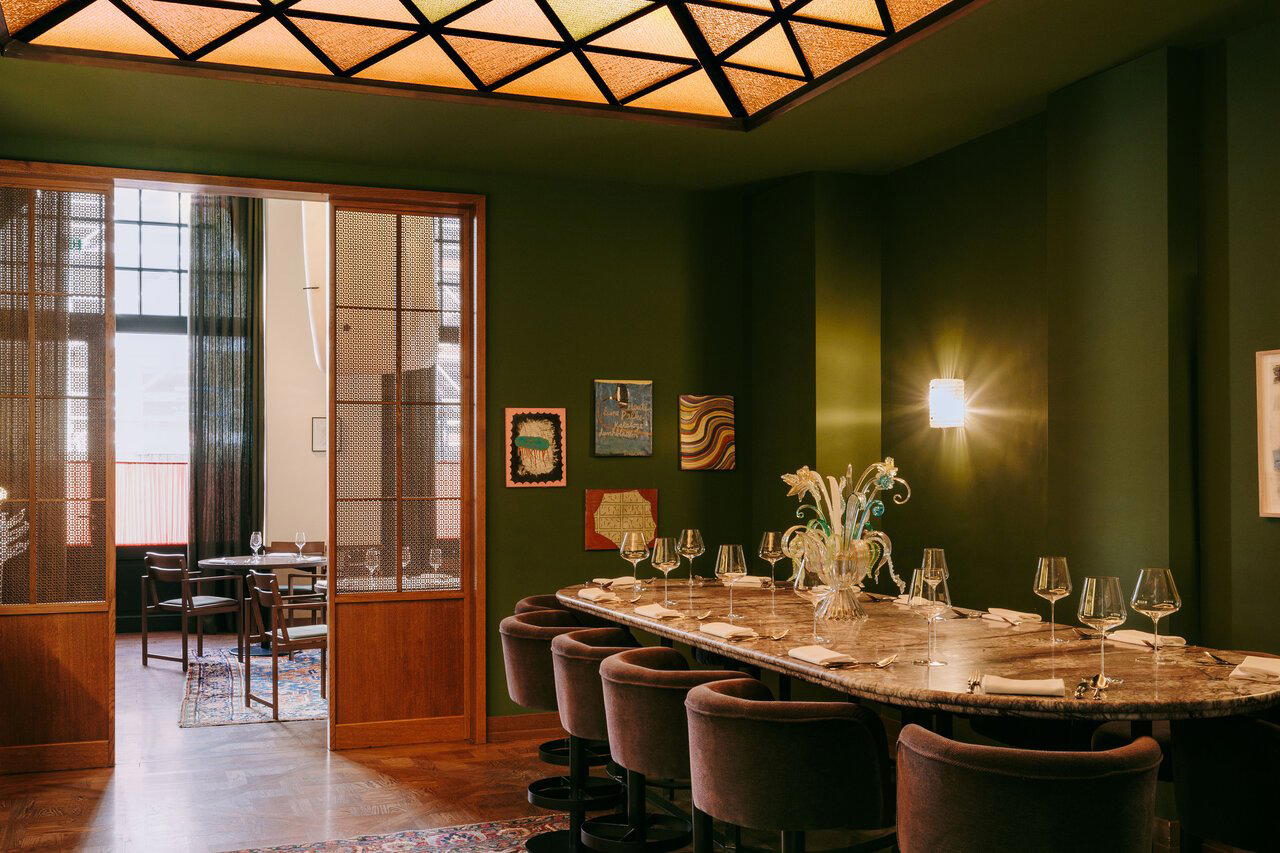
Between the Brandenburg Gate and the Drawing Room
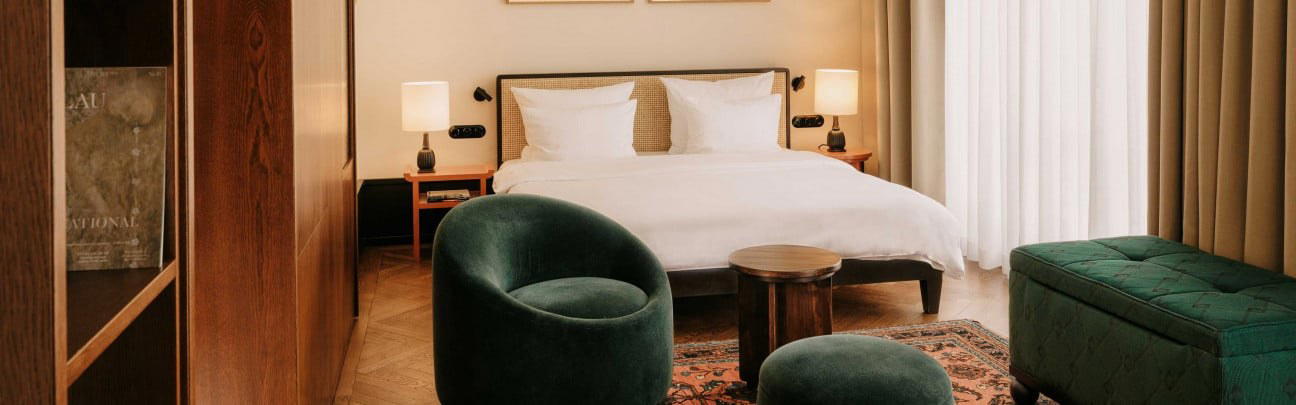
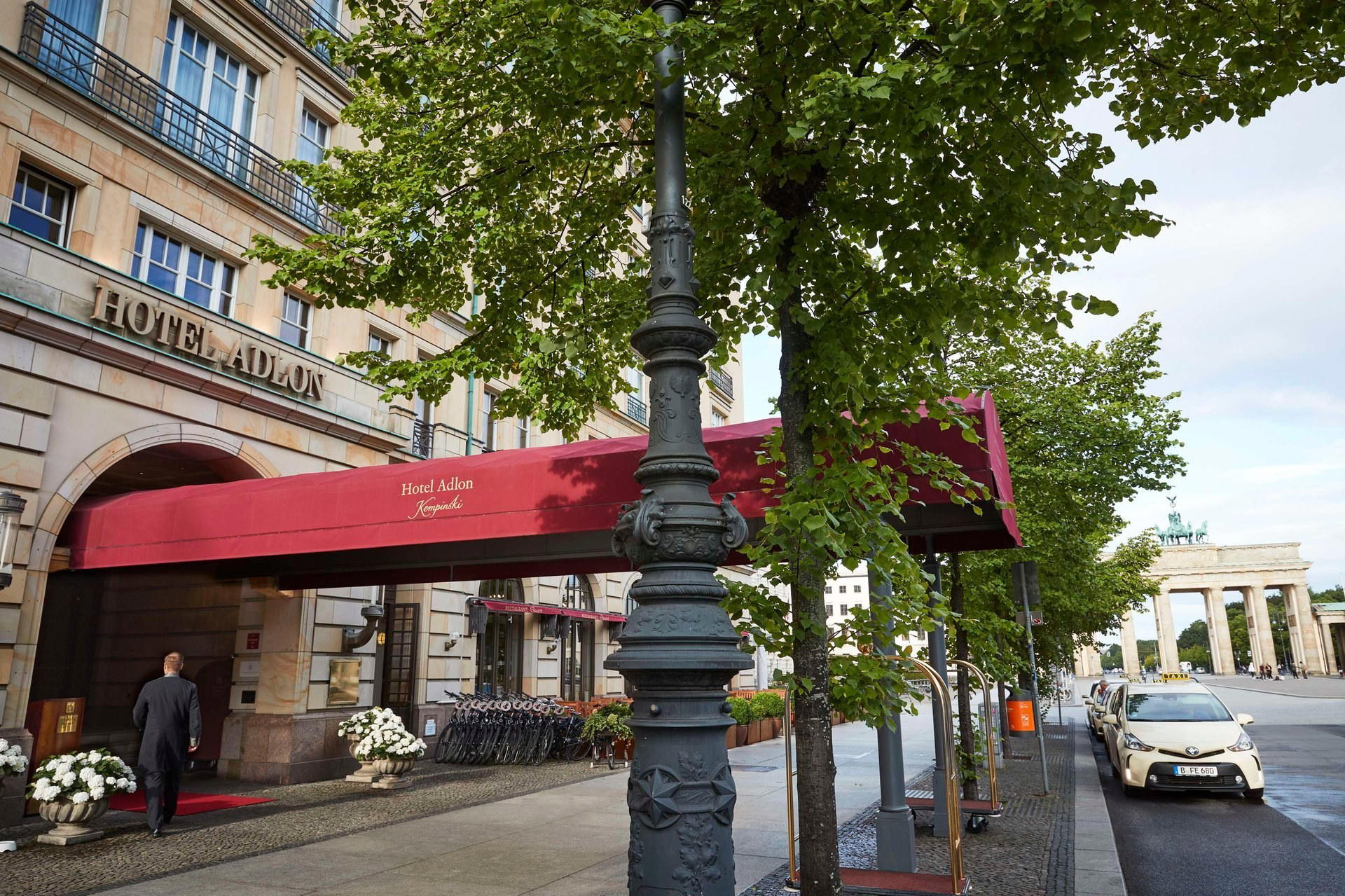
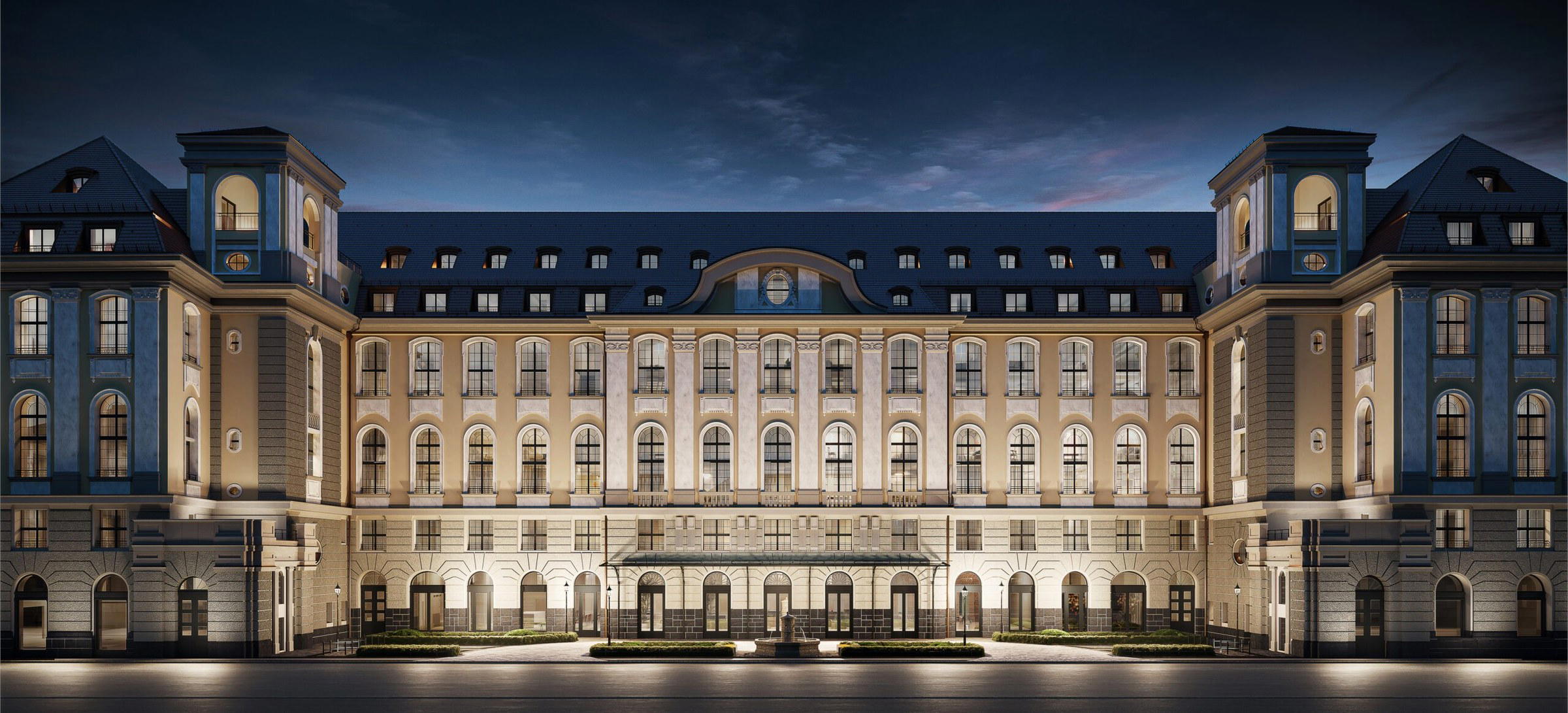
Mittelstraße runs quietly behind one of Europe's most visited monuments, and the buildings along it carry that peculiar Berlin quality of looking composed even when the city around them is not. Château Royal sits at numbers 41–44 in a historical façade that has been maintained rather than reconstructed, which gives the entrance a different register than the glass-and-steel hotel openings that dominate the Mitte stretch closer to Friedrichstraße. Walking in, the first thing you register is ceiling height. The rooms are impressively tall by any standard, and that vertical space does something particular to the atmosphere: it makes the place feel simultaneously grand and quiet, a combination that very few hotel interiors in this city manage.
Berlin's hotel dining scene has fragmented significantly over the past decade. At one end, the city's hotel stock includes properties where the restaurant functions primarily as a breakfast room with dinner aspirations. At the other, a handful of addresses have developed genuine culinary identities that earn bookings independently of room occupancy. Château Royal positions itself in that second category, where the bar and restaurant are destinations in their own right rather than amenities stapled to an accommodation offer.
The Ritual of the Room
Mediterranean and classical European cooking occupy overlapping territory in many Berlin kitchens, but the blending works leading when the pasta anchor is handled seriously. At Château Royal, the freshly made pasta has developed a reputation that travels beyond the hotel's own guest list, which is the clearest signal that the kitchen is treating it as a craft rather than a placeholder carbohydrate. In a city where the dominant dining mood at the serious end runs toward austere New Nordic frameworks, as seen at addresses like Nobelhart & Schmutzig, or elaborate tasting sequences as at Rutz and FACIL, a hotel restaurant leading with confident, classically rooted pasta and Mediterranean warmth occupies a distinct position.
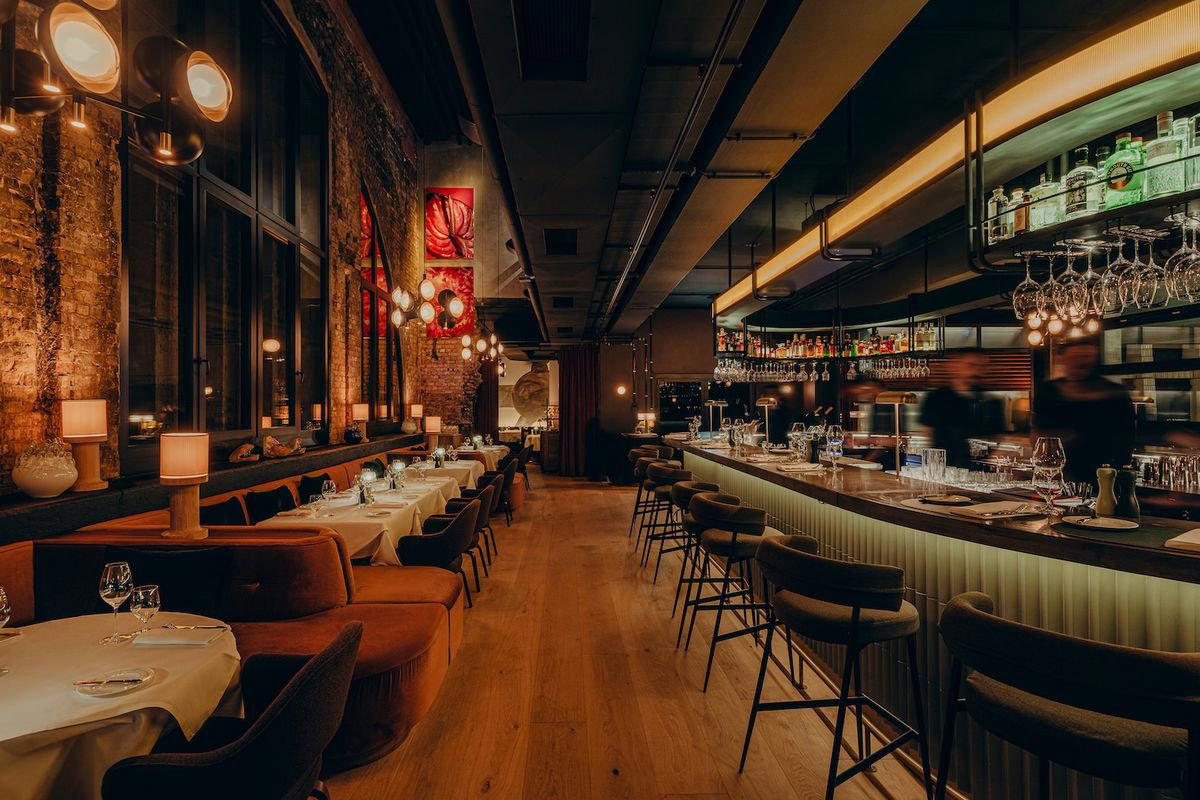
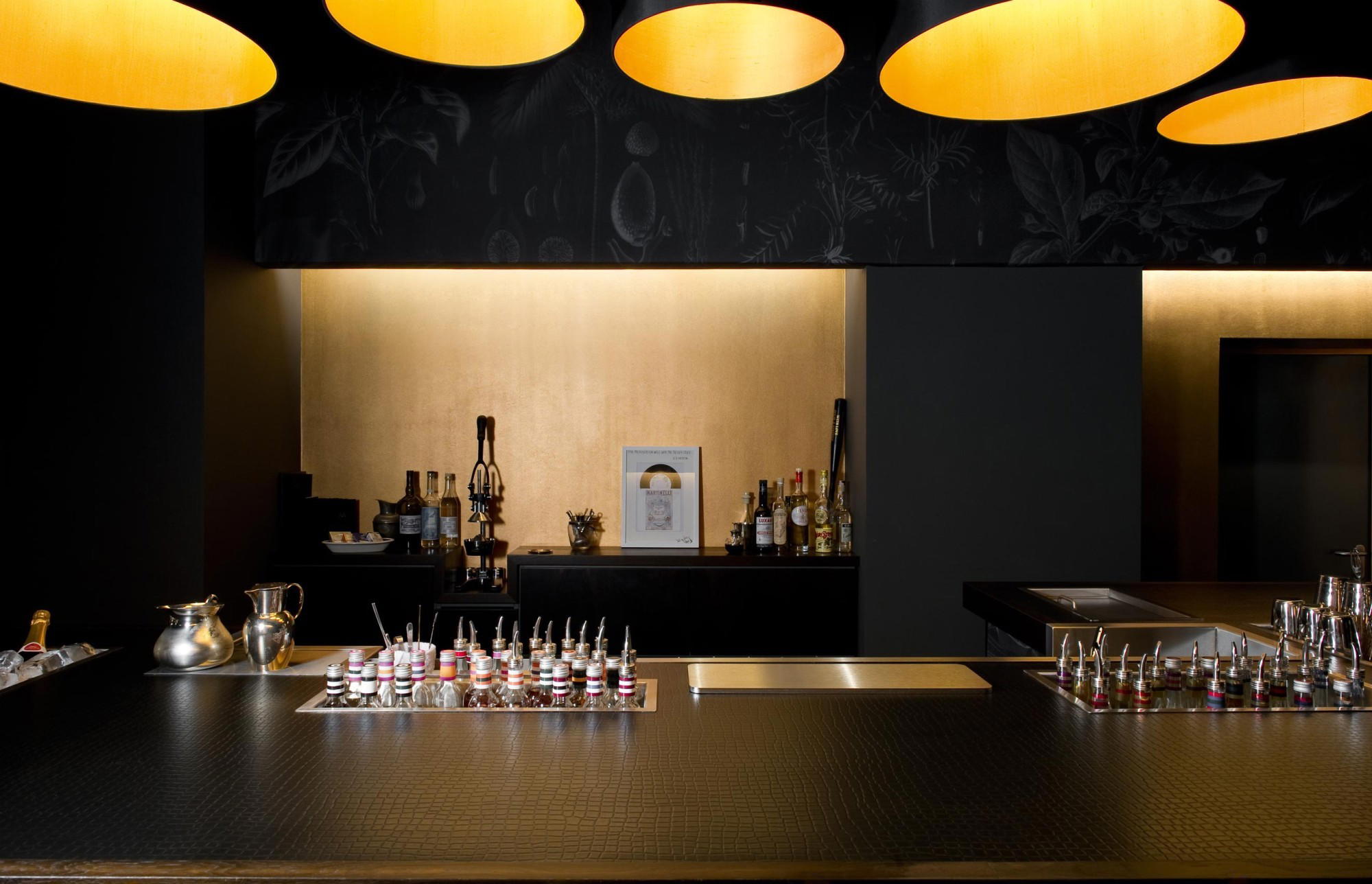
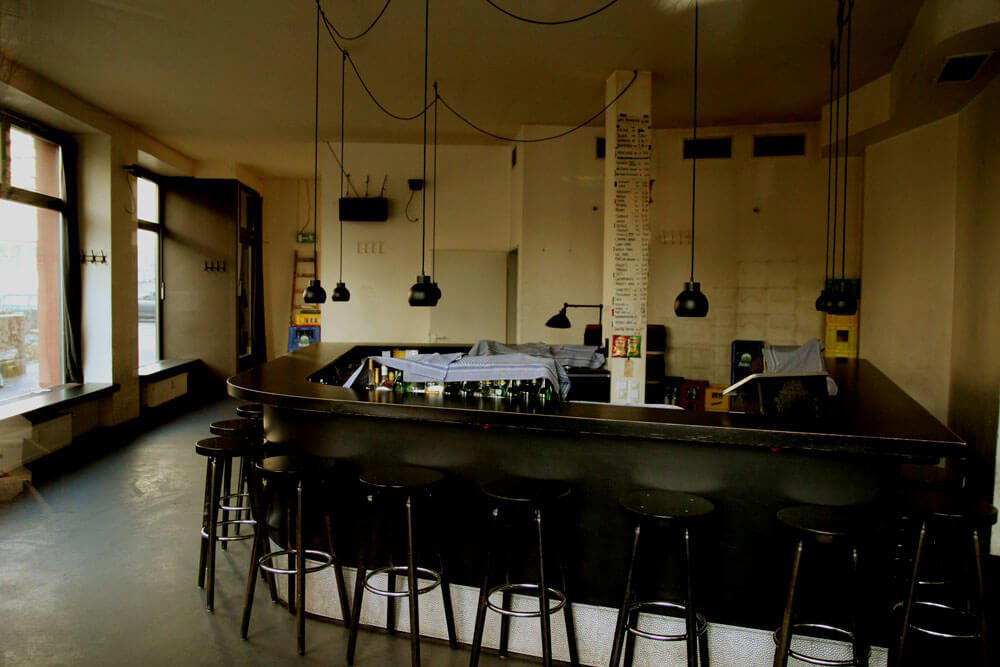
The pacing here belongs to a different dining tradition than the fixed-sequence tasting menu. Mediterranean eating is built around tempo variation: a long aperitivo, shared plates that arrive when they are ready, a second glass of wine ordered without ceremony. That rhythm maps naturally onto a hotel bar setting, where the boundary between drinking and eating can soften without anyone needing to manage it. The bar at Château Royal is described as stylish and sits within the same physical space as the restaurant, so the transition from one mode to the other is a matter of posture rather than logistics. This is an environment designed for the kind of meal that starts as one thing and ends as something else entirely.
Lunchtime and the Value Question
Pricing transparency in Berlin's middle-to-upper hotel dining tier is uneven. Some properties publish lunch menus as a way of democratising access to the room; others treat the lunch set as a loss leader that bears little resemblance to the evening offer. At Château Royal, the midday set menu is flagged as reasonably priced and specifically identified as a draw, which suggests it functions as a genuine entry point rather than a token concession. For readers planning a day around Mitte, the proximity to the Brandenburg Gate makes a long lunch here a practical anchor. The surrounding neighbourhood, which also houses Restaurant Tim Raue within reasonable reach, rewards the kind of afternoon that expands around a good meal rather than being structured against one.
Germany's broader fine dining geography runs along different axes than Berlin's internal restaurant scene. Properties such as Schwarzwaldstube in Baiersbronn, Vendôme in Bergisch Gladbach, and ES:SENZ in Grassau anchor Germany's Michelin map in smaller cities and resort towns where a single destination restaurant defines the reason to visit. Berlin operates differently: it is a city where you go first and then decide where to eat, not the reverse. Château Royal fits that logic, offering a restaurant worth choosing deliberately while sitting inside a city dense enough with alternatives to make the choice feel considered rather than obligatory.
Art, Architecture, and the Atmosphere of the Meal
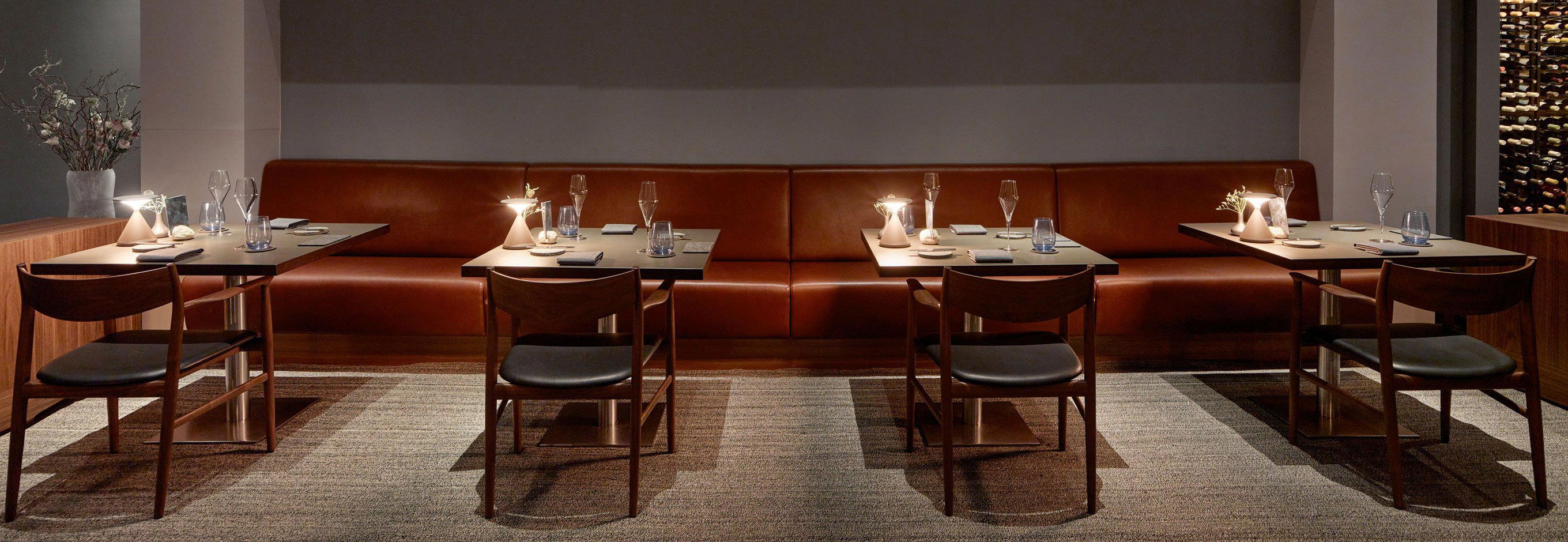
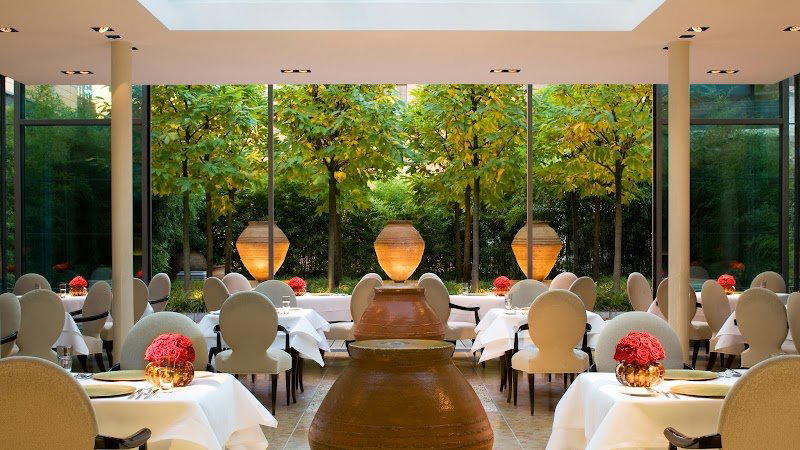
Hotel restaurants that combine classical architecture with contemporary art programming occupy a specific register. The combination is common enough to feel like a positioning decision, but it only works when the art is curated with genuine intent rather than installed as decoration. At Château Royal, the pairing of design highlights and contemporary art within the high-ceilinged rooms is noted as a deliberate compositional choice, which affects the dining experience in ways that go beyond aesthetics. Eating in a room where the walls are doing something considered changes the pace of attention: you look up more, you hold a conversation differently, the meal becomes something to move through rather than consume.
That quality places Château Royal in a small peer set among Berlin's eating and drinking rooms. For readers interested in Berlin's dessert-led tasting format, CODA Dessert Dining operates at a different register entirely. For those looking to understand the full range of what Berlin's restaurants, bars, and cultural experiences offer, our full Berlin restaurants guide, our Berlin bars guide, and our Berlin experiences guide map the wider picture. Germany's hotel dining context extends well beyond the capital: Aqua in Wolfsburg, JAN in Munich, and Restaurant Haerlin in Hamburg each represent what happens when a hotel kitchen is given enough autonomy to build a genuine identity. Internationally, the model has analogues at very different scale and price points: Le Bernardin in New York City and Emeril's in New Orleans both demonstrate, in their respective ways, that a restaurant's identity can anchor a hospitality address without the kitchen serving the hotel's logic.
Planning a Visit
Château Royal is located at Mittelstraße 41–44, a short walk from the Brandenburg Gate in Berlin's Mitte district. The address places it within easy reach of the central U- and S-Bahn network. For those building a broader Berlin itinerary, our Berlin hotels guide and our Berlin wineries guide cover the wider accommodation and wine picture. Booking details and current operating hours are leading confirmed directly with the hotel, as those specifics can shift. The lunch set menu is the most accessible entry point for a first visit, both in terms of price and the rhythm of the meal it produces.
Cuisine Context
A quick peer check to anchor this venue’s price and recognition.
| Venue | Cuisine | Awards | Notes |
|---|---|---|---|
| Château Royal | The elegant hotel Château Royal stands near the Brandenburg Gate, behind a dappe… | This venue | |
| CODA Dessert Dining | Creative | Michelin 2 Star | Creative, €€€€ |
| Rutz | Modern European, Modern Cuisine | Michelin 3 Star | Modern European, Modern Cuisine, €€€€ |
| Nobelhart & Schmutzig | Modern German, Creative | Michelin 1 Star | Modern German, Creative, €€€€ |
| FACIL | Contemporary European, Creative | Michelin 2 Star | Contemporary European, Creative, €€€€ |
| Horváth | Modern Austrian, Creative | Michelin 2 Star | Modern Austrian, Creative, €€€€ |
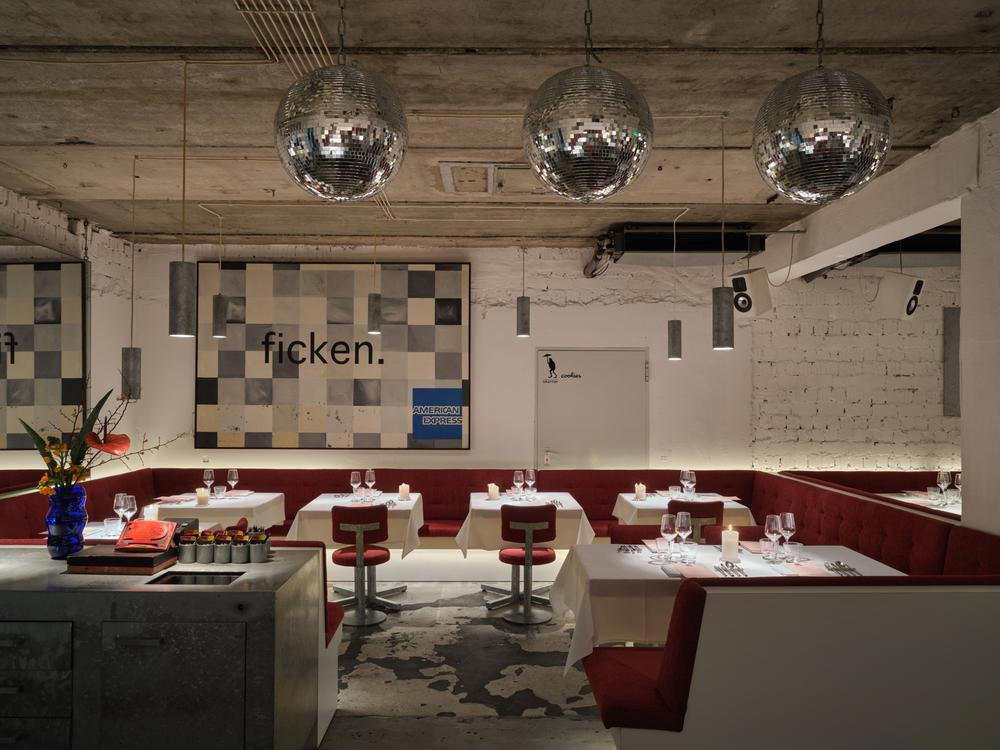
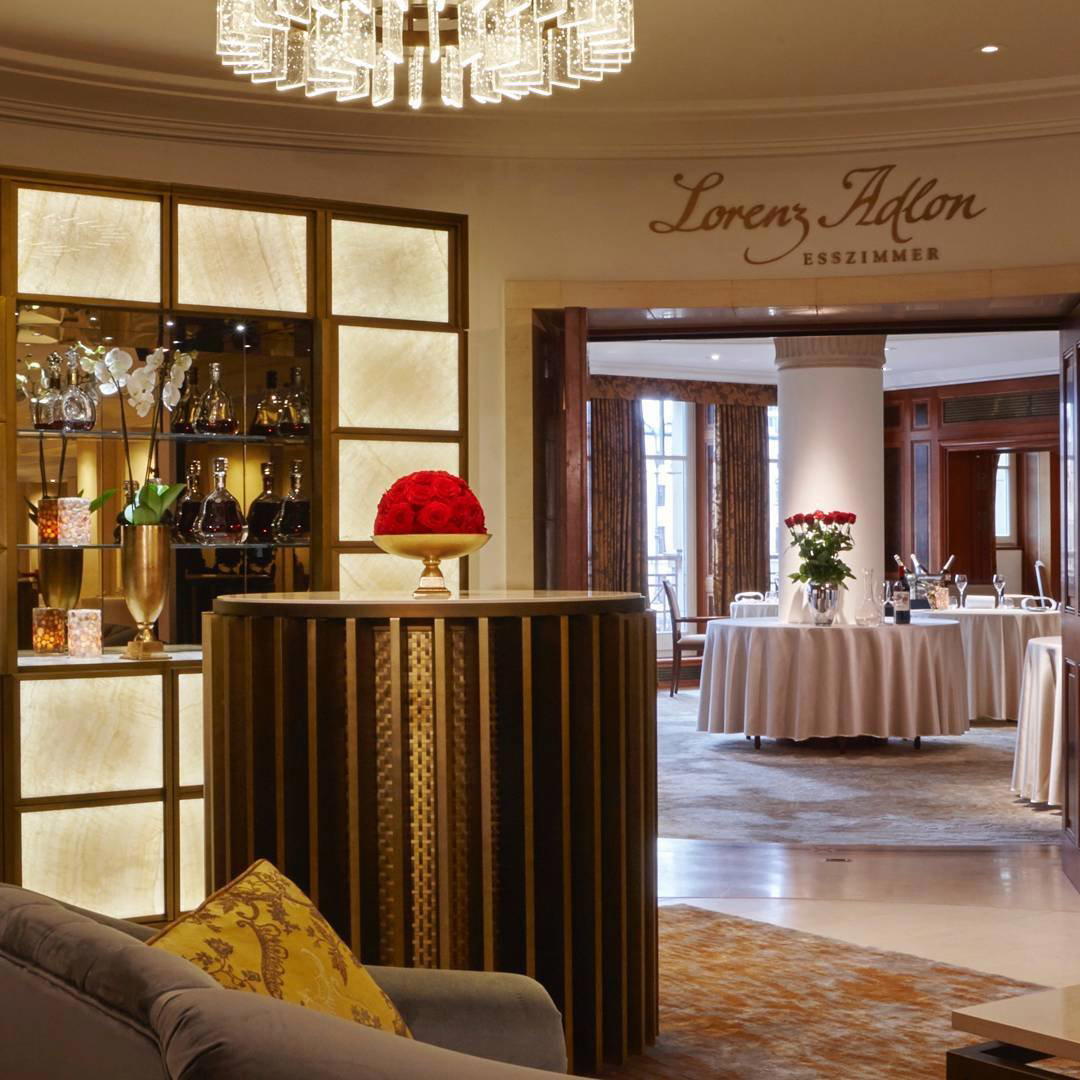
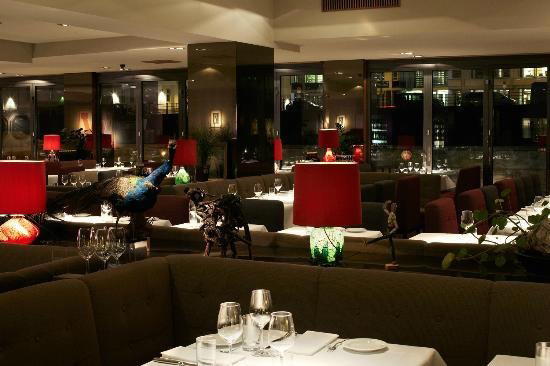
At a Glance
- Elegant
- Modern
- Sophisticated
- Intimate
- Date Night
- Business Dinner
- Special Occasion
- Hotel Restaurant
- Courtyard
- Historic Building
- Extensive Wine List
- Organic
- Local Sourcing
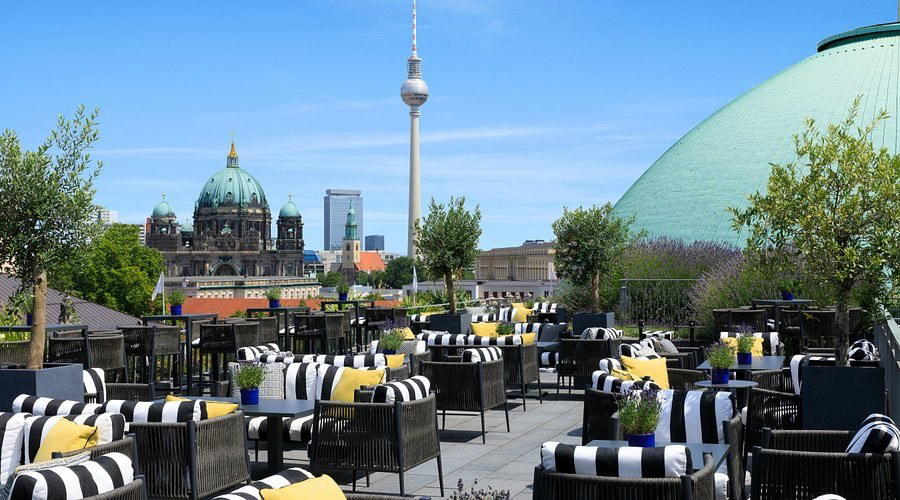
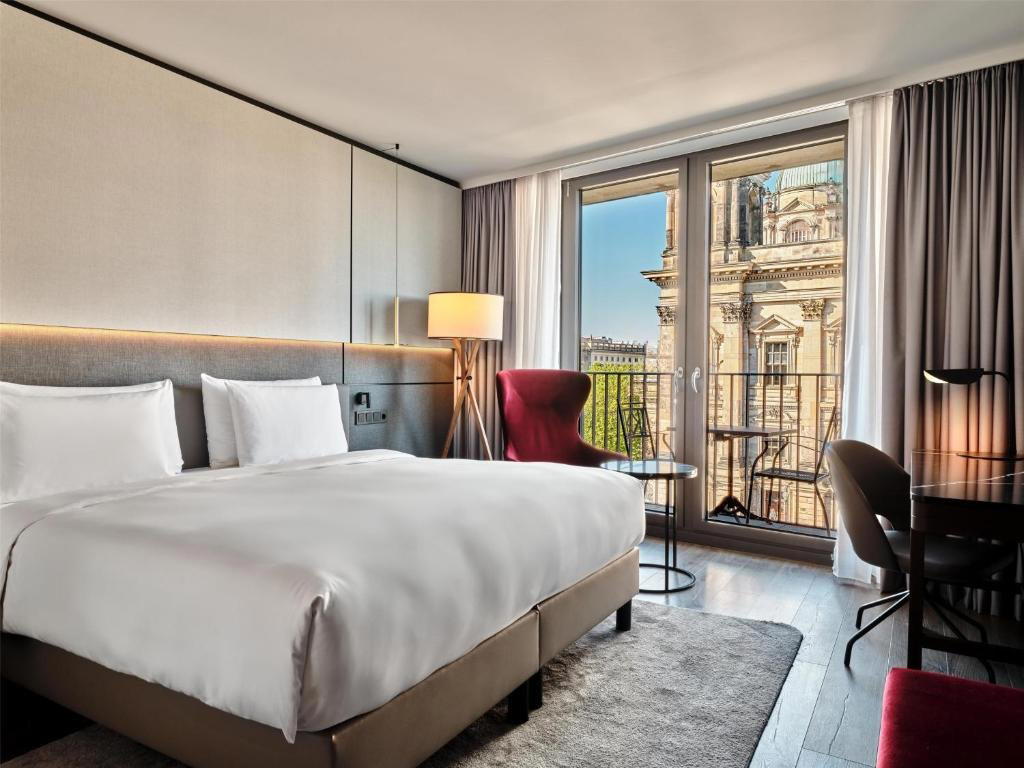
Elegant art-filled dining spaces with high ceilings, classical elements, design highlights, and a pleasingly intimate atmosphere.