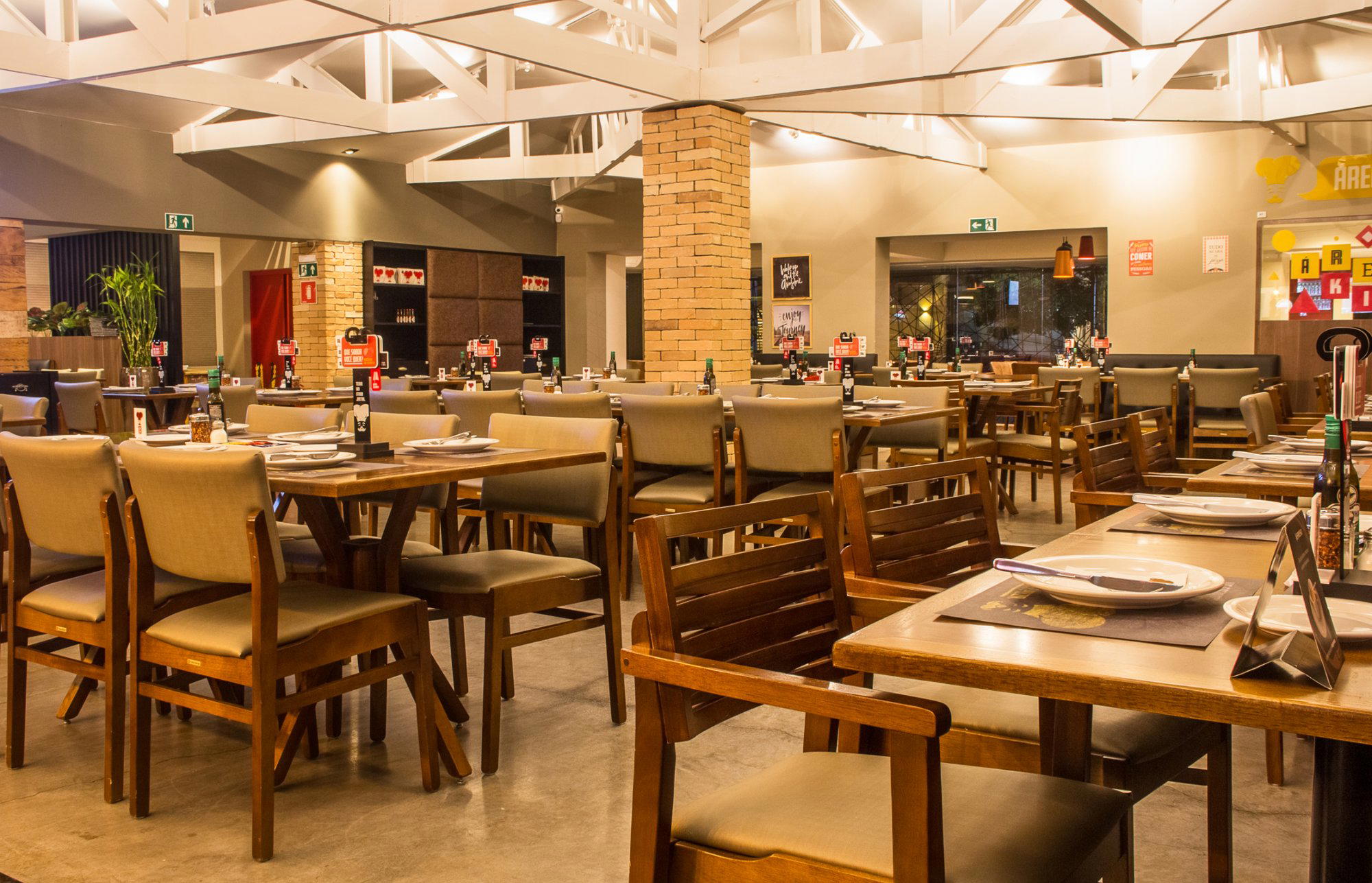
In Toledo, Paraná, Choupana da Vila Restaurante occupies a specific address in Vila Industrial that signals something about Brazil's interior dining culture: serious local cooking exists well beyond the São Paulo–Rio axis. The restaurant draws on the agricultural richness of western Paraná, a region where grain, poultry, and cattle production defines the food supply chain in ways that urban diners rarely encounter directly.
Pearl is the En Primeur Club membership app — saves, bookings, and concierge access live there. Same editors, same standards.
- Address
- R. Carlos Barbosa, 1585 - Vila Industrial, Toledo - PR, 85905-280, Brazil
- Phone
- +5545999570463
- Website
- wa.link
- Directions
- Get directions
 Saves & bookings on Pearl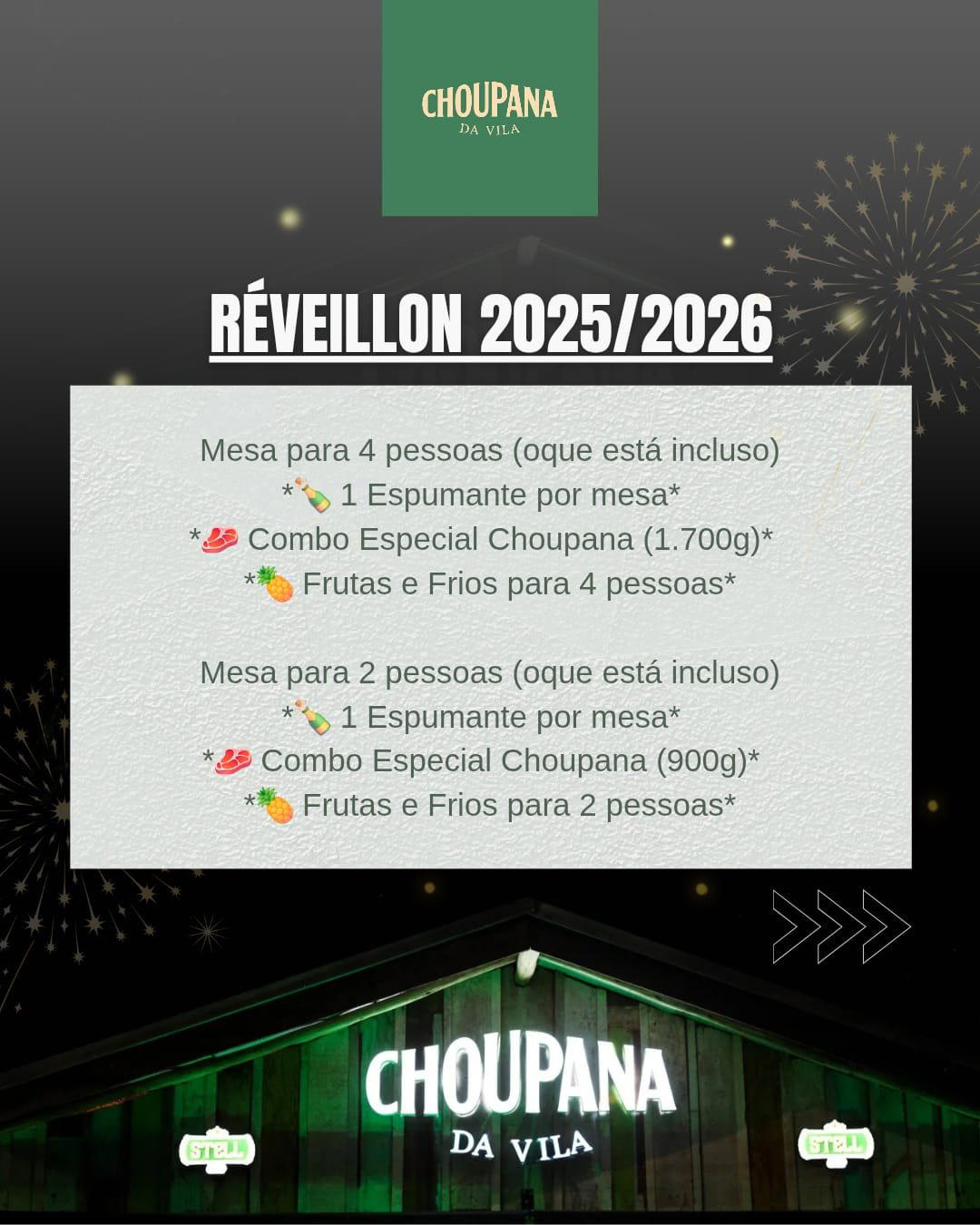
Western Paraná's Table: What Toledo's Dining Scene Tells You About Interior Brazil
Brazil's restaurant conversation defaults to its coastal cities. Oteque in Rio de Janeiro and D.O.M. in São Paulo anchor the country's international profile, and the food press follows accordingly. But the interior tells a different story. Western Paraná, the region around Toledo, sits inside one of Brazil's most productive agricultural belts, where soy, maize, poultry, and pork move through supply chains at industrial scale. The restaurants that take root here do not operate in spite of that agricultural context; the better ones draw directly from it. Choupana da Vila Restaurante, at Rua Carlos Barbosa 1585 in the Vila Industrial neighbourhood, is a restaurant in Toledo, Paraná.
Vila Industrial as Address and Argument
The neighbourhood name is itself a signal. Vila Industrial is not a dining district in the way that Bairro Alto or Pinheiros carries that label. It is a working part of a mid-sized city, and a restaurant choosing that address is making a statement about its intended audience and its relationship to the people who actually live and work in Toledo. This pattern appears in smaller Brazilian cities more often than food media acknowledges: serious cooking embedded in functional neighbourhoods rather than concentrated in a single gentrified strip. Birosca S2 in Belo Horizonte operates on a similar logic, where neighbourhood identity shapes the dining proposition as much as the menu does.
The physical approach to Choupana da Vila reflects this orientation. The address places it within a residential and light-commercial fabric rather than a tourist corridor, which tends to mean the clientele is primarily local, the pricing reflects the local economy, and the kitchen's relationship to its suppliers is direct and long-standing. In agricultural regions like western Paraná, that supply chain proximity matters enormously: a restaurant two hours from a poultry processing facility operates with a fundamentally different ingredient reality than one sourcing through a metropolitan wholesale market.
What Western Paraná Produces, and Why It Reaches the Table Differently Here
Paraná is Brazil's third-largest agricultural state by output. The western corridor around Toledo and Cascavel is particularly associated with grain and animal protein production, including significant poultry and pork operations. For restaurants in this region, ingredient sourcing is less a marketing position and more a geographic fact: the supply is present, the logistics are short, and the producers are often known by name. This stands in contrast to the sourcing narratives attached to restaurants in Manu in Curitiba or Mina in Campos do Jordão, where chef-driven procurement programs are built precisely to recreate the proximity that a restaurant in Toledo inherits by default.
The cuisine tradition of interior Paraná also draws from the state's significant German, Italian, and Ukrainian immigrant heritage, which layered European food practices onto the Brazilian cerrado and Atlantic Forest transition zone. Slow-cooked meats, cured preparations, and dishes built around starch and fat remain prevalent in home and restaurant cooking across the region. A restaurant operating in Vila Industrial sits inside that culinary inheritance whether it explicitly references it or not. Compare this to the more deliberate regional-revival framing at places like Orixás North Restaurant in Itacaré, where the regional identity is positioned as a differentiating argument to an external audience.
Interior Brazil's Dining Pattern: A Comparative Frame
Across Brazil's interior cities, from Campos do Jordão to Gramado to Toledo, a recognisable dining format has developed that sits between the churrascaria tradition and the urban fine-dining tier. These are restaurants with genuine kitchen ambition and locally-sourced material, operating at price points shaped by regional incomes rather than tourist premium. Primrose in Gramado and Castelo Saint Andrews in Vale do Bosque benefit from Gramado's established tourism infrastructure, which inflects their positioning upward. Toledo has no equivalent tourist economy, so its restaurants calibrate differently, against a local professional and agricultural community rather than visiting leisure travellers.
This is worth stating plainly because it changes how a visitor should read Choupana da Vila. The frame is not a destination-dining experience in the mould of Lazy Bear in San Francisco or Le Bernardin in New York City, where the visitor is the assumed customer and the experience is constructed around their expectations. The frame here is a local restaurant operating in a productive agricultural region, which for the right traveller carries its own interest. The southern Brazilian interior is rarely on itineraries; finding serious food within it, without the apparatus of a curated destination, is a different kind of encounter.
For broader context on Brazil's interior dining scenes, Olivetto Restaurante E Enoteca in Campinas and State of Espírito Santo in Rio Bananal represent other points on the map where regional food culture operates outside the metropolitan spotlight.
Planning a Visit to Choupana da Vila
Choupana da Vila Restaurante is located at Rua Carlos Barbosa 1585, Vila Industrial, Toledo, Paraná, CEP 85905-280. Toledo is approximately 530 kilometres west of Curitiba, making it most practical to reach by road or via the regional airport at Cascavel (CAC), which serves connections from São Paulo and Curitiba. The restaurant sits in a residential-commercial neighbourhood that is navigable by car; central Toledo is compact enough that most accommodation options place visitors within a short drive.
A Quick Peer Check
Comparable venues nearby, for context on price, style, and recognition.
| Venue | Cuisine | Price | Notes |
|---|---|---|---|
| Choupana da Vila RestauranteThis venue — the venue you are viewing | brazilian | Not listed | Not listed |
| Lobby Café | Brazilian Café | $$ | Belem |
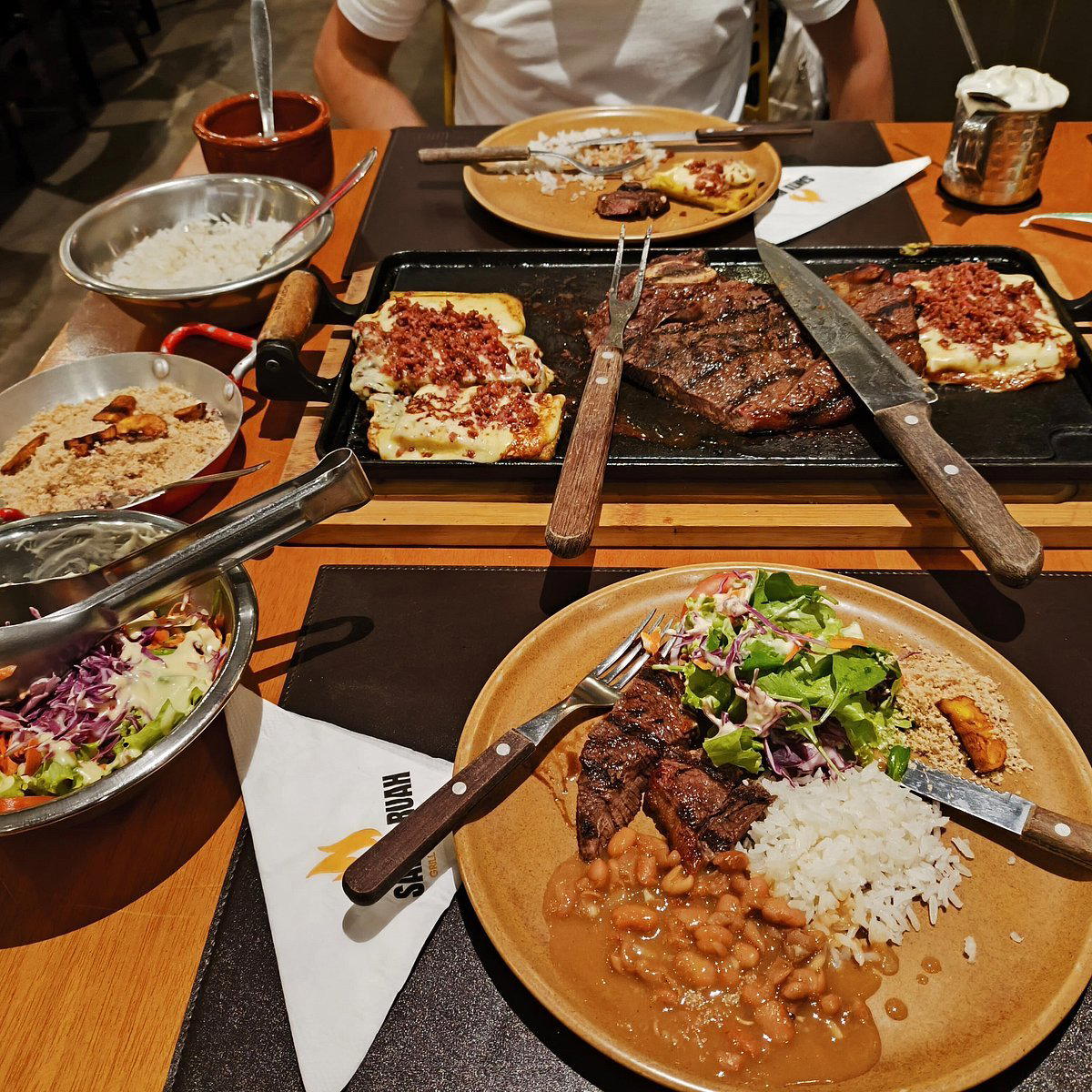
| Santa Ruah - Grill & Polenta | Brazilian Grill & Polenta | $$ | Aroeira |
| Casa de Carnes Better - Presidente Prudente | Brazilian Churrasco Steakhouse | $$ | Centro |
| Luigia | Pizza | Not listed | Foz Do Iguacu |
| Must Restaurant & Bar | Modern Brazilian with Indigenous Flavors | $$$ | Belem |
Continue exploring
More in Toledo
At a Glance
Current opening hours
- Monday
- 5 PM–12 AM
- Tuesday
- 5 PM–12 AM
- Wednesday
- 5 PM–12 AM
- Thursday
- 5 PM–12 AM
- Friday
- 5 PM–12 AM
- Saturday
- 11 AM–12 AM
- Sunday
- 11 AM–3 PM
Hours can change for holidays and private events. Last verified .