




2 Michelin Stars · La Liste Top Restaurants · Guía Repsol 3 Soles
Our verdict
Two-Michelin-starred Iván Cerdeño Toledo transforms forgotten regional recipes into contemporary masterpieces at the historic Cigarral del Ángel, where chef Iván Cerdeño's "Toledo Olvidado" tasting menu celebrates La Mancha's culinary heritage with panoramic views over Spain's ancient imperial city.

Pearl is the En Primeur Club membership app — saves, bookings, and concierge access live there. Same editors, same standards.
- Address
- Cigarral del Ángel, Toledo, España, Carretera de la Puebla, s/n, 45004 Toledo, Spain
- Phone
- +34 925 22 36 74
- Hours
- Mon–Tue ClosedWed–Thu 1:30–3 PMFri–Sat 1:30–3 PM, 9–10:30 PMSun 1:30–3 PM
- Website
- xn--ivancerdeo-19a.com
- Directions
- Get directions
- Booking
- Book on CoverManager
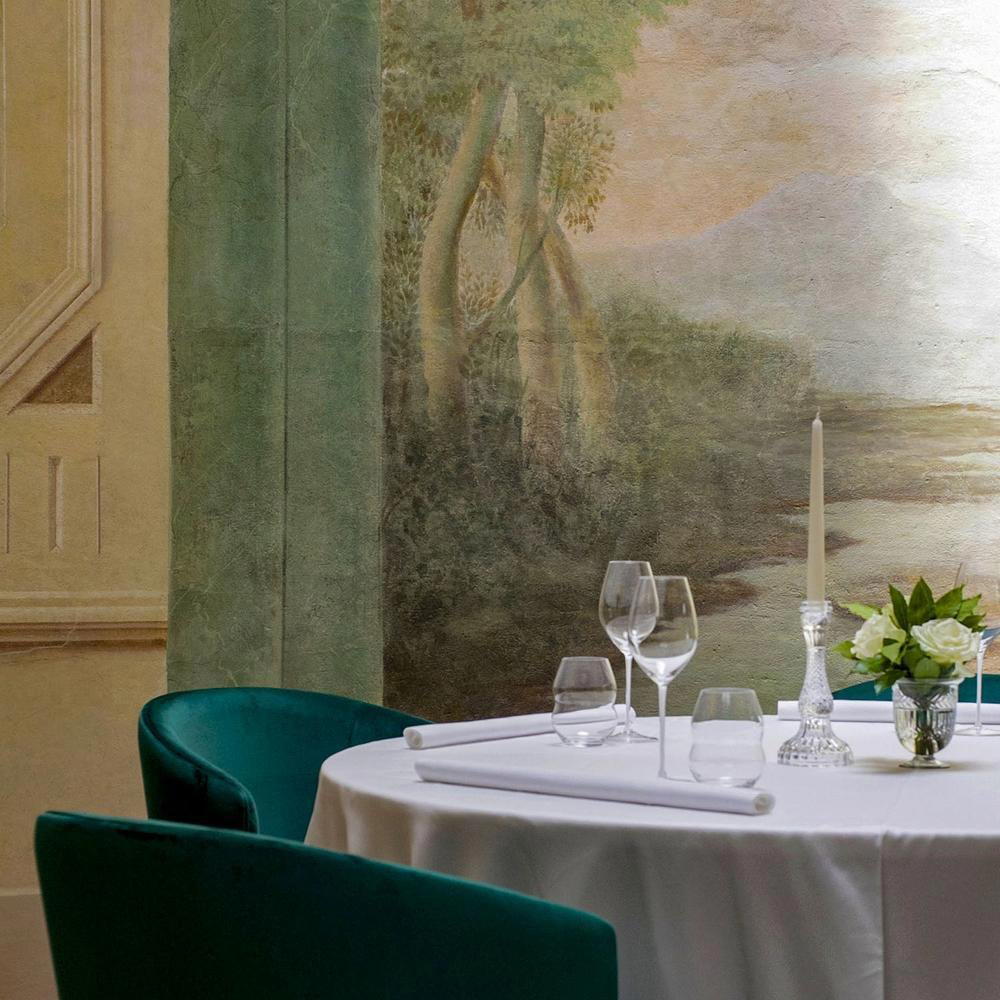
The menu
What to order
- Warm sardine and partridge salad
- Pigeon with tater tots
- Cauliflower cheesecake
- Leche asada al palodú
Where the Tagus Meets the Table
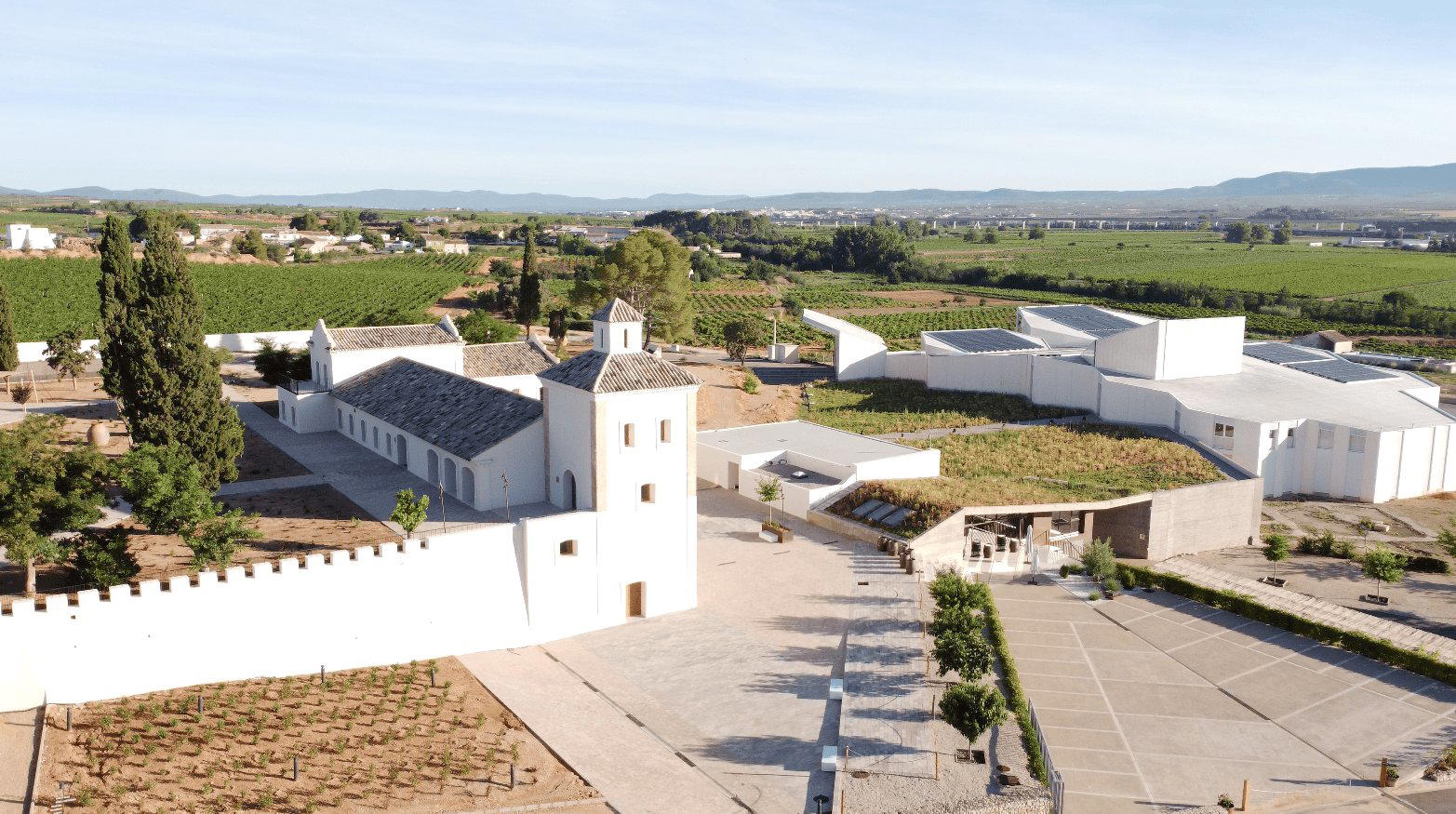
Approach the Cigarral del Ángel from the road that curves south of Toledo's old city and the setting does much of the argumentative work before you've sat down. A cigarral is a particular kind of place: a walled country estate on the hillside banks of the Tagus, a property type so specific to Toledo that the word barely translates. These estates have functioned for centuries as retreats from the city's dense medieval interior, and the one housing Iván Cerdeño's restaurant carries that layered history in its gardens, its stonework, and its orientation toward the river. Dining here means occupying a space that has absorbed the same cultural sediment the kitchen is trying to articulate.
The Cultural Argument on the Plate
Toledo's position at the centre of the Iberian Peninsula made it, for several hundred years, one of the continent's more genuinely plural cities. Muslim, Jewish, and Christian communities coexisted and competed here, leaving behind an architectural and culinary inheritance that remains legible if you know where to look. The cooking at Iván Cerdeño takes that inheritance seriously, drawing on the game traditions of the Montes de Toledo, the vegetable gardens of La Mancha's irrigated plots, the pickling and preserving techniques that run through the region's history, and the distant Atlantic and Mediterranean coastlines that the Iberian Peninsula has always kept in its culinary vocabulary.
That last point matters more than it might appear. Spanish fine dining has long operated with a geographic tension between interior and coast, and a restaurant in landlocked Toledo that incorporates fish and seafood from the seas around the peninsula is making a deliberate statement about range. The kitchen reaches outward from a fixed regional identity rather than staying within it, which positions the cooking somewhere between the hyperlocal and the broadly Iberian.
The structural markers of this approach are the escabeches, marinades, and pickles that appear consistently across the menus. These are not garnishes. They are load-bearing elements of a cuisine that treats acid, preservation, and fermentation as connective tissue between eras and between cultures. In La Mancha cooking, preserving techniques developed partly from necessity and partly from the culinary exchange of communities who didn't always share kitchens but did share ingredients and methods. The contemporary kitchen at the Cigarral del Ángel is, in this reading, less an innovation than a continuation.
Four Menus, One Sustained Argument
The restaurant runs four menu formats, each calibrated differently. The midweek Mediodía option offers a more condensed version of the kitchen's logic, suited to the limited lunch window that runs from 1:30 to 3pm, Thursday through Sunday (the restaurant is closed Monday and Tuesday, and closes entirely for the second half of January). The three tasting menus carry titles that signal their organizing ideas: Monte y Ribera maps the transition from upland game country to riverside, Toledo Olvidado (Forgotten Toledo) works through dishes that reference the city's less-visited history, and Memorias de un Cigarral folds the estate itself into the narrative. Each opens with atisbos, small traditional appetisers given a contemporary edge, which function as a kind of prologue before the main menu develops.
Tasting menu format is now the standard vehicle for ambitious cooking of this kind across Spain, from DiverXO in Madrid to El Celler de Can Roca in Girona to Arzak in San Sebastián. What distinguishes the approach here is the degree to which the menus are organized around a specific regional archive rather than around a chef's personal technique. The subject is Toledo and La Mancha; the technique serves the subject.
Standing and Recognition
Awards record confirms a sustained level of recognition at the upper tier of European dining. Two Michelin stars have been held through both the 2024 and 2025 guides, which signals consistency rather than a single strong year. La Liste, which aggregates critic scores globally, placed the restaurant at 96 points in its 2025 ranking and 95 points in 2026. Opinionated About Dining, a platform weighted toward frequent-diner assessments rather than institutional critics, ranked it 46th in Europe in 2024 and flagged it as a notable new entry at 47th the previous year.
That OAD trajectory is worth reading carefully. Entry onto the OAD Europe list in 2023 and consolidation into the top 50 by 2024 suggests a restaurant that opened its current account with the serious-dining community relatively recently and has moved upward quickly. The Google aggregate of 4.5 across 794 reviews is a secondary signal, but a consistent one: it reflects a broad audience rather than just critic consensus, and the spread of reviews suggests this is not a restaurant that only performs well for specialists.
Within Toledo's own restaurant tier, the price point at €€€€ places Iván Cerdeño clearly above peers like Adolfo at €€€ and the €€ bracket occupied by El Albero, La Cábala, Tobiko, and Víctor Sánchez-Beato. The city's dining scene is not large by national standards, and the gap between the top tier and the rest reflects Toledo's status as a secondary city with a single restaurant carrying the weight of two-star ambition. That concentration is more common in cities like these than in Madrid or Barcelona, where the competitive set is wider.
For the broader Spanish two-star tier, the relevant comparisons extend to restaurants like Aponiente in El Puerto de Santa María, Azurmendi in Larrabetzu, and Cocina Hermanos Torres in Barcelona, each of which operates with a strong regional and conceptual identity alongside technical recognition. Internationally, the two-star format with a culturally rooted tasting menu structure has parallels at houses like Frantzén in Stockholm and FZN by Björn Frantzén in Dubai.
Planning a Visit
The restaurant sits on the Carretera de la Puebla south of the historic centre, reachable by taxi from the old city in under ten minutes. The cigarral's position outside the walled centre means it doesn't carry the parking constraints that apply inside Toledo's medieval perimeter. Service runs lunch only Thursday through Sunday from 1:30 to 3pm, with dinner added Friday and Saturday from 9 to 10:30pm. Monday and Tuesday are closed. The January 10 to 31 closure is a firm annual rest period; bookings in that window are not available. For anyone building a Toledo itinerary around this reservation, the full Toledo dining context across price points is covered in our full Toledo restaurants guide. Accommodation options are collected in [our full Toledo hotels guide](), and the city's bar and drinking scene is mapped in [our full Toledo bars guide](). Wine from the region and beyond can be explored through [our full Toledo wineries guide](), and cultural programming is covered in our full Toledo experiences guide.
Frequently asked questions
What do people recommend at Iván Cerdeño?
The kitchen's handling of La Mancha game and its pickling, escabeche, and marinade techniques draw consistent praise from critics and award panels alike. La Liste awarded the restaurant 95 points in 2026 and 96 in 2025, while Opinionated About Dining ranked it 46th among European restaurants in 2024. The three tasting menus — Monte y Ribera, Toledo Olvidado, and Memorias de un Cigarral — are the formats in which these techniques are most fully expressed, each opening with 'atisbos', small traditional appetisers given a contemporary treatment. Dishes drawing on the Montes de Toledo game and the culturally layered cooking traditions of the city are the ones most frequently referenced in reviews.
What does dinner at Iván Cerdeño typically cost?
Pricing at Iván Cerdeño is listed as €€€€.
Cuisine and Recognition
| Venue | Cuisine | Price | Awards | Notes |
|---|---|---|---|---|
| Iván CerdeñoThis venue — the venue you are viewing | Modern Spanish - Castilian-La Mancha | $100–150 | 2 Michelin Stars · La Liste Top Restaurants | Not listed |
| Adolfo | Modern Spanish Fine Dining | $50–100 | Michelin Plate · Macarfi 7.5 Food Rating | Modern Cuisine |
| El Albero | Modern Spanish Regional | $50–100 | Michelin Plate · Macarfi 7.3 Food Rating | Traditional Cuisine |
| La Cábala | Modern Spanish Tapas | $50–100 | Michelin Plate · Macarfi 7 Food Rating | Contemporary |
| Tobiko | Creative Spanish Fusion | $50–100 | Michelin Plate | Creative |
| Víctor Sánchez-Beato | Modern Spanish Tasting Menu | $50–100 | Michelin Plate · Macarfi 7.5 Food Rating | Farm to table |
Recognition history
Dated appearances from independent guides and award organizations, with the underlying list record or original source where available.
Michelin 2 Stars
Michelin
La Liste Top Restaurants
La Liste
Guía Repsol 3 Soles
Guía Repsol
Macarfi 9.2 Food Rating
Macarfi
Opinionated About Dining Top Restaurants in Europe Ranked #54
Opinionated About Dining
Full recognition history (10 entries)
La Liste Top Restaurants
La Liste
Michelin 2 Stars
Michelin
Michelin 2 Stars
Michelin
Opinionated About Dining Top Restaurants in Europe Ranked #46
Opinionated About Dining
Opinionated About Dining Top New Restaurants in Europe Ranked #47
Opinionated About Dining
Continue exploring
More in Toledo
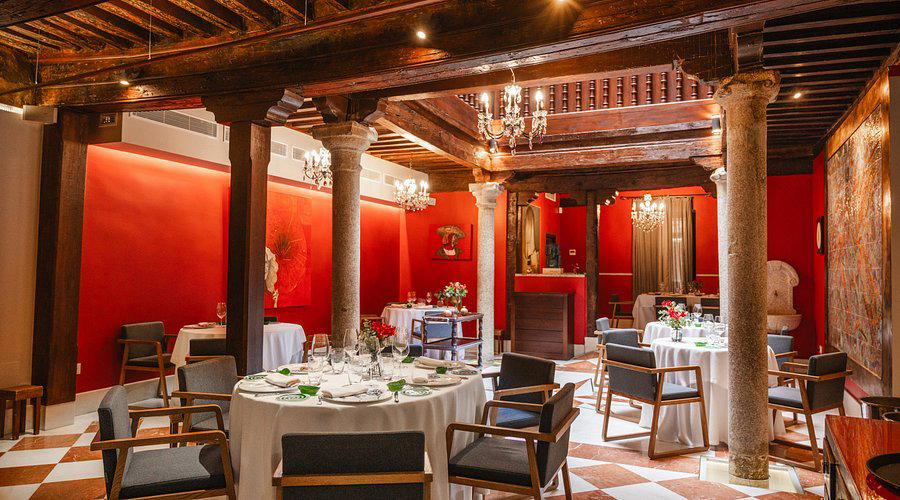
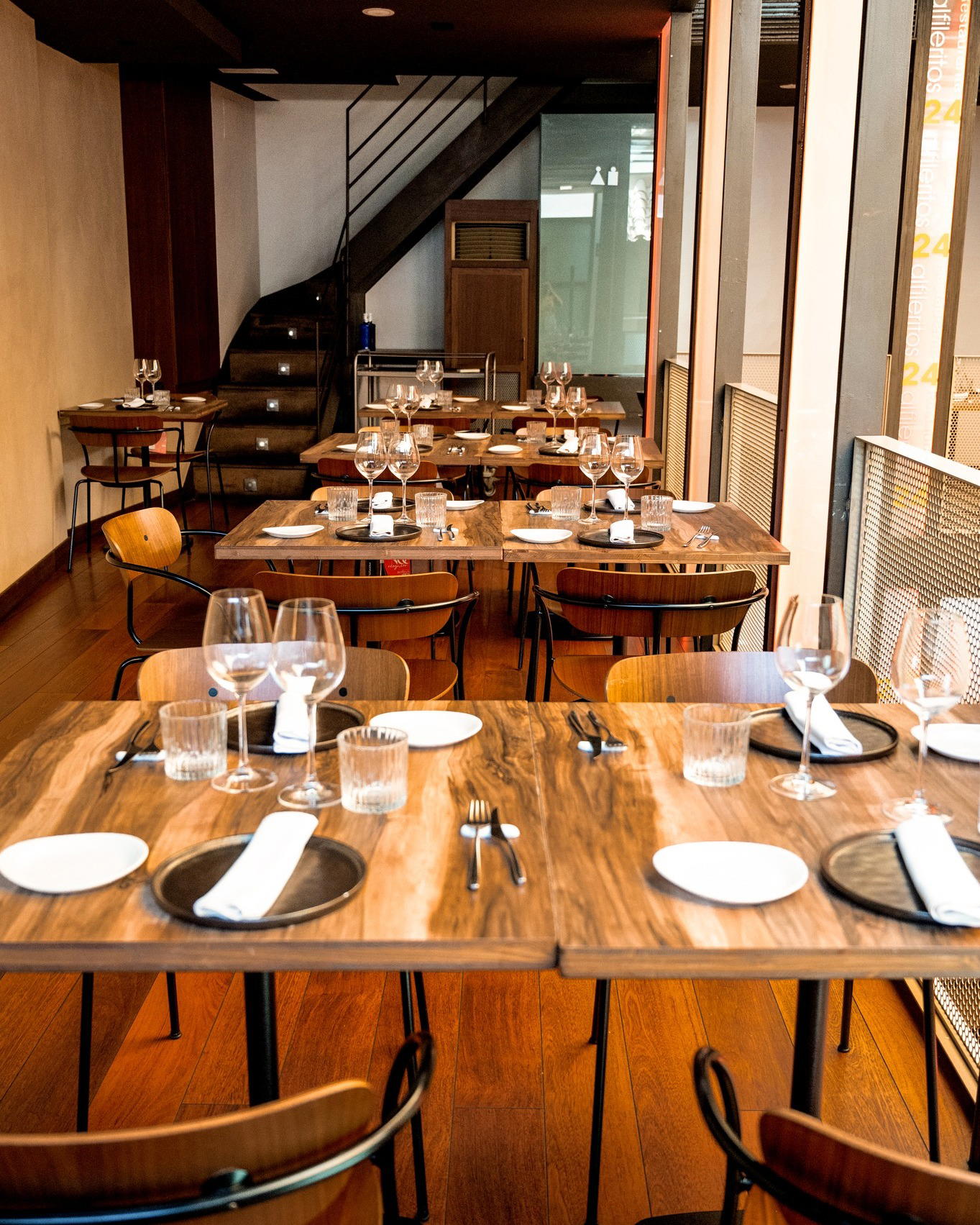
Restaurants in Toledo
Browse all →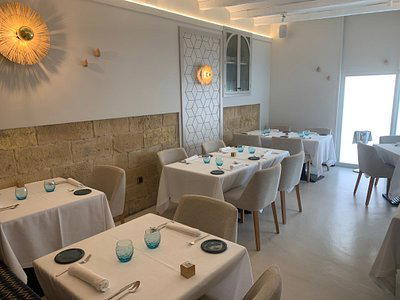
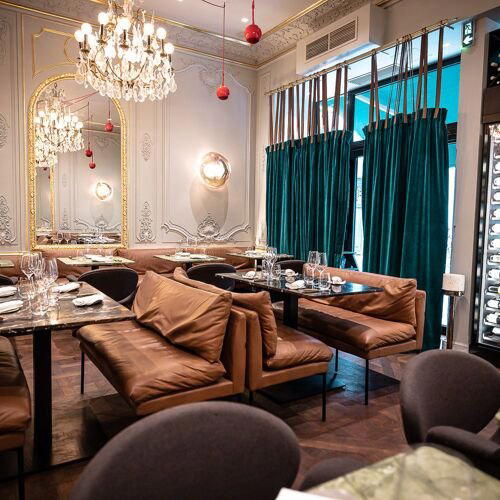
Bars in Toledo
Browse all →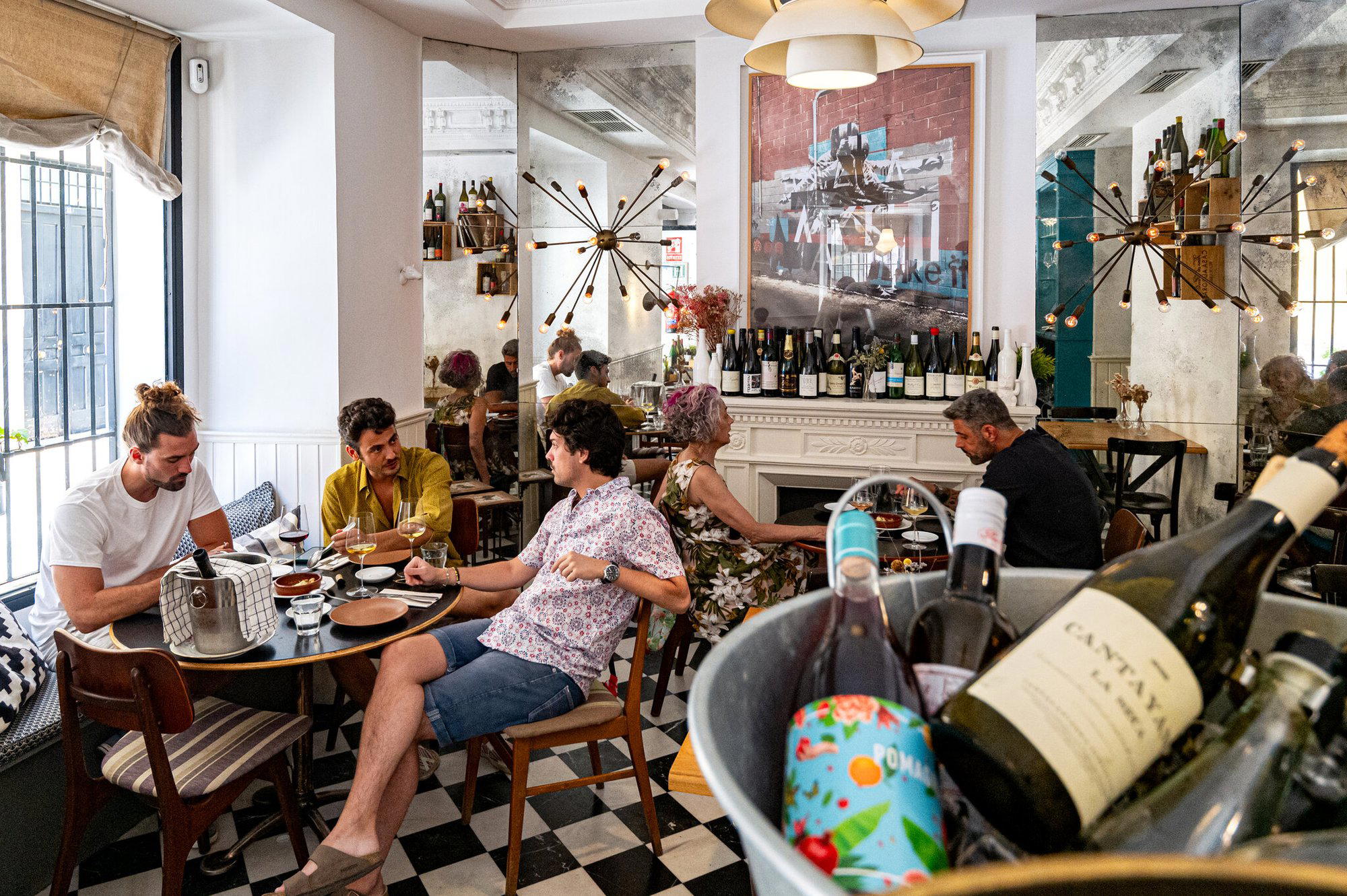
Hotels in Toledo
Browse all →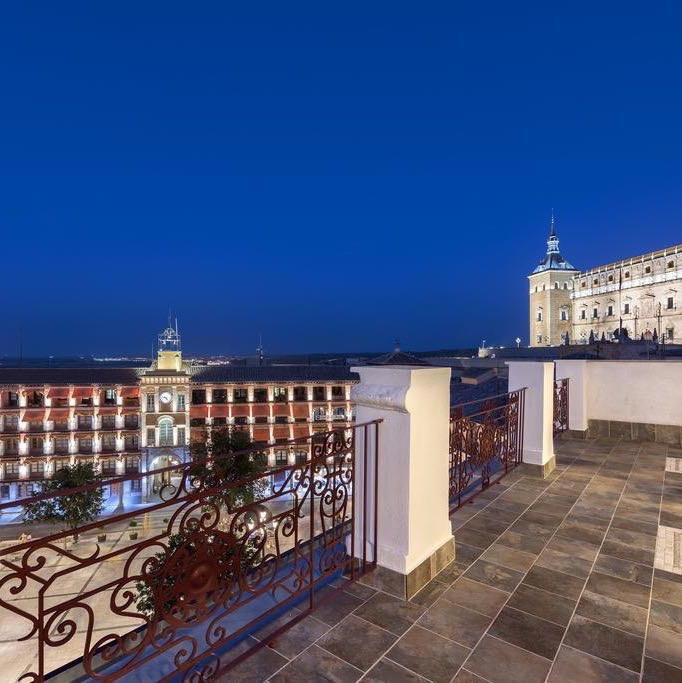


Details
- Romantic
- Elegant
- Sophisticated
- Scenic
- Minimalist
- Date Night
- Celebration
- Special Occasion
- Garden
- Panoramic View
- Historic Building
- Standalone
- Open Kitchen
- Extensive Wine List
- Sommelier Led
- Local Sourcing
- Farm To Table
- Garden
- Waterfront
- Tasting Menu
- Prix Fixe
- Regional Wines
- Local Wine Selection
- Vegetarian Friendly
- Gluten Free Options
- Allergy Accommodating
Current opening hours
- Monday
- Closed
- Tuesday
- Closed
- Wednesday
- 1:30–3 PM
- Thursday
- 1:30–3 PM
- Friday
- 1:30–3 PM, 9–10:30 PM
- Saturday
- 1:30–3 PM, 9–10:30 PM
- Sunday
- 1:30–3 PM
Hours can change for holidays and private events. Last verified .
Elegant yet minimalist décor in a spacious, bright dining room with large windows and significant table separation creating an intimate, serene atmosphere; natural light during lunch enhances the peaceful garden setting.