Our verdict
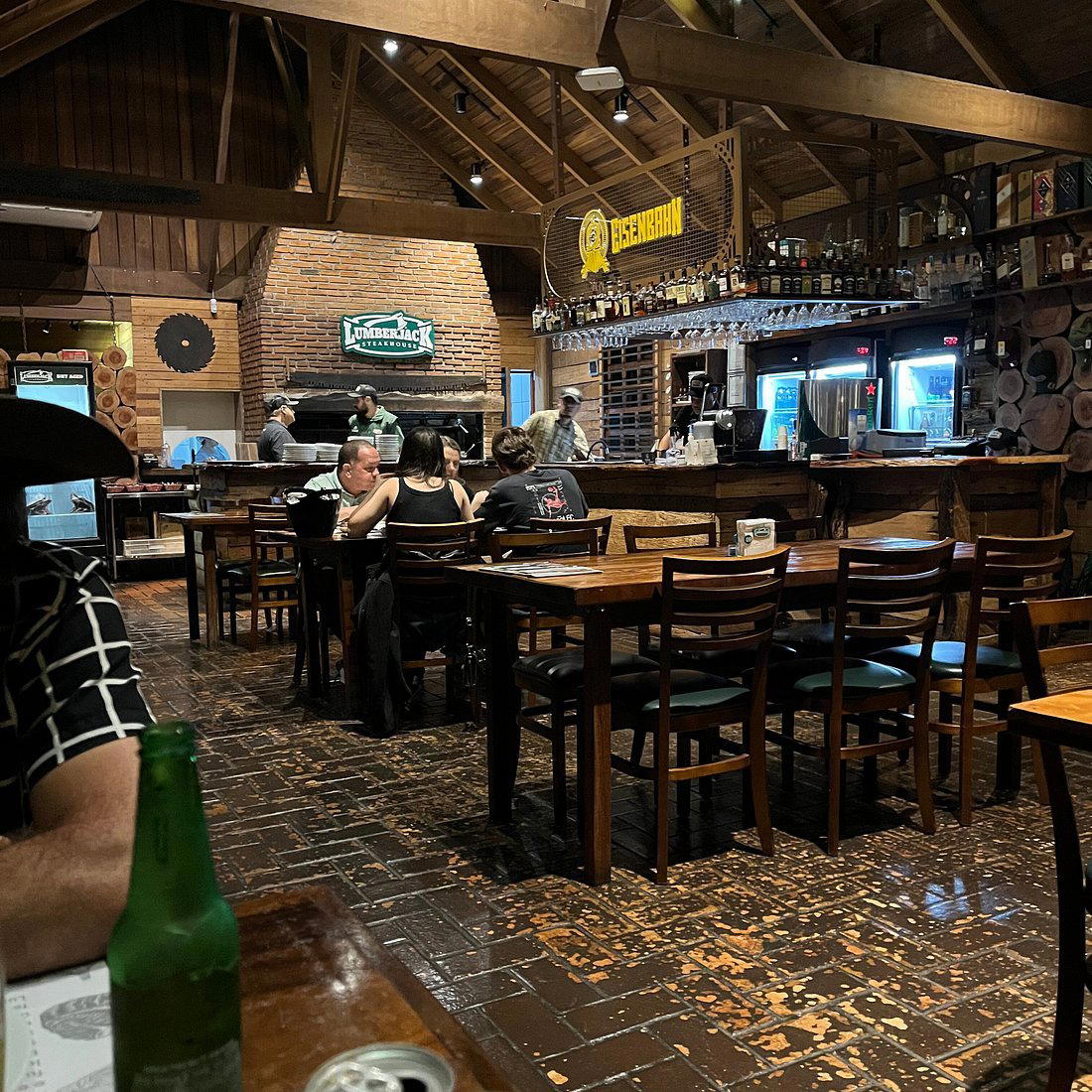
A steakhouse address on Rua Rio de Janeiro in central Cascavel, Lumberjack sits within a city where Paraná cattle country shapes what ends up on the grill. The name signals a certain directness: this is a meat-first operation in a region where the supply chain from farm to table is shorter than in Brazil's coastal centres. For visitors working through Cascavel's dining options, it belongs on the shortlist alongside the city's other grill-focused rooms.

Pearl is the En Primeur Club membership app — saves, bookings, and concierge access live there. Same editors, same standards.
Where Paraná's Cattle Country Meets the Plate
Cascavel sits in the agricultural interior of Paraná state, roughly equidistant between the Atlantic coast and the Paraguayan border, in a region where soy, corn, and cattle have shaped the economy for generations. That geography matters at the table. In Brazil's interior south, the distance between a working farm and a steakhouse kitchen is often measured in dozens of kilometres rather than hundreds, and the quality differential that results is something coastal diners rarely experience in the same way. Lumberjack Steakhouse, on Rua Rio de Janeiro in the city's Centro district, operates within that supply context — a steakhouse in a cattle region, which is a different proposition from a steakhouse in a port city importing cuts from the pampas.
The Sourcing Logic Behind Interior Paraná Grilling
Brazil's southern states — Paraná, Santa Catarina, Rio Grande do Sul, have long maintained a distinct grilling tradition that differs from the theatrical churrascaria format most international visitors encounter in São Paulo or Rio. In the interior, the emphasis tilts toward the quality and provenance of the cut itself rather than the ceremony of service. Farms in the Cascavel region raise primarily Nelore and crossbred cattle on pasture, and local steakhouses have historically had more direct access to regional producers than their urban counterparts. This creates a procurement advantage that shows up in the freshness and fat profiles of cuts served, something that institutions like D.O.M. in São Paulo have approached from a fine-dining angle, but which Cascavel's mid-market grill rooms address through proximity rather than prestige sourcing programs.
The name Lumberjack, borrowed from North American timber culture, reads as a deliberate signal of ruggedness and protein-forward directness, a branding choice that aligns with the no-ceremony approach common to interior Paraná dining. It is the kind of name that sets expectations clearly: this is not a room built around wine lists or tasting menus. It is built around the grill.
Cascavel's Dining Context
Cascavel's restaurant scene reflects the city's status as a regional commercial hub rather than a tourism destination. The dining rooms here are built for the city's own population, agribusiness professionals, families, and the working middle class of a prosperous interior city, rather than for passing visitors. That audience tends to be knowledgeable about protein quality and less patient with inflated pricing or theatrical presentation. The result is a competitive dining environment where steakhouses must justify themselves on the merits of the meat rather than on atmosphere alone.
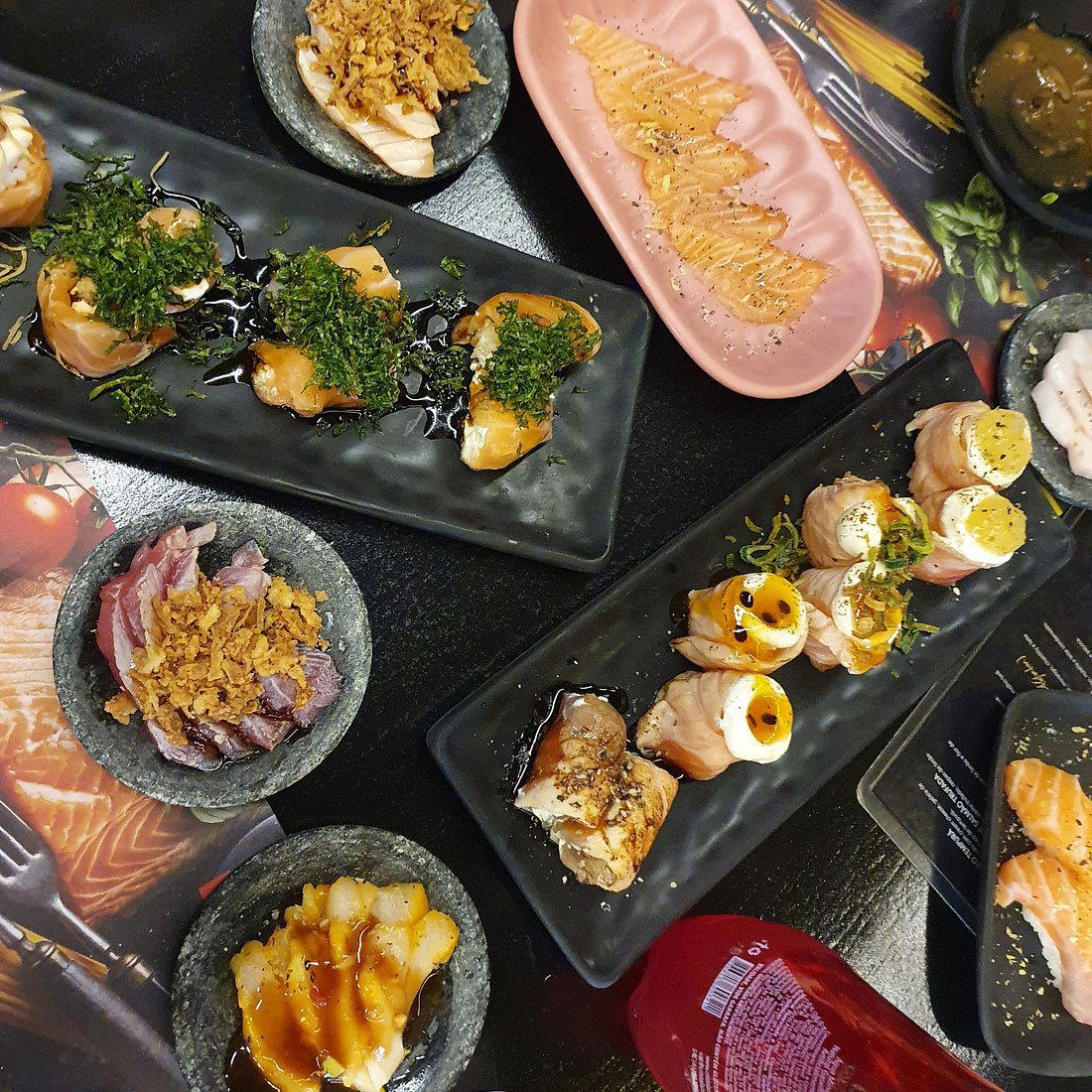
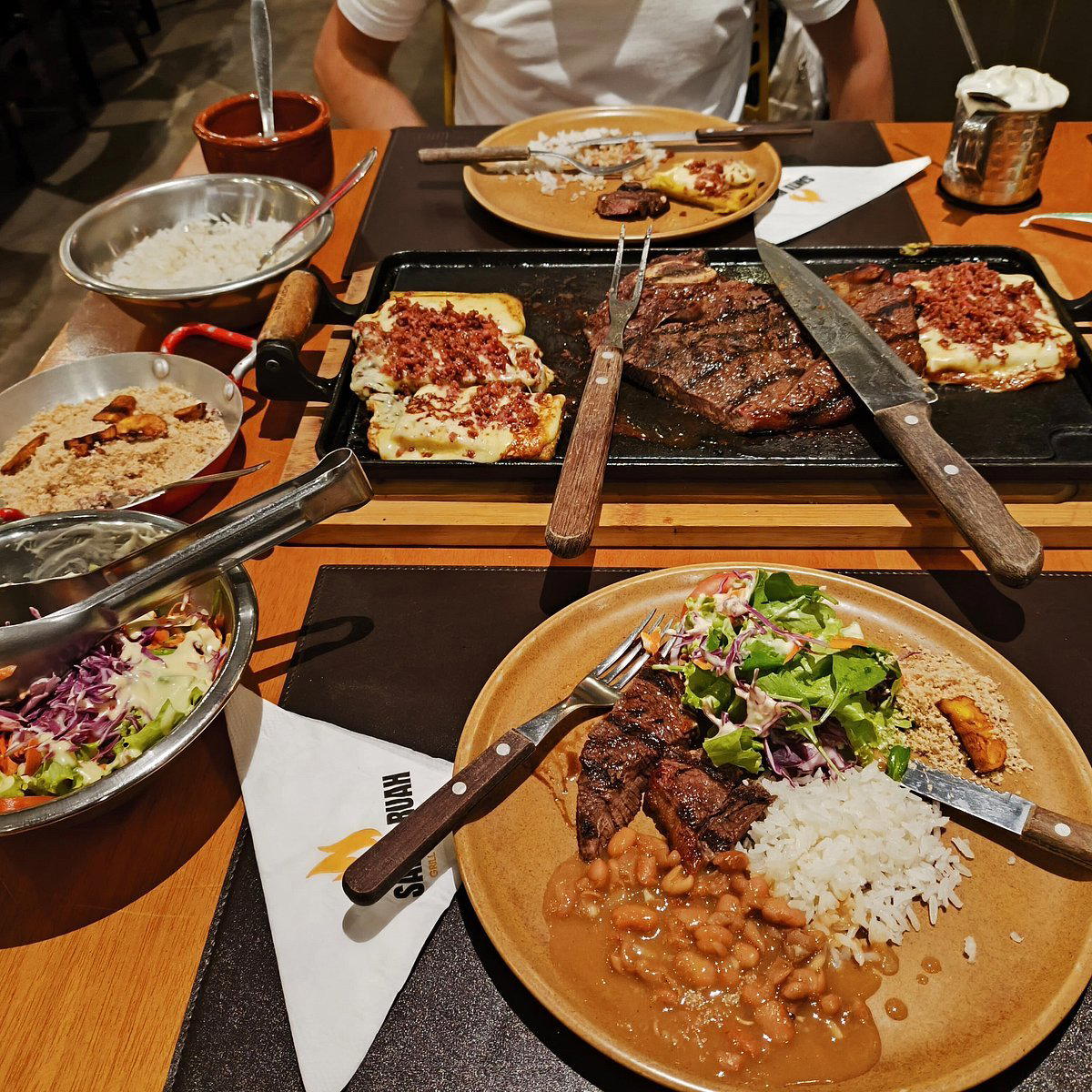
Within that environment, Lumberjack occupies the Centro address on Rua Rio de Janeiro, placing it in the commercial heart of the city rather than in the newer residential districts that have drawn some restaurant investment in recent years. Centro locations in Brazilian interior cities typically attract a lunch-driven clientele alongside evening trade, and addresses there tend to operate with a utilitarian confidence that suburban or mall-adjacent restaurants rarely achieve. For comparison, Santa Ruah - Grill & Polenta represents another angle on Cascavel's grill tradition, incorporating polenta in a way that signals deeper Italian-Brazilian settler influence in the region's food culture. Boni Sushi and Chef's Pizza House indicate that Cascavel's dining options extend well beyond the churrasco format, though grilled meat remains the category with the clearest regional identity. For a broader read of where to eat across the city, the full Cascavel restaurants guide maps the range.
How Interior Steakhouses Compare to the Brazilian Format Elsewhere
The churrascaria as a format has been exported and diluted to the point where many international visitors encounter it only in its all-you-can-eat rodízio form, which optimises for volume and efficiency over cut quality. Interior Paraná steakhouses generally sit apart from that model. The grill tradition here is closer in spirit to what one finds in Rio Grande do Sul, individual cuts ordered and cooked to specification, with the quality of the beef doing the work rather than the volume of the service. That said, Cascavel is not Gramado or Bento Gonçalves, and the restaurant infrastructure here lacks the wine-country sophistication that southern Rio Grande do Sul has developed. Venues like Aero Burguer e Grill in Santa Cruz do Sul or Cantina Pozzobon in Santa Maria reflect how interior southern Brazil balances comfort-food traditions with grill culture, each city inflecting the format slightly differently according to its settler heritage and agricultural base.
At the level of fine dining, Brazil's sourcing conversation has been transformed by restaurants like Lasai in Rio de Janeiro, which built a rigorous farm-to-table framework around native ingredients and biodynamic produce. What Cascavel's steakhouses represent is a less ideologically explicit but structurally similar relationship with local supply, sourcing from the region not as a marketing statement but as a matter of logistics and habit. Further afield, precision-sourced protein programs at restaurants like Le Bernardin in New York City or the fermentation-led ingredient philosophy at Atomix show where sourcing conversations lead when restaurant ambition and agricultural infrastructure converge at the highest level, a useful reference point for understanding how much runway Paraná's interior dining scene has if it chooses to formalise what it already does well.
Planning Your Visit
Lumberjack Steakhouse is located at Rua Rio de Janeiro, 1562, Centro, Cascavel, Paraná, a walkable address from the city's main commercial area. Cascavel is accessible by air via Cascavel Airport (CAC), with connections through São Paulo's Congonhas, and the Centro location is a short drive from the airport. Those planning a broader tour of the region's dining options should note that Casa da Picanha Penedo in Itatiaia and Bistro Fitz Carraldo in Manaus demonstrate how Brazil's interior dining rooms each carry a distinct regional character worth mapping across any serious trip through the country's non-coastal cities.
Frequently asked questions
Where exactly is Lumberjack Steakhouse?
Lumberjack Steakhouse is located at R. Rio de Janeiro, 1562 - Centro, Cascavel - PR, 85801-030, Brazil, Cascavel.
How does Lumberjack Steakhouse in Cascavel differ from churrascarias in larger Brazilian cities?
Cascavel sits in the agricultural interior of Paraná, one of Brazil's southern states with a grilling culture distinct from the rodízio-style churrascarias that dominate São Paulo and Rio de Janeiro. Interior Paraná steakhouses like Lumberjack, located at Rua Rio de Janeiro, 1562 in the city's Centro district, typically serve a clientele of regional residents rather than tourists, which shapes everything from portion logic to the beef cuts prioritised on the menu. That local orientation tends to produce a more direct relationship between farm supply and plate than the format-driven operations found in larger urban centres.
What's the signature dish at Lumberjack Steakhouse?
The menu specifics are best confirmed directly at Rua Rio de Janeiro, 1562, Centro, Cascavel.
What's the best way to book Lumberjack Steakhouse?
No phone number or website is currently listed for Lumberjack Steakhouse. The address — Rua Rio de Janeiro, 1562, Centro, Cascavel, Paraná — places it in a walkable commercial district, and for a city operating primarily as a regional hub rather than a tourist destination, walk-in visits or enquiries through local directories are the most practical options until contact details are published.
What is Lumberjack Steakhouse known for?
Lumberjack Steakhouse operates in Cascavel, a city in Paraná state whose restaurant culture is shaped by the surrounding cattle and grain farming region rather than by tourism. That context typically produces steakhouses oriented around sourcing and preparation quality over spectacle — a different register from the all-you-can-eat churrascaria format that many visitors know from São Paulo or international outposts.
Do they accommodate allergies at Lumberjack Steakhouse?
Given the venue's location in Centro, Cascavel, the most reliable course is to check the venue's official channels before visiting; specific allergen information is not something any third-party source can confirm with accuracy at this time.
Is eating at Lumberjack Steakhouse worth the cost?
No pricing data is publicly documented for Lumberjack Steakhouse, so a direct cost comparison is not possible. What can be said is that Cascavel's dining scene is built around local commercial demand rather than tourist pricing, which historically keeps steakhouse costs in the region moderate relative to equivalent cuts in Curitiba or São Paulo — though that should be verified on arrival at Rua Rio de Janeiro, 1562.
How It Stacks Up
Comparable venues nearby, for context on price, style, and recognition.
| Venue | Cuisine | Price | Notes |
|---|---|---|---|
| Lumberjack SteakhouseThis venue — the venue you are viewing | Brazilian Steakhouse Churrascaria | Not listed | Not listed |
| Chef's Pizza House | Italian Pizza Rodízio | Not listed | Cascavel |
| Santa Ruah - Grill & Polenta | Brazilian Grill & Polenta | Not listed | Aroeira |
| Boni Sushi | Japanese Sushi Rodízio | Not listed | Centro |
| La Bodega - Churrasco & Co. | Argentinean-Style Steakhouse & Churrasco | Not listed | Centro |
| Mamute Burgers | Artisanal Burgers | $10–20 | Vila A |
Continue exploring
More in Cascavel

Details
- Rustic
- Group Dining
- Celebration
- Beer Program
- A La Carte
- Beer Program
Current opening hours
- Monday
- Closed
- Tuesday
- 7–11 PM
- Wednesday
- 7–11 PM
- Thursday
- 7–11 PM
- Friday
- 7–11 PM
- Saturday
- 11:30 AM–3 PM, 7–11 PM
- Sunday
- 11 AM–3 PM
Hours can change for holidays and private events. Last verified .
Lively steakhouse atmosphere focused on hearty Brazilian BBQ dining.