Sushi in Brazil's interior has its own logic, shaped by distance from coastal ports and the improvisation that distance demands. Boni Sushi, on Rua Rio de Janeiro in central Cascavel, operates within that tradition: a neighbourhood Japanese restaurant in a city better known for agribusiness than raw fish, serving a dining public that has developed genuine appetite for the format over decades.
Pearl is the En Primeur Club membership app — saves, bookings, and concierge access live there. Same editors, same standards.
- Address
- R. Rio de Janeiro, 1986 - Centro, Cascavel - PR, 85801-031, Brazil
- Phone
- +5545999361918
- Website
- bonisushi.com.br
- Directions
- Get directions
 Saves & bookings on Pearl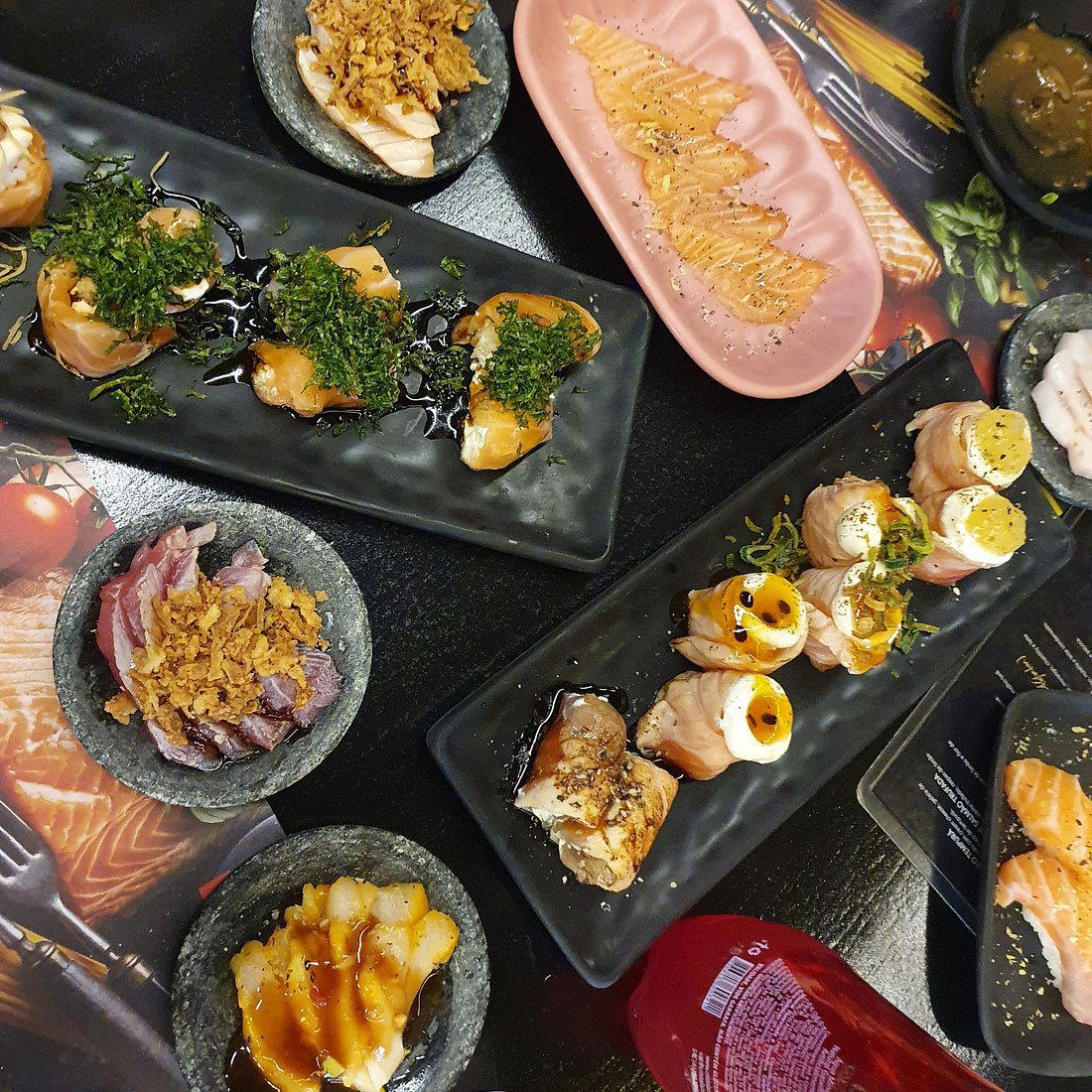
Japanese cuisine, 600 kilometres from the coast
Cascavel sits in the western stretch of Paraná, a state that grows more soybeans and corn than it does seafood. The nearest major port is roughly 600 kilometres away, and yet the city has sustained a Japanese restaurant culture that traces back to the postwar immigration wave that seeded Paraná's interior with Nikkei communities. That demographic history is why sushi restaurants appear in cities like Cascavel at all, and why the format here carries a different set of assumptions than what you'd encounter at a counter in São Paulo's Liberdade district or at destination-driven rooms like Oteque in Rio de Janeiro or D.O.M. in São Paulo.
Interior Brazilian sushi does not compete on the same axis as coastal fine dining. It competes on consistency, familiarity, and the ability to source fish, flown in refrigerated from Guarujá, Santos, or São Paulo's CEAGESP market, that arrives in acceptable condition two or three times a week. The kitchen's skill is as much logistical as culinary: knowing which cuts hold across a cold chain that metropolitan restaurants never have to think about. Boni Sushi, at Rua Rio de Janeiro 1986 in the Centro district, operates in this environment.
Sourcing fish inland: the constraint that defines the cooking
The ingredient question is the defining one for any sushi operation in Brazil's interior. Coastal counters in São Paulo or Rio can receive same-day product from Santos or Niterói; the math works. In Cascavel, the fish that lands on a plate has likely been in transit for the better part of a day, which concentrates the kitchen's attention on species that travel well, salmon, which is imported Norwegian stock in any case and behaves predictably regardless of geography, tuna loins that are frozen at sea and thawed to order, and cooked or cured preparations that sidestep freshness anxiety entirely.
This is not a compromise distinctive to Cascavel. Across Brazil's interior cities, Londrina, Maringá, Campo Grande, Japanese restaurants have developed menus weighted toward hot preparations, gratinated rolls, and cream-cheese embellishments that reflect what the supply chain allows rather than what Japanese tradition prescribes. The result is a Brazilian-Japanese hybrid format with its own internal logic, distinct from what you'd find at a minimalist counter in Tokyo's Ginza or in the more restrained rooms now emerging in Brazil's larger urban centres. For a sense of how the more ingredient-driven end of Brazilian restaurant cooking operates, Birosca S2 in Belo Horizonte and Mina in Campos do Jordão offer useful reference points, though they operate in a different idiom entirely.
Cascavel's dining context
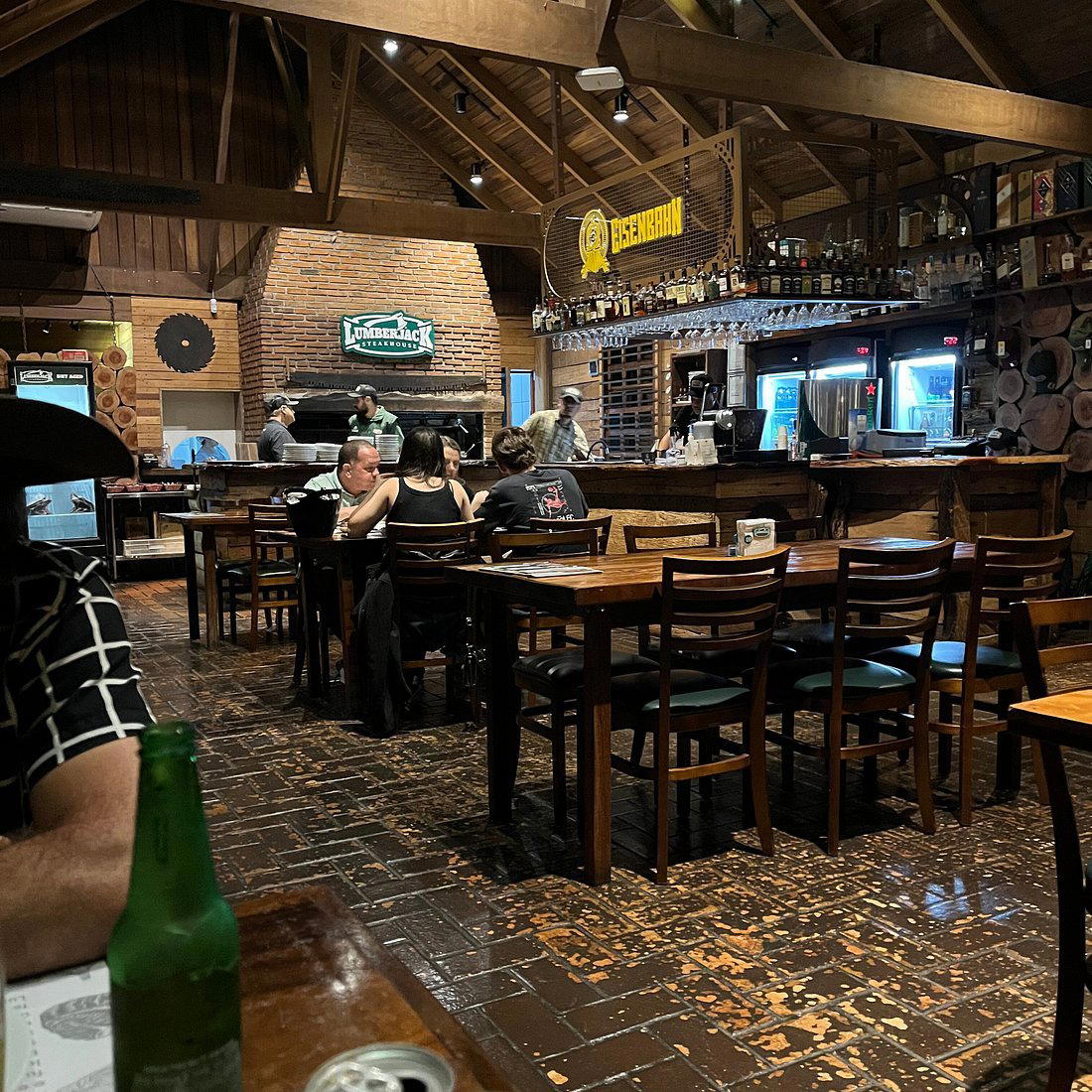
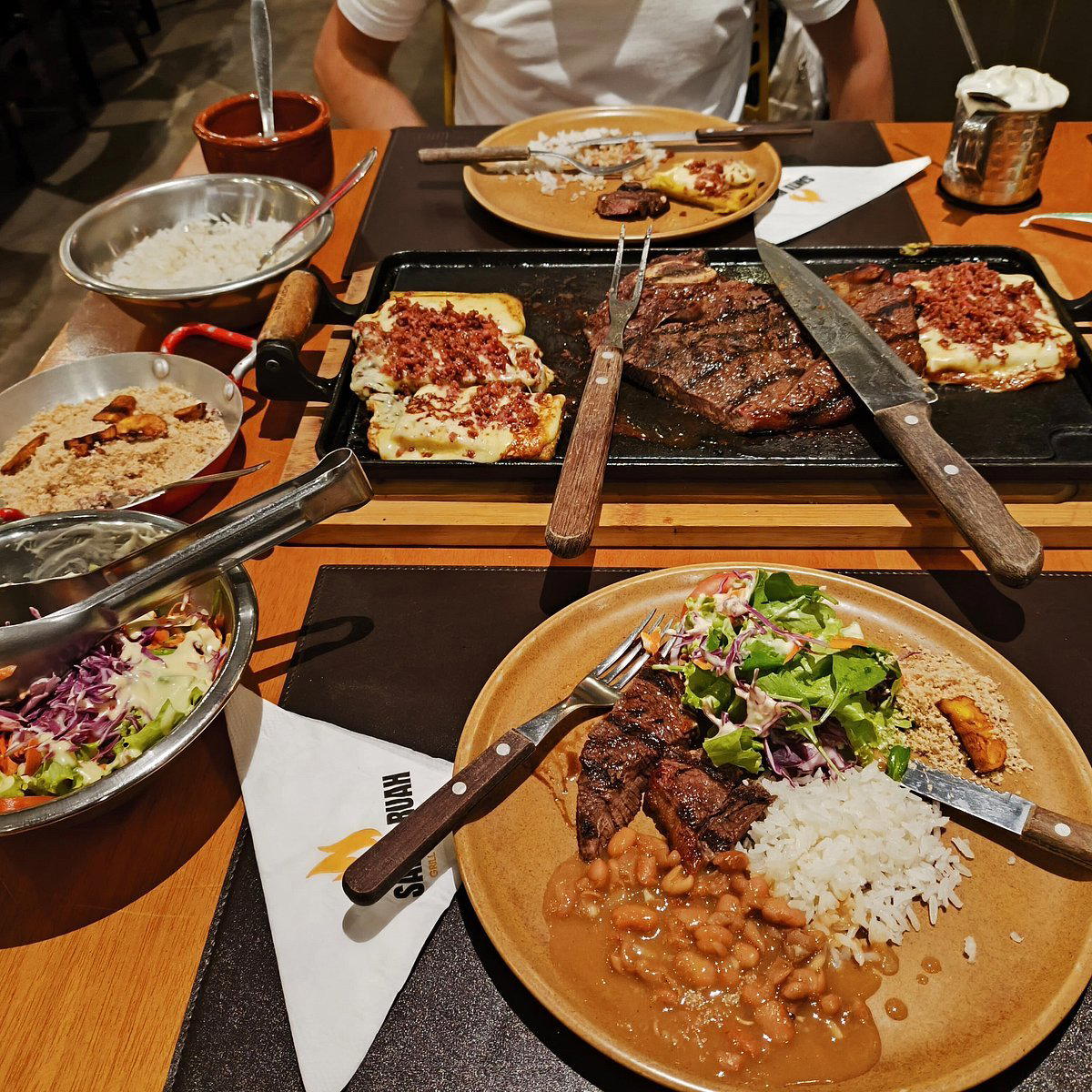
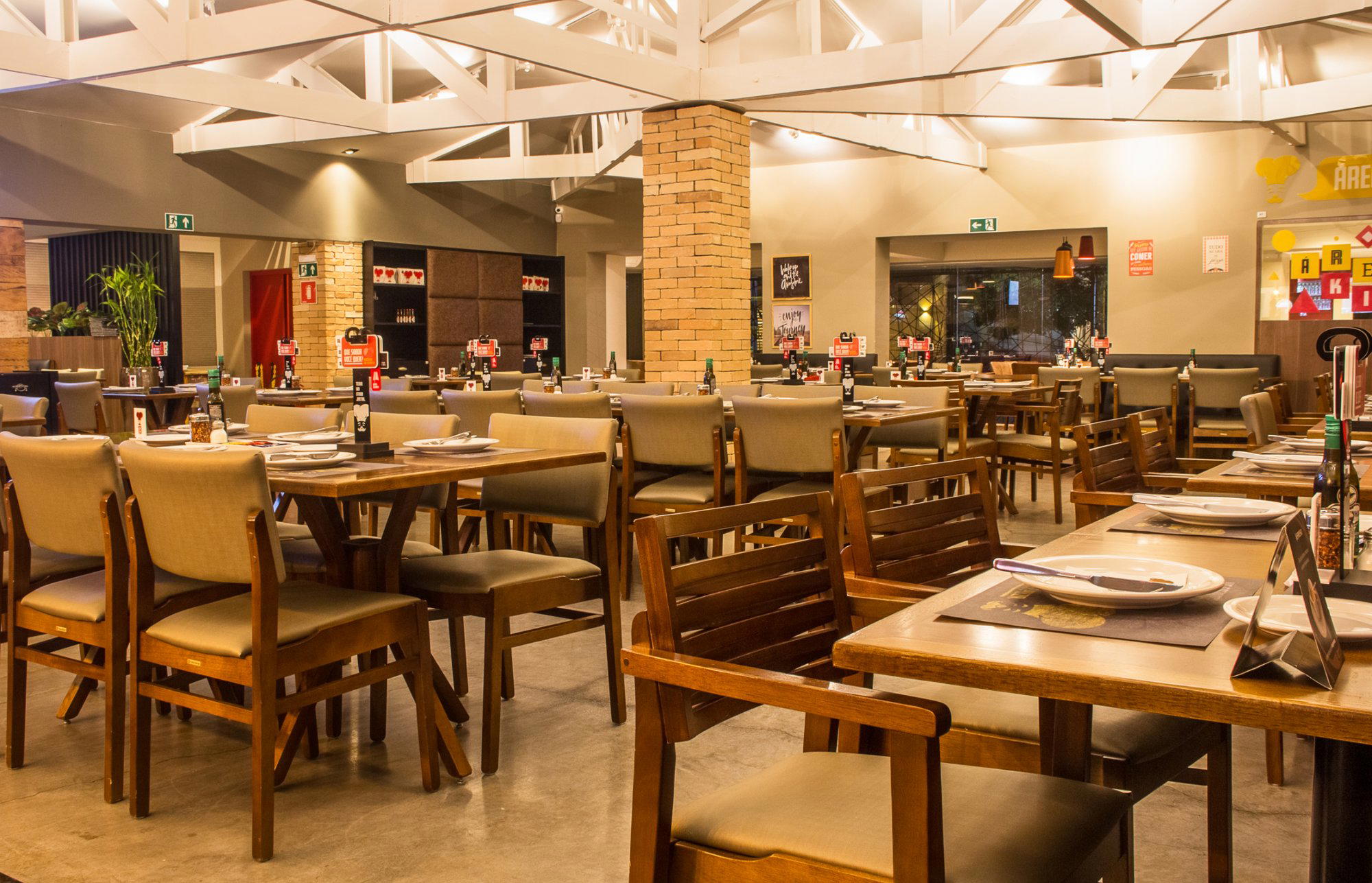
The city's food scene is anchored by the proteins its surrounding agribusiness produces: beef, pork, and chicken dominate menus across price points. Lumberjack Steakhouse and Santa Ruah - Grill & Polenta represent the grilled-meat tradition that sits at the centre of Cascavel's dining culture, while Chef's Pizza House addresses the Italian-immigrant cooking that is, alongside Japanese food, one of Paraná's two great immigrant food traditions. Japanese restaurants occupy a specific niche within this landscape: they serve a local middle-class audience that grew up eating temaki at shopping-centre food courts and now expects the format as a regular dining option, not an occasion meal.
That positions Boni Sushi as a neighbourhood operation rather than a destination. Its address in Centro places it close to Cascavel's commercial core, accessible to lunch trade and to early-evening diners who want something lighter than a rodízio or a steak. For the broader context of where Cascavel's dining is heading, the Cascavel restaurants guide maps the city's options across categories.
Brazilian sushi as its own tradition
It is worth setting expectations clearly: the sushi that Boni Sushi and its peers serve in cities like Cascavel is not attempting to replicate the omakase tradition of Tokyo, nor the premium imported-product counters that have taken root in São Paulo's Itaim Bibi or Jardins neighbourhoods. It is a Brazilian form with its own conventions, rolls built around cream cheese and fruit alongside raw fish, soy sauce heavier than Japanese varieties, and a service rhythm that matches Brazilian restaurant culture rather than Japanese counter formality.
This is not a diminishment. Brazilian-Japanese food is a genuine culinary tradition with more than a century of development behind it, concentrated most densely in Paraná and São Paulo state. The Nikkei communities of interior Paraná adapted Japanese techniques to local produce and local taste over generations, and what emerged is something that belongs to both traditions without being reducible to either. Restaurants in Brazil's northeast that draw on Afro-Brazilian sourcing traditions, like Manga in Salvador or Orixás North Restaurant in Itacaré, demonstrate how regional ingredient identity shapes food cultures; the Nikkei interior tradition operates by the same logic, just through a different set of raw materials and historical pressures.
For readers whose reference point is a room like Le Bernardin in New York City or Lazy Bear in San Francisco, the comparison set is simply different. Interior Brazilian sushi and metropolitan fine dining are answering different questions for different audiences, and evaluating one by the standards of the other produces a category error.
Planning a visit
The restaurant is at Rua Rio de Janeiro 1986, Centro, Cascavel, PR, postal code 85801-031. Centro is walkable from the city's main commercial streets, and the address is accessible by car with street parking typical of the neighbourhood. Check current hours and availability before visiting. For visitors coming from elsewhere in Paraná, Manu in Curitiba and Olivetto Restaurante E Enoteca in Campinas sit at different points on the regional dining spectrum and are worth noting as part of any broader Paraná or south Brazil itinerary. Visitors to the south Brazil region more broadly might also consider Primrose in Gramado or Castelo Saint Andrews in Vale do Bosque for the Serra Gaúcha wine country contrast. For those moving through the north, Lobby Café in Belém and State of Espírito Santo in Rio Bananal represent how ingredient sourcing shapes identity in entirely different regional contexts.
At-a-Glance Comparison
Comparable venues nearby, for context on price, style, and recognition.
| Venue | Cuisine | Price | Notes |
|---|---|---|---|
| Boni SushiThis venue — the venue you are viewing | Japanese Sushi Rodízio | $$ | Not listed |
| Chef's Pizza House | Italian Pizza Rodízio | $$ | Cascavel |
| Santa Ruah - Grill & Polenta | Brazilian Grill & Polenta | $$ | Aroeira |
| Lumberjack Steakhouse | Brazilian Steakhouse Churrascaria | $$ | Centro |
| C7 Sushi | Contemporary Japanese Sushi | $$$ | Vila A |
| Koni Store | Japanese Hand Rolls (Konis) | $ | Asa Sul |
Continue exploring
More in Cascavel
At a Glance
- Cozy
- Dinner
Current opening hours
- Monday
- 7–11:30 PM
- Tuesday
- 7–11:30 PM
- Wednesday
- 7–11:30 PM
- Thursday
- 7–11:30 PM
- Friday
- 7–11:30 PM
- Saturday
- 7–11:30 PM
- Sunday
- Closed
Hours can change for holidays and private events. Last verified .
Cozy (conchegante) atmosphere with cheerful staff.