Santa Ruah - Grill & Polenta sits on Avenida Brasil in central Cascavel, Paraná, anchoring the city's grilled-meat and polenta tradition in a format that reflects the region's deep Italian and gaucho culinary roots. The name alone signals a dual commitment: open-fire cookery alongside the cornmeal staple that defines southern Brazilian interior dining. For visitors reading the city's restaurant scene, it belongs to the same practical, meat-forward tier as Lumberjack Steakhouse and Chef's Pizza House.
Pearl is the En Primeur Club membership app — saves, bookings, and concierge access live there. Same editors, same standards.
- Address
- Av. Brasil, 7654 - Centro, Cascavel - PR, 85810-001, Brazil
- Phone
- +554532256480
- Website
- santaruahcascavel.com.br
- Directions
- Get directions
 Saves & bookings on Pearl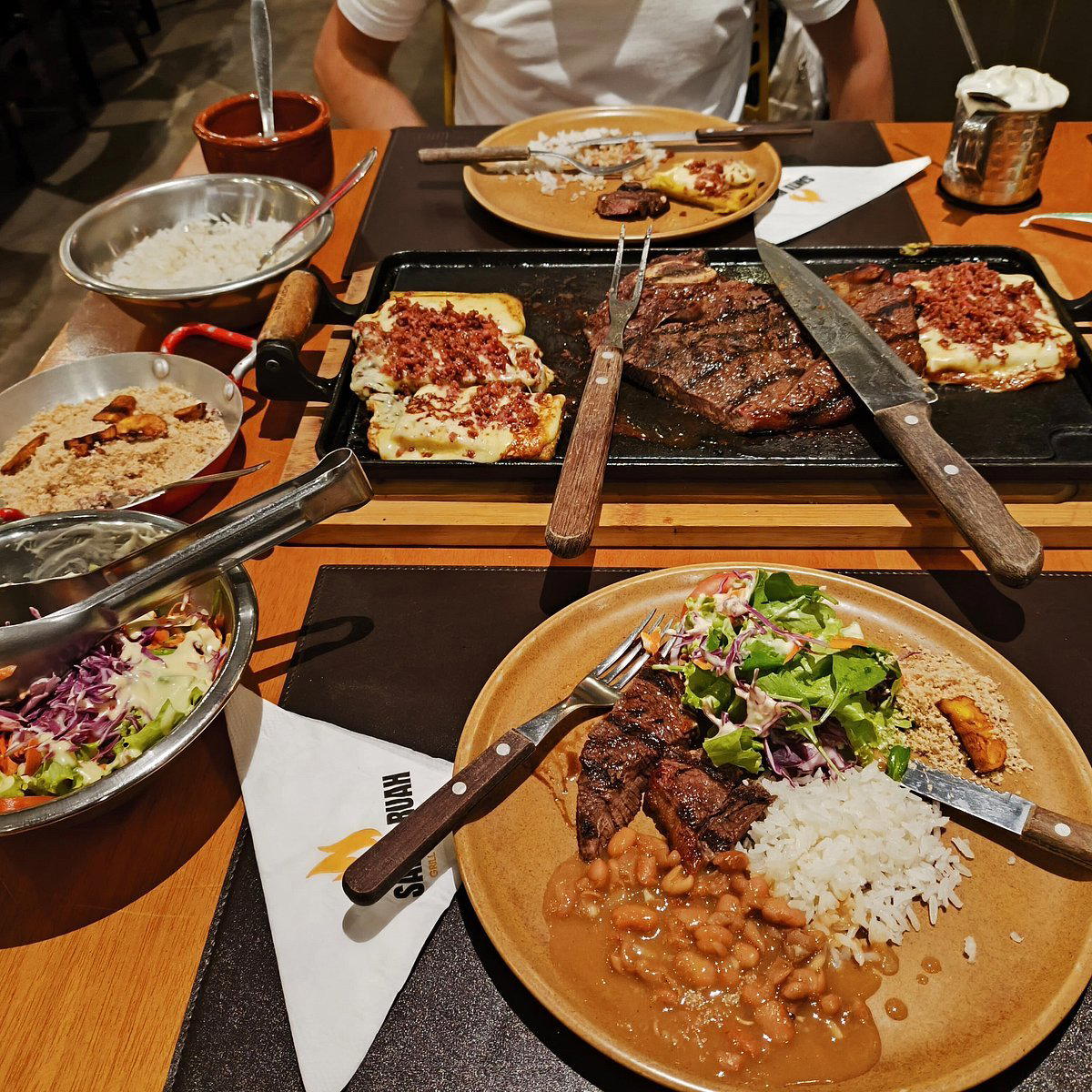
Where Southern Brazilian Grain Meets Open Fire
On Avenida Brasil, the commercial spine running through central Cascavel, the city's appetite for grilled meat and polenta is a long-standing part of daily dining. Paraná's interior cities have built their food culture around a few reliable pillars: the Italian immigrant tradition of polenta as a daily staple, the gaucho influence that pushed wood-fired grilling deep into the south-central interior, and a local preference for direct, generous portions over elaborate presentation. Santa Ruah - Grill & Polenta sits inside that tradition, with an address at Av. Brasil, 7654 that places it squarely in the Centro district where working restaurants, not destination-dining experiments, define the offer.
The pairing of grill and polenta in the name is not decorative. In the culinary geography of Paraná and neighbouring Rio Grande do Sul, these two elements developed alongside each other across generations of Italian settler communities. Polenta arrived with immigrants from Veneto and Lombardy in the late 19th century, and its adoption as a side or base for grilled meats became one of the defining features of the region's table. Restaurants that hold both seriously, rather than treating polenta as an afterthought to a steakhouse menu, occupy a specific position in that lineage. The combination also explains why Cascavel's grilled-meat offer differs structurally from the churrascos of Porto Alegre or the rodízio format that São Paulo made mainstream. Here the emphasis is on the plate itself, not the tableside spectacle.
Cascavel's Meat Tradition and Its Regional Context
Cascavel sits in western Paraná, roughly equidistant between Foz do Iguaçu and Curitiba, at an elevation and latitude that produce a climate closer to the Rio Grande do Sul highlands than to coastal Brazil. That geography has always shaped what people eat. Cattle were central to the economy of the region's agricultural expansion, and the habits of the interior, salt, fire, and grain, became the vocabulary of local cooking. In that context, a grill-and-polenta restaurant is not a concept restaurant; it is a document of how this part of Brazil eats.
Compared to Cascavel's other notable addresses, the positioning is distinct. Boni Sushi represents the city's appetite for Japanese technique, a separate current in Brazilian food culture driven by the country's large Japanese-Brazilian population. Chef's Pizza House and Lumberjack Steakhouse occupy the international-format end of the local market. Santa Ruah occupies different ground: the intersection of indigenous regional habit and European inheritance that defines what Paraná's interior actually eats day to day, rather than what it imports from global formats.
That distinction matters when placing the restaurant in a Brazilian context. At the high end of the national scene, restaurants like D.O.M. in São Paulo and Lasai in Rio de Janeiro have made the case for Brazilian ingredients at an international level. Regional tradition at the interior level operates on an entirely different register, not aspirational fine dining, but a kind of culinary self-sufficiency that neither needs nor seeks that validation. Santa Ruah belongs to the latter mode.
The Polenta Question
Southern Brazil's relationship with polenta is serious enough that local diners hold clear opinions on texture, cooking method, and accompaniment. The spectrum runs from a loose, almost porridge-like preparation eaten with stewed meats to a firmer, sliceable version that can be grilled or fried. The gaucho tradition favours the grilled slab as a counterpart to churrasco cuts; the more Venetian-influenced tradition of the farming interior tends toward the soft preparation alongside braised or roasted meats. A restaurant that names polenta in its title is making a commitment about which part of that spectrum it occupies, and signalling to local diners that this is not a garnish but a structural element of the plate.
Across the region, this tradition surfaces in different forms. Cantina Pozzobon in Santa Maria and Aero Burguer e Grill in Santa Cruz Do Sul reflect how the Italian-immigrant food tradition has spread across Rio Grande do Sul and southern Paraná in varying registers. The fact that Cascavel supports a named grill-and-polenta format rather than absorbing the dish silently into a broader menu is itself a signal about local appetite, and local expectation.
Planning a Visit
Santa Ruah operates from its Centro address at Av. Brasil, 7654 in the 85810-001 postcode, a location that makes it accessible from most parts of central Cascavel without requiring specific navigation. The Centro district hosts a concentration of working restaurants serving the city's commercial and residential population, which means the environment skews local rather than tourist-facing. The restaurant is at Av. Brasil, 7654 in Centro and is open Monday to Saturday for lunch and dinner, with Sunday closed. Cascavel is served by Cascavel Airport (CAC) for regional connections, and the city is accessible by road from Foz do Iguaçu (approximately 150 km west) and Curitiba (approximately 500 km east).
For visitors building a broader itinerary across Brazil's interior dining scene, the regional context extends to comparable formats in other cities: Casa da Picanha Penedo in Itatiaia, Bistro Fitz Carraldo in Manaus, and Casa da Flor Restaurante in Dourados each reflect how Brazil's interior cities have developed their own distinct dining registers. Further reference points include Casa da Dika Restô e Eventos in Bragança, Famosa Pizza in Ribeirão Preto, Fornazzo Pizzaria in Passo Fundo, Kampeki Sushi in Canoas, and Arte e Café Imperial - Matriz in Angra dos Reis. Le Bernardin in New York City and Atomix in New York City for contrast.
Cost and Credentials
Comparable venues nearby, for context on price, style, and recognition.
| Venue | Cuisine | Price | Notes |
|---|---|---|---|
| Santa Ruah - Grill & PolentaThis venue — the venue you are viewing | Aroeira, Brazilian Grill & Polenta | $$ | Not listed |
| Chef's Pizza House | Cascavel, Italian Pizza Rodízio | $$ | Not listed |
| Boni Sushi | Centro, Japanese Sushi Rodízio | $$ | Not listed |
| Lumberjack Steakhouse | Not listed | $$ | Centro, Brazilian Steakhouse Churrascaria |
| Choupana da Vila Restaurante | Toledo, brazilian | Not listed | Not listed |
| Lobby Café | Brazilian Café | $$ | Not listed |
Continue exploring
More in Cascavel
Restaurants in Cascavel
Browse all →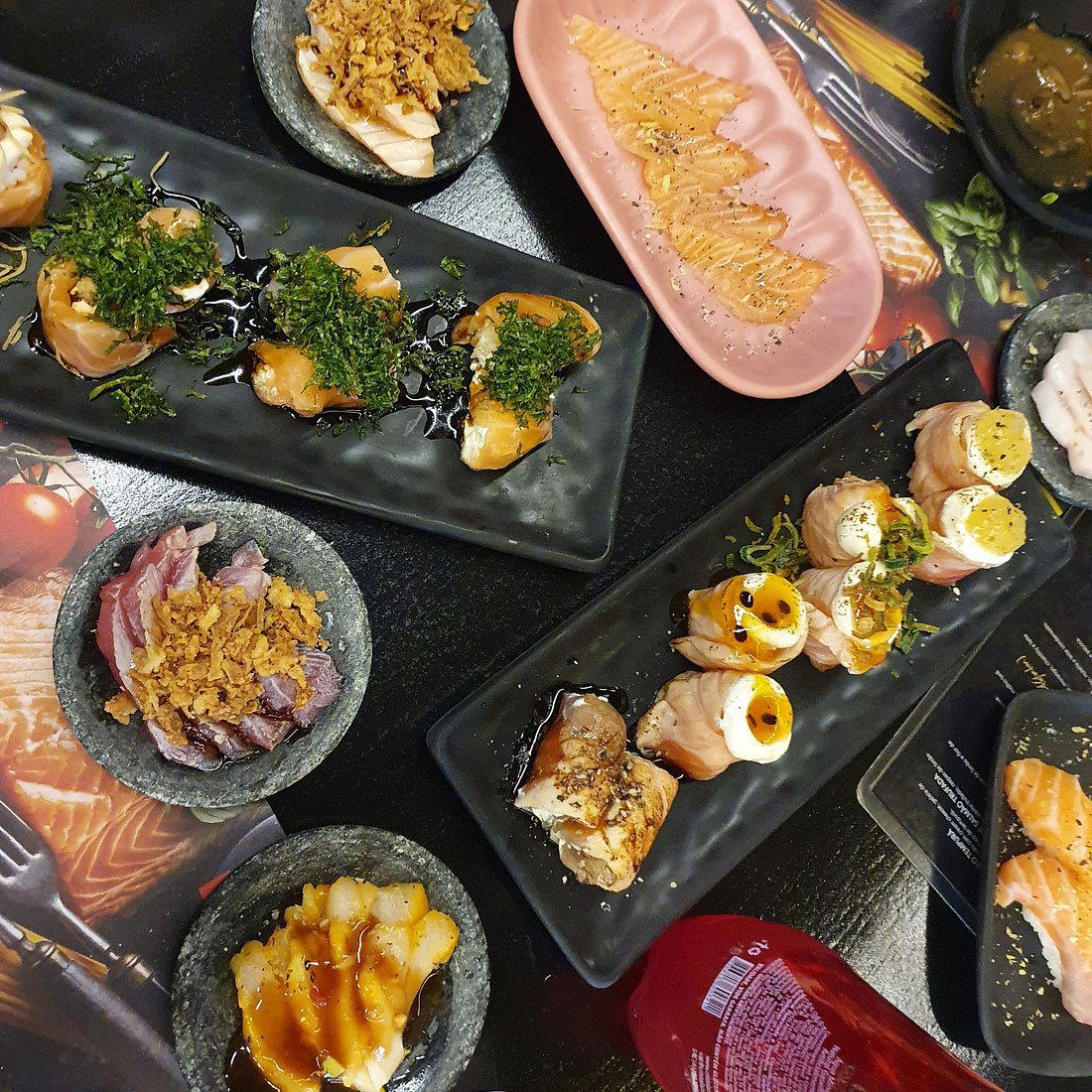
At a Glance
- Cozy
- Rustic
- Casual Hangout
- Group Dining
- Open Kitchen
- Local Sourcing
Current opening hours
- Monday
- 11 AM–2 PM, 6–10:30 PM
- Tuesday
- 11 AM–2 PM, 6–10:30 PM
- Wednesday
- 11 AM–2 PM, 6–10:30 PM
- Thursday
- 11 AM–2 PM, 6–10:30 PM
- Friday
- 11 AM–2 PM, 6–10:30 PM
- Saturday
- 11 AM–2 PM, 6–10:30 PM
- Sunday
- Closed
Hours can change for holidays and private events. Last verified .
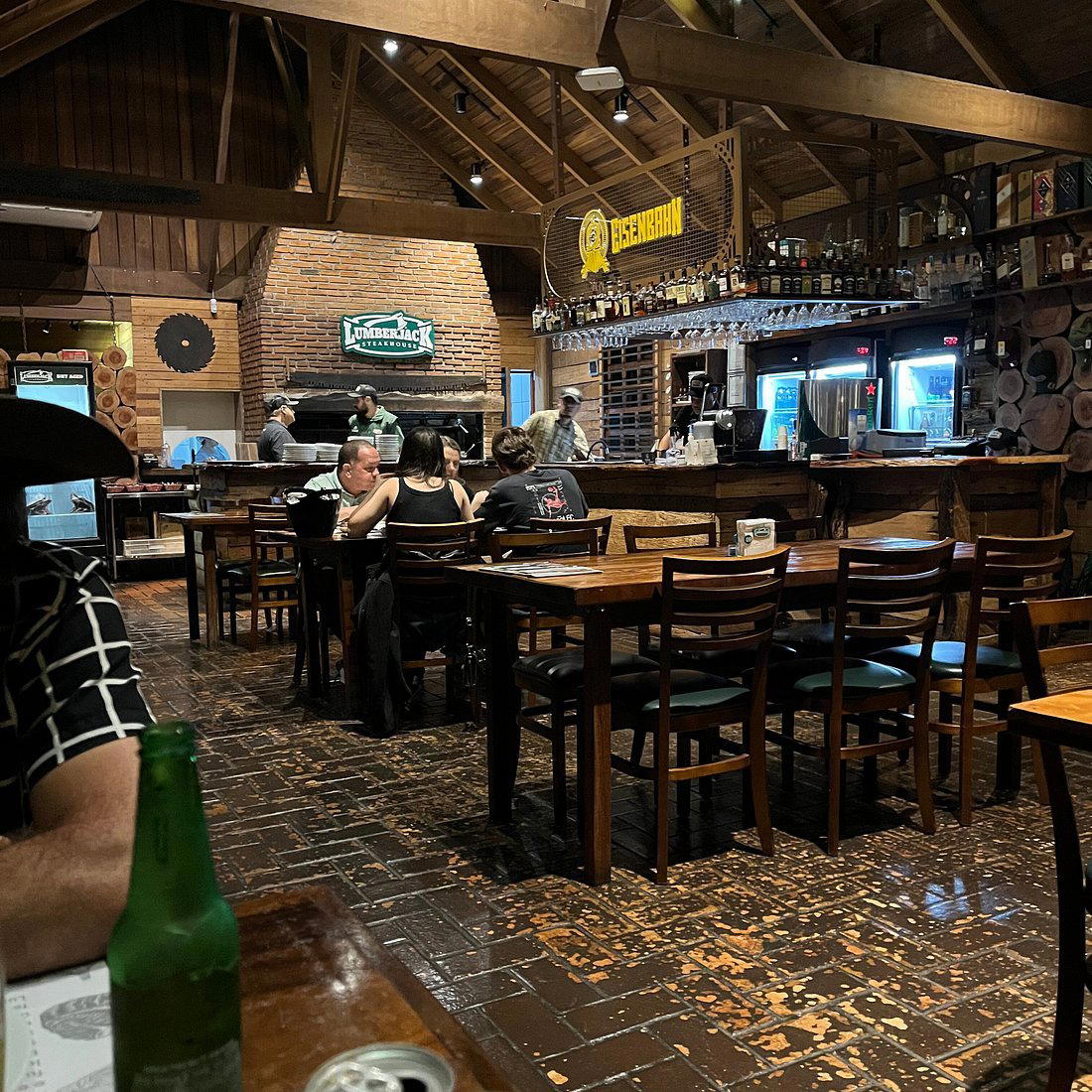
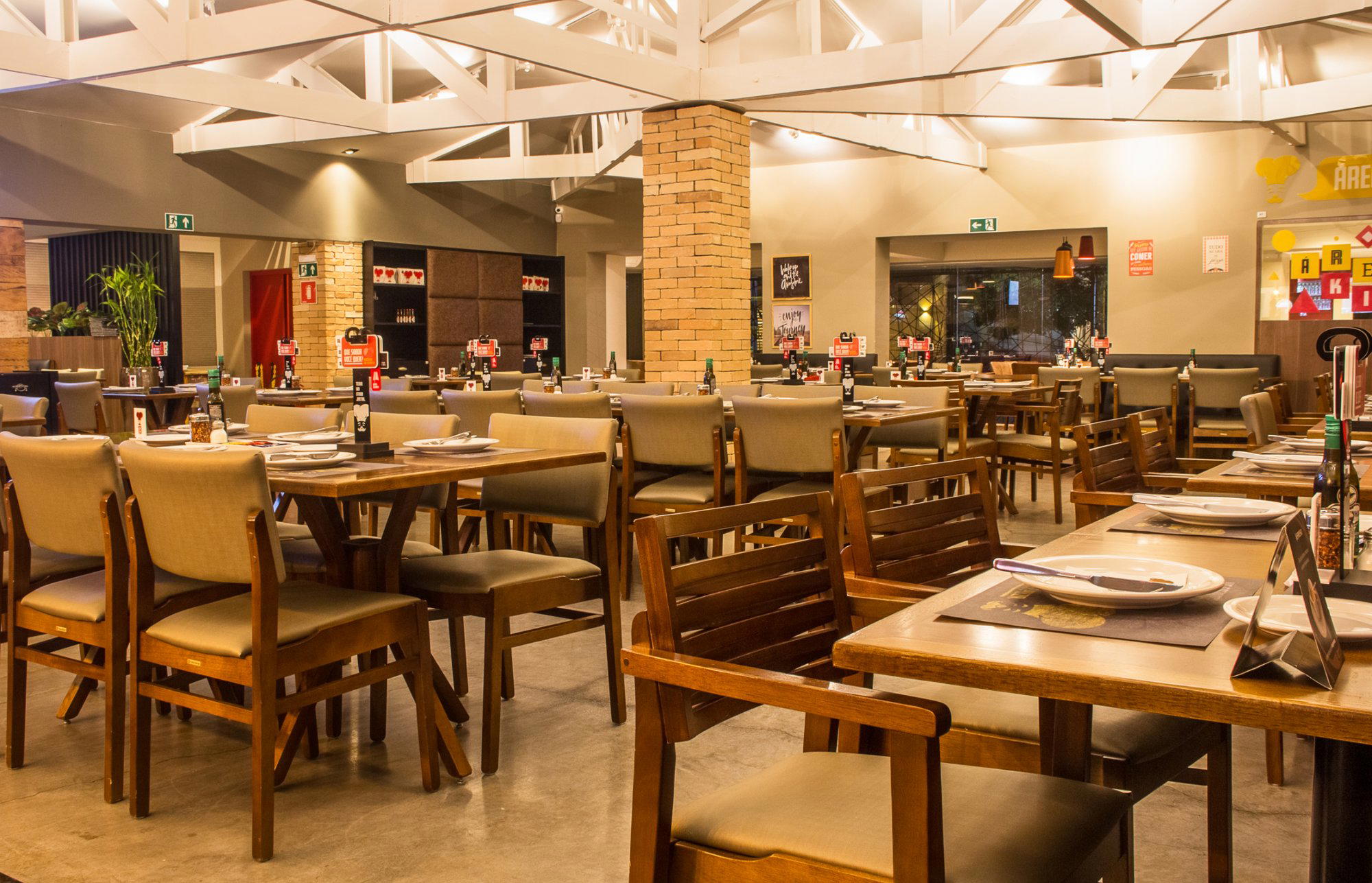
Aconchegante internal environment with pleasant outdoor area, providing a descontraído atmosphere.