Chocolade Fabric sits on Geelsebaan in Kasterlee, Belgium, placing it within a small-town dining scene that has quietly developed a range of serious food destinations. As the name suggests, chocolate is central to what happens here, making it a distinct proposition in a municipality where farm-to-table restaurants and creative French kitchens set the local benchmark. For visitors building a day around Kasterlee's food offerings, it occupies a specialist niche that the broader dining options in the area do not replicate.
Pearl is the En Primeur Club membership app — saves, bookings, and concierge access live there. Same editors, same standards.
- Address
- Geelsebaan 98, 2460 Kasterlee, Belgium
- Phone
- +32498329169
- Website
- dechocoladefabric.shop
- Directions
- Get directions
 Saves & bookings on Pearl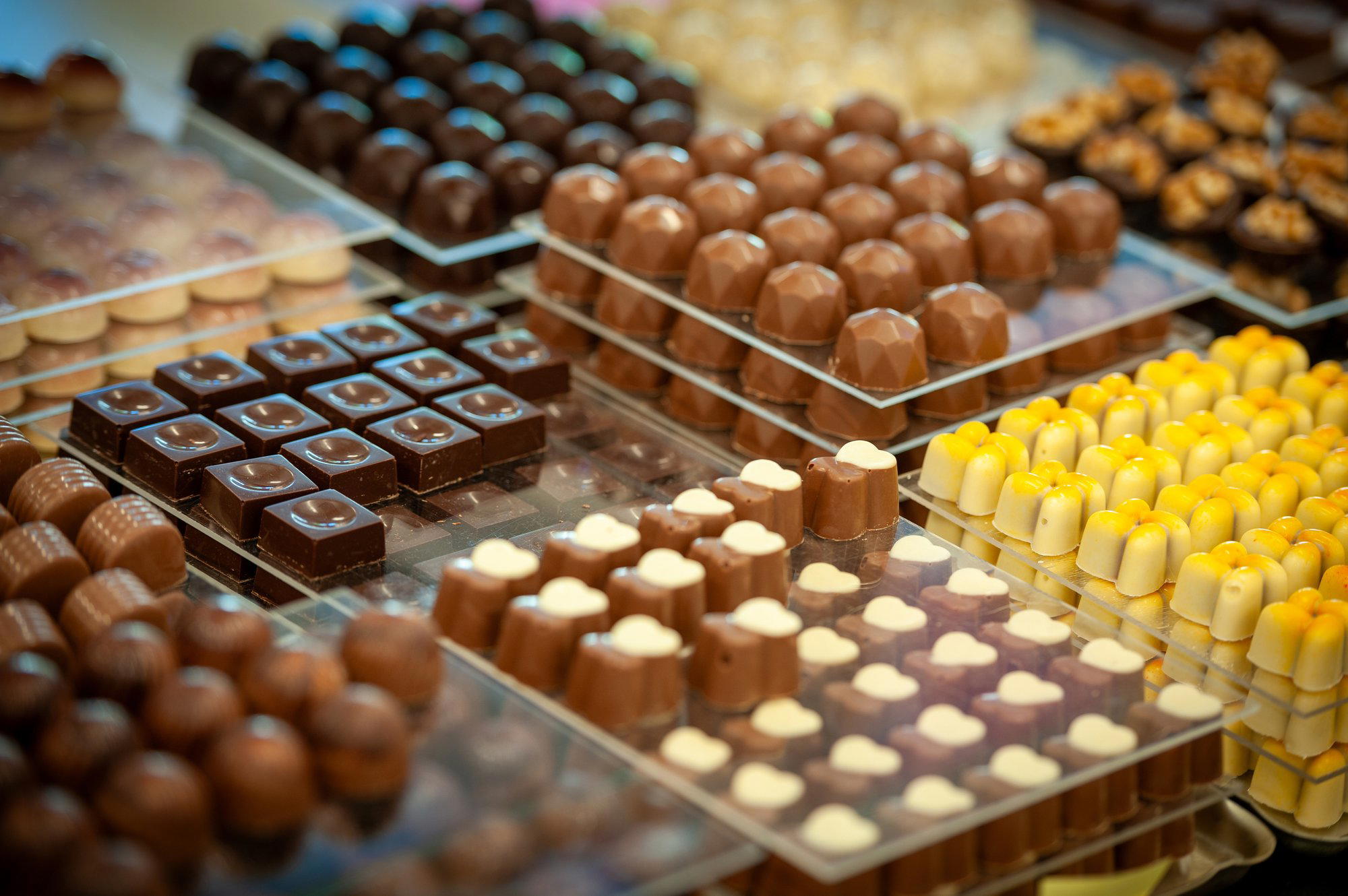
Chocolate as a Destination: Kasterlee's Specialist Niche
Small Belgian towns rarely anchor a food trip on a single ingredient, but Kasterlee has the infrastructure to make that argument. The municipality hosts a range of dining formats, from the farm-to-table discipline of Potiron to the creative French ambition of Seir, and the world-cuisine positioning of KAN10. Within that set, Chocolade Fabric at Geelsebaan 98 occupies a different register entirely: a chocolate-focused operation that turns a single raw material into the entire reason for visiting.
Belgium's relationship with chocolate is structural rather than incidental. The country's temperate climate, its proximity to major European ports historically connected to cacao-producing regions in West Africa and Latin America, and the exacting guild traditions that shaped its confectionery industry have combined to produce a standard of chocolate craft that is genuinely codified. Chocolade Fabric sits within that tradition, operating in a country where the sourcing conversation, the percentage debate, and the distinction between bean varieties are part of the background knowledge that serious chocolate makers and their customers share.
The Sourcing Logic Behind Belgian Chocolate
The ingredient-sourcing argument for Belgian chocolate is specific. Cacao itself grows in tropical zones, which means every Belgian chocolate operation is, by definition, working with imported raw material. What distinguishes producers at the more serious end is how far up the supply chain their decisions reach. The movement toward single-origin and bean-to-bar production, which has reshaped artisan chocolate across Europe and North America over the past two decades, asks producers to make sourcing choices that are traceable and intentional, selecting cacao from specific farms or cooperatives rather than commodity blends.
This shift matters for how you read any Belgian chocolate destination. The older tradition of Belgian chocolate was built on expertise in processing and finishing rather than cacao selection, producing a consistent, technically accomplished product from blended sources. The newer generation of producers has overlaid sourcing ethics and origin specificity onto that processing expertise. Whether Chocolade Fabric operates in the traditional processing tradition or has adopted a more origin-focused model, the Kasterlee address places it in a context where regional producers have historically taken the craft seriously. Belgium produces no cacao domestically, which means every decision about what ends up on the counter at Geelsebaan 98 begins with a sourcing choice made elsewhere in the supply chain.
Kasterlee's Dining Context and What It Tells You
Understanding where the restaurant fits requires a quick read of the Kasterlee food scene at large. The town's restaurants cover a reasonable range of ambition levels. Kris and Notariaat represent the local dining infrastructure that any small Belgian municipality sustains. At the higher end of seriousness, Potiron at the €€€ tier and Seir at €€€€ signal that Kasterlee draws visitors prepared to spend for quality. See our full Kasterlee restaurants guide for a complete picture of what the town offers across formats and price points.
A chocolate atelier or production-focused retail space sits outside the restaurant ranking system, which can make it harder to position intuitively. It does not compete with Seir's creative French tasting menus or Potiron's farm-sourced produce. It competes instead with specialty food retail and artisan production experiences, a category that has grown substantially across Belgium as food tourism has matured. Visitors who build day trips around food destinations have made single-product specialists a viable business model in towns that would not otherwise support destination dining of this format.
Belgium's Broader Fine Dining Framework
Kasterlee's food scene does not exist in isolation. Belgium as a whole has a serious restaurant culture, disproportionately dense in Michelin recognition for its size. Properties like Hof van Cleve in Kruishoutem, Boury in Roeselare, and Zilte in Antwerp set reference points for what Belgian fine dining looks like at its most formally ambitious. Coastal properties such as Willem Hiele in Oudenburg and Bartholomeus in Heist demonstrate how ingredient sourcing from the North Sea shapes a distinct regional cuisine. Further south and west, Castor in Beveren, d'Eugénie à Emilie in Baudour, De Jonkman in Sint-Kruis, and L'air du temps in Liernu round out a national picture of restaurants treating sourcing as a primary editorial decision, not a secondary marketing point.
The capital's contribution runs through venues like Bozar Restaurant in Brussels, which occupies the intersection of cultural institution and serious kitchen. Against this national framework, a chocolate specialist in Kasterlee reads as part of a broader Belgian tendency to treat specific food crafts with institutional seriousness rather than hobbyist enthusiasm. For international comparison, the sourcing conversation that drives Belgium's serious chocolate producers echoes what places like Le Bernardin in New York City and Atomix in New York City demonstrate in their respective categories: that ingredient provenance, handled with discipline, becomes the primary differentiator.
Planning a Visit to Geelsebaan 98
The restaurant is located at Geelsebaan 98, 2460 Kasterlee, Belgium. As a specialist chocolate destination rather than a conventional restaurant, the planning logic differs from booking a table at a tasting-menu kitchen. Kasterlee is a small municipality in the Kempen region of Antwerp province, accessible by car from Antwerp city in under an hour and positioned conveniently for visitors already exploring the broader Kempen food and landscape circuit.
A Quick Peer Check
Comparable venues nearby, for context on price, style, and recognition.
| Venue | Cuisine | Price | Awards | Notes |
|---|---|---|---|---|
| Chocolade FabricThis venue — the venue you are viewing | Belgian Chocolatier | $ | Not listed | Not listed |
| Notariaat | Belgian Brasserie | $$ | Not listed | Kasterlee |
| KAN10 | Modern Belgian Fusion Bistro | $$ | Michelin Plate | Kasterlee |
| Kris | French-Belgian Modern Bistro | $$$ | Not listed | Kasterlee |
| Potiron | Modern French Farm-to-Table | $$$ | Michelin Plate | Kasterlee |
| Seir | Modern Belgian Fine Dining | $$$$ | Michelin Plate | Kasterlee |
Continue exploring
More in Kasterlee
Restaurants in Kasterlee
Browse all →
Bars in Kasterlee
Browse all →
At a Glance
- Cozy
- Casual Hangout
Current opening hours
- Monday
- Closed
- Tuesday
- Closed
- Wednesday
- 10 AM–5 PM
- Thursday
- 10 AM–5 PM
- Friday
- 10 AM–5 PM
- Saturday
- 10 AM–5 PM
- Sunday
- Closed
Hours can change for holidays and private events. Last verified .
Cozy chocolaterie met passie voor lokale accenten