
1 Michelin Star
Our verdict
Hof Ter Hulst holds a Michelin star in Hulshout, a quiet Flemish municipality that sits at some remove from Belgium's better-known dining corridors. Chef André Münch works within a French framework, and the setting, a village address on Kerkstraat, places the cooking in a context that rewards the detour.

Pearl is the En Primeur Club membership app, where members save venues, book tables and use the concierge.
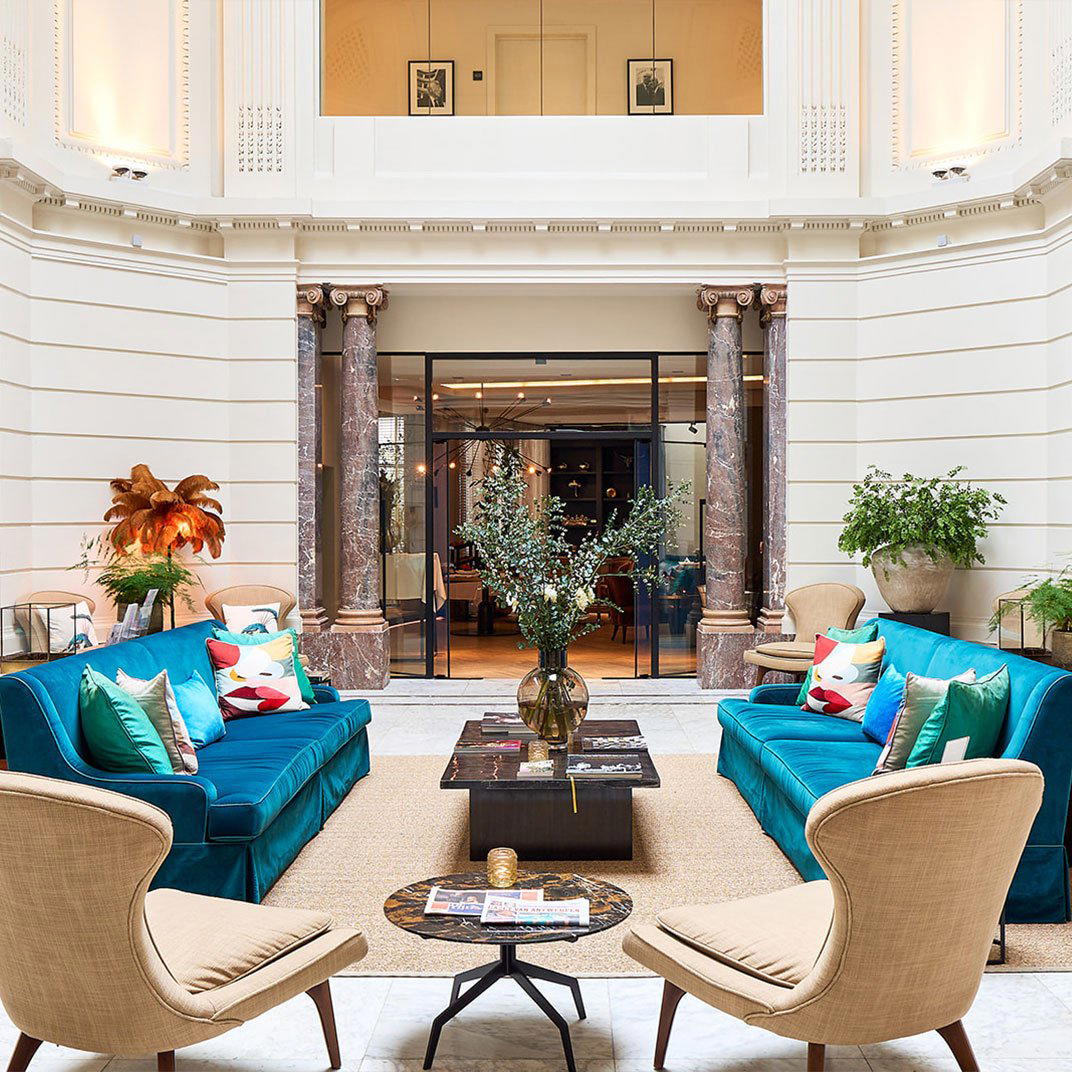
A Starred Table in the Flemish Interior
Belgium's most-discussed fine dining addresses tend to cluster around Ghent, Brussels, and the coastal strip, rooms like Zilte in Antwerp or Boury in Roeselare pull the critical conversation toward urban or semi-urban settings. The Flemish interior operates differently. Towns like Hulshout, set in the low agricultural range of the Antwerp province, have produced serious kitchens for decades, partly because Belgian dining culture has always attached itself to the land rather than exclusively to the city. Hof Ter Hulst sits on Kerkstraat 33, a village-centre address that signals nothing of the cooking inside, which is precisely the kind of placement this part of Belgium normalises for its starred rooms.
Chef André Münch has held a Michelin star here consecutively through 2024 and 2025, a retention that matters more than a single year's recognition. Retention signals consistency in sourcing, kitchen discipline, and front-of-house execution across changing seasons and inspections. The French culinary framework Münch applies is one Belgium's Michelin cohort returns to repeatedly: you find it at De Jonkman in Sint-Kruis, at L'air du Temps in Liernu, and across the country's broader one- and two-star tier. What separates individual expressions of that framework is how closely a kitchen roots itself in regional material.
Approaching the Village, Reading the Setting
Hulshout is a small municipality of roughly 10,000 residents, and Kerkstraat runs near the church that gives the street its name. Arriving here from Antwerp, approximately 30 kilometres northeast, involves leaving the motorway and passing through the kind of Flemish polder-adjacent countryside where agriculture and residential life sit directly alongside each other. The visual experience approaching Hof Ter Hulst is quiet in the specific way Belgian village centres are quiet: brick facades, low rooflines, a scale that refuses to perform grandeur.
That restraint carries into the proposition. French-coded fine dining in Belgium has, across two generations, moved away from the chandeliered formality that once defined the category. Rooms at this price tier, €€€ places it below the €€€€ bracket occupied by Castor in Beveren or Cuchara in Lommel, tend to carry a considered but unfussy atmosphere. The starred Flemish village restaurant is a recognisable format: serious cooking, a room that does not require black-tie investment from the guest, and a connection to the surrounding region that would be impossible to replicate in a metropolitan hotel dining room.
Terroir and the French Framework in Flemish Hands
The editorial angle that matters most at a room like this is how a classical French structure meets the specific provenance of the Flemish interior. French cuisine as a professional grammar has always permitted local dialects. In Belgium's case, that means proximity to some of northern Europe's most productive market-garden territory, North Sea coastline accessible within an hour, and a tradition of pork and game production that pre-dates Michelin's presence in the country by centuries.
A Michelin-starred French kitchen operating at €€€ in a village like Hulshout is, almost by definition, drawing on local supply chains. The economics of the price point make it practical; the cultural expectations of Belgian diners in this region make it expected. Belgian fine dining guests, particularly outside Brussels, have a lower tolerance for produce that has been flown in for prestige and a higher expectation of knowing where the lamb or the endive or the aged cheese on the trolley came from. This is a meaningful cultural difference from, say, the French technical tradition as expressed in a city-centre hotel, which can afford to prioritise sourcing from Rungis or Brittany regardless of local context. The comparison extends internationally: a room like L'Effervescence in Tokyo shows how French frameworks adapt to entirely different regional produce ecosystems; the principle operating at Hof Ter Hulst is the same, applied to Flemish ingredients rather than Japanese ones.
Placing Hof Ter Hulst in the Belgian One-Star Tier
Belgium's one-star category is competitive and geographically distributed. The country produces more Michelin stars per capita than almost anywhere in Europe, which means that holding a star here carries genuine weight but also places a room in a large peer group. What differentiates within that group is the combination of price tier, format, and sourcing identity.
At €€€, Hof Ter Hulst prices below the majority of Belgium's two- and three-star rooms. Hof van Cleve in Kruishoutem operates at a different register entirely; so does Bozar Restaurant in Brussels. For diners tracking value within the Belgian fine dining tier, a retained one-star kitchen at this price point, particularly one with a 4.7 rating volume, represents the more accessible entry into serious cooking without dropping to the bistro or brasserie format. This is also the tier where the cooking often feels most located: less pressure to perform for an international luxury audience means more latitude to cook from the surrounding region.
The village format also places Hof Ter Hulst in a specific Belgian tradition of destination restaurants that require the guest to travel to them, rather than restaurants absorbed into a larger urban experience. Bartholomeus in Heist and Willem Hiele in Oudenburg operate on a similar logic: the journey is part of the proposition, and the kitchen's relationship to its local environment is amplified by the fact that you are, quite literally, in that environment when you eat there. Hulshout is not a town you pass through on the way to somewhere else.
Planning Your Visit
Hulshout sits approximately 30 kilometres east of Antwerp and is most practically reached by car, as public transport connections to the village are limited. For those based in Antwerp or Brussels, the drive is manageable as an evening out, though the village setting makes it worth consulting our full Hulshout hotels guide if you are considering an overnight stay. The €€€ price tier suggests a meal in the range typical for this category in Belgium, though current menu pricing should be verified at point of booking. For those building a wider itinerary around the Antwerp province, our Hulshout bars guide, wineries guide, and experiences guide provide further context for the area. The full Hulshout restaurants guide maps the broader dining picture for anyone spending more than a single meal in the region. Also worth cross-referencing: d'Eugénie à Emilie in Baudour for a different regional expression of Belgian fine dining at a comparable award level.
Frequently asked questions
What price level is Hof Ter Hulst?
Pricing at Hof Ter Hulst is listed as €€€.
Where exactly is Hof Ter Hulst?
Hof Ter Hulst is located at Kerkstraat 33, 2235 Hulshout, Belgium, Hulshout.
Fast Comparison
| Venue | Cuisine | Price | Awards | Notes |
|---|---|---|---|---|
| Hof Ter HulstThis venue (the venue you are viewing) | Classic French Fine Dining | $50–100 | 1 Michelin Star | Not listed |
| Boury | Creative French Fine Dining | $300–500 | 3 Michelin Stars · La Liste Top Restaurants | Modern Frlemish, Creative French |
| Comme chez Soi | French - Belgian, Classic Cuisine | Not listed | Michelin 1 Star | Not listed |
| Hertog Jan at Botanic | Modern Japanese Omakase Fine Dining | Not listed | 2 Michelin Stars · La Liste Top Restaurants | Modern Flemish, Creative |
| L'Eau Vive | Modern French Fine Dining | $150–200 | 2 Michelin Stars · La Liste Top Restaurants | French, Modern French |
| La Durée | Modern French Fine Dining | $150–200 | 2 Michelin Stars · La Liste Top Restaurants | French-Belgian, Creative |
Recognition history
Dated appearances from independent guides and award organizations, with the underlying list record or original source where available.
Michelin 1 Star
Michelin
Full recognition history (3 entries)
Michelin 1 Star
Michelin
Michelin 1 Star
Michelin
Continue exploring
More in Hulshout
Restaurants in Hulshout
All restaurants in Hulshout →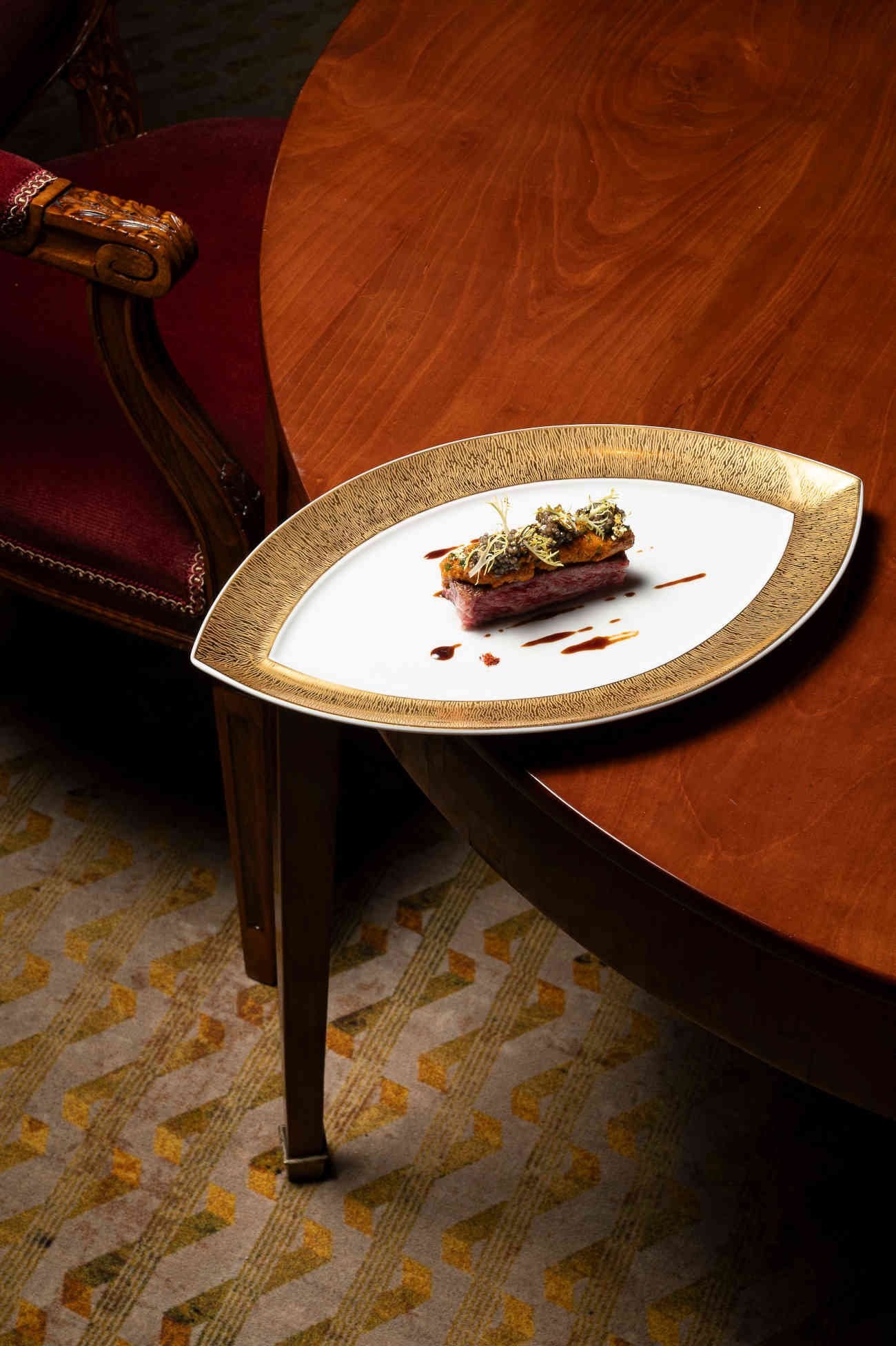
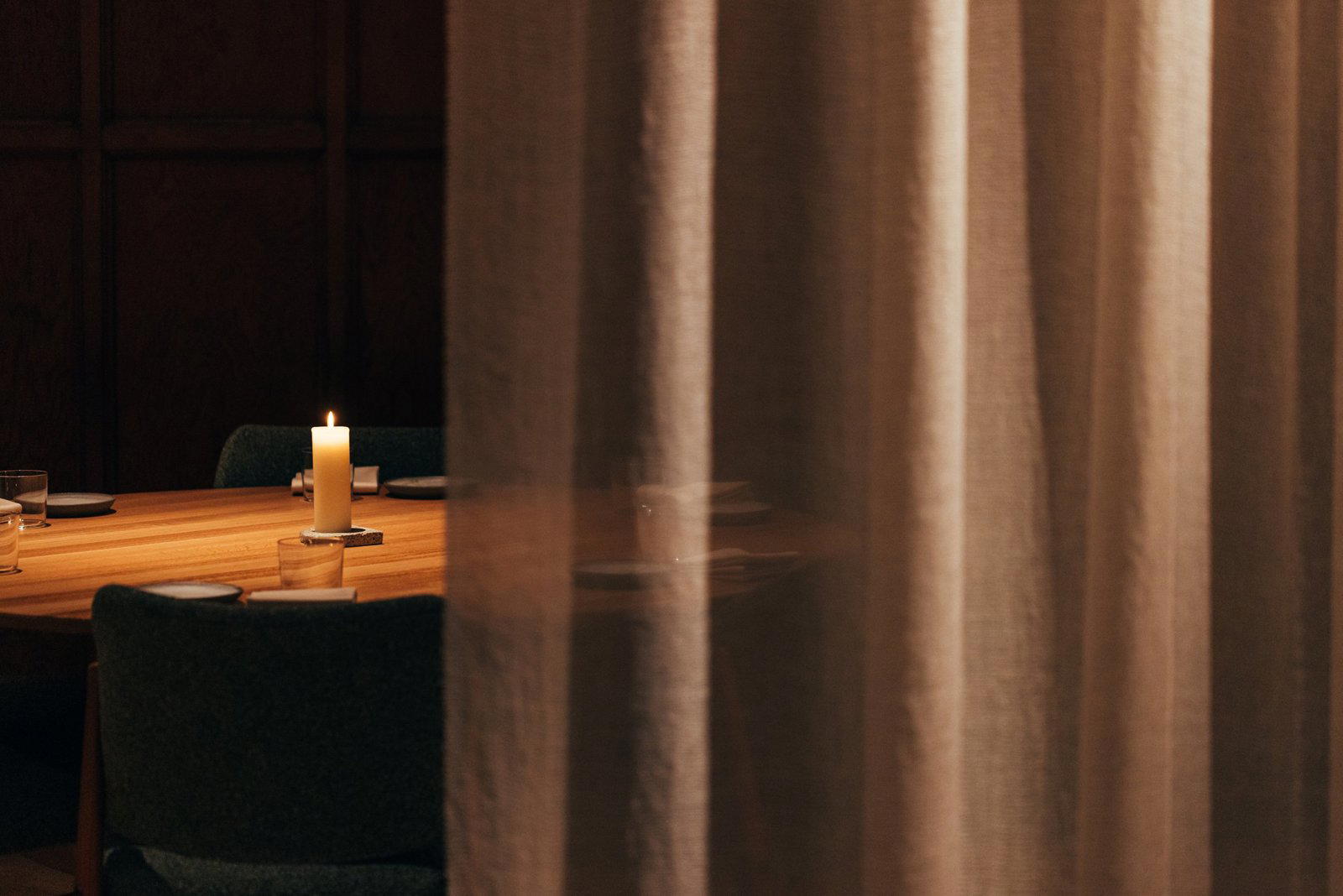
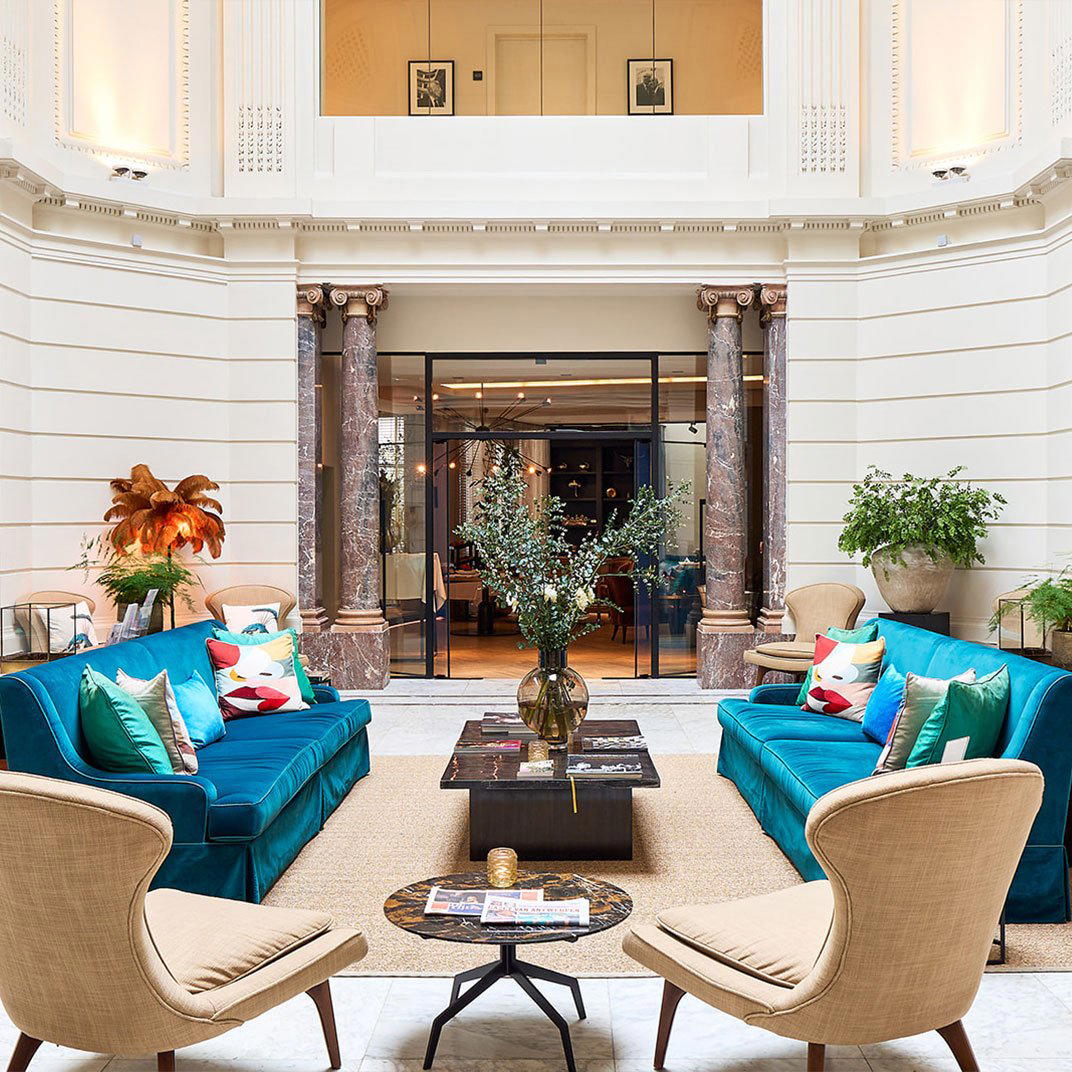
Bars in Hulshout
Browse all →
Hotels in Hulshout
Browse all →
Wineries in Hulshout
Browse all →
Details
- Cozy
- Elegant
- Rustic
- Intimate
- Classic
- Date Night
- Special Occasion
- Business Dinner
- Historic Building
- Extensive Wine List
- Local Sourcing
- Garden
- Tasting Menu
- A La Carte
- Vegetarian Friendly
Current opening hours
- Monday
- Closed
- Tuesday
- Closed
- Wednesday
- 12–3 p.m., 7–10 p.m.
- Thursday
- 12–3 p.m., 7–10 p.m.
- Friday
- 12–3 p.m., 7–10 p.m.
- Saturday
- 7–10 p.m.
- Sunday
- 12–3 p.m., 7–10 p.m.
Hours can change for holidays and private events. Hours as of .
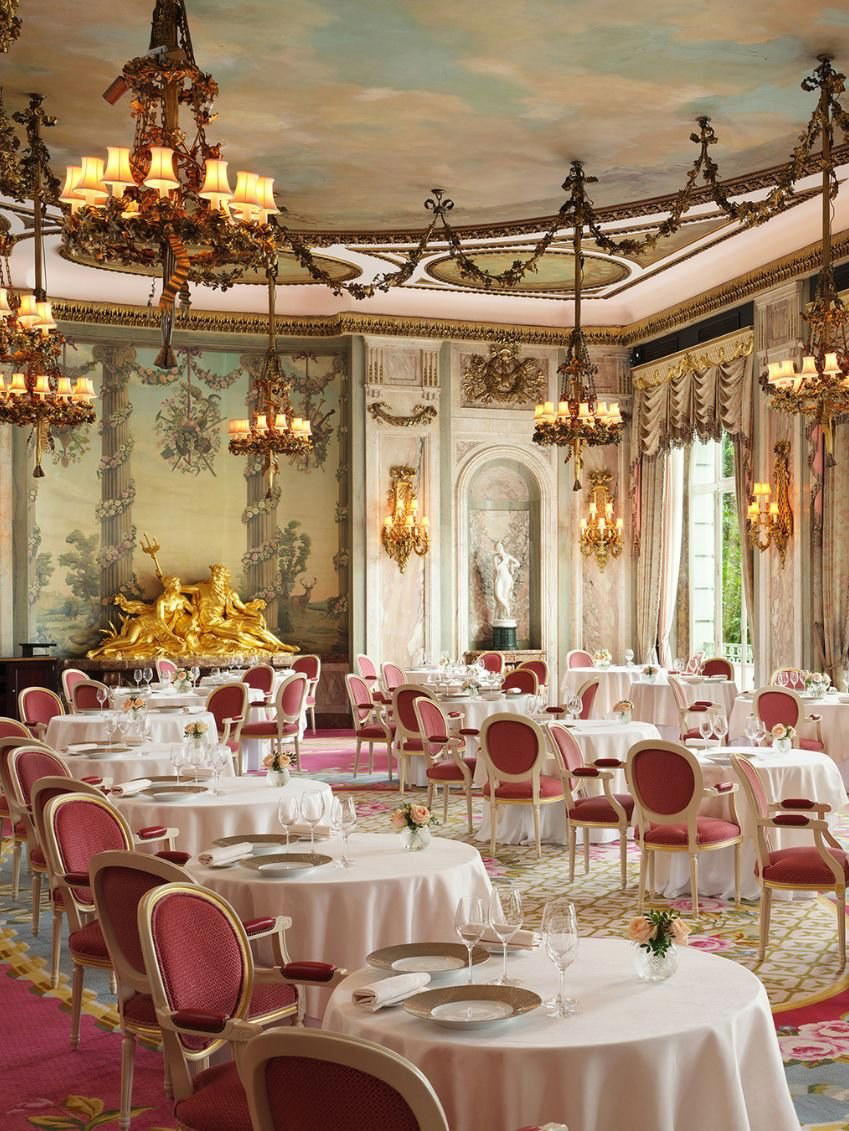
Light and classical interior in a cozy, timeless farmhouse setting with a warm, homely atmosphere and professional service.