
Michelin Selected
A former Carmelite monastery turned MICHELIN Selected hotel, Martin's Patershof occupies one of Mechelen's most architecturally significant buildings on Karmelietenstraat. The conversion layers centuries of monastic stonework against contemporary interiors, placing it among Belgium's more compelling adaptive-reuse hotel projects. For visitors to a city that tends to be underestimated on the regional circuit, it functions as a considered base with genuine historical weight.

Pearl is the En Primeur Club membership app — saves, bookings, and concierge access live there. Same editors, same standards.
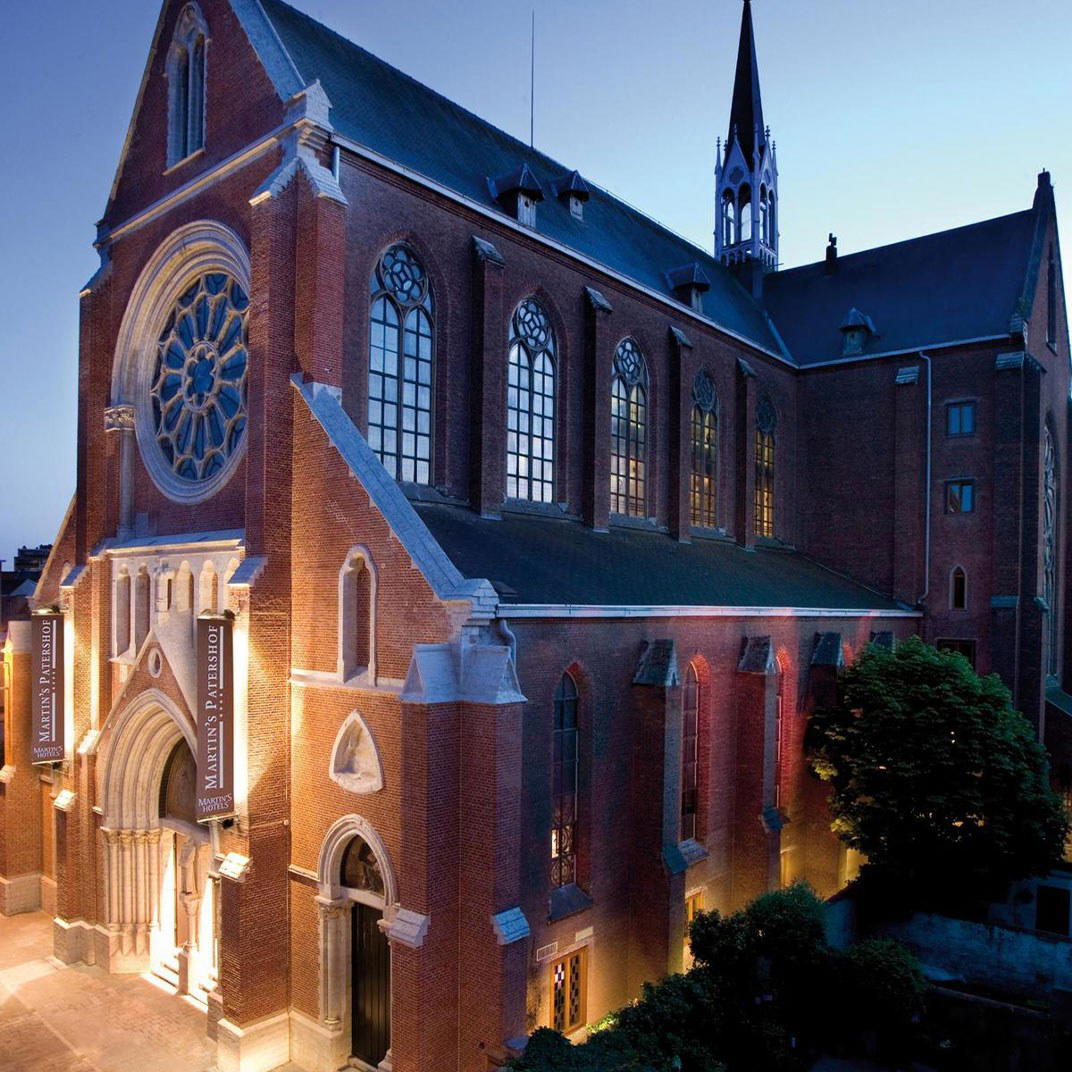
A Monastery Converted Into a Hotel, Taken Seriously
Mechelen sits between Brussels and Antwerp on the rail line, a city that most travellers pass through rather than pause in, which makes its accommodation offering more interesting to examine than it might first appear. The city carries genuine historical density: it was the seat of the Habsburg Low Countries under Margaret of Austria in the early sixteenth century, and its architectural record reflects that period of concentrated power. For a hotel to take root in this context and hold it credibly, the building matters as much as the service proposition.
Martin's Patershof does that through its address at Karmelietenstraat 4, a former Carmelite monastery whose stone fabric and vaulted bones have been converted into hotel use. The Michelin accommodation guide selected it for inclusion in 2025, placing it within a cohort of Belgian properties that meet the guide's threshold for quality and character. That selection is a peer signal worth noting: the Michelin hotel list in Belgium is not long, and properties in secondary cities earn inclusion by demonstrating something beyond functional adequacy.
The Architecture as the Central Argument
Adaptive reuse of religious buildings has become one of the more reliable formats in European boutique hospitality. Churches and monasteries offer what new-build hotels cannot easily replicate: volume, material age, and the spatial logic of a building designed around contemplation rather than commercial throughput. The challenge, consistently, is whether the intervention respects the envelope or overwhelms it.
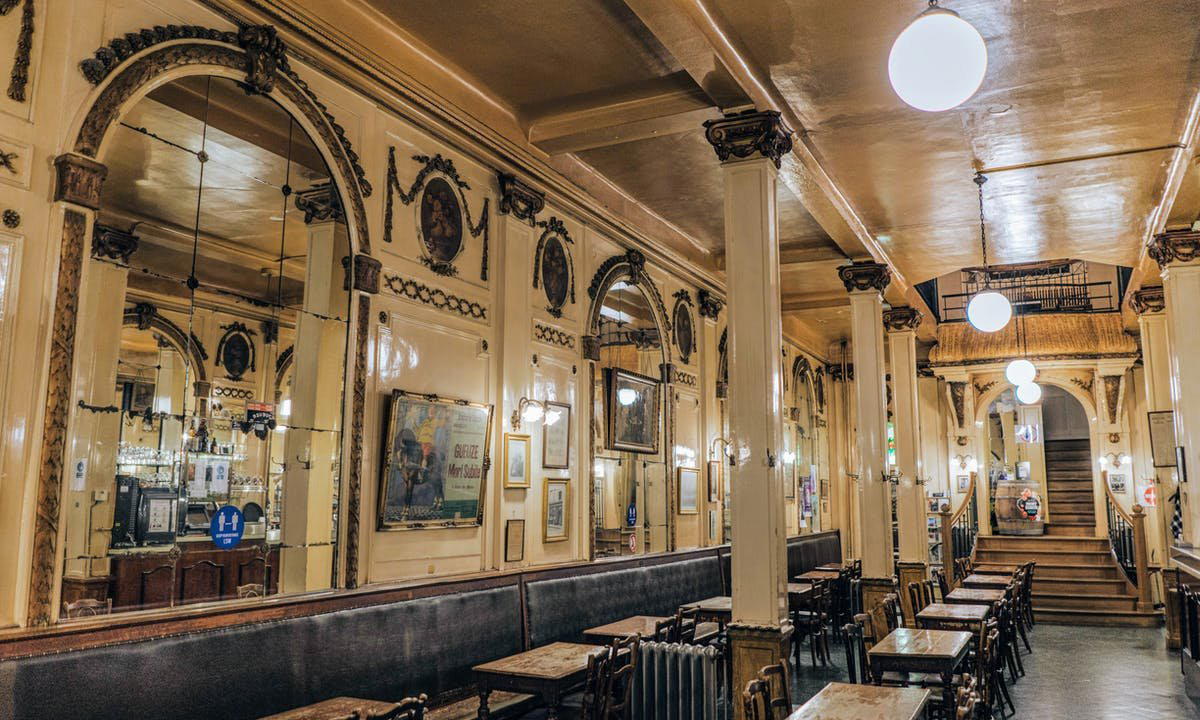
At Patershof, the Carmelite structure provides the frame. Monastery conversions in Belgium carry a particular resonance given the density of religious architecture across Flanders, and Mechelen specifically has a concentration of ecclesiastical buildings that have been repurposed across several decades. What the hotel format asks of these spaces is a recalibration: rooms where cells or corridors once ran, gathering spaces where refectories or cloisters stood, and circulation routes that often retain the compressed or ceremonial proportions of their original function.
The building on Karmelietenstraat is part of the Martin's Hotels group, a Belgian chain that has developed a specialism in historically significant properties. That group context matters for understanding the positioning: Martin's operates across Belgium with properties in Brussels, Bruges, and Louvain among others, and the Patershof sits within a portfolio that has demonstrated consistency in handling heritage buildings. For the traveller assessing whether a conversion hotel will deliver on its architectural promise or simply use period exteriors as backdrop for generic interiors, the group's track record across similar sites provides some basis for expectation.
Mechelen as a Base: What the City Offers
The case for staying in Mechelen rather than treating it as a day trip from Antwerp or Brussels has strengthened as the city's hospitality offer has developed. The historic centre is walkable in a way that neither Brussels nor Antwerp entirely is, and the Sint-Romboutskathedraal tower, the Hof van Busleyden museum, and the concentration of guild houses around the Grote Markt form a coherent circuit that rewards unhurried time. The city also has a carillon tradition that dates back centuries, and the Royal Carillon School here is the only institution of its kind in Belgium.
Staying on Karmelietenstraat places guests within the historic perimeter, close enough to the main sights to walk without the city losing its texture. For visitors building a wider Belgian itinerary, Mechelen works as a genuine node rather than an afterthought. The Brussels connection by train takes around twenty minutes, and Antwerp is comparable. That positioning makes a Mechelen stay logistically sound for travellers who want to access both cities without anchoring in either.
For context on what the broader Belgian hotel selection looks like across price tiers and property types, our full Mechelen restaurants and hotels guide maps the current range of options in the city. Elsewhere in Belgium, the Michelin-selected tier includes coastal properties like C-Hotels Silt in Middelkerke and city-based options like Ganda Rooms and Suites in Ghent, both of which illustrate the range of formats the guide selects across the country. Heritage-led properties like Botanic Sanctuary Antwerp and Hotel De Orangerie in Bruges occupy a comparable register in their respective cities.
For those building a Wallonia extension, the Ardennes and rural Belgium offer a different scale of property entirely: Manoir de Lébioles near Liège, Château Beausaint in La Roche-en-Ardenne, and Le Sanglier des Ardennes in Durbuy each represent the château and manor format that the southern provinces do well. For Brussels specifically, the range runs from design hotels like Juliana Hotel Brussels to the grand-hotel tier represented by properties like Le Louise Hotel Brussels.
Planning a Stay: What to Know
Karmelietenstraat 4 is in the heart of Mechelen's historic centre, which is pedestrianised in sections, so arriving by car requires navigating the city's parking zones rather than pulling up to the door directly. The train station is a short walk from the centre, making rail arrival the more direct option for those coming from Brussels or Antwerp. The city is compact enough that a car is not necessary once checked in.
Booking through the Martin's Hotels group platform is the standard route. As a Michelin Selected property, the hotel sits in a quality tier that positions it above functional business hotels but typically below the full luxury bracket occupied by properties like Hotel Amigo in Brussels or international references such as Badrutt's Palace in St. Moritz or Hôtel de Paris Monte-Carlo. For the Belgian market, the Michelin Selected designation signals a property that the guide considers worth recommending on its own terms, not simply a hotel that meets a checklist.
Seasonal timing in Mechelen follows the rhythm of a small historic city: spring and early autumn bring the most settled weather and the clearest light on the stone facades, while summer can bring day-trip crowds to the cathedral and market. Staying in-city rather than commuting from elsewhere means the early mornings and evenings, when the tourist volume drops, are genuinely accessible. For a hotel whose building is part of the draw, that access to the city at its quieter hours carries real weight.
Other Belgian properties worth considering as comparators or additions to a multi-stop itinerary include Louis1924 in Dilbeek, Villa Copis in Borgloon, NE5T Hotel and Spa in Namur, La Réserve Knokke-Heist, Kasteelhoeve de Kerckhem in Wijer, Hof Te Spieringen in Vollezele, Ariane in Ypres, Andromeda Hotel Ostend, Le Florentin in Florenville, Hôtel des Bains in Robertville, and Le Château de Mirwart in Mirwart.
Fast Comparison
Comparable venues nearby, for context on price, style, and recognition.
| Venue | Cuisine | Price | Awards | Notes |
|---|---|---|---|---|
| Martin's PatershofThis venue (the venue you are viewing) | Contemporary classic luxury hotel housed in a restored 19th-century Franciscan monastery with modern amenities integrated into historic architecture. | Not listed | Michelin Selected | Not listed |
| The Hoxton, Brussels | Contemporary design hotel blending corporate brutalism with playful 1970s nostalgia in a repurposed office tower. | $100–200 | Michelin Selected · Mr & Mrs Smith Seal of Approval | Northern Quarter (Saint-Josse-ten-Noode) |
| Yalo Urban Boutique Hotel Gent | Urban boutique with retro-chic design | $100–200 | Michelin Selected | Binnenstad |
| Château Beausaint | Historic château converted to luxury boutique hotel blending 19th-century architecture with contemporary comfort and refined hospitality. | $200–300 | Michelin Selected | La Roche-en-Ardenne |
| ENSO - Boutique Hotel | Contemporary boutique hotel with curated design aesthetic and culinary focus in a newly developed urban coastal district. | $300–500 | Michelin Selected | Duinenwater |
| Main Street Hotel | Quirky boutique hotel with individually themed rooms and curated curiosities; positioned as a charming alternative to standard accommodations. | $100–200 | Michelin Selected | Ypres city center |
Recognition history
Dated appearances from independent guides and award organizations, with the underlying list record or original source where available.
Michelin Selected
Michelin
Continue exploring
More in Mechelen
Hotels in Mechelen
All hotels in Mechelen →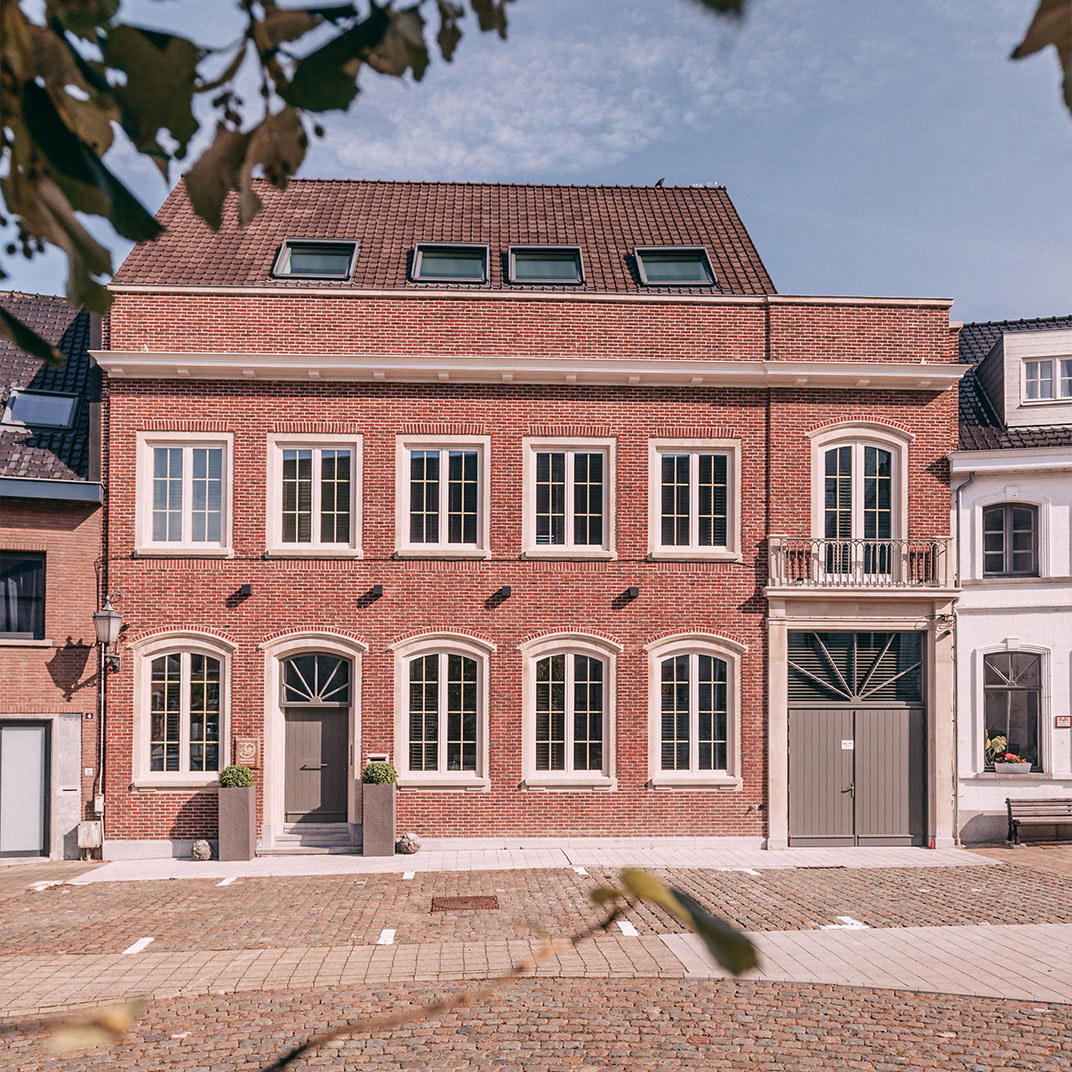
Details
- Elegant
- Romantic
- Classic
- Sophisticated
- Romantic Getaway
- Weekend Escape
- Business Trip
- Historic Building
- Design Destination
- Garden
- Wi Fi
- Restaurant
- Bar
- Room Service
- Concierge
- Massage
- Business Center
- Elevator
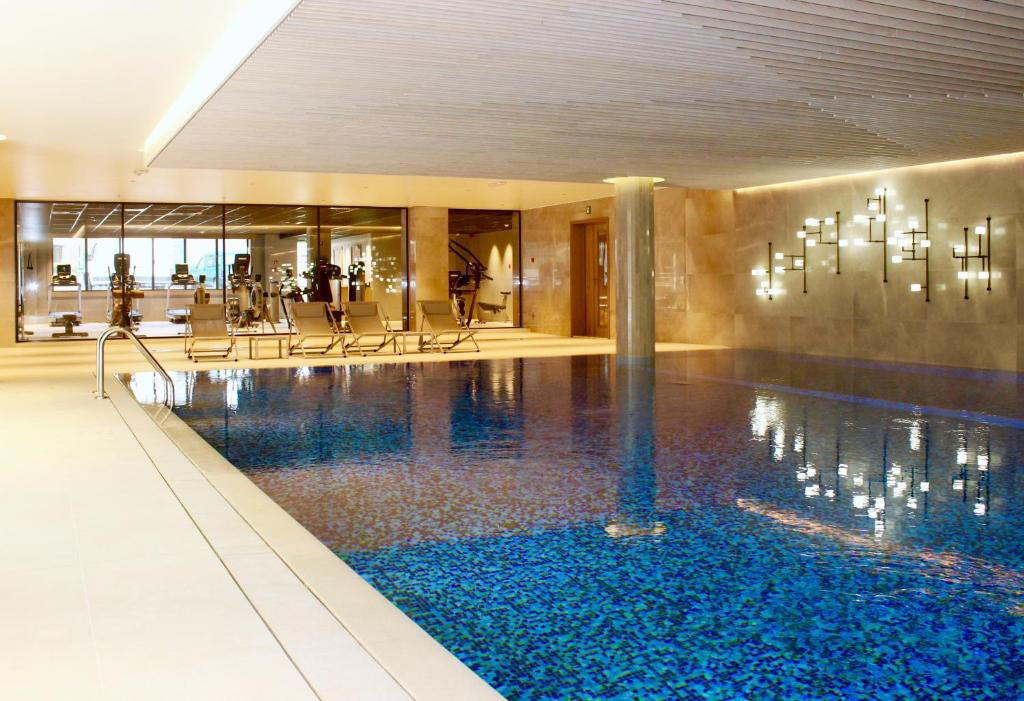
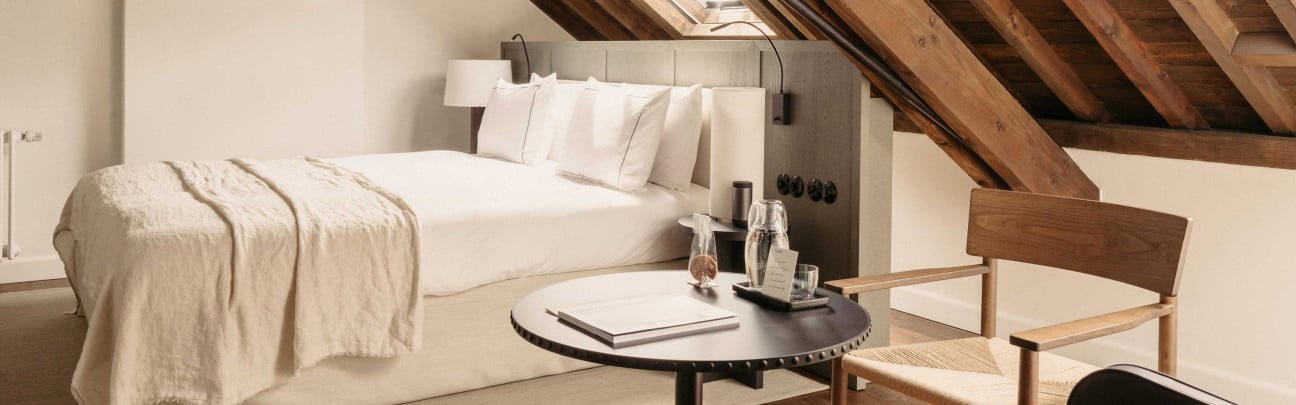
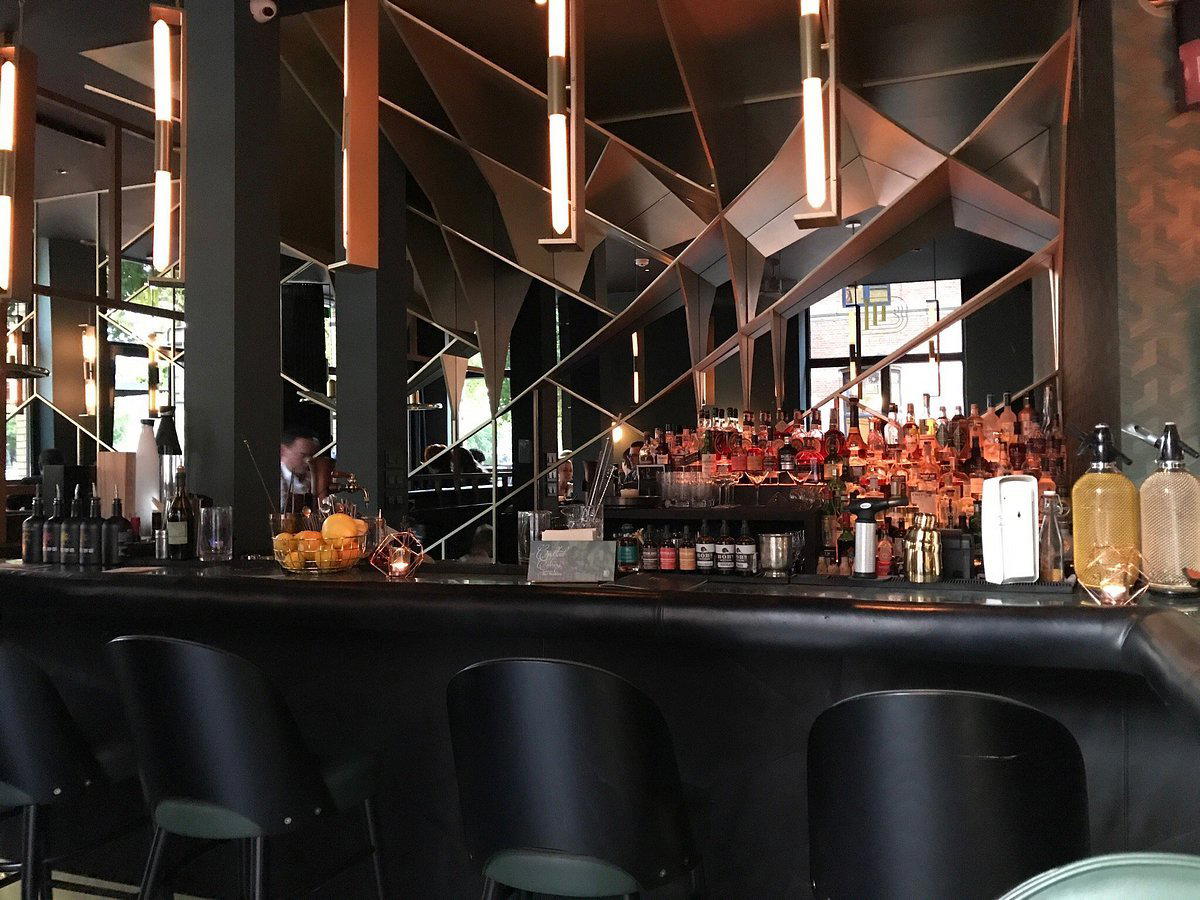
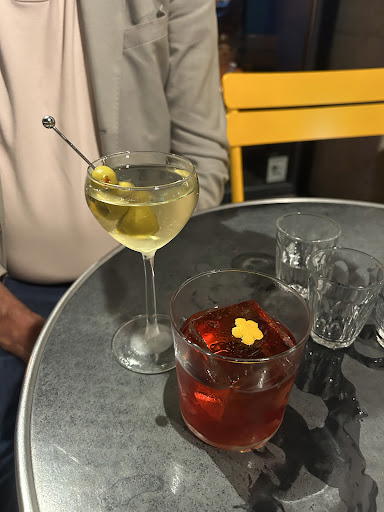
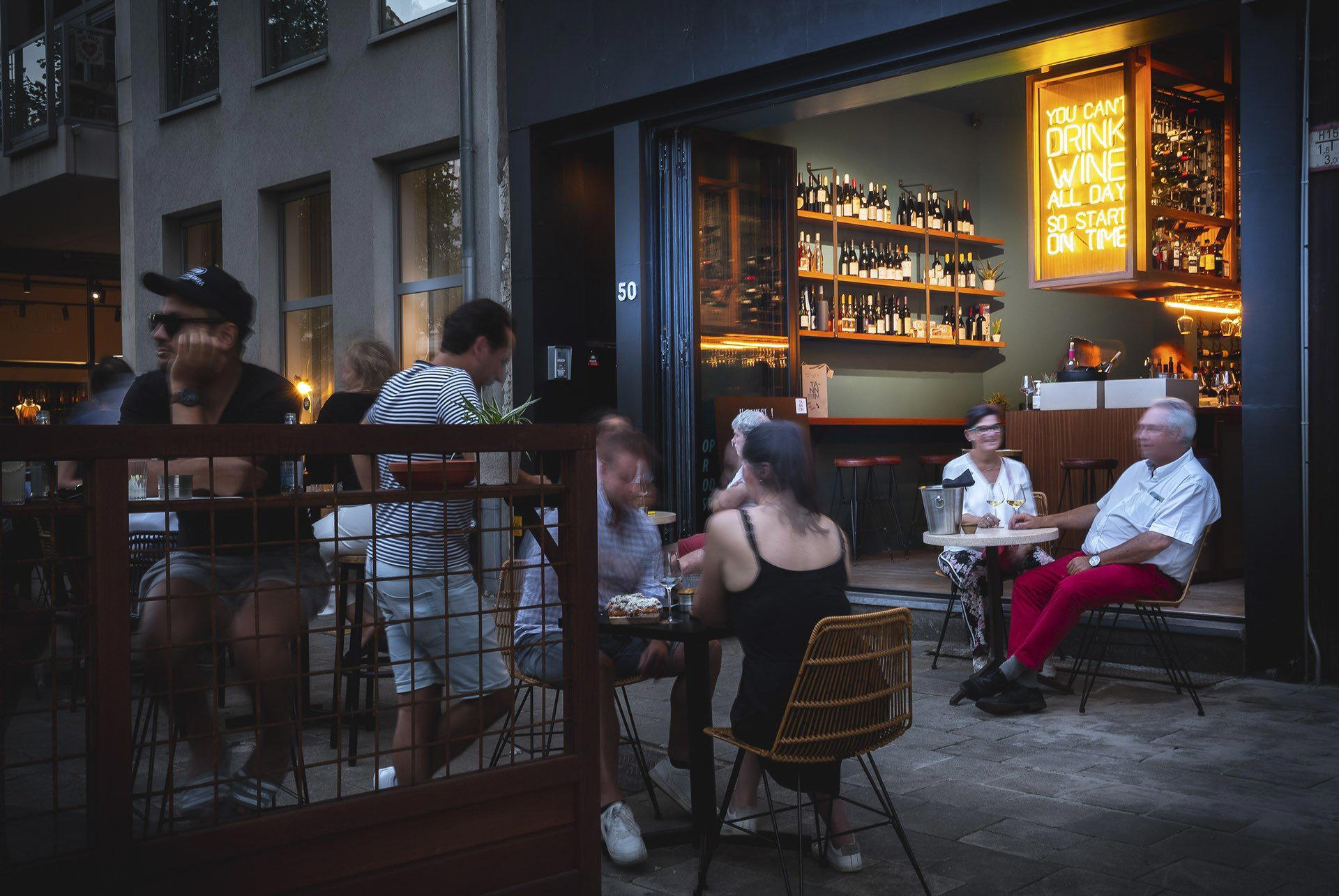
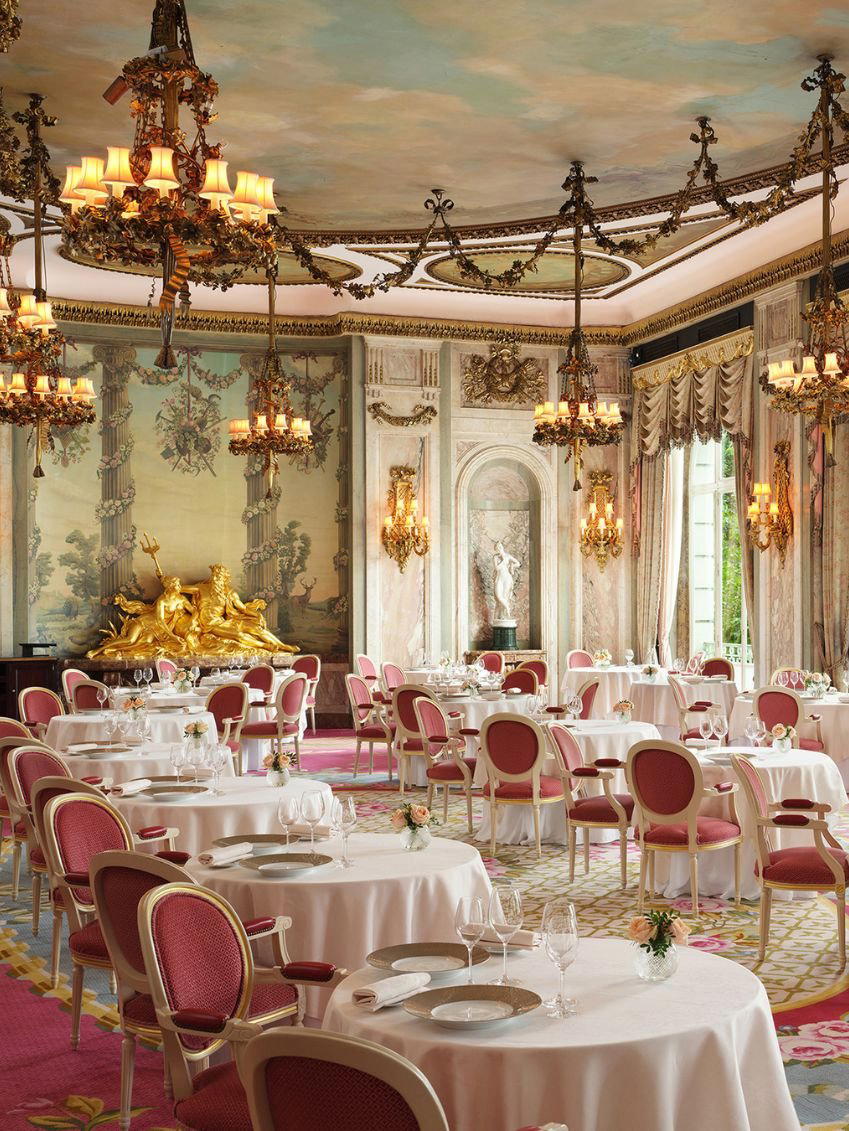
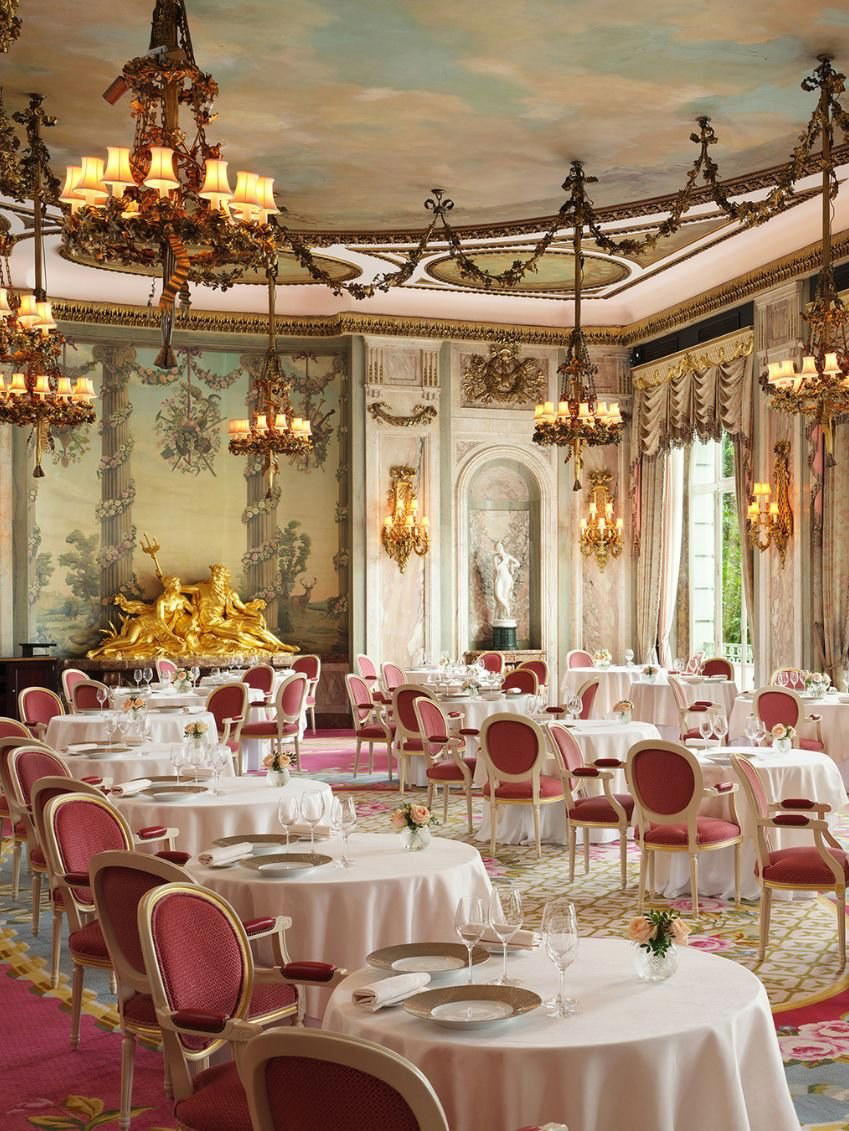
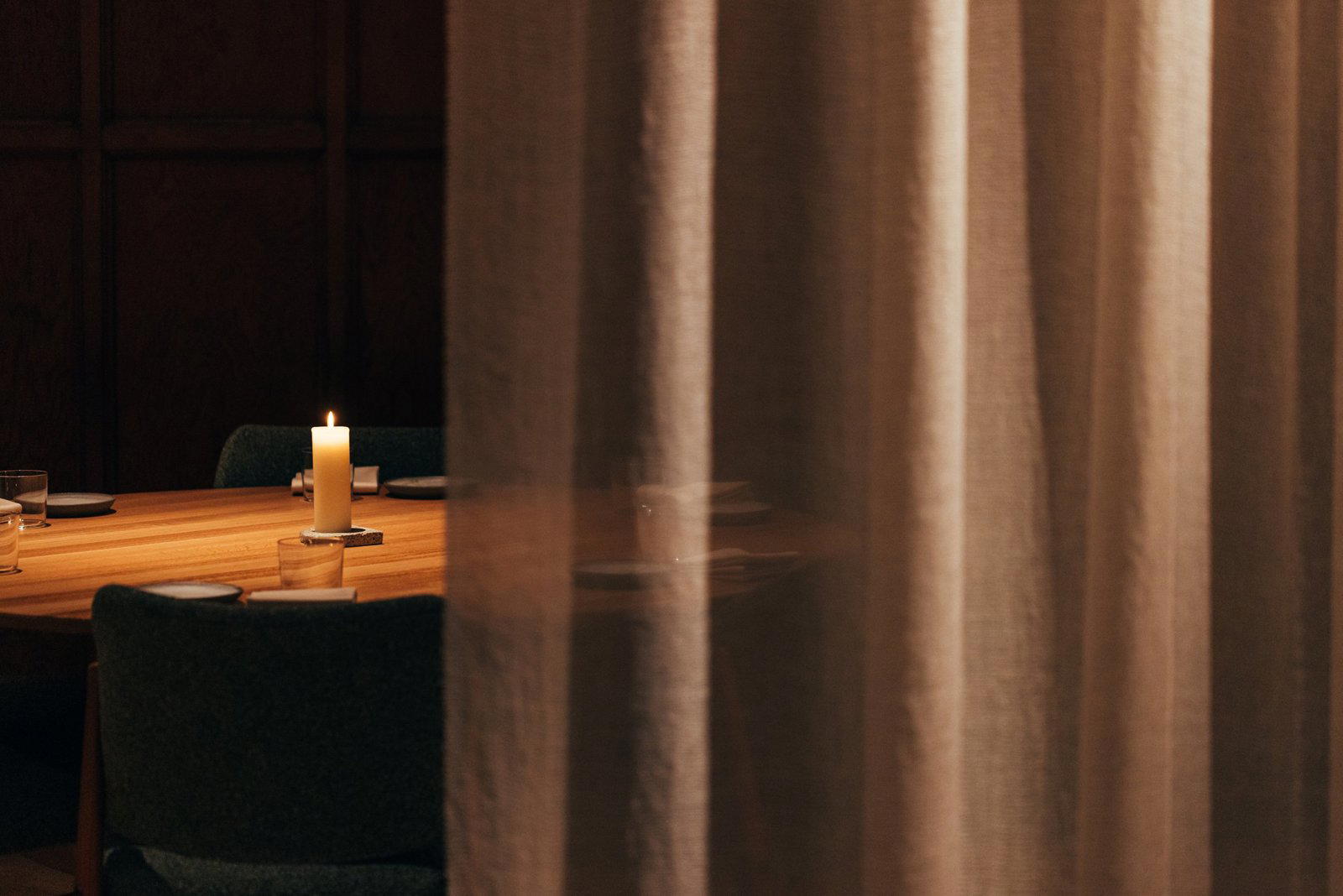
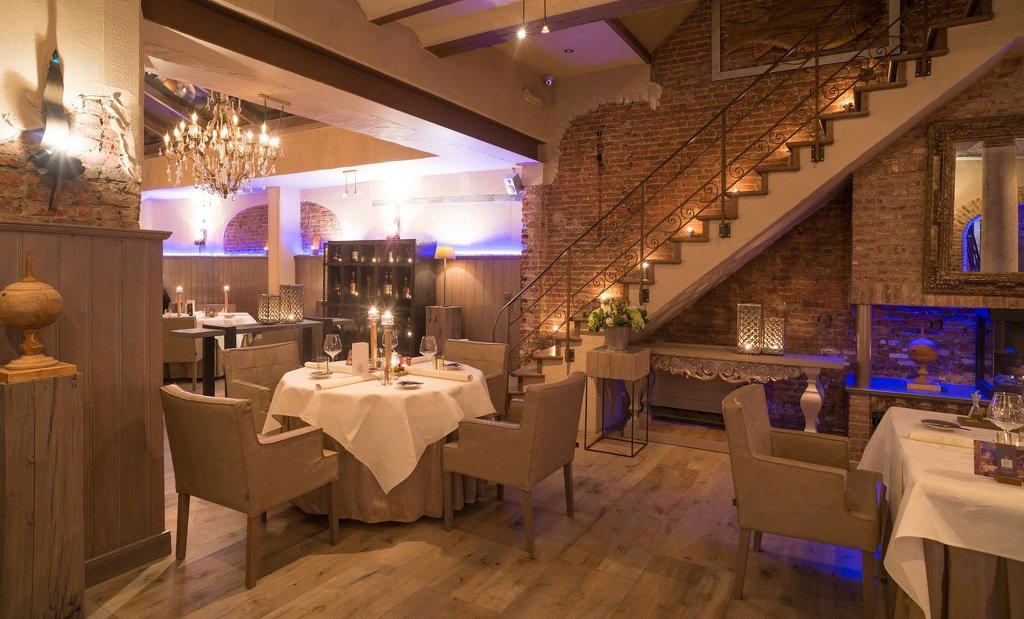
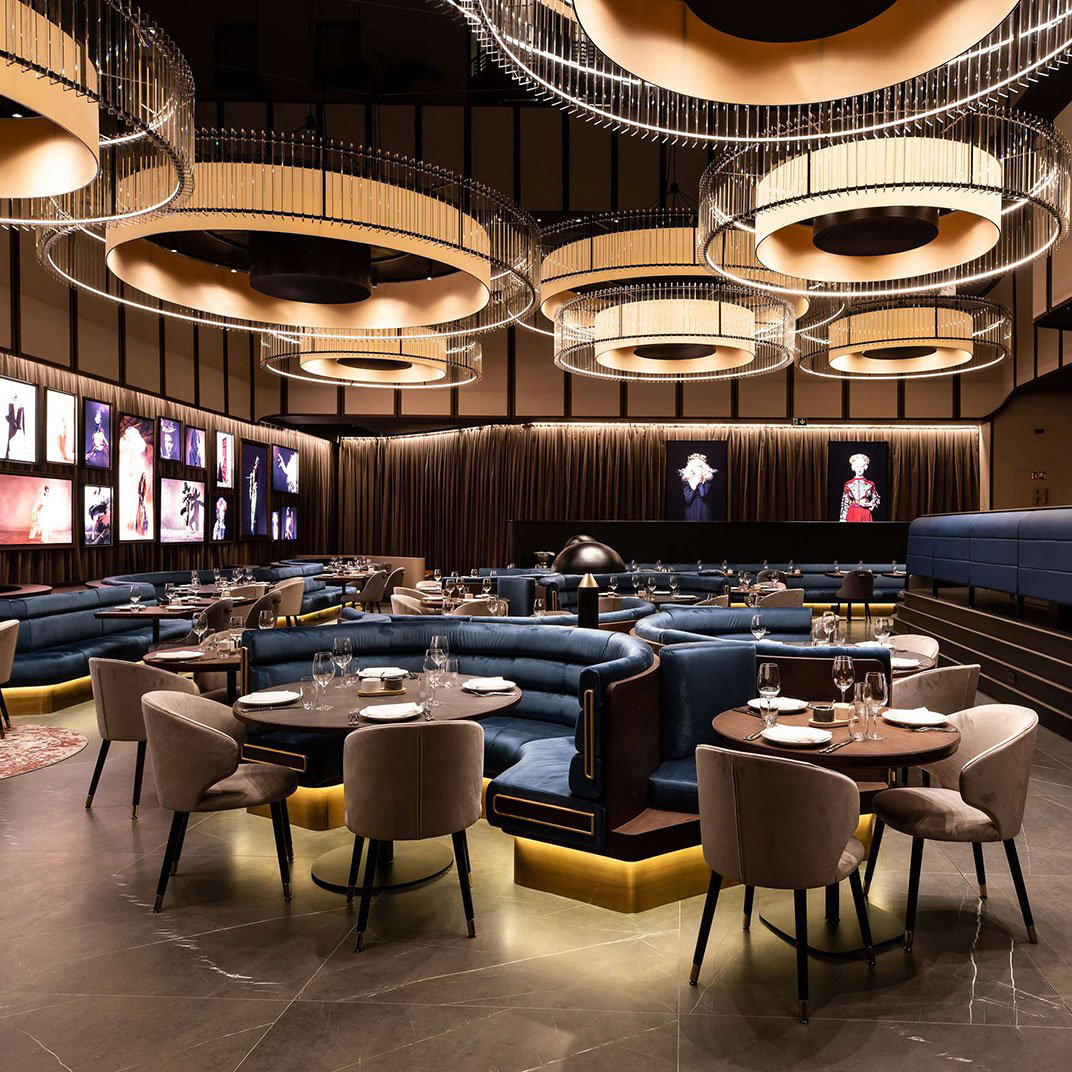
Refined and intimate with dramatic public spaces, elegant lounge bar with soft lighting, and serene guest rooms featuring designer style and signature Salus beds for restful sleep.