
At Kris in Kasterlee, chef Kris Geerts draws from a restaurant garden and his own family plot to drive a menu built around seasonal vegetables and herbs. The result is a two-track kitchen: fish and meat preparations coloured by garden produce, and the all-vegetable 'Green Discovery' menu that treats plant sourcing as both method and argument. For Belgian provincial dining with a clear ingredient philosophy, Kris sits in a compelling position.
Pearl is the En Primeur Club membership app — saves, bookings, and concierge access live there. Same editors, same standards.
- Address
- Turnhoutsebaan 189, 2460 Kasterlee, Belgium
- Phone
- +32 14 75 34 68
- Website
- restaurant-kris.be
- Directions
- Get directions
 Saves & bookings on Pearl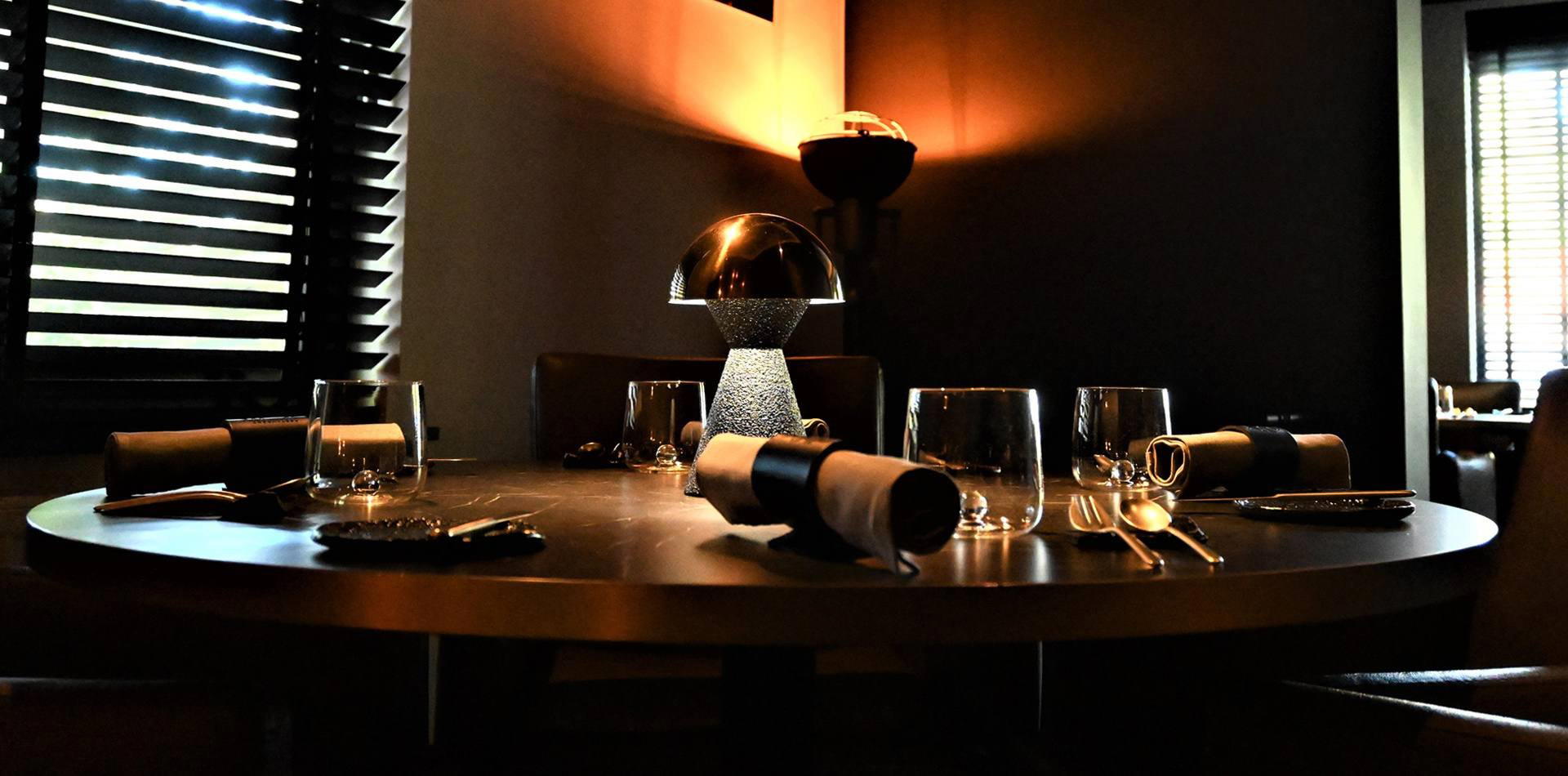
Where the Garden Sets the Agenda
Kasterlee sits in the Kempen region of Antwerp province, a stretch of sandy heathland and pine forest that sits far enough from Brussels and Antwerp to operate on its own terms. The towns here are small, the restaurant scene correspondingly tight, and the kitchens that endure tend to do so because they have something specific to say. At Kris on the Turnhoutsebaan, that specificity runs through the soil: a restaurant garden and a separate family plot supply the vegetables and herbs that frame almost every dish on the menu. The sourcing is not ornamental. It is the structural logic of the kitchen.
Belgian fine dining has increasingly split between two registers. One group, represented at the sharper end by kitchens like Zilte in Antwerp, Boury in Roeselare, and Hof van Cleve in Kruishoutem, operates within a recognisable fine-dining vocabulary: classical technique, multi-course progression, produce sourced from trusted regional suppliers. The other group, smaller and less visible from the outside, builds its identity around a closer, more controlled supply chain, where the distance between growing and cooking shrinks to the length of a kitchen garden. Kris operates in that second register. The distinction matters because it changes how the menu reads from season to season, and what the kitchen is actually optimising for.
Two Menus, One Argument
The kitchen at Kris runs two parallel tracks. The first folds garden produce into dishes built around fish and meat, using vegetables and herbs as agents of flavour and colour rather than garnish. The second is the Green Discovery menu, a fully vegetable-based progression that treats plant sourcing not as a dietary accommodation but as an independent creative framework.
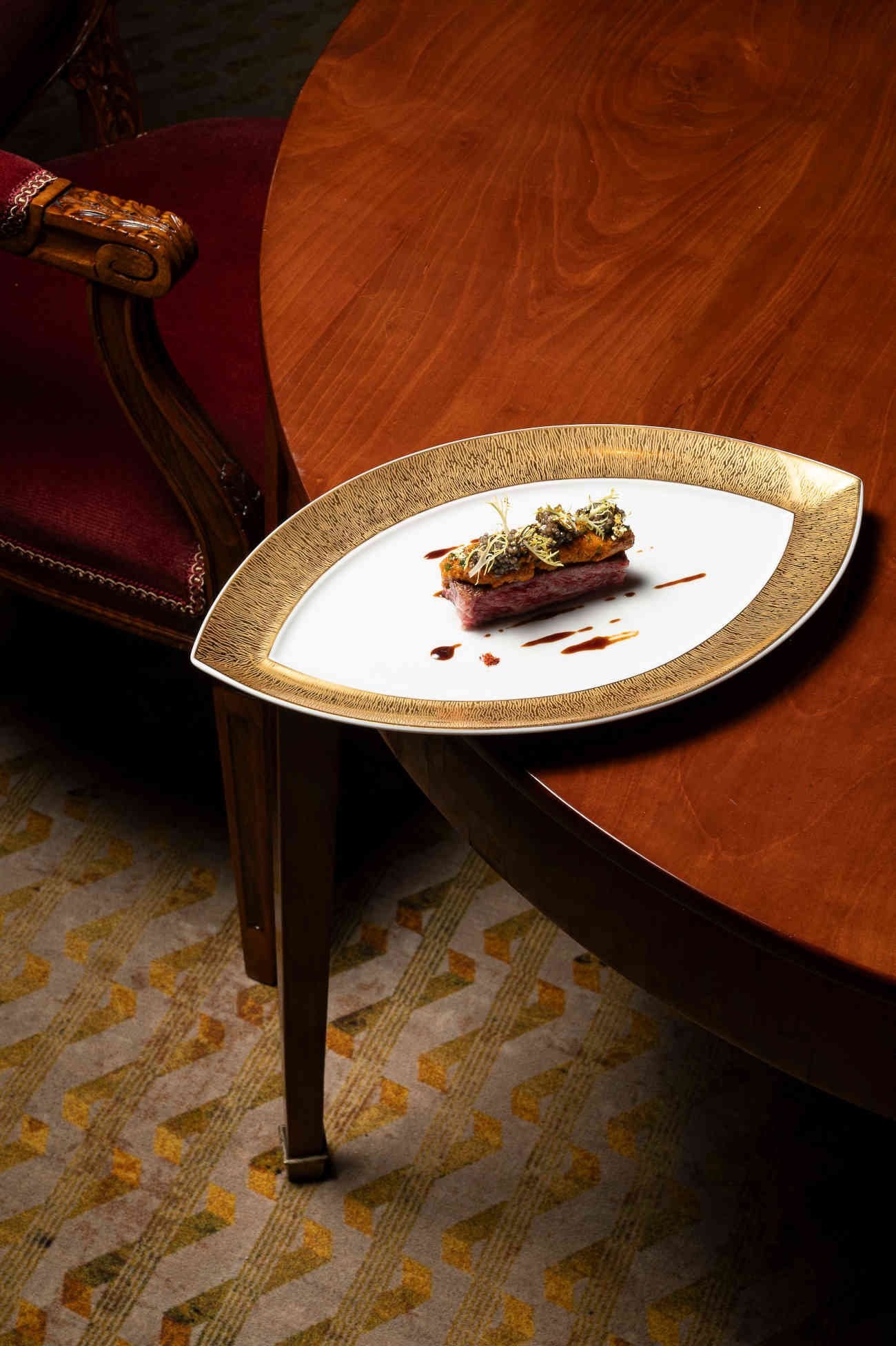
Dishes cited from this menu offer a useful index of that ambition: grilled leek with nettle cheese and cereal mustard; noodles with asparagus and mimosa; artichoke with chervil root and baby potatoes. These combinations share a logic. Each centres on a vegetable or herb that the kitchen is growing and processing itself, then builds secondary elements, fermented dairy, foraged additions, preserved condiments, around that anchor. The cereal mustard alongside the nettle cheese suggests fermentation work happening in house. The mimosa application on the asparagus dish, whether yolk-based or using a plant variety, points to textural layering within a simple ingredient palette. The chervil root, an underused member of the carrot family with a flavour closer to parsnip and anise, is the kind of specific botanical choice that only makes sense if you are growing it yourself and committed to using it before it peaks.
This is the diagnostic difference between a kitchen that sources from a garden and one that merely references one. The Green Discovery menu at Kris is organised around what the garden produces and what those ingredients can do at their leading, rather than reverse-engineering dishes toward available supply.
Kasterlee's Place in the Provincial Dining Picture
Kasterlee is not a dining destination in the conventional sense. It does not have the density of Ghent or the critical attention that coastal kitchens like Bartholomeus in Heist or Willem Hiele in Oudenburg attract. What it has is a small cluster of kitchens doing distinct, considered work. Potiron operates at a comparable price tier to Kris with a farm-to-table framework, while Seir pushes into creative French territory at the higher end of the local range. KAN10 rounds out the picture with a world cuisine approach at a more accessible price point. Seen together, these four addresses give Kasterlee a restaurant scene with more internal range than its size would suggest, and Kris sits at the intersection where sourcing philosophy and price positioning overlap in one legible way.
For reference beyond Belgium, the closest conceptual peers to this kind of garden-led tasting kitchen are not the white-tablecloth city addresses. They sit closer to the rural or semi-rural European restaurants that built their identities around controlled supply chains before that became a broadly marketed approach. Bozar Restaurant in Brussels and Castor in Beveren represent different inflections of the same instinct: kitchens where the relationship between land and plate is a working constraint rather than a brand position. Internationally, the discipline required to build a menu around what you are growing connects to a tradition that runs through particularly referenced kitchens in the world, though the scale and formality at Kris is provincial rather than destination-driven, which is part of what makes it worth attention.
Planning a Visit
Kris is located at Turnhoutsebaan 189 in Kasterlee, accessible by car from Antwerp in under an hour. The address sits along a main road through the Kempen, which means arrival is direct without the navigation complexity of more rural settings. Kris is recommended for reservations and opens Monday, Friday, Saturday, and Sunday; it is closed Tuesday through Thursday. Those interested in pairing the meal with other Kasterlee experiences will find the town's broader offer outlined across our full Kasterlee restaurants guide, our Kasterlee hotels guide, our Kasterlee bars guide, our Kasterlee wineries guide, and our Kasterlee experiences guide.
For those travelling from further afield and comparing the Kempen against other Belgian dining regions, Kris rewards the detour with a precise, garden-led menu. The absence of metropolitan density keeps the kitchen focused and the format direct. Restaurants in smaller Belgian towns, when they are doing genuinely specific work rather than replicating urban templates, tend to offer that combination of seriousness and accessibility that city venues at comparable ambition levels rarely manage.
Comparison Snapshot
Comparable venues nearby, for context on price, style, and recognition.
| Venue | Cuisine | Price | Awards | Notes |
|---|---|---|---|---|
| KrisThis venue — the venue you are viewing | French-Belgian Modern Bistro | $$$ | Not listed | Not listed |
| Notariaat | Belgian Brasserie | $$ | Not listed | Kasterlee |
| Chocolade Fabric | Belgian Chocolatier | $ | Not listed | hartje Kasterlee |
| Potiron | Modern French Farm-to-Table | $$$ | Michelin Plate | Kasterlee |
| Seir | Modern Belgian Fine Dining | $$$$ | Michelin Plate | Kasterlee |
| KAN10 | Modern Belgian Fusion Bistro | $$ | Michelin Plate | Kasterlee |
Recognition history
Dated appearances from independent guides and award organizations, with the underlying list record or original source where available.
We're Smart World 4 Radishes
We're Smart World
Continue exploring
More in Kasterlee
Restaurants in Kasterlee
Browse all →
Bars in Kasterlee
Browse all →
At a Glance
- Cozy
- Intimate
- Elegant
- Date Night
- Special Occasion
- Standalone
- Extensive Wine List
Current opening hours
- Monday
- 6:30–11:30 PM
- Tuesday
- Closed
- Wednesday
- Closed
- Thursday
- Closed
- Friday
- 6:30–11:30 PM
- Saturday
- 6:30–11:30 PM
- Sunday
- 12–1 PM, 6:30–11:30 PM
Hours can change for holidays and private events. Last verified .
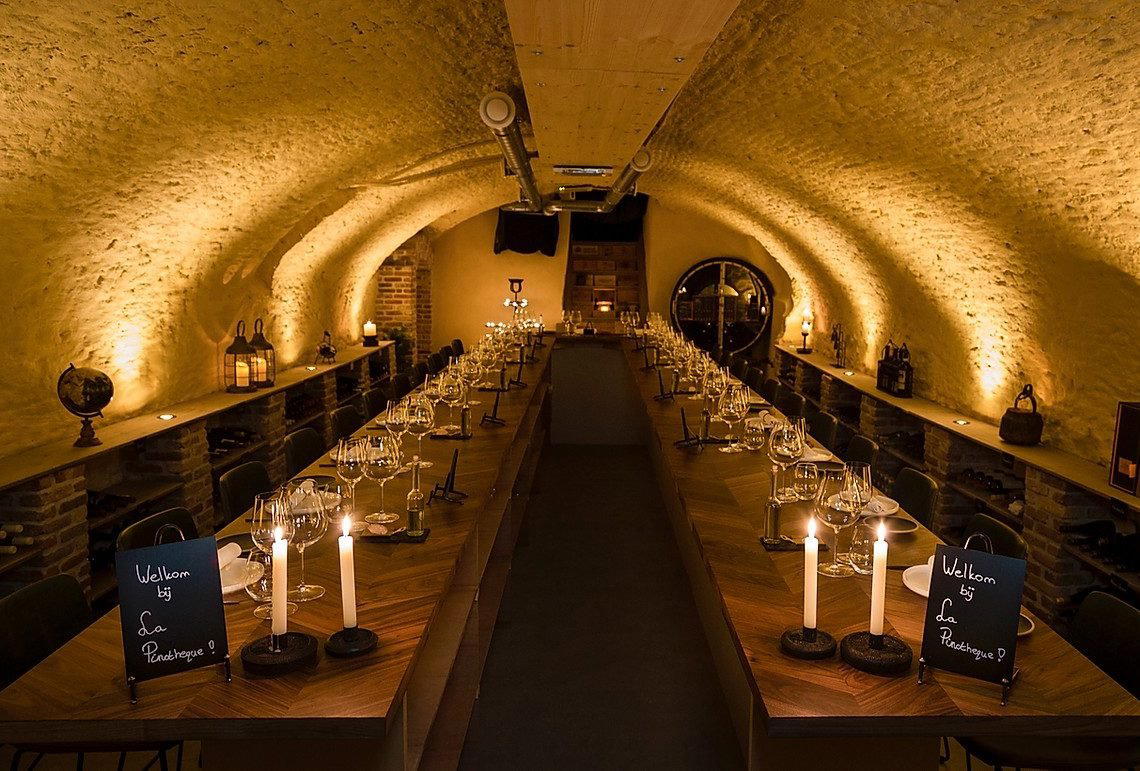
Warm, cozy interior with house-like warmth, fine details, and a family atmosphere as described in guest reviews.