
Chinese Sai KHAOS places contemporary Chinese cooking inside Fukuoka’s ingredient-driven dining conversation, with fish sourcing and a drinks program that reaches across sake, shochu, wine and cocktails. Its 2026 Tabelog Chinese WEST 100 selection, 20-seat format and Yakuin address put it in the city’s serious reservation-only tier rather than the casual Chinese bracket.
Pearl is the En Primeur Club membership app — saves, bookings, and concierge access live there. Same editors, same standards.
- Address
- 福岡県福岡市中央区薬院1-11-18
- Phone
- +818039720392
- Website
- tabelog.com
 Saves & bookings on Pearl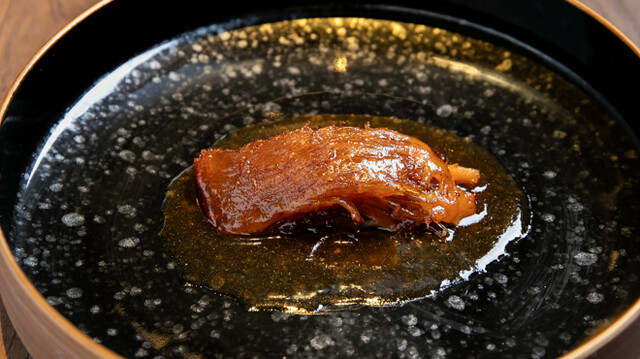
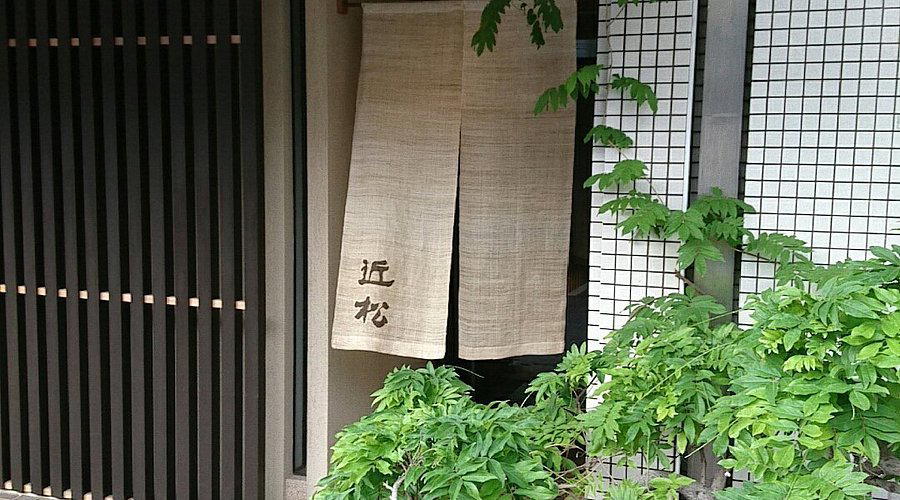
Yakuin’s dining rooms reveal themselves at street level rather than on grand avenues: compact counters, private rooms, small signs, and a clientele that knows why this part of Chuo-ku matters after dark. Chinese Sai KHAOS fits a newer Fukuoka pattern, treating Chinese cooking less as a fixed banquet canon than as a flexible technique set for Kyushu ingredients, especially fish.
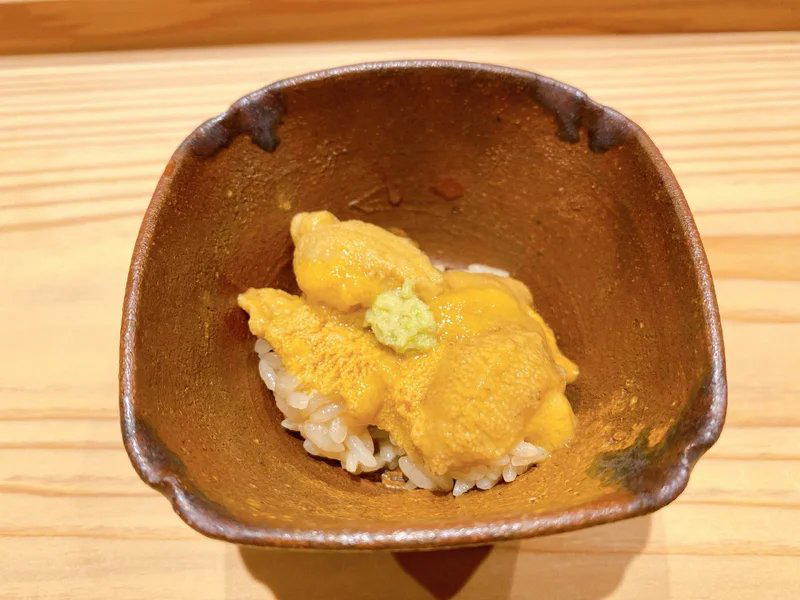
Fukuoka has an advantage larger restaurant cities cannot fake: productive waters, seafood-fluent market culture, and diners who notice when fish is primary rather than garnish. That matters because the restaurant positions itself around fish while remaining Chinese. The result is not a rejection of Chinese structure, but a local argument for what Chinese technique can do in a port city with seafood access and a public that treats freshness, texture and seasonality as daily standards.
Chinese technique, Fukuoka fish, and a counter built for watching the work
Contemporary Chinese dining in Japan has moved beyond the old hotel-restaurant split between Cantonese luxury and mapo-to-tantanmen comfort. In Fukuoka, the more interesting rooms are often small, ingredient-led and priced closer to kappo or counter sushi than neighborhood chuka. Chinese Sai KHAOS sits in that narrower tier: dinner is listed at JPY 15,000 to JPY 19,999, lunch at JPY 6,000 to JPY 7,999, signaling special-occasion intent without reaching the city’s highest sushi pricing.
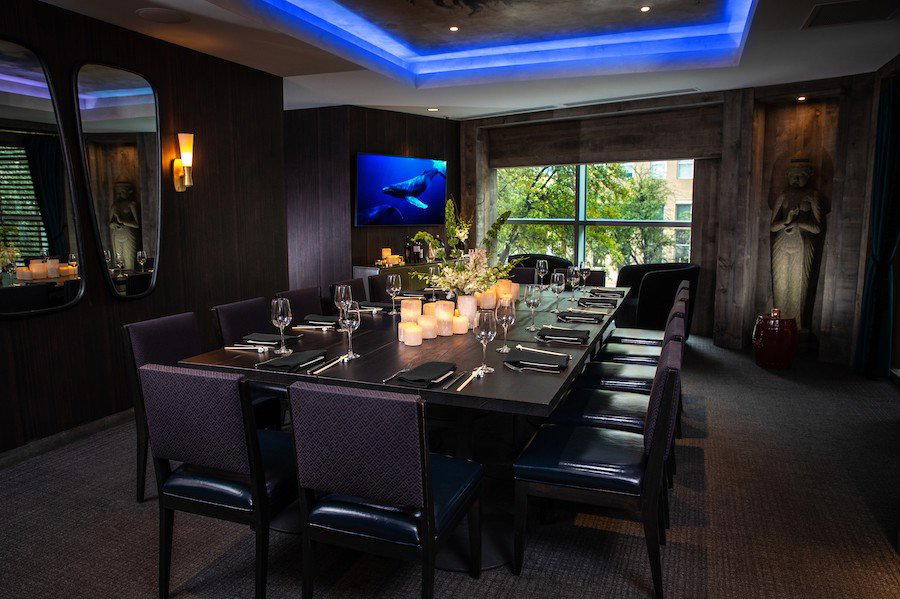
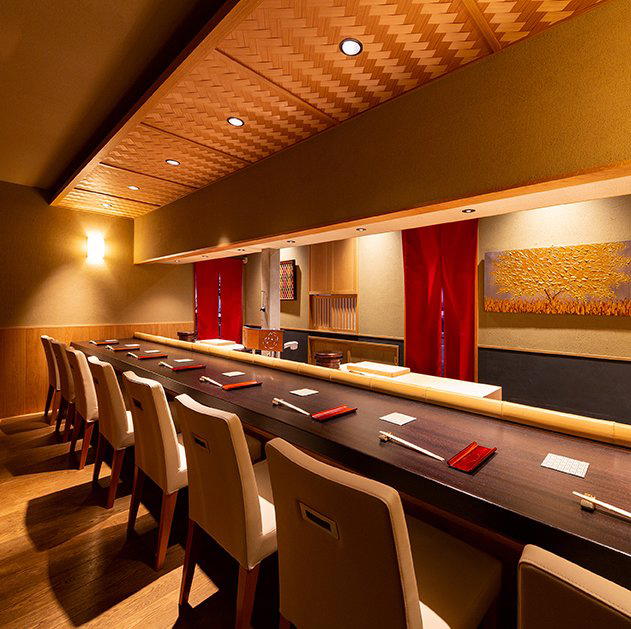
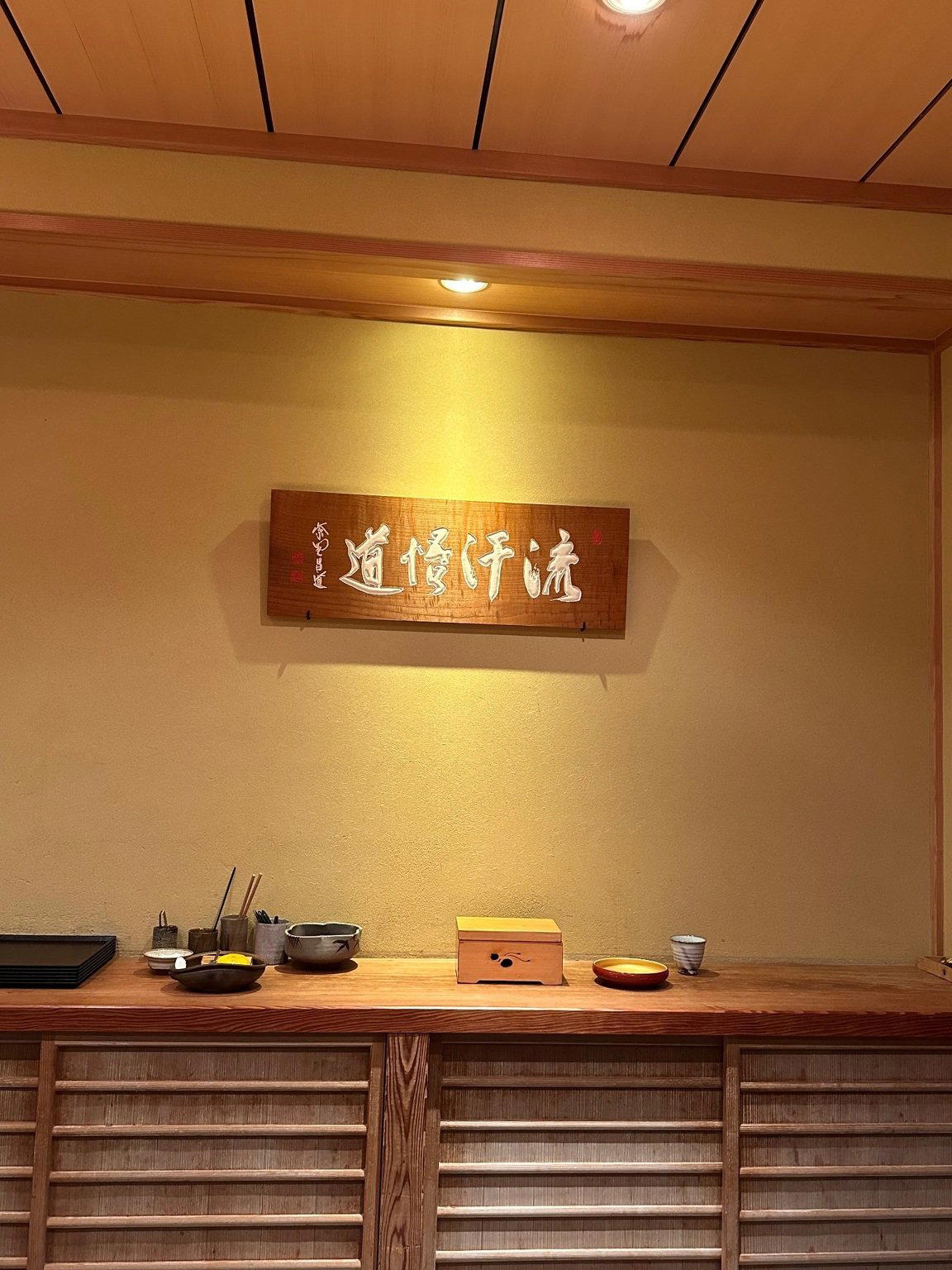
The format supports that reading: 20 seats total, including an eight-seat counter and two six-person private rooms. Practically, the room splits between guests who want to watch the cooking process and groups needing a contained setting. It is not high-volume casual Chinese; the counter brings wok work, plating decisions and service rhythm close to the guest.
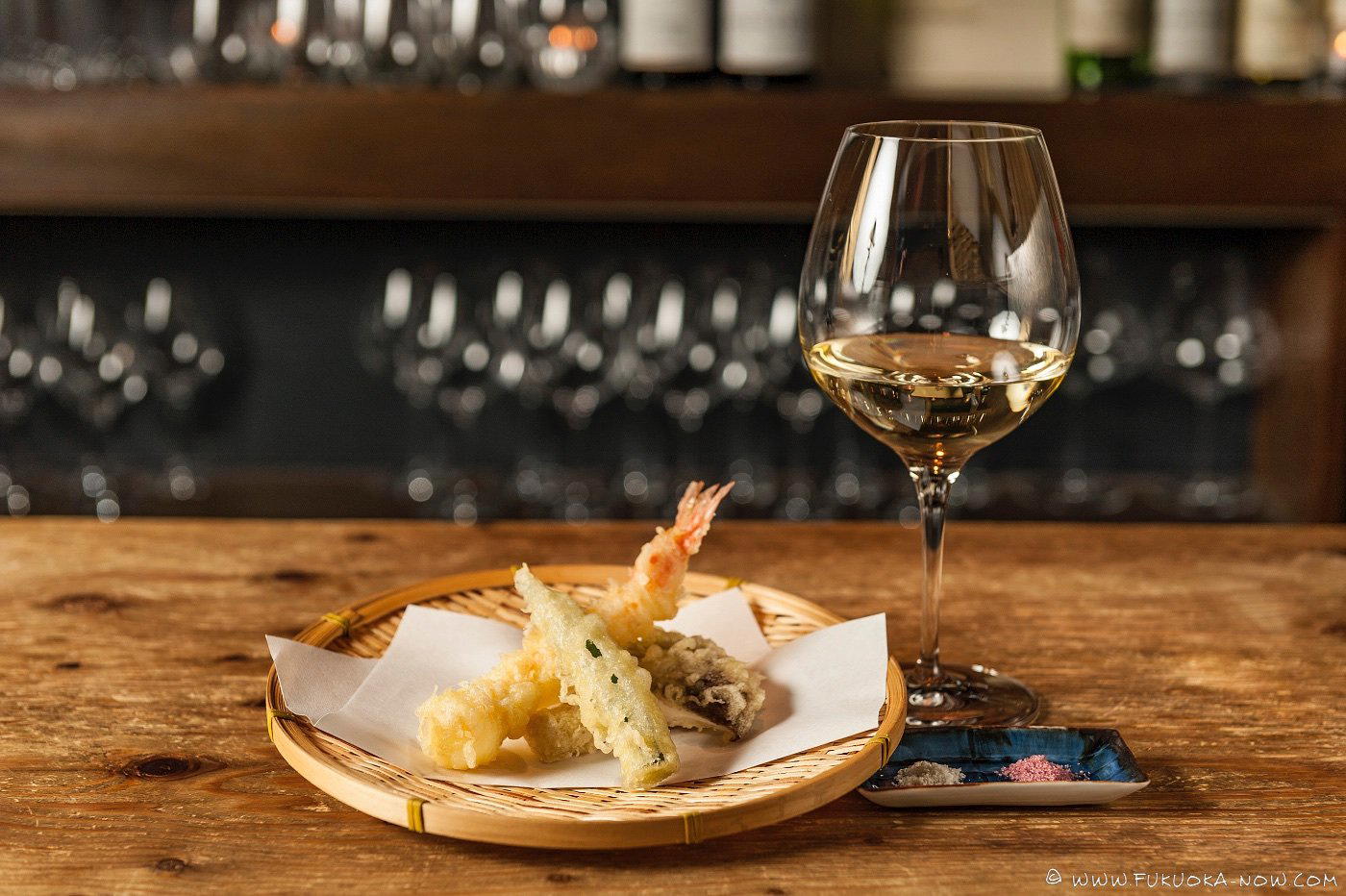
The drinks list adds another clue. Sake, shochu, wine and cocktails are listed, with particular attention to wine. That range fits the broader Japanese Chinese move toward pairing flexibility: aromatic whites, structured reds, rice-based spirits and local sake can each suit heat, oil, spice and seafood. For Fukuoka diners comparing categories, the restaurant reads closer to a modern tasting-counter meal than a simple order-and-share table.
Recognition came quickly. The restaurant opened on 2 November 2024 and was selected for Tabelog Chinese WEST 100 in 2026, with a Tabelog score of 3.73. The WEST list covers a competitive regional field beyond Fukuoka, giving the restaurant an external marker before a long operating history forms. The source display order is not an official ranking; selection is the signal.
Where it sits in Yakuin's serious-dining map
Yakuin is useful for visitors because it is neither the hotel-heavy city center nor a purely residential detour. It sits within Fukuoka’s restaurant spread, close enough to Tenjin for a short hop yet independent enough for rooms with local regulars. Nearby pricing shows the range: Bomber Kitchen Yakuin honten is JPY 1,000 to JPY 1,999, Soba Ozaki is JPY 3,000 to JPY 3,999 for dinner, Daidokoro JPY 10,000 to JPY 14,999, Tempura Tenko JPY 15,000 to JPY 19,999, and Sushi to Amakusa Daio Amane JPY 20,000 to JPY 29,999 for dinner.
That clarifies the decision. Chinese Sai KHAOS is not competing with everyday Yakuin meals; it sits beside higher-touch formats where seat count, pacing and ingredient buying matter. Tempura Tenko shares the same dinner band, while Sushi to Amakusa Daio Amane sits above it. Chinese cooking gives the meal different grammar: sauces, heat control, fragrance, and the possibility of pairing fish with Chinese technique rather than the minimalist sequencing expected at sushi counters.
For a broader city read, compare it with Fukuoka’s specialist rooms rather than generic Chinese dining. South Indian cooking has a following at 106 South Indian Fukuoka tenjin ten, spice-driven modern cooking appears at Afterglow, local Japanese dining is represented by Aji Dokoro Taro Gen Sougyou ten, fried fish has a sharper casual expression at Aji Furai Shokudo Kaba, and longstanding comfort sits at Aji no Katsueda. Together, these addresses show why Fukuoka rewards planning by category and mood, not only price.
Planning the meal without treating it like a walk-in stop
The restaurant is reservation-only, with private room fees. Lunch runs 12:00 PM to 2:00 PM and dinner 6:00 PM to 11:00 PM on Tuesday through Sunday and public-holiday periods; Monday is closed. The address is 1-11-18 Yakuin, Chuo-ku, Fukuoka, a five-minute walk from Yakuin-Odori Station, with no dedicated parking and coin parking nearby. The room is non-smoking, wheelchair accessible, and accepts credit cards, transportation IC cards and several QR payments.
Private-room and full-rental flexibility widen the audience beyond date-night dining. Private rooms are available for two, four or six people, and full private use is listed for up to 20 people. Children are welcome, including babies, preschoolers and school-age children; strollers are accepted and a kids menu is listed. That family-friendly infrastructure is unusual in many small premium counters and makes the restaurant more versatile than its price band suggests.
The strongest case for booking is ingredient logic. Fukuoka’s better dining rooms often succeed when they stop imitating Tokyo and use Kyushu’s supply chain directly. Here, fish emphasis, Chinese category and counter format align into something more specific than another luxury template. For a Fukuoka itinerary, place this on the serious Chinese and seafood-led side, then balance it with lower-key meals elsewhere in Yakuin and Tenjin.
For more city planning, use Our full Fukuoka restaurants guide, Our full Fukuoka hotels guide, Our full Fukuoka bars guide, Our full Fukuoka wineries guide and Our full Fukuoka experiences guide. Travelers extending the search across Japan and beyond can also compare category decisions with -Grilled beef Sukiyaki- KAMAKURA TANUKIAN 鎌倉 たぬき庵 in Kamakura. 鮪と炭火焼き うお炭 秋葉原店 in Tokyo.cafe in Osaka.know in Kumamoto, (Shoku) Vietnam in Kawasaki, [Curry Senmon Ten] Maruyama Kyoju. in Sapporo, Jōdo Saké Bar in Los Angeles and Onigiri Time in Pasadena.
Comparison Snapshot
Comparable venues by cuisine and price in the same metro.
| Venue | Cuisine | Price | Notes |
|---|---|---|---|
| Chinese Sai KHAOSThis venue — the venue you are viewing | Theatrical Modern Chinese using Kyushu ingredients | $$$ | Not listed |
| SESSION | Modern Cantonese Course Dining | $$$ | Chūō |
| Beef Taigen (Beef泰元) | Premium Kagoshima Wagyu Steakhouse | $$$ | Hakata |
| Hyaku Shiki | Seasonal Japanese Izakaya & Robatayaki | $$$ | Chūō |
| Soba Kiri Kanbee | Traditional Japanese Soba | $$$ | Chūō |
| IMAISHIHANTEN SUZUKA | Modern Chinese Omakase | $$$ | Minami |
Recognition history
Dated appearances from independent guides and award organizations, with the underlying list record or original source where available.
Tabelog 100 #40 · No. 40
Tabelog · Tabelog 100 - Chinese cuisine - WEST - 2026
At a Glance
- Modern
- Elegant
- Cozy
- Trendy
- Intimate
- Date Night
- Business Dinner
- Group Dining
- Family
- Celebration
- Special Occasion
- Private Event
- Chefs Counter
- Open Kitchen
- Private Dining
- Design Destination
- Standalone
- Extensive Wine List
- Local Sourcing
Calm, dim and theater-like interior with stylish, spacious counter seating and private rooms, designed to feel like an extraordinary hideout where guests watch the cooking performance up close.