
SESSION brings Cantonese cooking into Fukuoka’s Tenjin-Minami dining orbit with a format that suits both à la carte meals and course-led occasions. Its selection for Tabelog Chinese WEST “Tabelog 100” in 2021, 2024, and 2026 gives it a clear credential within western Japan’s Chinese restaurant field, while the room’s private-room structure makes planning matter more than at a casual drop-in counter.
Pearl is the En Primeur Club membership app — saves, bookings, and concierge access live there. Same editors, same standards.
- Address
- 福岡県福岡市中央区渡辺通5-25-18 天神テルラビル 2F
- Phone
- +81927324444
- Website
- tenjinterra.com
 Saves & bookings on Pearl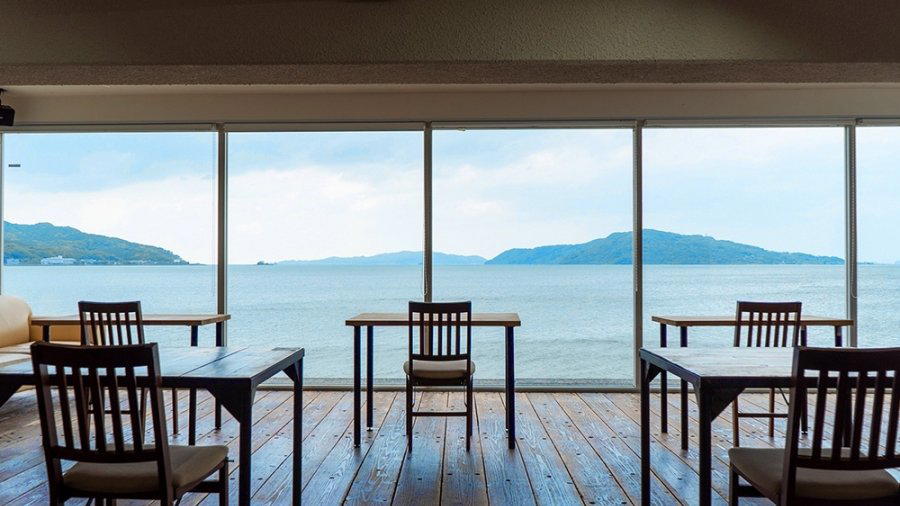
Tenjin-Minami is not a hushed dining quarter. It is commercial Fukuoka at street level: station exits, department-store traffic, office workers crossing Watanabedori, and restaurants stacked vertically rather than announced from the pavement. Here, Chinese dining works less as ceremony than social infrastructure: food for family tables, business meals, celebrations, and quick decisions after shopping or work. SESSION fits that pattern: a Chinese restaurant in the Tenjin Terra building whose draw is not theatrical rarity, but useful breadth across Cantonese cooking, familiar Chinese dishes, and a room built for groups as much as couples.
Fukuoka’s restaurant identity is often reduced to ramen, yatai, seafood, and motsunabe, but the city’s dining map is broader. Its interesting middle tier sits between inexpensive neighborhood staples and tightly booked counters, where restaurants must satisfy repeat local use rather than destination-only tasting-menu tourism. Chinese cooking has an advantage there: it can move from lunch to dinner, shared plates to set courses, children at the table to wine with clients, without changing the meal’s grammar.
Cantonese breadth in a city that usually sells itself through local specialities
The editorial point is category, not novelty. Cantonese restaurants in Japan often succeed by balancing polish with accessibility: enough technique for a planned meal, enough recognizable dishes to organize the table easily. SESSION’s public positioning names Cantonese cuisine alongside familiar Chinese dishes, placing it closer to a flexible urban Chinese restaurant than a chef-counter destination. That matters in Fukuoka, where visitors chasing a narrow list of local foods often miss how much dining life happens in broader, everyday formats.
The Tabelog Chinese WEST “Tabelog 100” selections in 2021, 2024, and 2026 give the restaurant a useful benchmark. This is not a Michelin-star signal and should not be read as one. It does, however, place the address within a curated western Japan Chinese category, a more relevant comparison than Fukuoka yakitori or ramen rooms. In practical terms, the recognition suggests consistency across years rather than one burst of attention.
That consistency matters because the price tier sits well below the city’s high-counter bracket. Yakitori Koto operates in a higher dinner-spend band, while Rojiura Curry Tiki and I’m donut? Fukuoka ten occupy a more casual lane. SESSION’s role is different: a planned but not rarefied Chinese meal, structured enough for a course and loose enough for à la carte. For Fukuoka itineraries, it is a useful counterweight to seafood bars, skewers, and noodle runs.
The booking logic is about table shape, not trophy hunting
In station-adjacent dining cities, the hardest table is not always the highest-priced one. Sometimes the pressure point is configuration. A Chinese restaurant with private rooms, main-floor partitions, and group-friendly service can fill through family occasions and work dinners before reaching a visitor shortlist. The planning question is less prestige scarcity than choosing the right meal format: shared dishes, a course, children included, or a quieter room for celebration.
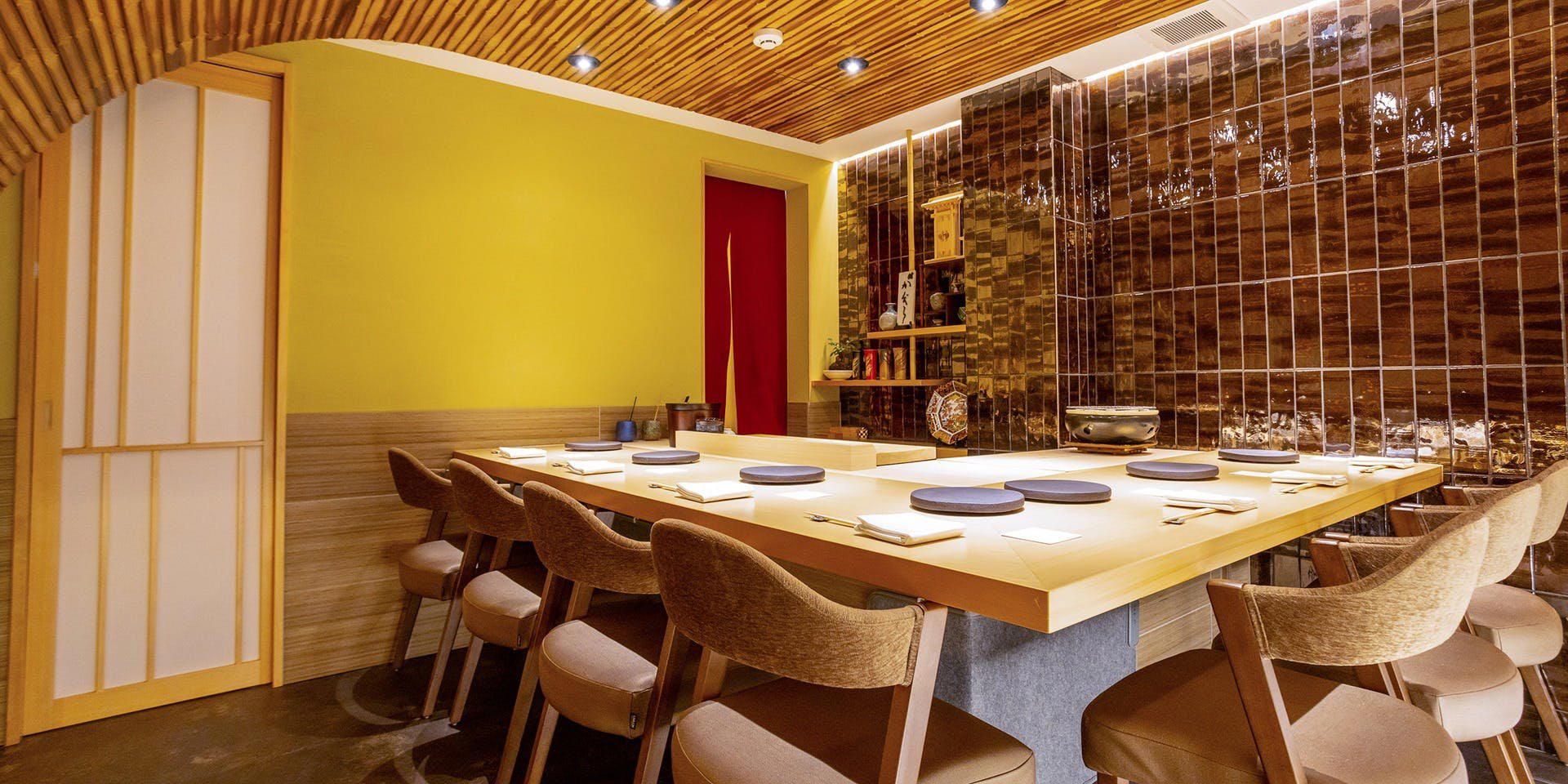
That is why this reads as a local-use restaurant first. Private rooms for small groups and a larger room option change how the meal functions. Chinese food is often strongest when the table orders communally, and compact central Fukuoka rewards restaurants that handle different party sizes without forcing every diner into a fixed tasting structure. Take-out and celebration service reinforce the same point: this is embedded in repeated city use, not just special-occasion tourism.
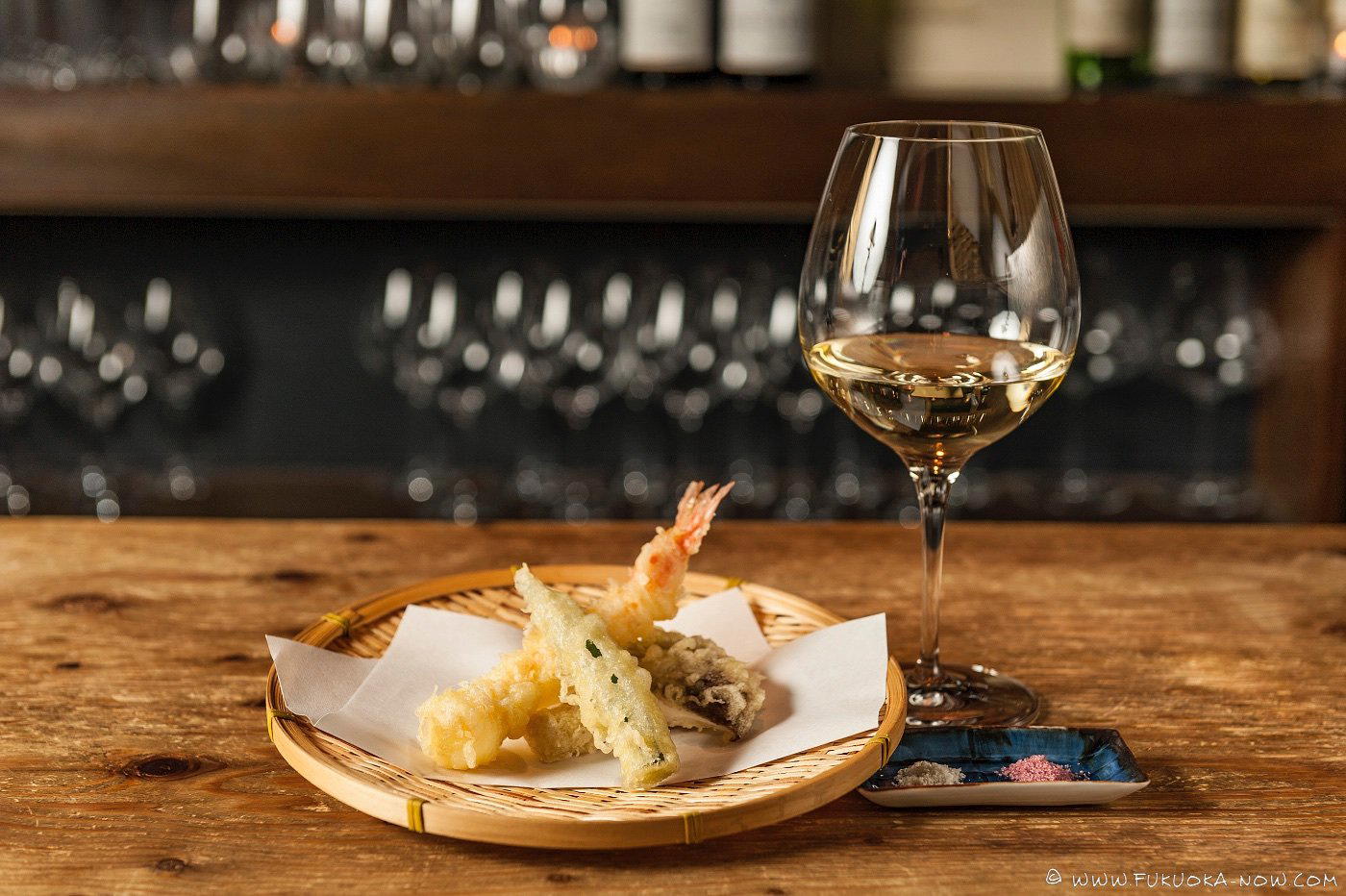
The drinks signal also matters. Shochu, wine, and cocktails are listed, with particular emphasis on wine. In Fukuoka, where shochu remains culturally close and wine increasingly appears in restaurants stretching beyond beer-and-highball defaults, that combination is telling. Cantonese cooking offers a broad pairing field: seafood-led dishes can take lighter wines, richer shared plates can move toward shochu or cocktails, and mixed tables do not need one narrow beverage script.
The kitchen’s stated attention to fish also connects the restaurant to the city. Fukuoka’s proximity to productive waters shapes expectations across cuisines, not only Japanese restaurants. A Chinese restaurant foregrounding fish participates in the same local ingredient conversation as sushi counters and izakaya, with a different technical vocabulary. Read it not as “Chinese instead of Fukuoka food,” but as Chinese cooking inside Fukuoka’s seafood-aware dining culture.
How to place it within a Fukuoka food day
A smart Fukuoka schedule needs contrast. If lunch was curry, fried fish, or a queue-driven snack, dinner benefits from a seated table with range. If the previous night was skewers or a chef-led counter, Chinese shared plates restore flexibility. The city has narrow specialisms, from South Indian cooking at 106 South Indian Fukuoka tenjin ten to spice-driven dining at Afterglow, seafood-focused local meals at Aji Dokoro Taro Gen Sougyou ten, fried horse mackerel at Aji Furai Shokudo Kaba, and comfort cooking at Aji no Katsueda. SESSION works when the meal needs a wider table, not a single-dish mission.
For comparison, use the broader planning rails: Our full Fukuoka restaurants guide for dining context, Our full Fukuoka hotels guide for where to stay, Our full Fukuoka bars guide for after-dinner drinking, Our full Fukuoka wineries guide for wine-related stops, and Our full Fukuoka experiences guide for cultural scheduling around meals. Travelers extending beyond Kyushu can calibrate against other Japanese and overseas listings, from -Grilled beef Sukiyaki- KAMAKURA TANUKIAN 鎌倉 たぬき庵 in Kamakura and. 鮪と炭火焼き うお炭 秋葉原店 in Tokyo to.cafe in Osaka.know in Kumamoto, (Shoku) Vietnam in Kawasaki, [Curry Senmon Ten] Maruyama Kyoju. in Sapporo, Jōdo Saké Bar in Los Angeles, and Onigiri Time in Pasadena.
The verdict is deliberately practical. This is the Fukuoka Chinese booking to consider when the table needs range, recognition, and an easy central-city rhythm rather than a hushed luxury script. Its strongest claim is not spectacle, but the combination of Cantonese breadth, western Japan awards recognition, and a format that understands how people dine in Tenjin-Minami.
- SESSION special dim sum assortment
- Seafood wonton noodles
- Hong Kong-style claypot rice
- Signature superior stock (shontong) soup
- Dry-cured pork and preserved meat claypot rice
- Claypot rice with fresh fish
Cuisine and Recognition
Comparable venues for orientation by cuisine and category.
| Venue | Cuisine | Price | Notes |
|---|---|---|---|
| SESSIONThis venue — the venue you are viewing | Modern Cantonese Course Dining | $$$ | Not listed |
| ginmi | Kyushu Izakaya | $$$ | Chūō |
| Pizzeria Da Gaetano Yakuin ten | Authentic Neapolitan Pizzeria | $$$ | Chūō |
| Riki Hanten | Yakiniku (Japanese BBQ) | $$$ | Chūō |
| Aji Dokoro Taro Gen Sougyou ten | Seafood Kaiseki | $$$ | Hakata |
| Yakitori Morimoto | Yakitori | $$$ | Chūō |
Recognition history
Dated appearances from independent guides and award organizations, with the underlying list record or original source where available.
Tabelog 100 #69 · No. 69
Tabelog · Tabelog 100 - Chinese cuisine - WEST - 2026
At a Glance
- Modern
- Elegant
- Cozy
- Intimate
- Date Night
- Business Dinner
- Group Dining
- Celebration
- Special Occasion
- Private Dining
- Design Destination
- Hotel Restaurant
- Local Sourcing
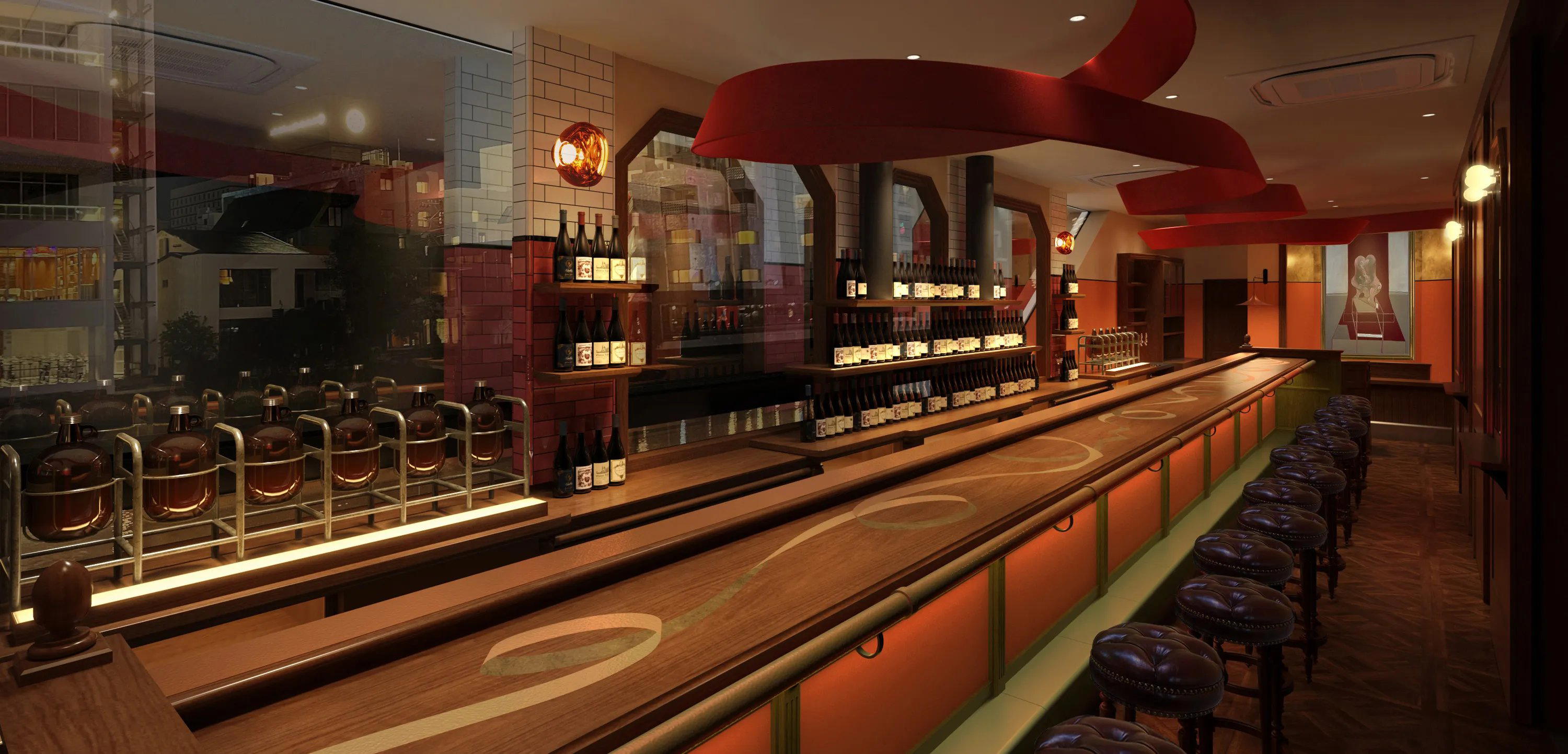
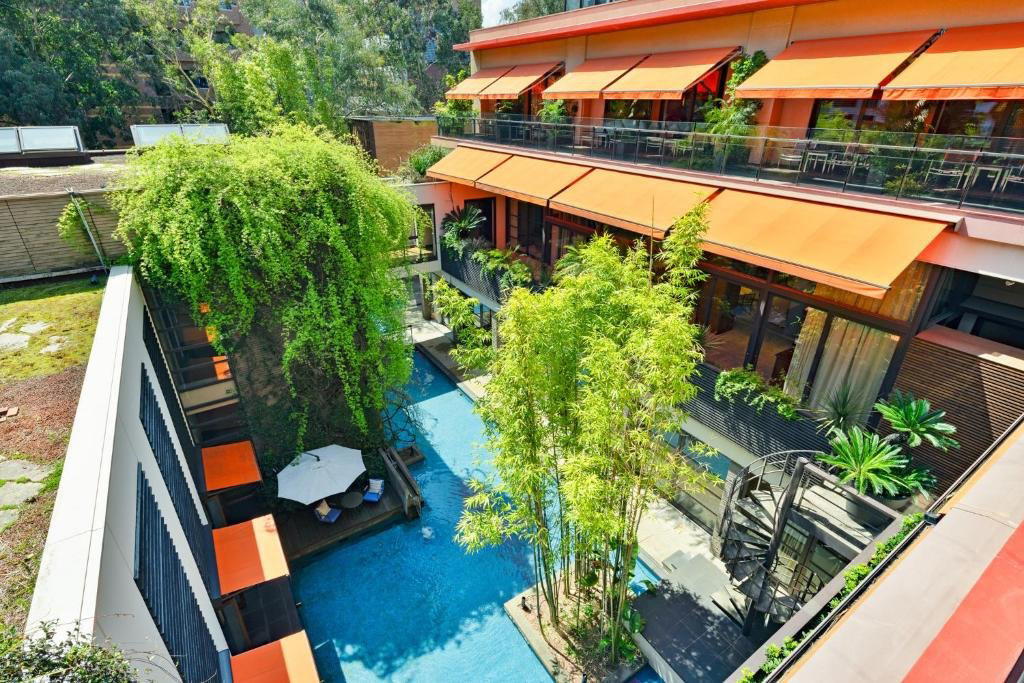
Refined and modern with a quiet, intimate feel, SESSION offers course-style Cantonese dining in small main and private rooms, emphasizing careful presentation and a relaxed but upscale atmosphere suited to special meals and focused conversation.