
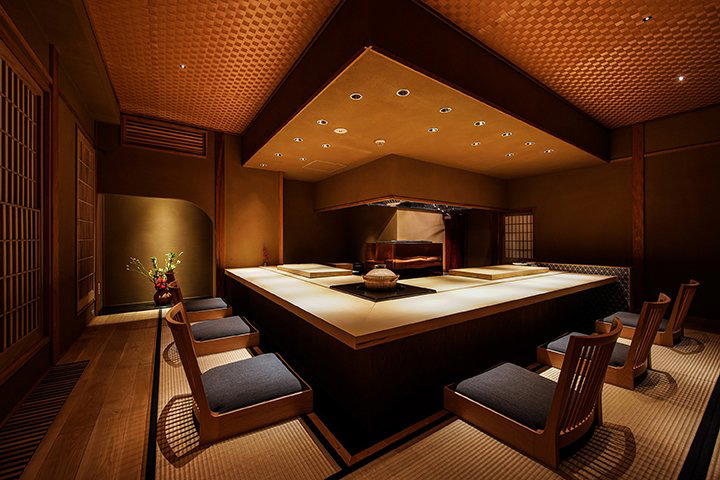
Chinese Meisai Rekishin represents Nagoya’s quieter high-end Chinese current: small counter format, wine in the glass, and a sourcing-led kitchen rather than banquet-room excess. Its 2026 selection for Tabelog’s Chinese EAST 100 places it in a serious regional conversation, while the Marunouchi setting keeps the experience closer to specialist dining than hotel-restaurant formality.
Pearl is the En Primeur Club membership app — saves, bookings, and concierge access live there. Same editors, same standards.
- Address
- 愛知県名古屋市西区那古野1-36-52
- Website
- tabelog.com
 Saves & bookings on Pearl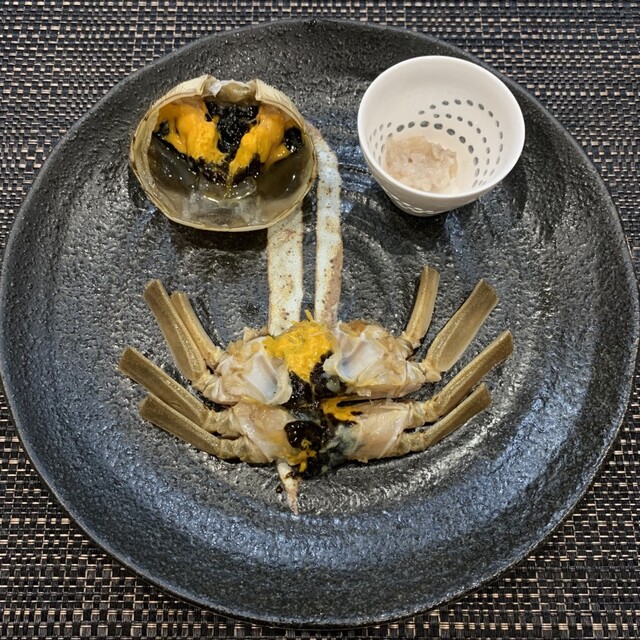
Approach Marunouchi from Nagoya’s commercial core and the city’s restaurant geography shifts: office blocks, old merchant streets, and the calmer edges of Nagono replace the station-front rush. Here, Chinese Meisai Rekishin reads less like a grand Chinese dining room than a compact specialist counter, where scale sharpens attention on sourcing, pacing, and the chef’s control of heat. Nagoya is confident in its own food culture, yet Chinese cooking here sits below the national radar compared with Tokyo and Yokohama. That makes its smaller Chinese counters worth watching: regional Japanese ingredients meet Chinese technique without hotel-banquet ceremony.
The signal is not just local enthusiasm. Chinese Meisai Rekishin was selected for Tabelog’s Chinese EAST 100 in 2026, a useful marker because the list cuts across eastern Japan rather than rewarding one city’s name recognition. Its Tabelog score of 3.67 places it in a narrow, credibility-driven tier where format and consistency matter. For diners mapping Nagoya beyond miso-katsu and hitsumabushi, this address shows another side of the city: quieter, reservation-led, and more interested in small-room discipline than spectacle.
A small counter pushes Chinese technique toward ingredient precision
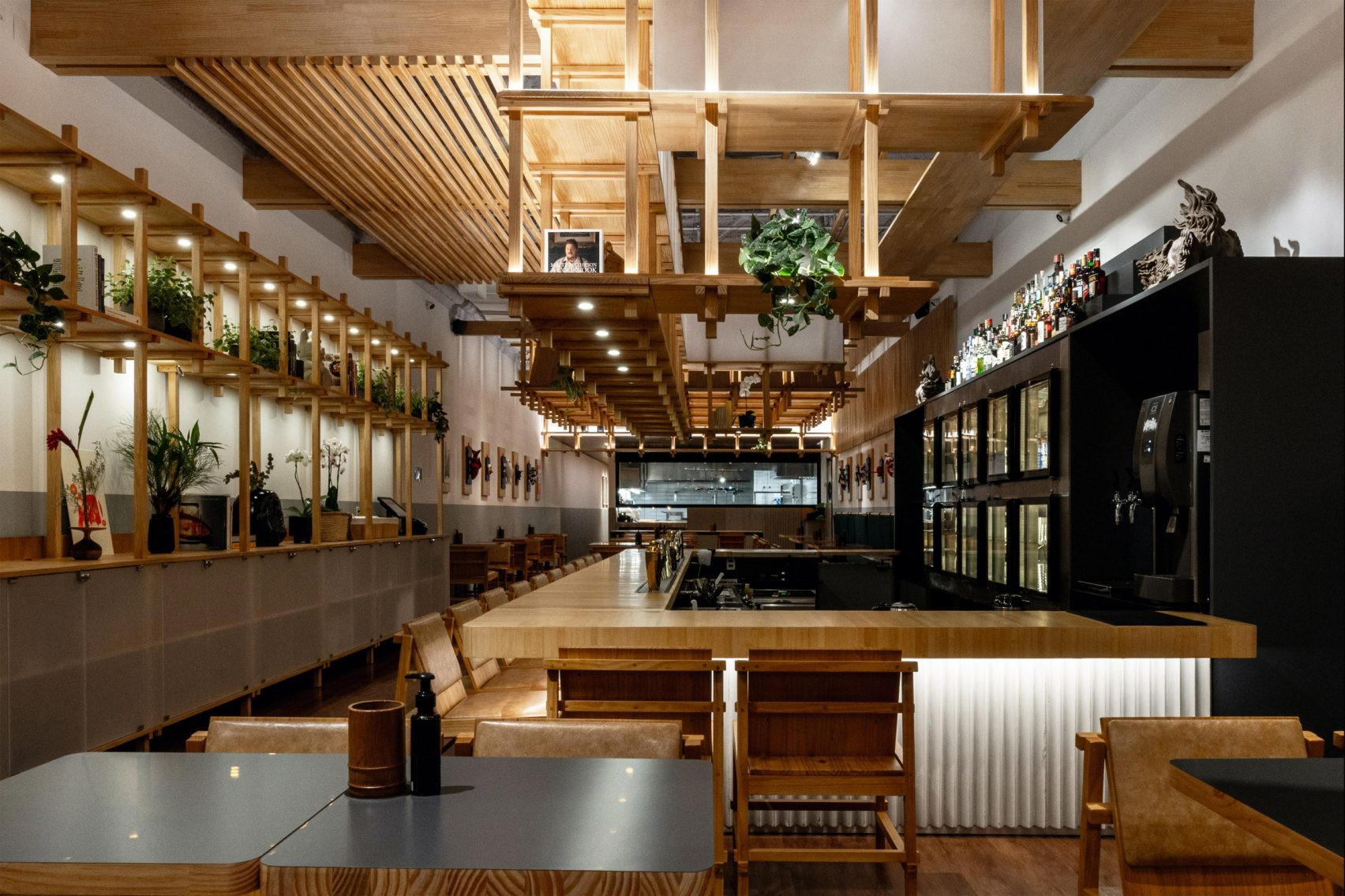
Contemporary Chinese dining in Japan has split into visible modes. One is the luxury hotel model, with private rooms, polished service, and broad menus. Another is the chef-counter format, borrowing sushi and kappo intimacy while applying it to Chinese cooking: wok, steamer, stockpot, and knife work become visible parts of the meal’s logic. Chinese Meisai Rekishin belongs to the latter camp. Counter seating defines the room and compresses the distance between product and technique.
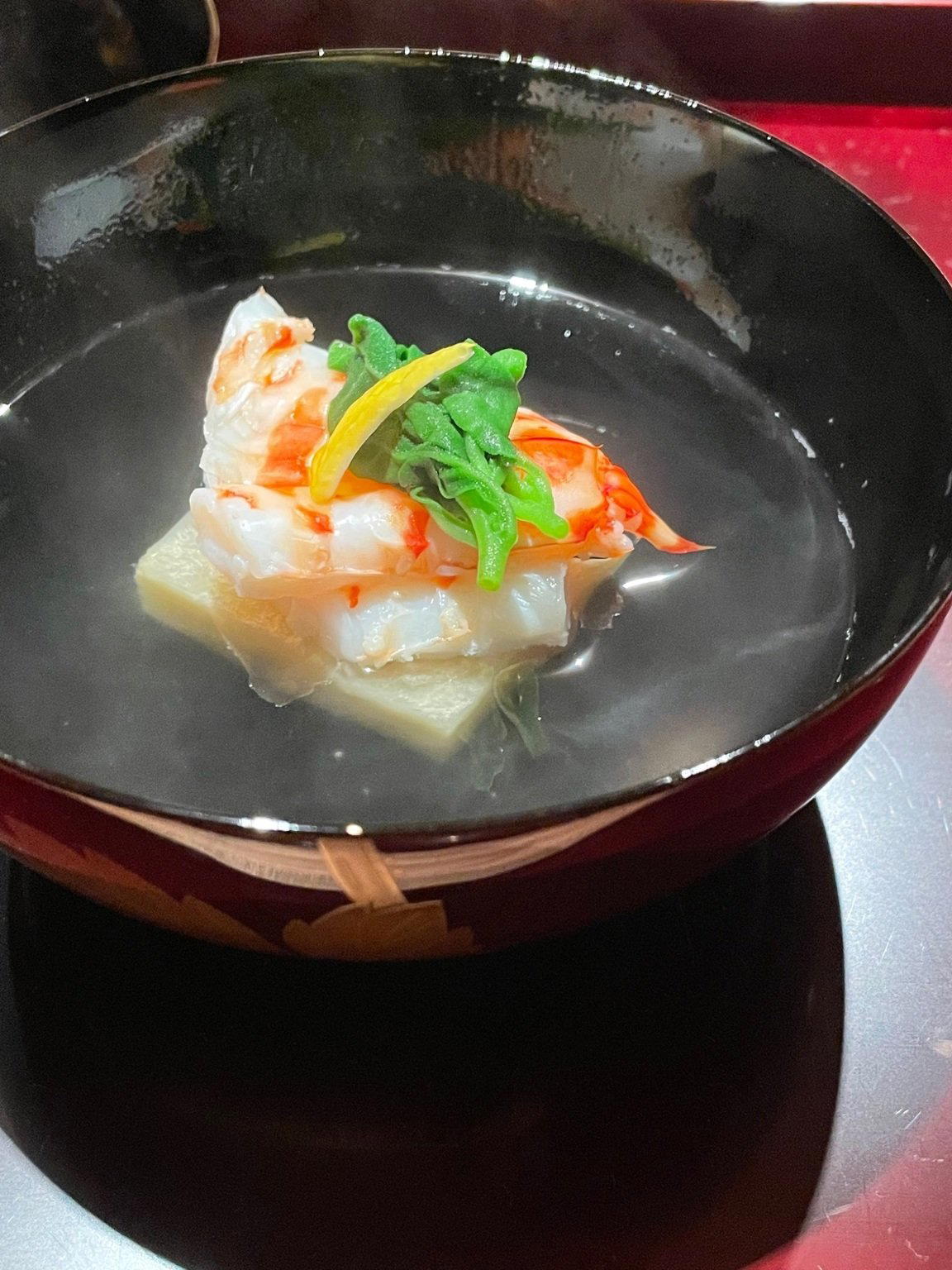
That matters because sourcing is where Japanese-Chinese restaurants often distinguish themselves from generic regional Chinese cooking abroad. The strongest kitchens do not simply reproduce Sichuan, Cantonese, Shanghai, or Beijing templates. They begin with Japanese seafood, vegetables, poultry, and seasonal produce, then apply Chinese methods of fragrance, texture, and heat. The result can be subtler than diners expecting chilli-led drama assume. The skill is timing: keeping vegetables crisp, drawing sweetness from shellfish stock, or letting oil carry aroma rather than weight. No dish needs naming; this is cuisine built around control.
Wine service tells the same story. Japanese high-end Chinese restaurants increasingly treat wine as a serious partner, especially where courses arrive in controlled sequence rather than across a shared table. Wine changes the register of Chinese dining: sauces tighten, portions are calibrated, and spice is handled with structure rather than volume. In Nagoya, that places the restaurant closer to intimate tasting-counter culture than group-dining Chinese tradition. Readers comparing the broader city scene can start with Our full Nagoya restaurants guide, then branch into hotels, bars, wineries, and experiences through Our full Nagoya hotels guide, Our full Nagoya bars guide, Our full Nagoya wineries guide, and Our full Nagoya experiences guide.
Nagoya's serious dining tier is broader than Japanese cuisine
Nagoya’s premium restaurant scene is often read first through Japanese categories: kappo counters, beef rooms, sushi, eel, and regional comfort cooking refined for expense-account dining. The more interesting view is wider. Small-format Chinese restaurants now compete for diners who might otherwise book French, modern Japanese, or ingredient-led grill counters. In the local comparison set, Riverente and Japanese cuisine Nao sit in a higher dinner band, while ComedorKito- aligns more closely on spend. Kikkou Hanare moves between a higher dinner bracket and lower lunch range. These comparisons matter not because the cuisines are interchangeable, but because they show where specialist Chinese now sits in the city’s premium hierarchy.
The opening date, June 2020, gives the restaurant a specific generational context. It arrived when Japan’s small dining rooms had to sharpen their proposition: fewer seats, clearer identity, and a stronger reason to plan ahead. In Chinese cooking, that pressure often favored compact menus and chef-led formats over sprawling carte blanche ordering. A room like this asks diners to think less about abundance and more about sequence: not how many dishes can be sampled, but how carefully the kitchen moves through texture, heat, and seasonal product within a limited frame.
That shift mirrors a national pattern. Tokyo may dominate international attention, but regional cities have become more persuasive for diners who care about supply chains and local product. Aichi’s position between the sea, agricultural areas, and major transport routes gives Nagoya kitchens a practical advantage: central Japanese produce plus national distribution. Disciplined Chinese counters use that position well, interpreting Chinese technique through what the region can supply. For travelers building a wider Japan itinerary around specialist restaurants, compare Nagoya’s tone with national listings such as -Grilled beef Sukiyaki- KAMAKURA TANUKIAN 鎌倉 たぬき庵 in Kamakura, . 鮪と炭火焼き うお炭 秋葉原店 in Tokyo, .cafe in Osaka, .know in Kumamoto, (Shoku) Vietnam in Kawasaki, and [Curry Senmon Ten] Maruyama Kyoju. in Sapporo.
Who should prioritise this room
This is a strong choice for diners who understand Japanese counter culture and want to see it applied outside sushi, tempura, or kappo. It is not the natural pick for a first casual Chinese meal in Nagoya, nor for a large, relaxed group wanting to order freely across a long menu. The appeal is compression: limited seats, a controlled room, and cuisine where sourcing carries as much weight as seasoning. The 2026 Tabelog Chinese EAST 100 selection gives it a public credential, but the more telling detail is format. Small counters expose weak cooking quickly and reward kitchens that make product, timing, and restraint feel intentional.
For visitors, plan this as a focused dinner or lunch rather than a spontaneous stop. Marunouchi works well for travelers staying near Nagoya Station or moving through central business districts, and the room’s scale suits diners comfortable with reservations. Those building a fuller itinerary can place it alongside Nagoya peers such as 1022, 451, Aaron, Alan. and All Day Dining Montmartre. For a cross-Pacific contrast in Japanese-adjacent dining formats, Jōdo Saké Bar in Los Angeles and Onigiri Time in Pasadena show how narrower concepts travel differently outside Japan.
In Context: Similar Options
Comparable venues at similar price and category levels.
| Venue | Cuisine | Price | Notes |
|---|---|---|---|
| Chinese Meisai RekishinThis venue — the venue you are viewing | Chinese Fine Dining | $$$ | Not listed |
| China Hanten Shunju | Modern Shanghai Chinese with Chubu regional ingredients | $$$ | Naka |
| Chinese Ryori Ryujo | Modern Cantonese Chinese in a luxury Nagoya hotel | $$$ | Naka |
| Kofukusai Kamekichi | Sichuan Chinese | $$$ | Higashi |
| Chuka Kappou Hisada | Seasonal Chinese Kappo / Kaiseki-style Counter | $$$$ | Higashi |
| Szechuan Restaurant Chin Nagoya | Modern Sichuan Chinese with city views | $$$ | Nakamura |
Recognition history
Dated appearances from independent guides and award organizations, with the underlying list record or original source where available.
Tabelog 100 #50 · No. 50
Tabelog · Tabelog 100 - Chinese cuisine - EAST - 2026
Continue exploring
More in Nagoya
Restaurants in Nagoya
Browse all →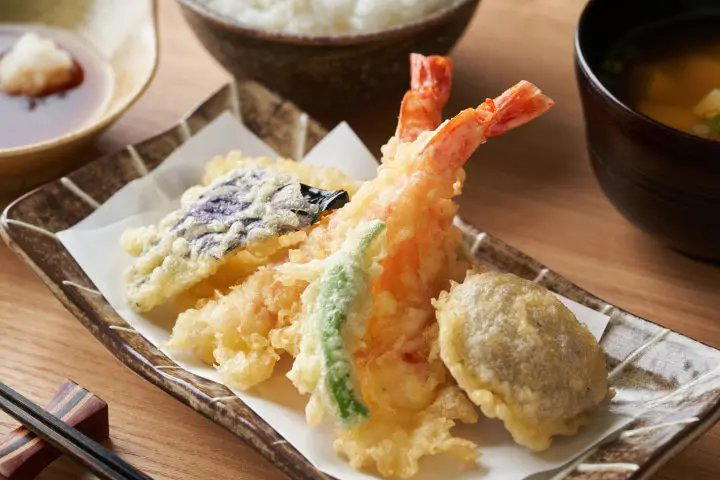
At a Glance
- Classic
- Intimate
- Sophisticated
- Business Dinner
- Celebration
- Special Occasion
- Private Event
- Chefs Counter
- Historic Building
- Standalone
- Sake Program
A quiet, hidden-gem counter setting with a small, focused dining room that feels exclusive and reservation-driven.